
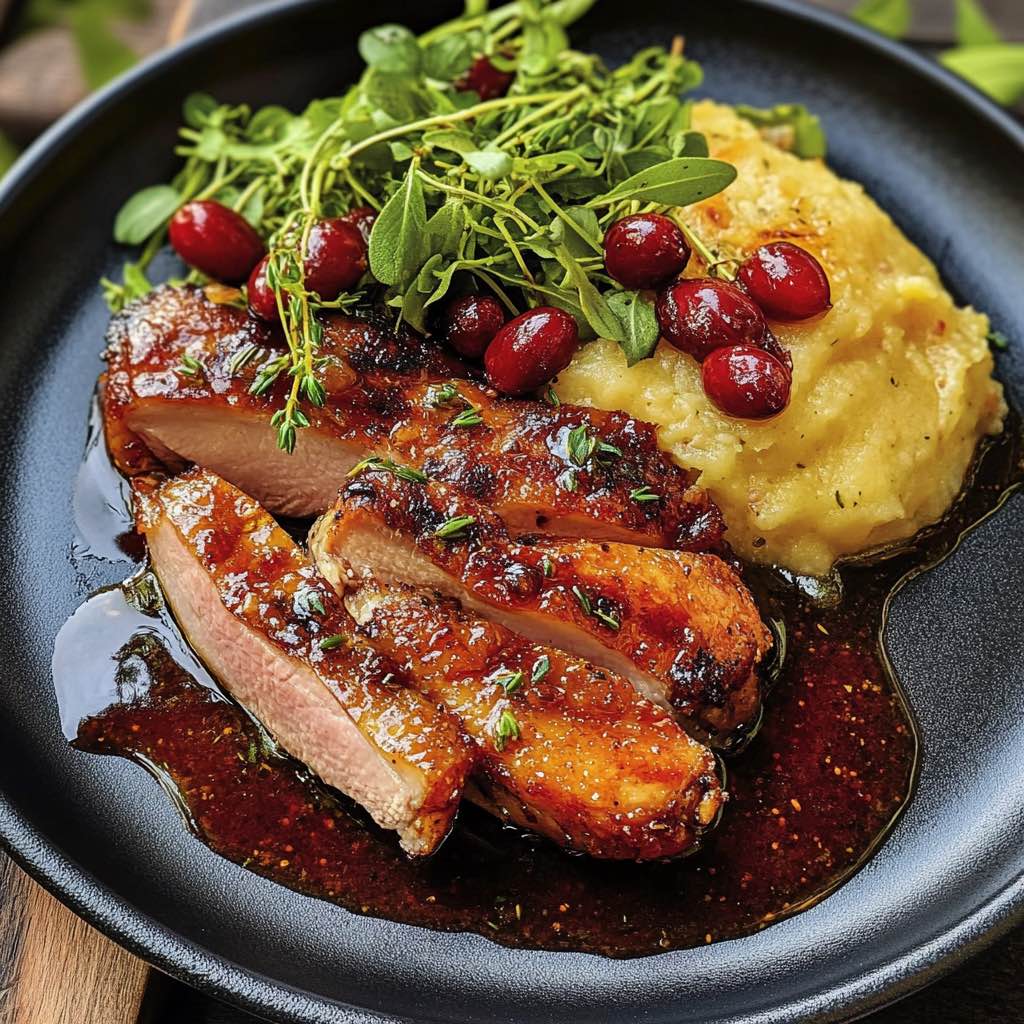
Cranberry Thyme Duck: The Ultimate Guide to This Exquisite Holiday Dish
Table of Contents
-
Introduction
-
What Makes Cranberry Thyme Duck Special
-
Essential Ingredients for Perfect Results
-
Step-by-Step Cooking Methods
-
Flavor Variations and Adaptations
-
Serving Suggestions and Pairings
-
Professional Tips for Success
-
Health Benefits and Nutrition
-
Storage and Reheating Guidelines
-
Frequently Asked Questions
-
Conclusion
Introduction
Cranberry thyme duck represents the pinnacle of sophisticated home cooking. This elegant dish combines the rich, succulent flavors of perfectly cooked duck with the tart sweetness of cranberries and the earthy aroma of fresh thyme. Whether you’re planning a special holiday meal or simply want to impress dinner guests, this remarkable combination delivers restaurant-quality results in your own kitchen.
The art of preparing cranberry thyme duck has been perfected over generations. Furthermore, this dish showcases how simple ingredients can create extraordinary flavors when combined thoughtfully. In addition, the natural richness of duck breast pairs beautifully with the bright acidity of cranberries, while thyme adds an herbaceous note that ties everything together harmoniously.
What Makes Cranberry Thyme Duck Special
The Perfect Flavor Balance
Duck meat offers a unique richness that sets it apart from other poultry. Therefore, it requires complementary flavors that can stand up to its intensity. Cranberries provide the perfect counterpoint with their natural tartness. Meanwhile, thyme contributes an earthy, slightly floral note that bridges the gap between the rich meat and bright fruit.
This combination works on multiple levels. However, the magic happens when these flavors meld during cooking. The cranberries break down slightly, creating a natural sauce. In addition, the thyme releases its oils, infusing the entire dish with aromatic complexity.
Seasonal Significance
Cranberry thyme duck has become synonymous with fall and winter celebrations. Moreover, these ingredients are at their peak during cooler months. Fresh cranberries appear in markets from October through December. Similarly, thyme grows robustly in autumn gardens before the first frost.
The dish’s rich, warming qualities make it ideal for holiday entertaining. Furthermore, its elegant presentation elevates any special occasion. Therefore, many families have adopted this recipe as their signature holiday centerpiece.
Essential Ingredients for Perfect Results
Selecting Quality Duck
The foundation of exceptional cranberry thyme duck begins with choosing the right bird. Fresh duck breast should have firm, plump meat with smooth, unblemished skin. However, frozen duck can work well if properly thawed. Look for breasts that are uniform in size for even cooking.
Duck legs offer another excellent option for this preparation. In addition, they provide more forgiving cooking since the darker meat stays moist longer. Moreover, legs benefit from slower cooking methods that allow the connective tissue to break down.
Cranberry Selection and Preparation
Fresh cranberries deliver the best results for this dish. Therefore, choose berries that are firm, plump, and deep red in color. Avoid any that appear wrinkled or soft. However, frozen cranberries work well as a substitute and are available year-round.
When using fresh cranberries, wash them thoroughly and remove any stems or damaged berries. Furthermore, some recipes benefit from lightly crushing a portion of the berries to release their juices more quickly during cooking.
Thyme Varieties and Usage
Fresh thyme provides superior flavor compared to dried herbs. Look for sprigs with small, vibrant green leaves and woody stems. However, dried thyme can substitute in a pinch, using about one-third the amount called for in fresh herbs.
Several thyme varieties work well in this dish. Common thyme offers a classic flavor profile. Meanwhile, lemon thyme adds citrus notes that complement the cranberries beautifully. In addition, silver thyme provides a slightly more delicate flavor.
Supporting Ingredients
Quality supporting ingredients enhance the overall dish significantly. Therefore, use pure olive oil or duck fat for cooking. Sea salt and freshly cracked black pepper season the meat perfectly. Moreover, a splash of high-quality stock adds depth to any pan sauce.
Some recipes benefit from additional aromatics. For example, shallots provide mild onion flavor without overpowering the main ingredients. Similarly, garlic cloves can add depth when used sparingly.
Step-by-Step Cooking Methods
Pan-Seared Duck Breast Method
Pan-searing creates an excellent crust while maintaining juicy interiors. First, score the duck skin in a crosshatch pattern to help render fat. Salt the breasts generously and let them come to room temperature for 30 minutes.
Heat a heavy skillet over medium heat without oil. Place duck breasts skin-side down and cook for 6-8 minutes. The skin should become golden brown and crispy. Meanwhile, the fat renders slowly, creating natural cooking oil.
Flip the breasts and cook for an additional 3-5 minutes for medium-rare. However, cooking time varies based on thickness. Use a meat thermometer to ensure accuracy. Remove duck and let it rest while preparing the cranberry thyme sauce.
Slow-Roasted Whole Duck Technique
Whole duck requires different techniques for optimal results. Therefore, start by patting the bird completely dry and pricking the skin all over. This allows fat to render during cooking, creating crispy skin.
Season the cavity with salt, pepper, and thyme sprigs. Furthermore, stuff with aromatics like onion quarters or apple slices. Truss the duck properly to ensure even cooking throughout.
Roast at 325°F, starting breast-side down for the first hour. Then flip and continue cooking until the internal temperature reaches 165°F in the thickest part of the thigh. Meanwhile, baste occasionally with rendered fat for golden, crispy skin.
Braised Duck Legs with Cranberry Thyme
Braising works beautifully for duck legs, creating tender, fall-off-the-bone meat. First, season the legs generously with salt and pepper. Brown them skin-side down in a heavy pot until golden.
Remove the legs and sauté aromatics in the rendered fat. Add cranberries, thyme, and stock to create a flavorful braising liquid. Return the legs to the pot skin-side up.
Cover and braise in a 325°F oven for 1.5-2 hours. The meat should be tender and the cranberries broken down into a rich sauce. Furthermore, the cooking liquid reduces to a glossy, flavorful base.
Creating the Perfect Cranberry Thyme Sauce
The sauce elevates this dish from good to extraordinary. Therefore, start by sautéing shallots in duck fat until translucent. Add fresh cranberries and cook until they begin to pop and break down.
Pour in stock and add fresh thyme sprigs. Simmer until the liquid reduces by half and the cranberries have mostly broken down. However, leave some whole berries for texture and visual appeal.
Strain the sauce if desired for a smoother consistency. Moreover, finish with a pat of cold butter for glossy richness. Season with salt and pepper to taste.
Flavor Variations and Adaptations
Orange Cranberry Thyme Duck
Adding orange creates a classic flavor combination that enhances the dish beautifully. Therefore, incorporate orange zest into the seasoning blend. Furthermore, use fresh orange juice in the cranberry sauce for additional brightness.
Orange segments can replace some cranberries for varied texture. However, maintain the tart-sweet balance by adjusting proportions carefully. In addition, orange liqueur adds sophisticated depth to the final sauce.
Maple Cranberry Thyme Variation
Pure maple syrup provides natural sweetness that complements the tart cranberries perfectly. Moreover, it adds complexity without overwhelming the other flavors. Use it sparingly to avoid making the dish too sweet.
This variation works particularly well with duck legs. Furthermore, the longer cooking time allows the maple flavors to develop fully. Therefore, add maple syrup during the last 30 minutes of braising.
Spiced Cranberry Thyme Duck
Warm spices create an aromatic variation perfect for cold weather. Add cinnamon, allspice, and a hint of nutmeg to the cranberry sauce. However, use spices judiciously to avoid overpowering the delicate thyme.
This version pairs beautifully with roasted root vegetables. Furthermore, the spices complement traditional holiday side dishes perfectly. Therefore, consider this variation for special celebrations.
Port-Enhanced Sauce
Adding port creates a sophisticated sauce with complex flavors. However, the alcohol cooks off during preparation, leaving rich, fruity notes. Use tawny port for mellower flavors or ruby port for more intensity.
Reduce the port by half before adding cranberries and stock. Furthermore, this technique concentrates the flavors beautifully. The result is an elegant sauce worthy of fine dining establishments.
Serving Suggestions and Pairings
Traditional Holiday Accompaniments
Cranberry thyme duck pairs excellently with classic holiday sides. Roasted Brussels sprouts with bacon complement the rich flavors beautifully. Furthermore, the slight bitterness balances the dish’s richness perfectly.
Creamy mashed potatoes provide a comforting base that absorbs the flavorful sauce. However, consider using duck fat in the potatoes for extra richness. Moreover, roasted sweet potatoes offer natural sweetness that harmonizes with the cranberries.
Elegant Vegetable Pairings
Roasted root vegetables create a colorful, nutritious accompaniment. Carrots, parsnips, and turnips caramelize beautifully when roasted. Therefore, their natural sweetness complements the tart cranberries perfectly.
Sautéed green beans with almonds provide textural contrast. Furthermore, their bright color creates visual appeal on the plate. In addition, the nuts add richness that pairs well with duck.
Starch Considerations
Wild rice pilaf offers nutty flavors that enhance the dish’s earthiness. Moreover, its chewy texture provides pleasant contrast to the tender duck. Furthermore, wild rice’s dark color creates an attractive presentation.
Herb-roasted fingerling potatoes work well for casual presentations. However, for elegant dinners, consider duchess potatoes or potato galette. These preparations elevate the overall dining experience significantly.
Sauce and Condiment Options
The cranberry thyme sauce serves as the primary condiment. However, additional options can enhance the dining experience. Cranberry chutney provides textural variety and concentrated flavor.
Horseradish cream offers a spicy counterpoint to the rich duck. Furthermore, its cooling properties balance the dish’s intensity. Therefore, serve it on the side for guests who enjoy bold flavors.
Professional Tips for Success
Temperature Control Techniques
Proper temperature management ensures perfectly cooked duck every time. Therefore, invest in a reliable meat thermometer for accuracy. Duck breast should reach 135°F for medium-rare, while legs require 165°F for food safety.
Let duck rest after cooking to allow juices to redistribute. Furthermore, this prevents the meat from becoming dry. Cover loosely with foil, but avoid wrapping tightly, which steams the skin.
Skin Rendering Secrets
Achieving crispy skin requires patience and proper technique. Start cooking skin-side down in a cold pan. This allows fat to render slowly without burning the skin.
Never press down on the duck while cooking. Furthermore, this forces out juices and prevents proper browning. Instead, let the natural cooking process work gradually for best results.
Timing and Organization
Successful execution requires careful timing. Therefore, prepare the cranberry sauce components in advance. This allows you to focus on cooking the duck properly without rushing.
Start with longer-cooking elements first. For example, if serving whole duck, begin roasting early. Meanwhile, prepare vegetables and side dishes while the duck cooks.
Flavor Building Techniques
Layer flavors throughout the cooking process for maximum impact. Season duck well in advance to allow salt to penetrate the meat. Furthermore, this improves both flavor and texture significantly.
Build the sauce gradually, tasting and adjusting as you go. Moreover, reserve some fresh thyme to add at the end for bright, herbaceous notes. This technique provides both background and foreground flavors.
Health Benefits and Nutrition
Duck Nutrition Profile
Duck provides excellent nutrition despite its rich reputation. Therefore, it offers high-quality protein with all essential amino acids. Furthermore, duck contains important minerals like iron, zinc, and selenium.
The fat content, while higher than chicken, includes beneficial monounsaturated fats. Moreover, duck fat has a favorable omega-3 to omega-6 ratio. However, removing excess skin reduces overall fat content significantly.
Cranberry Health Benefits
Cranberries offer numerous health benefits beyond their delicious taste. Therefore, they provide powerful antioxidants that support overall health. Furthermore, these compounds may help prevent certain diseases.
The vitamin C content in cranberries supports immune system function. Moreover, their natural compounds may promote urinary tract health. In addition, cranberries contain fiber that supports digestive wellness.
Thyme’s Medicinal Properties
Fresh thyme provides more than just flavor enhancement. Therefore, it contains compounds with antimicrobial properties. Furthermore, thyme has been used traditionally to support respiratory health.
The herb provides small amounts of vitamins and minerals. Moreover, its antioxidant properties may contribute to overall wellness. However, the amounts used in cooking provide modest nutritional impact.
Balanced Nutrition Considerations
While rich, cranberry thyme duck can fit into a balanced diet. Therefore, focus on portion control and balanced accompaniments. Furthermore, pair with plenty of vegetables for optimal nutrition.
Consider the cooking method’s impact on overall healthiness. For example, roasting allows fat to drain away. Moreover, removing skin before eating significantly reduces calorie content.
Storage and Reheating Guidelines
Proper Storage Techniques
Store leftover cranberry thyme duck properly to maintain quality and safety. Therefore, refrigerate within two hours of cooking in shallow containers. Furthermore, separate meat from sauce for optimal storage conditions.
Properly stored duck keeps for 3-4 days in the refrigerator. However, consume sooner for best quality. Moreover, freeze portions for longer storage up to three months.
Effective Reheating Methods
Gentle reheating preserves the duck’s texture and flavor. Therefore, use low temperatures to avoid overcooking. Furthermore, add moisture during reheating to prevent drying.
Oven reheating works well for larger portions. Cover with foil and heat at 325°F until warmed through. However, remove foil near the end to crisp the skin if desired.
Make-Ahead Strategies
Many components can be prepared in advance for convenience. Therefore, make the cranberry sauce up to two days ahead. Furthermore, season duck breasts the night before cooking.
Cooked duck legs reheat particularly well due to their higher fat content. Moreover, braised preparations actually improve in flavor overnight. Therefore, consider making them a day ahead for entertaining.
Frequently Asked Questions
What temperature should cranberry thyme duck reach when fully cooked?
Duck breast should reach an internal temperature of 135°F for medium-rare, which is the recommended doneness for optimal flavor and texture. However, duck legs and thighs require 165°F for food safety. Therefore, use a reliable meat thermometer to ensure accuracy. Furthermore, let the meat rest for 5-10 minutes after cooking to allow temperatures to stabilize and juices to redistribute.
Can I substitute dried cranberries for fresh in this recipe?
Fresh cranberries work best for cranberry thyme duck because they break down during cooking to create a natural sauce. However, dried cranberries can substitute if rehydrated first in warm stock or juice. Furthermore, you may need to adjust liquid quantities since dried cranberries won’t release as much moisture. Therefore, monitor the sauce consistency and add stock as needed.
How do I prevent duck skin from becoming tough or chewy?
Achieving crispy duck skin requires proper rendering techniques. Start cooking skin-side down in a cold pan without oil. Furthermore, score the skin in a crosshatch pattern before cooking to help fat render more effectively. Never press down on the duck while cooking, as this prevents proper browning. Moreover, cook over medium heat to allow gradual fat rendering without burning.
What’s the best way to remove excess fat from duck?
Duck naturally contains more fat than other poultry, but several techniques help manage this. Therefore, prick the skin all over before cooking to allow fat to render out. Furthermore, start roasting breast-side down to let gravity help drain fat. Save the rendered duck fat for other cooking uses, as it adds excellent flavor to roasted vegetables and potatoes.
Can cranberry thyme duck be made ahead for entertaining?
Many components of this dish work well when prepared in advance. Therefore, you can make the cranberry sauce up to two days ahead and reheat gently. Furthermore, duck legs and braised preparations actually improve in flavor overnight. However, duck breast is best served immediately after cooking for optimal texture, though it can be reheated carefully if necessary.
Conclusion
Cranberry thyme duck represents the perfect marriage of rich, savory duck with bright, tart cranberries and aromatic fresh thyme. This sophisticated dish transforms any dinner into a memorable culinary experience. Furthermore, the techniques and variations presented in this guide provide multiple approaches to suit different skill levels and preferences.
The key to success lies in understanding each component’s role in the final dish. Therefore, focus on proper duck preparation, quality ingredients, and careful timing. Moreover, don’t hesitate to experiment with the suggested variations to create your own signature version.
Whether you choose pan-seared breast, slow-roasted whole duck, or braised legs, the fundamental principles remain consistent. In addition, the cranberry thyme sauce elevates whatever cooking method you select. This versatility makes the dish suitable for both intimate dinners and large celebrations.
Ready to create your own cranberry thyme duck masterpiece? Start by gathering quality ingredients and following these detailed techniques. Furthermore, remember that practice makes perfect, so don’t be discouraged if your first attempt isn’t restaurant-perfect. Share your results and variations in the comments below – we’d love to hear about your culinary adventures with this exceptional dish!

Cranberry Thyme Duck
Description
Ingredients
For the duck:
-
4 duck breasts (6-8 oz each), skin scored in crosshatch pattern
-
Salt and freshly ground pepper
-
2 tbsp fresh thyme leaves, plus extra sprigs for garnish
-
1 tsp garlic powder
For the cranberry thyme sauce:
-
1 cup fresh or frozen cranberries
-
½ cup cranberry juice
-
¼ cup orange juice
-
3 tbsp honey or maple syrup
-
2 tbsp balsamic vinegar
-
¼ cup red wine (optional)
-
2 tbsp fresh thyme leaves
-
2 cloves garlic, minced
-
1 tbsp cornstarch
-
2 tbsp cold water
-
Orange zest from 1 orange
For serving:
-
2 tbsp cold butter
-
Fresh thyme sprigs for garnish
Instructions
Prepare the duck:
-
Score the skin of duck breasts in a crosshatch pattern, cutting through fat but not into the meat.
-
Season generously with salt, pepper, thyme, and garlic powder on both sides.
-
Let rest at room temperature for 30 minutes before cooking.
Cook the duck:
4. Heat a large skillet over medium heat. Place duck breasts skin-side down and cook for 6-8 minutes until skin is golden brown and crispy.
5. Flip and cook 3-4 minutes more for medium-rare (internal temperature 135°F).
6. Transfer to a plate, tent with foil, and let rest for 10 minutes.
Make the cranberry sauce:
7. Combine cranberries, juices, honey, balsamic vinegar, wine, thyme, and garlic in a medium saucepan.
8. Bring to a boil, then reduce heat and simmer 10-15 minutes until cranberries burst and sauce thickens slightly.
9. Mix cornstarch with cold water to create a slurry, then whisk into the sauce.
10. Simmer 2-3 minutes until thickened, then stir in orange zest and cold butter.
Finish and serve:
11. Slice duck breasts diagonally into ½-inch thick pieces.
12. Arrange on plates and spoon warm cranberry thyme sauce over and around the duck.
13. Garnish with fresh thyme sprigs and serve immediately.
Serving Suggestions
Pair with roasted root vegetables, wild rice, or garlic mashed potatoes. The rich, sweet-tart sauce also complements braised fennel or roasted Brussels sprouts.