
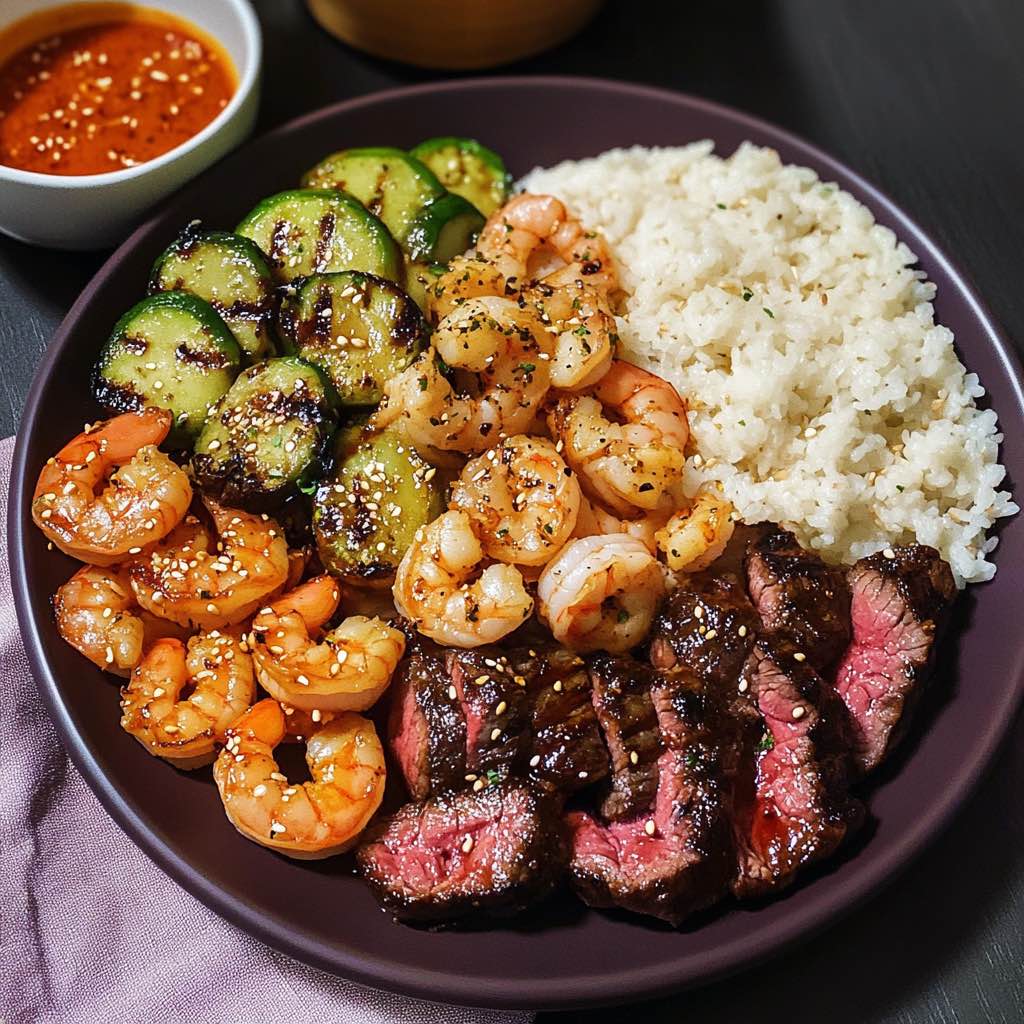
Hibachi Sweet Soy Bavette Steak & Shrimp: The Ultimate Guide to Japanese-Inspired Dining
Introduction
Hibachi Sweet Soy Bavette Steak & Shrimp represents the perfect fusion of Japanese teppanyaki cooking with premium Western cuts. This dish combines the tender, flavorful bavette steak with succulent shrimp, all enhanced by a rich sweet soy glaze that delivers umami in every bite. Therefore, mastering this recipe allows home cooks to recreate the theatrical dining experience of hibachi restaurants in their own kitchens.
The popularity of hibachi-style cooking has grown tremendously over recent decades. However, many people don’t realize they can achieve similar results at home. In addition, the combination of beef and seafood creates a luxurious meal that satisfies multiple protein cravings simultaneously.
Table of Contents
-
What is Bavette Steak?
-
Understanding Hibachi Cooking Techniques
-
Essential Ingredients for Sweet Soy Glaze
-
Step-by-Step Cooking Instructions
-
Selecting the Perfect Shrimp
-
Equipment and Tools Needed
-
Pro Tips for Restaurant-Quality Results
-
Serving Suggestions and Side Dishes
-
Storage and Reheating Guidelines
-
Common Mistakes to Avoid
-
Nutritional Benefits
-
Frequently Asked Questions
-
Conclusion
What is Bavette Steak?
Bavette steak, also known as sirloin flap or bottom sirloin butt, offers exceptional flavor and tenderness when prepared correctly. This cut comes from the bottom sirloin area of the cow. Furthermore, it provides a more affordable alternative to premium steaks while delivering superior taste.
The grain structure of bavette requires specific cutting techniques. Therefore, slicing against the grain ensures maximum tenderness. In addition, this cut responds beautifully to marinades and high-heat cooking methods like hibachi grilling.
Characteristics of Quality Bavette
-
Rich, beefy flavor profile
-
Moderate marbling throughout
-
Firm texture that becomes tender when cooked properly
-
Excellent absorption of marinades and seasonings
Understanding Hibachi Cooking Techniques
Hibachi cooking originated in Japan and emphasizes high-heat, quick cooking methods. However, the American interpretation focuses more on entertainment and bold flavors. Therefore, achieving authentic results requires understanding both traditional techniques and modern adaptations.
The key to successful Hibachi Sweet Soy Bavette Steak & Shrimp lies in temperature control and timing. Moreover, the dramatic presentation that characterizes hibachi dining can be recreated at home with proper preparation.
Core Hibachi Principles
High Heat Cooking: Hibachi grills operate at extremely high temperatures. This sears proteins quickly while maintaining juicy interiors.
Sequential Cooking: Different ingredients require varying cook times. For example, bavette steak needs longer than shrimp to reach proper doneness.
Bold Seasonings: Traditional hibachi flavors include soy sauce, garlic, ginger, and sweet elements. These create complex flavor profiles that complement both beef and seafood.
Essential Ingredients for Sweet Soy Glaze
The sweet soy glaze transforms ordinary ingredients into an extraordinary Hibachi Sweet Soy Bavette Steak & Shrimp experience. This sauce balances sweetness, saltiness, and umami perfectly.
Primary Glaze Components
Soy Sauce Foundation: Use high-quality soy sauce as the base. Dark soy sauce provides deeper color and richer flavor than light varieties.
Sweetening Agents: Brown sugar, honey, or mirin create the characteristic sweetness. However, each option produces slightly different flavor profiles.
Aromatics: Fresh garlic and ginger add complexity. Therefore, using fresh rather than powdered versions significantly improves the final result.
Complete Ingredient List
-
1/4 cup dark soy sauce
-
3 tablespoons brown sugar
-
2 tablespoons mirin
-
2 cloves garlic, minced
-
1 teaspoon fresh ginger, grated
-
1 tablespoon rice vinegar
-
1 teaspoon sesame oil
-
1/4 teaspoon red pepper flakes (optional)
Step-by-Step Cooking Instructions
Creating perfect Hibachi Sweet Soy Bavette Steak & Shrimp requires careful attention to timing and technique. Follow these detailed steps for restaurant-quality results.
Preparation Phase
Steak Preparation: Remove bavette from refrigeration 30 minutes before cooking. This allows even cooking throughout. Pat completely dry with paper towels.
Shrimp Preparation: Use large shrimp (16-20 count per pound). Remove shells but leave tails on for presentation. Therefore, pat dry thoroughly to prevent splattering.
Glaze Preparation: Combine all sauce ingredients in a small saucepan. Heat over medium heat until sugar dissolves completely. However, avoid boiling to prevent burning.
Cooking Process
-
Heat the Cooking Surface: Preheat your griddle or large skillet to high heat. Add a thin layer of neutral oil with high smoke point.
-
Season the Proteins: Season bavette generously with salt and pepper. Light seasoning on shrimp prevents overpowering their delicate flavor.
-
Cook the Steak: Place bavette on hottest part of cooking surface. Cook 3-4 minutes per side for medium-rare. Therefore, avoid moving the steak unnecessarily.
-
Add the Shrimp: Place shrimp on cooking surface during final 3 minutes of steak cooking. Cook 1-2 minutes per side until pink and opaque.
-
Apply the Glaze: Brush glaze generously over both proteins during final minute of cooking. This creates the characteristic caramelized exterior.
-
Rest and Slice: Allow steak to rest 5 minutes before slicing against the grain. Cut into 1/4-inch thick strips for optimal tenderness.
Temperature Guidelines
| Protein | Internal Temperature | Cooking Time |
|---|---|---|
| Bavette (Medium-Rare) | 130-135°F | 6-8 minutes total |
| Bavette (Medium) | 140-145°F | 8-10 minutes total |
| Shrimp | 145°F | 2-4 minutes total |
Selecting the Perfect Shrimp
Quality shrimp makes a significant difference in your Hibachi Sweet Soy Bavette Steak & Shrimp. Therefore, understanding selection criteria ensures the best possible results.
Fresh vs. Frozen Considerations
Fresh Shrimp: Offers superior texture and flavor when available. However, most “fresh” shrimp has been previously frozen anyway.
Frozen Shrimp: Often fresher than “fresh” options due to immediate processing. Moreover, frozen shrimp provides consistent quality year-round.
Size and Quality Indicators
-
Size: Large shrimp (16-20 count) work best for this recipe
-
Color: Look for translucent shells with no black spots
-
Smell: Fresh oceanic smell, not fishy or ammonia-like odors
-
Texture: Firm flesh that springs back when pressed
Equipment and Tools Needed
Proper equipment significantly impacts your Hibachi Sweet Soy Bavette Steak & Shrimp results. However, you don’t need expensive specialty items to achieve professional quality.
Essential Cooking Equipment
Large Griddle or Skillet: Cast iron or carbon steel provides excellent heat retention. Therefore, these materials create better searing than non-stick surfaces.
Sharp Knife: A quality chef’s knife ensures clean cuts through bavette grain. In addition, proper knife skills improve presentation significantly.
Instant-Read Thermometer: Accurate temperature monitoring prevents overcooking. This tool is especially important for achieving perfect doneness.
Additional Helpful Tools
-
Long-handled spatula for safe flipping
-
Small saucepan for glaze preparation
-
Cutting board with juice groove
-
Kitchen towels for cleanup
-
Serving platter for presentation
Pro Tips for Restaurant-Quality Results
Achieving hibachi restaurant quality requires attention to specific details. These professional techniques elevate your Hibachi Sweet Soy Bavette Steak & Shrimp from good to exceptional.
Temperature Management
Preheat Properly: Allow cooking surface to reach full temperature before adding proteins. Therefore, proper preheating ensures immediate searing upon contact.
Zone Cooking: Create different temperature zones on your cooking surface. This allows simultaneous cooking of different proteins at their optimal temperatures.
Flavor Enhancement Techniques
Layered Seasoning: Season proteins before cooking, during cooking, and after cooking. This creates complex flavor development throughout.
Glaze Application: Apply glaze in thin layers rather than thick coats. Multiple thin applications create better caramelization without burning.
Aromatics Addition: Add minced garlic and ginger directly to the cooking surface. However, add these during the final moments to prevent burning.
Presentation Excellence
-
Slice steak against the grain at consistent thickness
-
Arrange proteins in alternating patterns on serving platter
-
Garnish with chopped green onions and sesame seeds
-
Serve immediately while still hot
Serving Suggestions and Side Dishes
Complementary side dishes enhance the overall Hibachi Sweet Soy Bavette Steak & Shrimp experience. Therefore, selecting appropriate accompaniments creates a complete meal.
Traditional Japanese Sides
Hibachi Fried Rice: The classic accompaniment featuring day-old rice, vegetables, and soy sauce. Moreover, this provides a neutral base for the bold flavors.
Yum Yum Sauce: A creamy, tangy sauce that complements both beef and shrimp perfectly. However, store-bought versions often contain unnecessary additives.
Miso Soup: Light, warming broth that cleanses the palate between bites. In addition, the umami flavors complement rather than compete.
Vegetable Accompaniments
-
Grilled Zucchini and Onions: Quick-cooking vegetables that pair beautifully
-
Steamed Broccoli: Simple preparation that doesn’t overshadow main proteins
-
Bean Sprouts: Fresh, crunchy texture contrast
-
Mushrooms: Earthy flavors that complement both beef and seafood
Modern Fusion Options
Contemporary interpretations can include non-traditional sides. For example, roasted asparagus or garlic-butter Brussels sprouts provide excellent alternatives.
Storage and Reheating Guidelines
Proper storage maintains the quality of leftover Hibachi Sweet Soy Bavette Steak & Shrimp. However, reheating requires careful technique to preserve texture and flavor.
Storage Instructions
Refrigeration: Store cooked proteins separately in airtight containers. Therefore, different items can be reheated optimally.
Freezing: While possible, freezing affects texture quality. Fresh consumption within 3 days provides best results.
Glaze Storage: Extra glaze keeps refrigerated for up to one week. Moreover, it can be used for other Asian-inspired dishes.
Reheating Techniques
Gentle Reheating: Use low heat to prevent overcooking. High heat toughens previously cooked proteins.
Steam Method: Light steaming preserves moisture while warming thoroughly. Therefore, this method works particularly well for shrimp.
Quick Sear: Brief high-heat searing can refresh exterior texture. However, monitor internal temperature carefully.
Common Mistakes to Avoid
Understanding common pitfalls helps ensure successful Hibachi Sweet Soy Bavette Steak & Shrimp preparation. Therefore, avoiding these mistakes improves your results significantly.
Protein Preparation Errors
Overcrowding the Pan: Too many proteins reduce cooking temperature and prevent proper searing. Cook in batches if necessary.
Moving Food Too Often: Constant movement prevents proper caramelization. Therefore, allow proteins to develop color before flipping.
Inadequate Seasoning: Under-seasoned proteins result in bland final dishes. Season generously at each cooking stage.
Timing Mistakes
Starting Cold: Room temperature proteins cook more evenly than cold ones. However, don’t leave proteins at room temperature longer than 30 minutes.
Overcooking Shrimp: Shrimp continues cooking from residual heat after removal. Therefore, slightly undercook on the heat source.
Glaze Application Issues
-
Too Much Too Soon: Heavy glaze application early in cooking burns easily
-
Inadequate Mixing: Properly dissolved glaze prevents grittiness
-
Wrong Consistency: Glaze should coat but not overwhelm proteins
Nutritional Benefits
Hibachi Sweet Soy Bavette Steak & Shrimp provides excellent nutritional value alongside exceptional flavor. Therefore, this dish supports healthy eating goals while satisfying taste preferences.
Protein Content
Complete Proteins: Both beef and shrimp provide all essential amino acids. Moreover, this combination supports muscle maintenance and growth.
High Biological Value: Animal proteins offer superior absorption compared to plant alternatives. However, the glaze adds minimal calories while maximizing flavor.
Micronutrient Profile
Iron and B Vitamins: Bavette steak provides significant iron and B-complex vitamins. These support energy metabolism and red blood cell formation.
Selenium and Omega-3s: Shrimp contributes selenium for antioxidant function. In addition, modest omega-3 content supports heart health.
Nutritional Information (Per Serving)
| Nutrient | Amount | % Daily Value |
|---|---|---|
| Calories | 385 | 19% |
| Protein | 42g | 84% |
| Fat | 18g | 28% |
| Carbohydrates | 12g | 4% |
| Iron | 4.2mg | 23% |
| Selenium | 28mcg | 51% |
Recipe Variations and Adaptations
Customizing your Hibachi Sweet Soy Bavette Steak & Shrimp allows personal preference accommodation. Therefore, these variations maintain the core concept while offering different experiences.
Protein Alternatives
Different Steak Cuts: Sirloin, ribeye, or flank steak work well. However, adjust cooking times according to thickness and marbling.
Seafood Variations: Scallops, lobster tails, or salmon create luxury versions. Moreover, firm fish varieties hold up well to high-heat cooking.
Glaze Modifications
Spicier Versions: Add sriracha, gochujang, or increased red pepper flakes. Therefore, heat levels can be customized to individual tolerance.
Citrus Additions: Orange or lime zest brightens the overall flavor profile. However, add citrus components after cooking to preserve freshness.
Herb Enhancements: Fresh cilantro, basil, or mint provide aromatic complexity. Furthermore, these additions create fusion flavor combinations.
Frequently Asked Questions
What makes bavette steak different from other cuts?
Bavette steak offers exceptional flavor due to its grain structure and moderate marbling. Therefore, it provides premium taste at a more accessible price point than ribeye or filet mignon. However, proper slicing technique is essential for optimal tenderness.
Can I make Hibachi Sweet Soy Bavette Steak & Shrimp without a griddle?
Yes, a large cast iron skillet works excellently for home preparation. Moreover, the key is achieving high heat and proper timing rather than specific equipment. However, avoid non-stick pans as they cannot reach the necessary temperatures.
How do I prevent the glaze from burning?
Apply glaze during the final moments of cooking and monitor heat carefully. Therefore, the sugars caramelize without burning. In addition, having the glaze at room temperature helps with even application.
What’s the best way to check steak doneness?
An instant-read thermometer provides the most accurate results. However, the finger test can work for experienced cooks. Moreover, remember that steak continues cooking slightly after removal from heat.
How long should I marinate the proteins?
While marinating isn’t required for this recipe, 30 minutes to 2 hours enhances flavor penetration. However, avoid marinating shrimp longer than 30 minutes as acid can begin “cooking” the protein.
Can I prepare the glaze ahead of time?
Yes, the sweet soy glaze keeps refrigerated for up to one week. Therefore, batch preparation saves time on busy weeknights. Moreover, the flavors actually improve after sitting for several hours.
Conclusion
Hibachi Sweet Soy Bavette Steak & Shrimp brings restaurant-quality dining to your home kitchen through careful technique and quality ingredients. This impressive dish combines the rich, beefy flavor of bavette steak with sweet, succulent shrimp, all elevated by a perfectly balanced sweet soy glaze. Therefore, mastering this recipe allows you to create memorable dining experiences for family and friends.
The key to success lies in understanding proper timing, temperature control, and ingredient quality. Moreover, the techniques learned here apply to many other hibachi-style dishes, expanding your culinary repertoire significantly. Remember that practice makes perfect, and each preparation will improve your skills and confidence.
Whether you’re planning a special dinner party or simply want to elevate your weeknight meals, this Hibachi Sweet Soy Bavette Steak & Shrimp recipe delivers consistently excellent results. The combination of proteins provides complete nutrition while satisfying multiple taste preferences simultaneously.
Hibachi Sweet Soy Bavette Steak & Shrimp
Description
Ingredients
For the proteins:
-
1 lb bavette steak, cut into 1-inch bite-sized pieces
-
¾ lb large shrimp, peeled and deveined
-
Salt and black pepper to taste
For the sweet soy marinade/sauce:
-
¼ cup soy sauce
-
3 tbsp mirin
-
2 tbsp honey
-
1 tbsp brown sugar
-
2 tsp rice vinegar
-
1 tsp sesame oil
For cooking:
-
2 tbsp vegetable oil, divided
-
3 tbsp butter, divided
-
4 cloves garlic, minced
-
1 tsp fresh ginger, minced
-
2 green onions, sliced for garnish
-
1 tbsp sesame seeds for garnish
Instructions
Prepare the sweet soy sauce:
-
Whisk together soy sauce, mirin, honey, brown sugar, rice vinegar, and sesame oil in a bowl until well combined. Set aside.
Prepare the proteins:
2. Cut bavette steak into uniform 1-inch pieces, removing any excess fat. Pat dry with paper towels.
3. Season steak and shrimp with salt and pepper on all sides.
Cook the bavette steak:
4. Heat a large cast-iron skillet or wok over medium-high to high heat until very hot.
5. Add 1 tbsp vegetable oil and swirl to coat the pan.
6. Add steak pieces in a single layer, ensuring they don’t touch. Cook undisturbed for 2 minutes to develop a good sear.
7. Flip and sear for another 1-2 minutes until browned on all sides.
8. Add half the minced garlic and 1 tbsp butter, tossing to combine.
9. Remove steak to a plate and tent with foil to keep warm.
Cook the shrimp:
10. Add remaining oil to the same hot pan. Add shrimp in a single layer and cook 1-2 minutes per side until pink and cooked through.
11. Add remaining garlic, ginger, and 1 tbsp butter, stirring until fragrant, about 30 seconds.
Finish the dish:
12. Return steak to the pan with the shrimp and pour the sweet soy sauce over everything.
13. Stir-fry for 1-2 minutes until the sauce thickens and coats both the steak and shrimp with a glossy glaze.
14. Add remaining butter and toss to create a rich finish.
Serve:
15. Transfer to serving plates and garnish with sliced green onions and sesame seeds.
16. Serve immediately while sizzling hot with hibachi fried rice and vegetables.