
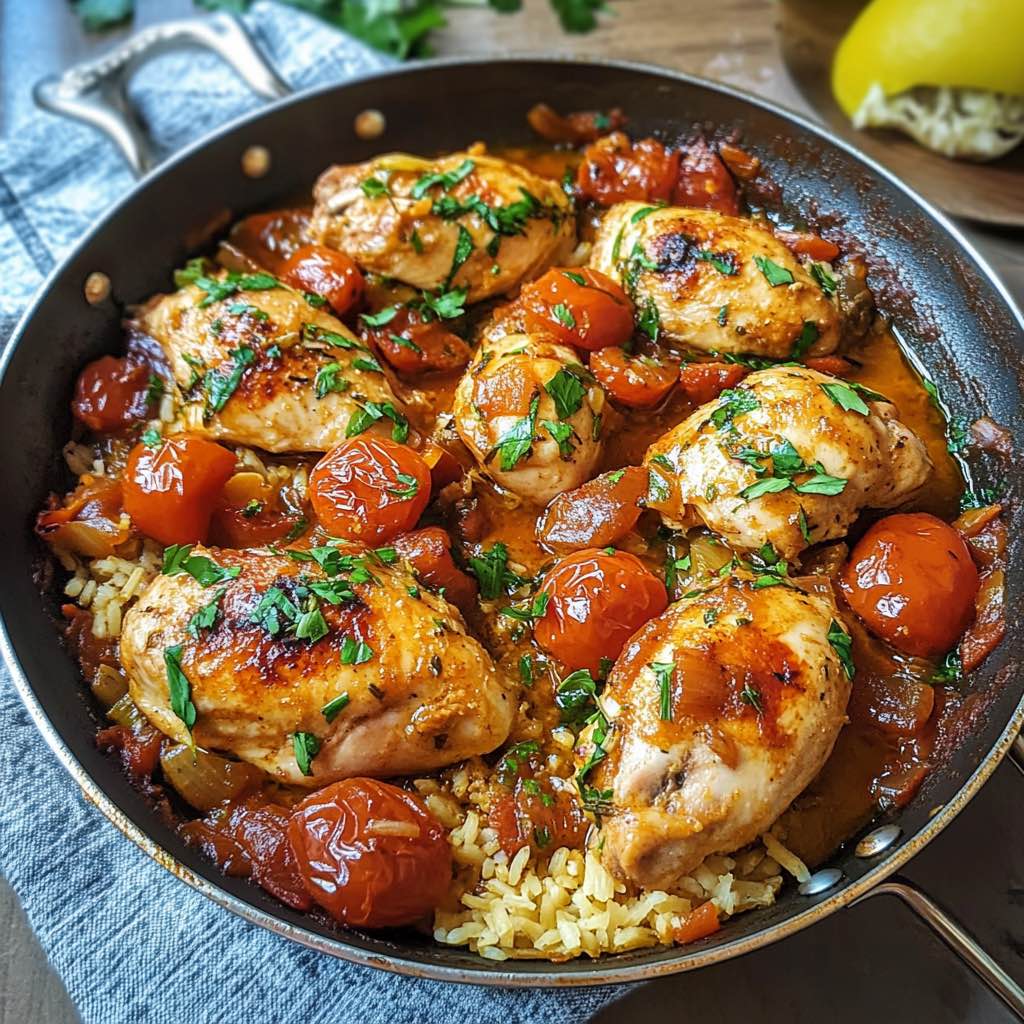
Spanish One-Pan Chicken: The Complete Guide to Easy, Flavorful Mediterranean Cooking
Spanish one-pan chicken represents the perfect marriage of convenience and authentic Mediterranean flavor. This cooking method transforms simple ingredients into extraordinary meals while minimizing cleanup time. Moreover, the technique captures the essence of Spanish cuisine through bold spices, fresh vegetables, and tender chicken that absorbs rich, aromatic flavors.
Whether you’re a busy weeknight cook or someone seeking to explore Spanish culinary traditions, this comprehensive guide will help you master the art of one-pan cooking. In addition, you’ll discover how to create restaurant-quality meals using everyday ingredients and simple techniques.
Table of Contents
Understanding Spanish One-Pan Cooking
Spanish cuisine celebrates simplicity and bold flavors. Therefore, one-pan cooking methods have deep roots in Spanish culinary tradition. This approach developed from practical necessity, as many Spanish households historically cooked over single heat sources.
The philosophy behind Spanish one-pan chicken centers on layering flavors gradually. First, you build a flavor base with aromatics. Then, you add proteins and vegetables in stages. Finally, everything melds together to create harmonious, complex tastes.
The History Behind One-Pan Cooking
Spanish one-pan dishes evolved from rural cooking traditions. Farmers and workers needed hearty, efficient meals that required minimal equipment. Consequently, dishes like arroz con pollo and pollo al ajillo became staples in Spanish households.
These cooking methods also reflect Spain’s diverse regional influences. For example, Andalusian dishes often feature olives and sherry. Meanwhile, Basque preparations might include peppers and tomatoes. However, all regions share the common thread of creating maximum flavor with minimal effort.
Benefits of Spanish One-Pan Cooking
One-pan cooking offers numerous advantages for modern home cooks. Most importantly, it reduces cleanup time significantly. Additionally, the method allows flavors to meld naturally, creating more complex tastes than separate cooking methods.
Furthermore, this approach makes meal planning easier. You can prepare complete, balanced meals using just one cooking vessel. As a result, weeknight dinner preparation becomes much more manageable.
Essential Ingredients for Authentic Flavor
Creating authentic Spanish one-pan chicken requires understanding key ingredients. These components form the foundation of Spanish flavor profiles. Moreover, using quality ingredients makes a significant difference in the final dish.
Spices and Seasonings
Paprika stands as the most important spice in Spanish cooking. Spanish paprika, or pimentón, comes in three varieties: sweet (dulce), bittersweet (agridulce), and hot (picante). Each type contributes different flavor dimensions to your dish.
Saffron represents another essential Spanish ingredient. This precious spice adds distinctive color and subtle flavor. However, a little saffron goes a long way, so use it sparingly.
Other crucial seasonings include:
-
Garlic (used generously in most Spanish dishes)
-
Bay leaves (for aromatic depth)
-
Fresh thyme and oregano
-
Sea salt and black pepper
-
Cumin (especially in southern Spanish cooking)
Vegetables and Aromatics
Spanish one-pan chicken typically features a sofrito base. This mixture combines onions, garlic, and tomatoes. Therefore, these three ingredients form the flavor foundation for most Spanish dishes.
Bell peppers add sweetness and color to Spanish preparations. Red and green peppers work particularly well. In addition, roasted peppers contribute smoky flavors that enhance the overall dish.
Other important vegetables include:
-
Potatoes (often cut into chunks)
-
Green beans or lima beans
-
Artichoke hearts
-
Olives (both green and black varieties)
Proteins and Fats
Spanish cooking traditionally uses olive oil as the primary cooking fat. Extra virgin olive oil provides the best flavor, though regular olive oil works for high-heat cooking. Moreover, the quality of olive oil significantly impacts the dish’s final taste.
Chicken thighs work better than breasts for one-pan cooking. The higher fat content prevents drying out during longer cooking times. Additionally, bone-in pieces add more flavor to the dish.
Some recipes also incorporate chorizo or pancetta. These cured meats add smoky, salty flavors that complement the chicken beautifully.
Traditional Spanish One-Pan Chicken Recipes
Mastering traditional Spanish one-pan chicken recipes provides the foundation for countless variations. These time-tested preparations showcase authentic flavors and techniques.
Classic Pollo al Ajillo (Garlic Chicken)
Pollo al ajillo represents one of Spain’s most beloved chicken dishes. This preparation features chicken pieces cooked with abundant garlic and olive oil. Additionally, the dish often includes a splash of dry sherry for depth.
Key Ingredients:
-
8 chicken thighs, bone-in and skin-on
-
12 garlic cloves, thinly sliced
-
1/2 cup extra virgin olive oil
-
1/4 cup dry sherry
-
2 bay leaves
-
Salt and pepper to taste
-
Fresh parsley for garnish
The cooking process begins with heating olive oil over medium heat. Next, add the sliced garlic and cook until golden. Then, remove garlic and set aside. Season chicken pieces and brown them in the same oil.
Return the garlic to the pan along with bay leaves and sherry. Cover and simmer until chicken reaches internal temperature of 165°F. Finally, garnish with fresh parsley before serving.
Arroz con Pollo Valenciano
Arroz con pollo represents Spain’s answer to comfort food. This dish combines tender chicken with saffron-scented rice and vegetables. Furthermore, the one-pan preparation ensures all flavors meld perfectly.
Essential Components:
-
8 chicken pieces (thighs and drumsticks)
-
2 cups Spanish short-grain rice
-
4 cups chicken broth
-
Pinch of saffron threads
-
1 red bell pepper, sliced
-
1 cup green beans, trimmed
-
1/2 cup lima beans
The technique involves first browning chicken pieces until golden. Then, remove chicken and sauté vegetables in the same pan. Add rice and toast briefly before adding hot broth and saffron.
Return chicken to the pan and simmer without stirring. This method allows the rice to absorb flavors while developing the coveted socarrat (crispy bottom layer).
Pollo a la Plancha with Vegetables
This simpler preparation focuses on high-quality ingredients and proper technique. The chicken develops beautiful color while vegetables cook alongside.
Preparation Method:
Start with a hot pan and season chicken generously. Cook skin-side down first to achieve crispy skin. Meanwhile, arrange vegetables around the chicken.
The key lies in not moving the chicken too soon. Let it develop proper color before flipping. This patience results in better flavor and texture.
Regional Variations Across Spain
Spain’s diverse regions contribute unique twists to one-pan chicken dishes. Each area reflects local ingredients and cultural influences. Therefore, exploring regional variations expands your culinary repertoire significantly.
Andalusian Style
Southern Spanish cooking features Moorish influences and abundant olive oil. Andalusian one-pan chicken often includes olives, almonds, and sherry. Moreover, the warm climate produces excellent tomatoes and peppers.
Common additions include:
-
Manzanilla olives
-
Marcona almonds
-
Pedro Ximénez sherry
-
Roasted red peppers
Basque Country Preparations
Basque cuisine emphasizes fresh, high-quality ingredients and simple preparations. Their one-pan chicken dishes often feature peppers, tomatoes, and ham.
Piment d’Espelette adds gentle heat without overwhelming other flavors. Additionally, Basque cooks often finish dishes with fresh herbs like parsley or chives.
Catalonian Influences
Catalan cooking combines Spanish and French influences. Their one-pan chicken preparations might include ingredients like:
-
Pine nuts
-
Dried fruits
-
White beans
-
Picada (garlic, herbs, and nuts mixture)
Galician Coastal Flavors
Northwestern Spain’s coastal location influences their chicken preparations. Galician cooks might add:
-
Paprika (both sweet and smoked)
-
White turnip greens
-
Potatoes
-
A splash of local white wine
Cooking Techniques and Tips
Mastering Spanish one-pan chicken requires understanding proper cooking techniques. These methods ensure optimal flavor development and texture. Furthermore, following proven techniques prevents common cooking mistakes.
Building Flavor Layers
Spanish cooking emphasizes building flavors gradually. Start by heating olive oil over medium heat. Then, cook aromatics like onions and garlic until fragrant. This foundation, called sofrito, forms the base for most Spanish dishes.
Next, add tomatoes and cook until they break down. This process, known as concentrating flavors, intensifies the taste. Allow the mixture to caramelize slightly for deeper flavor.
Proper Browning Techniques
Achieving good color on chicken requires patience and proper technique. First, ensure chicken pieces are completely dry. Moisture prevents proper browning and creates steam instead.
Heat your pan before adding chicken. The oil should shimmer but not smoke. Place chicken skin-side down and resist moving it immediately. Proper browning takes 4-6 minutes per side.
Managing Heat Levels
Spanish one-pan cooking typically uses medium heat throughout most of the process. High heat browns proteins initially, but medium heat allows flavors to develop without burning.
Lower the heat when adding liquid ingredients like broth or tomatoes. This prevents splattering and allows for gentle simmering. Consistent, moderate heat produces the best results.
Timing and Sequencing
Add ingredients in the correct order for optimal results. Dense vegetables like potatoes need more cooking time than delicate items like peas. Therefore, add them earlier in the cooking process.
Herbs and delicate seasonings should be added near the end. This preserves their fresh flavors and prevents them from becoming bitter.
Ingredient Substitutions and Adaptations
Modern cooks often need to adapt traditional recipes. Understanding proper substitutions maintains authentic flavors while accommodating dietary needs or ingredient availability.
Spice Substitutions
Spanish paprika creates distinctive flavor profiles. However, if unavailable, use sweet Hungarian paprika with a pinch of cayenne. This combination approximates the Spanish spice’s complexity.
Saffron substitutes include turmeric for color, though the flavor differs significantly. Alternatively, use saffron powder, which costs less than threads but provides similar taste.
Protein Alternatives
While chicken thighs work best, other cuts can substitute. Chicken breasts require careful monitoring to prevent overcooking. Additionally, remove them earlier to maintain moisture.
For dietary restrictions, turkey thighs work similarly to chicken. They provide comparable fat content and cooking times. Moreover, they absorb Spanish flavors well.
Vegetable Modifications
Seasonal availability might require vegetable substitutions. Root vegetables like carrots or parsnips can replace potatoes. Similarly, frozen vegetables work when fresh options aren’t available.
However, adjust cooking times accordingly. Frozen vegetables release more moisture, potentially affecting the dish’s consistency.
Cooking Fat Options
Extra virgin olive oil provides authentic Spanish flavor. However, regular olive oil works for high-heat cooking. Avoid using oils with strong flavors that might compete with Spanish seasonings.
For dietary restrictions, avocado oil offers a neutral flavor and high smoke point. Nevertheless, the dish will lack some authentic Spanish character.
Nutritional Benefits and Health Considerations
Spanish one-pan chicken offers numerous nutritional advantages. The cooking method preserves nutrients while creating satisfying, balanced meals. Moreover, the Mediterranean diet principles underlying Spanish cuisine promote long-term health.
Protein Content and Quality
Chicken provides high-quality complete protein containing all essential amino acids. A typical serving of Spanish one-pan chicken delivers 25-30 grams of protein. This amount supports muscle maintenance and satiety.
Furthermore, cooking methods that retain natural juices preserve protein quality. One-pan techniques achieve this while adding minimal fats.
Healthy Fats
Spanish cooking relies heavily on olive oil, which contains beneficial monounsaturated fats. These fats support heart health and help absorb fat-soluble vitamins. Additionally, olive oil provides antioxidants that offer protective benefits.
Using skin-on chicken adds flavor while providing essential fatty acids. However, removing skin after cooking reduces overall fat content if desired.
Vegetable Nutrition
One-pan cooking preserves vegetable nutrients better than boiling methods. The closed environment retains water-soluble vitamins like vitamin C and B vitamins. Moreover, cooking vegetables with fats improves absorption of fat-soluble vitamins.
Spanish dishes typically include colorful vegetables providing diverse nutrients:
-
Red peppers: Vitamin C and antioxidants
-
Tomatoes: Lycopene and potassium
-
Onions: Flavonoids and prebiotics
-
Garlic: Allicin and sulfur compounds
Sodium Considerations
Traditional Spanish cooking uses salt generously for flavor enhancement. However, modern adaptations can reduce sodium while maintaining taste. Use herbs, spices, and acid (like lemon juice) to enhance flavors naturally.
Additionally, rinsing canned ingredients like beans or olives removes excess sodium. This simple step significantly reduces the dish’s overall salt content.
Equipment and Pan Selection
Choosing appropriate equipment greatly impacts Spanish one-pan chicken success. The right pan ensures even cooking and proper heat distribution. Moreover, quality equipment lasts longer and performs more consistently.
Pan Types and Materials
Cast iron pans excel for Spanish one-pan cooking. They retain heat well and develop natural non-stick properties over time. Additionally, cast iron pans can move from stovetop to oven seamlessly.
Stainless steel pans with heavy bottoms also work well. They provide even heat distribution and don’t react with acidic ingredients. However, they require more oil to prevent sticking.
Carbon steel pans offer benefits similar to cast iron but weigh less. They develop seasoning over time and handle high heat well. Furthermore, they’re preferred in many Spanish kitchens.
Size Considerations
Pan size affects cooking results significantly. Too small a pan crowds ingredients, causing steaming instead of browning. Conversely, too large a pan may cause burning or uneven cooking.
For family-sized portions (4-6 servings), a 12-14 inch pan works optimally. This size provides adequate space for browning while maintaining proper liquid levels.
Maintenance and Care
Proper pan care extends equipment life and improves cooking performance. Cast iron requires seasoning and should never be soaked in water. Instead, clean with coarse salt and minimal water.
Stainless steel pans benefit from proper preheating and deglazing techniques. This prevents sticking and makes cleanup easier. Additionally, avoid using metal utensils that might scratch the surface.
Additional Equipment
A wooden spoon helps stir ingredients without damaging pan surfaces. Tongs facilitate turning chicken pieces safely. Moreover, a splatter screen reduces mess while allowing moisture to escape.
A meat thermometer ensures chicken reaches safe internal temperature (165°F). This tool removes guesswork and prevents overcooking.
Meal Planning and Preparation Tips
Successful Spanish one-pan chicken requires planning and preparation. Organizing ingredients and steps beforehand ensures smooth cooking experiences. Furthermore, proper planning helps create complete, balanced meals.
Advance Preparation Strategies
Marinating chicken overnight enhances flavor penetration significantly. Spanish marinades typically include olive oil, garlic, and herbs. This preparation step requires minimal effort but produces dramatic results.
Vegetable preparation can happen hours ahead of cooking. Cut vegetables to uniform sizes for even cooking. Store prepared vegetables in containers until ready to use.
Shopping and Storage
Purchase chicken from reputable sources for best quality and safety. Look for fresh, never-frozen chicken when possible. However, properly frozen chicken works well when thawed correctly.
Store olive oil in cool, dark places to maintain quality. Heat and light degrade olive oil’s flavor and nutritional benefits. Additionally, buy olive oil in quantities you’ll use within six months.
Batch Cooking Considerations
Spanish one-pan chicken scales up easily for meal preparation. Double recipes work well in large pans or multiple skillets. However, avoid overcrowding pans, which affects cooking quality.
Prepared Spanish one-pan chicken keeps well refrigerated for 3-4 days. Reheat gently to maintain texture and prevent drying out. Moreover, flavors often improve after resting overnight.
Seasonal Adaptations
Adapt recipes based on seasonal ingredient availability. Spring vegetables like asparagus and peas work well in Spanish preparations. Summer tomatoes and peppers provide peak flavor.
Fall root vegetables add heartiness to Spanish one-pan chicken. Winter citrus can brighten rich, warming dishes. Therefore, seasonal cooking keeps meals interesting and cost-effective.
Common Mistakes and How to Avoid Them
Understanding common Spanish one-pan chicken mistakes helps prevent disappointing results. Most errors involve technique rather than ingredients. Moreover, recognizing these pitfalls improves cooking confidence and success rates.
Overcrowding the Pan
Placing too many ingredients in the pan prevents proper browning and creates steam. This results in pale, soggy chicken instead of golden, crispy skin. Therefore, use adequately sized pans or cook in batches when necessary.
Leave space between chicken pieces for air circulation. This allows proper browning and even cooking. Additionally, overcrowded vegetables cook unevenly and may become mushy.
Insufficient Seasoning
Spanish cuisine relies on bold, well-seasoned flavors. Under-seasoning produces bland, disappointing results. Season chicken generously with salt and pepper before browning.
Taste and adjust seasoning throughout cooking process. Add salt gradually, tasting frequently. Remember that flavors concentrate as liquids reduce during cooking.
Moving Ingredients Too Soon
Patience creates better flavors and textures in Spanish one-pan chicken. Moving chicken pieces too quickly prevents proper browning. Allow adequate time for color development before turning.
Similarly, resist stirring rice dishes like arroz con pollo. Frequent stirring releases starch and creates mushy textures. Let ingredients cook undisturbed when recipes specify.
Incorrect Heat Management
Using improper heat levels causes numerous cooking problems. High heat burns aromatics before they develop proper flavors. Conversely, insufficient heat prevents browning and extends cooking times unnecessarily.
Start with medium-high heat for browning proteins. Reduce heat when adding liquids or during simmering phases. This temperature management ensures even cooking without burning.
Ignoring Resting Time
Spanish one-pan chicken benefits from resting before serving. This allows juices to redistribute and flavors to settle. Additionally, resting time helps thicken any remaining liquids naturally.
Cover finished dishes loosely with foil during resting. This maintains temperature while preventing condensation from making surfaces soggy.
Frequently Asked Questions
What makes Spanish one-pan chicken different from other chicken dishes?
Spanish one-pan chicken emphasizes building complex flavors through layering techniques and traditional Spanish ingredients. The cooking method focuses on creating a sofrito base, using generous amounts of olive oil, and incorporating distinctive Spanish spices like pimentón. Moreover, the technique allows all ingredients to cook together, creating harmonious flavor combinations that are characteristic of Spanish cuisine.
Can I make Spanish one-pan chicken without saffron?
While saffron adds authentic flavor and color to Spanish dishes, you can create delicious Spanish one-pan chicken without it. Substitute with a small amount of turmeric for color, though the flavor will differ. Alternatively, increase other Spanish seasonings like paprika and garlic to maintain the dish’s Mediterranean character. However, for the most authentic experience, try to source real saffron threads.
How do I prevent my chicken from drying out in one-pan cooking?
Use bone-in, skin-on chicken thighs instead of breasts, as they contain more fat and stay moist during longer cooking times. Additionally, don’t overcook the chicken; use a meat thermometer to ensure it reaches exactly 165°F internal temperature. Brown the chicken first to develop flavor, then reduce heat during the braising phase. Furthermore, avoid lifting the lid frequently, which releases moisture and extends cooking time.
What vegetables work best in Spanish one-pan chicken recipes?
Traditional Spanish vegetables include bell peppers, tomatoes, onions, and garlic as the foundation. Root vegetables like potatoes work well because they absorb flavors beautifully. Green beans, lima beans, and artichoke hearts add authentic Spanish character. However, avoid delicate vegetables like spinach or zucchini, which can become mushy during longer cooking times. Add these ingredients during the final few minutes of cooking instead.
How can I achieve the perfect socarrat in arroz con pollo?
Socarrat, the coveted crispy rice layer, requires specific techniques. Use a wide, heavy-bottomed pan that distributes heat evenly. During the final 5-10 minutes of cooking, increase heat to medium-high without stirring. Listen for gentle crackling sounds, which indicate the rice is crisping. Additionally, avoid stirring the rice during cooking, as this releases starch and prevents proper texture development.
Conclusion
Spanish one-pan chicken represents the perfect intersection of convenience, nutrition, and authentic Mediterranean flavors. This cooking method transforms simple ingredients into extraordinary meals while honoring centuries-old Spanish culinary traditions. Moreover, the technique offers modern cooks an efficient way to create restaurant-quality dishes at home.
Throughout this comprehensive guide, you’ve discovered essential ingredients, traditional recipes, and proven techniques for mastering Spanish one-pan chicken. The cooking method’s versatility allows for countless variations while maintaining authentic Spanish character. Furthermore, understanding proper techniques prevents common mistakes and ensures consistent, delicious results.
The nutritional benefits of Spanish one-pan chicken align perfectly with healthy eating principles. The Mediterranean diet foundation promotes long-term health while delivering satisfying, flavorful meals. Additionally, the cooking method preserves nutrients while creating complete, balanced dishes.
Whether you’re preparing a quick weeknight dinner or entertaining guests, Spanish one-pan chicken delivers impressive results with minimal effort. The technique scales easily for different group sizes and adapts to seasonal ingredient availability. Therefore, this versatile cooking method deserves a permanent place in your culinary repertoire.
Start your Spanish one-pan chicken journey with the traditional recipes provided, then explore regional variations and personal adaptations. Each cooking experience will deepen your understanding of Spanish flavors and techniques. Most importantly, enjoy the process of creating delicious, authentic meals that bring the warmth of Spanish cuisine to your table.
Spanish One-Pan Chicken
Description
Ingredients
For the chicken:
-
6 chicken thighs, bone-in, skin-on
-
1 tsp smoked paprika
-
½ tsp sweet paprika
-
1 tsp ground cumin
-
1 tsp garlic powder
-
1 tsp salt
-
½ tsp black pepper
-
2 tbsp olive oil
For the base:
-
1 medium onion, finely chopped
-
1 medium carrot, diced small
-
4 cloves garlic, minced
-
1½ cups medium-grain rice OR 1½ lbs small potatoes, halved
-
2 cups chicken broth
Spanish vegetables and flavors:
-
½ cup green olives, sliced
-
½ cup roasted red peppers, diced
-
½ cup cherry tomatoes, halved
-
1 can (14 oz) diced tomatoes
-
4 oz Spanish chorizo, sliced (optional)
-
Saffron pinch (for rice version)
For garnish:
-
Fresh parsley, chopped
-
Lemon wedges
Instructions
Prepare the chicken:
-
Combine spices – mix smoked paprika, sweet paprika, cumin, garlic powder, salt, and pepper in a small bowl.
-
Season chicken thighs with half the spice mixture, rubbing it into both sides.
Sear the chicken:
3. Heat olive oil in a large, deep skillet or Dutch oven over medium-high heat.
4. Sear chicken thighs skin-side down for 4-5 minutes until golden and crispy, then flip and cook 3-4 minutes more.
5. Remove chicken and set aside (it won’t be fully cooked yet).
Build the base:
6. Sauté vegetables in the same pan with the chicken drippings. Add onion and carrot, cooking for 4-5 minutes until softened.
7. Add garlic and remaining spice mixture, cooking for 1 minute until fragrant.
For rice version:
8. Add rice and stir to coat with oil and spices. Toast for 1-2 minutes.
9. Add liquids – pour in chicken broth, diced tomatoes, olives, roasted peppers, and cherry tomatoes.
10. Nestle chicken back on top of the rice mixture.
For potato version:
8. Add potatoes, tomatoes, peppers, and olives to the pan along with enough broth to partially cover.
9. Return chicken to the pan, nestling it among the vegetables.
Finish cooking:
11. Cover and simmer for 20-25 minutes until rice is tender and liquid is absorbed (rice version) or potatoes are fork-tender (potato version).
12. Add chorizo in the last 10 minutes if using.
13. Check doneness – chicken should reach 165°F internal temperature.
Rest and serve:
14. Let rest off heat for 5 minutes before serving.
15. Garnish with fresh parsley and serve with lemon wedges.