
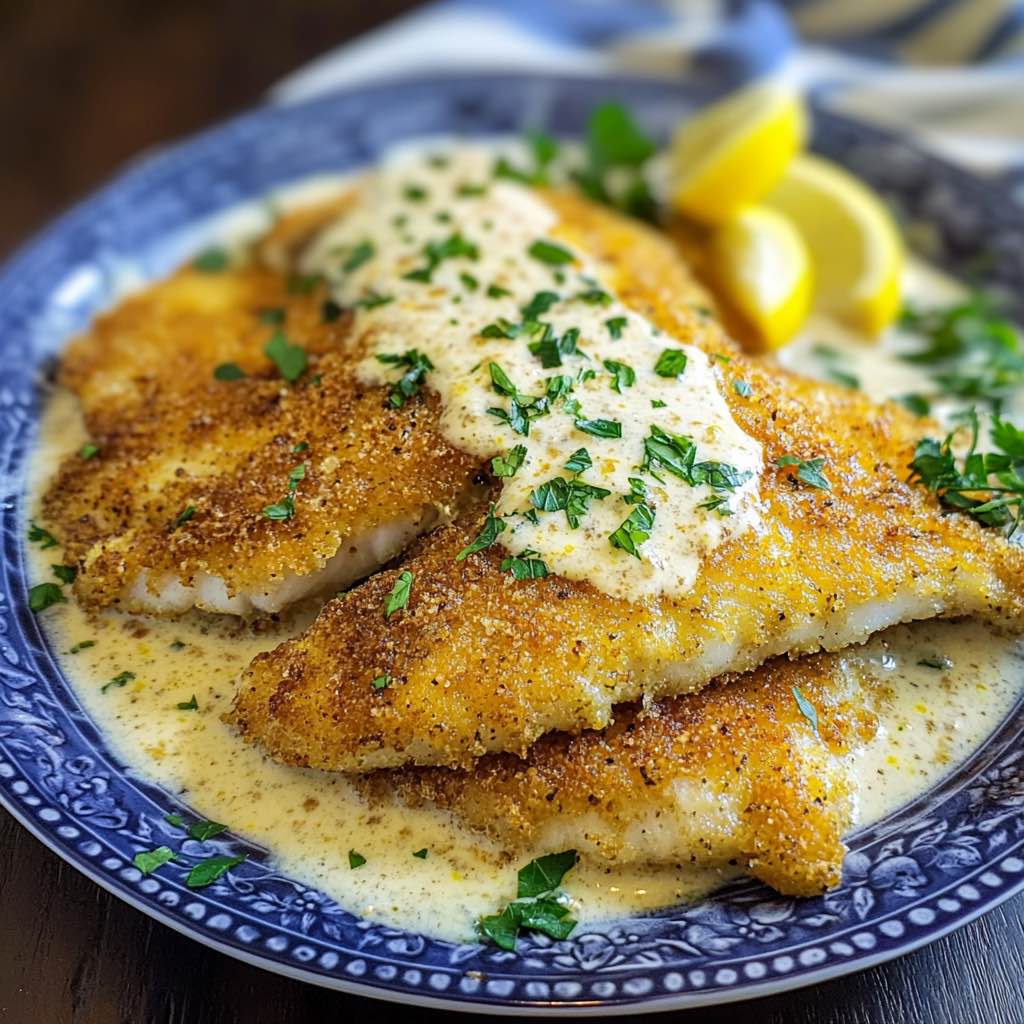
The Ultimate Guide to Creamy Catfish: Recipes, Techniques, and Tips for Perfect Results
Table of Contents
Introduction
Creamy catfish represents the perfect marriage of tender, flaky fish with rich, velvety sauces that elevate this humble freshwater fish to gourmet status. Moreover, this versatile preparation method transforms catfish into a restaurant-quality dish that’s surprisingly simple to master at home. Whether you’re preparing a weeknight dinner or entertaining guests, creamy catfish delivers exceptional flavor and satisfaction.
Furthermore, catfish’s mild taste and firm texture make it an ideal canvas for creamy preparations. The fish readily absorbs flavors while maintaining its structural integrity throughout the cooking process. Additionally, catfish is widely available and budget-friendly, making it an excellent choice for home cooks seeking impressive results without breaking the bank.
What Makes Catfish Perfect for Creamy Dishes
Texture and Flavor Profile
Catfish possesses a unique combination of characteristics that make it exceptionally well-suited for creamy preparations. First, its firm yet tender flesh holds together beautifully when cooked in rich sauces. The fish’s mild, slightly sweet flavor doesn’t compete with creamy elements, instead complementing them perfectly.
Moreover, catfish fillets have a consistent thickness that ensures even cooking. This reliability is crucial when preparing creamy catfish dishes, as overcooking can result in dry, tough fish that doesn’t pair well with delicate sauces. The fish’s natural oils also help maintain moisture throughout the cooking process.
Versatility in Preparation Methods
Catfish adapts remarkably well to various cooking methods essential for creamy preparations:
-
Pan-searing creates a golden crust that contrasts beautifully with creamy sauces
-
Baking allows for gentle, even cooking that preserves the fish’s delicate texture
-
Poaching directly in cream-based sauces infuses maximum flavor
-
Grilling adds subtle smokiness that enhances creamy accompaniments
Cost-Effectiveness and Availability
Unlike premium fish varieties, catfish remains affordable while delivering exceptional results. This accessibility makes it perfect for experimenting with different creamy catfish recipes without significant financial investment. Additionally, farm-raised catfish is available year-round, ensuring consistent quality and supply.
Essential Ingredients for Creamy Catfish
Base Dairy Components
The foundation of exceptional creamy catfish lies in selecting quality dairy ingredients. Heavy cream provides the richest, most luxurious texture, while half-and-half offers a lighter alternative without sacrificing creaminess. Whole milk can work for those seeking a more subtle approach, though it requires careful temperature control to prevent curdling.
Butter plays a crucial role in both cooking and sauce development. European-style butter with higher fat content creates silkier sauces, while regular unsalted butter provides reliable results. Additionally, cream cheese adds body and tanginess to sauces, creating more complex flavor profiles.
Flavor Enhancers and Seasonings
Successful creamy catfish dishes rely on carefully balanced seasonings:
-
Fresh herbs like thyme, parsley, and dill complement creamy elements
-
Garlic and onions provide aromatic depth
-
Lemon juice brightens rich sauces and prevents heaviness
-
Paprika adds color and subtle warmth
-
Black pepper enhances overall flavor complexity
Thickening Agents
Proper sauce consistency is vital for creamy catfish success. All-purpose flour creates classic roux-based sauces, while cornstarch provides gluten-free alternatives. Egg yolks can enrich and thicken simultaneously, though they require careful temperature management.
Classic Creamy Catfish Recipes
Pan-Seared Catfish with Herb Cream Sauce
This foundational recipe demonstrates essential techniques for preparing creamy catfish. First, season catfish fillets with salt, pepper, and paprika. Heat oil in a heavy skillet over medium-high heat, then sear fillets until golden brown, approximately 3-4 minutes per side.
Remove fish and set aside. In the same pan, melt butter and sauté minced garlic until fragrant. Add heavy cream and fresh thyme, simmering until slightly thickened. Return catfish to the pan, spooning sauce over fillets. This technique ensures the fish absorbs cream flavors while maintaining its texture.
Creamy Cajun Catfish Skillet
This variation incorporates bold Cajun flavors into a creamy base. Begin by coating catfish with a blend of paprika, cayenne, garlic powder, and onion powder. Sear as described above, then create a cream sauce with butter, flour, and heavy cream. Add diced tomatoes and bell peppers for color and texture contrast.
The key to this creamy catfish preparation lies in balancing spice levels with cream richness. Start with less cayenne and adjust to taste, as cream amplifies heat perception differently than dry preparations.
Baked Creamy Catfish Casserole
For family-style serving, this casserole method offers convenience without sacrificing flavor. Layer seasoned catfish fillets in a baking dish, then top with a mixture of cream, butter, onions, and herbs. Cover and bake at 375°F for 25-30 minutes until fish flakes easily.
This approach allows flavors to meld while cooking, creating a cohesive dish perfect for meal planning. Moreover, the gentle oven heat prevents cream from breaking or curdling.
Creamy Catfish and Mushroom Medley
Mushrooms pair naturally with creamy catfish preparations, adding earthy depth and textural variety. Sauté sliced mushrooms until golden, then proceed with standard cream sauce preparation. The mushrooms’ umami compounds enhance the overall flavor profile significantly.
Consider using a mix of mushroom varieties for complexity. Button mushrooms provide mild flavor, while shiitake adds richness and cremini offers robust taste. Each contributes unique characteristics to the final creamy catfish dish.
Advanced Cooking Techniques
Temperature Control for Perfect Cream Sauces
Successful creamy catfish depends heavily on proper temperature management. Cream-based sauces are sensitive to heat fluctuations, requiring constant attention and gentle cooking methods. Maintain temperatures between 160-180°F to prevent breaking or curdling.
Use a thermometer when learning, gradually developing intuition for proper heat levels. Additionally, removing the pan from heat periodically allows temperature moderation without interrupting the cooking flow.
Emulsification Techniques
Creating stable cream sauces requires understanding emulsification principles. Gradually adding cream to hot roux while whisking constantly creates smooth, lump-free results. Conversely, adding cold cream to very hot pans often causes separation.
For extra insurance, temper cream by adding small amounts of hot cooking liquid before incorporating it fully. This technique prevents temperature shock that commonly causes sauce failure.
Flavor Layering Strategies
Professional-quality creamy catfish results from building flavors systematically. Start by seasoning fish properly, then develop aromatics in cooking fat. Create the cream base gradually, tasting and adjusting seasonings throughout the process.
Consider finishing touches that enhance presentation and taste. Fresh herbs added just before serving maintain vibrant color and bright flavors. A squeeze of lemon juice brightens rich sauces without overwhelming delicate fish flavors.
Pan Selection and Heat Distribution
Heavy-bottomed pans distribute heat evenly, preventing hot spots that can scorch cream sauces. Stainless steel and enameled cast iron work exceptionally well for creamy catfish preparations. Avoid thin aluminum pans that create uneven heating patterns.
Preheat pans gradually to ensure even temperature distribution. This practice prevents sticking and promotes better browning when searing catfish fillets initially.
Nutritional Benefits of Catfish {#nutritional-benefits}
Protein Content and Quality
Catfish provides high-quality complete protein essential for muscle maintenance and growth. A typical 6-ounce serving contains approximately 32 grams of protein while remaining relatively low in calories. This protein efficiency makes creamy catfish an excellent choice for health-conscious diners.
Furthermore, catfish protein contains all essential amino acids in proper proportions. This complete amino acid profile supports various bodily functions, from immune system maintenance to tissue repair.
Vitamin and Mineral Profile
Beyond protein, catfish offers impressive micronutrient density. Vitamin B12 supports nerve function and red blood cell formation, while selenium acts as a powerful antioxidant. Phosphorus contributes to bone health and energy metabolism.
Additionally, catfish provides meaningful amounts of potassium, which supports cardiovascular health and proper muscle function. These nutrients remain intact regardless of preparation method, making creamy catfish both delicious and nutritious.
Healthy Fat Content
Farm-raised catfish contains moderate amounts of healthy fats, including omega-3 fatty acids. While not as high as salmon or mackerel, catfish still contributes beneficial fats that support heart and brain health.
The fish’s fat content also enhances the absorption of fat-soluble vitamins (A, D, E, K) present in accompanying cream sauces and vegetables. This synergistic effect maximizes nutritional benefits from complete creamy catfish meals.
Caloric Considerations
Plain catfish remains relatively low in calories, with preparation method significantly affecting final caloric content. Creamy sauces add calories primarily through dairy fats, but these can be moderated through ingredient selection and portion control.
For lighter versions, consider using half-and-half instead of heavy cream, or incorporating Greek yogurt for tangy richness with fewer calories. These modifications maintain creamy textures while reducing overall caloric density.
Sauce Variations and Flavor Profiles
Mediterranean-Inspired Cream Sauces
Transform creamy catfish with Mediterranean flavors by incorporating sun-dried tomatoes, fresh basil, and roasted garlic. These ingredients add complexity without overwhelming the fish’s delicate taste. Parmesan cheese can enhance richness while contributing savory depth.
Create depth by sautéing garlic and herbs in olive oil before adding cream. This technique builds flavor foundations that permeate throughout the sauce. Moreover, sun-dried tomatoes provide concentrated umami that complements cream beautifully.
Asian-Fusion Cream Variations
Incorporate ginger, scallions, and soy sauce into cream bases for unique fusion flavors. These ingredients create unexpected harmony with traditional dairy elements. Coconut cream can substitute for heavy cream, adding tropical notes and subtle sweetness.
Balance is crucial in these preparations. Start with small amounts of Asian ingredients, tasting frequently to achieve harmony between Eastern and Western flavor profiles. Fresh cilantro makes an excellent finishing garnish for these creamy catfish variations.
Southern Comfort Cream Sauces
Embrace regional Southern flavors by incorporating country ham, okra, or collard greens into cream sauces. These traditional ingredients create familiar, comforting flavor profiles that pair naturally with catfish’s heritage.
Bacon fat can replace butter for deeper, smokier flavor foundations. However, use sparingly to avoid overwhelming delicate cream elements. Fresh corn kernels add sweetness and textural interest to these regional creamy catfish preparations.
Herb-Forward Cream Combinations
Fresh herbs transform basic cream sauces into sophisticated accompaniments. Tarragon provides subtle anise notes, while sage offers earthy complexity. Dill contributes bright, fresh flavors that enhance fish naturally.
Timing herb additions properly ensures maximum flavor impact. Robust herbs like thyme can cook longer, while delicate herbs like chives should be added just before serving to maintain their fresh characteristics.

Side Dishes That Complement Creamy Catfish
Grain-Based Accompaniments
Creamy catfish pairs excellently with various grain preparations that absorb excess sauce while providing textural contrast. Wild rice pilaf offers nutty flavors and interesting texture, while creamy risotto creates luxurious, cohesive presentations.
Quinoa provides protein-rich alternatives for health-conscious diners. Its mild flavor won’t compete with cream sauces, while its texture adds pleasant contrast. Additionally, quinoa’s complete amino acid profile complements catfish’s protein content effectively.
Consider preparing grains with complementary seasonings. Herb-infused rice or garlic-scented quinoa enhance overall meal harmony without overwhelming individual components.
Vegetable Pairings
Green vegetables provide color contrast and nutritional balance to rich creamy catfish dishes. Steamed asparagus, sautéed green beans, or roasted Brussels sprouts offer appropriate accompaniments. Their slight bitterness balances cream richness naturally.
Root vegetables like roasted carrots or parsnips add sweetness that complements both fish and cream elements. Moreover, their caramelized edges provide textural variety that enhances overall dining experience.
Preparation methods should consider sauce compatibility. Lightly dressed vegetables work better than heavily sauced preparations that might compete with creamy catfish elements.
Bread and Starch Options
Crusty bread allows diners to enjoy every drop of cream sauce, making it an essential accompaniment. Sourdough, French bread, or artisanal rolls all work well. Warm bread enhances the overall comfort food appeal of creamy catfish preparations.
Mashed potatoes create ultimate comfort food combinations, though they increase overall richness significantly. Consider lighter preparations like herb-roasted fingerlings or simply boiled new potatoes for more balanced presentations.
Pasta works exceptionally well with saucy creamy catfish preparations. Angel hair or linguine complement delicate cream sauces, while heartier shapes like penne work with chunkier preparations containing vegetables or herbs.
Storage and Reheating Tips
Proper Storage Techniques
Leftover creamy catfish requires careful handling to maintain quality and safety. Cool dishes completely before refrigerating, but don’t leave at room temperature longer than two hours. Store in shallow containers to promote rapid, even cooling.
Cream-based sauces can separate during storage, but gentle reheating often restores proper consistency. Cover containers tightly to prevent absorption of refrigerator odors that might affect delicate fish flavors.
Properly stored creamy catfish maintains quality for 2-3 days refrigerated. Beyond this timeframe, quality deteriorates significantly, and food safety concerns increase substantially.
Reheating Methods
Gentle reheating preserves texture and prevents further cooking that might toughen fish. Low oven temperatures (275-300°F) work best for casserole-style preparations. Cover dishes to prevent surface drying while heating through.
Stovetop reheating allows better control but requires constant attention. Use low heat and stir frequently to prevent sticking or breaking. Add small amounts of cream or milk if sauces appear too thick after cooling.
Microwave reheating works for individual portions but requires careful technique. Use 50% power and heat in short intervals, stirring between cycles. This prevents hot spots that might overcook fish or break cream sauces.
Freezing Considerations
While possible, freezing creamy catfish dishes often compromises texture significantly. Cream sauces frequently separate upon thawing, and fish texture suffers from ice crystal formation. If freezing is necessary, consume within one month for best quality.
Thaw frozen creamy catfish gradually in refrigerators rather than at room temperature. This slower process minimizes textural damage and maintains food safety standards. Expect some sauce separation that might require gentle whisking during reheating.
Common Mistakes to Avoid
Temperature-Related Errors
Excessive heat represents the most common mistake in creamy catfish preparation. High temperatures cause cream to break, fish to overcook, and sauces to develop unpleasant textures. Always use moderate heat and adjust as needed throughout cooking.
Conversely, insufficient heat prevents proper browning and flavor development. Find the balance between gentle cooking and adequate heat for optimal results. Practice with different heat levels to develop intuitive understanding.
Cold ingredients added to hot pans often cause temperature shock and sauce separation. Allow dairy products to approach room temperature before use, or temper them gradually with hot cooking liquids.
Seasoning Imbalances
Under-seasoning is common when cream dilutes flavors significantly. Season generously throughout the cooking process, tasting frequently and adjusting as needed. Remember that cream mutes both salt and acid, requiring more aggressive seasoning than expected.
Over-reliance on salt without balancing acid elements creates flat, heavy flavors. Lemon juice, vinegar, or other acidic components brighten cream sauces and enhance fish flavors naturally.
Timing seasoning additions improperly affects final results. Salt fish early to allow penetration, but add delicate herbs just before serving to maintain their fresh characteristics.
Texture Problems
Overworking cream sauces during cooking can cause breaking or graininess. Once cream is added, minimize stirring and avoid vigorous whisking that might incorporate too much air or cause separation.
Incorrect thickening techniques often result in lumpy or inconsistent sauces. Create smooth roux before adding liquids, and strain sauces if necessary to achieve professional smoothness.
Fish texture suffers from overcooking more than undercooking. Catfish continues cooking from residual heat after removal from direct heat sources. Account for this carryover cooking when timing final doneness.
Presentation Issues
Poor sauce consistency affects both taste and presentation. Sauces should coat spoons lightly without being too thin or overly thick. Adjust consistency with additional cream or gentle reduction as needed.
Insufficient garnishing makes even excellent creamy catfish appear unfinished. Fresh herbs, lemon zest, or colorful vegetables add visual appeal that enhances perceived flavor and quality.
Frequently Asked Questions
How do I prevent cream sauces from breaking when making creamy catfish?
Maintain moderate temperatures throughout cooking and add cream gradually to hot bases. If separation occurs, remove from heat and whisk in cold butter pieces to re-emulsify. Temperature control is crucial for stable cream sauces.
What’s the best way to season catfish for creamy preparations?
Season catfish fillets with salt, pepper, and complementary spices at least 15 minutes before cooking. This allows flavors to penetrate while drawing out excess moisture for better browning. Don’t oversalt, as cream sauces concentrate flavors.
Can I make creamy catfish dishes ahead of time?
While possible, cream-based dishes are best served immediately for optimal texture and flavor. If preparing ahead, undercook slightly and finish gently when reheating. Store components separately when possible and combine just before serving.
What cream alternatives work for lighter versions?
Half-and-half, evaporated milk, or Greek yogurt can substitute for heavy cream with modified techniques. These alternatives require gentler heating and careful temperature control to prevent curdling. The results will be lighter but still satisfying.
How do I know when catfish is properly cooked in cream sauces?
Properly cooked catfish flakes easily with a fork and reaches an internal temperature of 145°F. The flesh should be opaque throughout with no translucent areas. Cooking in cream requires visual cues since sauce can mask traditional doneness indicators.
Can I use frozen catfish for creamy preparations?
Thaw frozen catfish completely and pat dry thoroughly before use. Excess moisture from frozen fish can thin cream sauces and prevent proper browning. Fresh catfish generally produces better results, but properly handled frozen fish works adequately.
What wines pair well with creamy catfish dishes?
Since this recipe collection focuses on family-friendly, non-alcoholic preparations, consider serving sparkling apple cider, flavored sparkling water, or fresh lemonade as beverage accompaniments that complement rich, creamy flavors without competing with the dish.
Conclusion
Mastering creamy catfish opens up a world of delicious possibilities that transform this affordable fish into restaurant-quality meals. Throughout this comprehensive guide, we’ve explored essential techniques, flavor combinations, and professional tips that ensure consistent success with every preparation.
The versatility of creamy catfish makes it perfect for both casual family dinners and special occasions. Moreover, the techniques learned here apply to many other fish varieties, expanding your culinary repertoire significantly. Remember that practice builds confidence, and each attempt teaches valuable lessons about heat control, timing, and flavor development.
Furthermore, creamy catfish dishes offer excellent opportunities for creativity and personalization. Experiment with different herb combinations, incorporate seasonal vegetables, or adapt regional flavors to create signature preparations that reflect your unique taste preferences.

creamy catfish
Description
Ingredients
For the Catfish:
-
4-6 catfish fillets (6-8 oz each)
-
1½ tablespoons paprika
-
1 tablespoon garlic powder
-
1 tablespoon onion powder
-
1 tablespoon dried thyme
-
1 teaspoon salt
-
½ teaspoon cayenne pepper
-
½ teaspoon black pepper
-
½ teaspoon dried oregano
-
½ teaspoon dried basil
-
4 tablespoons butter, divided
For the Creamy Sauce:
-
3 tablespoons unsalted butter
-
¼ cup all-purpose flour
-
½ cup diced onion
-
2 cloves garlic, minced
-
1 cup heavy whipping cream
-
¼ cup seafood stock or chicken broth
-
1 teaspoon Cajun seasoning
-
½ cup shredded Parmesan cheese
-
2 tablespoons fresh parsley, chopped
-
Salt and pepper to taste
Instructions
Prepare and Season the Catfish
Pat catfish fillets dry with paper towels and set aside. In a shallow bowl, combine paprika, garlic powder, onion powder, thyme, salt, cayenne pepper, black pepper, oregano, and basil. Generously coat each fillet on both sides with the seasoning mixture, pressing gently to help it adhere.
Cook the Catfish
Heat a large cast-iron skillet over medium-high heat. Melt 2 tablespoons of butter in the skillet for every 2 fillets you’re cooking. Add the seasoned catfish fillets and cook for 4-5 minutes per side until the coating begins to blacken but not burn. The fish should flake easily when done and have an internal temperature of 145°F. Transfer cooked fillets to a warm plate and cover with foil.
Make the Creamy Sauce
In the same skillet, melt 3 tablespoons butter over medium heat. Add diced onion and cook until softened, about 3-4 minutes. Stir in minced garlic and cook for another minute. Sprinkle flour over the vegetables and stir continuously for 1-2 minutes to cook out the raw flour taste.
Finish the Dish
Reduce heat to low and let the sauce simmer for 8-10 minutes until thickened. Stir in Parmesan cheese until melted and smooth. Add chopped parsley and season with salt and pepper to taste. Return the catfish fillets to the skillet briefly to warm through and coat with sauce.
Serving
Serve immediately with the creamy sauce spooned generously over each fillet. This dish pairs beautifully with rice, creamy grits, or roasted vegetables, allowing the rich sauce to complement the perfectly seasoned catfish.