
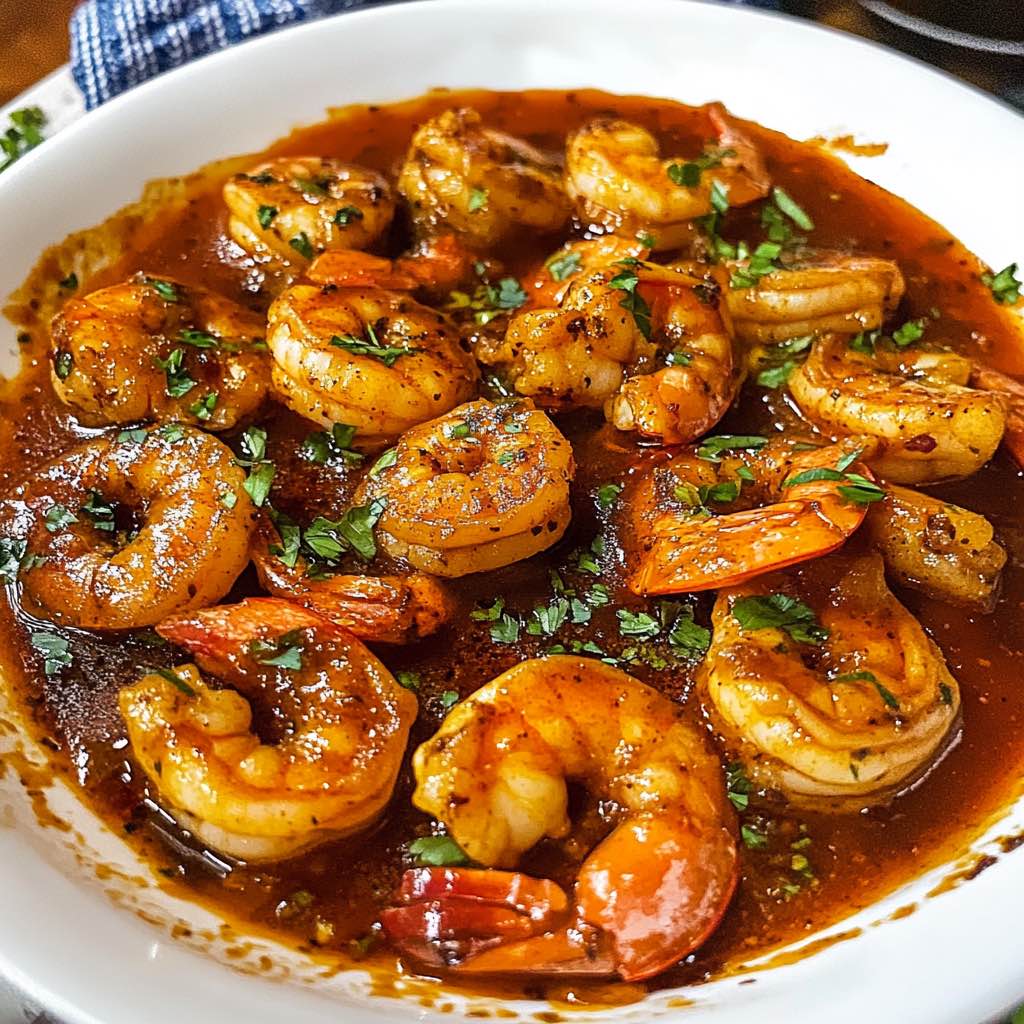
Camarones a la Diabla: The Ultimate Guide to Mexico’s Fiery Shrimp Delight
Introduction
Camarones a la Diabla stands as one of Mexico’s most beloved spicy seafood dishes. This fiery shrimp creation delivers an explosive combination of heat and flavor. Moreover, it represents the perfect balance between traditional Mexican cooking techniques and bold seasoning.
The dish translates to “Devil’s Shrimp” in English. Consequently, it promises an intense culinary experience. However, beneath the intimidating heat lies a sophisticated blend of spices and textures. Furthermore, this recipe offers home cooks an opportunity to master authentic Mexican cuisine.
Whether you’re a seafood enthusiast or spice lover, Camarones a la Diabla delivers satisfaction. Additionally, its versatility makes it suitable for various occasions. From casual family dinners to special celebrations, this dish never disappoints.
What is Camarones a la Diabla
Camarones a la Diabla is a traditional Mexican shrimp dish characterized by its fiery red sauce. The preparation involves large shrimp cooked in a spicy chile-based sauce. Typically, the sauce combines dried chiles, garlic, onions, and tomatoes.
Key Characteristics
The dish features several distinctive elements:
-
Intense heat level from multiple chile varieties
-
Rich red color from dried chiles and tomatoes
-
Tender shrimp that absorb the spicy flavors
-
Complex flavor profile balancing heat with umami
-
Quick cooking method preserving shrimp texture
Regional Variations
Different Mexican regions prepare Camarones a la Diabla with unique twists. For instance, coastal areas often include fresh lime juice. Meanwhile, inland regions might emphasize smokier chile varieties. Nevertheless, the core concept remains consistent across Mexico.
The dish’s popularity extends beyond Mexico’s borders. Consequently, many Mexican restaurants worldwide feature their own interpretations. However, authentic preparation methods yield the best results.
History and Origins
The origins of Camarones a la Diabla trace back to Mexico’s Pacific coastal regions. Historically, fishermen created this dish using fresh shrimp catches and local chiles. The abundant seafood and chile varieties made this combination natural.
Cultural Significance
Mexican cuisine celebrates the marriage of heat and flavor. Therefore, Camarones a la Diabla exemplifies this culinary philosophy perfectly. The dish represents generations of cooking wisdom passed down through families.
Traditional preparation methods emphasize patience and technique. Furthermore, the sauce development requires careful attention to chile selection and preparation. Each family often guards their specific recipe variations closely.
Modern Evolution
Today’s Camarones a la Diabla incorporates modern conveniences while respecting tradition. For example, blenders facilitate sauce preparation. However, the fundamental cooking principles remain unchanged.
Restaurant chefs have elevated the dish’s presentation and complexity. Nevertheless, home cooks can achieve equally impressive results with proper techniques. The key lies in understanding the balance between heat and flavor.
Essential Ingredients
Primary Components
Successful Camarones a la Diabla requires specific high-quality ingredients:
Shrimp Selection:
-
Large shrimp (16-20 count per pound)
-
Fresh or properly frozen varieties
-
Shell-on or peeled options
-
Wild-caught preferred for flavor
Chile Foundation:
-
Dried guajillo chiles (3-4 pieces)
-
Dried ancho chiles (2-3 pieces)
-
Chipotle chiles in adobo (2-3 pieces)
-
Fresh jalapeños (1-2 pieces)
Aromatics:
-
White onion (1 medium)
-
Roma tomatoes (2-3 pieces)
-
Garlic cloves (4-6 pieces)
-
Fresh lime juice (2-3 limes)
Supporting Ingredients
Additional components enhance the dish’s complexity:
-
Sea salt for proper seasoning
-
Black pepper for additional heat
-
Cumin for earthy depth
-
Mexican oregano for herbal notes
-
Olive oil for cooking medium
-
Chicken broth for sauce consistency
Optional Enhancements
These ingredients add personalized touches:
-
Fresh cilantro for garnish
-
Avocado slices for cooling contrast
-
Mexican crema for richness
-
Pickled jalapeños for extra heat
-
Lime wedges for service
Step-by-Step Recipe
Preparation Phase
Chile Preparation (15 minutes):
-
Remove stems and seeds from dried chiles
-
Toast chiles in dry skillet for 2-3 minutes
-
Soak toasted chiles in hot water for 10 minutes
-
Reserve soaking liquid for sauce
Shrimp Preparation (10 minutes):
-
Clean and devein shrimp if necessary
-
Pat shrimp completely dry with paper towels
-
Season with salt and pepper
-
Set aside at room temperature
Sauce Creation
Base Sauce (20 minutes):
-
Blend soaked chiles with 1 cup soaking liquid
-
Strain mixture through fine-mesh sieve
-
Sauté diced onions until translucent (5 minutes)
-
Add minced garlic and cook 1 minute more
Sauce Development:
-
Add diced tomatoes to onion mixture
-
Cook until tomatoes break down (8-10 minutes)
-
Pour in strained chile mixture
-
Simmer sauce for 15-20 minutes
Final Assembly
Shrimp Cooking (8-10 minutes):
-
Heat olive oil in large skillet over medium-high heat
-
Add seasoned shrimp in single layer
-
Cook 2-3 minutes per side until pink
-
Remove shrimp temporarily
Combining Elements:
-
Pour sauce into same skillet
-
Bring sauce to gentle simmer
-
Return shrimp to skillet
-
Toss gently to coat completely
-
Cook additional 2-3 minutes
Cooking Techniques
Sauce Mastery
Creating exceptional Camarones a la Diabla sauce requires specific techniques. First, proper chile preparation ensures optimal flavor extraction. Additionally, toasting dried chiles develops deeper, more complex flavors.
Chile Toasting Method:
-
Use medium heat to avoid burning
-
Toast until fragrant (2-3 minutes maximum)
-
Watch for color changes indicating doneness
-
Remove immediately when aromatic
Blending Technique:
-
Start with small amount of liquid
-
Gradually add more for desired consistency
-
Strain for smooth texture
-
Reserve extra liquid for adjustments
Shrimp Cooking Precision
Perfect shrimp texture requires careful temperature control and timing. Moreover, overcooking creates tough, rubbery results. Therefore, monitoring cooking progress closely ensures success.
Temperature Guidelines:
-
Medium-high heat for initial searing
-
Reduce heat when adding sauce
-
Maintain gentle simmer throughout
-
Remove from heat promptly when done
Visual Cues:
-
Shrimp curl into “C” shape when properly cooked
-
Color changes from gray to pink-orange
-
Flesh becomes opaque throughout
-
Avoid tight “O” shape indicating overcooking
Recipe Variations
Regional Adaptations
Coastal Style:
Different coastal regions add unique elements to Camarones a la Diabla. For instance, Mazatlán versions often include fresh lime zest. Meanwhile, Veracruz preparations might incorporate local chile varieties.
Northern Mexico Style:
Northern regions typically emphasize smokier flavors. Therefore, they increase chipotle chile quantities. Additionally, some variations include roasted garlic for enhanced depth.
Heat Level Modifications
Mild Version:
-
Reduce chipotle chiles by half
-
Increase tomato content
-
Add bell peppers for sweetness
-
Include Mexican crema for cooling
Extra Hot Version:
-
Add fresh habanero chiles
-
Include chile de árbol
-
Maintain all original heat sources
-
Serve with cooling accompaniments
Protein Alternatives
While shrimp remains traditional, other proteins work well:
Fish Options:
-
Firm white fish fillets
-
Mahi-mahi or snapper
-
Adjust cooking times accordingly
-
Maintain sauce consistency
Other Seafood:
-
Scallops for elegant presentation
-
Squid rings for unique texture
-
Mixed seafood combinations
-
Check our guide on [Mexican seafood preparations] for more options
Serving Suggestions
Traditional Accompaniments
Authentic Camarones a la Diabla pairs beautifully with specific sides. Consequently, proper accompaniments enhance the overall dining experience. Moreover, they provide cooling contrasts to the intense heat.
Rice Varieties:
-
Mexican red rice (arroz rojo)
-
Cilantro lime rice
-
Plain white rice for heat absorption
-
Coconut rice for tropical twist
Bread Options:
-
Warm corn tortillas
-
Fresh bolillo rolls
-
Crusty sourdough bread
-
Naan bread for fusion approach
Cooling Complements
Fresh Elements:
-
Avocado salad with lime dressing
-
Cucumber and jicama sticks
-
Fresh fruit salsa
-
Crisp lettuce cups
Creamy Additions:
-
Mexican crema or sour cream
-
Guacamole for richness
-
Queso fresco crumbles
-
Greek yogurt with herbs
Nutritional Benefits
Shrimp Nutrition Profile
Shrimp provides exceptional nutritional value with relatively few calories. Additionally, it offers high-quality protein essential for muscle maintenance. Furthermore, shrimp contains important minerals and vitamins.
Key Nutrients per 4-ounce serving:
-
Protein: 23-25 grams
-
Calories: 120-130
-
Fat: 1-2 grams
-
Carbohydrates: 1 gram
-
Cholesterol: 170-180 mg
Beneficial Compounds
Antioxidants:
-
Astaxanthin for cellular protection
-
Selenium for immune function
-
Vitamin E for skin health
-
Vitamin B12 for energy metabolism
Essential Minerals:
-
Iodine for thyroid function
-
Phosphorus for bone health
-
Zinc for wound healing
-
Iron for oxygen transport
Chile Health Benefits
The chiles in Camarones a la Diabla contribute additional health benefits. Moreover, capsaicin provides anti-inflammatory properties. Therefore, regular consumption may support overall wellness.
Capsaicin Benefits:
-
Pain relief properties
-
Metabolic boost potential
-
Cardiovascular support
-
Anti-inflammatory effects
Expert Tips for Success
Professional Techniques
Shrimp Selection:
Choose shrimp based on intended presentation and texture preferences. For instance, shell-on shrimp retain more flavor during cooking. However, peeled shrimp offer convenience and faster preparation.
Size Considerations:
-
Large shrimp (16-20 count) work best
-
Avoid extra-large varieties that overcook easily
-
Medium shrimp cook too quickly
-
Jumbo shrimp may require longer cooking
Sauce Development
Consistency Control:
Achieving proper sauce consistency requires patience and technique. Furthermore, the sauce should coat shrimp without being too thick. Additionally, thinning options include reserved chile liquid or broth.
Flavor Balance:
-
Taste sauce before adding shrimp
-
Adjust heat levels gradually
-
Balance acidity with lime juice
-
Enhance depth with cumin
Timing Strategies
Preparation Timeline:
-
Prepare sauce completely before cooking shrimp
-
Keep sauce warm while cooking protein
-
Work quickly once shrimp cooking begins
-
Serve immediately for best texture
Make-Ahead Options:
-
Sauce can be prepared 1-2 days ahead
-
Store covered in refrigerator
-
Reheat gently before using
-
Cook shrimp fresh for optimal results
Common Mistakes to Avoid
Overcooking Issues
Overcooked shrimp represents the most common Camarones a la Diabla mistake. Consequently, texture becomes tough and chewy. Therefore, careful timing prevents this problem entirely.
Prevention Strategies:
-
Use medium-high heat initially
-
Reduce heat when adding sauce
-
Cook shrimp just until pink
-
Remove from heat promptly
Sauce Problems
Thickness Issues:
-
Too thick: Add reserved chile liquid gradually
-
Too thin: Simmer uncovered to reduce
-
Lumpy texture: Strain sauce thoroughly
-
Bland flavor: Increase chile quantities
Seasoning Mistakes
Salt Balance:
Many cooks under-season Camarones a la Diabla. However, proper salt levels enhance all other flavors. Additionally, taste testing throughout cooking ensures proper seasoning.
Heat Distribution:
Uneven heat distribution creates inconsistent results. Therefore, distribute chiles evenly in sauce preparation. Moreover, taste different portions for consistency.
Storage and Reheating
Proper Storage Methods
Refrigeration Guidelines:
Store leftover Camarones a la Diabla properly to maintain quality and safety. Moreover, proper storage extends shelf life significantly. Additionally, separate storage of components works best.
Storage Timeline:
-
Refrigerate within 2 hours of cooking
-
Use within 2-3 days maximum
-
Store in airtight containers
-
Keep sauce and shrimp together
Reheating Techniques
Stovetop Method:
-
Use low heat to prevent overcooking
-
Add splash of broth if needed
-
Stir gently to heat evenly
-
Heat just until warmed through
Microwave Option:
-
Use 50% power setting
-
Heat in 30-second intervals
-
Stir between heating cycles
-
Cover to prevent splattering
Quality Considerations
Texture Changes:
Reheated shrimp will have slightly different texture. However, proper reheating minimizes quality loss. Therefore, gentle heating methods work best.
Flavor Intensity:
Flavors often intensify during storage. Consequently, reheated Camarones a la Diabla may taste spicier. Additionally, acid levels may seem more pronounced.
Frequently Asked Questions
Can I make Camarones a la Diabla less spicy?
Yes, you can easily adjust the heat level in Camarones a la Diabla. Simply reduce the number of chipotle chiles used. Additionally, remove seeds from all chiles before preparation. Furthermore, increase the tomato content to balance the heat.
What’s the best shrimp size for this dish?
Large shrimp (16-20 count per pound) work best for Camarones a la Diabla. They provide substantial bites without overcooking quickly. Moreover, this size holds up well to the robust sauce flavors.
Can I prepare the sauce ahead of time?
Absolutely! The sauce can be prepared 1-2 days in advance. Store it covered in the refrigerator until ready to use. However, cook the shrimp fresh for optimal texture and flavor.
How do I know when the shrimp are properly cooked?
Properly cooked shrimp will be pink and opaque throughout. Additionally, they’ll curl into a “C” shape. Avoid cooking until they form tight “O” shapes, which indicates overcooking.
What can I substitute for dried chiles?
While dried chiles provide authentic flavor, you can substitute chile powder in emergencies. Use 2-3 tablespoons of high-quality chile powder. However, the flavor will be less complex than traditional preparation.
Is this dish suitable for meal prep?
Camarones a la Diabla can work for meal prep, but quality decreases over time. The sauce travels well, but shrimp texture suffers with reheating. Therefore, consider preparing sauce ahead and cooking shrimp fresh.
Can I freeze leftover Camarones a la Diabla?
Freezing isn’t recommended for this dish. Shrimp texture becomes rubbery after freezing and thawing. Instead, plan portions carefully or prepare sauce only for freezing.
What sides complement the heat level best?
Cool, creamy sides work best with spicy Camarones a la Diabla. Try avocado salad, Mexican crema, or coconut rice. Additionally, fresh fruit provides natural cooling properties.
Conclusion
Camarones a la Diabla represents the pinnacle of Mexican spicy seafood cuisine. This fiery shrimp dish combines traditional techniques with bold flavors. Moreover, mastering this recipe opens doors to authentic Mexican cooking.
The key to exceptional Camarones a la Diabla lies in balancing heat with flavor complexity. Furthermore, proper technique ensures tender shrimp and rich sauce consistency. Therefore, patience during sauce development pays dividends in final results.
Whether serving family or entertaining guests, this dish never fails to impress. Additionally, its versatility allows for personal adaptations while maintaining authenticity. The combination of sweet shrimp and spicy chile sauce creates an unforgettable culinary experience.
Remember that practice improves results with each preparation. Consequently, don’t be discouraged by initial attempts that aren’t perfect. Instead, use each cooking session as learning opportunity.
Camarones a la Diabla (Diablo Shrimp)
Description
Ingredients
For the Chile Sauce:
-
8 guajillo chiles, rinsed, stems and seeds removed
-
3 chile de arbol, rinsed, stems removed
-
3 ancho peppers (optional for deeper flavor)
-
3 Roma tomatoes, chopped
-
1/2 medium white onion, roughly chopped
-
2-4 cloves garlic
-
1 teaspoon kosher salt
-
2 tablespoons apple cider vinegar
For the Shrimp:
-
1.5 pounds large raw shrimp, peeled and deveined
-
4 tablespoons olive oil
-
Salt and black pepper to taste
-
Fresh cilantro for garnish
-
Lime wedges for serving
Instructions
Prepare the Chile Sauce
Rinse the dried chiles and remove stems and seeds from guajillo and ancho peppers, keeping stems off chile de arbol but leaving them whole for heat. Place all dried chiles in a medium bowl and cover completely with very hot or boiling water. Cover with a lid or plate and let steep for 15-20 minutes until chiles have softened.
Using a slotted spoon, transfer the softened chiles to a large blender. Add the chopped tomatoes, onion, garlic, salt, and apple cider vinegar. Puree until completely smooth, adding a small amount of the chile soaking liquid if needed for consistency. Taste and adjust salt as needed. Strain the sauce if desired for a smoother texture.
Cook the Shrimp
Season the shrimp with salt and pepper. Heat olive oil in a large skillet over medium-high heat. Add shrimp and cook for 1 minute per side until they start to turn light pink but are not fully cooked.
Combine and Finish
Add the prepared chile sauce to the skillet with the partially cooked shrimp. Reduce heat to medium and simmer for 3-5 minutes, allowing the sauce to bubble and the shrimp to cook through completely. The shrimp should be opaque and the sauce should be hot and slightly reduced.
Serving
Remove from heat and serve immediately, garnished with fresh chopped cilantro and lime wedges. This dish works perfectly as an appetizer or can be served over Mexican rice as a complete meal. The sauce can be adjusted for heat by adding more or fewer chile de arbol peppers, or by incorporating additional tomatoes to mellow the spice level.