
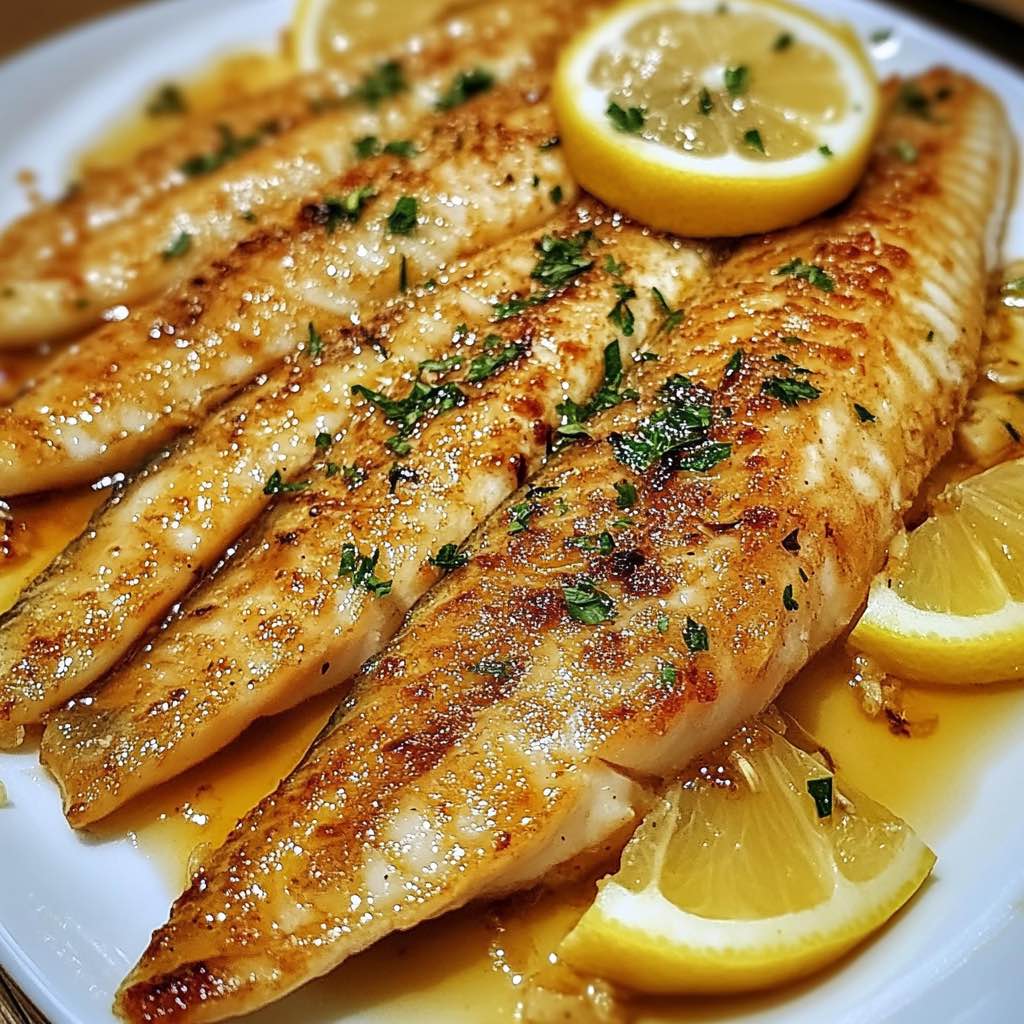
Garlic Lemon Catfish: The Ultimate Guide to This Flavorful Southern Classic
Table of Contents
Introduction
Garlic lemon catfish represents the perfect marriage of bold flavors and tender, flaky fish. This beloved Southern dish combines the aromatic punch of fresh garlic with the bright acidity of lemon, creating a meal that’s both comforting and refreshing. Whether you’re a seasoned cook or just starting your culinary journey, mastering garlic lemon catfish will elevate your dinner repertoire significantly.
The beauty of this dish lies in its simplicity and versatility. Furthermore, catfish provides an excellent source of lean protein while remaining budget-friendly and widely available. Additionally, the garlic and lemon combination offers numerous health benefits beyond just exceptional taste.
What Makes Garlic Lemon Catfish Special
The Perfect Flavor Profile
Garlic lemon catfish delivers a complex yet balanced taste experience. The garlic provides earthy, savory depth while the lemon adds brightness and helps cut through the fish’s natural richness. Moreover, this combination enhances the catfish’s mild flavor without overwhelming it.
The preparation method significantly impacts the final result. Consequently, understanding how these flavors interact helps create the most delicious garlic lemon catfish possible.
Cultural Significance
This dish has deep roots in Southern American cuisine. Traditionally, catfish was abundant in Southern waterways, making it a staple protein. Subsequently, creative cooks developed various preparation methods, with garlic and lemon becoming a popular combination due to their ability to complement the fish perfectly.
Versatility in Preparation
Garlic lemon catfish adapts beautifully to various cooking methods. Whether baked, pan-fried, grilled, or blackened, the core flavors remain consistent while offering different textures and presentations.
Essential Ingredients for Perfect Garlic Lemon Catfish
Primary Ingredients
The foundation of exceptional garlic lemon catfish starts with quality ingredients:
-
Fresh catfish fillets (4-6 pieces, 6-8 oz each)
-
Fresh garlic cloves (6-8 cloves, minced)
-
Fresh lemons (2-3 large lemons for juice and zest)
-
High-quality olive oil (3-4 tablespoons)
-
All-purpose flour (1 cup for coating)
-
Cornmeal (1/2 cup for added texture)
Seasoning Essentials
The right seasonings transform good garlic lemon catfish into something extraordinary:
-
Sea salt (2 teaspoons)
-
Freshly ground black pepper (1 teaspoon)
-
Paprika (1 teaspoon)
-
Cayenne pepper (1/4 teaspoon, optional)
-
Fresh thyme (2 tablespoons)
-
Fresh parsley (1/4 cup, chopped)
Optional Flavor Enhancers
These ingredients can elevate your garlic lemon catfish even further:
-
Capers (2 tablespoons)
-
Fresh dill (2 tablespoons)
-
Butter (2 tablespoons for richness)
-
Onion powder (1/2 teaspoon)
-
Garlic powder (additional 1/2 teaspoon)
Step-by-Step Cooking Guide {#step-by-step-guide}
Preparation Phase
Proper preparation ensures your garlic lemon catfish turns out perfectly every time. First, allow frozen catfish fillets to thaw completely in the refrigerator overnight. Then, pat the fillets dry with paper towels to remove excess moisture.
Next, inspect each fillet for bones and remove any remaining pin bones with tweezers. This step prevents unpleasant surprises during eating.
Creating the Marinade
The marinade infuses your garlic lemon catfish with incredible flavor:
-
Combine minced garlic, lemon juice, and olive oil in a large bowl
-
Add salt, pepper, and herbs to create a fragrant mixture
-
Whisk ingredients thoroughly until well combined
-
Taste and adjust seasoning as needed
Marinating Process
Place catfish fillets in a shallow dish and pour the marinade over them. Ensure each piece is completely coated. Cover the dish with plastic wrap and refrigerate for at least 30 minutes. However, marinating for up to 2 hours develops even deeper flavors.
Turn the fillets once during marinating to ensure even flavor distribution. Additionally, bring the fish to room temperature 15 minutes before cooking for more even results.
Coating Preparation
While the fish marinates, prepare your coating mixture. Combine flour, cornmeal, and dry seasonings in a shallow plate. Mix thoroughly to distribute seasonings evenly throughout the coating.
The cornmeal adds delightful texture and helps achieve that signature Southern crunch in your garlic lemon catfish.
Pan-Frying Method
Pan-frying produces beautifully crispy garlic lemon catfish with minimal effort:
-
Heat oil in a large skillet over medium-high heat
-
Remove catfish from marinade, allowing excess to drip off
-
Dredge each fillet in the flour mixture, pressing gently for adherence
-
Carefully place fillets in hot oil without overcrowding
-
Cook for 3-4 minutes per side until golden brown
-
Transfer to a paper towel-lined plate to drain
Baking Alternative
For a healthier approach, baking produces excellent garlic lemon catfish results:
-
Preheat oven to 400°F (200°C)
-
Line a baking sheet with parchment paper
-
Place coated fillets on the prepared sheet
-
Drizzle with remaining marinade
-
Bake for 15-20 minutes until fish flakes easily
-
Finish under the broiler for 2 minutes for extra crispness
Cooking Methods Compared {#cooking-methods}
| Method | Cooking Time | Texture | Difficulty Level | Health Rating |
|---|---|---|---|---|
| Pan-frying | 6-8 minutes | Crispy exterior, tender interior | Easy | Moderate |
| Baking | 15-20 minutes | Tender throughout | Very Easy | High |
| Grilling | 8-10 minutes | Smoky with grill marks | Moderate | High |
| Air Frying | 10-12 minutes | Very crispy | Easy | High |
Grilling Technique
Grilled garlic lemon catfish offers a unique smoky flavor profile. Preheat your grill to medium-high heat and oil the grates well. Place marinated fillets directly on the grill and cook for 4-5 minutes per side.
The key to successful grilling is maintaining consistent temperature and avoiding overcooking. Moreover, the natural oils in the marinade help prevent sticking.
Air Fryer Method
Air frying creates exceptionally crispy garlic lemon catfish with minimal oil. Preheat the air fryer to 400°F and lightly spray the basket with cooking spray. Cook for 5-6 minutes, flip, then continue for another 4-5 minutes.
This method reduces cooking time while maintaining excellent texture and flavor.
Nutritional Benefits
Protein Powerhouse
Catfish provides excellent lean protein, essential for muscle maintenance and growth. A typical serving of garlic lemon catfish contains approximately 25-30 grams of high-quality protein. Additionally, this protein is complete, containing all essential amino acids your body needs.
The protein content makes garlic lemon catfish an excellent choice for fitness enthusiasts and anyone seeking to maintain a healthy diet.
Essential Vitamins and Minerals
Catfish naturally contains several important nutrients:
-
Vitamin B12: Supports nerve function and red blood cell formation
-
Selenium: Acts as a powerful antioxidant
-
Phosphorus: Essential for bone health
-
Potassium: Helps regulate blood pressure
-
Omega-3 fatty acids: Support heart and brain health
Garlic Health Benefits
The garlic in your garlic lemon catfish recipe provides numerous health advantages. Garlic contains allicin, a compound with antimicrobial and anti-inflammatory properties. Furthermore, regular garlic consumption may help reduce cholesterol levels and support cardiovascular health.
Lemon Nutritional Value
Lemons contribute vitamin C, citrus flavonoids, and natural acids that aid digestion. The vitamin C supports immune function and helps iron absorption. Additionally, the citric acid may help prevent kidney stones.
Serving Suggestions and Side Dishes
Classic Southern Pairings
Traditional sides complement garlic lemon catfish beautifully:
-
Creamy coleslaw: Provides cool contrast to the warm, flavorful fish
-
Hush puppies: Classic cornbread fritters that pair perfectly
-
Mac and cheese: Rich, comforting side that balances the bright flavors
-
Collard greens: Nutritious vegetables that complete the meal
-
Corn on the cob: Sweet corn complements the savory fish
Lighter Options
For healthier meals, consider these fresh sides:
-
Mixed green salad with lemon vinaigrette
-
Roasted asparagus with garlic
-
Quinoa pilaf with herbs
-
Steamed broccoli with lemon butter
-
Wild rice with almonds and herbs
International Twists
Expand your garlic lemon catfish experience with global-inspired sides:
-
Mediterranean: Serve with Greek salad and tzatziki sauce
-
Asian-inspired: Pair with coconut rice and stir-fried vegetables
-
Mexican influence: Add cilantro lime rice and black bean salad
-
Italian style: Serve over pasta with cherry tomatoes and basil
Sauce Accompaniments
Enhance your garlic lemon catfish with complementary sauces:
-
Tartar sauce with fresh herbs
-
Remoulade sauce for Creole flair
-
Lemon butter sauce for extra richness
-
Aioli with roasted garlic
-
Fresh salsa verde
Check out our guide on [homemade sauce recipes] for additional flavor options that perfectly complement garlic lemon catfish.
Common Mistakes to Avoid
Overcooking the Fish
The most frequent error when preparing garlic lemon catfish is overcooking. Catfish cooks quickly and becomes dry and tough when overdone. Fish is perfectly cooked when it reaches an internal temperature of 145°F and flakes easily with a fork.
Use a meat thermometer for accuracy, especially when learning to prepare garlic lemon catfish properly.
Insufficient Seasoning
Under-seasoning results in bland garlic lemon catfish that doesn’t showcase the ingredients’ potential. Season both the fish and the coating generously. Remember that much of the external seasoning will be lost during cooking.
Taste your marinade and coating mixture before using them to ensure proper flavor balance.
Wrong Oil Temperature
Incorrect oil temperature affects both texture and flavor. Oil that’s too hot burns the coating before the fish cooks through. Conversely, oil that’s too cool results in greasy, soggy coating.
Test oil temperature by dropping a small piece of coating mixture into the oil. It should sizzle immediately without violent bubbling.
Crowding the Pan
Overcrowding the cooking surface causes several problems. The temperature drops, resulting in uneven cooking and soggy coating. Additionally, crowded fish pieces stick together and become difficult to flip properly.
Cook garlic lemon catfish in batches if necessary to maintain proper spacing and temperature.
Skipping the Rest Period
Many cooks serve garlic lemon catfish immediately after cooking. However, allowing the fish to rest for 2-3 minutes after cooking helps redistribute juices and prevents the coating from falling off when served.
This brief rest period significantly improves the final presentation and eating experience.
Storage and Reheating Tips {#storage-tips}
Proper Storage Techniques
Store leftover garlic lemon catfish properly to maintain quality and safety. Allow cooked fish to cool completely before refrigerating. Place in airtight containers and consume within 2-3 days for best quality.
For longer storage, wrap individual portions tightly in plastic wrap, then aluminum foil, and freeze for up to 3 months. Label packages with the date and contents for easy identification.
Reheating Methods
Proper reheating preserves the texture and flavor of your garlic lemon catfish:
Oven method: Preheat to 350°F, place fish on a baking sheet, and heat for 8-10 minutes until warmed through.
Air fryer method: Heat at 350°F for 3-4 minutes, checking frequently to prevent overcooking.
Stovetop method: Use a covered skillet over low heat with a small amount of oil.
Avoid microwaving as it creates uneven heating and ruins the coating’s texture.
Make-Ahead Strategies
Prepare garlic lemon catfish components in advance for quicker weeknight meals. The marinade can be made up to 2 days ahead and stored in the refrigerator. Similarly, the coating mixture stays fresh in an airtight container for up to a week.
Marinate the fish in the morning for evening cooking, or even prepare and coat the fillets a few hours ahead, keeping them refrigerated until cooking time.
Frequently Asked Questions {#faqs}
What’s the best way to ensure my garlic lemon catfish doesn’t taste muddy?
Choose farm-raised catfish from reputable sources, as it typically has a milder flavor than wild-caught varieties. Additionally, soaking fillets in milk for 30 minutes before marinating can help remove any residual muddy taste. The garlic and lemon in your preparation also help mask any unwanted flavors.
Can I substitute other fish for catfish in this recipe?
Absolutely! This garlic lemon preparation works excellently with tilapia, cod, or bass. However, adjust cooking times based on the fish’s thickness and density. Flakier fish may require gentler handling and shorter cooking times than catfish.
How do I know when my garlic lemon catfish is fully cooked?
Properly cooked catfish reaches an internal temperature of 145°F and flakes easily when tested with a fork. The flesh should be opaque throughout with no translucent areas. Additionally, the coating should be golden brown and crispy.
Is it necessary to use fresh garlic and lemon for the best results?
Fresh ingredients significantly impact the final flavor of garlic lemon catfish. Fresh garlic provides more aromatic compounds than powdered alternatives. Similarly, fresh lemon juice offers brighter acidity than bottled versions. However, in a pinch, you can substitute with dried seasonings while adjusting quantities accordingly.
Can I make this recipe gluten-free?
Yes! Replace regular flour with gluten-free flour blend or almond flour for coating. Cornmeal is naturally gluten-free, so the texture remains similar. Always check that your seasonings and other ingredients are certified gluten-free to avoid cross-contamination.
What’s the best oil for frying garlic lemon catfish?
Use oils with high smoke points such as vegetable oil, canola oil, or peanut oil. These oils handle the high temperatures needed for proper frying without breaking down or imparting unwanted flavors to your garlic lemon catfish.
Conclusion
Mastering garlic lemon catfish opens up a world of delicious, healthy meal possibilities. This versatile dish combines simple ingredients to create complex, satisfying flavors that please both family and guests. Moreover, the various cooking methods ensure you can prepare perfect garlic lemon catfish regardless of your kitchen setup or dietary preferences.
The nutritional benefits, combined with the exceptional taste and relatively simple preparation, make garlic lemon catfish an excellent addition to any meal rotation. Whether you choose to pan-fry for maximum crispiness or bake for a healthier approach, the key lies in using quality ingredients and proper technique.
Remember that practice makes perfect when preparing garlic lemon catfish. Each time you make this dish, you’ll develop a better understanding of timing, seasoning, and technique. Soon, you’ll be creating restaurant-quality results in your own kitchen.
Garlic Lemon Catfish
Description
Ingredients
-
4-6 catfish fillets (6 oz each)
-
¼ cup extra-virgin olive oil
-
2-3 cloves garlic, minced
-
2 tablespoons fresh parsley, chopped
-
1 large lemon (juiced, plus wedges for serving)
-
2 tablespoons butter, melted
-
1 teaspoon salt
-
½ teaspoon black pepper
-
½ teaspoon garlic powder
-
½ teaspoon dried thyme
-
¼ teaspoon paprika (optional)
Instructions
Prepare the Fish
Preheat oven to 425°F and line a baking sheet with foil for easy cleanup. Pat catfish fillets completely dry with paper towels and place on the prepared baking sheet. Season both sides of fillets generously with salt and pepper.
Make the Garlic Lemon Mixture
In a small bowl, combine olive oil, minced garlic, chopped parsley, and thyme. In a separate small bowl, mix melted butter, fresh lemon juice, and garlic powder until well combined.
Season and Bake
Drizzle the olive oil and garlic mixture evenly over the catfish fillets, making sure each piece is well coated. Follow with the butter and lemon juice mixture, ensuring the fish is thoroughly covered with the aromatic blend. Sprinkle with paprika if desired for extra color and flavor.
Bake for 15-20 minutes, or until the fish flakes easily with a fork and reaches an internal temperature of 145°F. The fillets should be golden on top and cooked through.
Serving
Serve immediately while hot, garnished with additional fresh chopped parsley and lemon wedges on the side. This dish pairs beautifully with garlic mashed potatoes, rice, or roasted vegetables, allowing the bright lemon and garlic flavors to complement your meal perfectly. The total cooking time is under 30 minutes, making it an ideal choice for a quick yet elegant dinner.