
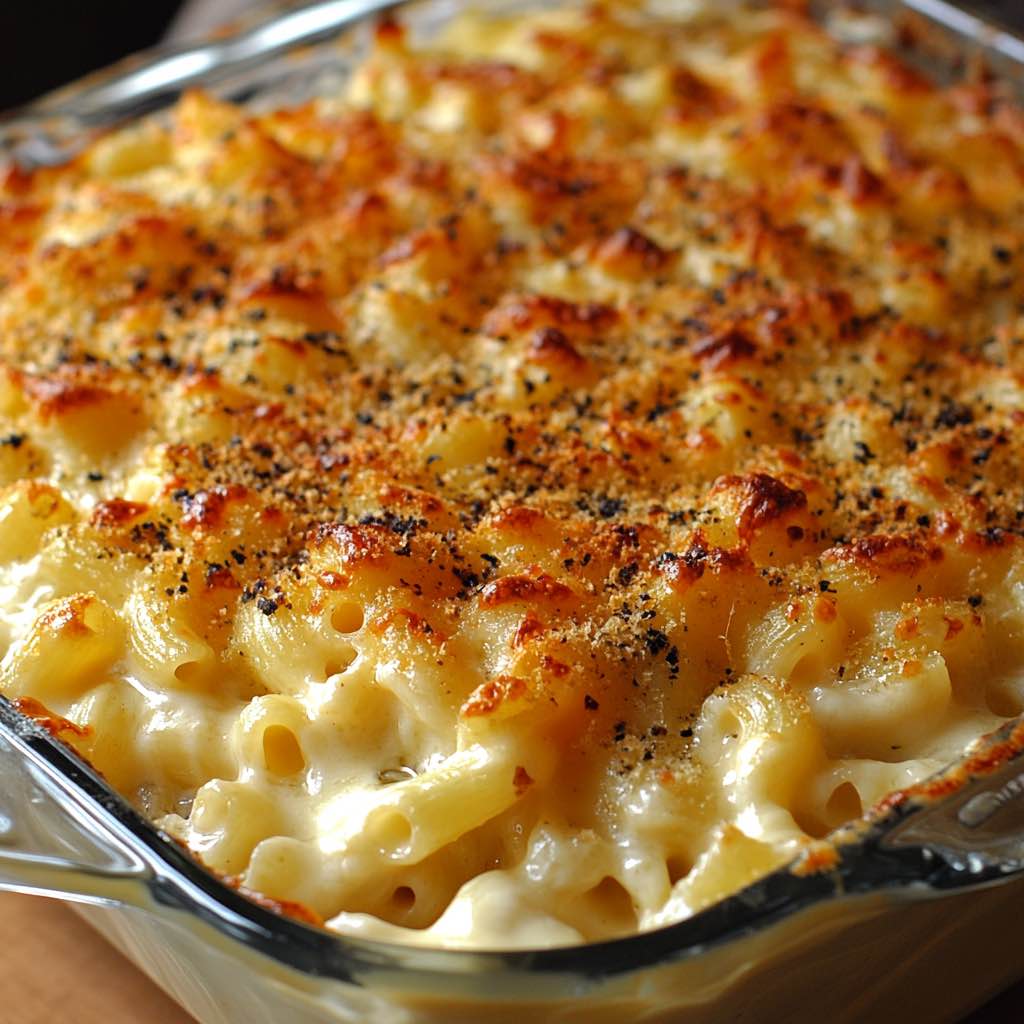
The Ultimate Guide to Macaroni and Cheese Casserole: Comfort Food Perfection
Macaroni and cheese casserole represents the pinnacle of comfort food excellence. This beloved dish transforms simple ingredients into a creamy, cheesy masterpiece that satisfies both kids and adults alike. Whether you’re preparing a weeknight dinner or hosting a family gathering, this comprehensive guide will help you create the perfect macaroni and cheese casserole every time.
Furthermore, this versatile dish offers endless customization possibilities. From classic preparations to gourmet variations, you’ll discover how to elevate this traditional favorite into something truly special.
What Makes the Perfect Macaroni and Cheese Casserole
The Foundation of Great Mac and Cheese
A superior macaroni and cheese casserole begins with understanding the fundamental elements. First, the pasta selection plays a crucial role in the final texture. Additionally, the cheese blend determines the flavor profile and creaminess level.
The perfect casserole achieves a delicate balance between creamy interior and golden-brown top. Moreover, the consistency should be neither too thick nor too thin. This balance requires precise measurements and proper cooking techniques.
Key Quality Indicators
Excellent macaroni and cheese casseroles share several characteristics. Initially, they feature a smooth, velvety cheese sauce without lumps or grittiness. Subsequently, the pasta maintains its shape while absorbing the flavors completely.
The top develops a beautiful golden crust during baking. Meanwhile, the interior remains creamy and rich. These qualities result from proper ingredient ratios and optimal baking conditions.
Essential Ingredients and Equipment
Primary Ingredients
Creating an outstanding macaroni and cheese casserole requires quality ingredients. Here are the essential components:
Pasta Selection:
-
Elbow macaroni (traditional choice)
-
Cavatappi (corkscrew shape holds sauce well)
-
Shells (conchiglie for sauce pockets)
-
Penne (ridged surface grips cheese)
Cheese Varieties:
-
Sharp cheddar (primary flavor base)
-
Gruyere (nutty complexity)
-
Monterey Jack (mild creaminess)
-
Cream cheese (smooth texture)
Dairy Components:
-
Whole milk (richness and consistency)
-
Heavy cream (luxurious mouthfeel)
-
Unsalted butter (flavor and binding)
-
Sour cream (tangy depth)
Secondary Ingredients
These ingredients enhance flavor and texture:
-
All-purpose flour (roux thickening agent)
-
Dijon mustard (subtle sharpness)
-
Garlic powder (aromatic enhancement)
-
Onion powder (savory depth)
-
Paprika (color and mild spice)
-
Salt and black pepper (seasoning balance)
Essential Equipment
Proper equipment ensures consistent results:
-
Large stockpot (pasta cooking)
-
Heavy-bottomed saucepan (cheese sauce)
-
Whisk (smooth sauce preparation)
-
9×13 inch baking dish (standard casserole size)
-
Cheese grater (fresh cheese preparation)
-
Measuring cups and spoons (accurate proportions)
Step-by-Step Cooking Instructions
Preparation Phase
Before beginning, organize all ingredients and equipment. This mise en place approach streamlines the cooking process. Additionally, preheat your oven to 375°F for optimal baking conditions.
First, bring a large pot of salted water to boil. The water should taste like mild seawater for proper pasta seasoning. Meanwhile, prepare your baking dish by greasing it lightly with butter.
Pasta Cooking Process
Cook the macaroni according to package directions minus 2 minutes. This undercooking prevents mushiness during baking. Consequently, the pasta will finish cooking in the oven while absorbing the cheese sauce.
Drain the pasta thoroughly but don’t rinse it. The remaining starch helps the sauce adhere better. Immediately transfer the hot pasta to your prepared baking dish.
Cheese Sauce Creation
Building the Roux
Start by melting 4 tablespoons of butter in a heavy saucepan over medium heat. Once melted, add 1/4 cup of flour gradually while whisking constantly. Cook this roux for 2-3 minutes to eliminate the raw flour taste.
The roux should bubble gently without browning. This light roux provides thickening power without adding color. Proper roux preparation ensures a smooth final sauce.
Adding Liquid Components
Gradually add 2 cups of milk while whisking continuously. Pour slowly to prevent lumps from forming. The mixture will thicken as it heats, so patience is essential.
Next, add 1/2 cup of heavy cream for extra richness. Continue stirring until the sauce reaches a smooth consistency. The base should coat the back of a spoon when ready.
Cheese Integration
Remove the sauce from heat before adding cheese. This prevents the proteins from curdling and creating a grainy texture. Add cheeses gradually, stirring until each addition melts completely.
Use approximately 3 cups of shredded cheese total. Combine sharp cheddar with complementary varieties for complex flavor. Taste and adjust seasoning as needed.
Assembly and Baking
Pour the cheese sauce over the cooked pasta. Toss gently to ensure even coating. The mixture should appear slightly loose, as it will thicken during baking.
Topping Preparation
Create a crunchy topping using:
-
1 cup panko breadcrumbs
-
2 tablespoons melted butter
-
1/4 cup grated Parmesan cheese
-
Pinch of paprika for color
Mix these ingredients thoroughly. The topping adds textural contrast to the creamy interior. Sprinkle evenly over the casserole surface.
Baking Process
Bake the assembled casserole for 25-30 minutes. The top should turn golden brown and bubble around the edges. If browning too quickly, cover loosely with foil.
Let the casserole rest for 10 minutes before serving. This resting period allows the sauce to set properly. Consequently, portions will hold their shape better when served.
Popular Variations and Add-Ins
Protein Additions
Transform your basic macaroni and cheese casserole by incorporating proteins:
Bacon Enhancement:
Cook 8 strips of bacon until crispy. Crumble and fold into the cheese sauce. The smoky flavor complements the creamy base perfectly. Additionally, save some bacon for topping garnish.
Ham Integration:
Dice 2 cups of cooked ham into small cubes. Fold into the pasta before adding cheese sauce. Ham adds substance while maintaining the comfort food appeal.
Chicken Inclusion:
Use rotisserie chicken for convenience. Shred 2 cups of meat and mix into the casserole. This addition creates a complete meal in one dish.
Vegetable Additions
Vegetables increase nutritional value while adding color and texture:
Broccoli Integration:
Steam fresh broccoli florets until tender-crisp. Fold into the pasta before saucing. The green vegetables provide vitamins and visual appeal.
Bell Pepper Enhancement:
Sauté diced bell peppers until softened. Mix into the cheese sauce for sweetness and crunch. Use multiple colors for maximum visual impact.
Mushroom Addition:
Sauté sliced mushrooms until golden. Their earthy flavor complements the cheese beautifully. Furthermore, mushrooms add meaty texture without actual meat.
Gourmet Variations
Elevate your macaroni and cheese casserole with sophisticated ingredients:
Truffle Mac and Cheese:
Add truffle oil sparingly to the cheese sauce. Finish with shaved fresh truffles if available. This luxurious version impresses dinner party guests.
Lobster Mac and Cheese:
Fold cooked lobster meat into the pasta before baking. Use Gruyere and white cheddar for the sauce base. This premium version justifies special occasion status.
Short Rib Version:
Incorporate braised short rib meat for ultimate decadence. The rich, tender beef transforms this into a restaurant-quality dish.
Make-Ahead and Storage Tips
Advance Preparation Methods
Macaroni and cheese casserole adapts well to advance preparation. Assemble completely but don’t bake immediately. Cover tightly and refrigerate for up to 2 days.
When ready to bake, remove from refrigerator 30 minutes early. This brings the dish closer to room temperature. Consequently, baking time may increase by 10-15 minutes.
Freezer Preparation
For longer storage, freeze unbaked casseroles up to 3 months. Wrap tightly in plastic wrap and aluminum foil. Label clearly with contents and date.
Thaw frozen casseroles completely in refrigerator overnight. Never thaw at room temperature for food safety. Baked casseroles freeze less successfully due to texture changes.
Reheating Strategies
Oven Reheating:
Reheat leftover portions at 350°F until heated through. Cover with foil to prevent over-browning. Add splash of milk if mixture seems dry.
Microwave Method:
For individual portions, microwave on 50% power. Stir frequently to ensure even heating. Add liquid as needed to restore creaminess.
Stovetop Technique:
Reheat gently in saucepan over low heat. Stir constantly and add milk gradually. This method provides best texture restoration.
Troubleshooting Common Issues
Preventing Grainy Sauce
Grainy cheese sauce results from overheating or poor cheese quality. Always remove sauce from heat before adding cheese. Use freshly grated cheese rather than pre-shredded when possible.
If graininess occurs, try whisking in cold butter off heat. Sometimes this rescues the sauce texture. Prevention remains the best strategy for smooth results.
Avoiding Dry Casserole
Dry macaroni and cheese casserole disappoints everyone. Ensure adequate sauce coverage before baking. The mixture should appear slightly soupy initially.
Reserve some plain milk for adjustments. Add gradually if mixture looks too thick. Remember that pasta continues absorbing liquid during baking.
Managing Separation Issues
Sauce separation creates an unappealing appearance. This typically results from temperature shock or poor emulsification. Maintain moderate heat throughout cooking.
If separation occurs, whisk vigorously off heat. Sometimes adding cold liquid gradually helps re-emulsify. Start over if problems persist.
Controlling Browning
Excessive browning masks the dish’s appeal. Cover with foil if browning too rapidly. Reduce oven temperature slightly for longer, gentler cooking.
Conversely, insufficient browning lacks visual appeal. Increase temperature for final 10 minutes if needed. Watch carefully to prevent burning.
Nutritional Considerations
Caloric Content Analysis
Traditional macaroni and cheese casserole contains significant calories. A typical serving provides 400-500 calories primarily from cheese and pasta. Understanding this helps with meal planning.
However, the dish offers substantial protein and calcium. Additionally, it provides energy for active individuals. Portion control remains important for balanced nutrition.
Healthier Modification Options
Reduced-Fat Approaches:
Substitute low-fat milk and reduced-fat cheeses. The texture changes slightly but remains acceptable. Add extra seasonings to compensate for flavor reduction.
Whole Grain Integration:
Use whole wheat pasta for increased fiber. The nutty flavor complements cheese well. Additionally, whole grains provide more sustained energy.
Vegetable Boosting:
Incorporate more vegetables to increase nutritional density. Cauliflower works particularly well when pureed into sauce. This reduces overall caloric density while maintaining volume.
Dietary Restriction Adaptations
Gluten-Free Options:
Use certified gluten-free pasta varieties. Substitute rice flour for wheat flour in sauce preparation. Many guests won’t notice the difference.
Lactose Considerations:
Lactose-free milk works well in sauce preparation. Some aged cheeses contain minimal lactose naturally. Lactase enzyme addition helps sensitive individuals.
Check out our comprehensive guide on [dietary substitutions in comfort food cooking] for additional modification ideas.
Serving Suggestions and Pairings
Complementary Side Dishes
Macaroni and cheese casserole pairs beautifully with various accompaniments:
Vegetable Sides:
-
Roasted Brussels sprouts with garlic
-
Steamed green beans with almonds
-
Honey-glazed carrots
-
Fresh garden salad with vinaigrette
Protein Additions:
-
Grilled chicken breast
-
Barbecued pork ribs
-
Roasted turkey slices
-
Pan-seared salmon
Bread Accompaniments
Crusty bread complements the creamy casserole texture perfectly. Consider these options:
-
Garlic breadsticks for aromatic enhancement
-
Cornbread for Southern comfort appeal
-
Dinner rolls for classic presentation
-
Focaccia bread with herbs
Advanced Techniques and Tips
Professional Kitchen Secrets
Restaurant chefs employ specific techniques for superior macaroni and cheese casserole:
Sodium Citrate Addition:
This ingredient prevents cheese from breaking. Use 1/4 teaspoon per cup of cheese. Professional results become achievable at home.
Multiple Cheese Integration:
Layer different cheeses throughout the dish. Start with mild varieties in sauce base. Finish with sharp cheeses for complex flavor development.
Temperature Control Mastery:
Use thermometer for sauce preparation. Maintain temperatures below 160°F when adding cheese. Precision prevents common texture problems.
Flavor Enhancement Strategies
Acid Balance:
Small amounts of acid brighten heavy cheese flavors. Try lemon juice, vinegar, or mustard. Start conservatively and adjust gradually.
Umami Boosting:
Incorporate ingredients with natural umami properties. Mushrooms, aged cheeses, and tomato paste work well. These create more complex flavor profiles.
Aromatic Layering:
Build flavor gradually throughout preparation. Sauté aromatics before sauce preparation. This foundation supports the final dish complexity.
Texture Optimization Methods
Pasta Selection Strategy:
Choose shapes that hold sauce effectively. Ridged or curved pasta creates better sauce adhesion. Match pasta size to sauce thickness.
Sauce Consistency Control:
Aim for nappe consistency when coating spoon. The sauce should flow smoothly without being thin. Practice develops intuitive understanding.
Topping Variation Ideas:
Experiment with different topping combinations. Crushed crackers provide saltiness. Fried onions add crunch and flavor complexity.
Seasonal Variations and Holiday Adaptations
Spring Integration
Incorporate fresh spring vegetables for seasonal appeal:
-
Asparagus spears cut into bite-sized pieces
-
Fresh peas for color and sweetness
-
Spring onions for mild onion flavor
-
Baby spinach for nutritional enhancement
These additions provide freshness that balances rich cheese flavors. Moreover, they add visual appeal to the finished dish.
Summer Modifications
Hot weather calls for lighter versions:
Fresh Herb Integration:
Add chopped fresh herbs during final assembly. Basil, chives, and parsley work particularly well. These herbs provide brightness without heaviness.
Tomato Enhancement:
Incorporate fresh cherry tomatoes for acidity balance. Their natural sweetness complements cheese beautifully. Additionally, they provide attractive color contrast.
Fall Comfort Versions
Autumn ingredients create cozy variations:
Butternut Squash Addition:
Roast cubed butternut squash until tender. Fold into pasta before adding sauce. The natural sweetness pairs excellently with sharp cheeses.
Apple Integration:
Thinly sliced apples add unexpected sweetness. Choose firm varieties that hold their shape. This combination creates sophisticated flavor complexity.
Winter Holiday Presentations
Transform basic macaroni and cheese casserole for special occasions:
Individual Portion Service:
Bake in individual ramekins for elegant presentation. Adjust cooking time to 15-20 minutes. Guests appreciate personal-sized portions.
Fancy Cheese Selection:
Upgrade to premium cheese varieties for celebrations. Aged Gruyere, cave-aged cheddar, and imported Parmesan elevate the dish significantly.
Frequently Asked Questions
What pasta works best for macaroni and cheese casserole?
Elbow macaroni remains the traditional choice for good reason. However, any short pasta with curves or ridges works excellently. Cavatappi, shells, and penne all hold cheese sauce effectively. Choose based on personal preference and availability.
How do I prevent my macaroni and cheese casserole from drying out?
Ensure adequate sauce coverage before baking. The mixture should appear slightly soupy initially. Cover with foil if browning too quickly. Additionally, don’t overcook the pasta beforehand, as it continues cooking during baking.
Can I make this dish ahead of time?
Absolutely! Assemble completely and refrigerate up to 2 days before baking. Remove from refrigerator 30 minutes before cooking. Baking time may increase slightly. Frozen unbaked casseroles keep for 3 months.
What’s the secret to smooth cheese sauce?
Remove sauce from heat before adding cheese. Use freshly grated cheese rather than pre-shredded varieties. Add cheese gradually while stirring constantly. Temperature control prevents graininess and separation.
How do I reheat leftover macaroni and cheese casserole?
Oven reheating at 350°F provides best results. Cover with foil and add splash of milk if needed. Microwave individual portions at 50% power. Stovetop reheating works well with constant stirring and gradual liquid addition.
Conclusion
Creating the perfect macaroni and cheese casserole requires attention to detail and quality ingredients. From selecting the right pasta shapes to mastering cheese sauce preparation, each step contributes to the final result. Furthermore, understanding these fundamentals allows for creative variations and personal adaptations.
This comprehensive guide provides everything needed for success. Whether preparing a simple weeknight dinner or an elegant holiday side dish, these techniques ensure consistent results. Moreover, the troubleshooting tips help overcome common challenges that home cooks face.
The versatility of macaroni and cheese casserole makes it invaluable in any kitchen. From basic preparations to gourmet variations, this dish adapts to any occasion. Additionally, make-ahead capabilities support busy schedules while maintaining quality standards.
Ready to create your own masterpiece? Start with the basic recipe and gradually incorporate advanced techniques. With practice, you’ll develop the confidence to customize flavors and textures according to your preferences.
Macaroni and Cheese Casserole
Description
Ingredients
For the Pasta and Base
-
1 pound elbow macaroni
-
4 tablespoons salted butter
-
3 tablespoons all-purpose flour
-
3½ cups half-and-half
-
1 cup heavy cream
-
2 large eggs, beaten
-
2 teaspoons seasoning salt
-
1 teaspoon black pepper
-
½ teaspoon garlic powder
-
¼ teaspoon nutmeg
For the Cheese Mixture
-
2½ cups sharp cheddar cheese, shredded (divided)
-
1 cup mozzarella cheese, shredded
-
1 cup smoked cheddar cheese, shredded
-
½ cup Monterey Jack cheese, shredded
-
½ cup Parmesan cheese, grated
For the Topping
-
½ cup panko breadcrumbs
-
2 tablespoons melted butter
-
½ teaspoon smoked paprika
Instructions
Prepare the Foundation
Preheat oven to 350°F and generously butter a 9×13-inch baking dish. Cook elbow macaroni according to package directions until just al dente – slightly underdone as it will continue cooking in the oven. Drain pasta and run under cold water to stop cooking process.
Create the Cheese Sauce
In a large, heavy saucepan, melt butter over medium heat. Whisk in flour and cook for 1-2 minutes to create a roux, stirring constantly to eliminate raw flour taste. Gradually add half-and-half and heavy cream while whisking continuously to prevent lumps from forming. Cook mixture for 3-5 minutes until it begins to thicken slightly.
Add seasoning salt, black pepper, garlic powder, and nutmeg to the sauce. Remove from heat and gradually stir in 2 cups sharp cheddar, mozzarella, half the smoked cheddar, Monterey Jack, and Parmesan cheese, stirring until completely melted and smooth.
Assemble the Casserole
In a large bowl, combine the cooked pasta with beaten eggs, mixing thoroughly to coat each piece. This creates the signature custard-like texture when baked. Pour the cheese sauce over the pasta and egg mixture, stirring until evenly combined.
Transfer the mixture to the prepared baking dish, spreading evenly. Top with remaining sharp cheddar and smoked cheddar cheese. For the breadcrumb topping, combine panko breadcrumbs with melted butter and sprinkle over the cheese layer.
Bake to Perfection
Dust the top lightly with smoked paprika for color and flavor. Bake for 35-45 minutes until the top is golden brown and the center is set but still slightly jiggly. The casserole will continue to firm up as it cools, so avoid overbaking which can cause dryness.