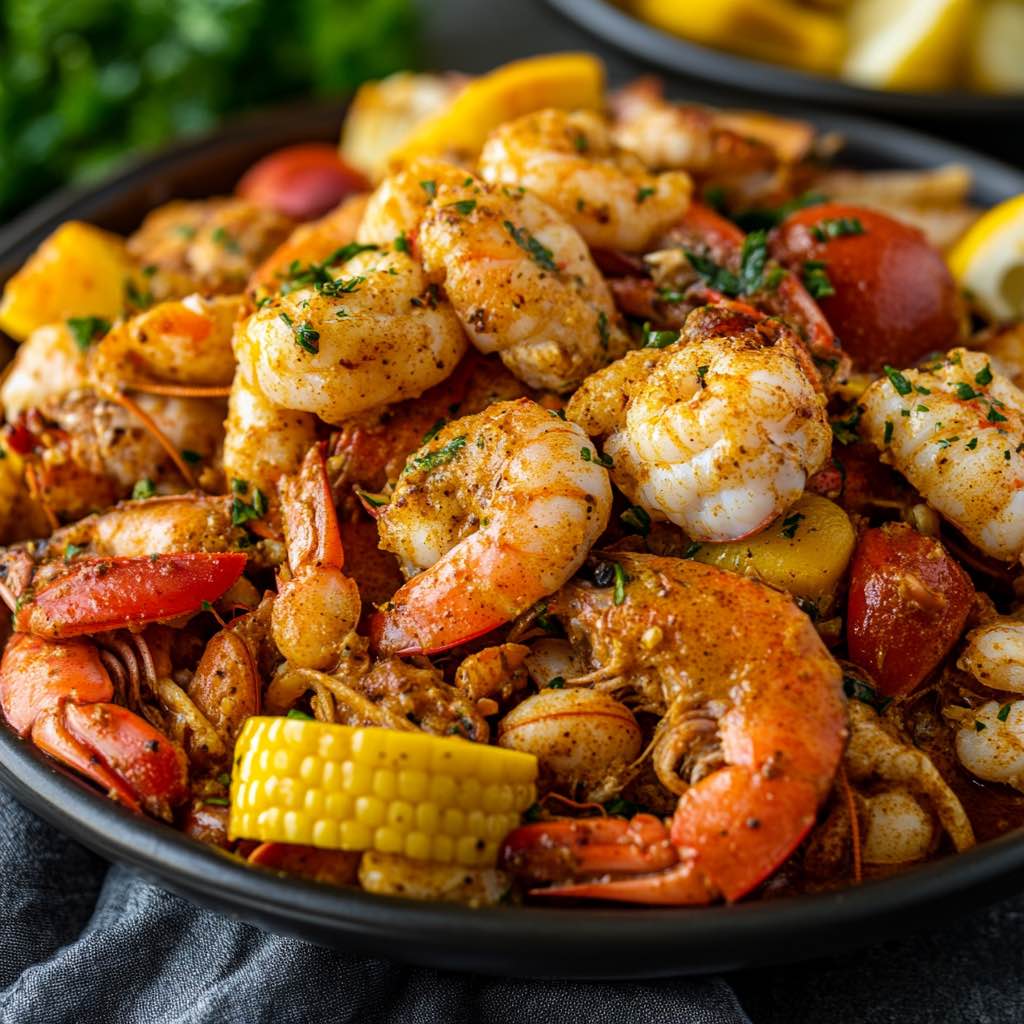
The Ultimate Guide to Cajun Seafood Boil with Garlic Butter
A Cajun seafood boil with garlic butter represents one of the most beloved communal dining experiences in Southern cuisine. This vibrant, flavorful feast brings together fresh seafood, aromatic spices, and rich garlic butter in a celebration that’s perfect for gatherings, special occasions, or simply indulging in exceptional comfort food. Moreover, this traditional cooking method transforms simple ingredients into an unforgettable culinary experience that connects people around the table.
The beauty of a Cajun seafood boil lies in its simplicity and bold flavors. Furthermore, the cooking process itself becomes part of the entertainment, as the aroma of spices and garlic fills the air. This comprehensive guide will walk you through every aspect of creating the perfect seafood boil, from selecting the freshest ingredients to mastering the art of garlic butter preparation.
Table of Contents
What Makes a Perfect Cajun Seafood Boil
Historical Background and Cultural Significance
The Cajun seafood boil tradition originated in Louisiana’s coastal regions, where abundant seafood and bold spicing created a unique culinary heritage. Additionally, this cooking method developed as a practical way to feed large groups while celebrating community bonds. The technique spread throughout the Gulf Coast, adapting to local ingredients and preferences while maintaining its essential character.
Traditional seafood boils served multiple purposes beyond mere sustenance. They provided opportunities for social gathering, seasonal celebrations, and the sharing of cultural knowledge between generations. Consequently, the practice became deeply embedded in Southern hospitality traditions.
Key Characteristics of Authentic Cajun Boils
Authentic Cajun seafood boils share several distinctive features that set them apart from other seafood preparations. First, they utilize a specific blend of spices that creates the signature flavor profile. Second, the cooking method involves boiling everything together in large pots, allowing flavors to meld beautifully.
The communal aspect remains equally important, as these meals are typically served on newspaper-covered tables where diners eat with their hands. This informal approach encourages conversation and creates lasting memories around shared meals.
Essential Ingredients and Equipment
Primary Seafood Components
Creating an exceptional Cajun seafood boil requires careful selection of fresh, high-quality seafood. The foundation typically includes:
-
Fresh shrimp (2-3 pounds, shell-on for maximum flavor)
-
Blue crabs (1-2 dozen, live or pre-cooked)
-
Crawfish (3-5 pounds when in season)
-
Mussels (2 pounds, cleaned and debearded)
-
Clams (2 pounds littleneck or Manila varieties)
Each type of seafood contributes unique flavors and textures to the final dish. Furthermore, the combination creates a complex flavor profile that exemplifies authentic Cajun cuisine.
Vegetables and Aromatics
Traditional vegetables add substance and absorb the delicious spicing throughout the cooking process:
-
Corn on the cob (6-8 ears, cut into thirds)
-
Red potatoes (2 pounds, halved or quartered)
-
Andouille sausage (1 pound, sliced into rounds)
-
Yellow onions (2 large, quartered)
-
Celery stalks (4-5 stalks, cut into large pieces)
-
Garlic bulbs (2 whole bulbs, halved)
These ingredients not only provide nutritional balance but also create a complete meal that satisfies diverse tastes and dietary preferences.
Specialized Equipment Needed
Proper equipment ensures successful cooking and safe handling of large quantities:
-
Large stockpot (20-30 quart capacity minimum)
-
Propane burner (for outdoor cooking and temperature control)
-
Long-handled slotted spoon (for stirring and removing ingredients)
-
Mesh strainer baskets (for easy ingredient removal)
-
Large serving platters (or newspaper for traditional presentation)
-
Crab crackers and picks (for shell removal)
Investment in quality equipment pays dividends in cooking efficiency and safety. Additionally, proper tools make the entire process more enjoyable for both cooks and guests.
Selecting the Best Seafood
Freshness Indicators for Different Seafood Types
Selecting premium seafood forms the foundation of any exceptional boil. Fresh shrimp should display clear, firm flesh with a mild ocean scent. The shells should appear translucent and adhere tightly to the meat. Avoid shrimp with black spots, strong ammonia odors, or mushy textures.
When choosing crabs, live specimens provide the best flavor and texture. They should appear active and feel heavy for their size. Pre-cooked crabs work well too, but check for bright orange-red coloring and avoid any with off-odors.
Seasonal Availability and Substitutions
Crawfish season typically runs from late winter through early summer, with peak availability in spring months. During off-season periods, frozen crawfish tail meat provides acceptable alternatives. However, adjust cooking times accordingly since frozen products require less cooking time.
Mussels and clams remain available year-round in most markets. Choose specimens with tightly closed shells that close when tapped. Discard any that remain open or feel unusually light, as these may be dead or damaged.
Sustainable Sourcing Considerations
Supporting sustainable fishing practices ensures long-term availability of quality seafood. Look for certifications from organizations like the Marine Stewardship Council or Seafood Watch. Additionally, purchasing from local fishermen when possible reduces environmental impact while supporting coastal communities.
Consider seasonal variations in your seafood selections. This approach not only provides the freshest options but also aligns with natural harvesting cycles that support healthy marine ecosystems.
The Art of Cajun Seasoning
Traditional Spice Blend Components
Authentic Cajun seasoning creates the signature flavor that distinguishes this dish from other seafood preparations. The classic blend includes:
-
Paprika (3 tablespoons for color and mild heat)
-
Cayenne pepper (2 tablespoons for significant spice)
-
Garlic powder (2 tablespoons for aromatic depth)
-
Onion powder (2 tablespoons for sweetness)
-
Dried oregano (1 tablespoon for herbal notes)
-
Dried thyme (1 tablespoon for earthiness)
-
Black pepper (1 tablespoon, freshly ground)
-
White pepper (1 teaspoon for heat complexity)
This combination provides the perfect balance of heat, flavor, and aromatic complexity that defines authentic Cajun cuisine.
Balancing Heat Levels
Adjusting spice levels allows customization for different heat preferences. Start with smaller amounts of cayenne pepper and add gradually during cooking. Remember that the spicing intensifies as ingredients absorb the seasoned cooking liquid.
For milder versions, reduce cayenne by half and increase paprika proportionally. Conversely, heat lovers can add extra cayenne or include crushed red pepper flakes for additional fire.
Homemade vs. Commercial Blends
While commercial Cajun seasonings offer convenience, homemade blends provide superior freshness and customization options. Grinding whole spices just before use maximizes aromatic intensity and flavor impact.
Store homemade seasonings in airtight containers away from light and heat. Properly stored blends maintain peak flavor for six months to one year.
Step-by-Step Cooking Instructions
Preparation Phase
Begin by thoroughly cleaning all seafood and vegetables. Scrub potatoes and cut into uniform pieces for even cooking. Shuck corn and break into manageable segments. Clean mussels and clams under cold running water, removing any debris or barnacles.
Set up your cooking station outdoors or in a well-ventilated area. Fill your large stockpot with enough water to cover all ingredients, typically 4-5 gallons for a full boil serving 8-10 people.
Initial Cooking Steps
Add your Cajun seasoning blend to the water along with salt, bay leaves, and lemon halves. Bring the mixture to a rolling boil over high heat. The water should taste well-seasoned but not overwhelmingly salty.
Add potatoes first since they require the longest cooking time. Allow them to boil for 10 minutes before adding the next ingredients. This staggers cooking ensures everything finishes simultaneously.
Ingredient Addition Sequence
Follow this precise timing for optimal results:
-
Potatoes (cook 10 minutes)
-
Corn and sausage (add after potatoes, cook 5 minutes)
-
Crabs (if using live crabs, cook 8-10 minutes)
-
Shrimp (cook 3-4 minutes until pink)
-
Mussels and clams (cook 2-3 minutes until shells open)
This sequence prevents overcooking while ensuring everything reaches proper doneness simultaneously.
Final Cooking Phase
During the last few minutes of cooking, taste the broth and adjust seasoning as needed. The liquid should be well-spiced and flavorful since this seasoning penetrates all ingredients.
Turn off heat and let everything rest for 2-3 minutes before draining. This brief resting period allows flavors to settle while preventing overcooking.
Mastering Garlic Butter Sauce
Essential Garlic Butter Components
The perfect garlic butter sauce elevates your seafood boil from good to extraordinary. Quality ingredients make a significant difference in the final result:
-
Unsalted butter (1 pound, room temperature)
-
Fresh garlic (1 full bulb, minced fine)
-
Fresh parsley (1/2 cup, chopped)
-
Fresh lemon juice (from 2 lemons)
-
Cajun seasoning (2 tablespoons)
-
Paprika (1 tablespoon for color)
-
Black pepper (1 teaspoon, freshly ground)
Using unsalted butter allows better control over the final salt content. Moreover, room temperature butter incorporates seasonings more evenly.
Preparation Techniques
Start by mincing garlic very finely to prevent burning during the heating process. Mix softened butter with minced garlic, herbs, and spices in a large bowl. This creates a compound butter that distributes flavors evenly.
For smooth incorporation, use a fork or whisk to blend ingredients thoroughly. The mixture should appear uniform without visible butter chunks or unmixed seasonings.
Cooking and Serving Methods
Heat the garlic butter mixture in a large skillet over medium-low heat. Avoid high temperatures that can burn the garlic and create bitter flavors. Stir constantly until the butter melts completely and begins to foam lightly.
The sauce is ready when it appears golden and fragrant. Serve immediately in small bowls for dipping, or drizzle directly over the seafood boil for maximum flavor impact.
Flavor Variations
Create interesting variations by incorporating different herbs and spices:
-
Herb blend: Add fresh thyme, oregano, and chives
-
Spicy version: Include minced jalapeños or hot sauce
-
Citrus twist: Add lemon zest and fresh dill
-
Smoky variation: Include smoked paprika and chipotle powder
These variations allow customization for different taste preferences while maintaining the essential garlic butter character.
Timing and Temperature Guidelines
Critical Temperature Points
Maintaining proper temperatures ensures food safety and optimal texture. The cooking water should reach a full rolling boil (212°F) before adding any ingredients. This temperature cooks seafood quickly while preventing overcooking.
Internal temperatures for different seafood types:
-
Shrimp: 120°F (opaque and pink)
-
Crab: 145°F (shells bright red)
-
Mussels/Clams: Shells fully opened
-
Crawfish: 145°F (bright red shells)
Use an instant-read thermometer for accuracy, especially when cooking for large groups.
Cooking Time Charts
Precise timing prevents overcooking while ensuring food safety:
Vegetables:
-
Potatoes: 15-20 minutes total
-
Corn: 8-10 minutes
-
Onions: 10-12 minutes
Seafood:
-
Large shrimp: 3-4 minutes
-
Medium shrimp: 2-3 minutes
-
Blue crabs: 8-10 minutes
-
Crawfish: 3-5 minutes
-
Mussels: 2-3 minutes (until opened)
-
Clams: 3-5 minutes (until opened)
These times provide guidelines, but visual cues often prove more reliable than strict timing.
Altitude and Weather Adjustments
Higher altitudes require longer cooking times due to lower boiling points. Add approximately 25% more time for elevations above 3,000 feet. Additionally, cold weather may require extra heating time to maintain proper temperatures.
Wind can significantly affect outdoor cooking, so position your setup to minimize heat loss. Consider using windbreaks or cooking in protected areas during breezy conditions.
Serving and Presentation Tips
Traditional Presentation Methods
Authentic Cajun seafood boils are typically served on newspaper-covered tables, creating a casual, communal atmosphere. This method simplifies cleanup while encouraging the hands-on eating style that defines the experience.
Provide plenty of paper towels, wet wipes, and napkins for easy cleanup. Additionally, place trash bags or buckets nearby for shell disposal. This preparation keeps the dining area organized throughout the meal.
Modern Serving Adaptations
For more formal presentations, use large serving platters or individual bowls. Arrange seafood attractively with vegetables as colorful garnishes. Provide small bowls of garlic butter sauce for individual dipping.
Consider creating a buffet-style setup where guests can customize their portions. This approach accommodates different appetites and dietary preferences while maintaining the communal spirit.
Essential Accompaniments
Complete your seafood boil with traditional accompaniments:
-
French bread or crusty sourdough for soaking up garlic butter
-
Coleslaw for cooling contrast to spicy seafood
-
Potato salad for additional substance
-
Corn bread as a Southern tradition
-
Fresh lemons for bright acidity
These sides provide textural variety and help balance the rich, spicy flavors of the main dish.
Beverage Pairings
Refreshing beverages complement the bold flavors without competing:
-
Sweet tea (classic Southern choice)
-
Lemonade (fresh or sparkling varieties)
-
Iced coffee (especially chicory blends)
-
Fruit juices (particularly citrus varieties)
-
Sparkling water with fresh fruit
These options cleanse the palate between bites while providing cooling relief from spicy seasonings.
Variations and Customizations
Regional Style Differences
Different regions have developed unique approaches to seafood boils. Louisiana-style boils emphasize crawfish and focus on traditional Cajun spicing. Low Country boils from South Carolina typically include more vegetables and milder seasonings.
Texas Gulf Coast versions often incorporate local ingredients like jalapeños and cilantro. Each regional variation reflects local ingredients and cultural influences while maintaining the essential boil character.
Dietary Adaptations
Accommodate various dietary needs without sacrificing flavor:
Gluten-free options: Most seafood boils are naturally gluten-free, but check sausage ingredients and seasonings for hidden gluten sources.
Low-sodium versions: Reduce added salt and rely more heavily on herbs and spices for flavor. Fresh garlic, lemon juice, and aromatic vegetables provide plenty of taste without excess sodium.
Vegetarian alternatives: Create plant-based versions using mushrooms, artichokes, cauliflower, and extra vegetables. Season with the same spice blends for authentic flavors.
Seasonal Ingredient Swaps
Adapt your boil to seasonal availability and preferences:
Summer variations: Add zucchini, yellow squash, and cherry tomatoes for fresh garden flavors.
Fall adaptations: Include sweet potatoes, Brussels sprouts, and butternut squash for heartier options.
Winter versions: Focus on heartier seafood like oysters and firm fish, paired with root vegetables.
These seasonal adaptations keep the dish interesting while taking advantage of peak ingredient quality and availability.
International Fusion Ideas
Incorporate international flavors while maintaining the boil cooking method:
Asian-inspired: Add ginger, soy sauce, and sesame oil to the garlic butter. Include bok choy and shiitake mushrooms.
Mediterranean twist: Use olive oil instead of butter, add olives, cherry tomatoes, and fresh herbs like basil and oregano.
Mexican influence: Include lime juice, cilantro, and jalapeños. Serve with tortillas instead of bread.
These fusion approaches create exciting new flavors while preserving the communal dining experience that defines seafood boils.
Storage and Reheating Methods
Proper Storage Techniques
Leftover seafood boil requires careful handling to maintain quality and safety. Cool ingredients to room temperature within two hours of cooking, then refrigerate promptly. Separate seafood from vegetables when possible, as they have different storage requirements.
Store seafood in shallow containers to promote rapid cooling. Cover tightly and refrigerate for no more than 2-3 days. Vegetables can last slightly longer but maintain better texture when consumed within the same timeframe.
Reheating Guidelines
Gentle reheating preserves texture and prevents overcooking. Steam vegetables and seafood separately in a covered pan with a small amount of water. This method heats ingredients evenly without making them tough or rubbery.
Alternatively, reheat in a low oven (300°F) covered with foil. Add a small amount of broth or water to prevent drying. Check frequently and remove items as soon as they’re heated through.
Creative Leftover Uses
Transform leftover seafood boil into new dishes:
Seafood pasta: Combine with cream sauce and pasta for a rich dinner dish.
Breakfast hash: Chop and sauté with eggs for a hearty morning meal.
Soup base: Use as foundation for seafood chowder or gumbo.
Salad topping: Chill and serve over mixed greens with citrus vinaigrette.
These applications maximize food value while creating exciting new meals from leftovers.
Nutritional Benefits
Protein Content and Quality
Seafood provides exceptional protein quality with all essential amino acids. A typical serving of mixed seafood boil delivers 25-30 grams of high-quality protein, supporting muscle maintenance and overall health.
The variety of seafood ensures diverse amino acid profiles, making this dish particularly valuable for active individuals and those seeking complete nutrition.
Essential Vitamins and Minerals
Seafood boils offer impressive micronutrient density:
Omega-3 fatty acids: Support heart and brain health, particularly abundant in shellfish and crustaceans.
Vitamin B12: Essential for nerve function and red blood cell formation, seafood provides excellent bioavailable sources.
Zinc: Supports immune function and wound healing, particularly concentrated in oysters and crab.
Selenium: Provides antioxidant protection and supports thyroid function.
These nutrients work synergistically to support optimal health and wellness.
Vegetable Nutrition Contributions
The vegetables in seafood boils add significant nutritional value:
Corn: Provides fiber, vitamin C, and antioxidants like lutein and zeaxanthin.
Potatoes: Offer potassium, vitamin C, and resistant starch for digestive health.
Onions: Contain prebiotics that support beneficial gut bacteria.
This combination creates a nutritionally complete meal that supports various aspects of health.
Caloric Considerations
Seafood boils can be relatively moderate in calories when prepared thoughtfully. The main caloric contributors are typically the garlic butter sauce and any added sausage. Control portions of these higher-calorie items while enjoying generous amounts of seafood and vegetables.
A typical serving (without excessive butter) contains approximately 400-600 calories, making it reasonable for most dietary plans.
Troubleshooting Common Issues
Overcooking Problems
Overcooked seafood becomes tough and rubbery, diminishing the dining experience. Prevent this by following timing guidelines strictly and removing items as soon as they reach doneness. Visual cues often prove more reliable than strict timing.
If overcooking occurs, incorporate the seafood into soups or pasta dishes where longer cooking won’t further damage texture.
Underseasoning Solutions
Bland seafood boils disappoint guests and waste quality ingredients. Taste the cooking liquid regularly and adjust seasonings boldly. The water should taste well-seasoned before adding ingredients.
If the finished product lacks flavor, serve with additional seasoned garlic butter or hot sauce for individual adjustment.
Equipment Limitations
Insufficient pot size leads to overcrowding and uneven cooking. Cook in batches if necessary, keeping finished portions warm in low ovens. Alternatively, use multiple smaller pots simultaneously for large groups.
Inadequate heat source extends cooking times and affects texture. Invest in proper outdoor burners or cook indoors using large stockpots on stovetops.
Weather-Related Challenges
Wind and cold weather significantly affect outdoor cooking times and efficiency. Plan for longer cooking periods and position equipment strategically to minimize heat loss.
Have backup indoor cooking plans ready for severe weather conditions. The stovetop method works well for smaller quantities.
Frequently Asked Questions
How much seafood should I buy per person for a Cajun seafood boil?
Plan approximately 1-1.5 pounds of mixed seafood per person for a main dish serving. This accounts for shells and waste while providing satisfying portions. Additionally, factor in vegetables and sides when calculating total quantities needed.
Can I prepare a seafood boil ahead of time?
While best served immediately, you can partially prepare components in advance. Clean and prep vegetables up to 24 hours early. Mix seasonings and prepare garlic butter sauce ahead of time. However, cook the actual boil fresh for optimal texture and food safety.
What’s the best way to keep a large seafood boil warm for serving?
Transfer cooked ingredients to large roasting pans and keep warm in low ovens (200°F). Cover with foil to prevent drying. Alternatively, use warming trays or chafing dishes for buffet-style service. Serve within 2 hours for food safety.
How do I adjust spice levels for children or sensitive palates?
Reduce cayenne pepper by half or eliminate entirely for mild versions. Increase paprika proportionally to maintain color and flavor depth. Serve additional seasoned butter or hot sauce on the side for those wanting more heat.
Can I make a seafood boil without a large outdoor setup?
Yes, use a large stockpot indoors with proper ventilation. You may need to cook in batches depending on pot size and guest count. The indoor method works particularly well for smaller gatherings of 4-6 people.
What should I do if some seafood shells don’t open during cooking?
Discard any clams or mussels that don’t open after proper cooking time. These may be dead or damaged and could pose food safety risks. Never force shells open or attempt to serve unopened shellfish.
How can I make the garlic butter sauce less rich?
Substitute half the butter with olive oil for a lighter version. Add extra lemon juice and fresh herbs to brighten flavors. Alternatively, create a broth-based dipping sauce using the seasoned cooking liquid.
Is it safe to eat the vegetables that cooked with the seafood?
Absolutely! The vegetables absorb delicious flavors from the seafood and seasonings. They’re perfectly safe to eat and provide excellent nutritional value and taste variety to the meal.
This comprehensive guide to Cajun seafood boil with garlic butter provides everything needed to create an authentic, delicious meal that brings people together. The combination of fresh seafood, bold seasonings, and rich garlic butter creates an unforgettable culinary experience that celebrates the best of Southern coastal cuisine.
Remember that practice makes perfect with seafood boils. Each attempt teaches valuable lessons about timing, seasoning, and technique. Don’t be afraid to adjust recipes based on your preferences and available ingredients.
Cajun Seafood Boil with Garlic Butter
Description
Ingredients
For the Seafood Boil
-
2 pounds large shrimp (13/15 count), deveined
-
8 clusters snow crab legs, rinsed and scrubbed
-
4 lobster tails, raw and split in half (optional)
-
1 pound andouille sausage, sliced into 2-inch pieces
-
2 pounds baby red potatoes, scrubbed
-
4 ears corn, cut in half
-
2 heads garlic, halved horizontally
-
1 large yellow onion, quartered
-
½ cup Old Bay seasoning
-
3 tablespoons garlic powder
-
1 tablespoon red pepper flakes
For the Garlic Butter Sauce
-
2 sticks (1 cup) unsalted butter
-
8-10 cloves garlic, minced
-
¼ cup Cajun seasoning
-
2 tablespoons Old Bay seasoning
-
1 tablespoon onion powder
-
1½ tablespoons brown sugar
-
1 tablespoon red pepper flakes
-
1 cup chicken stock
-
2 tablespoons fresh lemon juice
-
¼ cup fresh parsley, chopped
-
1 teaspoon smoked paprika
Instructions
Prepare the Boil
Fill a large stockpot with water and bring to a boil over high heat. Add Old Bay seasoning, garlic powder, red pepper flakes, halved garlic heads, and quartered onion to create a flavorful broth. Add baby potatoes first and cook for 15 minutes, then add corn and andouille sausage, cooking for another 10 minutes.
Add crab legs and lobster tails (if using) to the pot and cook for 8 minutes. Finally, add shrimp during the last 3-4 minutes of cooking until they turn pink and curl. Remove all ingredients with a large slotted spoon and arrange on a large serving platter or directly on a newspaper-covered table for authentic presentation.
Make the Garlic Butter Sauce
While the seafood cooks, melt butter in a large skillet over medium heat. Add minced garlic and cook for 2-3 minutes until fragrant and softened. Stir in Cajun seasoning, Old Bay, onion powder, brown sugar, and red pepper flakes, cooking for 3-5 minutes to bloom the spices.
Pour in chicken stock and bring to a boil, then simmer for 6-8 minutes until slightly thickened. Remove from heat and stir in lemon juice, fresh parsley, and smoked paprika. The sauce should be rich, buttery, and perfectly seasoned.
Serving and Tips
Pour the warm garlic butter sauce generously over the entire seafood boil, reserving some for dipping. Serve immediately with plenty of napkins, nutcrackers for the crab, and small bowls for the extra sauce. This recipe serves 6-8 people and creates an authentic Louisiana-style feast that’s perfect for celebrations and gatherings.