
Cajun Crab Cakes with Lemon Aioli: The Ultimate Southern Seafood Experience
Introduction
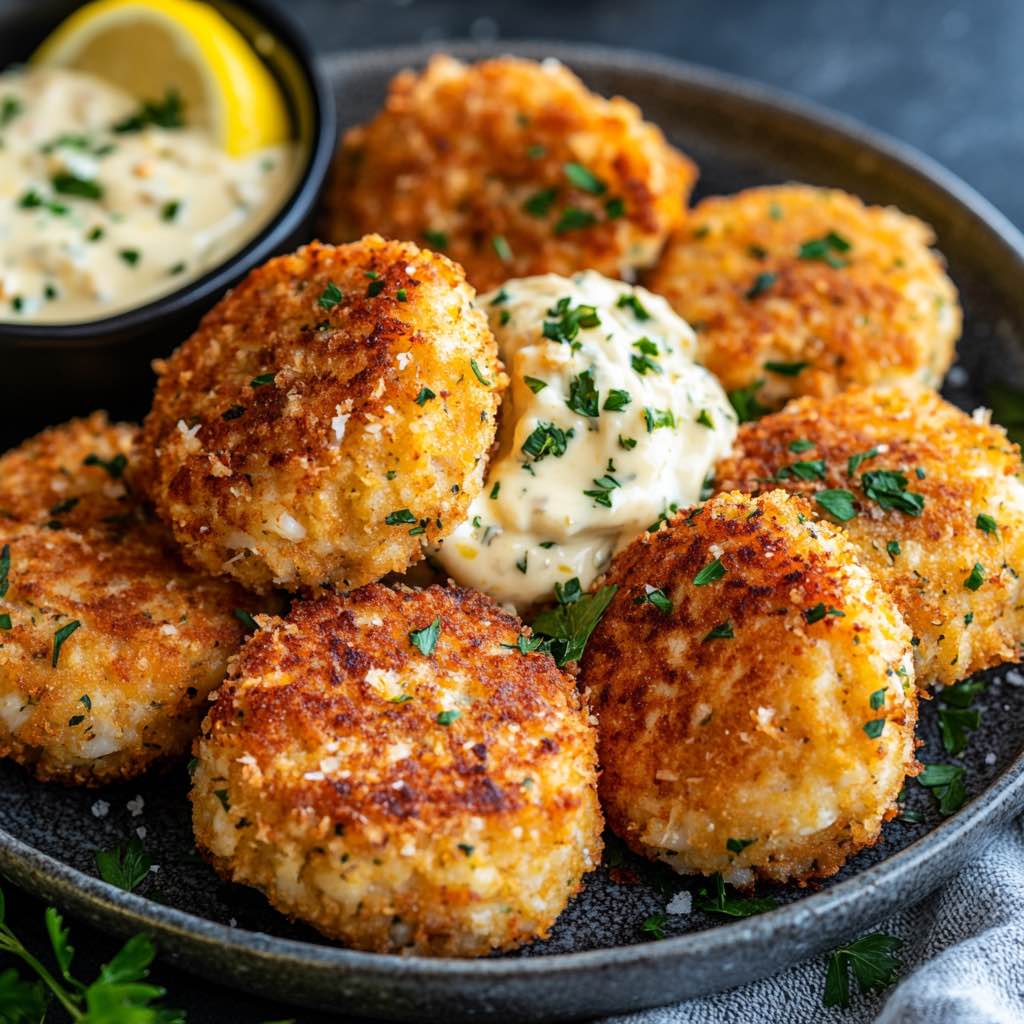
Cajun crab cakes with lemon aioli represent the perfect marriage of Louisiana’s bold spicing traditions and fresh Gulf Coast seafood. These golden-brown delicacies capture the essence of Southern hospitality in every bite. Unlike traditional Maryland-style crab cakes, Cajun versions bring heat, complexity, and unforgettable flavor that will transform your dinner table.
Moreover, these spicy crab patties offer an elevated dining experience without requiring professional culinary skills. The creamy lemon aioli provides a cooling contrast to the fiery Cajun seasonings. Subsequently, you’ll discover why this combination has become a beloved staple in Southern kitchens and upscale restaurants alike.
Whether you’re planning a special dinner party or seeking comfort food with a kick, this comprehensive guide ensures perfect results every time. Additionally, we’ll explore variations, serving suggestions, and professional techniques that guarantee restaurant-quality crab cakes at home.
What Makes Cajun Crab Cakes Special
The Cajun Spice Profile
Cajun seasoning transforms ordinary crab cakes into extraordinary culinary adventures. This spice blend typically includes paprika, cayenne pepper, garlic powder, onion powder, oregano, and thyme. Furthermore, the combination creates layers of flavor that complement rather than overpower the delicate crab meat.
Traditional Louisiana cooks understand that balance is key. Therefore, the spicing should enhance the natural sweetness of the crab while adding warmth and complexity. The result is a harmonious blend that awakens all your taste buds.
Gulf Coast Crab Varieties
The type of crab meat significantly impacts your final dish. Blue crab from the Gulf Coast offers the most authentic flavor for Cajun preparations. However, Dungeness crab and king crab also work beautifully in this recipe.
Fresh crab meat provides superior texture and taste compared to imitation alternatives. Additionally, using a combination of lump and backfin crab creates the ideal balance of large, succulent pieces and smaller, flavorful bits.
Cultural Significance
Cajun crab cakes represent more than just a recipe – they embody Louisiana’s rich cultural heritage. These dishes originated from French Acadian settlers who adapted their cooking techniques to local ingredients. Consequently, they developed unique flavor profiles that distinguish Cajun cuisine from other regional styles.
The tradition of serving crab cakes with creamy sauces reflects the French influence on Louisiana cooking. Meanwhile, the bold spicing showcases the African and Spanish influences that shaped Cajun culture over centuries.
Essential Ingredients for Perfect Crab Cakes
Premium Crab Selection
Selecting high-quality crab meat forms the foundation of exceptional crab cakes. Look for these characteristics when shopping:
-
Fresh, sweet aroma without fishy smells
-
Firm texture that holds together well
-
Bright, appealing color
-
Minimal shell fragments
Jumbo lump crab meat provides the most luxurious texture. However, combining different grades creates better value while maintaining excellent quality. Additionally, always check for shell pieces before mixing your ingredients.
Cajun Seasoning Components
Creating authentic Cajun flavor requires understanding each spice’s contribution:
Primary Spices:
-
Paprika (provides color and mild pepper flavor)
-
Cayenne pepper (adds heat and intensity)
-
Garlic powder (contributes savory depth)
-
Onion powder (enhances overall flavor complexity)
Supporting Herbs:
-
Dried oregano (adds earthiness)
-
Dried thyme (provides subtle floral notes)
-
Bay leaf powder (contributes aromatic complexity)
-
Black pepper (enhances overall spicing)
Binding Ingredients
Proper binding ensures your crab cakes hold together during cooking while maintaining tender interiors:
-
Fresh breadcrumbs (provide structure without heaviness)
-
Mayonnaise (adds moisture and richness)
-
Eggs (create protein binding)
-
Dijon mustard (enhances flavor while binding)
Therefore, using the correct ratios of these ingredients prevents crumbling while preserving the crab’s delicate texture.
Lemon Aioli Components
Creating restaurant-quality lemon aioli requires premium ingredients:
-
Fresh lemon juice (provides bright acidity)
-
Lemon zest (adds aromatic citrus oils)
-
High-quality mayonnaise (forms the creamy base)
-
Fresh garlic (contributes pungent depth)
-
Extra virgin olive oil (enhances richness)
Step-by-Step Cajun Crab Cake Recipe
Ingredients (Serves 6-8)
For the Crab Cakes:
-
1 pound fresh lump crab meat
-
1 cup fresh breadcrumbs
-
1/2 cup mayonnaise
-
2 large eggs, beaten
-
2 tablespoons Dijon mustard
-
2 tablespoons fresh lemon juice
-
1 tablespoon Cajun seasoning
-
1 teaspoon Worcestershire sauce
-
1/4 cup finely chopped green onions
-
1/4 cup finely chopped celery
-
2 tablespoons chopped fresh parsley
-
Salt and pepper to taste
-
Vegetable oil for frying
For the Lemon Aioli:
-
3/4 cup mayonnaise
-
2 tablespoons fresh lemon juice
-
1 tablespoon lemon zest
-
2 cloves garlic, minced
-
1 tablespoon extra virgin olive oil
-
Salt and white pepper to taste
Preparation Method
Step 1: Prepare the Crab Meat
First, carefully examine the crab meat for any remaining shell fragments. Gently pick through the meat using your fingers, removing any pieces while keeping large lumps intact. Subsequently, place the cleaned crab meat in a large mixing bowl and set aside.
This careful preparation ensures your guests won’t encounter unpleasant surprises. Additionally, maintaining the crab’s natural texture creates a more appealing final product.
Step 2: Create the Cajun Seasoning Mixture
Combine all dry seasonings in a small bowl, whisking thoroughly to ensure even distribution. The blend should smell fragrant and balanced. Moreover, taste the mixture to adjust heat levels according to your preferences.
Custom seasoning blends allow you to control flavor intensity. Therefore, you can modify the cayenne pepper amount to suit your family’s spice tolerance.
Step 3: Mix the Wet Ingredients
In a separate bowl, whisk together mayonnaise, beaten eggs, Dijon mustard, lemon juice, and Worcestershire sauce until smooth. This mixture provides both binding properties and flavor enhancement. Furthermore, the combination creates moisture that prevents dry, crumbly crab cakes.
Step 4: Combine Vegetables and Herbs
Add chopped green onions, celery, and fresh parsley to the wet ingredient mixture. These vegetables contribute texture contrast and fresh flavors that complement the seafood. Additionally, they provide natural moisture that enhances the overall eating experience.
Step 5: Assemble the Crab Cake Mixture
Gently fold the seasoning mixture and wet ingredients into the crab meat. Use a light touch to avoid breaking up the valuable lump pieces. Subsequently, add breadcrumbs gradually, mixing just until the mixture holds together when formed into patties.
The key is achieving proper consistency without overworking the mixture. Therefore, stop mixing as soon as everything binds together cohesively.
Step 6: Form and Chill the Patties
Divide the mixture into 8 equal portions, forming each into a patty approximately 3 inches in diameter and 3/4 inch thick. Place the formed patties on a parchment-lined baking sheet. Additionally, refrigerate for at least 30 minutes to help them hold their shape during cooking.
Chilling firms the mixture and prevents the crab cakes from falling apart in the pan. Moreover, this step allows flavors to meld together beautifully.
Cooking Methods
Pan-Frying Technique
Heat 2 tablespoons of vegetable oil in a large skillet over medium-high heat. When the oil shimmers but doesn’t smoke, carefully add the chilled crab cakes. Cook for 3-4 minutes per side until golden brown and heated through.
This method creates the classic crispy exterior that contrasts beautifully with the tender interior. Furthermore, proper oil temperature ensures even browning without greasiness.
Baking Option
Alternatively, preheat your oven to 425°F (220°C). Place the formed patties on a lightly oiled baking sheet. Brush the tops with melted butter or oil, then bake for 12-15 minutes until golden brown.
Baking produces lighter results with less added fat. Additionally, this method allows you to cook larger batches simultaneously, making it ideal for entertaining.
Creating the Perfect Lemon Aioli
Traditional Aioli Technique
Classic aioli preparation involves slowly emulsifying olive oil into egg yolks. However, our simplified version uses high-quality mayonnaise as a base while maintaining authentic flavors. This approach saves time while delivering restaurant-quality results.
Step-by-Step Aioli Preparation
Step 1: Prepare Fresh Citrus
Start by zesting one large lemon, being careful to avoid the bitter white pith. Subsequently, juice the lemon to extract approximately 2 tablespoons of fresh juice. The combination of zest and juice provides both aromatic oils and bright acidity.
Step 2: Mince Fresh Garlic
Use a microplane grater or sharp knife to mince garlic cloves into a fine paste. Fresh garlic provides superior flavor compared to pre-minced alternatives. Moreover, the intensity of raw garlic mellows when combined with the other ingredients.
Step 3: Combine Base Ingredients
In a medium bowl, whisk together mayonnaise, lemon juice, and lemon zest until smooth. The mixture should appear bright and uniform. Additionally, the citrus elements will brighten the rich mayonnaise base immediately.
Step 4: Add Aromatics and Seasoning
Fold in the minced garlic, then slowly drizzle in extra virgin olive oil while whisking continuously. Season with salt and white pepper to taste. The finished aioli should taste balanced with bright citrus notes and subtle garlic undertones.
Step 5: Rest and Adjust
Allow the aioli to rest in the refrigerator for at least 15 minutes before serving. This resting period allows flavors to meld together harmoniously. Furthermore, you can adjust seasoning levels after tasting the finished product.
Flavor Variations
Consider these delicious aioli variations to complement your Cajun crab cakes:
-
Spicy Lemon Aioli: Add a pinch of cayenne pepper
-
Herb-Infused Aioli: Include chopped fresh dill or chives
-
Smoky Aioli: Incorporate a small amount of smoked paprika
-
Citrus Blend Aioli: Use lime juice alongside lemon
Expert Tips for Crab Cake Success
Quality Control Measures
Professional chefs emphasize several key factors that separate good crab cakes from exceptional ones. First, always taste your mixture before forming patties. This allows you to adjust seasoning levels to perfection. Additionally, the mixture should hold together without feeling dense or heavy.
Temperature Management
Proper temperature control ensures even cooking and prevents burning. Use a cooking thermometer to monitor oil temperature when pan-frying. The ideal range is 350-375°F (175-190°C). Moreover, this temperature range creates crispy exteriors while thoroughly heating the centers.
Texture Optimization
The perfect crab cake balances tender crab meat with just enough binding ingredients. Too much breadcrumb filler creates dense, heavy patties. Conversely, insufficient binding results in crab cakes that fall apart during cooking.
Make-Ahead Strategies
Prepare crab cakes up to 24 hours in advance for stress-free entertaining. Form the patties and refrigerate them on parchment-lined trays. Additionally, the aioli improves in flavor when made a day ahead, allowing the garlic to mellow beautifully.
Equipment Recommendations
Use a wide, heavy-bottomed skillet for even heat distribution when pan-frying. Non-stick or well-seasoned cast iron pans work exceptionally well. Furthermore, a thin, flexible spatula makes turning delicate crab cakes much easier.
Delicious Variations and Adaptations
Regional Style Adaptations
Louisiana Creole Version
Creole-style crab cakes incorporate additional vegetables like bell peppers and celery. This version also includes a touch of hot sauce for extra heat. Moreover, Creole preparations often feature more complex spice blends that reflect the multicultural influences of New Orleans cuisine.
Gulf Coast Style
Traditional Gulf Coast crab cakes emphasize the natural sweetness of fresh crab meat. These versions use lighter seasoning to showcase the seafood’s quality. Additionally, they often include fresh herbs like parsley and chives for brightness.
Dietary Modifications
Gluten-Free Version
Replace regular breadcrumbs with gluten-free alternatives or crushed rice crackers. Many stores now carry high-quality gluten-free breadcrumbs that work perfectly in this recipe. Furthermore, ensure all other ingredients are certified gluten-free for those with sensitivities.
Lower-Fat Preparation
Reduce mayonnaise content and add Greek yogurt for lighter results. This modification maintains moisture while reducing overall calorie content. Additionally, baking instead of pan-frying further reduces added fats.
Keto-Friendly Option
Substitute pork rinds or almond flour for traditional breadcrumbs. These alternatives provide binding properties while maintaining ketogenic diet compliance. Moreover, the rich crab meat naturally aligns with low-carb eating plans.
Creative Flavor Combinations
Asian-Fusion Twist
Incorporate fresh ginger, cilantro, and lime zest for an international flavor profile. This variation pairs beautifully with sriracha aioli or ponzu dipping sauce. Additionally, these bright flavors complement the natural sweetness of crab meat exceptionally well.
Mediterranean Influence
Add sun-dried tomatoes, capers, and fresh basil to the mixture. Create a corresponding aioli with roasted red peppers and fresh herbs. Furthermore, this combination showcases how versatile the basic crab cake formula can be.
Serving Suggestions and Pairings
Elegant Presentation Ideas
Transform your Cajun crab cakes with lemon aioli into restaurant-worthy presentations using these professional techniques. First, arrange the golden crab cakes on warmed plates with artistic drizzles of aioli. Additionally, garnish with microgreens, lemon wedges, and fresh herb sprigs for visual appeal.
Consider serving crab cakes on individual ceramic spoons as appetizers for cocktail parties. This presentation method allows guests to enjoy them easily while socializing. Moreover, the individual serving approach prevents the need for cutting utensils.
Complementary Side Dishes
Fresh Salads
Light, crisp salads provide excellent contrast to rich crab cakes. Consider these options:
-
Mixed greens with citrus vinaigrette
-
Cucumber and tomato salad with fresh herbs
-
Coleslaw with tangy dressing
-
Arugula salad with lemon dressing
These fresh accompaniments cleanse the palate between bites while adding nutritional value to the meal.
Starchy Companions
Balance the protein-rich crab cakes with these satisfying starches:
-
Roasted fingerling potatoes with herbs
-
Creamy grits with green onions
-
Rice pilaf with vegetables
-
Crusty French bread for soaking up aioli
Vegetable Pairings
Seasonal vegetables enhance both nutrition and visual appeal:
-
Roasted asparagus with lemon
-
Sautéed spinach with garlic
-
Grilled corn on the cob
-
Roasted bell peppers and onions
Beverage Recommendations
Non-Alcoholic Options
Select beverages that complement the bold flavors without overwhelming the delicate crab:
-
Sparkling water with fresh lemon or lime
-
Iced tea with mint and lemon
-
Fresh lemonade or limeade
-
Cucumber water with herbs
-
Ginger beer for those who enjoy spicy drinks
Hot Beverage Alternatives
For cooler weather serving:
-
Hot herbal teas like chamomile or lemon balm
-
Fresh brewed coffee with dessert
-
Hot chocolate for younger diners
-
Warm spiced cider
Occasion-Specific Serving
Casual Family Dinners
Serve crab cakes with simple sides like coleslaw and roasted potatoes. Present the aioli in small bowls for family-style sharing. Additionally, provide plenty of napkins and casual place settings for comfortable dining.
Elegant Dinner Parties
Create sophisticated presentations with individual aioli portions and carefully arranged garnishes. Use your finest dinnerware and add candles for ambiance. Furthermore, consider preparing smaller crab cakes as passed appetizers before the main course.
Outdoor Entertaining
These crab cakes work wonderfully for patio dining and barbecue gatherings. Serve them alongside grilled vegetables and fresh salads. Moreover, the robust flavors hold up well to outdoor dining conditions.
Nutritional Benefits
Protein Powerhouse
Crab meat provides exceptional nutritional value with high-quality protein and essential amino acids. A single serving of Cajun crab cakes delivers approximately 20-25 grams of protein. Additionally, this protein content supports muscle maintenance and overall health.
The complete amino acid profile in crab meat makes it particularly valuable for active individuals and growing children. Moreover, the protein helps create satiety, making these crab cakes surprisingly filling despite their elegant presentation.
Essential Vitamins and Minerals
Vitamin B12
Crab meat contains exceptional levels of vitamin B12, which supports nervous system function and red blood cell formation. A single serving provides more than 100% of the daily recommended intake. Furthermore, this vitamin is particularly important for individuals following vegetarian diets who add occasional seafood.
Selenium and Zinc
These trace minerals support immune system function and cellular repair processes. Crab meat provides both in bioavailable forms that the body readily absorbs. Additionally, selenium acts as a powerful antioxidant that protects cells from oxidative damage.
Omega-3 Fatty Acids
While not as high as salmon or mackerel, crab meat still provides beneficial omega-3 fatty acids. These healthy fats support heart health and cognitive function. Moreover, they help reduce inflammation throughout the body.
Healthy Preparation Benefits
When prepared using our methods, Cajun crab cakes offer several nutritional advantages:
-
Lower saturated fat compared to many protein sources
-
No added sugars or artificial preservatives
-
Rich in natural flavors without excessive sodium
-
Provides complex carbohydrates from vegetables
Portion Control Advantages
The rich, satisfying nature of properly prepared crab cakes naturally promotes appropriate portion sizes. Most diners find one or two cakes completely satisfying. Additionally, the high protein content helps maintain stable blood sugar levels.
Storage and Reheating Guidelines
Proper Storage Techniques
Refrigerated Storage
Store leftover crab cakes in the refrigerator for up to three days in airtight containers. Place parchment paper between layers to prevent sticking. Moreover, keep them separate from the aioli to maintain optimal texture in both components.
Label containers with preparation dates to ensure food safety. Additionally, store the crab cakes and aioli in the coldest part of your refrigerator, typically the back of the main compartment.
Freezing Instructions
Freeze uncooked crab cake patties for up to three months using proper technique:
-
Form patties and place on parchment-lined baking sheets
-
Freeze until solid (approximately 2 hours)
-
Transfer to freezer-safe containers with tight-fitting lids
-
Label with contents and date
This method prevents the patties from sticking together while maintaining their shape during storage.
Reheating Methods
Oven Reheating
Preheat your oven to 350°F (175°C). Place leftover crab cakes on a lightly oiled baking sheet. Heat for 10-12 minutes until warmed through and crispy on the outside. This method maintains the best texture and prevents sogginess.
Skillet Reheating
Heat a small amount of oil in a non-stick skillet over medium heat. Add the crab cakes and cook for 2-3 minutes per side until heated through. This technique refreshes the crispy exterior while warming the center completely.
Microwave Considerations
While not ideal, microwaving works for quick reheating. Use 50% power and heat in 30-second intervals to prevent overcooking. However, expect some texture changes compared to oven or skillet methods.
Make-Ahead Strategies
Advance Preparation Timeline
Two Days Before: Prepare and refrigerate the lemon aioli
One Day Before: Form crab cake patties and refrigerate
Day of Serving: Cook the chilled patties using your preferred method
This timeline ensures optimal flavors while reducing last-minute preparation stress.
Batch Cooking Benefits
Double or triple the recipe for meal prep or entertaining larger groups. Properly stored crab cakes provide quick, elegant meals throughout the week. Furthermore, having homemade crab cakes ready transforms simple salads into special dinners.
Frequently Asked Questions
Can I use imitation crab meat for this recipe?
While fresh crab meat provides the best flavor and texture, high-quality imitation crab can work in a pinch. However, you’ll need to adjust seasoning levels since imitation products often contain added salt and preservatives. Additionally, the final texture will be slightly different from authentic crab cakes.
For best results, choose imitation crab with larger pieces rather than shredded varieties. Moreover, drain any excess moisture before incorporating it into the mixture to prevent soggy crab cakes.
How can I tell when Cajun crab cakes with lemon aioli are properly cooked?
Properly cooked crab cakes have golden-brown exteriors and reach an internal temperature of 145°F (63°C). The texture should be firm but not hard, with visible crab pieces throughout. Additionally, the centers should be hot and steaming when cut open.
Visual cues include even browning and slight firming of the patties when gently pressed with a spatula. Furthermore, properly cooked crab cakes will hold their shape well when transferred to serving plates.
What’s the best way to prevent crab cakes from falling apart?
Proper binding requires the right balance of wet and dry ingredients. Ensure your mixture holds together when gently squeezed but isn’t overly dense. Additionally, chilling the formed patties for at least 30 minutes helps them maintain their shape during cooking.
Avoid overmixing the ingredients, which can break down the crab meat and create heavy, dense patties. Moreover, use gentle handling throughout the preparation process to preserve the delicate texture of lump crab meat.
Can I prepare the aioli without raw garlic?
Yes, you can modify the aioli recipe for those who prefer milder flavors or have digestive sensitivities to raw garlic. Consider these alternatives:
-
Roast garlic cloves until soft and sweet, then mash into paste
-
Use garlic powder instead of fresh garlic
-
Blanch garlic cloves in boiling water for 2-3 minutes before mincing
-
Substitute shallots for a milder onion family flavor
Each modification creates different flavor profiles while maintaining the creamy, tangy character of the aioli.
How do I adjust the spice level for sensitive palates?
Reduce the cayenne pepper in the Cajun seasoning blend or eliminate it entirely for mild versions. You can also increase the paprika to maintain color while reducing heat. Additionally, serve extra lemon aioli to help cool spicy flavors.
For families with varying spice preferences, consider preparing half the batch with reduced seasoning. Moreover, you can always offer hot sauce on the side for those who want extra heat.
What are the signs of fresh, high-quality crab meat?
Fresh crab meat should smell sweet and oceanic, never fishy or ammonia-like. The texture should be firm and naturally flaky, not mushy or wet. Additionally, high-quality crab meat has bright, appealing color without dark spots or discoloration.
When purchasing, buy from reputable seafood dealers who can tell you when the crab was processed. Furthermore, pasteurized crab meat in refrigerated containers offers good quality and longer storage life than fresh options.
Conclusion
Cajun crab cakes with lemon aioli represent the pinnacle of Southern seafood cuisine, combining bold spices with premium crab meat and creamy, tangy accompaniment. This comprehensive guide provides everything needed to create restaurant-quality results in your home kitchen. The careful balance of heat from Cajun seasonings and cooling lemon aioli creates an unforgettable dining experience.
Throughout this article, we’ve explored every aspect of preparation, from selecting premium ingredients to mastering cooking techniques. The detailed instructions ensure success whether you’re a beginner cook or experienced chef. Moreover, the numerous variations and serving suggestions allow you to customize these crab cakes for any occasion or dietary preference.
The nutritional benefits of fresh crab meat make these cakes both indulgent and healthful, providing high-quality protein and essential nutrients. Additionally, the make-ahead preparation options and storage guidelines enable stress-free entertaining and meal planning.
Remember that practice makes perfect when creating these Cajun crab cakes with lemon aioli. Don’t be discouraged if your first attempt isn’t absolutely perfect – each cooking experience builds skills and confidence. Furthermore, the joy of sharing homemade crab cakes with family and friends makes every effort worthwhile.
Cajun Crab Cakes with Lemon Aioli
Description
Ingredients
For the Cajun Crab Cakes:
-
1 pound lump crabmeat, picked over for shells and cartilage
-
1 small sweet onion, finely chopped
-
1/2 red bell pepper, finely chopped
-
2 celery ribs, finely chopped
-
1 small serrano or jalapeño pepper, finely chopped with seeds
-
4 cloves garlic, minced
-
2 large eggs
-
1 cup panko breadcrumbs, divided
-
1/4 cup mayonnaise
-
1 tablespoon Dijon mustard
-
2 tablespoons fresh chives, chopped
-
2 tablespoons fresh parsley, chopped
-
Zest of 1 lemon
-
1 tablespoon fresh lemon juice
-
2 tablespoons Cajun seasoning
-
1 teaspoon Worcestershire sauce
-
1 teaspoon Louisiana hot sauce
-
2 tablespoons butter
-
2 tablespoons olive oil
For the Lemon Aioli:
-
3/4 cup mayonnaise
-
2-3 tablespoons fresh lemon juice
-
1 tablespoon lemon zest
-
2 cloves garlic, minced
-
1 tablespoon fresh dill, chopped
-
1 tablespoon fresh parsley, chopped
-
1/2 teaspoon salt
-
1/4 teaspoon freshly ground black pepper
Instructions
Prepare the Vegetables:
-
Heat 1 tablespoon each of butter and olive oil in a large skillet over medium-high heat. Add chopped onion, bell pepper, and celery, cooking for 8-10 minutes until well browned and caramelized.
-
Add minced garlic and cook for another minute until fragrant. Remove from heat and transfer to a large bowl to cool for 5 minutes.
Make the Lemon Aioli:
-
In a medium bowl, whisk together mayonnaise, lemon juice, lemon zest, minced garlic, dill, parsley, salt, and pepper. Cover and refrigerate until ready to serve.
Assemble the Crab Cakes:
-
Carefully pick through crabmeat to remove any remaining shells or cartilage. Add crabmeat to the bowl with cooled vegetables.
-
In a separate bowl, whisk together eggs, mayonnaise, Dijon mustard, Worcestershire sauce, hot sauce, and Cajun seasoning.
-
Add the egg mixture to the crabmeat along with 3/4 cup breadcrumbs, chives, parsley, lemon zest, and lemon juice. Gently fold together until just combined, being careful not to break up the crab too much.
Form and Chill:
-
Using your hands or an ice cream scoop, form mixture into 6-8 patties about 3/4-inch thick. Place on a parchment-lined baking sheet.
-
Lightly press remaining breadcrumbs onto both sides of each crab cake. Refrigerate for 15-30 minutes to help them hold together during cooking.
Cook the Crab Cakes:
-
Heat remaining butter and oil in a large skillet over medium heat. Working in batches if necessary, pan-fry crab cakes for 4-5 minutes per side until deep golden brown.
-
Transfer to a plate lined with paper towels briefly, then serve immediately.