
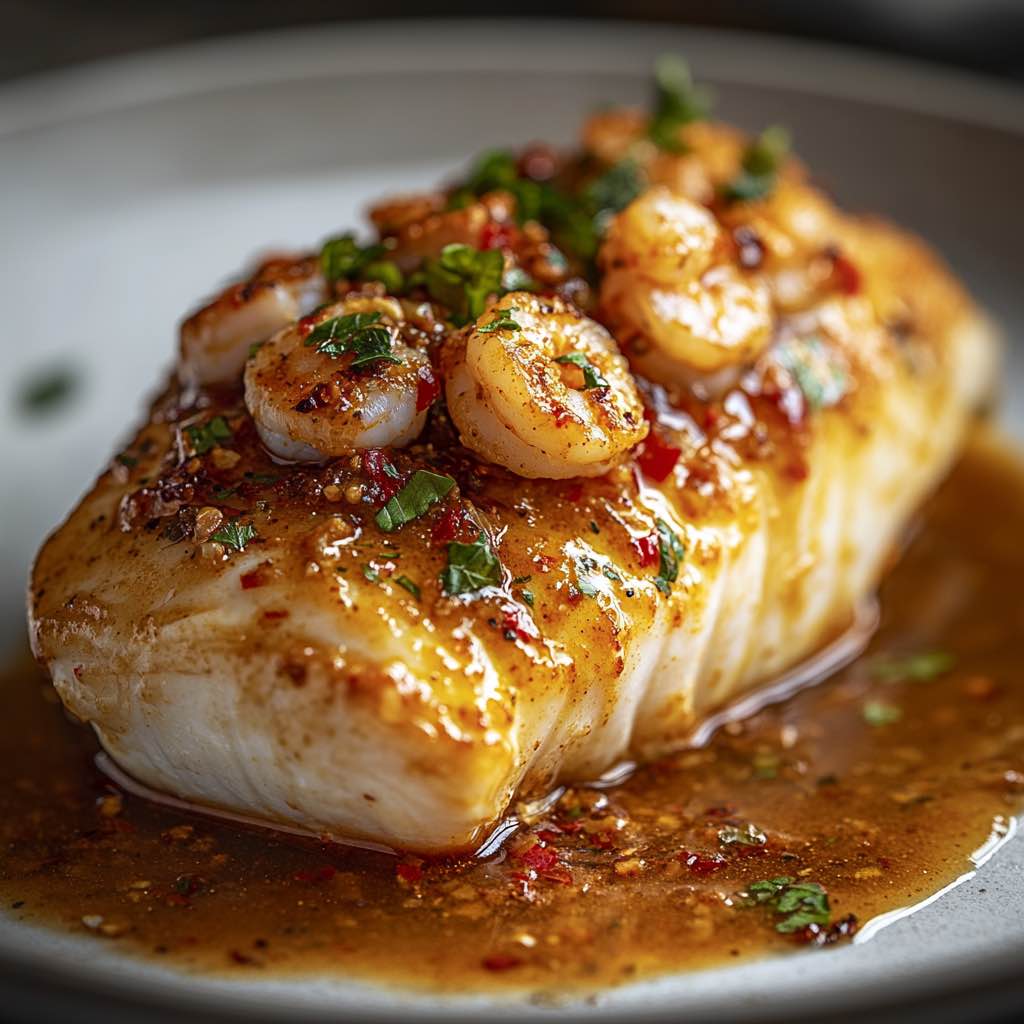
Cajun Shrimp-Stuffed Flounder: The Ultimate Southern Seafood Delicacy
Introduction
Cajun shrimp-stuffed flounder represents the pinnacle of Southern seafood cuisine. This remarkable dish combines the delicate, flaky texture of fresh flounder with a bold, spicy shrimp stuffing that captures the essence of Louisiana’s coastal flavors. Moreover, this impressive entrée transforms any dinner into a memorable culinary experience.
The beauty of Cajun shrimp-stuffed flounder lies in its perfect balance of flavors and textures. Additionally, the mild, sweet taste of flounder provides an ideal canvas for the robust Cajun seasonings and succulent shrimp filling. Furthermore, this dish showcases the art of Southern cooking, where simple ingredients become extraordinary through skillful preparation and bold seasoning.
Whether you’re planning a special celebration or simply want to elevate your weeknight dinner, this recipe delivers restaurant-quality results in your home kitchen. Consequently, you’ll discover techniques that professional chefs use to create this stunning seafood masterpiece.
What Makes Cajun Shrimp-Stuffed Flounder Special
The Perfect Seafood Combination
Cajun shrimp-stuffed flounder stands out because it combines two beloved seafood proteins in one elegant presentation. The mild flounder acts as a natural pouch, holding the spicy shrimp mixture while cooking. Therefore, every bite delivers complementary flavors and textures that create a harmonious dining experience.
Authentic Cajun Heritage
This dish represents authentic Louisiana cuisine at its finest. Traditional Cajun cooking emphasizes bold flavors, fresh seafood, and time-honored techniques passed down through generations. Consequently, preparing Cajun shrimp-stuffed flounder connects you to this rich culinary heritage while creating an impressive meal for your family and guests.
Versatility and Elegance
The versatility of this recipe makes it suitable for various occasions. Additionally, you can prepare it for intimate family dinners or elaborate entertaining events. Furthermore, the elegant presentation impresses guests while remaining accessible for home cooks of all skill levels.
Essential Ingredients for Perfect Results
Fresh Flounder Selection
Selecting high-quality flounder is crucial for success. Look for fish with clear eyes, bright red gills, and firm flesh that springs back when pressed. Additionally, fresh flounder should have a mild, ocean-fresh aroma without any strong fishy smell. Furthermore, whole flounder typically weighs between 2-4 pounds, providing ample space for generous stuffing portions.
Shrimp Quality and Preparation
Choose medium to large shrimp (16-20 count per pound) for the best texture and flavor. Fresh shrimp should feel firm and have a translucent appearance. Moreover, properly deveined shrimp ensures the cleanest taste in your final dish. Therefore, invest time in selecting premium shrimp for exceptional results.
Complete Ingredient List
For the Flounder:
-
4 whole flounder fillets (6-8 oz each), butterflied
-
2 tablespoons olive oil
-
1 tablespoon butter, melted
-
1 lemon, sliced into rounds
-
Salt and black pepper to taste
For the Cajun Shrimp Stuffing:
-
1 pound medium shrimp, peeled and deveined
-
2 tablespoons Cajun seasoning (divided)
-
1 cup breadcrumbs (preferably panko)
-
1/2 cup green onions, finely chopped
-
1/2 cup celery, finely diced
-
1/4 cup red bell pepper, finely diced
-
3 cloves garlic, minced
-
2 tablespoons fresh parsley, chopped
-
2 tablespoons butter
-
1/4 cup chicken stock
-
1 egg, lightly beaten
-
1/2 teaspoon paprika
-
1/4 teaspoon cayenne pepper
-
Salt and pepper to taste
Complete Recipe Instructions
Preparation Steps
First, preheat your oven to 375°F (190°C). Next, line a large baking dish with parchment paper and lightly grease with cooking spray. Then, pat the flounder fillets completely dry with paper towels and season both sides with salt and pepper.
Creating the Cajun Shrimp Stuffing
Begin by heating a large skillet over medium-high heat. Add butter and let it melt completely. Then, add the diced celery, bell pepper, and green onions to the pan. Sauté the vegetables for 3-4 minutes until they begin to soften.
Next, add the minced garlic and cook for another 30 seconds until fragrant. Subsequently, add the shrimp to the skillet and season with 1 tablespoon of Cajun seasoning. Cook the shrimp for 2-3 minutes per side until they turn pink and are almost fully cooked.
Remove the skillet from heat and let the mixture cool slightly. Then, roughly chop the cooked shrimp into bite-sized pieces. In a large mixing bowl, combine the chopped shrimp mixture with breadcrumbs, beaten egg, chicken stock, parsley, and remaining seasonings. Mix gently until all ingredients are evenly distributed.
Stuffing and Rolling the Flounder
Lay each butterflied flounder fillet flat on a clean work surface. Divide the shrimp stuffing evenly among the four fillets, placing it on one half of each fillet. Leave about a 1-inch border around the edges to prevent spillage during cooking.
Carefully fold the other half of the fillet over the stuffing, creating a pocket. Use toothpicks to secure the edges if necessary. Then, brush the tops of the stuffed flounder with melted butter and olive oil mixture.
Baking Process
Place the stuffed flounder in the prepared baking dish. Arrange lemon slices around and on top of the fish. Bake for 20-25 minutes, or until the flounder flakes easily with a fork and reaches an internal temperature of 145°F (63°C).
During the last 5 minutes of cooking, you can broil briefly to achieve a golden-brown top. However, watch carefully to prevent burning.
Cajun Seasoning Mastery
Understanding Authentic Cajun Flavors
Traditional Cajun seasoning creates the signature taste that defines this dish. The blend typically includes paprika, garlic powder, onion powder, oregano, thyme, and cayenne pepper. Additionally, some variations incorporate black pepper, white pepper, and celery seed for complexity.
Homemade Cajun Seasoning Recipe
Creating your own Cajun seasoning allows for customization and ensures freshness. Combine:
-
2 tablespoons paprika
-
1 tablespoon garlic powder
-
1 tablespoon onion powder
-
1 tablespoon dried oregano
-
1 tablespoon dried thyme
-
1 teaspoon cayenne pepper
-
1 teaspoon black pepper
-
1 teaspoon white pepper
-
1/2 teaspoon celery seed
Mix all ingredients thoroughly and store in an airtight container for up to six months. This homemade blend provides better flavor control than store-bought alternatives.
Adjusting Heat Levels
The beauty of making Cajun shrimp-stuffed flounder at home is controlling the spice level. Reduce cayenne pepper for milder dishes or increase it for those who prefer more heat. Furthermore, adding a pinch of smoked paprika enhances the depth without increasing spiciness.
Cooking Techniques for Flawless Results
Proper Fish Preparation
Successfully preparing Cajun shrimp-stuffed flounder begins with proper fish handling. Always keep flounder refrigerated until ready to use. Pat the fish completely dry before seasoning to ensure proper browning and prevent excess moisture in the final dish.
When butterflying flounder, use a sharp, thin-bladed knife. Make a horizontal cut about three-quarters of the way through the thickest part of the fillet. Then, open the fillet like a book, creating space for the stuffing.
Temperature Control
Maintaining proper cooking temperatures is essential for food safety and optimal texture. Use a reliable meat thermometer to ensure the flounder reaches 145°F internal temperature. Additionally, the shrimp in the stuffing should reach 145°F as well.
Avoid overcooking, which results in dry, tough fish. The flounder should flake easily but still retain moisture when properly cooked.
Moisture Management
Preventing soggy results requires careful attention to moisture levels. Drain excess liquid from the sautéed vegetables before adding them to the stuffing mixture. Moreover, don’t oversaturate the breadcrumbs with stock – they should be moist but not soggy.
Nutritional Benefits and Health Information
Protein Content and Quality
Cajun shrimp-stuffed flounder provides exceptional protein quality from two premium seafood sources. A typical serving contains approximately 40-45 grams of complete protein, supporting muscle maintenance and growth. Furthermore, seafood proteins are easily digestible and contain all essential amino acids.
Essential Nutrients
This dish delivers numerous essential nutrients beyond protein. Flounder provides selenium, vitamin B12, and phosphorus, while shrimp contribute iodine, zinc, and omega-3 fatty acids. Additionally, the vegetables in the stuffing add fiber, vitamins, and antioxidants.
Heart-Healthy Benefits
Both flounder and shrimp support cardiovascular health through their omega-3 fatty acid content. These beneficial fats help reduce inflammation and support healthy cholesterol levels. Moreover, the dish is naturally low in saturated fat when prepared with minimal added fats.
Caloric Information
A typical serving of Cajun shrimp-stuffed flounder contains approximately 350-400 calories, making it suitable for various dietary goals. The majority of calories come from high-quality protein, with moderate amounts from healthy fats and minimal carbohydrates.
Recipe Variations and Customizations
Crab-Enhanced Version
For an ultra-luxurious twist, add fresh lump crabmeat to the stuffing mixture. Combine equal parts shrimp and crabmeat for a rich, indulgent filling. This variation works particularly well for special occasions and celebration dinners.
Vegetable Additions
Enhance the nutritional profile by incorporating additional vegetables. Diced mushrooms, chopped spinach, or minced jalapeños add flavor and nutrients. Sauté these additions with the base vegetables to ensure proper cooking.
Grain-Free Alternative
Replace breadcrumbs with crushed pork rinds or almond flour for a low-carb version. These alternatives provide similar binding properties while reducing carbohydrate content. Additionally, they add unique flavors that complement the Cajun seasonings.
Cheese Integration
Consider adding a small amount of cream cheese or sharp cheddar to the stuffing for richness. Use sparingly to avoid overwhelming the seafood flavors. Cream cheese creates exceptional creaminess, while sharp cheddar adds tangy complexity.
Expert Tips for Restaurant-Quality Results
Professional Plating Techniques
Restaurant-style presentation elevates this dish significantly. Place the stuffed flounder on warmed plates and garnish with fresh herbs, lemon wedges, and a light drizzle of herb oil. Additionally, arrange colorful vegetables around the plate for visual appeal.
Make-Ahead Strategies
Prepare the stuffing mixture up to one day in advance and refrigerate. This allows flavors to meld and saves time during final preparation. However, stuff and cook the flounder on the day of serving for best texture and food safety.
Equipment Recommendations
Invest in a reliable instant-read thermometer for perfect doneness every time. Additionally, use heavy-bottomed skillets for even heat distribution during the initial cooking phase. Non-stick or well-seasoned cast iron works best for sautéing the vegetables.
Quality Control Checks
Taste the stuffing mixture before assembly and adjust seasonings as needed. The mixture should be well-seasoned since the flounder will dilute the flavors somewhat. Furthermore, ensure the stuffing holds together well but isn’t too dense.
Serving Suggestions and Side Dishes
Complementary Side Dishes
Cajun shrimp-stuffed flounder pairs beautifully with various Southern sides. Consider serving with:
-
Dirty rice – adds authentic Louisiana flavors
-
Roasted asparagus – provides color and nutritional balance
-
Garlic mashed potatoes – offers comfort and richness
-
Sautéed green beans – contributes freshness and texture
-
Cornbread – complements the Cajun flavors perfectly
Sauce Accompaniments
While the dish is flavorful on its own, complementary sauces enhance the experience. A light lemon butter sauce brightens the flavors without competing. Additionally, remoulade sauce provides traditional Louisiana accompaniment. Furthermore, a simple herb oil made with parsley, chives, and olive oil adds freshness.
Beverage Pairings
Choose beverages that complement rather than compete with the bold flavors. Sweet tea offers traditional Southern pairing, while sparkling water with lemon provides cleansing contrast. Additionally, fruit-based beverages like lemonade or cranberry juice work well with seafood dishes.
Storage and Reheating Guidelines
Proper Storage Methods
Store leftover Cajun shrimp-stuffed flounder in the refrigerator for up to 3 days. Wrap individual portions in plastic wrap or store in airtight containers to prevent moisture loss. Moreover, separate any remaining stuffing and store it separately if possible.
Reheating Techniques
Gentle reheating preserves the delicate texture of both the flounder and shrimp. Preheat your oven to 325°F and wrap the fish in foil with a splash of chicken broth. Heat for 10-15 minutes until warmed through.
Alternatively, use the microwave on 50% power, checking every 30 seconds to prevent overcooking. Add a damp paper towel over the fish to maintain moisture during reheating.
Freezing Considerations
While possible, freezing is not recommended for this dish due to texture changes in both the fish and shrimp. Fresh preparation yields the best results for optimal taste and texture.
Frequently Asked Questions
Can I use frozen flounder for this Cajun shrimp-stuffed flounder recipe?
Yes, you can use frozen flounder, but fresh produces better results. If using frozen fish, thaw it completely in the refrigerator overnight. Additionally, pat it extra dry with paper towels before seasoning and stuffing to remove excess moisture from the thawing process.
How do I prevent the stuffing from falling out during cooking?
Secure the flounder with toothpicks along the seam where you folded it over. Furthermore, don’t overstuff the fish – leave about a 1-inch border around the edges. Using a binding egg in the stuffing mixture also helps hold everything together during cooking.
What’s the best way to tell when the flounder is fully cooked?
The flounder is done when it reaches an internal temperature of 145°F and flakes easily with a fork. Additionally, the flesh should be opaque throughout, and the stuffing should be heated through. Cooking time typically ranges from 20-25 minutes at 375°F.
Can I substitute other types of fish for flounder?
Yes, several fish work well as substitutes. Sole, halibut, or cod can replace flounder successfully. However, choose fish with mild flavors that won’t compete with the Cajun seasonings. Additionally, ensure the fish is thick enough to hold the stuffing securely.
How can I make the dish less spicy for sensitive palates?
Reduce the cayenne pepper in both the Cajun seasoning and stuffing mixture. Replace some of the hot spices with additional paprika for color without heat. Furthermore, serve with cooling sides like rice or mashed potatoes to balance the spiciness.
Conclusion
Cajun shrimp-stuffed flounder represents the perfect marriage of Southern flavors and elegant presentation. This remarkable dish transforms simple ingredients into an extraordinary culinary experience through careful technique and bold seasoning. Moreover, mastering this recipe opens doors to countless variations and creative possibilities in your kitchen.
The combination of delicate flounder and spicy shrimp stuffing creates a balanced, satisfying meal that impresses both family and guests. Additionally, the nutritional benefits make this dish a healthy choice for special occasions and regular dinner rotations alike.
Whether you’re new to Cajun cooking or an experienced home chef, this comprehensive guide provides everything needed for success. From ingredient selection to professional plating techniques, you now have the knowledge to create restaurant-quality Cajun shrimp-stuffed flounder in your own kitchen.
Cajun Shrimp-Stuffed Flounder
Description
Cajun Shrimp-Stuffed Flounder
Ingredients
-
2 (2-pound) whole flounders, cleaned with a large pocket cut in the center (or 6–8 fillets)
-
2 tablespoons olive oil
-
Kosher salt and black pepper, to taste
-
2 sticks (1 cup) unsalted butter
-
1 cup diced yellow onion
-
½ cup diced green bell pepper
-
½ cup diced red bell pepper
-
½ cup diced celery
-
½ cup chopped flat-leaf parsley
-
1 tablespoon fresh rosemary, chopped
-
1 tablespoon minced garlic
-
1 tablespoon grated ginger
-
1 tablespoon lemon juice
-
1 teaspoon smoked paprika
-
A dash or two of hot sauce
-
Cajun seasoning blend, to taste
-
2 pounds raw shrimp (16–20 count), peeled and deveined
-
1 cup fresh bread crumbs
-
1 lemon, sliced thin
Instructions
-
Preheat oven to 350ºF (175ºC).
-
Prepare the fish: Pat the flounder dry. Rub with olive oil and season inside and out with salt and pepper.
-
Make stuffing: In a large skillet over medium heat, melt butter. Sauté onion, green and red bell peppers, and celery until translucent. Add parsley, rosemary, garlic, and ginger, then cook for a couple more minutes. Add lemon juice, paprika, hot sauce, and Cajun seasoning; stir to combine.
-
Add shrimp: Reserve a few whole shrimp for garnish. Chop the remaining shrimp into bite-sized pieces, then stir into the mixture until just pink. Turn off heat, then fold in bread crumbs gradually until moist but not soggy. Let cool slightly.
-
Stuff the fish: Spoon the shrimp stuffing into the pocket of each flounder (or roll stuffing into fillets), then garnish with reserved shrimp on top and add lemon slices.
-
Bake covered with foil for 30 minutes, then uncover and bake 15 minutes more, or until the thickest part of the fish flakes easily with a fork.
-
Serve: Use two spatulas to transfer to a platter. Serve with French bread or rice.