
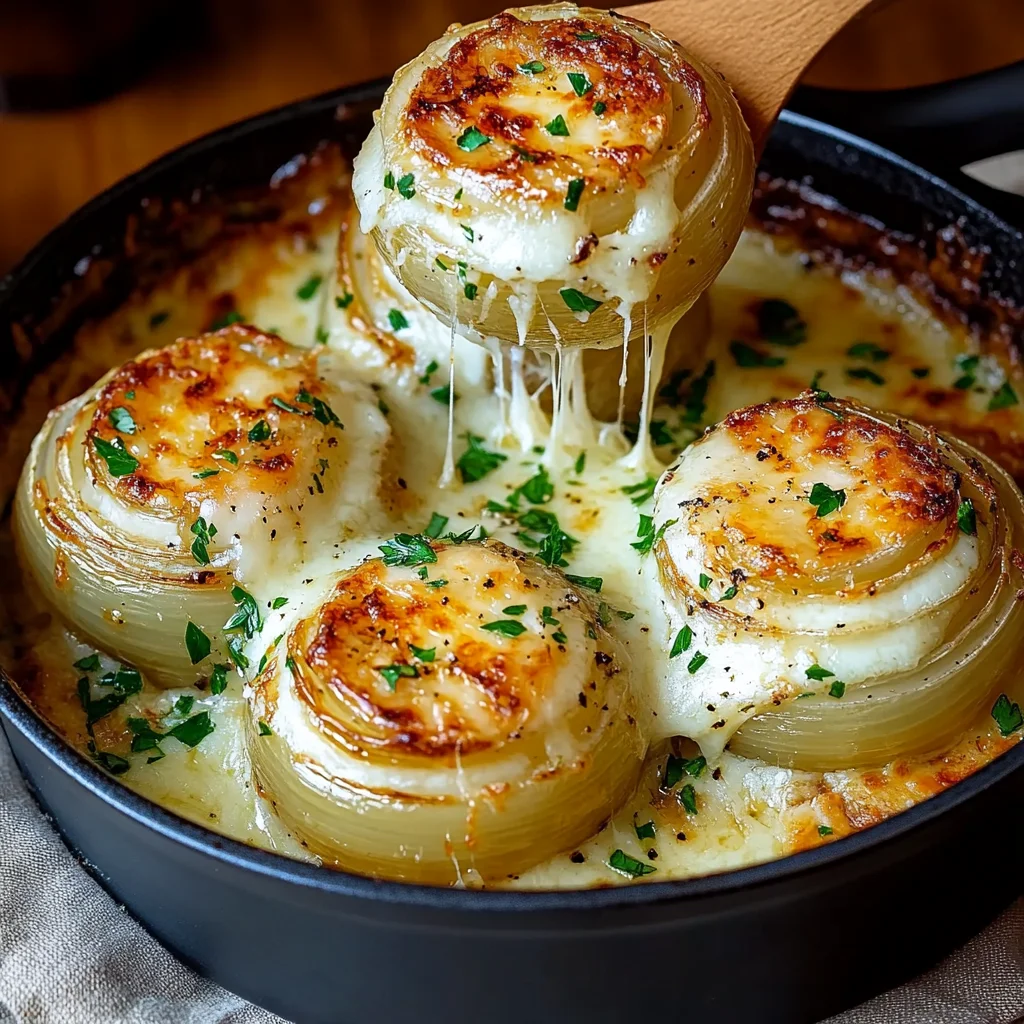
Creamy Baked Onions with Asiago Cheese: A Luxurious Comfort Food Recipe
Transform ordinary onions into an extraordinary side dish with this luxurious creamy baked onions with Asiago cheese recipe. This elegant comfort food combines the sweet, caramelized flavor of baked onions with rich cream and sharp, nutty Asiago cheese. Whether you’re planning a holiday feast or seeking a sophisticated side dish for everyday meals, these creamy baked onions deliver restaurant-quality results in your home kitchen.
Furthermore, this recipe creates a perfect balance of flavors and textures. The onions become tender and sweet during baking, while the cream sauce provides richness. Meanwhile, the Asiago cheese adds a sharp, complex flavor that elevates the entire dish above ordinary baked vegetables.
What Makes Creamy Baked Onions with Asiago Cheese Special
The Perfect Onion Choice
Choosing the right onions forms the foundation of exceptional creamy baked onions with Asiago cheese. Yellow onions work best because they develop natural sweetness when baked slowly. Additionally, their sturdy structure holds up well during the long baking process without becoming mushy.
Sweet onions like Vidalia or Walla Walla create an even more pronounced sweetness. However, regular yellow onions provide the ideal balance between sweet and savory flavors. Moreover, their availability year-round makes this recipe accessible regardless of season.
Asiago Cheese: The Star Ingredient
Asiago cheese transforms ordinary baked onions into a gourmet experience. This Italian cheese offers a sharp, nutty flavor that intensifies during baking. Fresh Asiago melts beautifully, creating smooth, creamy textures throughout the dish.
The aged variety of Asiago provides more complex flavors but requires careful handling. Therefore, combining both fresh and aged Asiago creates optimal results. This combination delivers immediate creaminess plus deeper, more sophisticated taste notes.
Cream Sauce Foundation
The cream sauce binds all ingredients together while adding luxurious richness. Heavy cream provides the best texture and flavor, though half-and-half works for lighter versions. Furthermore, the cream helps distribute the cheese flavors evenly throughout each serving.
Proper cream sauce technique prevents curdling and ensures smooth results. Consequently, temperature control becomes crucial for achieving restaurant-quality creamy baked onions with Asiago cheese.
Essential Ingredients for Success
Main Ingredients
For the Onions:
-
6 large yellow onions, peeled and halved
-
3 tablespoons unsalted butter
-
2 tablespoons olive oil
-
1 teaspoon salt
-
1/2 teaspoon black pepper
-
1/4 teaspoon garlic powder
For the Cream Sauce:
-
1 1/2 cups heavy cream
-
1 cup freshly grated Asiago cheese
-
1/2 cup aged Asiago cheese, grated
-
2 tablespoons all-purpose flour
-
2 cloves garlic, minced
-
1 teaspoon fresh thyme leaves
-
1/2 teaspoon salt
-
1/4 teaspoon white pepper
For the Topping:
-
1/2 cup panko breadcrumbs
-
1/4 cup grated Asiago cheese
-
2 tablespoons butter, melted
-
2 tablespoons fresh parsley, chopped
Quality Considerations
Using fresh, high-quality ingredients significantly impacts the final results. Therefore, seek out authentic Asiago cheese from Italian producers when possible. Similarly, organic onions often provide better flavor and texture than conventional varieties.
Fresh herbs make a noticeable difference in taste complexity. Consequently, avoid dried thyme if fresh is available. Moreover, freshly grated cheese melts more smoothly than pre-shredded varieties, which contain anti-caking agents.
Complete Step-by-Step Instructions
Preparation Phase
Step 1: Preheat and Prep
First, preheat your oven to 375°F (190°C). Meanwhile, butter a 9×13-inch baking dish thoroughly. This prevents sticking and adds extra richness to the final dish.
Step 2: Prepare the Onions
Next, peel onions and cut them in half through the root end. This cutting method helps onions hold their shape during baking. Subsequently, arrange onion halves cut-side down in the prepared baking dish.
Step 3: Season the Onions
Then, combine melted butter and olive oil in a small bowl. Brush this mixture over all onion surfaces. Afterward, season evenly with salt, pepper, and garlic powder.
Initial Baking Phase
Step 4: First Bake
Place the dish in the preheated oven and bake for 45 minutes. During this time, onions will begin caramelizing and developing sweetness. Additionally, they’ll start becoming tender throughout.
Step 5: Check Progress
After 45 minutes, check onion tenderness with a fork. They should pierce easily but still maintain their shape. If needed, continue baking for 10-15 additional minutes.
Cream Sauce Preparation
Step 6: Make the Roux
While onions bake, prepare the cream sauce. Heat a medium saucepan over medium-low heat. Add flour and whisk constantly for 2 minutes to create a light roux.
Step 7: Add Cream Gradually
Slowly pour in heavy cream while whisking continuously. This gradual addition prevents lumps from forming. Continue whisking until the mixture thickens slightly, about 3-4 minutes.
Step 8: Incorporate Cheese
Remove the saucepan from heat temporarily. Then, gradually whisk in both types of Asiago cheese until smooth. Return to low heat if needed to finish melting completely.
Step 9: Season the Sauce
Finally, add minced garlic, thyme, salt, and white pepper to the cream sauce. Taste and adjust seasonings as needed. The sauce should coat the back of a spoon when properly thickened.
Final Assembly and Baking
Step 10: Combine Components
Remove partially baked onions from the oven. Carefully turn each onion half cut-side up. Then, pour the warm cream sauce evenly over all onions, ensuring good coverage.
Step 11: Prepare Topping
In a small bowl, combine panko breadcrumbs, remaining Asiago cheese, and melted butter. Mix thoroughly until all breadcrumbs are coated. This creates a golden, crispy topping.
Step 12: Final Baking
Sprinkle the breadcrumb mixture evenly over the sauced onions. Return to the oven and bake for an additional 25-30 minutes. The top should be golden brown and bubbling around the edges.
Step 13: Rest and Serve
Allow the creamy baked onions with Asiago cheese to rest for 10 minutes before serving. This resting period lets the sauce set slightly and prevents burns from extremely hot cheese.
Professional Tips for Perfect Results
Onion Selection and Prep
Choose onions of similar size for even cooking. Moreover, avoid onions with soft spots or green shoots, as these affect flavor negatively. When cutting, keep root ends intact to help maintain onion structure during baking.
Additionally, scoring the cut surface in a crosshatch pattern helps cream sauce penetrate better. However, don’t cut too deeply, as this may cause onions to fall apart completely.
Cream Sauce Mastery
Temperature control prevents cream sauce disasters. Therefore, never let the cream boil, as this causes curdling. Instead, maintain gentle heat throughout the process for smooth, luxurious results.
Furthermore, strain the finished sauce if any lumps develop. A fine-mesh strainer removes imperfections and ensures professional presentation. Consequently, your creamy baked onions with Asiago cheese will look restaurant-quality.
Timing Considerations
This dish benefits from make-ahead preparation. Specifically, you can assemble everything except the topping up to 24 hours in advance. Cover tightly and refrigerate until ready to bake.
When baking from cold, add 10-15 extra minutes to the final baking time. This ensures the center heats through completely. Moreover, the resting period becomes even more important when baking from refrigerated temperature.
Browning Techniques
For extra flavor development, consider browning onion halves in a skillet before baking. This additional step creates deeper caramelization and more complex flavors. However, it also adds preparation time and dishes to clean.
Alternatively, increase the initial baking temperature to 400°F for the first 20 minutes. Then reduce to 375°F for the remaining time. This technique promotes better browning without extra steps.
Creative Variations and Substitutions
Cheese Alternatives
While Asiago creates the signature flavor, several substitutions work well. Gruyère cheese provides similar nutty characteristics with excellent melting properties. Similarly, aged Gouda offers sweetness that complements caramelized onions beautifully.
Parmesan cheese creates a sharper, more intense flavor profile. However, use less Parmesan than Asiago, as its flavor is more concentrated. Additionally, combine Parmesan with cream cheese for better texture and richness.
For those avoiding cow’s milk, aged goat cheese provides tang and creaminess. Meanwhile, nutritional yeast offers umami flavors for dairy-free versions, though the texture will differ significantly from traditional creamy baked onions with Asiago cheese.
Onion Varieties
Pearl onions create an elegant presentation for formal dinners. However, they require longer baking times due to their density. Consequently, increase initial baking time by 15-20 minutes when using pearl onions.
Red onions provide beautiful color contrast and milder flavor. They also caramelize nicely but may fade to purple-brown during extended baking. Nevertheless, their sweet flavor complements Asiago cheese exceptionally well.
Shallots offer the most sophisticated flavor profile but cost significantly more. Use them for special occasions when budget allows. Moreover, their smaller size means shorter baking times and more delicate presentation.
Herb and Seasoning Options
Fresh rosemary pairs excellently with both onions and Asiago cheese. Use it sparingly, as its flavor is quite strong. Chop finely and add to the cream sauce during the final seasoning step.
Sage creates an autumn-inspired variation perfect for Thanksgiving menus. Additionally, oregano provides Mediterranean flair that complements the Italian cheese beautifully. However, avoid using multiple strong herbs simultaneously, as they compete for attention.
For heat lovers, add a pinch of red pepper flakes to the cream sauce. This subtle heat enhances the overall flavor complexity without overwhelming the delicate onion sweetness.
Ideal Serving Suggestions
Holiday Menu Integration
Creamy baked onions with Asiago cheese shine as a Thanksgiving or Christmas side dish. They pair beautifully with roasted turkey, providing richness that balances leaner protein. Moreover, their elegant presentation elevates the entire holiday table.
Additionally, this dish complements ham perfectly for Easter celebrations. The sweet onions balance the salty, smoky ham flavors. Furthermore, the creamy texture provides contrast to crispy-skinned roasted vegetables.
Everyday Meal Pairings
For weeknight dinners, serve alongside simple grilled chicken or pork chops. The rich cream sauce transforms ordinary proteins into special meals. Similarly, they work excellently with beef roasts or steaks for weekend entertaining.
Vegetarian meals benefit from this protein-rich side dish. Serve with quinoa pilaf or wild rice for complete nutrition. Additionally, they pair wonderfully with roasted vegetable medleys for colorful, satisfying meals.

Free Beverage Pairings
Sparkling apple cider complements the sweet onion flavors beautifully. Its effervescence cuts through the rich cream sauce effectively. Similarly, grape juice provides fruity notes that enhance the overall dining experience.
For hot beverages, consider serving alongside herbed tea blends. Chamomile tea with honey creates a soothing combination with rich, creamy foods. Moreover, coffee works surprisingly well with cheese-forward dishes like this one.
Proper Storage and Reheating Methods
Refrigeration Guidelines
Store leftover creamy baked onions with Asiago cheese in the refrigerator for up to four days. Use airtight containers to prevent odor absorption and maintain freshness. Additionally, separate individual portions for easier reheating and portion control.
Cool completely before refrigerating to prevent condensation formation. Excess moisture can make the breadcrumb topping soggy upon reheating. Therefore, patience during cooling pays dividends in leftover quality.
Reheating Techniques
The oven provides the best reheating results for maintaining texture. Preheat to 350°F and cover with foil to prevent over-browning. Heat for 15-20 minutes or until warmed through completely.
Microwave reheating works for individual portions but affects texture. Use medium power (50%) and cover with a damp paper towel. Heat in 30-second intervals, stirring gently between heating cycles.
For stovetop reheating, use a covered skillet over low heat. Add a splash of cream if the sauce appears too thick. Stir gently and frequently to prevent sticking or scorching.
Freezing Considerations
This dish freezes reasonably well for up to three months. However, the texture changes slightly upon thawing. The cream sauce may separate, requiring gentle stirring to recombine during reheating.
Freeze in portion-sized containers for convenience. Thaw overnight in the refrigerator before reheating. Additionally, expect slightly longer reheating times when starting from frozen state.
Nutritional Benefits of This Dish
Onion Health Properties
Onions provide significant nutritional value beyond their delicious flavor. They contain quercetin, a powerful antioxidant that supports immune system function. Additionally, onions provide fiber, vitamin C, and various B vitamins essential for energy metabolism.
The caramelization process concentrates these nutrients while developing complex flavors. Moreover, onions contain prebiotic compounds that support digestive health. Consequently, creamy baked onions with Asiago cheese provides both nutrition and satisfaction.
Calcium and Protein Benefits
Asiago cheese contributes substantial calcium and high-quality protein to this dish. These nutrients support bone health and muscle maintenance. Furthermore, the combination of dairy proteins and onion nutrients creates a more complete nutritional profile.
The heavy cream adds calories but also provides fat-soluble vitamins A, D, E, and K. These vitamins require dietary fat for proper absorption. Therefore, the cream serves both culinary and nutritional purposes.
Portion Control Considerations
While nutritious, this rich dish requires mindful portion sizes. One serving provides significant calories from cream and cheese. However, the high protein and fat content promotes satiation, potentially reducing overall meal consumption.
Balance this rich side dish with lighter proteins and vegetables. Additionally, the high calcium content makes it particularly valuable for individuals with increased calcium needs, such as growing children or older adults.
Troubleshooting Common Issues
Preventing Watery Results
Excess moisture from onions can dilute the cream sauce significantly. To prevent this, salt onion halves lightly and let them drain for 30 minutes before baking. This draws out excess moisture that would otherwise thin the final sauce.
Additionally, avoid overcrowding the baking dish. Proper spacing allows steam to escape rather than condensing back onto the food. Consequently, the final texture remains rich and creamy rather than watery.
Avoiding Curdled Cream Sauce
Temperature spikes cause cream sauces to curdle or separate. Therefore, maintain gentle heat throughout preparation and avoid boiling. If curdling occurs, remove from heat immediately and whisk in cold cream gradually to restore smoothness.
Aged cheeses contain less moisture and can be more prone to creating grainy textures. Consequently, grate these cheeses finely and add them gradually while whisking continuously. This technique promotes smooth incorporation.
Achieving Perfect Browning
Uneven browning often results from inconsistent oven temperatures. Use an oven thermometer to verify accuracy, as many home ovens run hot or cold. Additionally, rotate the baking dish halfway through final baking for even color development.
If the top browns too quickly, tent with foil and continue baking. This protects the surface while allowing the interior to finish cooking properly. Conversely, if browning seems slow, move the dish to a higher oven rack for the final 10 minutes.
Onion Texture Problems
Mushy onions result from overbaking or using overly ripe specimens. Choose firm, fresh onions and monitor baking progress carefully. The onions should be tender but still hold their shape when properly cooked.
Conversely, tough onions indicate underbaking or excessively large pieces. Cut larger onions into smaller portions or extend the initial baking time accordingly. Proper doneness means easy fork penetration without complete breakdown.
Frequently Asked Questions
Can I Make Creamy Baked Onions with Asiago Cheese Ahead of Time?
Yes, you can prepare this dish up to 24 hours in advance. Assemble all components except the breadcrumb topping and refrigerate covered. Add the topping just before the final baking step to maintain crispness.
When baking from cold, add 10-15 extra minutes to ensure thorough heating. The make-ahead method actually improves flavor development as ingredients meld together during refrigeration.
What’s the Best Way to Prevent Tears When Cutting Onions?
Several techniques help minimize tears when preparing onions. Chill onions in the refrigerator for 30 minutes before cutting. Additionally, use a very sharp knife to minimize cell damage that releases tear-inducing compounds.
Cutting near an open window or under ventilation helps disperse irritating vapors. Some people find wearing swim goggles helpful, though this may seem excessive for casual cooking situations.
Can I Use Pre-Shredded Asiago Cheese?
While convenient, pre-shredded cheese contains anti-caking agents that affect melting properties. Fresh-grated cheese melts more smoothly and provides better texture in creamy baked onions with Asiago cheese.
If using pre-shredded cheese is necessary, toss it with a small amount of flour before adding to the sauce. This helps improve incorporation and reduces the likelihood of clumping.
How Do I Know When the Onions Are Properly Cooked?
Properly cooked onions pierce easily with a fork but maintain their shape. They should appear translucent and slightly caramelized around the edges. Additionally, they’ll release sweet aromas that indicate proper caramelization.
Undercooked onions remain opaque and firm, while overcooked ones become mushy and fall apart. Finding the perfect balance requires attention and experience, but the results are worth the effort.
Is This Dish Suitable for Vegetarians?
Yes, creamy baked onions with Asiago cheese is completely vegetarian-friendly. It contains no meat products and provides substantial protein from dairy ingredients. However, vegans would need to substitute dairy components with plant-based alternatives.
For vegan adaptations, use cashew cream and nutritional yeast instead of dairy cream and cheese. The flavor profile will differ, but the dish remains delicious and satisfying.
Can I Reduce the Richness Without Sacrificing Flavor?
Several modifications can lighten this dish while maintaining taste appeal. Substitute half-and-half for heavy cream to reduce calories and fat content. Additionally, use less cheese overall but choose more intensely flavored aged varieties for maximum impact.
Incorporating roasted vegetables like carrots or parsnips adds volume and nutrition while diluting richness. These additions complement onion flavors while providing textural variety and visual appeal.
Conclusion
This luxurious creamy baked onions with Asiago cheese recipe transforms humble ingredients into an extraordinary side dish worthy of special occasions. The combination of sweet, caramelized onions with rich cream sauce and sharp Italian cheese creates layers of flavor that complement virtually any main course.
Moreover, the make-ahead flexibility makes this dish practical for entertaining, while the elegant presentation elevates everyday meals into memorable dining experiences. The nutritional benefits of onions and calcium-rich cheese provide additional reasons to incorporate this recipe into your regular cooking rotation.
Whether you’re planning holiday menus or seeking sophisticated weeknight sides, these creamy baked onions with Asiago cheese deliver consistent, impressive results. The techniques outlined here ensure success, while the variation suggestions allow customization to personal preferences and dietary needs.
Ready to create your own restaurant-quality creamy baked onions with Asiago cheese? Start with the freshest ingredients and follow these detailed instructions for guaranteed success. Share your results and variations in the comments below – we’d love to see how you make this recipe your own!

Creamy Baked Onions with Asiago Cheese
Description
Ingredients
-
6 large sweet onions, peeled and cut into thick rounds
-
2 tablespoons olive oil
-
2 tablespoons unsalted butter
-
1 cup heavy cream
-
1 cup shredded Asiago cheese
-
½ cup grated Parmesan cheese
-
1 teaspoon garlic powder
-
½ teaspoon smoked paprika
-
Salt and black pepper to taste
-
Fresh parsley, chopped (optional for garnish)
Instructions
-
Preheat oven to 375°F (190°C).
-
In a large skillet, heat olive oil and butter over medium heat. Add the onion rounds and sear for 3-4 minutes on each side until they develop a golden brown color. Remove and place in a single layer in a baking dish.
-
In a saucepan, warm the heavy cream over low heat. Gradually stir in Asiago cheese and Parmesan cheese until melted and smooth.
-
Add garlic powder, smoked paprika, salt, and black pepper to the cream sauce, stirring well.
-
Pour the creamy cheese sauce over the seared onions in the baking dish. Sprinkle some more Asiago cheese on top if desired.
-
Bake in the oven for 25-30 minutes or until the cheese is bubbly and golden brown.
-
Remove from oven and let cool for 5 minutes. Garnish with chopped fresh parsley before serving.
This dish offers sweet, tender onions enveloped in a rich, nutty Asiago cream sauce, perfect as a savory side for any meal.