
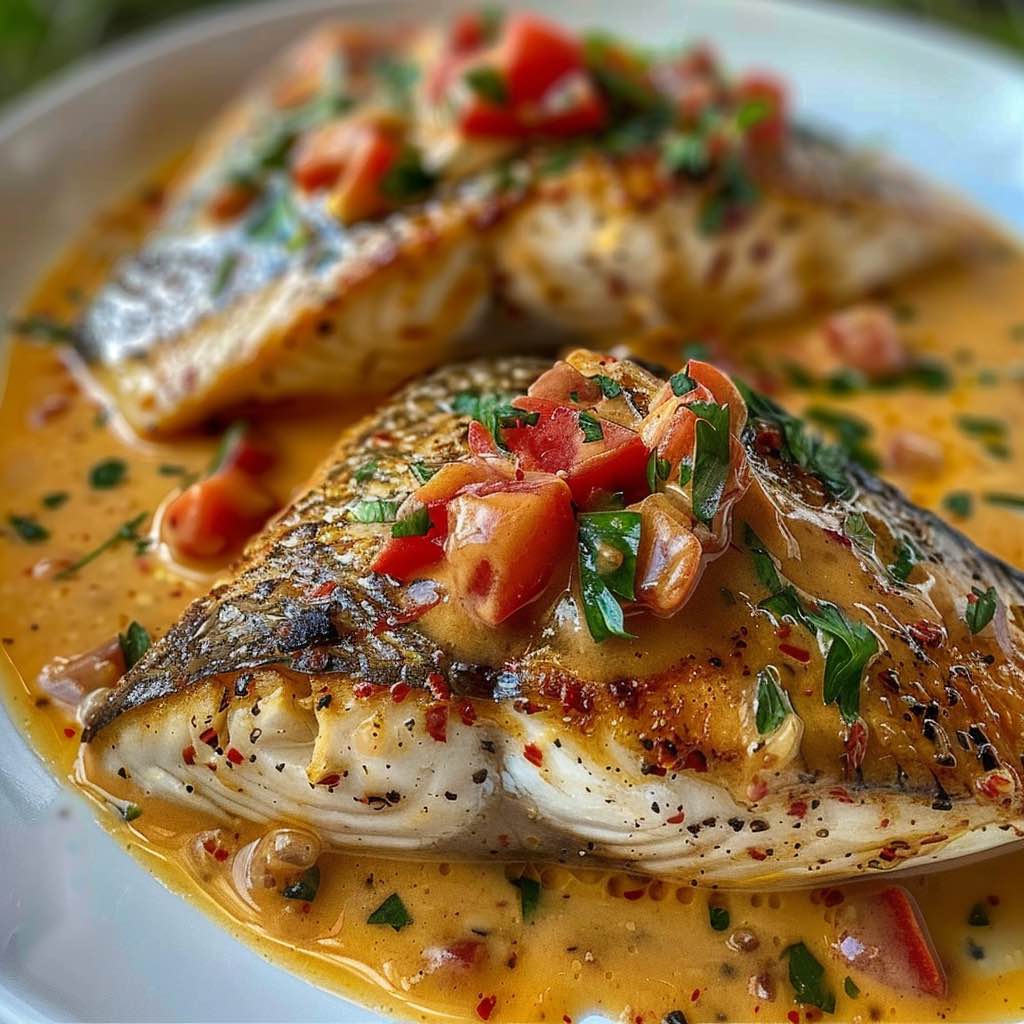
Red Snapper with Creamy Creole Sauce: A Perfect Southern Seafood Delight
Introduction
Red Snapper with Creamy Creole Sauce represents the pinnacle of Southern coastal cuisine. This dish combines the delicate, sweet flesh of red snapper with a rich, spiced cream sauce that embodies the bold flavors of Louisiana cooking. Moreover, this recipe delivers restaurant-quality results in your home kitchen.
The beauty of this dish lies in its perfect balance. The mild fish provides an excellent canvas for the robust Creole seasonings. Furthermore, the creamy sauce adds luxurious texture without overwhelming the seafood’s natural taste. Additionally, this recipe requires no special culinary training to master.
Southern cooks have perfected this combination over generations. The Creole tradition emphasizes fresh ingredients and bold spicing. Consequently, this dish showcases both elements beautifully. This comprehensive guide will walk you through every step of creating this magnificent meal.
What Makes Red Snapper Special
Red snapper stands among the most prized fish in Gulf waters. Its firm texture and sweet flavor make it ideal for various cooking methods. Additionally, red snapper holds up well to bold sauces like our Creole preparation.
Selecting Quality Red Snapper
Fresh red snapper should have clear, bright eyes and firm flesh. The skin should appear vibrant red with silver undertones. Moreover, fresh fish never smells “fishy” but rather like clean ocean water. When pressed gently, the flesh should spring back immediately.
Nutritional Profile
Red snapper provides excellent nutritional value. Each serving contains approximately:
-
High-quality protein: 22 grams per 100g serving
-
Omega-3 fatty acids for heart health
-
B vitamins, particularly B12 and niacin
-
Essential minerals including selenium and phosphorus
-
Low in saturated fat and calories
Sustainable Fishing Practices
Choose red snapper from sustainable sources whenever possible.
Understanding Creole Cuisine
Creole cuisine emerged from the unique cultural melting pot of Louisiana. French, Spanish, African, and Native American influences created this distinctive cooking style. Consequently, Creole dishes feature complex flavor profiles and sophisticated techniques.
Key Characteristics of Creole Cooking
Creole cuisine emphasizes fresh, local ingredients. The holy trinity of celery, onions, and bell peppers forms the foundation of many dishes. Additionally, Creole cooking incorporates tomatoes, which distinguishes it from Cajun cuisine.
The spice blend typically includes:
-
Paprika for color and mild heat
-
Cayenne pepper for intensity
-
Thyme for earthy notes
-
Oregano for Mediterranean influence
-
Garlic powder for depth
-
Onion powder for sweetness
Regional Variations
Different regions interpret Creole cuisine uniquely. New Orleans style tends toward richer, more complex sauces. Rural areas often feature simpler preparations that highlight individual ingredients. Our Red Snapper with Creamy Creole Sauce draws from both traditions.
Essential Ingredients
Creating exceptional Red Snapper with Creamy Creole Sauce requires quality ingredients. Each component plays a crucial role in the final dish’s success.
For the Red Snapper:
-
4 red snapper fillets (6-8 ounces each)
-
2 tablespoons olive oil
-
1 teaspoon Creole seasoning
-
1/2 teaspoon salt
-
1/4 teaspoon black pepper
-
2 tablespoons butter
For the Creamy Creole Sauce:
-
2 tablespoons butter
-
1 medium onion, finely diced
-
1 bell pepper, diced
-
2 celery stalks, diced
-
3 garlic cloves, minced
-
2 tablespoons all-purpose flour
-
1 cup seafood stock
-
1/2 cup heavy cream
-
1 can (14.5 oz) diced tomatoes, drained
-
2 teaspoons Creole seasoning
-
1/2 teaspoon paprika
-
1/4 teaspoon cayenne pepper
-
2 tablespoons fresh parsley, chopped
-
Salt and pepper to taste
Ingredient Quality Tips
Use the freshest ingredients possible for optimal results. Fresh herbs significantly outperform dried versions in this recipe. Similarly, freshly ground spices provide more vibrant flavors than pre-ground alternatives. Therefore, invest in quality ingredients for the best outcome.
Kitchen Equipment Needed
Proper equipment ensures cooking success. Fortunately, this recipe requires only basic kitchen tools:
Essential Equipment:
-
Large skillet or sauté pan
-
Medium saucepan
-
Sharp chef’s knife
-
Cutting board
-
Measuring cups and spoons
-
Whisk
-
Spatula
-
Instant-read thermometer
Optional but Helpful:
-
Cast-iron skillet for superior heat retention
-
Microplane grater for garlic
-
Fine-mesh strainer for smooth sauce
-
Warming plates for service
Step-by-Step Cooking Instructions
Preparing the Red Snapper
Begin by patting the red snapper fillets completely dry with paper towels. Moisture prevents proper searing and creates steaming instead. Next, season both sides generously with Creole seasoning, salt, and pepper. Allow the seasoning to penetrate for 15 minutes at room temperature.
Heat olive oil in a large skillet over medium-high heat. The oil should shimmer but not smoke. Carefully place the seasoned fillets in the pan, skin-side up if using skin-on fillets. Cook without moving for 4-5 minutes until a golden crust forms.
Flip the fillets gently using a thin spatula. Add butter to the pan and baste the fish with the foaming butter. Continue cooking for 3-4 minutes until the internal temperature reaches 145°F. Remove to a warm plate and cover loosely with foil.
Creating the Sauce Base
In the same skillet, melt butter over medium heat. Add the diced onion, bell pepper, and celery. This combination forms the classic Creole trinity. Sauté for 5-7 minutes until vegetables soften and become fragrant.
Add minced garlic and cook for another minute. Be careful not to burn the garlic, as it becomes bitter. Sprinkle flour over the vegetables and stir constantly for 2 minutes. This creates a light roux that will thicken the sauce.
Building the Creamy Creole Sauce
Gradually whisk in the seafood stock, ensuring no lumps form. The mixture should be smooth and begin to thicken. Next, add the drained diced tomatoes, Creole seasoning, paprika, and cayenne pepper. Simmer for 8-10 minutes until the sauce reduces slightly.
Slowly stir in the heavy cream, creating a beautiful, rich sauce. Reduce heat to low and simmer for 5 minutes more. Taste and adjust seasonings as needed. The sauce should have a nice balance of heat, creaminess, and acidity from the tomatoes.
Expert Tips for Success
Temperature Control
Maintaining proper temperature is crucial for perfectly cooked red snapper. Use an instant-read thermometer to ensure accuracy. Fish is done when it reaches 145°F internal temperature. Additionally, the flesh should flake easily with a fork.
Sauce Consistency
The ideal Creole sauce should coat the back of a spoon without being too thick. If the sauce becomes too thick, thin it with additional stock. Conversely, if it’s too thin, simmer longer to reduce and concentrate flavors.
Timing Coordination
Cook the red snapper just before serving for optimal texture. However, the Creole sauce can be prepared up to 2 hours in advance. Simply reheat gently before serving, adding a splash of cream if needed.
Seasoning Balance
Taste the sauce multiple times during cooking. Creole cuisine depends on proper seasoning balance. Start with less spice and build gradually. Remember, you can always add more heat, but you cannot remove it.
Nutritional Benefits
Red Snapper with Creamy Creole Sauce provides substantial nutritional value. This dish combines lean protein with beneficial fats and vegetables.
Protein Power
Each serving delivers approximately 35-40 grams of high-quality protein. Protein supports muscle maintenance and provides lasting satiety. Furthermore, fish protein contains all essential amino acids your body needs.
Heart-Healthy Omega-3s
Red snapper provides omega-3 fatty acids, though in smaller amounts than salmon or mackerel. These essential fats support cardiovascular health and brain function. Additionally, omega-3s help reduce inflammation throughout the body.
Vitamin and Mineral Content
This dish provides significant amounts of:
-
Vitamin B12 for nervous system function
-
Niacin for energy metabolism
-
Selenium for antioxidant protection
-
Phosphorus for bone health
-
Potassium for blood pressure regulation
Vegetable Nutrition
The Creole sauce incorporates the holy trinity vegetables, adding fiber, vitamins, and antioxidants. Bell peppers provide vitamin C, while onions offer quercetin, a powerful antioxidant. Celery contributes folate and vitamin K.
Serving Suggestions
Red Snapper with Creamy Creole Sauce pairs beautifully with various side dishes. The rich sauce complements simple preparations that don’t compete with the main dish.
Classic Accompaniments
-
Steamed white rice to absorb the delicious sauce
-
Creamy mashed potatoes for ultimate comfort
-
Buttered pasta for carbohydrate satisfaction
-
Grilled asparagus for fresh vegetable contrast
Southern-Style Sides
-
Dirty rice with additional Creole flavors
-
Cornbread for authentic Southern appeal
-
Collard greens for traditional pairing
-
Red beans and rice for complete meal
Light and Fresh Options
-
Simple green salad with vinaigrette
-
Steamed broccoli with lemon
-
Roasted Brussels sprouts
-
Quinoa pilaf for modern twist
Presentation Tips
Serve immediately while the fish is hot and the sauce is creamy. Warm the serving plates for professional presentation. Garnish with additional fresh parsley and a light dusting of paprika for color contrast.
Storage and Reheating
Proper storage maintains food safety and quality. Red Snapper with Creamy Creole Sauce stores well when handled correctly.
Refrigerator Storage
Cool the dish to room temperature before refrigerating. Store in airtight containers for up to 3 days. Separate the fish from the sauce if possible to maintain optimal texture.
Reheating Instructions
Reheat gently to prevent overcooking the delicate fish. Use low heat in a covered skillet with a splash of cream or stock. Alternatively, reheat in a 300°F oven for 10-15 minutes until warmed through.
The sauce reheats well in a saucepan over low heat. Stir frequently and add liquid if needed to restore consistency. Never microwave the fish, as it becomes rubbery and dry.
Freezing Considerations
While possible, freezing is not recommended for this dish. The cream sauce may separate upon thawing, and the fish texture deteriorates. Fresh preparation yields the best results.
Recipe Variations
This versatile recipe adapts well to different preferences and dietary needs. Several variations maintain the dish’s essential character while offering new experiences.
Different Fish Options
-
Grouper for similar texture and flavor
-
Mahi-mahi for slightly firmer bite
-
Halibut for delicate, sweet taste
-
Cod for budget-friendly alternative
Spice Level Adjustments
Customize heat levels to personal preference:
-
Mild: Reduce cayenne to 1/8 teaspoon
-
Medium: Use recipe as written
-
Hot: Add extra cayenne and diced jalapeños
-
Extra Hot: Incorporate hot sauce or habanero peppers
Dietary Modifications
Dairy-Free Version
Replace heavy cream with coconut cream for richness without dairy. Use olive oil instead of butter. The result maintains creaminess while accommodating dairy restrictions.
Lower-Fat Option
Substitute half-and-half for heavy cream and reduce butter quantities. The sauce remains flavorful while reducing overall calories and fat content.
Gluten-Free Adaptation
Use rice flour or cornstarch instead of all-purpose flour for thickening. This modification maintains sauce consistency while accommodating gluten sensitivities.
Troubleshooting Common Issues
Even experienced cooks encounter challenges. Understanding common problems helps ensure consistent success with Red Snapper with Creamy Creole Sauce.
Fish Overcooking
Problem: Dry, flaky fish texture
Solution: Monitor internal temperature carefully. Remove fish at 145°F as it continues cooking from residual heat.
Sauce Too Thick
Problem: Paste-like consistency
Solution: Gradually whisk in warm stock or cream until desired consistency returns.
Sauce Too Thin
Problem: Watery sauce that won’t coat fish
Solution: Simmer uncovered to reduce and concentrate. Alternatively, mix cornstarch with cold stock and whisk in.
Burnt Garlic
Problem: Bitter flavor from overcooked garlic
Solution: Start over with fresh garlic. Cook only until fragrant, about 30 seconds.
Separated Cream Sauce
Problem: Curdled appearance from overheating
Solution: Remove from heat immediately. Whisk in cold cream gradually while off heat.
Underseasoned Dish
Problem: Bland flavor despite following recipe
Solution: Taste and adjust salt first, then spices. Remember that cream dulls flavors, so be generous with seasoning.
Frequently Asked Questions
How do I know when red snapper is properly cooked?
Red snapper is properly cooked when it reaches an internal temperature of 145°F. Additionally, the flesh should flake easily with a fork and appear opaque throughout. Properly cooked fish never looks translucent or raw in the center.
Can I make Red Snapper with Creamy Creole Sauce ahead of time?
You can prepare the Creole sauce up to 2 hours in advance. However, cook the red snapper just before serving to maintain optimal texture. Fish quality deteriorates quickly when held warm for extended periods.
What’s the difference between Creole and Cajun seasoning?
Creole seasoning typically includes more herbs and sometimes tomato-based ingredients. Cajun seasoning focuses more on heat and tends to be spicier. Both work well in this recipe, though they provide slightly different flavor profiles.
Can I use frozen red snapper fillets?
Yes, but thaw them completely and pat dry thoroughly before cooking. Frozen fish often retains more moisture, which can prevent proper browning. Allow extra time for moisture to evaporate during cooking.
How spicy is this dish?
As written, this Red Snapper with Creamy Creole Sauce has mild to moderate heat. The cream mellows the spices considerably. Adjust cayenne pepper quantities to suit your heat preference.
What wine substitute can I use for depth of flavor?
Since this recipe avoids all forms of culinary beverages, use additional seafood stock or vegetable broth for depth. Lemon juice adds acidity that brightens the overall flavor profile.
Can I use other types of cream?
Heavy cream provides the richest, most stable sauce. Half-and-half works but may be less rich. Avoid light cream or milk, as they may curdle when simmered with acidic tomatoes.
Conclusion
Red Snapper with Creamy Creole Sauce represents the best of Southern coastal cuisine. This dish combines technical skill with bold flavors to create a memorable dining experience. Furthermore, the recipe’s flexibility accommodates various skill levels and dietary preferences.
The key to success lies in using quality ingredients and maintaining proper cooking temperatures. Fresh red snapper paired with a well-balanced Creole sauce creates harmony on the plate. Additionally, careful attention to timing ensures both components reach the table at peak quality.
This comprehensive guide provides all the information needed to master this classic dish. From ingredient selection to troubleshooting, every aspect has been covered thoroughly. Moreover, the various adaptations allow for personalization while maintaining the recipe’s essential character.
Practice builds confidence with this Red Snapper with Creamy Creole Sauce recipe. Each attempt improves technique and deepens understanding of Creole cooking principles. Soon, this dish will become a cherished addition to your culinary repertoire.
Ready to create this Southern masterpiece? Gather your ingredients, heat your skillet, and embark on a delicious journey into Creole cuisine. Your family and friends will be amazed by your culinary skills and the incredible flavors you’ve created.

Red Snapper with Creamy Creole Sauce
Description
Red Snapper with Creamy Creole Sauce
Ingredients
For the Red Snapper
-
2 red snapper fillets
-
2 tablespoons olive oil
-
1 tablespoon butter
-
Salt to taste
-
1 teaspoon black pepper
-
1 tablespoon Creole seasoning
-
1 teaspoon smoked paprika
For the Creamy Creole Sauce
-
½ cup heavy cream
-
⅓ cup chicken broth (or seafood broth)
-
1 tablespoon tomato paste
-
¼ cup chopped bell peppers
-
¼ cup diced onions
-
¼ cup diced tomatoes (optional)
-
2 tablespoons chopped fresh parsley
-
Pinch of cayenne pepper
-
1 teaspoon Creole seasoning
Instructions
-
Prepare the fish: Mix salt, pepper, Creole seasoning, and smoked paprika together. Rinse red snapper fillets and pat dry. Coat both sides of the fillets evenly with the seasoning mix.
-
Cook the fish: Heat olive oil in a sauté pan over medium-high heat. Add the fillets and sear for about 3 minutes per side until golden brown. Transfer fillets to a baking pan and finish cooking in a 350°F oven for about 15 minutes or until fish flakes easily.
-
Make the creamy Creole sauce: In the same sauté pan, add butter. Sauté onions, bell peppers, and optional tomatoes for about 5 minutes until softened. Stir in tomato paste and heavy cream, stirring constantly until combined. If sauce is too thick, add a splash of broth to loosen.
-
Finish sauce: Add Creole seasoning and cayenne pepper. Simmer on low for 5 minutes.
-
Serve: Spoon the creamy Creole sauce over cooked red snapper fillets. Garnish with fresh parsley.
This dish pairs wonderfully with sides like dirty rice, collard greens, or roasted sweet potatoes to bring out full Louisiana flavors.