
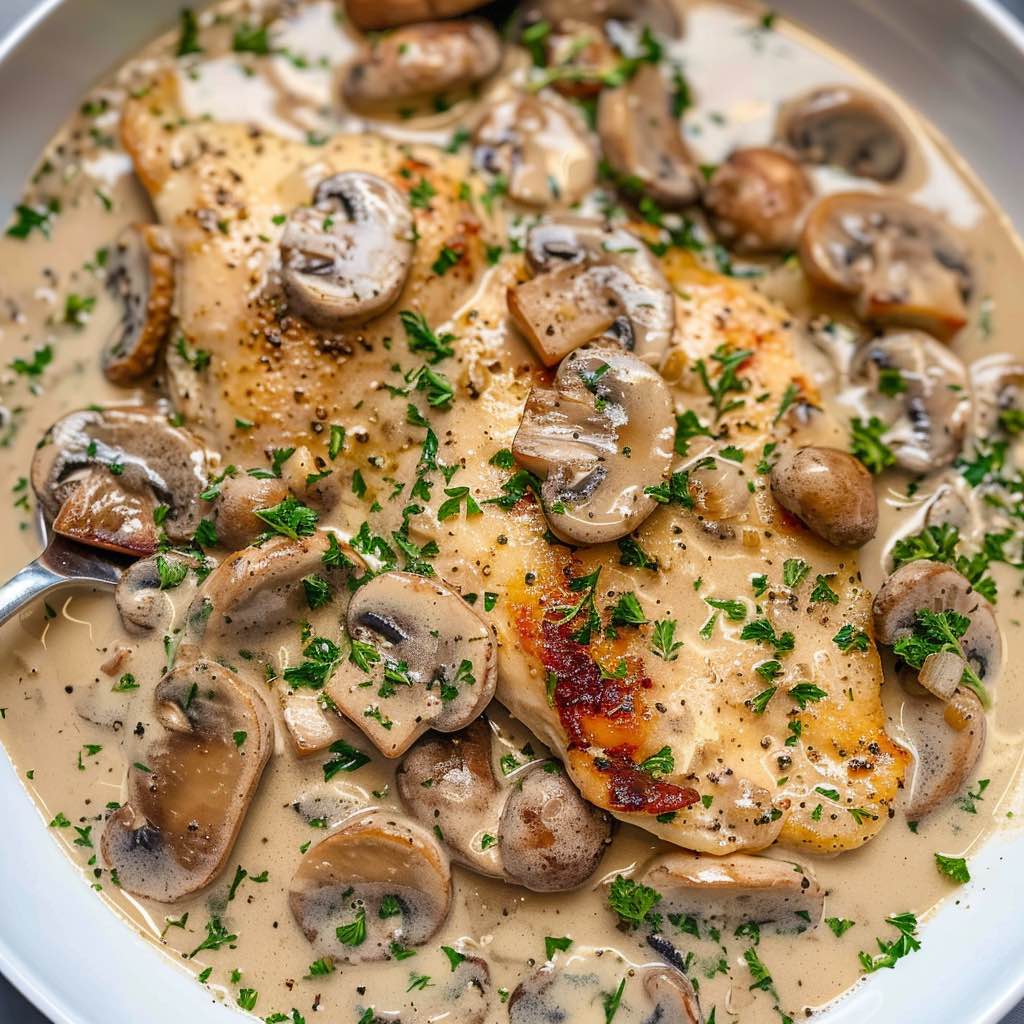
Creamy Tarragon Chicken with Mushrooms
Introduction
Creamy tarragon chicken with mushrooms transforms ordinary weeknight dinners into restaurant-quality experiences. This sophisticated dish combines tender chicken breasts with earthy mushrooms and aromatic tarragon in a luscious cream sauce. The result is a meal that tastes like it came from a French bistro, yet requires minimal effort in your own kitchen.
The beauty of this recipe lies in its simplicity. Fresh tarragon brings an elegant, slightly anise-like flavor that perfectly complements the richness of cream and the umami depth of mushrooms. Whether you’re cooking for a special occasion or simply want to elevate your midweek menu, this creamy tarragon chicken delivers impressive results every time.
Best of all, this recipe comes together in under 45 minutes. The one-pan cooking method means less cleanup and more time enjoying your delicious creation. Let’s explore how to make this showstopping dish that will have everyone asking for seconds.
What Makes Creamy Tarragon Chicken with Mushrooms Special
This dish stands out for several compelling reasons. The combination of ingredients creates a harmonious blend that delights the palate.
Tarragon is the star herb here. Its distinctive flavor profile adds sophistication without overwhelming the dish. Unlike more common herbs, tarragon brings a subtle complexity that makes this chicken recipe memorable. The herb pairs exceptionally well with cream-based sauces, creating depth and elegance.
Mushrooms contribute essential earthiness and texture. They absorb the flavors of the sauce while adding their own savory notes. The combination of chicken, mushrooms, and cream creates a classic pairing that has satisfied diners for generations.
The creamy sauce binds everything together beautifully. It’s rich without being heavy, coating each piece of chicken and mushroom perfectly. The sauce develops naturally from the pan drippings, capturing all the caramelized flavors from cooking the chicken.
This recipe also offers excellent versatility. You can easily adjust it to suit different preferences or dietary needs. The basic technique remains the same, allowing for creative variations while maintaining the dish’s essential character.
Essential Ingredients for Success
Main Components
Chicken Breasts: Four boneless, skinless chicken breasts (about 6-8 ounces each) form the protein base. Choose breasts of similar size for even cooking. If they’re particularly thick, consider butterflying them to ensure consistent doneness.
Fresh Tarragon: Two tablespoons of fresh tarragon leaves, chopped, provide the signature flavor. Fresh tarragon is essential here. Dried tarragon works in a pinch but use only one teaspoon as it’s more concentrated.
Mushrooms: Twelve ounces of mushrooms bring earthy richness. Cremini mushrooms offer excellent flavor, but white button mushrooms work well too. Slice them evenly, about quarter-inch thick, for consistent cooking.
The Creamy Sauce Base
Heavy Cream: One and a half cups of heavy cream create the luxurious sauce. The cream should be at room temperature to prevent curdling. This ingredient cannot be substituted with milk without significantly altering the texture and richness.
Chicken Broth: One cup of low-sodium chicken broth adds depth without making the sauce too heavy. Choose a quality broth for better flavor. You can also use vegetable broth if preferred.
Garlic: Four cloves of fresh garlic, minced, provide aromatic foundation. Fresh garlic is always better than pre-minced varieties, which often lack the same punch and can taste slightly metallic.
Supporting Ingredients
Butter and Olive Oil: Two tablespoons each create the perfect cooking medium. The combination prevents burning while adding rich flavor. The butter contributes a silky texture to the final sauce.
Shallots: Two medium shallots, finely diced, add sweet, delicate onion flavor. Shallots are milder than regular onions and complement the tarragon beautifully. If unavailable, substitute with half a medium yellow onion.
Dijon Mustard: Two tablespoons add tangy depth. The mustard balances the cream’s richness and enhances the overall flavor profile. Use smooth Dijon rather than whole-grain for seamless integration.
Seasonings: Salt and freshly ground black pepper to taste. Start conservatively since you can always add more. Consider using fine sea salt for better distribution.
Fresh Lemon Juice: One tablespoon brightens the finished sauce. Add this at the very end to preserve its fresh, acidic quality.
Equipment You’ll Need
Having the right tools makes cooking this creamy tarragon chicken significantly easier.
A large skillet is essential. Choose one that’s at least 12 inches in diameter with high sides. Stainless steel or cast iron works best for developing fond, the flavorful brown bits that add depth to the sauce. Non-stick pans don’t create the same caramelization.
You’ll need a meat mallet or rolling pin for pounding chicken breasts to even thickness. This step ensures uniform cooking and prevents dry, overcooked edges with raw centers.
Keep tongs or a spatula handy for flipping chicken. Tongs provide better control and prevent piercing the meat, which releases valuable juices.
A sharp chef’s knife makes quick work of slicing mushrooms and chopping herbs. Dull knives crush rather than cut, releasing excess moisture from mushrooms.
Measuring cups and spoons ensure accuracy. While experienced cooks can eyeball amounts, precise measurements help achieve consistent results, especially with the sauce.
Have a plate ready for resting cooked chicken. This keeps your workspace organized and allows the meat to redistribute its juices before serving.
Step-by-Step Cooking Instructions
Preparing the Chicken
Start by patting the chicken breasts dry with paper towels. Moisture on the surface prevents proper browning. Place each breast between two sheets of plastic wrap or parchment paper.
Use a meat mallet to gently pound the chicken to even thickness, about three-quarters of an inch throughout. Focus on the thicker end, working from the center outward. Even thickness ensures the chicken cooks uniformly without dry spots.
Season both sides generously with salt and black pepper. Press the seasonings gently into the meat so they adhere properly. This creates flavor throughout the chicken, not just on the surface.
Let the seasoned chicken rest at room temperature for 10-15 minutes while preparing other ingredients. This allows for more even cooking and better browning.
Cooking the Chicken
Heat one tablespoon each of butter and olive oil in your large skillet over medium-high heat. Wait until the butter melts completely and the foam subsides. The pan should be hot but not smoking.
Carefully add the chicken breasts, ensuring they don’t overlap. You may need to work in batches depending on your pan size. Overcrowding reduces temperature and causes steaming instead of searing.
Cook without moving for 6-7 minutes. Resist the urge to flip early. Properly seared chicken releases naturally from the pan when ready. You should see golden-brown color developing around the edges.
Flip the chicken and cook the second side for another 5-6 minutes. The internal temperature should reach 165°F when checked with an instant-read thermometer inserted into the thickest part.
Transfer cooked chicken to a clean plate and tent loosely with foil. The residual heat continues cooking while the meat rests, allowing juices to redistribute throughout.
Creating the Sauce
Reduce heat to medium and add the remaining butter to the same skillet. Don’t clean the pan. Those browned bits stuck to the bottom contain concentrated flavor that will enhance your sauce.
Add diced shallots once the butter melts. Sauté for 2-3 minutes, stirring frequently, until they become translucent and fragrant. The shallots should soften but not brown significantly.
Toss in sliced mushrooms and minced garlic. Season lightly with salt and pepper. Cook for 5-7 minutes, stirring occasionally, until mushrooms release their moisture and begin browning. The mushrooms will shrink considerably as they cook.
Stir in the Dijon mustard, coating the mushrooms evenly. Cook for 30 seconds to mellow the mustard’s sharpness and incorporate it into the mixture.
Pour in the chicken broth, using a wooden spoon to scrape up all those flavorful browned bits from the pan bottom. This process, called deglazing, captures essential flavor. Let the broth simmer for 3-4 minutes to reduce slightly.
Add the heavy cream and most of the chopped tarragon, reserving a tablespoon for garnish. Stir well to combine everything into a cohesive sauce. Reduce heat to medium-low and let the sauce simmer gently for 5-7 minutes. It should thicken enough to coat the back of a spoon.
Finishing the Dish
Return the chicken breasts and any accumulated juices to the skillet. Spoon sauce over each piece to coat thoroughly. The chicken will finish cooking and absorb sauce flavors.
Simmer everything together for 3-4 minutes, turning chicken once halfway through. This final step ensures the chicken is perfectly cooked and well-flavored.
Remove from heat and stir in the fresh lemon juice. Taste the sauce and adjust seasoning with additional salt and pepper if needed. The lemon brightens the rich sauce and balances the cream.
Garnish with reserved fresh tarragon just before serving. The fresh herbs add visual appeal and a final burst of aromatic flavor.
Pro Tips for Perfect Results
Achieving Golden-Brown Chicken
Pat chicken completely dry before cooking. Excess moisture creates steam instead of the desirable sear. Use fresh paper towels and press firmly to remove all surface moisture.
Don’t move the chicken once placed in the pan. Let it cook undisturbed to develop proper crust. The meat will naturally release when ready to flip.
Ensure your pan is properly heated before adding chicken. Test by sprinkling a few drops of water in the skillet. They should sizzle and evaporate immediately.
Perfecting the Sauce Consistency
If your sauce seems too thin, let it simmer longer to reduce and thicken naturally. The cream will concentrate as moisture evaporates, creating a coating consistency.
For a thicker sauce, mix one tablespoon of cornstarch with two tablespoons of cold broth. Whisk this slurry into the simmering sauce and cook for one minute until thickened.
If the sauce becomes too thick, thin it with additional chicken broth, one tablespoon at a time. Stir well after each addition until you reach desired consistency.
Maximizing Flavor
Use fresh tarragon whenever possible. The dried version lacks the vibrant, complex flavor that makes this dish special. Fresh herbs should be bright green and aromatic.
Don’t skip deglazing the pan. Those browned bits contain concentrated flavor that transforms a good sauce into an exceptional one.
Taste before serving and adjust seasonings. Cream dulls flavors, so you may need more salt than expected. Add conservatively and taste between additions.
Let chicken rest before slicing. This allows juices to redistribute throughout the meat, ensuring every bite is moist and flavorful.
Time-Saving Strategies
Prepare ingredients before starting to cook. Have everything measured, chopped, and ready. This French cooking technique called mise en place makes the cooking process smooth and stress-free.
Pound chicken breasts in advance. You can do this step several hours ahead, keeping prepared chicken covered in the refrigerator until cooking time.
Use pre-sliced mushrooms to save prep time. While slicing your own is ideal, quality pre-sliced varieties work well when you’re short on time.
Nutritional Information
One serving of creamy tarragon chicken with mushrooms (based on four servings) provides approximately 520 calories. This includes 42 grams of protein, making it an excellent protein-rich meal option.
The dish contains about 35 grams of fat, primarily from the heavy cream and cooking fats. While this seems high, remember that fat provides satiety and helps absorb fat-soluble vitamins.
Carbohydrate content remains relatively low at around 8 grams per serving. Most carbs come from the mushrooms and shallots, with minimal contribution from the cream and broth.
Each serving offers significant nutritional benefits. Chicken provides essential B vitamins, particularly niacin and B6. Mushrooms contribute vitamin D, selenium, and potassium. Tarragon adds antioxidants and has been traditionally used for digestive support.
This recipe fits well into various eating plans. Those following low-carb or ketogenic diets appreciate the high protein and fat content with minimal carbs. The dish can be modified for different dietary needs while maintaining its essential character.
Consider this nutritional profile when planning your meal. Pair the rich chicken with lighter side dishes like steamed vegetables or a crisp salad to create nutritional balance.
Serving Suggestions and Side Dishes
Perfect Pairings
Mashed Potatoes: Classic creamy mashed potatoes soak up the luxurious tarragon sauce beautifully. The neutral potato flavor lets the chicken and sauce shine while providing comforting heartiness.
Rice Pilaf: Fluffy rice pilaf offers an elegant alternative. The individual grains catch bits of sauce, and the mild flavor complements rather than competes with the dish.
Egg Noodles: Wide egg noodles create a satisfying base. Their tender texture and mild taste make them ideal for sauce-heavy dishes like this one.
Roasted Vegetables: Colorful roasted vegetables add nutritional balance. Try Brussels sprouts, carrots, or green beans roasted with olive oil and herbs. The vegetables’ caramelized edges provide textural contrast.
Fresh Green Salad: A crisp salad with light vinaigrette balances the rich, creamy chicken. Mixed greens with cucumber, tomatoes, and a lemon vinaigrette cleanse the palate between bites.
Bread Options
Crusty French bread is perfect for mopping up extra sauce. Warm the bread slightly and brush with olive oil for extra appeal.
Garlic bread adds complementary flavor without overwhelming the tarragon. Keep the garlic subtle so it doesn’t clash with the dish’s delicate herb profile.
Dinner rolls work well for casual family meals. Their soft texture and mild flavor make them universally appealing.
Vegetable Sides
Steamed asparagus with lemon enhances the meal’s elegance. The asparagus’s slight bitterness balances the cream’s richness.
Sautéed green beans with almonds add crunch and freshness. The nuts provide textural interest while the beans offer a clean, bright flavor.
Glazed carrots bring natural sweetness. Their vibrant color creates visual appeal alongside the creamy chicken.
Check out our guide on [perfect side dishes for chicken] for more pairing ideas.
Storage and Reheating Guidelines
Proper Storage
Cool the creamy tarragon chicken completely before refrigerating. Leaving hot food at room temperature invites bacterial growth. Let it stand no longer than two hours before storing.
Transfer cooled chicken and sauce to airtight containers. Glass containers work best as they don’t absorb odors or stains. Separate containers for chicken and sauce help maintain optimal texture.
Store properly sealed containers in the refrigerator for up to three days. Mark the container with the preparation date to track freshness. The cream-based sauce remains safe and tasty within this timeframe.
For longer storage, freeze the chicken and sauce for up to two months. Use freezer-safe containers or heavy-duty freezer bags. Remove as much air as possible to prevent freezer burn.
Note that cream sauces sometimes separate slightly when frozen and thawed. This is normal and doesn’t indicate spoilage. Gentle reheating with stirring usually recombines the sauce successfully.
Reheating Methods
Stovetop Method: This produces the best results. Place chicken and sauce in a skillet over medium-low heat. Add a splash of chicken broth if the sauce seems thick. Heat gently, stirring occasionally, until warmed through. This takes about 8-10 minutes.
Oven Method: Preheat oven to 350°F. Place chicken in an oven-safe dish and cover with sauce. Cover the dish with foil to prevent drying. Heat for 20-25 minutes until the internal temperature reaches 165°F.
Microwave Method: While not ideal, microwaving works for quick reheating. Place chicken in a microwave-safe dish with sauce. Cover loosely to prevent splattering. Heat in 1-minute intervals at 70% power, stirring sauce between intervals. This prevents hot spots and uneven heating.
Maintaining Quality
Add fresh tarragon after reheating rather than before storage. Fresh herbs lose vibrancy during storage and reheating. A sprinkle of freshly chopped tarragon revives the dish’s aromatic character.
Avoid reheating multiple times. Each heating cycle degrades texture and flavor while increasing food safety risks. Only reheat the portion you plan to eat immediately.
Stir the sauce well during reheating. This redistributes separated fats and ensures even temperature throughout. The sauce should look smooth and cohesive when properly reheated.
Common Mistakes to Avoid
Overcooking the Chicken
Dry, tough chicken ruins this dish. Use an instant-read thermometer to check for doneness. Remove chicken from heat at 165°F. Carryover cooking continues raising the temperature even after removal from heat.
Pounding chicken to even thickness prevents some parts from overcooking while others remain underdone. This simple step significantly improves results.
Don’t cook chicken on excessively high heat. Medium-high allows proper browning without burning the exterior before the interior cooks through.
Sauce Problems
Adding cold cream to a hot pan can cause curdling. Let cream sit at room temperature for 30 minutes before using. This simple step prevents temperature shock.
Boiling cream sauce aggressively can cause separation. Keep the sauce at a gentle simmer. You should see small bubbles around the edges but not a rolling boil.
Insufficient seasoning makes the sauce bland. Cream mutes flavors, so season more boldly than you might expect. Always taste before serving and adjust accordingly.
Herb Issues
Using dried tarragon instead of fresh dramatically changes the dish. Dried herbs lack the bright, complex flavor that defines this recipe. If you must substitute, use far less as dried herbs are more concentrated.
Adding tarragon too early causes it to lose flavor and turn brown. Add most of the tarragon near the end of cooking and reserve some for fresh garnish.
Roughly chopped tarragon creates unpleasant texture. Chop the herb finely so it distributes evenly throughout the sauce without creating stringy bits.
Pan Selection Errors
Using a non-stick pan prevents the fond development essential for flavorful sauce. Those browned bits need to form and stick slightly for proper deglazing.
Overcrowding the pan with chicken pieces lowers temperature and causes steaming instead of searing. Work in batches if necessary to maintain proper cooking temperature.
Choosing a pan that’s too small makes everything difficult. Chicken pieces should fit without touching, and you need room to stir the sauce ingredients comfortably.
Recipe Variations
Protein Alternatives
Chicken Thighs: Substitute boneless, skinless chicken thighs for a richer, more forgiving option. Thighs remain moist even with slight overcooking. Adjust cooking time to 7-8 minutes per side.
Pork Tenderloin: Sliced pork medallions work beautifully with this sauce. Pound them slightly and cook as you would chicken breasts. The mild pork flavor complements tarragon wonderfully.
Turkey Cutlets: Thin turkey breast cutlets cook quickly and absorb sauce flavors well. Reduce cooking time to 4-5 minutes per side since they’re thinner than chicken breasts.
Mushroom Variations
Experiment with different mushroom varieties for unique flavor profiles. Shiitake mushrooms add deep, earthy notes. Remove tough stems before slicing.
Oyster mushrooms bring delicate, slightly sweet flavor. Their tender texture works well in cream sauces.
Portobello mushrooms offer meaty texture and robust flavor. Slice them thicker to maintain texture through cooking.
Mix several mushroom types for complexity. Combining cremini, shiitake, and oyster mushrooms creates layers of flavor that elevate the dish.
Lighter Versions
Replace heavy cream with half-and-half for fewer calories. The sauce will be thinner but still delicious. You may need to reduce it longer or add a cornstarch slurry for thickness.
Use Greek yogurt for part of the cream. Stir it in at the very end after removing from heat to prevent curdling. This adds tanginess and protein while reducing fat.
Increase mushrooms and add other vegetables like spinach or peas. More vegetables boost nutrition and add color without significantly changing the dish’s character.
Herb Combinations
Combine tarragon with fresh thyme for additional complexity. Use two tablespoons tarragon and one teaspoon thyme leaves.
Add fresh parsley along with tarragon for brightness. Use equal parts of each herb, reserving some parsley for garnish.
Include fresh chives for mild onion flavor. Chives complement tarragon without overwhelming its distinctive taste.
Frequently Asked Questions
Can I make creamy tarragon chicken with mushrooms ahead of time?
Yes, you can prepare this dish in advance with slight modifications. Cook the chicken and sauce as directed, but slightly undercook the chicken by removing it when it reaches 160°F instead of 165°F. Cool everything quickly and refrigerate separately. When ready to serve, reheat gently on the stovetop, bringing the chicken to 165°F. This prevents overcooking during reheating.
What can I substitute for fresh tarragon?
Fresh tarragon is really irreplaceable in this recipe since it provides the signature flavor. However, if absolutely necessary, use one teaspoon of dried tarragon instead of two tablespoons fresh. Alternatively, try fresh basil or dill as completely different but still delicious alternatives. The dish will taste different but remain enjoyable.
How do I prevent the cream sauce from curdling?
Several steps prevent curdling. First, bring cream to room temperature before adding it to the pan. Second, reduce heat to medium-low once you add the cream. Third, avoid boiling the sauce vigorously. Gentle simmering maintains smooth texture. Finally, add any acidic ingredients like lemon juice at the very end after removing from heat.
Can I use chicken thighs instead of breasts?
Absolutely. Boneless, skinless chicken thighs work excellently in this recipe. They’re more forgiving if slightly overcooked and offer richer flavor. Increase cooking time by 1-2 minutes per side since thighs are slightly thicker and denser than breasts. The final dish will be even more succulent.
Is this recipe suitable for meal prep?
Yes, with considerations. The chicken and sauce store well for up to three days refrigerated. However, the texture is best when freshly made. For meal prep, slightly undercook the chicken initially and store sauce separately. Combine and reheat gently when ready to eat. Add fresh tarragon at serving time for best flavor.
What sides pair best with creamy tarragon chicken?
Light, fresh sides balance the rich sauce beautifully. Consider mashed potatoes, rice pilaf, or egg noodles to soak up the sauce. Add steamed or roasted vegetables like asparagus, green beans, or Brussels sprouts. A crisp green salad with lemon vinaigrette provides refreshing contrast. The key is balancing richness with lighter elements.
Can I freeze this dish?
Yes, though the texture may change slightly. Freeze the chicken and sauce together in airtight, freezer-safe containers for up to two months. Thaw overnight in the refrigerator before reheating. The sauce might separate slightly when thawed, but gentle reheating with stirring usually resolves this. Add fresh herbs after reheating for best results.
How do I know when the chicken is perfectly cooked?
Use an instant-read thermometer inserted into the thickest part of the breast. It should read 165°F. The chicken should feel firm but springy when pressed, not hard or mushy. Juices should run clear, not pink. Visual cues include opaque flesh throughout with no translucent areas. Remember that chicken continues cooking slightly after removal from heat.
Conclusion
Creamy tarragon chicken with mushrooms delivers restaurant-quality results in your home kitchen. This elegant dish combines tender chicken, earthy mushrooms, and fragrant tarragon in a luxurious cream sauce that impresses every time.
The recipe’s beauty lies in its accessibility. Despite its sophisticated appearance and complex flavors, the cooking process remains straightforward. You need only basic techniques and readily available ingredients to create something truly special.
This versatile dish adapts easily to different preferences and occasions. Serve it for weeknight family dinners or special celebrations. Pair it with simple sides or elaborate accompaniments. The core recipe remains delicious while accommodating your specific needs.
The combination of protein-rich chicken, nutrient-dense mushrooms, and aromatic herbs creates a satisfying, well-balanced meal. When paired with appropriate sides, it delivers both nutrition and indulgence.
Ready to bring French-inspired elegance to your dinner table? Try this creamy tarragon chicken with mushrooms tonight and experience how simple ingredients transform into something extraordinary. Your family will request this dish again and again, making it a treasured addition to your recipe collection.
Creamy Tarragon Chicken with Mushrooms
Description
Creamy Tarragon Chicken with Mushrooms
Ingredients
For the Chicken:
-
4 boneless, skinless chicken breasts
-
1/2 tablespoon plain flour
-
Salt and freshly ground black pepper to taste
-
2 tablespoons butter
-
1 tablespoon olive oil
For the Sauce:
-
2 shallots, finely diced (or 1 small onion)
-
3-4 garlic cloves, minced
-
8-10 ounces mushrooms, sliced (cremini, button, or shiitake)
-
3/4 cup chicken stock
-
1 cup heavy cream
-
2 teaspoons Dijon mustard
-
2 tablespoons fresh tarragon, finely chopped
-
Additional fresh tarragon for garnish
Instructions
Prepare the Chicken:
-
Season chicken breasts with salt and pepper, then lightly dust with flour on both sides
-
If chicken breasts are thick, butterfly them for even cooking
-
Heat butter and olive oil in a large skillet over medium heat
-
Brown chicken for 2-3 minutes per side until golden but not fully cooked through
-
Remove chicken and set aside
Make the Sauce:
-
Add shallots to the same pan with a bit more butter if needed
-
Sauté over low heat until softened, about 3-4 minutes
-
Add minced garlic and cook for 30 seconds until fragrant
-
Add sliced mushrooms and cook for about 5 minutes until softened
-
Stir in Dijon mustard and chopped tarragon
-
Pour in chicken stock and bring to a simmer
Finish the Dish:
-
Return chicken to the pan, cover and cook for 15-20 minutes until chicken is cooked through
-
Stir in heavy cream and cook until warmed through and slightly thickened
-
Taste and adjust seasoning with salt and pepper
-
Garnish with fresh tarragon before serving
This elegant French-inspired dish combines tender chicken with earthy mushrooms in a rich, aromatic cream sauce. The distinctive anise-like flavor of fresh tarragon pairs beautifully with the mushrooms and creates a sophisticated sauce that’s perfect for both weeknight dinners and special occasions. Serve over rice, mashed potatoes, or pasta to soak up the delicious creamy sauce.