
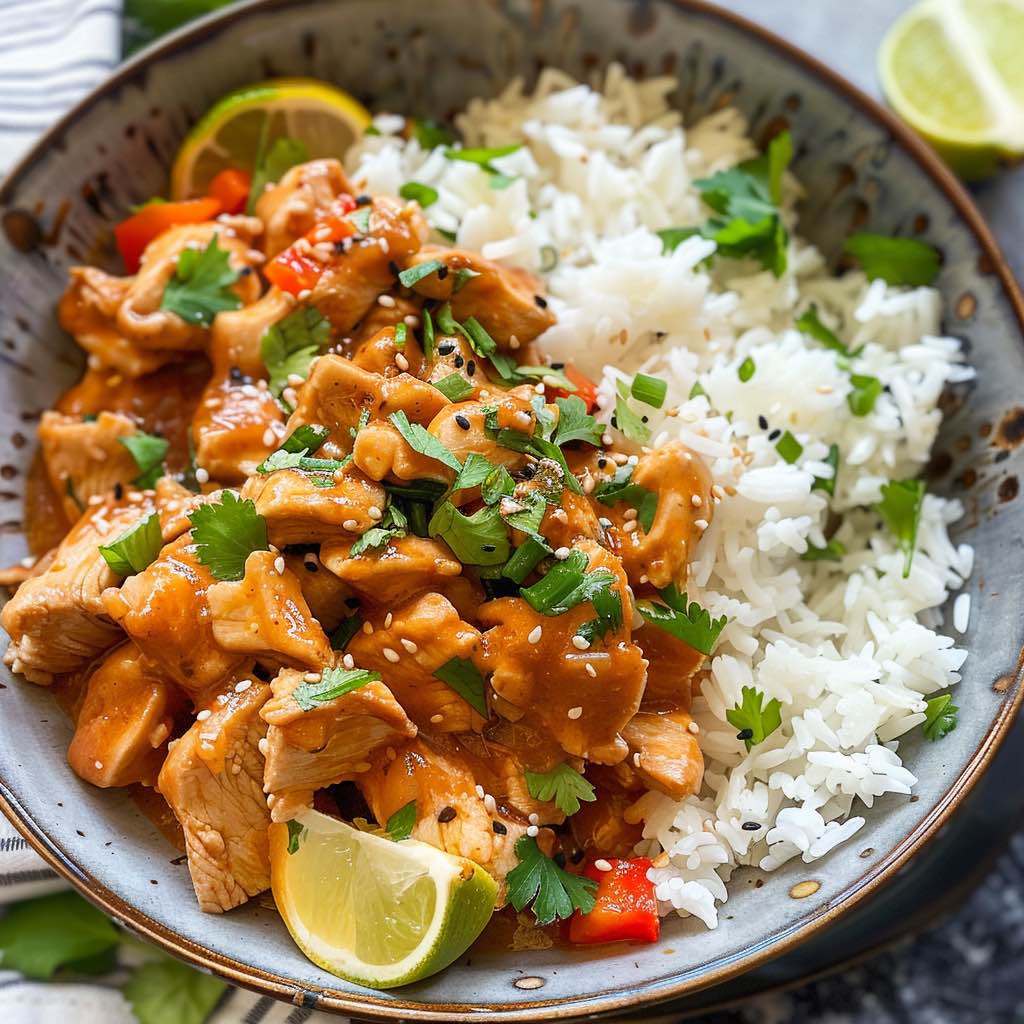
Coconut Chicken Rice Bowl: A Complete Guide to This Tropical Comfort Dish
Introduction
Coconut Chicken Rice Bowl combines tropical flavors with satisfying comfort food in one delicious dish. This complete meal features tender, seasoned chicken served over fragrant coconut-infused rice with colorful vegetables and bold seasonings. Moreover, it’s incredibly versatile and easy to customize based on your preferences.
This dish has become increasingly popular in recent years. Consequently, home cooks everywhere are discovering how simple it is to create restaurant-quality bowls at home. The combination of creamy coconut, savory chicken, and fresh toppings creates a balanced meal that satisfies both your taste buds and nutritional needs.
Furthermore, this recipe is perfect for meal prep. You can prepare components ahead of time and assemble fresh bowls throughout the week. Therefore, busy families and working professionals find this dish especially convenient.
What Makes Coconut Chicken Rice Bowl Special
The Flavor Profile
Coconut Chicken Rice Bowl delivers a unique taste experience. The coconut milk adds richness and subtle sweetness to the rice. Meanwhile, the chicken provides savory protein that complements the tropical notes perfectly.
Additionally, the dish offers textural variety. You get tender chicken, fluffy rice, and crunchy vegetables in every bite. This combination keeps each mouthful interesting and satisfying.
Cultural Inspiration
This bowl draws inspiration from Southeast Asian cuisine. Many cultures have used coconut milk in rice dishes for centuries. As a result, this modern interpretation honors traditional cooking methods while adding contemporary flair.
The dish also reflects growing interest in global flavors. Home cooks now embrace ingredients like coconut milk, ginger, and lemongrass more than ever before.
Nutritional Value
Coconut Chicken Rice Bowl provides balanced nutrition. Chicken delivers lean protein for muscle maintenance. Rice offers complex carbohydrates for energy. Moreover, vegetables add essential vitamins and fiber.
The coconut milk contains healthy fats. These fats help your body absorb fat-soluble vitamins. Therefore, you’re getting maximum nutritional benefit from your meal.
Essential Ingredients for Your Bowl
For the Coconut Rice
Base Ingredients:
-
2 cups jasmine rice or basmati rice
-
1 can (14 oz) coconut milk
-
1½ cups water or chicken broth
-
1 teaspoon salt
-
1 tablespoon sugar
-
2 pandan leaves (optional)
Flavor Enhancers:
-
1 teaspoon lime zest
-
Fresh cilantro
-
Toasted coconut flakes
For the Chicken
Main Components:
-
1½ pounds boneless, skinless chicken thighs or breasts
-
2 tablespoons coconut oil
-
Salt and pepper to taste
Marinade Ingredients:
-
3 tablespoons soy sauce
-
2 tablespoons lime juice
-
2 cloves garlic, minced
-
1 tablespoon fresh ginger, grated
-
1 tablespoon honey
-
½ teaspoon red pepper flakes
Fresh Toppings and Vegetables
Vegetable Options:
-
1 cucumber, sliced
-
1 cup shredded carrots
-
1 bell pepper, thinly sliced
-
2 cups baby spinach or mixed greens
-
½ cup edamame
-
Cherry tomatoes
Garnishes:
-
Fresh cilantro leaves
-
Sliced green onions
-
Sesame seeds
-
Lime wedges
-
Crushed peanuts
Step-by-Step Cooking Instructions
Preparing the Coconut Rice
First, rinse your rice thoroughly under cold water. This removes excess starch and prevents sticky rice. Continue rinsing until the water runs clear.
Next, combine rice, coconut milk, water, salt, and sugar in a medium pot. Stir everything together gently. Then, bring the mixture to a boil over medium-high heat.
Once boiling, reduce heat to low immediately. Cover the pot with a tight-fitting lid. Let the rice simmer for 15-18 minutes without lifting the lid.
After the cooking time, remove from heat. Let the rice rest covered for 10 minutes. This step ensures fluffy, perfectly cooked rice.
Finally, fluff the rice with a fork. Add lime zest and fresh cilantro if desired. Your coconut rice is now ready to serve.
Making the Chicken
Start by preparing your marinade. Combine soy sauce, lime juice, garlic, ginger, honey, and red pepper flakes in a bowl. Mix thoroughly until well blended.
Cut chicken into bite-sized pieces. Place chicken in the marinade. Ensure all pieces are well coated. Let marinate for at least 30 minutes, or up to 4 hours in the refrigerator.
Heat coconut oil in a large skillet over medium-high heat. Once hot, add marinated chicken pieces. Cook for 6-8 minutes, stirring occasionally.
The chicken is done when it reaches 165°F internal temperature. Additionally, the pieces should be golden brown on all sides. Remove from heat and set aside.
Assembling Your Bowl
Begin with a generous scoop of coconut rice as your base. Spread it evenly across the bottom of your bowl.
Next, arrange your cooked chicken on one section of the rice. Place it so it’s visible and appetizing.
Then, add your fresh vegetables in separate sections. Create a colorful arrangement with cucumber, carrots, bell peppers, and greens.
Finally, top with your chosen garnishes. Sprinkle sesame seeds, cilantro, and green onions over everything. Add a lime wedge on the side for squeezing.
Tips for Perfect Coconut Rice
Choosing the Right Rice
Jasmine rice works exceptionally well for this dish. It has a naturally fragrant aroma that complements coconut beautifully. Alternatively, basmati rice offers a similar light, fluffy texture.
Long-grain white rice also works perfectly. However, avoid short-grain varieties as they become too sticky for this application.
Coconut Milk Selection
Full-fat coconut milk creates the richest flavor. It provides the best texture and most authentic taste. Nevertheless, light coconut milk works if you’re watching calories.
Shake the can well before opening. Coconut milk naturally separates during storage. Therefore, mixing ensures even distribution of coconut cream and liquid.
Cooking Temperature Control
Medium-low heat prevents burning. Coconut milk can scorch easily at high temperatures. Consequently, patient cooking yields better results.
Never stir the rice while it’s cooking. This releases excess starch and creates gummy rice. Instead, trust the process and leave it covered.
Adding Aromatics
Pandan leaves add authentic Southeast Asian flavor. Place them on top of the rice before covering. Remove them before serving.
Lemongrass stalks work similarly. Bruise them first to release oils. Then add during cooking for subtle citrus notes.
Chicken Preparation Techniques
Marination Benefits
Marinating tenderizes the chicken significantly. Acidic ingredients like lime juice break down proteins. As a result, you get more tender, flavorful meat.
Longer marination times create deeper flavor. However, don’t exceed 24 hours. Extended marinating can make chicken mushy.
Cooking Methods
Pan-Searing:
High heat creates beautiful caramelization. This method works best for chicken thighs. Cut pieces uniformly for even cooking.
Grilling:
Outdoor grilling adds smoky flavor. Thread marinated chicken onto skewers. Grill over medium heat for 10-12 minutes.
Baking:
Oven-baking is hands-off and convenient. Spread chicken on a lined baking sheet. Bake at 400°F for 20-25 minutes.
Achieving Juicy Results
Don’t overcrowd your cooking surface. Crowded chicken steams instead of browning. Therefore, cook in batches if necessary.
Let chicken rest after cooking. This allows juices to redistribute throughout the meat. Consequently, every bite stays moist and tender.
Use a meat thermometer for accuracy. Guessing cooking times leads to dry chicken. Instead, verify 165°F internal temperature every time.
Topping and Garnish Ideas
Fresh Vegetables
Crunchy Options:
Shredded cabbage adds excellent texture. It provides a satisfying crunch that contrasts with tender chicken. Similarly, julienned radishes offer peppery bite.
Bean sprouts contribute light, refreshing crunch. They also add subtle nutty flavor. Furthermore, they’re packed with vitamins and minerals.
Leafy Greens:
Baby spinach wilts slightly from warm rice. This creates a pleasant texture contrast. Alternatively, arugula adds peppery notes.
Mixed spring greens provide variety. They bring different flavors and textures together. Moreover, they make your bowl more colorful.
Sauce Additions
Peanut Sauce:
Combine peanut butter, lime juice, and soy sauce. Add a splash of coconut milk for creaminess. This creates a rich, satisfying topping.
Sweet Chili Sauce:
Store-bought or homemade works equally well. The sweet-spicy combination complements coconut beautifully. Drizzle lightly over your finished bowl.
Ginger-Soy Dressing:
Mix fresh ginger, soy sauce, and rice vinegar. Add a touch of honey for balance. This dressing brightens all the flavors.
Textural Elements
Toasted nuts provide excellent crunch. Cashews, peanuts, or almonds all work wonderfully. Toast them lightly before adding.
Crispy fried onions or shallots add savory crunch. They’re available in most grocery stores. Alternatively, make your own fresh.
Sesame seeds contribute subtle nuttiness. Both white and black varieties work beautifully. Toast them briefly for enhanced flavor.
Nutritional Benefits
Protein Content
Each Coconut Chicken Rice Bowl provides approximately 35-40 grams of protein. Chicken thighs offer slightly more fat than breasts. However, both options deliver excellent protein quality.
Protein supports muscle maintenance and growth. It also keeps you feeling full longer. Therefore, this bowl makes a satisfying complete meal.
Healthy Fats
Coconut milk contains medium-chain triglycerides (MCTs). These fats are easier to digest than long-chain varieties. Additionally, they may support metabolism.
Coconut oil offers similar benefits. It contains lauric acid, which has antimicrobial properties. Nevertheless, use moderation as fats are calorie-dense.
Vitamins and Minerals
Fresh vegetables contribute essential micronutrients. Bell peppers provide vitamin C for immune support. Meanwhile, leafy greens offer iron and calcium.
Carrots deliver beta-carotene for eye health. Cucumbers provide hydration and minerals. Together, these vegetables create nutritional balance.
Fiber Content
Brown rice increases fiber content significantly. It promotes digestive health and steady energy levels. However, white rice cooks faster and tastes lighter.
Vegetables add additional dietary fiber. Fiber supports healthy digestion and blood sugar control. Moreover, it increases satiety after eating.
Meal Prep and Storage Tips
Advance Preparation
Cook coconut rice up to 3 days ahead. Store it in airtight containers in the refrigerator. Reheat with a splash of water to restore moisture.
Marinate chicken the night before cooking. This saves time and enhances flavor development. Cook chicken up to 4 days before assembling bowls.
Prep vegetables 2-3 days in advance. Wash, cut, and store them separately. Keep them crisp in containers with damp paper towels.
Proper Storage
Store components separately for best results. This prevents soggy rice and wilted vegetables. Use glass containers for easy reheating.
Label containers with preparation dates. This helps track freshness and food safety. Consume prepared components within 4 days.
Freeze extra coconut rice in portions. It stays fresh for up to 3 months. Thaw overnight in the refrigerator before reheating.
Reheating Methods
Microwave Method:
Add a tablespoon of water to rice. Cover loosely with a damp paper towel. Heat on high for 1-2 minutes, stirring halfway.
Stovetop Method:
Place rice in a pan with minimal water. Cover and heat over low temperature. Stir occasionally until heated through.
Chicken Reheating:
Reheat chicken gently to prevent drying. Add a small amount of broth or water. Cover and warm over medium-low heat.
Assembly Line Strategy
Set up all components before assembling. This creates an efficient workflow. Consequently, you can prepare multiple bowls quickly.
Use meal prep containers for grab-and-go convenience. Pack sauces separately to maintain freshness. Add garnishes just before eating.
Serving Suggestions
Portion Sizes
Standard bowls hold 1-1.5 cups of rice. This provides adequate carbohydrates without overfilling. Add 4-6 ounces of chicken per serving.
Include 1-2 cups of fresh vegetables. This ensures nutritional balance and visual appeal. Adjust portions based on appetite and activity level.
Family-Style Presentation
Set up a build-your-own bowl station. Arrange all components in separate serving dishes. Let everyone customize their perfect combination.
This approach accommodates different preferences easily. Picky eaters can skip certain vegetables. Meanwhile, adventurous eaters can try everything.
Restaurant-Quality Plating
Use wide, shallow bowls for attractive presentation. Arrange components in distinct sections. This creates visual interest and appetite appeal.
Garnish generously with fresh herbs. Add colorful elements strategically. Finally, place lime wedges prominently for squeezing.
Side Dish Pairings
Spring rolls make excellent appetizers. Their light, fresh flavors complement the bowl perfectly. Serve with sweet chili sauce for dipping.
Cucumber salad provides refreshing contrast. Dress it simply with rice vinegar and sugar. This balances the richness of coconut.
Miso soup adds warmth and umami. It’s light enough not to overpower. Moreover, it increases the meal’s satiety factor.
Common Mistakes to Avoid
Rice Preparation Errors
Using Too Much Liquid:
Excess liquid creates mushy rice. Follow the ratio precisely for best results. Remember that coconut milk already adds moisture.
Lifting the Lid:
Checking rice releases steam and heat. This disrupts even cooking. Therefore, resist the urge to peek.
Skipping the Rest Period:
Resting allows rice to finish cooking. It also prevents sticking when fluffing. Always allow this important step.
Chicken Cooking Issues
Overcooking:
Dry chicken ruins the entire dish. Use a thermometer for accuracy. Remove from heat at 165°F exactly.
Underseasoning:
Bland chicken disappoints even with great rice. Season generously with salt and pepper. Don’t rely solely on marinade.
Uneven Pieces:
Different-sized pieces cook unevenly. Cut chicken uniformly before cooking. This ensures everything finishes simultaneously.
Assembly Problems
Adding Toppings Too Early:
Warm rice wilts delicate greens immediately. Add vegetables just before serving. This maintains their crisp texture.
Overdressing:
Too much sauce makes bowls soggy. Start with small amounts. Add more gradually according to taste.
Poor Layering:
Random placement looks messy. Arrange components thoughtfully. Create visual sections for appeal.
Frequently Asked Questions
Can I make Coconut Chicken Rice Bowl with brown rice?
Absolutely! Brown rice adds nutty flavor and extra fiber. However, it requires more liquid and longer cooking time. Use 2¾ cups liquid total and cook for 40-45 minutes. The coconut flavor still shines through beautifully.
How do I prevent coconut milk from separating in the rice?
Shake the can thoroughly before opening. Mix coconut milk with water before adding to rice. Additionally, stir gently once before covering. These steps ensure even distribution throughout cooking.
What’s the best way to reheat leftover Coconut Chicken Rice Bowl?
Store components separately for best results. Reheat rice with a splash of water in the microwave. Warm chicken gently in a pan. Assemble with fresh vegetables just before eating.
Can I use rotisserie chicken instead of cooking my own?
Yes, rotisserie chicken saves significant time. Shred or dice it and warm briefly. Season with additional soy sauce and lime juice. This creates a quick, convenient weeknight meal.
Is this recipe suitable for meal prep?
Definitely! This dish is ideal for meal preparation. Cook rice and chicken at week’s start. Store vegetables separately. Assemble fresh bowls daily for best quality and taste.
What vegetarian protein works well in this bowl?
Crispy tofu makes an excellent substitute. Marinate and pan-fry until golden. Alternatively, try tempeh or chickpeas. Each option absorbs the marinade flavors beautifully.
How can I make the bowl spicier?
Add more red pepper flakes to the marinade. Include sliced jalapeños or Thai chilies. Drizzle sriracha or chili oil over the finished bowl. Adjust heat level to your preference.
Can I freeze assembled Coconut Chicken Rice Bowls?
Freezing complete bowls isn’t recommended. Fresh vegetables don’t freeze well. Instead, freeze rice and chicken separately. Assemble with fresh vegetables after thawing.
Conclusion
Coconut Chicken Rice Bowl brings tropical flavors to your everyday meals. This complete dish combines protein, carbohydrates, and vegetables perfectly. Moreover, it’s customizable, convenient, and absolutely delicious.
The coconut-infused rice provides a fragrant base. Tender, seasoned chicken adds satisfying protein. Fresh vegetables and garnishes create textural variety and nutritional balance.
Whether you’re meal prepping for the week or cooking a quick dinner, this recipe delivers. The components come together easily with minimal fuss. Furthermore, leftovers taste even better the next day.
Start with the basic recipe and make it your own. Experiment with different vegetables and toppings. Try various protein marinades and sauce combinations. The possibilities are endless with Coconut Chicken Rice Bowl.

Coconut Chicken Rice Bowl
Description
Coconut Chicken Rice Bowl
Ingredients
For the Chicken:
-
1½ pounds chicken breast, diced
-
1 teaspoon kosher salt
-
1 teaspoon smoked paprika
-
1 teaspoon dried oregano or dried herbs
-
Cooking oil spray
For the Coconut Sauce:
-
½ onion, minced
-
3 cloves garlic, minced
-
1 teaspoon fresh grated ginger (or 1 tablespoon if you like it extra gingery)
-
¼ cup chicken broth
-
1¼ cups canned light coconut milk (one 14-ounce can)
-
1 tablespoon tomato paste
-
½ teaspoon kosher salt
For the Bowls:
-
3 cups cooked jasmine rice or basmati rice
-
Fresh cilantro for garnish
-
Extra coconut milk for drizzling (optional)
Instructions
-
Season the chicken: Season the diced chicken breast with salt, paprika, and dried herbs
-
Cook the chicken: Preheat a large skillet over high heat and spray with oil; brown the chicken in an even layer for 3-5 minutes
-
Remove chicken: Once browned, remove the chicken from the skillet and set aside
-
Start the sauce: Reduce heat and spray with more oil; add the onion, garlic, and ginger, and cook for 1 minute
-
Deglaze the pan: Add the chicken broth to deglaze the pan and simmer for about 1 minute
-
Add coconut milk: Stir in the tomato paste, coconut milk, and ½ teaspoon salt
-
Simmer sauce: Bring the sauce to a simmer for a few minutes to thicken
-
Finish chicken: Add the chicken back to the pan along with any juices and cook on medium heat for 3-4 minutes
-
Assemble bowls: Serve the coconut chicken and sauce over jasmine rice
-
Garnish: Top with fresh cilantro and drizzle with more coconut milk if desired
Yield: 4 servings