
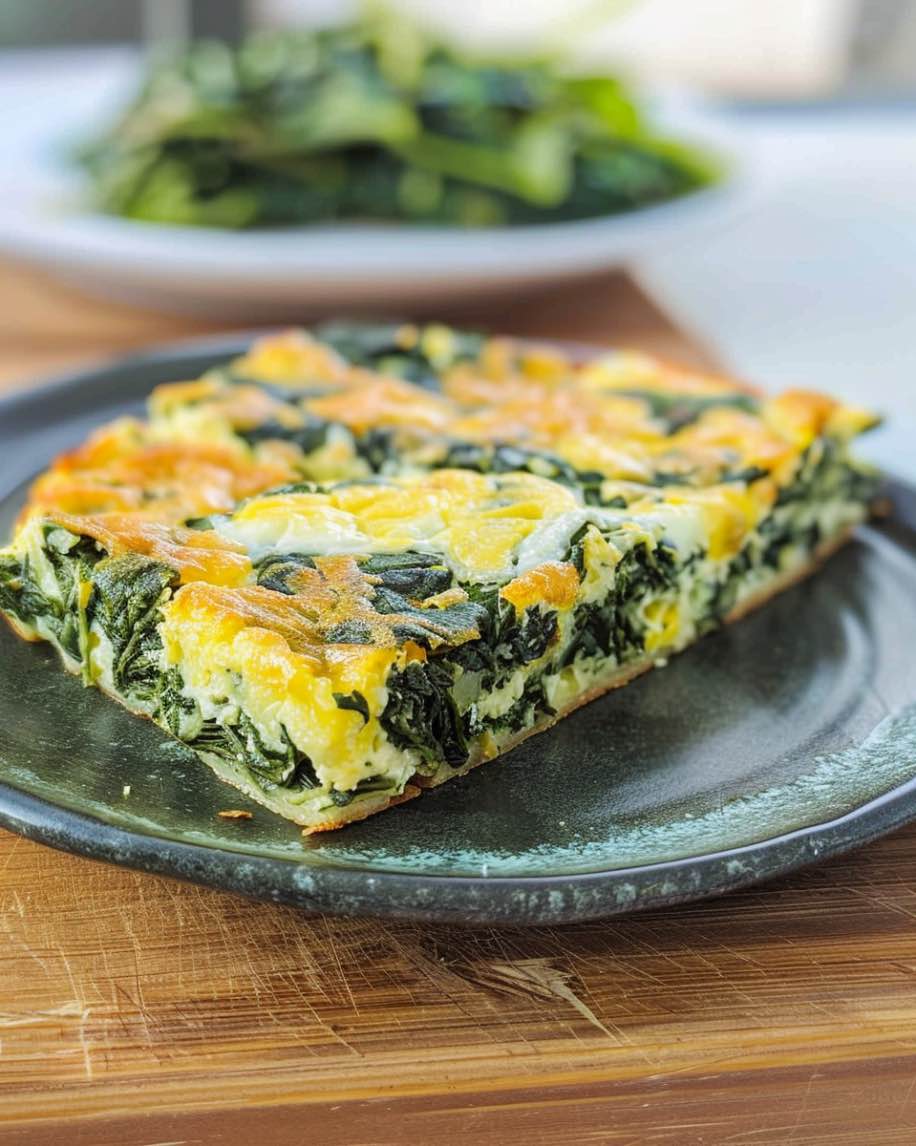
Easy Spinach Frittata: A Nutritious Breakfast That’s Ready in Minutes
An easy spinach frittata is the perfect solution for busy mornings when you need a nutritious, protein-packed breakfast. This versatile egg dish combines fresh spinach with eggs and cheese, creating a satisfying meal that works for breakfast, brunch, or even dinner. Whether you’re cooking for your family or meal prepping for the week, this simple recipe delivers big flavor with minimal effort.
What Makes This Spinach Frittata So Easy
A frittata differs from scrambled eggs or omelets in its cooking method. Instead of constant stirring, you’ll cook it partially on the stovetop, then finish it in the oven. This hands-off approach makes it incredibly easy to prepare.
The beauty of an easy spinach frittata lies in its simplicity. You need just a handful of basic ingredients. Fresh spinach, eggs, cheese, and seasonings come together in one pan. Furthermore, the entire cooking process takes less than 30 minutes from start to finish.
This dish also offers exceptional versatility. You can serve it hot, warm, or at room temperature. Moreover, it tastes just as delicious the next day. Therefore, it’s perfect for meal prepping or feeding a crowd.
Unlike complicated breakfast recipes, this frittata requires minimal technique. Even beginner cooks can master it quickly. Additionally, cleanup is minimal since you’ll use just one oven-safe skillet.
Why Spinach Works Perfectly in Frittatas
Spinach provides the ideal texture for frittatas. When cooked, it becomes tender and wilts down significantly. Consequently, you can pack more greens into each serving.
The mild flavor of spinach complements eggs beautifully. It doesn’t overpower the dish. Instead, it adds a subtle earthiness that enhances the overall taste profile.
Nutritionally, spinach brings tremendous value. It’s loaded with vitamins A, C, and K. Additionally, it contains iron, calcium, and fiber. These nutrients make your breakfast more wholesome and satisfying.
Essential Ingredients for Your Frittata
The Egg Base
Large eggs form the foundation of any frittata. For a standard 10-inch skillet, you’ll need 8 to 10 eggs. This quantity serves 4 to 6 people generously.
Eggs provide high-quality protein and essential nutrients. They bind all ingredients together while creating a fluffy, custard-like texture. For best results, use room-temperature eggs. They blend more easily and cook more evenly.
Fresh Spinach Selection
Fresh spinach works better than frozen for this recipe. Choose baby spinach for tender leaves and mild flavor. Alternatively, regular spinach works well if you remove thick stems.
You’ll need approximately 4 to 5 cups of fresh spinach. Remember, spinach wilts dramatically during cooking. Therefore, what seems like a large amount will reduce significantly.
Cheese Options
Cheese adds richness and flavor complexity to your frittata. Several varieties work wonderfully:
-
Feta cheese: Provides tangy, salty notes and crumbles beautifully throughout
-
Parmesan cheese: Offers nutty, sharp flavor and melts smoothly
-
Cheddar cheese: Delivers classic, familiar taste and excellent melting properties
-
Goat cheese: Creates creamy pockets with distinctive tang
Plan for approximately 1 cup of shredded or crumbled cheese. You can also combine different cheeses for more complex flavor.
Aromatics and Seasonings
Aromatics build flavor depth in your easy spinach frittata. Use these ingredients:
-
Onion or shallots: Add sweetness and savory notes
-
Garlic: Provides aromatic intensity (2-3 cloves work well)
-
Salt and pepper: Essential for proper seasoning
-
Red pepper flakes: Optional for gentle heat
Fresh or dried herbs also enhance the dish. Consider basil, oregano, or thyme. These Mediterranean herbs complement spinach beautifully.
Dairy Component
Add a small amount of dairy for extra creaminess. Options include:
-
Heavy cream (2 tablespoons)
-
Whole milk (¼ cup)
-
Half-and-half (3 tablespoons)
This addition makes the egg mixture richer and more luxurious. However, you can skip it for a lighter version.
Cooking Fat
Choose a high-quality fat for cooking. Extra virgin olive oil works excellently and adds Mediterranean flavor. Alternatively, butter provides richness and helps with browning. You’ll need approximately 2 tablespoons for the pan.
Kitchen Tools You’ll Need
Oven-Safe Skillet
An oven-safe skillet is absolutely essential. Cast iron works perfectly and distributes heat evenly. Alternatively, stainless steel with an oven-safe handle works well.
The ideal size is 10 to 12 inches. This diameter accommodates the egg mixture properly. Moreover, it creates the perfect thickness for even cooking.
Avoid skillets with plastic or wooden handles. These materials cannot withstand oven temperatures. If you’re unsure, check your pan’s specifications before starting.
Mixing Bowl and Whisk
You’ll need a large mixing bowl for beating eggs. Choose one with high sides to prevent splashing. A medium-sized whisk works best for incorporating air into the egg mixture.
Alternatively, a fork works adequately if you don’t have a whisk. Simply beat the eggs vigorously until well combined.
Rubber Spatula
A heat-resistant rubber spatula helps you stir the eggs on the stovetop. It also assists with loosening the frittata from the pan edges. Choose one that can withstand high temperatures safely.
Additional Tools
Keep these items handy:
-
Sharp knife for chopping vegetables
-
Cutting board for prep work
-
Measuring cups and spoons for accuracy
-
Oven mitts for handling hot skillets
Step-by-Step Instructions
Preparing Your Ingredients
First, preheat your oven to 375°F (190°C). This ensures it’s ready when needed. Meanwhile, prepare all ingredients before you begin cooking.
Wash spinach thoroughly under cold running water. Remove any thick stems or damaged leaves. Pat the spinach dry with paper towels or use a salad spinner. Excess moisture can make your frittata watery.
Dice onions finely for even distribution. Mince garlic cloves until they’re very fine. This prevents large chunks in the finished dish. Shred or crumble your chosen cheese and set it aside.
Whisking the Eggs
Crack eggs into your large mixing bowl. Add salt, pepper, and any dried herbs you’re using. Whisk vigorously for about 30 seconds. The mixture should become uniform and slightly frothy.
If using dairy, add it now and whisk again. This step incorporates air into the eggs. Consequently, your frittata will turn out lighter and fluffier.
Sautéing the Vegetables
Heat your oven-safe skillet over medium heat. Add olive oil or butter and let it warm for about 30 seconds. The pan should be hot but not smoking.
Add diced onions first and cook for 3 to 4 minutes. They should become translucent and fragrant. Stir occasionally to prevent burning.
Next, add minced garlic and cook for 30 seconds. Garlic burns quickly, so watch it carefully. It should release its aroma without browning.
Add fresh spinach in batches. Initially, it will seem overwhelming. However, stir constantly and it will wilt within 2 to 3 minutes. Continue until all spinach is wilted and most liquid has evaporated.
Combining and Cooking
Spread the cooked vegetables evenly across the skillet bottom. This ensures even distribution in the finished frittata. Reduce heat to medium-low.
Pour the whisked egg mixture over the vegetables. Gently shake the pan to distribute eggs evenly. Sprinkle cheese over the top, reserving a small amount.
Let the mixture cook undisturbed for 3 to 4 minutes. During this time, the edges will begin setting. The center should remain liquid. Run your spatula around the edges to loosen the frittata slightly.
Finishing in the Oven
Carefully transfer the skillet to your preheated oven. Use oven mitts to protect your hands. Remember, the handle will be hot.
Bake for 15 to 20 minutes. The frittata is done when the center is just set. It should still jiggle slightly when gently shaken. Overcooking creates a rubbery texture.
During the last 2 minutes, sprinkle remaining cheese on top. This creates an appetizing golden crust. Watch carefully to prevent burning.
Resting and Serving
Remove the skillet from the oven using oven mitts. Place it on a heat-resistant surface or trivet. Let the frittata rest for 5 minutes before cutting.
This resting period allows the eggs to finish setting. Additionally, it makes slicing much easier. The frittata will hold its shape better after resting.
Cut into wedges like a pie. Serve directly from the skillet or transfer to a serving platter. Garnish with fresh herbs if desired.
Pro Tips for Perfect Results
Achieving the Right Texture
The perfect easy spinach frittata should be tender and slightly custardy. Several factors contribute to this texture. First, avoid overcooking. Check the frittata a few minutes before the recommended time.
Second, don’t overbeat the eggs. Excessive whisking incorporates too much air. This creates a puffy frittata that deflates after cooling.
Third, cook over moderate heat. High heat causes the bottom to cook too quickly. This results in uneven texture throughout the dish.
Preventing Soggy Bottom
A soggy bottom ruins an otherwise perfect frittata. Prevent this problem by thoroughly cooking the spinach first. Remove as much liquid as possible before adding eggs.
Additionally, ensure your skillet is properly heated before adding ingredients. A cold pan causes food to steam rather than sauté. This releases more moisture into the dish.
Finally, use a well-seasoned cast iron skillet or non-stick pan. These surfaces prevent sticking and promote even cooking. They also help moisture evaporate more efficiently.
Ensuring Even Cooking
Even cooking throughout requires attention to several details. First, distribute vegetables uniformly across the pan bottom. This prevents thick and thin spots in the finished dish.
Second, pour eggs slowly and deliberately. Allow them to settle naturally without excessive stirring. This maintains even thickness throughout.
Third, rotate the skillet halfway through baking. Ovens often have hot spots that cause uneven cooking. Rotation compensates for these temperature variations.
Maximizing Flavor
Enhance flavor in your easy spinach frittata with these techniques. First, season each component separately. Salt the vegetables while cooking and season eggs before adding them.
Second, use high-quality cheese. Authentic Parmigiano-Reggiano or Greek feta provide superior flavor. These cheeses cost more but make a noticeable difference.
Third, consider adding a pinch of nutmeg to the eggs. This traditional addition complements spinach beautifully. Use it sparingly, as it’s quite potent.
Finally, finish with a drizzle of high-quality olive oil before serving. This adds richness and enhances the Mediterranean character of the dish.
Nutritional Benefits of Spinach Frittata
Protein Powerhouse
An easy spinach frittata delivers impressive protein content. Each serving typically contains 15 to 20 grams of protein. This macronutrient supports muscle maintenance and promotes satiety.
Eggs provide all nine essential amino acids. Therefore, they’re considered a complete protein source. This makes frittata excellent for post-workout meals or sustained energy throughout the morning.
The protein content also helps stabilize blood sugar levels. Consequently, you’ll experience fewer energy crashes mid-morning. This makes frittata superior to carbohydrate-heavy breakfast options.
Vitamin and Mineral Content
Spinach contributes numerous vitamins to this dish. Vitamin A supports eye health and immune function. Vitamin K promotes healthy bones and proper blood clotting.
Additionally, spinach contains significant amounts of folate. This B-vitamin is essential for cell division and DNA synthesis. It’s particularly important for pregnant women.
Eggs add their own nutritional value. They contain vitamin D, vitamin B12, and choline. These nutrients support brain health, energy production, and overall wellness.
Healthy Fats
When prepared with olive oil, frittata provides beneficial fats. Monounsaturated fats support heart health and reduce inflammation. These fats also aid in absorbing fat-soluble vitamins from spinach.
Eggs contain omega-3 fatty acids, especially when from pasture-raised chickens. These healthy fats support brain function and cardiovascular health. They also contribute to the feeling of satisfaction after eating.
Low Carbohydrate Option
An easy spinach frittata naturally contains minimal carbohydrates. This makes it suitable for low-carb and ketogenic diets. Most servings contain fewer than 5 grams of carbohydrates.
The low carb count helps maintain stable blood sugar levels. This prevents energy spikes and crashes throughout the day. Moreover, it supports sustained energy and mental clarity.
Calorie Control
Despite being rich and satisfying, frittata remains relatively low in calories. A typical serving contains approximately 200 to 250 calories. This varies based on cheese quantity and added ingredients.
The combination of protein and healthy fats promotes satiety. Therefore, you’ll feel full for hours after eating. This natural appetite control supports healthy weight management.
Variations and Customization Ideas
Mediterranean Style
Transform your frittata with Mediterranean flavors. Add sun-dried tomatoes for concentrated sweetness and tangy notes. Include Kalamata olives for briny complexity.
Use feta cheese instead of other varieties. Sprinkle fresh oregano or dried Italian herbs throughout. Finish with fresh basil leaves before serving.
Consider adding artichoke hearts for extra texture. These vegetables pair wonderfully with spinach. They also contribute Mediterranean authenticity to the dish.
Southwestern Twist
Create a Southwestern version with these additions. Include diced bell peppers in red, yellow, or orange. Add jalapeños for spicy heat (adjust to preference).
Use pepper jack cheese or Mexican blend. Season with cumin, chili powder, and smoked paprika. These spices provide warmth without overwhelming the eggs.
Top the finished frittata with fresh cilantro and sliced avocado. Serve with salsa or pico de gallo on the side. This variation offers bright, bold flavors.
Mushroom and Spinach Combination
Mushrooms add earthy depth to spinach frittata. Use cremini, button, or shiitake mushrooms. Slice them thinly for quick cooking and even distribution.
Sauté mushrooms until they release their moisture and begin browning. This concentrates their flavor significantly. Season them with fresh thyme for aromatic enhancement.
Gruyere or Swiss cheese complements mushrooms beautifully. These cheeses provide nutty, complex flavor. They also melt smoothly throughout the dish.
Loaded Vegetable Version
Create a garden vegetable frittata by adding multiple vegetables. Include diced zucchini, cherry tomatoes, and bell peppers. Add thinly sliced asparagus for spring flavor.
Roast harder vegetables like tomatoes and peppers first. This concentrates their flavors and removes excess moisture. Layer them with spinach for visual appeal.
This variation increases fiber content significantly. Moreover, it creates a more colorful and impressive presentation. It’s perfect for special brunches or gatherings.
Meat-Enhanced Options
While this article focuses on vegetarian versions, meat additions work well. Consider crispy bacon crumbled throughout. Alternatively, diced ham or turkey sausage add protein.
Cook meats completely before adding to the frittata. Drain excess fat to prevent greasiness. Use these additions sparingly to maintain balance.
Remember that adding meat increases calorie and fat content. However, it also boosts protein significantly. Choose based on your dietary preferences and goals.
Storage and Reheating Guidelines
Proper Storage Techniques
Store leftover frittata correctly to maintain quality. First, let it cool completely to room temperature. This prevents condensation from making it soggy.
Cut the frittata into individual portions before storing. This makes reheating more convenient. It also helps the frittata cool more quickly.
Place portions in airtight containers or wrap tightly with plastic wrap. Store in the refrigerator for up to 4 days. Properly stored frittata maintains good texture and flavor throughout this period.
Freezing Instructions
Freezing extends storage time significantly. Wrap individual portions tightly in plastic wrap. Then place wrapped portions in freezer bags, removing excess air.
Label bags with contents and date. Frozen frittata keeps well for up to 3 months. Beyond this time, quality begins declining.
Thaw frozen frittata in the refrigerator overnight. Never thaw at room temperature, as this promotes bacterial growth. Plan ahead for best results.
Reheating Methods
Several methods work for reheating frittata. The oven provides the most even heating. Preheat to 350°F (175°C) and warm for 10 to 15 minutes.
Cover with foil to prevent drying. This traps moisture and maintains tender texture. Remove foil during the last few minutes for slight crisping.
Microwave reheating works for quick meals. Place a portion on a microwave-safe plate. Heat on medium power for 45 to 60 seconds. Check and continue heating in 15-second intervals if needed.
Avoid high power settings. These cause eggs to become rubbery. Medium power heats more gently and evenly.
For stovetop reheating, use a covered skillet over low heat. Add a splash of water to create steam. This prevents drying while warming the frittata through.
Meal Prep Advantages
An easy spinach frittata excels as a meal prep option. Prepare it on Sunday for weekday breakfasts. Simply reheat portions each morning for quick, nutritious meals.
Frittata also works well for packed lunches. It tastes delicious at room temperature. Therefore, you don’t need reheating facilities at work.
Consider making multiple frittatas with different flavors. This provides variety throughout the week. Store them separately to maintain distinct flavors.
Serving Suggestions
Breakfast and Brunch Pairings
Serve your easy spinach frittata alongside complementary items. Fresh fruit salad adds natural sweetness and vitamins. Berries, melon, or citrus fruits work particularly well.
Whole grain toast provides additional carbohydrates for energy. Choose sourdough, multigrain, or whole wheat varieties. Toast adds satisfying crunch to contrast the tender frittata.
Roasted potatoes make an excellent side dish. Cut potatoes into cubes and roast until crispy. Season with rosemary and garlic for aromatic appeal.
Light Lunch Options
Transform frittata into a light lunch with simple additions. Serve it with a crisp green salad dressed lightly. Arugula, mixed greens, or spring mix work beautifully.
Add crusty bread or focaccia on the side. This soaks up any residual egg and adds substance. Choose high-quality artisan bread for best results.
Fresh vegetables like cherry tomatoes and cucumber provide refreshing contrast. These raw vegetables balance the rich, warm frittata. They also add satisfying crunch.
Dinner Possibilities
Don’t limit frittata to morning meals. It makes an excellent light dinner option. Pair it with roasted vegetables for a complete meal.
Serve alongside a hearty soup for cold weather comfort. Tomato basil or vegetable soup complement frittata wonderfully. Together, they create a satisfying dinner.
Consider serving frittata as part of a tapas-style meal. Cut it into small squares for easy serving. Combine with other Mediterranean dishes like hummus and olives.
Beverage Pairings
Choose beverages that enhance the frittata experience. Freshly squeezed orange juice provides vitamin C and brightness. It cuts through the richness of eggs and cheese.
Hot coffee or tea pairs naturally with breakfast frittata. The warmth and slight bitterness balance the dish. Choose your preferred variety based on personal taste.
For brunch gatherings, sparkling water with lemon offers refreshment. It cleanses the palate between bites. Moreover, it keeps the meal light and refreshing.
Herbal teas also complement frittata nicely. Chamomile, mint, or green tea provide gentle flavors. They don’t compete with the savory egg dish.
Common Mistakes to Avoid
Temperature Troubles
Cooking temperature significantly impacts frittata quality. Too high heat causes the bottom to burn before the center sets. Conversely, too low heat extends cooking time unnecessarily.
Start with medium heat on the stovetop. This allows vegetables to sauté properly. Reduce to medium-low before adding eggs for gentle cooking.
Ensure your oven maintains accurate temperature. Use an oven thermometer if you’re uncertain. Temperature variations can ruin timing and texture.
Overcrowding the Pan
Adding too many ingredients creates problems. The frittata becomes too thick to cook evenly. Additionally, excess vegetables release moisture that makes it watery.
Follow recipe ratios carefully. Generally, vegetables shouldn’t exceed 2 cups for 8 eggs. This maintains proper balance and texture.
If you want more vegetables, increase eggs proportionally. Alternatively, make two smaller frittatas instead. This ensures each one cooks properly.
Insufficient Seasoning
Under-seasoned frittata tastes bland despite quality ingredients. Season vegetables while cooking them. This builds layers of flavor throughout the dish.
Don’t forget to season the egg mixture adequately. Taste it before adding to the pan. Remember, seasonings mellow during cooking.
Consider seasoning adjustments based on cheese choice. Salty cheeses like feta require less added salt. Milder cheeses need more seasoning for balance.
Skipping the Rest Period
Cutting frittata immediately after removing from oven causes problems. The center hasn’t fully set yet. Consequently, it will be too runny.
Always allow 5 minutes resting time. This completes the cooking process gently. Moreover, it makes slicing cleaner and easier.
Use this time to prepare serving plates and accompaniments. This makes the waiting period productive. Your patience will be rewarded with perfect texture.
Using the Wrong Pan
Not all skillets work for frittata. Pans with plastic handles cannot go in the oven. Similarly, non-oven-safe non-stick coatings will deteriorate.
Verify your pan is truly oven-safe before starting. Check manufacturer specifications if uncertain. This prevents damage and potential safety hazards.
Size matters significantly too. Too small creates an overly thick frittata. Too large makes it too thin and dry. Stick with recommended sizes for best results.
Frequently Asked Questions
Can I make an easy spinach frittata ahead of time?
Yes, frittata works excellently as a make-ahead dish. Prepare it completely and let it cool. Store covered in the refrigerator for up to 4 days. Reheat portions as needed throughout the week. This makes it perfect for meal prep and busy mornings.
What’s the difference between a frittata and an omelet?
Frittatas and omelets differ in cooking method and texture. Omelets cook quickly on the stovetop with constant attention. They’re folded over fillings and served immediately. Frittatas cook partially on the stovetop, then finish in the oven. They’re served in wedges like a pie. Additionally, frittatas incorporate ingredients throughout rather than folding them inside.
How do I know when my frittata is done?
Check doneness by gently shaking the pan. The edges should be set firmly. The center should jiggle slightly but not be liquid. Additionally, insert a knife near the center. It should come out mostly clean. Remember, frittata continues cooking after removing from heat.
Can I use frozen spinach instead of fresh?
Frozen spinach can work but requires extra preparation. Thaw it completely first, then squeeze out all excess moisture. This step is crucial because frozen spinach contains significant water. Use approximately 1 cup of thawed, squeezed spinach to replace 4 to 5 cups fresh. The texture will differ slightly but results are still good.
Why did my frittata turn out rubbery?
Rubbery texture usually results from overcooking. Eggs become tough when exposed to high heat too long. Additionally, overbeating eggs incorporates too much air. This creates a dense, rubbery texture. Cook at moderate temperature and remove from oven promptly when just set.
Can I make frittata without dairy?
Absolutely! Skip the cream or milk entirely. The eggs will still bind properly. Omit cheese or use dairy-free alternatives. Many plant-based cheeses work well in frittatas. The texture will be slightly different but still delicious.
How many servings does one frittata yield?
A standard 10-inch frittata serves 4 to 6 people. Serving size depends on appetite and accompanying dishes. For main course breakfast, figure 4 servings. For brunch with other items, it serves 6. Cut into smaller wedges for appetizer portions at parties.
What other vegetables work well in frittata?
Many vegetables complement spinach beautifully. Try bell peppers, mushrooms, or zucchini. Cherry tomatoes, asparagus, and broccoli also work well. Roasted vegetables like eggplant or squash add depth. Choose vegetables you enjoy that cook relatively quickly.
This comprehensive guide provides everything you need to master the easy spinach frittata. From selecting quality ingredients to avoiding common mistakes, you now have the knowledge to create a perfect dish every time. This versatile recipe adapts to your preferences while delivering consistent, delicious results.
Start making this nutritious, protein-packed meal today. Your mornings will become easier and more delicious. Whether you’re feeding your family or meal prepping for the week, this easy spinach frittata delivers satisfaction with minimal effort. Try it tomorrow morning and discover why this simple dish has become a breakfast favorite worldwide.
Easy Spinach Frittata
Description
Easy Spinach Frittata
Ingredients:
-
8 large eggs
-
½ cup milk or cream
-
1 cup fresh spinach (chopped, packed)
-
½ cup shredded cheese (cheddar, mozzarella, feta, or parmesan)
-
1 small onion, finely chopped (optional)
-
1 clove garlic, minced (optional)
-
1 tablespoon olive oil or butter
-
Salt & black pepper, to taste
-
Fresh herbs (parsley, dill, or chives), for garnish
Instructions:
-
Preheat Oven
-
Preheat oven to 375°F (190°C).
-
-
Cook the Veggies
-
Heat olive oil (or butter) in an oven-safe skillet over medium heat.
-
Sauté onion until soft (about 3 minutes). Add garlic and spinach, cooking until spinach is wilted.
-
-
Mix Eggs
-
In a bowl, whisk together eggs, milk, salt, and pepper.
-
Stir in shredded cheese.
-
-
Assemble Frittata
-
Pour egg mixture over the spinach in the skillet.
-
Stir gently to distribute evenly.
-
-
Cook & Bake
-
Cook on the stovetop for 2–3 minutes until edges begin to set.
-
Transfer skillet to the oven and bake 12–15 minutes, until eggs are set and top is lightly golden.
-
-
Serve
-
Let cool for 5 minutes before slicing.
-
Garnish with fresh herbs.
-
Serve warm or at room temperature with salad, toast, or roasted potatoes.
-