
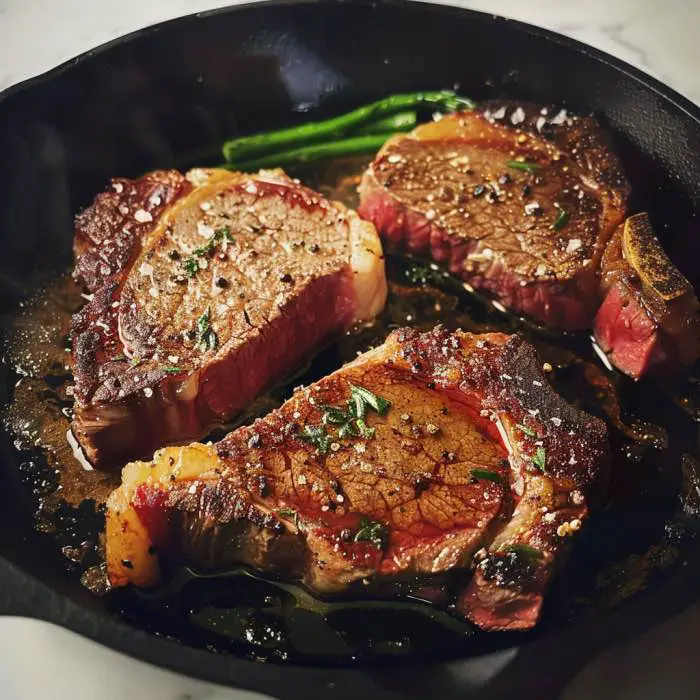
Cast Iron Steak: The Ultimate Guide to Perfect Searing at Home
Why Cast Iron Steak is Superior
Cast iron steak represents the pinnacle of home cooking when it comes to achieving restaurant-quality results. The magic lies in the unique properties of cast iron cookware. Unlike other pans, cast iron retains and distributes heat exceptionally well. This creates the ideal environment for the Maillard reaction, which produces that coveted golden-brown crust.
When you cook steak in cast iron, the heavy material maintains consistent temperatures even when cold meat hits the surface. Furthermore, cast iron skillets can transition seamlessly from stovetop to oven. This versatility allows for multiple cooking techniques in a single pan. Additionally, a well-seasoned cast iron skillet develops natural non-stick properties over time.
The even heat distribution ensures every inch of your steak receives proper searing. Consequently, you’ll achieve uniform color and texture across the entire surface. Moreover, cast iron skillets are built to last generations with proper care. This makes them an economical investment for serious home cooks.
Choosing the Right Steak Cut
Not all steaks perform equally well in a cast iron skillet. Selecting the right cut significantly impacts your final results. Ribeye steak ranks as the top choice for cast iron cooking. The generous marbling melts beautifully during cooking, creating rich flavor throughout.
Best cuts for cast iron steak include:
-
Ribeye (excellent marbling and flavor)
-
New York Strip (balanced fat content)
-
Filet Mignon (lean and tender)
-
Bone-in Ribeye (enhanced flavor from bone)
-
Flat Iron Steak (affordable and flavorful)
Thickness matters significantly when cooking cast iron steak. Ideally, choose steaks between 1 to 1.5 inches thick. Thinner cuts cook too quickly and risk overcooking. Conversely, very thick steaks may burn on the outside before the center cooks properly.
Boneless cuts work best for even cooking in a cast iron skillet. They make contact with the entire pan surface uniformly. However, bone-in cuts can work if the bone is short. Always look for steaks with good marbling throughout. These white fat streaks indicate tenderness and flavor.
Preparing Your Steak for Success
Proper preparation determines whether your cast iron steak succeeds or fails. Begin by removing your steak from refrigeration well in advance. Bringing steak to room temperature takes approximately 1.5 to 2 hours. This step ensures even cooking throughout the meat.
Pat your steak completely dry using paper towels. Moisture is the enemy of a good sear. Any water on the surface will steam rather than brown. Therefore, thorough drying is absolutely essential for achieving that perfect crust.
Seasoning timing significantly affects flavor and texture. Salt the steak up to 24 hours ahead for maximum flavor penetration. Alternatively, season at least 45 minutes before cooking. The salt draws out moisture initially, then reabsorbs it with dissolved proteins. This process enhances both flavor and texture throughout the meat.
For basic seasoning, use coarse salt and freshly ground black pepper. Apply liberally to both sides. Additionally, you can add garlic powder, onion powder, or dried herbs. However, save delicate herbs like fresh rosemary for after cooking. Otherwise, they’ll burn in the high heat.
Selecting the Best Cast Iron Skillet
The right skillet makes all the difference for cast iron steak success. A 12-inch cast iron skilletprovides optimal space for cooking multiple steaks. This size prevents overcrowding, which can lower pan temperature. Moreover, adequate space allows for proper air circulation around each steak.
Top-rated cast iron skillets include:
-
Lodge Cast Iron (affordable and reliable)
-
Le Creuset Signature (premium quality)
-
Smithey Forge (excellent smoothness)
-
Solidteknic (lightweight with stay-cool handle)
-
Staub Cast Iron (superior vintage styling)
Look for skillets with thickness of at least 3mm. Thinner pans don’t retain heat adequately. Additionally, consider the weight if you’ll be moving it frequently. The Solidteknic model weighs only 1.6kg despite its size. This makes handling much easier compared to traditional heavy skillets.
Pre-seasoned skillets save time and allow immediate use. However, even pre-seasoned pans benefit from additional seasoning layers. A smooth cooking surface produces better results than rough, pebbly finishes. Check out our guide on [selecting quality cookware] for more details. Therefore, examine the pan’s interior before purchasing.
Temperature and Timing Essentials
Getting the temperature right is critical for perfect cast iron steak. Preheat your cast iron skilletfor a full 5 to 7 minutes over high heat. This extended preheating ensures both the surface and the core reach optimal temperature. Without adequate preheating, the pan won’t maintain heat when cold steak hits the surface.
Target a skillet temperature between 500°F and 550°F for optimal searing. At this temperature, the Maillard reaction occurs rapidly. Consequently, you’ll develop a deep brown crust quickly. Use an infrared thermometer to verify pan temperature if available. Otherwise, test by adding a few drops of water. They should immediately sizzle and evaporate.
Add oil only after the pan is fully preheated. Use 3 to 4 tablespoons of high-smoke-point oil. Good options include vegetable oil, grapeseed oil, or sunflower oil. Heat the oil until it shimmers and just begins to smoke. Then immediately add your steak.
Step-by-Step Cooking Instructions
Follow these steps for perfectly cooked cast iron steak every time. First, ensure your steak is at room temperature and thoroughly dried. Second, preheat your 12-inch cast iron skillet for 5 to 7 minutes over high heat. Third, add your high-smoke-point oil and heat until shimmering.
Carefully place the steak in the hot skillet. It should sizzle immediately upon contact. Avoid moving or touching the steak for the first 30 seconds. This allows the crust to form properly. Instead, let the heat do its work undisturbed.
The frequent-turning method produces superior results. Flip your steak every 30 seconds throughout cooking. This technique provides better temperature control than the traditional single-flip method. Additionally, frequent flipping builds a more even crust. It also prevents the surface from getting too hot between turns.
Total cooking time varies based on thickness and desired doneness. For a 1-inch thick steak cooked to medium-rare, expect approximately 5 minutes total. However, always verify with an instant-read thermometer. Insert it into the thickest part of the steak horizontally. Read the temperature and compare to the doneness chart below.
During the final 2 minutes, add butter and fresh herbs to the pan. Tilt the skillet and use a spoon to baste the steak continuously. This butter basting adds incredible flavor and helps the exterior develop even more. Popular additions include fresh rosemary, thyme, or crushed garlic.
Understanding Steak Doneness Levels
Accurate temperature monitoring ensures perfect doneness every time. An instant-read thermometer eliminates guesswork entirely. Moreover, it prevents costly mistakes with expensive cuts. Remember that steak continues cooking after removal from heat. This phenomenon is called carryover cooking.
Pull your steak from the heat 10 to 15 degrees below target temperature. During resting, the internal temperature will rise to reach your desired doneness. Therefore, planning for this increase is essential. Otherwise, your steak will end up more cooked than intended.
Internal Temperature Guide for Cast Iron Steak:
-
Rare: Pull at 105-110°F, final temp 120-125°F
-
Medium-Rare: Pull at 115-120°F, final temp 130-135°F
-
Medium: Pull at 125-130°F, final temp 140-145°F
-
Medium-Well: Pull at 135-140°F, final temp 150-155°F
-
Well-Done: Pull at 145-150°F, final temp 160-165°F
The USDA recommends cooking beef steaks to a minimum internal temperature of 145°F. This guideline ensures food safety for all consumers. However, most steak enthusiasts prefer medium-rare at 130-135°F. This temperature allows fat to melt while maintaining juiciness. Ultimately, personal preference should guide your choice.
The Importance of Resting
Resting your cast iron steak is absolutely non-negotiable for optimal results. When steak cooks, the muscle fibers contract and push juices toward the center. If you cut immediately, all those flavorful juices spill onto your cutting board. Consequently, your steak becomes dry and disappointing.
Rest your steak for 5 to 10 minutes after cooking. During this time, the fibers relax and reabsorb the redistributed juices. Place the steak on a wooden cutting board or cooling rack. These surfaces prevent rapid temperature loss that can occur on cold plates.
Avoid covering your resting steak with foil. While this keeps the meat warmer, it creates moisture accumulation. This moisture can soften your carefully crafted crust. Additionally, trapped heat extends carryover cooking time. Therefore, if your steak is perfectly cooked, rest it uncovered.
However, if your steak seems slightly undercooked, loosely tent with foil. The trapped heat will continue cooking the interior gradually. Nevertheless, monitor closely to prevent overcooking. Remember that a properly cooked cast iron steak maintains warmth throughout the resting period.
Seasoning and Flavoring Options
Beyond salt and pepper, countless seasoning options enhance cast iron steak flavor. Simple marinades work wonderfully when applied 2 to 24 hours before cooking. A basic marinade combines soy sauce, olive oil, balsamic vinegar, and herbs. However, ensure you pat the steak completely dry before cooking.
Popular seasoning combinations include:
-
Classic steakhouse (coarse salt, cracked pepper, garlic powder)
-
Herbed butter finish (rosemary, thyme, butter)
-
Cajun spice blend (paprika, cayenne, garlic, onion powder)
-
Mediterranean style (oregano, basil, garlic, lemon zest)
-
Asian-inspired (ginger, garlic, sesame oil, soy sauce)
Fresh herb butter elevates any cast iron steak. Compound butter combines softened butter with minced herbs and garlic. Make it ahead and store in the refrigerator. Then simply top your hot steak with a pat during resting. The butter melts over the surface, creating a luxurious sauce.
For maximum flavor development, season steak 24 hours before cooking. This extended time allows salt to penetrate deeply. Additionally, the salt modifies protein structures for better texture. Other dry seasonings can be applied 1 to 2 hours before cooking. This prevents burning while still delivering robust flavor.
Cast Iron Care and Maintenance
Proper maintenance ensures your skillet lasts generations while improving performance. Seasoning creates a natural non-stick surface that protects against rust. This polymerized oil layer builds up gradually with repeated use. Therefore, regular maintenance is essential for optimal cast iron steak results.
After each use, clean your cast iron immediately. Rinse with hot water and scrub with a stiff brush. Contrary to popular belief, a small amount of mild soap is acceptable. However, avoid harsh detergents or abrasive scourers. These can damage your carefully built seasoning layers.
Dry your skillet thoroughly after washing. Place it over medium heat for 2 to 3 minutes to evaporate all moisture. Even tiny water droplets can cause rust spots. Once completely dry, apply a thin layer of cooking oil. Use vegetable oil, canola oil, or grapeseed oil for maintenance.
To re-season your cast iron skillet:
-
Wash thoroughly with hot, soapy water
-
Dry completely with towels or over heat
-
Apply thin layer of vegetable oil to all surfaces
-
Buff away excess until barely visible
-
Heat in 450°F oven for 40 minutes upside down
-
Let cool completely in oven
-
Repeat for additional layers if needed
Common Mistakes to Avoid
Even experienced cooks make errors when preparing cast iron steak. Insufficient preheatingrepresents the most common mistake. A lukewarm pan cannot create the intense sear necessary for proper crust formation. Always allow at least 5 minutes for thorough heating.
Adding cold steak directly from the refrigerator prevents even cooking. The cold interior requires more time to reach temperature. Meanwhile, the exterior overcooks while waiting for the center. Therefore, always bring steak to room temperature first. Plan for 1.5 to 2 hours on the counter before cooking.
Overcrowding the pan drops the temperature dramatically. When too many steaks compete for space, they steam rather than sear. Leave at least 2 inches between steaks for optimal results. If cooking multiple steaks, work in batches instead. Your patience will be rewarded with superior browning.
Moving or pressing the steak during cooking prevents crust development. Resist the urge to peek or adjust constantly. Let the steak sit undisturbed for at least 30 seconds between flips. Additionally, never press down with a spatula. This squeezes out precious juices that contribute to flavor.
Skipping the resting period is perhaps the most devastating mistake. Cutting into steak immediately causes juice loss. Those flavorful liquids end up on your plate instead of in your mouth. Always rest for at least 5 minutes minimum. For thicker cuts, extend resting time to 10 minutes.
Troubleshooting Tips
Sometimes cast iron steak doesn’t turn out as expected. If your steak sticks to the pan, the skillet wasn’t hot enough. Alternatively, the seasoning may need improvement. Always preheat thoroughly and maintain your seasoning regularly. Additionally, use adequate oil to create a barrier between meat and metal.
When the crust lacks color or flavor, temperature is usually the culprit. Ensure your skillet reaches 500-550°F before adding steak. Furthermore, verify that your steak surface is completely dry. Any moisture will create steam that prevents browning. Pat with paper towels immediately before cooking.
If the interior is undercooked while the exterior burns, several factors may be responsible. First, check that your steak was at room temperature before cooking. Second, reduce heat slightly after the initial sear. Third, consider finishing thicker steaks in a 425°F oven. This gentler heat cooks the center without burning the outside.
Excessive smoke during cooking indicates oil breakdown. Use oils with higher smoke points like vegetable or grapeseed oil. Avoid olive oil for high-heat searing as it burns quickly. Additionally, ensure your ventilation system is running before you begin. Opening windows helps dissipate smoke effectively.
When steak tastes bland despite proper seasoning, timing might be the issue. Salt needs either immediate application or at least 45 minutes to work. Anything in between draws out moisture without time for reabsorption. Additionally, consider compound butter or herb finishing for extra flavor.
FAQs About Cast Iron Steak
How long should I preheat my cast iron skillet for steak?
Preheat your cast iron skillet for 5 to 7 minutes over high heat. This extended time ensures both the surface and core reach optimal temperature. The skillet should reach 500-550°F for proper searing. Consequently, adequate preheating creates the perfect environment for crust development.
What is the best oil for cooking cast iron steak?
Use high-smoke-point oils like vegetable, grapeseed, or sunflower oil for cast iron steak. These oils withstand high temperatures without burning. Apply 3 to 4 tablespoons to your preheated skillet. Heat until the oil shimmers and just begins to smoke.
Should I flip my steak once or multiple times?
The frequent-flipping method produces superior results for cast iron steak. Flip your steak every 30 seconds throughout cooking. This technique provides better temperature control and builds a more even crust. Moreover, it prevents surface overheating that can occur with single flipping.
How do I know when my cast iron steak is done?
Use an instant-read thermometer inserted horizontally into the thickest part. Pull the steak 10-15 degrees before your target temperature. For medium-rare, remove at 115-120°F for a final temperature of 130-135°F. Remember that carryover cooking continues during resting.
Can I cook frozen steak in cast iron?
While possible, frozen steak produces inferior results compared to room-temperature meat. The extreme cold prevents even cooking throughout. Additionally, excess moisture from thawing creates steam that inhibits browning. Always thaw completely and bring to room temperature before cooking.
How often should I season my cast iron skillet?
Season your cast iron skillet whenever food begins sticking or the surface looks dull. Additionally, re-season after using soap or if rust appears. Apply a thin layer of oil after each use for ongoing maintenance. With regular cooking, your seasoning improves naturally over time.
Conclusion
Mastering cast iron steak transforms ordinary home cooking into restaurant-quality dining experiences. The combination of proper technique, quality ingredients, and well-maintained equipment produces consistently excellent results. Remember to preheat thoroughly, season generously, and monitor temperature accurately. Additionally, never skip the crucial resting period that locks in juices.
With practice, cooking cast iron steak becomes second nature. Your skillet will develop character and improved performance over years of use. Moreover, the skills you develop transfer to countless other cooking applications. Therefore, invest time in learning these foundational techniques.
The journey to perfect cast iron steak requires patience and attention to detail. However, the rewards far exceed the effort invested. Each steak becomes an opportunity to refine your skills further. Consequently, you’ll gain confidence with every successful meal.
Print
Cast Iron Steak
Description
Cast Iron Steak
Ingredients
-
2 ribeye or New York strip steaks (about 1 ½ inches thick)
-
2 tbsp olive oil
-
2 tbsp unsalted butter
-
3 garlic cloves, smashed
-
2–3 sprigs fresh thyme or rosemary
-
Salt and freshly ground black pepper
Instructions
-
Bring Steaks to Room Temperature
Remove steaks from the fridge 30–45 minutes before cooking. Pat dry with paper towels — this helps create that perfect crust. -
Season Generously
Rub both sides with olive oil, then season heavily with salt and pepper. -
Heat Your Cast Iron Skillet
Place the skillet over high heat until it’s smoking hot — this ensures an excellent sear. -
Sear the Steaks
Add the steaks and sear for 2–3 minutes per side without moving them, until a dark crust forms. -
Add Butter and Aromatics
Lower the heat to medium. Add butter, garlic, and herbs to the pan. Tilt the skillet slightly and spoon the melted butter over the steaks for 1–2 minutes. -
Check Doneness
-
Rare: 120–125°F (49–52°C)
-
Medium Rare: 130–135°F (54–57°C)
-
Medium: 140–145°F (60–63°C)
Use a meat thermometer for accuracy.
-
-
Rest Before Serving
Transfer steaks to a plate and let rest 5–10 minutes before slicing to lock in juices.