
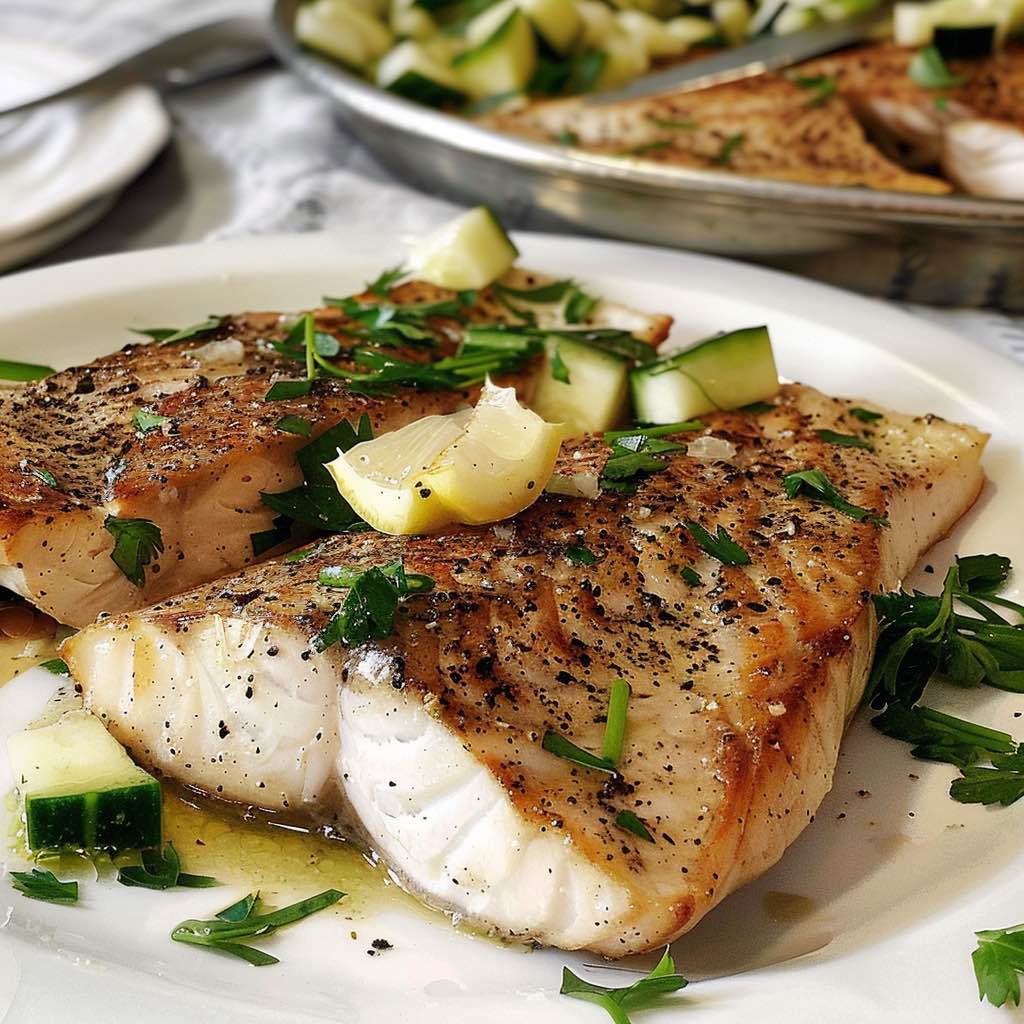
Broiled Swordfish Steaks: The Complete Guide to Perfect, Flavorful Fish Every Time
Introduction
Broiled swordfish steaks offer a delicious, healthy meal that comes together in minutes. This meaty fish responds beautifully to high-heat broiling, developing a caramelized exterior while staying tender inside. Furthermore, swordfish is packed with protein, omega-3 fatty acids, and essential vitamins that support overall health. Whether preparing a weeknight dinner or entertaining guests, broiled swordfish steaks deliver restaurant-quality results at home.
Additionally, broiling requires minimal equipment and creates less mess than grilling. The intense heat from above cooks fish quickly and evenly. As a result, even beginners can master this technique with proper guidance.
What Makes Swordfish Unique
Texture and Flavor Profile
Swordfish stands apart from other fish due to its firm, meaty texture. The flesh resembles a tender pork chop more than typical flaky fish. Moreover, the flavor is mild and slightly sweet, making it appealing to those who typically avoid seafood.
Consequently, swordfish adapts well to bold seasonings and marinades. The dense meat holds together during cooking, preventing it from falling apart. This makes broiled swordfish steaks ideal for high-heat cooking methods.
Why Broiling Works Best
Broiling uses intense direct heat from above to cook food quickly. This method creates a beautifully caramelized crust on broiled swordfish steaks. Furthermore, the high heat locks in moisture while developing deep flavors.
Unlike baking, broiling offers quick cooking with a slightly crispy exterior. The interior remains tender and juicy when cooked correctly. Therefore, broiling represents one of the best methods for preparing swordfish at home.
Nutritional Benefits of Swordfish
Protein Powerhouse
A 3-ounce serving of cooked swordfish provides 20 grams of high-quality protein. This essential macronutrient supports muscle growth, repair, and overall body function. Additionally, swordfish contains zero carbohydrates, making it suitable for low-carb diets.
Protein-rich foods help maintain healthy body weight and promote satiety. Therefore, broiled swordfish steaks make an excellent choice for those managing their weight.
Essential Vitamins and Minerals
Swordfish delivers exceptional amounts of selenium, providing 106% of the Daily Value per serving. This trace mineral supports thyroid function, bone health, immunity, and heart health. Moreover, swordfish contains 71% of the Daily Value for vitamin D, crucial for calcium absorption.
The fish also provides potassium and magnesium, which support cardiovascular function. These minerals help regulate blood pressure and maintain proper muscle function.
Omega-3 Fatty Acids
Each serving of swordfish contains approximately 764 mg of combined EPA and DHA omega-3 fatty acids. These essential fats protect against heart disease and reduce inflammation. Furthermore, omega-3s support brain health and cognitive function.
The Dietary Guidelines recommend consuming 250 mg of omega-3s daily. Therefore, a single serving of broiled swordfish steaks provides more than three times this amount.
How to Select Fresh Swordfish Steaks
Visual Inspection
Fresh swordfish should have a bright, shiny appearance with a metallic sheen. The flesh must look firm and moist, never dry or wrinkled. Additionally, look for center-cut steaks with concentric circles, indicating premium quality.
Avoid swordfish with brown or yellowish discoloration around the edges. Dark spots or fading indicate the fish has been stored too long. Therefore, always inspect steaks carefully before purchasing.
The Smell Test
Quality seafood should smell like the ocean, not fishy or sour. If the seafood counter has a strong fishy odor, shop elsewhere. Moreover, ask the fishmonger to rinse the fish under cold water if uncertain about freshness.
Fresh broiled swordfish steaks should have virtually no smell when properly stored. A strong ammonia-like odor indicates spoilage.
Choosing Sustainable Options
Select American-caught swordfish whenever possible, as it follows strict regulations. Imported swordfish may not meet the same sustainability and safety standards. Furthermore, ask your fishmonger about the fish’s origin and harvesting methods.
Buy from reputable dealers with proper handling practices and storage. Properly iced and refrigerated fish maintains quality and safety.
Essential Equipment for Broiling Fish
Broiling Pan Setup
A proper broiling pan features a slotted top that allows fat to drip away. This prevents smoking and flare-ups during cooking. Alternatively, use a rimmed baking sheet lined with aluminum foil for easy cleanup.
Place the oven rack two positions down from the top element. This positioning allows heat to spread evenly across the broiled swordfish steaks. Consequently, the fish cooks uniformly without burning.
Temperature Monitoring Tools
An instant-read digital thermometer ensures perfectly cooked fish every time. Insert the probe into the thickest part to check doneness. Moreover, a detachable probe allows continuous monitoring without opening the oven.
Fish reaches safe doneness at an internal temperature of 145°F. However, many chefs prefer slightly lower temperatures for optimal texture.
Other Useful Tools
A fish spatula makes flipping delicate steaks easier without breaking them. Additionally, oven-safe mitts protect hands when handling hot pans. Keep a basting brush nearby for applying marinades or melted butter during cooking.
Preparing Swordfish for Cooking
Cleaning and Drying
Rinse broiled swordfish steaks under cold water to remove any residue. Pat them completely dry with paper towels, as excess moisture prevents proper browning. Furthermore, dry fish develops better caramelization under the broiler.
Allow the fish to sit at room temperature for 10-15 minutes before cooking. This ensures even cooking throughout the steak.
Trimming and Portioning
Check for any bones or skin remaining on the steaks. Remove these with kitchen tweezers or a sharp knife. Moreover, trim away any dark, bloodline meat if present, as it has a stronger flavor.
Cut large steaks into individual portions if needed. Aim for steaks approximately 1 to 1.25 inches thick for optimal results.
Basic Seasoning
Season broiled swordfish steaks generously with salt and black pepper on both sides. The firm texture of swordfish holds up well to bold seasonings. Additionally, brush both sides with olive oil to promote caramelization.
Let seasoned fish rest for 5-10 minutes before broiling. This allows seasonings to penetrate the flesh. Check out our guide on [insert link to seasoning basics] for more flavor ideas.
Step-by-Step Broiling Instructions
Preheating the Broiler
Turn the oven broiler to high and let it preheat for 10 minutes. This step is crucial for achieving proper searing and caramelization. Meanwhile, grease the broiler rack or baking sheet to prevent sticking.
Position the oven rack about 4-6 inches from the heating element. Closer placement risks burning, while too far prevents proper browning.
First Side Cooking
Place seasoned broiled swordfish steaks on the prepared pan. Brush the tops with melted butter or olive oil. Subsequently, slide the pan under the broiler and set a timer for 3-4 minutes.
Watch carefully as the surface begins to brown and caramelize. The first side typically cooks faster than the second.
Flipping and Finishing
Use a fish spatula to carefully flip each steak when the first side is golden brown. Baste the cooked side with reserved marinade or additional butter. Then, continue broiling for another 3-4 minutes until done.
The total cooking time ranges from 6-8 minutes depending on thickness. Thinner steaks require less time, while thicker cuts need additional minutes.
Perfect Temperature and Timing
Internal Temperature Guidelines
Broiled swordfish steaks reach safe doneness at 145°F internal temperature. Insert a thermometer into the thickest part to check accurately. However, some prefer removing fish at 140°F and allowing carryover cooking.
The FDA recommends 145°F for all fish to ensure food safety. At this temperature, the flesh becomes opaque and flakes easily with a fork.
Cooking Time by Thickness
Steaks measuring 1 inch thick typically require 6-8 minutes total cooking time. Add 1-2 minutes for each additional quarter-inch of thickness. Conversely, thinner steaks under 1 inch may cook in just 5-6 minutes.
Monitor broiled swordfish steaks closely during cooking, as they can overcook quickly. Overcooked swordfish becomes dry and tough.
Visual Doneness Cues
Properly cooked swordfish appears opaque throughout with no translucent areas. The flesh should flake easily when tested with a fork. Moreover, the exterior develops an attractive golden-brown color.
Juices should run clear, not pink or bloody. Additionally, the meat pulls away slightly from any bone present.
Marinade and Seasoning Ideas
Mediterranean Style
Combine olive oil, lemon juice, minced garlic, and fresh herbs for a classic flavor profile. Add rosemary, oregano, and thyme for authentic Mediterranean taste. Furthermore, include lemon zest for extra brightness.
Marinate broiled swordfish steaks for 20 minutes to 1 hour maximum. Longer marinating times can make the fish mushy.
Asian-Inspired Flavors
Mix soy sauce, garlic, olive oil, rice vinegar, honey, and ginger for an Asian twist. This combination creates sweet, savory, and tangy notes. Additionally, add a pinch of red pepper flakes for subtle heat.
Reserve some marinade before adding raw fish for basting during cooking. Never use marinade that contacted raw fish as a finishing sauce.
Simple Herb Butter
Melt butter and mix with chopped fresh parsley, garlic, and lemon juice. Brush this mixture on broiled swordfish steaks before and during cooking. Moreover, finish with extra herb butter after plating for richness.
This simple preparation lets the natural flavor of swordfish shine through. Additionally, it requires minimal ingredients and preparation time.
Spice-Rubbed Variations
Create a dry rub using paprika, cumin, garlic powder, and black pepper. Smoked paprika adds depth and complexity to broiled swordfish steaks. Furthermore, crushed red pepper flakes provide a spicy kick.
Pat the spice mixture onto both sides of the fish before broiling. The high heat caramelizes the spices, creating a flavorful crust.
Best Side Dishes for Swordfish
Fresh Salads
A crisp green salad with lemon vinaigrette complements the richness of broiled swordfish steaks. Try arugula, spinach, or mixed greens topped with cherry tomatoes. Additionally, a tomato and olive salad offers Mediterranean flair.
Light, refreshing salads balance the hearty texture of swordfish. Moreover, they add vegetables and fiber to the meal.
Grain-Based Sides
Coconut rice with lime provides tropical flavors that pair beautifully with fish. Alternatively, lemon risotto with asparagus and peas creates an elegant presentation. Couscous offers a quick-cooking grain option with fluffy texture.
These starchy sides help create a more filling meal. Furthermore, they absorb any pan juices or sauce from the fish.
Roasted Vegetables
Grilled or roasted vegetables add color and nutrition to the plate. Bell peppers, zucchini, mushrooms, and onions work particularly well. Moreover, roasted asparagus or broccoli provide classic accompaniments.
Season vegetables simply with olive oil, salt, and pepper. The mild seasoning won’t compete with the broiled swordfish steaks.
Salsas and Sauces
Fresh mango salsa adds sweet, fruity notes that contrast with meaty swordfish. Pineapple salsa offers similar tropical flavors. Additionally, traditional tomato-based salsa provides a zesty topping.
These fresh accompaniments brighten the plate and add textural contrast. Furthermore, they require no cooking and come together in minutes.
Storing and Using Leftovers
Refrigeration Guidelines
Store leftover broiled swordfish steaks in an airtight container in the refrigerator. Properly stored fish stays fresh for 1-2 days. Moreover, separate any sauces or marinades into different containers.
Let cooked fish cool to room temperature before refrigerating. However, don’t leave it out for more than 2 hours to prevent bacterial growth.
Freezing for Later
Wrap individual portions tightly in plastic wrap, then place in freezer bags. Frozen cooked swordfish maintains quality for up to 2-3 months. Furthermore, label containers with the date to track storage time.
Thaw frozen fish overnight in the refrigerator before reheating. Never refreeze previously frozen fish.
Reheating Methods
Reheat broiled swordfish steaks gently to prevent drying out. Place in a 300°F oven for 5-7 minutes until warmed through. Alternatively, use a microwave on 50% power in short intervals.
Add a splash of broth or lemon juice to maintain moisture during reheating. Avoid reheating fish multiple times, as this degrades texture and flavor.
Common Mistakes to Avoid
Overcooking the Fish
The most common error is cooking broiled swordfish steaks too long. Overcooked fish becomes dry, tough, and unpleasant. Therefore, use a thermometer and remove fish promptly at 145°F.
Remember that carryover cooking continues after removing fish from the oven. Consequently, slight undercooking prevents dryness.
Skipping the Preheat
Placing fish under a cold broiler results in uneven cooking and poor browning. Always preheat the broiler for at least 10 minutes. Moreover, ensure the oven reaches full temperature before adding fish.
A properly preheated broiler sears the surface quickly. This locks in juices while developing attractive color.
Using Too Much Marinade
Excessive marinade makes broiled swordfish steaks soggy and prevents proper browning. Scrape off large pieces of garlic or herbs before broiling. Additionally, pat fish dry after marinating to remove excess liquid.
A thin coating of marinade suffices for flavor without interfering with cooking. Furthermore, reserve clean marinade for basting during cooking.
Positioning Rack Incorrectly
Placing the rack too close to the heating element causes burning before the interior cooks. Conversely, too much distance prevents proper browning. Therefore, position the rack 4-6 inches from the broiler.
This sweet spot allows even cooking with attractive caramelization. Additionally, it prevents flare-ups from dripping fat.
Frequently Asked Questions
How long should I broil swordfish steaks?
Broiled swordfish steaks typically require 6-8 minutes total cooking time for 1-inch thick portions. Flip halfway through and monitor internal temperature closely. Adjust timing based on thickness, adding 1-2 minutes for thicker steaks.
Can I broil frozen swordfish?
Thaw frozen swordfish completely before broiling for best results. Frozen fish won’t cook evenly and may release excess water. Therefore, thaw overnight in the refrigerator before preparing.
What temperature should broiled swordfish reach?
Fish reaches safe doneness at an internal temperature of 145°F. Insert a thermometer into the thickest part to check accurately. Some prefer removing fish at 140°F and allowing carryover cooking to finish it.
How do I prevent swordfish from drying out?
Avoid overcooking by using a thermometer and removing fish promptly at temperature. Additionally, brush with oil or butter before and during cooking. Marinating for 20-60 minutes also helps retain moisture.
What’s the difference between broiling and baking swordfish steaks?
Broiling uses intense direct heat from above, creating a caramelized crust quickly. Baking employs gentler, even heat from all sides for slower cooking. Consequently, broiled swordfish steaks develop more surface color and flavor.
Conclusion
Broiled swordfish steaks deliver a nutritious, delicious meal with minimal effort. This cooking method produces perfectly caramelized fish with tender, juicy interiors. Furthermore, swordfish provides exceptional amounts of protein, omega-3 fatty acids, selenium, and vitamin D.
Selecting fresh, high-quality fish ensures the best results. Proper preparation, correct oven positioning, and careful temperature monitoring prevent common mistakes. Additionally, experimenting with different marinades and seasonings keeps meals interesting.
Whether serving a quick weeknight dinner or entertaining guests, broiled swordfish impresses every time. The firm texture and mild flavor appeal to seafood lovers and skeptics alike. Moreover, pairing with complementary side dishes creates a complete, balanced meal.
Print
Broiled Swordfish Steaks
Description
Broiled Swordfish Steaks
Ingredients
-
2 swordfish steaks (about 1 inch thick)
-
2 tbsp olive oil
-
2 tbsp melted butter
-
2 garlic cloves, minced
-
1 tbsp lemon juice
-
1 tsp lemon zest
-
1 tsp paprika
-
Salt and freshly ground black pepper
-
Fresh parsley, chopped (for garnish)
-
Lemon wedges (for serving)
Instructions
-
Preheat the Broiler
Move the oven rack about 6 inches from the broiler and preheat it on high. -
Prepare the Swordfish
Pat the swordfish steaks dry with paper towels. Brush both sides with olive oil, then season generously with salt, pepper, and paprika. -
Mix the Garlic Butter Sauce
In a small bowl, whisk together melted butter, minced garlic, lemon juice, and lemon zest. -
Broil the Swordfish
Place the swordfish steaks on a lightly oiled baking sheet or broiler pan.
Broil for 4–5 minutes per side, brushing halfway through with the lemon-garlic butter, until the fish flakes easily with a fork and reaches 145°F (63°C) internal temperature. -
Finish and Serve
Drizzle with the remaining lemon-garlic butter. Sprinkle with fresh parsley and serve with lemon wedges on the side.