
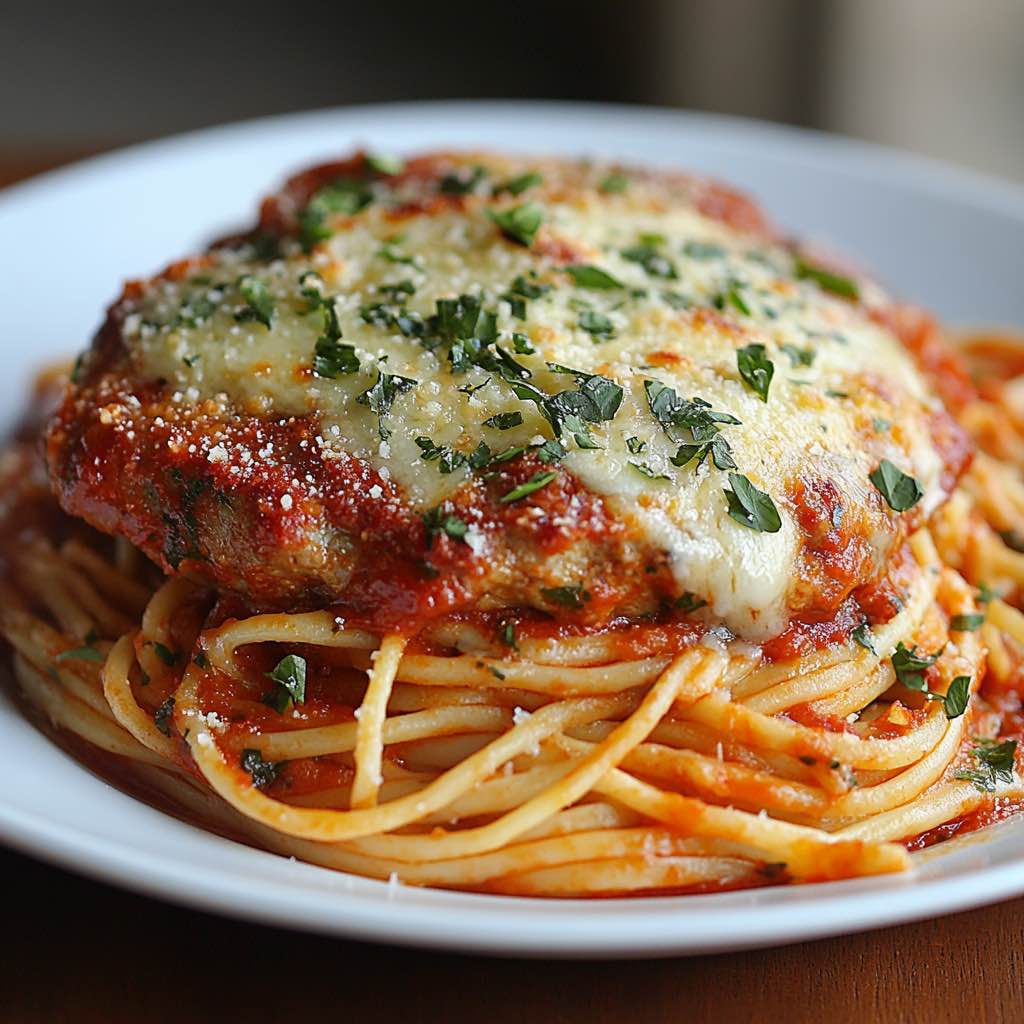
Veal Parmesan with Linguine: A Classic Italian-American Comfort Dish
Introduction
Veal Parmesan with Linguine represents one of the most beloved dishes in Italian-American cuisine. This satisfying meal combines tender, breaded veal cutlets with rich tomato sauce, melted cheese, and perfectly cooked pasta. Moreover, it brings restaurant-quality flavors straight to the home kitchen. Therefore, anyone can master this impressive dish with the right techniques and guidance.
What is Veal Parmesan with Linguine?
Veal Parmesan with Linguine features thin veal cutlets that are breaded, fried until golden, then topped with marinara sauce and cheese. Subsequently, the dish is baked until the cheese melts beautifully. The linguine pasta serves as the perfect base for this hearty entrée.
This classic combination originated from Italian immigrants adapting traditional recipes to American ingredients. Consequently, it became a staple in Italian-American restaurants across the country. The dish showcases simple ingredients transformed into something extraordinary through proper technique.
Why This Dish is Perfect for Any Occasion
First and foremost, Veal Parmesan with Linguine works wonderfully for both weeknight dinners and special occasions. Additionally, it impresses guests with its restaurant-quality presentation. Furthermore, the recipe can be prepared partially in advance, making entertaining easier.
The dish also offers versatility in preparation methods. For instance, you can adjust the seasoning to personal preferences. Similarly, the components can be customized while maintaining the classic flavor profile. Therefore, home cooks of all skill levels can achieve success.
Ingredients You’ll Need
For the Veal Cutlets
-
4 veal cutlets (approximately 4-6 ounces each)
-
2 large eggs
-
1/2 cup all-purpose flour
-
1/2 cup panko breadcrumbs
-
1/4 cup Italian breadcrumbs
-
1/4 cup freshly grated Parmesan cheese
-
2 tablespoons fresh parsley, chopped
-
2 cloves garlic, minced
-
1/2 teaspoon salt
-
1/2 teaspoon black pepper
-
2-3 tablespoons olive oil for frying
For the Tomato Sauce
-
1 tablespoon olive oil
-
1 small onion, finely chopped
-
2 cloves garlic, minced
-
14 ounces canned diced tomatoes, strained
-
1 teaspoon Italian seasoning
-
1/2 teaspoon salt
-
1/4 teaspoon black pepper
-
Fresh basil leaves
For the Topping and Pasta
-
8 ounces fresh mozzarella cheese, sliced
-
1/4 cup Parmesan cheese, grated
-
1/4 cup fresh basil
-
1 pound linguine pasta
-
Salt for pasta water
-
Olive oil for pasta
Essential Kitchen Tools
Having the right equipment makes preparation significantly easier. Therefore, gather these essential items before starting. First, you’ll need a meat mallet for pounding cutlets. Additionally, prepare three shallow bowls for the breading station.
Furthermore, a large skillet is crucial for frying the veal. Similarly, a baking sheet lined with parchment accommodates the assembled dish. Moreover, a large pot ensures proper pasta cooking. Finally, tongs help handle the delicate cutlets safely.
Step-by-Step Preparation Guide
Preparing the Veal Cutlets
First, place each veal cutlet between two pieces of plastic wrap. Then, use a meat mallet to pound the meat to approximately 1/8 inch thickness. This step ensures even cooking and creates tender results.
Additionally, uniform thickness helps achieve consistent breading coverage. Moreover, the thin cutlets cook quickly, preventing dryness. Therefore, take time with this important preparation step. Subsequently, season both sides of each cutlet with salt and pepper.
The pounding process also breaks down muscle fibers. Consequently, the veal becomes more tender. Furthermore, thinner cutlets crisp better during frying. Thus, this technique significantly improves the final texture.
Creating the Perfect Breading
Setting up an efficient breading station streamlines the process considerably. First, place flour seasoned with salt and pepper in a shallow bowl. Next, whisk eggs with minced garlic and parsley in a second bowl. Finally, combine both breadcrumb types with Parmesan cheese in a third bowl.
The three-step breading creates excellent texture and flavor. First, flour helps the egg mixture adhere properly. Then, the egg creates a sticky surface. Finally, the breadcrumb mixture provides the crispy coating. Therefore, each layer serves a specific purpose.
To bread each cutlet, first dip it in flour, coating both sides completely. Subsequently, shake off excess flour before transferring to the egg mixture. Then, ensure both sides receive egg coverage. Finally, press the cutlet into the breadcrumb mixture, coating thoroughly.
Making the Tomato Sauce
Meanwhile, prepare the tomato sauce while the breaded cutlets rest. First, heat olive oil in a saucepan over medium heat. Then, add finely chopped onions and cook for approximately five minutes. Additionally, stir occasionally to prevent burning.
Next, add minced garlic and cook until fragrant, about one minute. Subsequently, pour in strained diced tomatoes and Italian seasoning. Furthermore, season with salt and pepper to taste. Then, simmer the sauce for 3-5 minutes to blend flavors.
The sauce should be thick enough to coat the veal without sliding off. Therefore, cook longer if needed to reduce excess liquid. Moreover, taste and adjust seasoning as necessary. Finally, remove from heat and set aside until assembly.
Cooking the Linguine
Proper pasta cooking makes a significant difference in the final dish. First, fill a large pot with 4-6 quarts of water. Then, bring to a rolling boil over high heat. Additionally, add a generous amount of salt to the water.
According to pasta experts, linguine requires 9-11 minutes to reach perfect al dente texture. However, always check the package instructions as cooking times vary by brand. Furthermore, test the pasta two minutes before the recommended time.
Moreover, the pasta should feel firm yet tender when bitten. Additionally, it should have slight resistance at the center. Therefore, taste-testing ensures optimal texture. Subsequently, drain the pasta in a colander, reserving one cup of pasta water.
Then, return the drained linguine to the pot. Next, drizzle with olive oil and toss gently. This step prevents sticking while keeping the pasta ready for serving. Furthermore, the reserved pasta water can help adjust sauce consistency if needed.
Assembling and Baking
First, preheat the oven to 420°F (210°C). Meanwhile, heat approximately one inch of olive oil in a large skillet over medium-high heat. Then, test the oil temperature by dropping a breadcrumb in; it should sizzle immediately.
Next, carefully place breaded veal cutlets in the hot oil. Cook for approximately 5 minutes per side until golden brown. Additionally, monitor the internal temperature, which should reach 145°F. Furthermore, avoid overcrowding the pan to maintain oil temperature.
Subsequently, transfer the fried cutlets to a greased baking sheet. Then, spread tomato sauce over each cutlet generously. Next, sprinkle Parmesan cheese on top. Finally, arrange mozzarella slices over the sauce.
Place the baking sheet in the preheated oven. Bake for approximately 5 minutes until the cheese melts completely. Additionally, the cheese should become bubbly and slightly golden. Therefore, watch carefully to prevent burning.
Expert Tips for Success
Temperature Control
Maintaining proper cooking temperatures ensures optimal results throughout the preparation. First, the frying oil must be sufficiently hot before adding veal cutlets. Otherwise, the breading absorbs excess oil and becomes greasy. Therefore, use a thermometer to verify oil temperature.
Additionally, veal cooks quickly due to its thin preparation. Consequently, using a meat thermometer prevents overcooking. Most experts recommend cooking veal to 145°F for medium doneness. However, ensure the meat reaches safe internal temperatures.
Breading Technique
Professional chefs emphasize proper breading technique for restaurant-quality results. First, keep one hand for dry ingredients and one for wet ingredients. This prevents clumping and messy fingers. Moreover, press breadcrumbs firmly onto each cutlet.
Furthermore, allow breaded cutlets to rest for 10-15 minutes before frying. This resting period helps the breading adhere better. Consequently, less coating falls off during cooking. Therefore, plan accordingly in your preparation timeline.
Sauce Considerations
The tomato sauce quality significantly impacts the overall dish. Therefore, use quality canned tomatoes or fresh tomatoes when available. Additionally, straining the tomatoes removes excess liquid. Furthermore, this creates a thicker, more concentrated sauce.
Moreover, seasoning should be adjusted to personal taste preferences. Some prefer more garlic, while others enjoy additional herbs. Therefore, taste and adjust accordingly throughout the cooking process. Additionally, fresh basil added at the end brightens the flavors.
Nutritional Benefits
Veal provides excellent nutritional value as a high-quality protein source. Specifically, a typical veal cutlet contains approximately 48 grams of protein per serving. Additionally, veal offers essential nutrients including B vitamins and minerals.
Furthermore, veal contains less fat compared to other red meats. Milk-fed veal is particularly lean and tender. Moreover, it provides important minerals like zinc and iron. Therefore, it contributes to a balanced diet when prepared thoughtfully.
The complete dish with linguine offers a balanced macronutrient profile. Carbohydrates from pasta provide energy. Additionally, protein from veal and cheese supports muscle maintenance. Furthermore, tomato sauce contributes vitamins and antioxidants. Therefore, the meal offers comprehensive nutrition.
Common Mistakes to Avoid
Overcooking the Veal
One of the most frequent errors involves overcooking the delicate veal cutlets. Since veal cooks rapidly, vigilance is essential. Therefore, use a meat thermometer for accuracy. Additionally, remove cutlets promptly when they reach 145°F.
Furthermore, remember that carryover cooking continues after removing from heat. Consequently, the internal temperature rises slightly during resting. Therefore, account for this when determining doneness. Moreover, overcooked veal becomes tough and dry.
Improper Oil Temperature
Frying at incorrect oil temperatures creates several problems. First, oil that’s too cool causes breading to absorb excess grease. Conversely, excessively hot oil burns the coating before the meat cooks through. Therefore, maintaining proper temperature is crucial.
Additionally, test the oil temperature before adding cutlets. Drop a breadcrumb into the oil; it should sizzle immediately. Furthermore, avoid overcrowding the pan, which lowers oil temperature. Therefore, fry cutlets in batches if necessary.
Pasta Mistakes
Many home cooks struggle with perfectly cooked pasta. First, using insufficient water causes pasta to stick together. Therefore, use at least 4-6 quarts of water per pound of pasta. Additionally, salt the water generously before boiling.
Moreover, never rinse pasta after draining unless making a cold salad. Rinsing removes the starch that helps sauce adhere. Furthermore, slightly undercook pasta if it will sit before serving. Therefore, aim for true al dente texture.
Serving Suggestions
Plating and Presentation
Restaurant-quality presentation elevates the dining experience significantly. First, place a generous portion of linguine on each plate. Then, twirl the pasta using tongs to create an attractive nest. Subsequently, position one veal cutlet over the pasta.
Additionally, garnish with fresh basil leaves for color and aroma. Furthermore, a light sprinkle of Parmesan cheese adds finishing elegance. Moreover, a drizzle of quality olive oil enhances both flavor and appearance. Therefore, take time with plating details.
Side Dishes
Veal Parmesan with Linguine pairs beautifully with various side dishes. First, a simple green salad provides refreshing contrast. Additionally, garlic bread complements the Italian flavors perfectly. Furthermore, steamed vegetables add nutritional balance.
Moreover, roasted asparagus offers elegant sophistication for special occasions. Similarly, sautéed green beans with garlic enhance the meal. Therefore, choose sides that complement without overwhelming the main dish. Additionally, consider seasonal vegetables for optimal freshness.
Check out our guide on [perfect side dishes for Italian entrees] for more pairing ideas.
Storage and Reheating
Proper Storage
Leftover Veal Parmesan with Linguine stores well when handled correctly. First, allow all components to cool completely before refrigerating. Then, store in airtight containers within two hours of cooking. Additionally, separate the veal from the pasta if possible.
Furthermore, properly stored leftovers maintain quality for 3-4 days refrigerated. Moreover, the components can be frozen for longer storage. However, freeze the veal separately from pasta for best results. Therefore, plan storage based on anticipated consumption timeline.
Reheating Methods
Reheating requires care to maintain quality and texture. First, the oven method produces superior results compared to microwaving. Therefore, preheat the oven to 350°F. Then, place veal on a baking sheet covered with foil.
Additionally, reheat for 15-20 minutes until heated through. Meanwhile, reheat pasta separately with a splash of water. Furthermore, toss the pasta gently while reheating. Therefore, both components maintain optimal texture when served.
Variations to Try
Different Cheese Options
While traditional recipes use mozzarella and Parmesan, variations offer exciting alternatives. For instance, provolone creates a sharper, more complex flavor profile. Additionally, fontina melts beautifully and adds richness. Therefore, experiment with cheese combinations to find personal preferences.
Moreover, fresh mozzarella provides creamier texture than pre-shredded varieties. Similarly, aged Parmesan offers more intense flavor than pre-grated options. Therefore, quality cheese makes a noticeable difference in the final dish.
Pasta Alternatives
Although linguine is traditional, other pasta shapes work wonderfully. For example, spaghetti offers a classic alternative with similar texture. Additionally, fettuccine provides a slightly wider, more substantial option. Furthermore, rigatoni or penne capture sauce in their tubes.
Moreover, whole wheat pasta adds nutritional benefits and nutty flavor. Similarly, gluten-free options accommodate dietary restrictions without sacrificing enjoyment. Therefore, choose pasta based on preferences and dietary needs.
Sauce Variations
The basic tomato sauce accepts numerous flavor enhancements. First, adding crushed red pepper creates spicy kick for those who enjoy heat. Additionally, fresh herbs like oregano or thyme complement the Italian profile. Furthermore, capers add briny complexity.
Moreover, roasted garlic provides mellow, sweet undertones compared to raw garlic. Similarly, sun-dried tomatoes contribute intense, concentrated tomato flavor. Therefore, customize the sauce to create signature variations.
Frequently Asked Questions
Can I prepare Veal Parmesan with Linguine in advance?
Yes, several components can be prepared ahead successfully. First, bread the veal cutlets up to 4 hours in advance. Store them covered in the refrigerator until frying. Additionally, make the tomato sauce one day ahead. However, cook the pasta fresh for best texture.
What’s the difference between veal cutlets and veal scallopini?
Veal cutlets are thicker cuts that require pounding to desired thinness. Conversely, veal scallopini comes already sliced thin. Therefore, scallopini requires less preparation time. However, both work excellently for Veal Parmesan with Linguine.
How do I know when the veal is properly cooked?
The most reliable method involves using an instant-read meat thermometer. Insert it into the thickest part of the cutlet. The internal temperature should reach 145°F for medium doneness. Additionally, the juices should run clear when pierced.
Why is my breading falling off during frying?
Several factors cause breading to separate from meat. First, ensure each cutlet is completely dry before breading. Additionally, press breadcrumbs firmly onto the surface. Furthermore, let breaded cutlets rest before frying. Finally, maintain proper oil temperature throughout cooking.
Can I bake the veal instead of frying it?
While frying produces the crispiest texture, baking offers a healthier alternative. First, preheat the oven to 400°F. Then, place breaded cutlets on a greased baking sheet. Subsequently, spray lightly with cooking oil. Bake for 20-25 minutes, flipping halfway through.
What type of veal should I buy?
Milk-fed veal provides the most tender, sweet, and lean option. Look for pale pink colored meat, which indicates quality. Additionally, purchase cutlets from reputable butchers for best results. Furthermore, ensure even thickness when selecting cuts.
Conclusion
Veal Parmesan with Linguine delivers restaurant-quality results that satisfy even the most discerning palates. This classic Italian-American dish combines crispy breaded veal, rich tomato sauce, melted cheese, and perfectly cooked pasta. Moreover, mastering the techniques outlined ensures consistent success with every preparation.
The key elements include properly pounding and breading the veal cutlets, maintaining correct cooking temperatures, and timing the pasta perfectly. Additionally, quality ingredients and attention to detail make significant differences. Therefore, take time with each step for optimal results.
Furthermore, this versatile recipe accommodates various customizations while maintaining its classic appeal. Whether preparing for a special occasion or weeknight dinner, Veal Parmesan with Linguine impresses consistently. Therefore, add this timeless dish to your regular cooking rotation.
Ready to create this delicious meal? Gather your ingredients, follow these detailed instructions, and enjoy bringing authentic Italian-American cuisine to your table tonight. Additionally, share your Veal Parmesan with Linguine creations with friends and family for memorable dining experiences.
Veal Parmesan with Linguine
Description
Veal Parmesan with Linguine
Ingredients
For the Veal:
-
4 veal cutlets (about ½ inch thick)
-
Salt and pepper, to taste
-
½ cup all-purpose flour
-
2 large eggs, beaten
-
1 cup breadcrumbs (Italian-style)
-
½ cup grated Parmesan cheese
-
½ tsp garlic powder
-
½ tsp dried oregano
-
¼ cup olive oil (for pan-frying)
For the Assembly:
-
2 cups marinara sauce (homemade or store-bought)
-
1½ cups shredded mozzarella cheese
-
2 tbsp fresh basil, chopped
For the Linguine:
-
12 oz linguine
-
Salted water for cooking
-
1 tbsp olive oil (optional)
Instructions
-
Prepare the Veal:
-
Season veal with salt and pepper.
-
Set up dredging station: flour, beaten eggs, and breadcrumb mixture (breadcrumbs + Parmesan + garlic powder + oregano).
-
Coat each cutlet in flour, dip in egg, then press into breadcrumb mixture.
-
-
Cook the Veal:
-
Heat olive oil in a large skillet over medium heat.
-
Pan-fry veal cutlets 2–3 minutes per side until golden brown.
-
Remove and drain on paper towels.
-
-
Assemble & Bake:
-
Preheat oven to 375°F (190°C).
-
Spread a thin layer of marinara in a baking dish.
-
Place veal cutlets on top, spoon remaining sauce over them.
-
Sprinkle with mozzarella and a little extra Parmesan.
-
Bake for 15–20 minutes, until cheese is melted and bubbly.
-
-
Cook Linguine:
-
Boil linguine in salted water according to package instructions.
-
Drain and toss with a touch of olive oil to prevent sticking.
-
-
Serve:
-
Plate linguine and top with baked veal Parmesan.
-
Garnish with fresh basil and extra Parmesan if desired.
-