
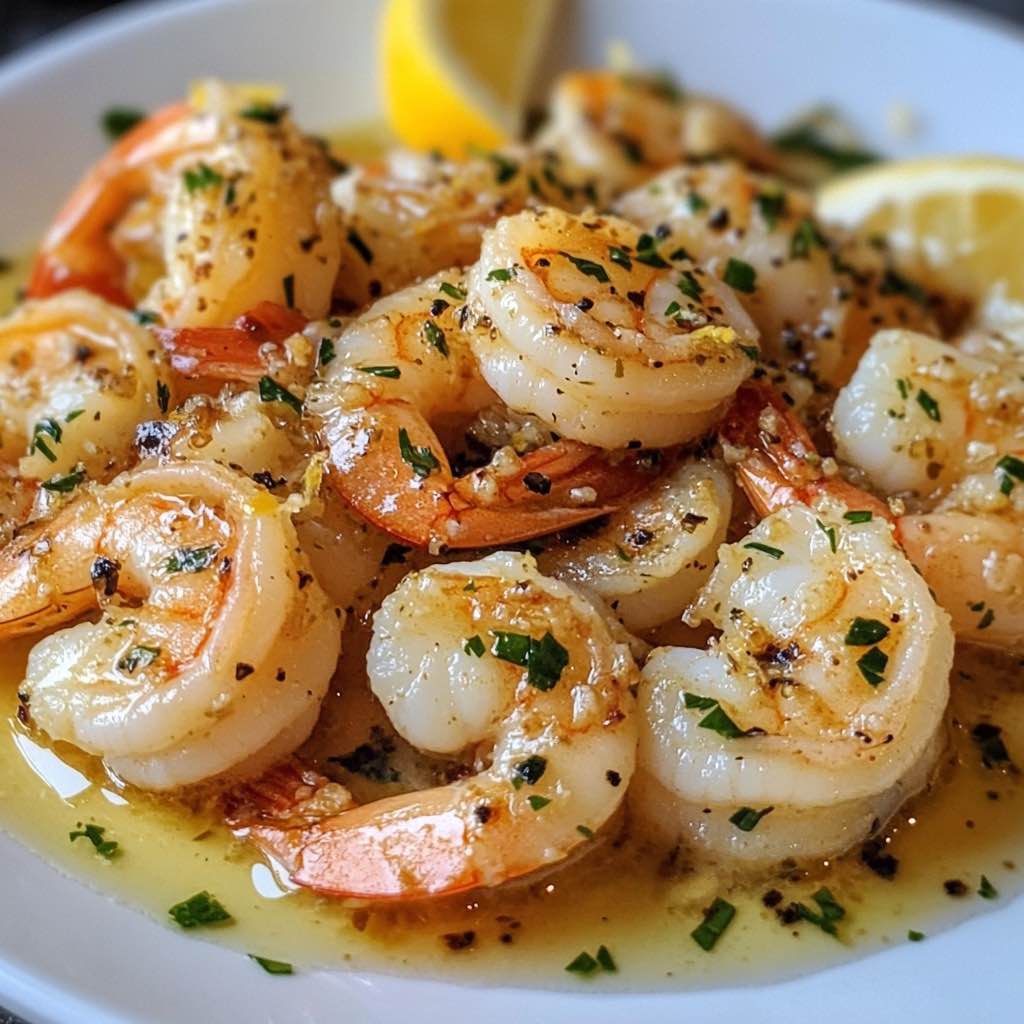
Shrimp Scampi with Garlic Lemon Butter Sauce
Introduction
Shrimp scampi with garlic lemon butter sauce transforms ordinary weeknight dinners into restaurant-quality meals. This classic Italian-American dish features succulent shrimp bathed in a luxurious garlic lemon butter sauce that takes just 20 minutes to prepare. The combination of tender shrimp, aromatic garlic, and bright citrus creates an unforgettable flavor experience.
Many traditional recipes call for certain ingredients that not everyone prefers. This version delivers all the rich, savory goodness using simple, wholesome ingredients. Whether serving over pasta, rice, or with crusty bread, this dish impresses every time.
What is Shrimp Scampi with Garlic Lemon Butter Sauce?
Shrimp scampi originated as an Italian-American creation that showcases shellfish in a simple yet elegant preparation. The dish centers on plump shrimp cooked quickly in a butter-based sauce. Traditional preparations emphasize garlic, lemon, and herbs to create bright, balanced flavors.
The term “scampi” actually refers to a type of small lobster found in European waters. American cooks adapted the name to describe the cooking style rather than the specific seafood. Today, it represents a beloved comfort food that feels both sophisticated and approachable.
This preparation method preserves the natural sweetness of shrimp. The garlic lemon butter sauce enhances rather than masks the delicate seafood flavor. Each component plays a vital role in creating the dish’s signature taste.
Why This Recipe is Perfect for Everyone
Quick preparation makes this recipe ideal for busy schedules. Most versions require less than 30 minutes from start to finish. The straightforward technique works well for both beginners and experienced cooks.
Versatility stands out as another major advantage. The shrimp works beautifully over various bases including linguine, angel hair pasta, rice, or cauliflower rice for low-carb diets. Zucchini noodles provide another healthy alternative that complements the rich sauce.
Impressive presentation makes guests think hours went into preparation. The golden shrimp swimming in glossy butter sauce looks restaurant-worthy on any plate. Fresh parsley adds a pop of color that elevates the visual appeal.
Nutritional benefits make this dish a smart choice for health-conscious eaters. Shrimp provides high-quality protein with relatively few calories. The omega-3 fatty acids support heart and brain health.
Essential Ingredients You’ll Need
For the Shrimp
-
1.5 pounds large shrimp, peeled and deveined
-
Salt and black pepper to taste
-
Optional: tails on for presentation or off for easier eating
For the Garlic Lemon Butter Sauce
-
6 tablespoons unsalted butter, divided
-
2 tablespoons extra-virgin olive oil
-
6-8 cloves fresh garlic, minced
-
1/2 cup chicken broth or seafood stock
-
3 tablespoons fresh lemon juice
-
1 teaspoon lemon zest
-
1/4 teaspoon red pepper flakes (optional)
-
3 tablespoons fresh parsley, chopped
-
Additional lemon wedges for serving
Optional Additions
-
1 pound linguine or pasta of choice
-
Cherry tomatoes for added color
-
Fresh basil as an alternative herb
-
Extra virgin olive oil for drizzling
Fresh ingredients make a noticeable difference in final results. Frozen shrimp works well when thawed properly, but fresh garlic cannot be substituted with pre-minced versions. Real butter creates the signature richness that defines authentic scampi.
Kitchen Equipment and Tools
Essential Equipment
Large skillet or sauté pan serves as the primary cooking vessel. A 12-inch pan provides adequate space for shrimp to cook evenly without crowding. Non-stick or stainless steel both work well, though stainless creates better fond.
Sharp chef’s knife makes quick work of garlic mincing and herb chopping. Properly minced garlic releases more flavor into the sauce. A microplane grater provides the finest lemon zest.
Tongs or spatula help flip shrimp without splashing hot butter. Silicone-tipped tools protect non-stick surfaces. A pasta fork works perfectly for tossing noodles into the sauce.
Helpful But Optional
A large pot becomes necessary when serving over pasta. Colanders drain cooked noodles quickly. Measuring cups and spoons ensure accurate proportions, though experienced cooks often eyeball amounts.
A citrus juicer extracts maximum juice from lemons. Kitchen shears trim tails from shrimp efficiently. Garlic presses speed preparation, though many chefs prefer hand-mincing for better texture.
Step-by-Step Cooking Instructions
Preparation Phase
Prepare the shrimp by patting them completely dry with paper towels. Moisture prevents proper browning and can cause butter to splatter. Season generously with salt and pepper on both sides.
Mince the garlic finely and chop the parsley. Having all ingredients measured and ready prevents overcooking. This French technique called “mise en place” streamlines the cooking process.
Juice the lemon and measure the broth. Set everything within arm’s reach of the stove. The cooking happens quickly once heat is applied.
Cooking the Shrimp
Heat a large skillet over medium heat. Add half the butter and the olive oil. The oil prevents butter from burning at higher temperatures.
Once butter melts and foams, add minced garlic. Sauté for 30-60 seconds until fragrant but not browned. Burnt garlic tastes bitter and ruins the sauce.
Increase heat to medium-high. Add seasoned shrimp in a single layer. Cook for 2-3 minutes on the first side without moving them.
Flip the shrimp when they turn pink around the edges. Cook another 1-2 minutes on the second side. Total cooking time ranges from 3-5 minutes depending on size.
Remove cooked shrimp to a plate. Slightly undercooking prevents rubberiness since they’ll return to the pan.
Creating the Sauce
Add chicken broth to the hot pan. Scrape up any browned bits stuck to the bottom. This fond adds incredible depth of flavor.
Add red pepper flakes if using. Let the liquid simmer and reduce by half, which takes 2-3 minutes. The sauce should look slightly thickened and glossy.
Reduce heat to medium-low. Stir in remaining butter one tablespoon at a time. The butter should emulsify into the sauce rather than separate.
Add lemon juice and zest. Stir to combine completely. Taste and adjust seasoning with salt and pepper.
Return shrimp to the pan along with any accumulated juices. Toss to coat in the garlic lemon butter sauce. Sprinkle with fresh parsley.
Final Assembly
For pasta preparations, add cooked and drained noodles directly to the pan. Toss everything together so pasta absorbs the sauce. A splash of pasta water helps the sauce cling better.
Serve immediately while shrimp remain tender. Garnish with extra parsley and lemon wedges. The dish loses quality if it sits too long.
Expert Tips for Perfect Results
Shrimp Selection and Preparation
Choose the right size for optimal results. Large or jumbo shrimp (16-20 count per pound) provide the best texture. Smaller shrimp overcook more easily.
Buy pre-peeled shrimp to save time, or purchase shell-on for better flavor. Shells contain compounds that enhance taste. Devein all shrimp for better presentation and texture.
Thaw frozen shrimp properly by placing them in a colander under cold running water for 10 minutes. Never thaw at room temperature. Pat completely dry before cooking.
Cooking Technique Mastery
Avoid overcrowding the pan which causes steaming instead of searing. Cook in batches if necessary to maintain proper temperature. Properly seared shrimp develop light golden edges.
Watch cooking time carefully since shrimp cook incredibly fast. Overcooked shrimp become tough and rubbery. Remove from heat when just opaque throughout.
Control the heat to prevent burning garlic while achieving good shrimp color. Medium-high heat works for most stovetops. Adjust based on your equipment’s characteristics.
Sauce Perfection
Use quality butter since it forms the sauce foundation. European-style butter with higher fat content creates richer results. Unsalted butter allows better seasoning control.
Add butter gradually at the end to create a proper emulsion. Rushed butter addition causes separation. Swirl the pan while incorporating each piece.
Don’t skip the lemon zest which provides aromatic oils that juice alone cannot deliver. Zest only the yellow outer layer. White pith tastes bitter.
Balance acidity by tasting before serving. More lemon juice brightens the dish while extra butter smooths sharp edges. Personal preference guides final adjustments.
Nutritional Benefits of Shrimp
Protein Powerhouse
Shrimp delivers impressive protein with minimal calories. A 3-ounce serving provides approximately 20 grams of protein, representing 40% of daily recommended values. This makes shrimp an excellent choice for muscle maintenance and growth.
Complete amino acid profile means shrimp contains all nine essential amino acids the body cannot produce independently. These building blocks support every cell and tissue. Protein from seafood digests more easily than red meat.
Vitamins and Minerals
Rich in selenium, shrimp supports thyroid function and protects cells from oxidative damage. One serving provides significant amounts of this essential mineral. Selenium also plays roles in reproduction and DNA synthesis.
Vitamin B12 content helps form red blood cells and maintains nervous system health. Shrimp ranks as one of the top food sources of this crucial vitamin. B12 also supports energy metabolism.
Phosphorus and zinc contribute to bone health and immune function respectively. These minerals work synergistically with other nutrients. Adequate mineral intake supports overall wellness.
Iodine concentration benefits thyroid health, particularly for people with thyroid conditions. This trace mineral regulates metabolism and growth. Many diets lack sufficient iodine.
Healthy Fats
Omega-3 fatty acids in shrimp support cardiovascular health by reducing inflammation and improving cholesterol levels. Studies suggest regular seafood consumption lowers heart disease risk. These essential fats also benefit brain function.
Low saturated fat content makes shrimp heart-healthy compared to many protein sources. Choosing shrimp over processed or red meat may reduce mortality risk. The fat profile supports healthy eating patterns.
Antioxidant Properties
Astaxanthin gives shrimp its pink color and provides powerful antioxidant benefits. This compound may help prevent cardiovascular and neurodegenerative diseases. Research continues exploring its therapeutic potential.
Low mercury levels make shrimp safer than many other seafood options. Pregnant women and children can enjoy shrimp regularly. This advantage encourages consistent seafood consumption.
Serving Suggestions and Pairings
Pasta Options
Linguine represents the classic pairing that restaurants favor. The flat noodles capture sauce beautifully. Cook pasta al dente for best texture.
Angel hair pasta provides a delicate option that complements rather than competes with shrimp. The thin strands coat evenly in butter sauce. Quick cooking time matches the shrimp preparation.
Spaghetti or fettuccine offer slightly heartier alternatives. These shapes hold up well to the garlic lemon butter sauce. Personal preference guides pasta selection.
Low-Carb Alternatives
Zucchini noodles create a lighter version perfect for low-carb diets. Spiralized zucchini absorbs flavor while maintaining crunch. Sauté briefly or serve raw.
Cauliflower rice provides another grain-free base. Its mild flavor allows the shrimp scampi to shine. Season cauliflower separately for best results.
Steamed vegetables like broccoli or asparagus pair wonderfully. These sides add nutrition and color. Roasting vegetables intensifies their natural sweetness.
Bread and Grain Sides
Crusty garlic bread soaks up every drop of precious sauce. Toasted bread provides textural contrast. Homemade garlic bread elevates the meal further.
White rice or risotto offers a neutral backdrop for bold flavors. The grains absorb the garlic lemon butter sauce completely. Rice pilaf adds visual interest.
Polenta or grits create a creamy foundation for the shrimp. These Southern staples complement the Italian-American flavors surprisingly well. Cheese additions enhance richness.
Salad Pairings
Simple green salad balances the rich main course. Light vinaigrette dressing refreshes the palate. Arugula adds peppery notes.
Caesar salad provides a classic Italian-American combination. The creamy dressing harmonizes with buttery shrimp. Homemade croutons add crunch.
Caprese salad brings fresh tomatoes, basil, and mozzarella. These Mediterranean flavors complement the lemon garlic profile. Use peak-season tomatoes for best results.
Storage and Reheating Guidelines
Proper Storage Methods
Refrigerate promptly within two hours of cooking to prevent bacterial growth. Transfer shrimp scampi to an airtight container. Glass containers prevent odor absorption better than plastic.
Store for 2-3 days maximum in the refrigerator at 40°F or below. Seafood deteriorates faster than other proteins. Write the date on containers to track freshness.
Separate sauce from pasta if possible for better reheating results. Pasta absorbs liquid during storage and becomes mushy. Store components in different containers.
Freezing Considerations
Freezing is not recommended for this dish since shrimp texture suffers significantly. The butter sauce also separates upon thawing. Fresh preparation yields vastly superior results.
If freezing becomes necessary, consume within one month. Thaw overnight in the refrigerator rather than at room temperature. Expect textural changes.
Reheating Techniques
Gentle stovetop reheating preserves texture better than microwaving. Add a splash of broth or water to reconstitute the sauce. Heat over low temperature, stirring frequently.
Avoid overcooking during reheating since shrimp toughens easily. Heat just until warmed through, about 3-4 minutes. Remove from heat immediately.
Microwave carefully if speed is essential. Use 50% power in 30-second intervals. Stir between heating cycles to ensure even warming.
Check out our guide on [storing and reheating seafood safely] for more detailed information.
Common Mistakes to Avoid
Shrimp Preparation Errors
Skipping the pat-dry step leads to steaming rather than searing. Moisture creates splatter and prevents browning. Always thoroughly dry shrimp before cooking.
Overcooking shrimp ranks as the most common mistake. Rubbery texture ruins an otherwise perfect dish. Remove shrimp when just opaque.
Leaving tails on without warning guests can frustrate diners. Either remove all tails or notify people beforehand. Tails add flavor but reduce convenience.
Sauce Problems
Burning the garlic creates bitter, acrid flavors throughout the sauce. Watch garlic carefully and reduce heat if needed. Burnt garlic cannot be fixed.
Adding cold butter too quickly causes sauce separation. Incorporate gradually while swirling the pan. Temperature control matters for proper emulsion.
Insufficient seasoning leaves the dish tasting flat. Taste and adjust salt, pepper, and lemon juice before serving. Proper seasoning elevates every component.
Timing Issues
Starting pasta too early results in overcooked noodles. Begin pasta water when starting the shrimp preparation. Coordinate timing so everything finishes together.
Letting the dish sit too long before serving diminishes quality. Shrimp continue cooking in residual heat. Serve immediately for best texture.
Preparing too far in advance doesn’t work for this dish. The quick cooking time means last-minute preparation works better. Plan accordingly when entertaining.
Recipe Variations to Try
Herb Variations
Basil instead of parsley provides a sweeter, more aromatic profile. Fresh basil complements tomato additions beautifully. Tear rather than chop basil to prevent bruising.
Cilantro creates a completely different flavor profile with Latin influences. This works particularly well with lime instead of lemon. Add just before serving.
Tarragon or dill offer sophisticated alternatives for special occasions. These delicate herbs pair exceptionally well with seafood. Use lighter hands since flavors are more pronounced.
Additional Vegetables
Cherry tomatoes add bursts of sweetness and color. Halve them and add with the broth. They release juices that enhance the sauce.
Spinach or kale increase nutritional value while adding earthy notes. Wilt greens in the sauce before returning shrimp. Remove tough stems first.
Asparagus tips provide spring-like freshness and elegant presentation. Blanch separately before adding to the finished dish. They add wonderful textural variety.
Spice Adjustments
Extra red pepper flakes boost heat for spice lovers. Start conservatively since heat intensifies during cooking. Guests can always add more at the table.
Cajun or Old Bay seasoning creates a bolder, more complex flavor profile. These blends work particularly well for Southern-inspired versions. Reduce added salt when using seasoning blends.
Smoked paprika adds depth without significant heat. The smoky notes complement the butter sauce beautifully. Use Spanish pimentón for authentic flavor.
Protein Alternatives
Chicken breast adapts well to this preparation method. Cut into bite-sized pieces for similar cooking time. Ensure internal temperature reaches 165°F.
Scallops provide another luxurious seafood option. Their sweet flavor pairs perfectly with garlic lemon butter sauce. Pat dry thoroughly before searing.
Firm white fish like halibut or cod works when cut into chunks. Adjust cooking time based on thickness. Fish flakes easily when properly cooked.
Frequently Asked Questions
Can I make shrimp scampi with garlic lemon butter sauce ahead of time?
This dish tastes best when served immediately after preparation. Shrimp continue cooking from residual heat and become rubbery if held too long. Prepare ingredients in advance, but cook just before serving for optimal results. The entire cooking process takes less than 15 minutes once ingredients are ready.
What can I substitute for traditional ingredients in the sauce?
Chicken broth or seafood stock works perfectly in place of other liquids. These options create equally delicious results with bright, clean flavors. The broth provides the liquid needed for sauce consistency while maintaining the dish’s integrity. Additional butter compensates for any richness differences.
How do I know when shrimp are perfectly cooked?
Properly cooked shrimp appear opaque pink throughout with no gray translucent centers. They curl into a loose C-shape rather than tight circles. The texture should feel firm but still tender when pressed gently. Total cooking time ranges from 3-5 minutes depending on size.
Why does my shrimp scampi sauce separate?
Sauce separation occurs when butter is added too quickly or at too high a temperature. The emulsion breaks when fat and liquid cannot combine properly. Fix this by removing the pan from heat and whisking vigorously while slowly incorporating butter. Gentle heat and patience create stable, glossy sauce.
What size shrimp works best?
Large or jumbo shrimp (16-20 count per pound) provide the best results for this preparation. Smaller shrimp overcook more easily and don’t showcase the technique as well. However, adjust cooking time based on actual size. Medium shrimp work in a pinch with reduced cooking time.
Can I use pre-minced garlic?
Fresh garlic makes a noticeable difference in flavor and should be used whenever possible. Pre-minced garlic from jars tastes harsh and lacks the aromatic qualities of fresh. The small effort required to mince fresh cloves pays dividends in final taste. Use a garlic press if hand-mincing feels tedious.
How can I make this dish healthier?
The dish already offers significant nutritional benefits from high-protein, low-calorie shrimp. Serve over zucchini noodles or cauliflower rice instead of pasta to reduce carbohydrates. Reduce butter slightly and increase olive oil for a better fat profile. Add vegetables like spinach or cherry tomatoes for extra nutrition.
What causes shrimp to become tough and rubbery?
Overcooking is the primary culprit behind rubbery shrimp texture. Shrimp cook extremely quickly and continue cooking after removal from heat. Remove shrimp when just opaque and slightly underdone. They’ll finish cooking in the residual heat while the sauce comes together.
Conclusion
Shrimp scampi with garlic lemon butter sauce delivers restaurant-quality results in a home kitchen with minimal effort. The combination of tender shrimp, aromatic garlic, and bright lemon creates an unforgettable meal. This versatile dish works equally well for casual weeknight dinners or special occasions.
The straightforward technique allows cooks of all skill levels to achieve success. Quick cooking time makes it perfect for busy schedules without sacrificing flavor or presentation. The nutritional benefits from high-protein shrimp make this an excellent choice for health-conscious eaters.
Whether served over pasta, rice, or vegetables, this classic preparation showcases seafood at its finest. The rich garlic lemon butter sauce complements the natural sweetness of shrimp perfectly. Master this recipe and it will become a go-to favorite for years to come.
Shrimp Scampi with Garlic Lemon Butter Sauce
Description
Shrimp Scampi with Garlic Lemon Butter Sauce
Ingredients
-
1 lb large shrimp, peeled and deveined
-
4 tbsp unsalted butter
-
2 tbsp olive oil
-
4 cloves garlic, minced
-
¼ tsp red pepper flakes (optional, for heat)
-
Juice of 1 lemon (about 2–3 tbsp)
-
Zest of 1 lemon
-
¼ cup chopped fresh parsley
-
Salt and freshly ground black pepper, to taste
-
12 oz linguine or spaghetti (optional, for pasta version)
Instructions
-
Cook the Pasta (Optional):
-
Boil pasta in salted water according to package instructions.
-
Reserve ½ cup pasta water, then drain and set aside.
-
-
Cook the Shrimp:
-
In a large skillet, heat olive oil and 2 tbsp butter over medium heat.
-
Add shrimp, season with salt and pepper, and cook 2–3 minutes per side until pink and opaque.
-
Remove shrimp from skillet and set aside.
-
-
Make the Garlic Lemon Butter Sauce:
-
In the same skillet, melt remaining butter.
-
Add garlic and red pepper flakes, sauté 30–60 seconds until fragrant.
-
Stir in lemon juice, zest, and parsley.
-
Season with salt and pepper to taste.
-
-
Combine:
-
Return shrimp to the skillet, tossing to coat in sauce.
-
If using pasta, toss shrimp and sauce with cooked linguine, adding reserved pasta water if needed for a silky finish.
-
-
Serve:
-
Plate immediately with a sprinkle of parsley and extra lemon wedges on the side.
-
Optional: serve with crusty bread to soak up every drop of the buttery sauce.
-