
Truffle Parmesan Fries: The Ultimate Guide to Making Restaurant-Quality Fries at Home
What Are Truffle Parmesan Fries?
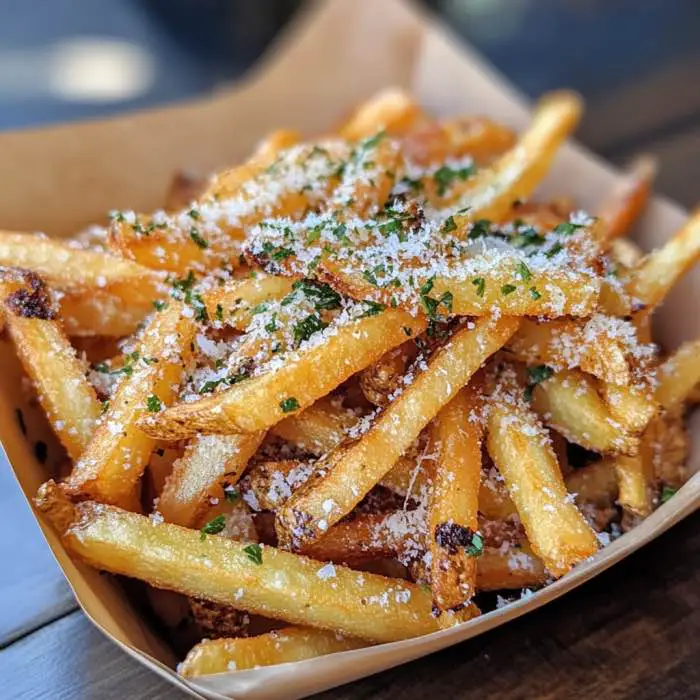
Truffle Parmesan Fries are crispy, golden potato fries elevated with aromatic truffle oil and savory Parmesan cheese. These gourmet fries transform ordinary potatoes into an upscale side dish worthy of fine dining restaurants. The combination creates an irresistible umami-rich flavor that’s both earthy and indulgent.
Furthermore, this dish has become increasingly popular on restaurant menus across the country. Home cooks can easily recreate these fries with just a few simple ingredients. The key lies in achieving the perfect balance between crispy exterior and fluffy interior.
Why Everyone Loves These Gourmet Fries
These fries offer a luxurious twist on traditional French fries without complicated techniques. The truffle oil adds sophisticated, earthy notes that instantly upgrade the dish. Meanwhile, the Parmesan cheese contributes salty, nutty flavors that complement the truffle perfectly.
Additionally, they’re surprisingly easy to make at home compared to their restaurant counterparts. Most recipes require only basic cooking skills and common kitchen equipment. The impressive presentation makes them ideal for entertaining guests or special occasions.
The umami-rich combination creates an addictive flavor profile that keeps people coming back. These fries satisfy both comfort food cravings and gourmet aspirations simultaneously. They work equally well as appetizers, side dishes, or indulgent snacks.
Essential Ingredients You’ll Need
Creating perfect Truffle Parmesan Fries requires just a handful of quality ingredients. The simplicity allows each component to shine through in the final dish. Here’s what you’ll need:
Core Ingredients
The foundation starts with russet potatoes, which provide the ideal texture. Olive oil or avocado oil helps achieve that golden, crispy exterior. Salt and black pepper form the basic seasoning base.
Garlic powder adds depth without overpowering the truffle flavor. Truffle oil delivers that signature earthy, luxurious aroma. Freshly grated Parmesan cheese provides the essential salty, nutty finish.
Fresh parsley adds color and a bright, herbaceous note. Some recipes also incorporate lemon zest for brightness. These simple ingredients combine to create extraordinary results.
Quality Matters
Investing in high-quality truffle oil makes a significant difference in taste. Fresh Parmesan cheese, rather than pre-grated versions, delivers superior flavor. Russet potatoes specifically create the best texture for fries.
Choosing the Right Potatoes
The potato variety dramatically impacts the final texture and taste of your fries. Not all potatoes are created equal when it comes to frying. Understanding these differences ensures consistently excellent results.
Why Russet Potatoes Win
Russet potatoes reign supreme for making French fries due to their composition. These potatoes contain high starch content and low moisture levels. This combination creates the perfect contrast between crispy exterior and fluffy interior.
The high starch content participates in the Maillard reaction during cooking. This chemical process produces that desirable golden-brown color and deep flavor. Additionally, low moisture prevents excess oil absorption, keeping fries crispy rather than greasy.
Russet potatoes maintain their structural integrity during cooking. They don’t steam themselves from the inside out, which prevents mushiness. This variety consistently delivers restaurant-quality results at home.
Alternative Potato Options
Yukon Gold potatoes can work as a substitute, though results differ slightly. These potatoes produce a creamier, softer texture instead of maximum crispiness. However, they still make delicious fries with proper technique.
Kennebec potatoes are another excellent choice favored by professional chefs. These potatoes offer similar high-starch characteristics to Russets. Avoid waxy potato varieties like red potatoes, which don’t crisp well.
Understanding Truffle Oil Types
Truffle oil comes in two main varieties, each with distinct characteristics. Understanding these differences helps you choose the right option for your fries. Both types can create delicious results, though they offer different flavor profiles.
White Truffle Oil Characteristics
White truffle oil features an intense, enchanting aroma that’s immediately recognizable. The flavor profile includes earthy, garlicky, and musky notes. Some describe subtle hints of garlic and shallots in the background.
This variety offers a more delicate and refined taste compared to black truffle oil. The robust aroma makes it a delightful addition to lighter dishes. White truffle oil is typically more expensive due to the rarity of white truffles.
The intensity means a little goes a long way in recipes. It pairs exceptionally well with creamy textures and subtle flavors. White truffle oil works best as a finishing touch rather than a cooking oil.
Black Truffle Oil Characteristics
Black truffle oil provides a more nuanced aroma than its white counterpart. The scent features earthy notes with hints of chocolate, nuts, and forest floor. This variety delivers a deeper, more intense, and rich flavor profile.
The taste harmoniously blends umami and nutty characteristics. Black truffle oil has a muskier, woodier quality overall. It tends to be more accessible and less costly than white truffle oil.
This type complements heartier dishes and robust flavors particularly well. The earthiness pairs beautifully with potatoes, making it ideal for fries. Black truffle oil is the more popular choice for home cooking applications.
Which One to Choose for Fries
Both varieties work wonderfully for Truffle Parmesan Fries, though most recipes favor black. Black truffle oil’s earthy, robust character complements potatoes perfectly. The musky notes enhance the savory quality of Parmesan cheese.
White truffle oil creates a more delicate, garlicky version of the dish. This option works well if you prefer subtler truffle flavor. Experiment with both to discover your personal preference.
Step-by-Step Cooking Methods
Multiple cooking methods can produce excellent Truffle Parmesan Fries at home. Each technique offers unique advantages depending on your equipment and preferences. Let’s explore the most popular approaches in detail.
Oven-Baked Method
Oven-baking provides a healthier alternative to deep frying without sacrificing crispiness. This method requires minimal hands-on time and can produce large batches easily. The convection setting enhances results if your oven has this feature.
First, preheat your oven to 425°F and place a baking sheet inside to heat. Cut russet potatoes into thin fries, approximately ¼ inch thick. Soak the cut fries in hot water for 30 minutes to remove excess starch.
Drain the fries thoroughly and pat them completely dry with a clean towel. Moisture is the enemy of crispiness, so this step is crucial. Toss the dried fries with olive oil, salt, pepper, and garlic powder.
Remove the hot baking sheet and spread fries in a single layer. Ensure they’re not overlapping, which prevents even cooking. Bake for 18-25 minutes, flipping halfway through until golden brown.
Transfer hot fries immediately to a large bowl and drizzle with truffle oil. Add freshly grated Parmesan cheese, lemon zest, and chopped parsley. Toss gently to coat evenly and serve immediately.
Air Fryer Method
The air fryer method cuts cooking time significantly while maintaining excellent crispiness. This technique circulates hot air around the fries for even browning. It’s perfect for smaller batches and weeknight cooking.
Prepare the potatoes the same way as the oven method by cutting and soaking. Dry them thoroughly to ensure maximum crispiness. Toss with a small amount of oil and seasonings.
Set your air fryer to 400°F for optimal results. Cook the fries for 15-20 minutes, shaking the basket halfway through. The reduced cooking time makes this method highly efficient.
Once golden and crispy, immediately toss with truffle oil and toppings. The quick cooking preserves the potato’s fluffy interior perfectly. This method uses less oil than traditional frying.
Double-Fry Method
The double-fry technique produces the crispiest possible fries with restaurant-quality texture. This traditional method requires more time but delivers exceptional results. Professional kitchens often use this approach for premium fries.
Heat frying oil to 350°F in a large, deep pot. Prepare and soak your potatoes as described in previous methods. Ensure they’re completely dry before frying to prevent dangerous splattering.
Fry the potatoes in small batches for 3-5 minutes during the first fry. They should become tender but only lightly golden at this stage. Remove with a slotted spoon and drain on paper towels.
Allow the fries to cool for at least 10 minutes between frying sessions. This rest period is essential for developing the proper texture. Increase oil temperature slightly for the second fry.
Fry again for 3-5 minutes until deep golden brown and crispy. Drain excess oil on paper towels immediately. Toss with truffle oil, Parmesan, and fresh herbs while still hot.
Pro Tips for Maximum Crispiness
Achieving perfectly crispy Truffle Parmesan Fries requires attention to several key details. These professional techniques make the difference between good and exceptional fries. Implement these tips for consistently outstanding results every time.
The Soaking Secret
Soaking cut potatoes in cold water for 30 minutes removes excess surface starch. This simple step dramatically improves the final crispiness of your fries. The starch removal prevents fries from sticking together during cooking.
Cold water works best for this process, drawing out more starch than warm water. Some cooks soak potatoes for up to several hours for maximum effect. Change the water once if it becomes cloudy from released starch.
After soaking, rinse the fries under cold running water for two minutes. This additional rinse removes any remaining surface starch. Always dry the fries completely before proceeding with cooking.
Proper Spacing Matters
Overcrowding the baking sheet or fryer basket ruins crispiness. Fries need adequate space for air circulation and even browning. Overlapping fries steam rather than crisp, resulting in soggy results.
Spread fries in a single layer with space between each piece. Cook in multiple batches if necessary rather than crowding everything together. This extra step significantly improves the final texture.
A preheated baking sheet also helps achieve better crispiness. The immediate heat contact starts the browning process right away. This technique mimics the effect of hot oil in deep frying.
Temperature Control
Maintaining proper cooking temperature is crucial for perfect fries. Too low temperatures result in greasy, soggy fries. Too high temperatures burn the outside before cooking the interior.
For oven baking, 425°F provides the ideal balance of browning and cooking. Air fryers work best at 400°F for most potato varieties. Deep frying requires 350°F for the first fry and slightly higher for the second.
Use an oven thermometer to verify your oven’s actual temperature. Many ovens run hotter or cooler than their display indicates. Accurate temperature control prevents disappointing results.
Fresh Parmesan Makes a Difference
Pre-grated Parmesan cheese lacks the flavor intensity of freshly grated cheese. The pre-shredded versions often contain anti-caking agents that affect taste and texture. Fresh Parmesan also melts more smoothly onto hot fries.
Buy a chunk of authentic Parmigiano-Reggiano for the best results. Grate it immediately before tossing with the hot fries. The heat releases the cheese’s aromatic oils, intensifying the flavor.
A microplane grater creates the finest texture, which distributes most evenly. Finely grated cheese coats each fry better than larger shreds. This small detail elevates the entire dish significantly.
Flavor Variations and Twists
Truffle Parmesan Fries serve as an excellent base for creative experimentation. Different herbs, spices, and toppings can transform the flavor profile entirely. These variations keep the dish exciting and customizable to personal preferences.
Herb-Enhanced Versions
Fresh herbs beyond parsley add wonderful complexity to truffle fries. Chopped rosemary provides a piney, aromatic quality that complements truffle beautifully. Fresh thyme offers subtle earthiness that enhances the savory elements.
Chives contribute a mild onion flavor without overwhelming the truffle notes. Basil creates an Italian-inspired version when combined with the Parmesan. Mix multiple herbs together for a more complex flavor profile.
Add fresh herbs after cooking, tossing them with the hot fries. Heat releases their aromatic oils without burning the delicate leaves. Dried herbs work less effectively than fresh in this application.
Citrus Additions
Lemon zest brightens the rich, earthy flavors of truffle and Parmesan. The citrus cuts through the heaviness, creating better balance. Grate fresh lemon zest directly over the finished fries.
Orange zest offers a sweeter, more floral alternative to lemon. Lime zest creates a more acidic, sharp contrast. Use a microplane to avoid including bitter white pith.
A light squeeze of lemon juice just before serving adds extra brightness. Don’t overdo the juice, which can make fries soggy. The acid also helps cut through any oiliness.
Garlic Lover’s Version
Roasted garlic cloves mashed into a paste add intense, sweet garlic flavor. Fresh minced garlic tossed with hot fries creates a more pungent version. Garlic powder in the initial seasoning provides a milder base flavor.
Combine all three garlic preparations for maximum garlic intensity. The layered approach creates depth rather than overwhelming sharpness. Balance strong garlic with extra Parmesan and parsley.
Spicy Variations
Red pepper flakes add pleasant heat that contrasts with truffle’s earthiness. Cayenne pepper mixed into the initial seasoning distributes heat evenly. Chipotle powder contributes smoky heat for a different flavor dimension.
Hot honey drizzled over finished fries creates a sweet-spicy-savory combination. Sriracha mayo or chipotle aioli make excellent dipping sauces. These additions work particularly well for those who enjoy bold flavors.
Serving Suggestions and Pairings
Truffle Parmesan Fries pair wonderfully with numerous main dishes and occasions. Their versatility makes them suitable for casual meals and elegant dinners alike. Consider these serving ideas to maximize enjoyment of this gourmet side dish.
Perfect Protein Pairings
Grilled steak provides a classic, upscale pairing with truffle fries. The rich, beefy flavors complement the earthy truffle notes perfectly. This combination mimics the French bistro favorite, steak frites, with elevated ingredients.
Juicy burgers and truffle fries create an indulgent yet approachable meal. The gourmet fries elevate a simple burger to restaurant quality. Add caramelized onions and sharp cheddar for maximum flavor impact.
Roasted chicken offers a lighter but equally delicious pairing option. The savory fries complement herb-roasted or garlic chicken beautifully. This combination works well for family dinners and casual gatherings.
Pan-seared fish fillets create an elegant surf-and-turf style meal. The truffle doesn’t overpower delicate fish when balanced properly. Cod, halibut, or sea bass work particularly well with truffle fries.
Dipping Sauce Ideas
Garlic aioli provides a creamy, garlicky complement to the truffle and Parmesan. Make it from scratch using mayonnaise, garlic, lemon juice, and seasonings. The rich sauce enhances the indulgent quality of the fries.
Chipotle aioli adds smoky heat that contrasts beautifully with earthy truffle. This spicy-creamy combination satisfies those who enjoy bold flavors. The smokiness adds another layer of complexity to each bite.
Truffle aioli doubles down on the truffle flavor for true enthusiasts. Mix a small amount of truffle oil into high-quality mayonnaise. This sauce works especially well when serving fries as an appetizer.
Ranch dressing offers a familiar, crowd-pleasing option for picky eaters. The tangy, herby flavor doesn’t compete with the truffle notes. Make homemade ranch for the best taste and texture.
Serving Occasions
Truffle Parmesan Fries work wonderfully as an appetizer for dinner parties. Serve them in a large sharing bowl with multiple dipping sauces. The impressive presentation and flavor wow guests immediately.
These fries elevate weeknight dinners into something more special and exciting. Their ease of preparation belies their gourmet appearance and taste. Family members of all ages typically enjoy this upgraded side dish.
Game day gatherings benefit from this upscale take on classic stadium food. Truffle fries stand out among typical party snacks and finger foods. Prepare multiple batches to keep up with enthusiastic demand.
Brunch menus gain sophistication when these fries accompany egg dishes. Serve them alongside fried eggs, omelets, or breakfast sandwiches. The savory, rich flavors complement breakfast proteins perfectly.
Nutritional Information
Understanding the nutritional content of Truffle Parmesan Fries helps with meal planning. These fries are more indulgent than plain vegetables but can fit into a balanced diet. Portion control and cooking method significantly impact the final nutritional profile.
Calorie Content
A typical serving of Truffle Parmesan Fries contains approximately 340-410 calories. The exact amount varies based on cooking method and portion size. Oven-baked versions generally contain fewer calories than deep-fried preparations.
Air fryer fries typically fall in the middle of the calorie range. The reduced oil usage compared to deep frying lowers overall calories. However, the truffle oil and Parmesan still contribute significant energy density.
Restaurant versions often contain more calories due to generous oil and cheese portions. A restaurant serving may range from 410 to over 1,000 calories. Making fries at home allows better control over these ingredients.
Macronutrient Breakdown
Carbohydrates form the primary macronutrient, typically comprising 39-53 grams per serving. These carbs come mainly from the potatoes themselves. The high starch content in russet potatoes contributes to this carbohydrate load.
Fat content ranges from 17-20 grams in homemade versions. Deep-fried restaurant preparations may contain significantly more, up to 85-90 grams. The truffle oil, cooking oil, and Parmesan cheese all contribute fat.
Protein content is relatively modest, typically 6-9 grams per serving. The Parmesan cheese provides most of this protein. Adding extra cheese increases protein but also adds calories and fat.
Vitamins and Minerals
Potatoes naturally provide potassium, an essential mineral for heart and muscle function. A serving contains approximately 915 mg of potassium. This represents a significant portion of daily potassium needs.
Vitamin C content comes primarily from the potatoes, offering about 15 mg per serving. This amount provides roughly 13-17% of daily vitamin C requirements. Cooking reduces some vitamin C content compared to raw potatoes.
Calcium from the Parmesan cheese contributes about 179 mg per serving. This provides approximately 18% of daily calcium needs. Iron content is modest at about 2 mg per serving.
Making Healthier Choices
Choosing oven-baking or air frying significantly reduces oil absorption. These methods can cut fat and calories by 30-50% compared to deep frying. The flavor remains excellent with proper technique.
Controlling portion sizes helps enjoy these fries within a balanced diet. Serve them alongside lean protein and vegetables for a complete meal. This approach provides satisfaction without excessive indulgence.
Using high-quality truffle oil allows less quantity for more flavor. A little premium truffle oil goes further than larger amounts of inferior products. The same principle applies to fresh Parmesan versus pre-grated varieties.
Common Mistakes to Avoid
Even experienced cooks can encounter problems when making Truffle Parmesan Fries. Understanding these common pitfalls helps prevent disappointing results. Learn from these mistakes to achieve success on your first attempt.
Cutting Fries Unevenly
Inconsistent sizing leads to uneven cooking and texture problems. Thinner fries burn while thicker pieces remain undercooked. This creates frustrating results where some fries are perfect and others aren’t.
Use a sharp knife and aim for consistent ¼-inch thickness throughout. A french fry cutter tool simplifies this process and ensures uniformity. Taking time with preparation prevents problems during cooking.
Skipping the Soak
Omitting the pre-soak step significantly impacts final crispiness. The excess surface starch causes fries to stick and brown unevenly. This shortcut saves time but compromises quality noticeably.
Always allow at least 30 minutes for soaking, even when rushed. The improvement in texture justifies this small time investment. Plan ahead to accommodate this essential step in your cooking timeline.
Not Drying Thoroughly
Moisture is the enemy of crispy fries, yet many cooks rush this step. Wet fries steam rather than brown, resulting in soggy disappointment. Water also causes dangerous splattering in hot oil.
Pat fries completely dry with clean kitchen towels or paper towels. Take extra time to ensure no visible moisture remains on the surface. This tedious step makes an enormous difference in final quality.
Adding Truffle Oil Too Early
Truffle oil loses its delicate aroma and flavor when exposed to high heat. Cooking with it rather than using it as a finishing oil wastes money. The distinctive truffle character simply burns away during the cooking process.
Always add truffle oil after cooking while fries are still hot. The residual heat activates the aromatic compounds without destroying them. This technique preserves the expensive oil’s unique qualities.
Using Pre-Grated Parmesan
Pre-shredded Parmesan contains anti-caking additives that affect taste and texture. These chemicals prevent proper melting and create a powdery mouthfeel. Fresh Parmesan delivers dramatically superior flavor and consistency.
Invest in a chunk of real Parmigiano-Reggiano cheese. Grate it fresh immediately before using for maximum impact. The minimal extra effort produces noticeably better results.
Overcrowding the Pan
Cramming too many fries onto one baking sheet or into the fryer basket ruins crispiness. Fries need space for proper air circulation and even browning. Overcrowding creates steam that makes everything soggy.
Cook in multiple batches even if it takes longer. The improvement in quality far outweighs the inconvenience. Properly spaced fries crisp beautifully while crowded ones disappoint.
Storage and Reheating Tips
Truffle Parmesan Fries taste best when served immediately after preparation. However, leftovers can be stored and successfully reheated with proper techniques. Understanding the best methods preserves quality and prevents waste.
Storing Leftover Fries
Allow fries to cool completely before storing them in airtight containers. Place them in a single layer if possible to prevent excess moisture buildup. Refrigerate within two hours of cooking for food safety.
Properly stored fries remain good in the refrigerator for 3-4 days. Beyond this timeframe, quality deteriorates significantly. Label containers with the date to track freshness easily.
Avoid storing fries with dipping sauces, which make them soggy. Keep sauces in separate containers for better results. The fries reheat more successfully when stored dry.
Reheating for Best Results
The oven provides the most effective reheating method for maintaining crispiness. Preheat your oven to 425°F for optimal temperature. Spread leftover fries on a parchment-lined baking sheet in a single layer.
Bake for 8-10 minutes until heated through and crispy again. The high heat revives the exterior texture effectively. Avoid microwaving, which makes fries disappointingly soggy and limp.
Air fryers also reheat leftover fries beautifully in just 3-5 minutes. Set the temperature to 375°F and shake the basket halfway through. This method works especially well for smaller portions.
Add fresh Parmesan and a small drizzle of truffle oil after reheating. This refreshes the flavors that may have faded during storage. The renewed coating makes leftovers taste nearly as good as fresh.
Freezing Considerations
Unbaked, seasoned fries freeze reasonably well for future convenience. Prepare fries through the cutting and soaking steps, then dry thoroughly. Toss with oil and seasonings, then freeze in a single layer on a baking sheet.
Once frozen solid, transfer fries to freezer bags or containers. They keep well for up to three months in the freezer. Bake directly from frozen, adding 5-10 minutes to the cooking time.
Freezing fully cooked fries produces less satisfactory results. The texture suffers more during reheating after freezing. If you must freeze cooked fries, refresh them thoroughly in a hot oven.
Frequently Asked Questions
What’s the difference between white and black truffle oil for fries?
Black truffle oil offers earthy, musky, nutty flavors that pair perfectly with potatoes. White truffle oil provides more delicate, garlicky notes with intense aroma. Most recipes prefer black truffle oil for Truffle Parmesan Fries due to its robust character. However, white truffle oil creates a more subtle, elegant variation. Both work well, so choose based on personal preference.
Can I make these fries without an oven or air fryer?
Yes, the traditional double-fry method using a deep pot works excellently. Heat oil to 350°F and fry potatoes twice for maximum crispiness. This technique produces restaurant-quality results at home. You’ll need a thermometer to monitor oil temperature accurately. The double-fry method takes more time but delivers exceptional texture.
How do I prevent soggy Truffle Parmesan Fries?
Soaking cut potatoes removes excess starch that causes sogginess. Drying them completely before cooking prevents steaming. Avoid overcrowding the baking sheet or fryer basket. Space allows proper air circulation for even browning. Add truffle oil only after cooking, never before. These steps ensure consistently crispy results.
Is truffle oil healthy?
Truffle oil contains similar fats to olive oil, which forms its base. Used in moderation as a finishing oil, it adds minimal calories. The intense flavor means you need very little per serving. Most truffle oils use synthetic flavoring rather than real truffles. However, the health impact focuses primarily on the base oil type.
Can I use sweet potatoes instead of russet potatoes?
Sweet potatoes create a different but delicious variation of truffle fries. They contain more moisture and natural sugars than russet potatoes. This creates a softer, sweeter fry with less crispiness. The cooking time may need adjustment due to different composition. The truffle and Parmesan still complement sweet potatoes nicely.
How much truffle oil should I use?
Most recipes call for 2 teaspoons to 2 tablespoons per 4-6 servings. Start with less and add more if desired after tasting. High-quality truffle oil requires less quantity than inferior products. The oil’s intensity varies significantly between brands. Trust your palate and adjust to personal preference.
What dishes pair well with Truffle Parmesan Fries?
Grilled steaks, burgers, roasted chicken, and pan-seared fish all pair excellently. The fries complement both casual and upscale main dishes. They work wonderfully as appetizers for parties and gatherings. Consider serving them with various dipping sauces for variety. Their versatility makes them suitable for numerous occasions.
Conclusion
Truffle Parmesan Fries transform ordinary potatoes into an extraordinary gourmet experience at home. The combination of crispy texture, earthy truffle aroma, and savory Parmesan creates irresistible flavor. These fries work perfectly as side dishes, appetizers, or indulgent snacks for any occasion.
Success depends on selecting the right potatoes and following proper techniques. Russet potatoes provide ideal starch content for maximum crispiness. Soaking, thorough drying, and proper spacing ensure restaurant-quality results every time.
The versatility of this recipe allows endless customization with herbs and spices. Whether oven-baked, air-fried, or traditionally deep-fried, the results consistently impress. Fresh ingredients, particularly quality truffle oil and Parmesan, make the biggest difference.
Ready to elevate your side dish game? Try making Truffle Parmesan Fries this week and experience restaurant-quality flavor in your own kitchen.
Print
Truffle Parmesan Fries
Description
Truffle Parmesan Fries
Ingredients
-
2 large russet potatoes (or 1 lb frozen fries for shortcut)
-
2 tablespoons truffle oil (black or white — your choice)
-
¼ cup grated Parmesan cheese
-
1 tablespoon finely chopped parsley
-
1 teaspoon garlic powder (optional)
-
Salt and freshly ground black pepper, to taste
-
2 tablespoons olive oil (for baking) or oil for frying
Instructions
1. Prepare the Fries
For fresh potatoes:
-
Peel (optional) and cut into ¼-inch thick fries.
-
Soak in cold water for at least 30 minutes to remove excess starch.
-
Drain and pat completely dry with paper towels.
2. Cook the Fries
Option 1 – Frying (classic crispy method):
-
Heat oil in a deep fryer or large pot to 350°F (175°C).
-
Fry potatoes in batches for 3–4 minutes, remove, and let cool slightly.
-
Return fries to the oil for another 2–3 minutes until golden and crisp.
-
Drain on paper towels and season immediately with salt.
Option 2 – Baking (healthier version):
-
Preheat oven to 425°F (220°C).
-
Toss fries with olive oil, salt, and pepper.
-
Spread in a single layer on a parchment-lined baking sheet.
-
Bake for 25–30 minutes, flipping halfway through, until golden and crispy.
3. Truffle & Parmesan Finish
-
While fries are still warm, drizzle with truffle oil.
-
Toss gently to coat evenly.
-
Sprinkle over Parmesan cheese, garlic powder (if using), and parsley.
-
Taste and adjust seasoning with a pinch of salt and pepper.
4. Serve
Serve hot with garlic aioli, truffle mayo, or ketchup on the side.
Garnish with extra Parmesan and herbs for that upscale restaurant look.