
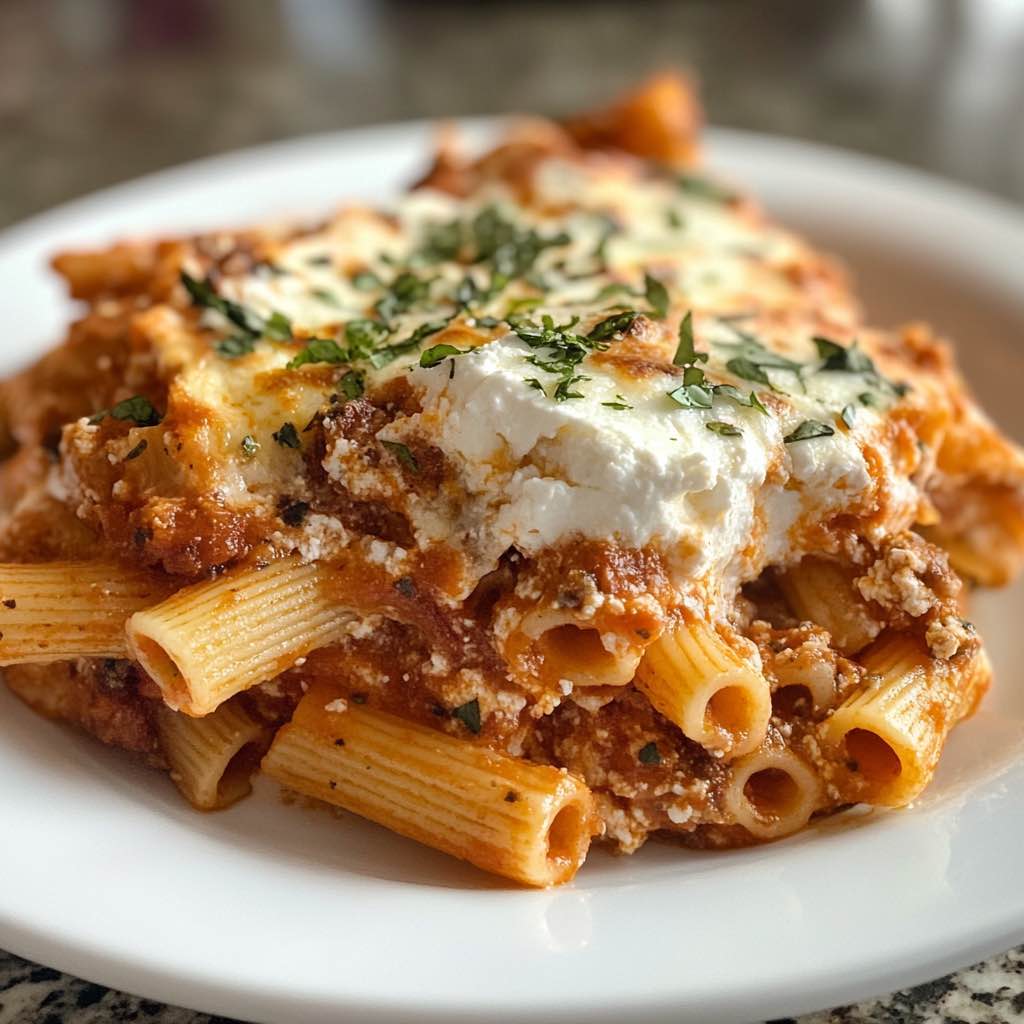
Baked Ziti with Ricotta: The Ultimate Comfort Food Recipe
Baked ziti with ricotta is a classic Italian-American comfort dish that brings together tender pasta, creamy cheese, and savory sauce in one delicious casserole. This hearty meal combines ziti pasta with a rich ricotta filling, marinara sauce, and melted mozzarella to create layers of flavor that satisfy the whole family.
Why Baked Ziti with Ricotta is a Family Favorite
Baked ziti with ricotta stands out as the ultimate comfort food for several reasons. First, it combines familiar flavors that appeal to both adults and children. The dish offers a perfect balance of textures, from tender pasta to creamy ricotta and bubbly melted cheese on top.
Moreover, this versatile recipe works equally well for weeknight dinners and special occasions. It feeds a crowd easily, making it ideal for potlucks and family gatherings. The layers of pasta, cheese, and sauce create a satisfying meal that tastes even better the next day.
Additionally, baked ziti is highly customizable. Cooks can easily adapt the recipe to accommodate dietary preferences and ingredient availability. Whether made with meat, kept vegetarian, or loaded with vegetables, this dish always delivers comfort and flavor.
Essential Ingredients for Perfect Baked Ziti
Pasta Selection
Ziti pasta forms the foundation of this classic dish. This tube-shaped pasta holds sauce beautifully and maintains its texture during baking. Penne can substitute for ziti if needed, though traditional ziti provides the authentic experience.
Cook the pasta until just al dente, typically 1-2 minutes less than package directions. Slightly undercooked pasta continues cooking in the oven and prevents mushiness. The tubular shape allows sauce to coat both inside and outside, maximizing flavor in every bite.
The Ricotta Filling
The ricotta mixture distinguishes baked ziti from other pasta dishes. A combination of ricotta cheese, eggs, and seasonings creates a creamy layer that adds richness. Some recipes incorporate sugar to balance acidity and enhance the overall flavor profile.
Fresh ricotta works best for smooth, creamy results. Adding Parmesan to the ricotta mixture intensifies the savory notes. Nutmeg brings subtle warmth that complements the cheese perfectly.
Sauce and Seasonings
Marinara sauce provides the tomato base that ties everything together. Whether homemade or store-bought, choose a high-quality sauce with robust flavor. Italian seasoning, garlic, and herbs enhance the sauce’s depth.
For meat lovers, ground beef or Italian sausage adds protein and heartiness. Vegetarians can skip the meat or add vegetables like spinach, mushrooms, or bell peppers. Either way, season generously with salt, pepper, and Italian herbs.
Cheese Topping
Mozzarella cheese crowns the casserole, creating that irresistible golden, bubbly top layer. Freshly shredded mozzarella melts better than pre-shredded varieties. Combining mozzarella with Parmesan adds complexity and a salty finish.
Some cooks use multiple cheese varieties for extra richness. Provolone, cream cheese, or mascarpone contribute different flavor profiles and textures. The cheese combination creates the signature stretchy, gooey quality everyone loves.
Step-by-Step Instructions
Preparing the Pasta
Fill a large pot with salted water and bring to a rolling boil. Add 12-16 ounces of ziti pasta. Cook for 7-8 minutes, stopping before full tenderness is reached.
Drain the pasta immediately and set aside. Do not rinse, as the starch helps sauce adhere. The pasta should be slightly firm to the touch.
Making the Meat Sauce
Heat olive oil in a large skillet over medium-high heat. Add chopped onion and cook until softened, about 3-4 minutes. Stir in minced garlic and cook for one additional minute.
Brown ground beef or sausage, breaking it into small pieces. Cook until no pink remains, then drain excess fat. Return the meat to the pan and add marinara sauce, Italian seasoning, salt, and pepper.
Simmer the sauce for 5-10 minutes to allow flavors to meld. For vegetarian versions, skip the meat and simply heat sauce with aromatics. Either option creates a flavorful base for layering.
Creating the Ricotta Mixture
In a medium bowl, combine ricotta cheese with beaten eggs. The eggs help bind the ricotta during baking. Add grated Parmesan cheese for extra flavor.
Season the mixture with Italian seasoning, nutmeg, and a pinch of salt. Some recipes include a teaspoon or two of sugar to balance flavors. Mix until smooth and well-combined.
For extra creaminess, fold in a portion of the mozzarella. This creates pockets of melted cheese throughout the dish. The ricotta should be spreadable but not runny.
Assembling the Layers
Preheat the oven to 375°F and lightly grease a 9×13-inch baking dish. Spread a thin layer of sauce on the bottom to prevent sticking. This foundation helps the pasta cook evenly.
Layer half of the pasta mixture over the sauce. Distribute it evenly across the pan. Drop spoonfuls of the ricotta mixture over the pasta and gently spread.
Sprinkle half the mozzarella over the ricotta layer. Repeat with remaining pasta, ricotta, and finish with the final layer of mozzarella and Parmesan. This creates distinct layers that look impressive when served.
Baking to Perfection
Cover the baking dish with aluminum foil to prevent over-browning. Bake for 25-30 minutes until the cheese melts and bubbles. The foil traps moisture and ensures even cooking.
Remove the foil and bake for an additional 10-15 minutes. The top should turn golden brown with slightly crispy edges. This uncovered baking creates the signature crusty cheese topping.
Let the baked ziti rest for 5-10 minutes before serving. This cooling period allows layers to set, making slicing easier. The resting time also prevents burns from piping-hot cheese.
Tips for the Creamiest Ricotta Filling
Choosing Quality Ricotta
Select full-fat ricotta for the richest, creamiest results. Low-fat versions can become grainy when baked. Fresh ricotta from the deli counter often has better texture than shelf-stable containers.
Check for smooth consistency before purchasing. Grainy or separated ricotta won’t create the luxurious filling this dish deserves. Quality cheese makes a noticeable difference in the final product.
Adding Cream for Extra Richness
Mix a few tablespoons of heavy cream into the ricotta before baking. This technique prevents graininess and ensures smooth, creamy results. The cream keeps the ricotta luscious even after extended baking.
Mascarpone cheese serves as another enrichment option. Its buttery flavor and silky texture elevate the entire dish. A 50/50 blend of ricotta and mascarpone creates an ultra-decadent filling.
Proper Seasoning Balance
Season the ricotta mixture generously but thoughtfully. Italian herbs, garlic powder, and nutmeg enhance the cheese without overpowering it. Taste and adjust before assembling.
Salt brings out the natural sweetness of ricotta. However, remember that Parmesan and marinara also contain salt. Balance is key to avoiding an overly salty dish.
Cheese Combinations That Elevate Your Dish
Classic Three-Cheese Blend
The traditional combination features ricotta, mozzarella, and Parmesan. Each cheese serves a specific purpose in creating balanced flavor. Ricotta provides creaminess, mozzarella offers stretchiness, and Parmesan delivers sharp, salty notes.
This trio works harmoniously without competing flavors. The blend has stood the test of time for good reason. Together, these cheeses create the quintessential baked ziti experience.
Four-Cheese Variations
Adding a fourth cheese brings additional complexity and richness. Cream cheese contributes tanginess and smooth texture. Provolone offers mild, smoky notes that complement the marinara.
Mascarpone creates an even creamier filling than ricotta alone. Combining ricotta with mascarpone results in restaurant-quality richness. Gruyere adds nutty flavor and exceptional melting properties.
Each additional cheese should serve a purpose. Too many competing flavors can muddy the dish. Choose combinations that complement rather than clash.
Parmesan Variations
Fresh Parmesan cheese adds the best flavor and texture. Pre-shredded varieties contain anti-caking agents that prevent proper melting. Grating Parmesan fresh ensures optimal results.
Pecorino Romano substitutes well for Parmesan. It offers sharper, saltier flavor that some prefer. Either cheese provides the savory backbone the dish needs.
Variations and Customization Options
Meat Options
Ground beef remains the most popular protein choice. It provides hearty flavor and satisfying texture. Brown it thoroughly and drain excess fat for best results.
Italian sausage offers more complex seasoning and robust flavor. Choose sweet or spicy varieties based on preference. Remove casings before browning for easier incorporation.
Ground turkey or chicken creates lighter versions. These leaner proteins work especially well with vegetable additions. Season them generously, as they have milder flavor than beef.
Vegetarian Adaptations
Skip the meat entirely for a satisfying vegetarian version. The cheese and sauce provide plenty of protein and flavor. This option works beautifully for meatless meals.
Add vegetables like spinach, mushrooms, or zucchini for extra nutrition. Sauté them before adding to prevent excess moisture. Roasted vegetables contribute deeper, caramelized flavors.
Lentils or plant-based crumbles substitute for meat texture. They absorb sauce flavors while adding protein. These options create hearty vegetarian baked ziti.
Pasta Alternatives
Penne pasta substitutes perfectly when ziti is unavailable. The similar tube shape holds sauce equally well. Rigatoni also works, though its larger size changes the texture slightly.
Whole wheat pasta adds fiber and nutrients. It provides a nuttier flavor and heartier texture. Cook whole wheat varieties carefully to avoid mushiness.
Gluten-free pasta accommodates dietary restrictions. Choose high-quality brands that maintain texture during baking. Follow package directions carefully, as cooking times vary.
Sauce Variations
Marinara sauce forms the traditional base. Its bright tomato flavor balances the rich cheese. Choose varieties without added sugars or preservatives for best results.
Tomato basil sauce adds fresh herb notes. The basil complements the Italian seasonings beautifully. Arrabbiata sauce brings welcome heat for spice lovers.
Vodka sauce creates an ultra-creamy variation, though traditional versions contain spirits. For family-friendly options, stick with tomato-based sauces. Pesto mixed with marinara offers unique flavor, as seen in some modern adaptations.
Nutritional Benefits of Baked Ziti
Macronutrient Profile
Baked ziti provides a balanced mix of carbohydrates, protein, and fats. A typical serving contains approximately 150-250 calories, depending on ingredients. The pasta contributes energy-providing carbohydrates for daily activities.
Cheese and meat supply protein essential for muscle repair and growth. Each serving typically delivers 7-11 grams of protein. This makes baked ziti a satisfying meal that keeps hunger at bay.
Fat content varies based on cheese choices and meat additions. Full-fat versions contain 5-13 grams of fat per serving. Using lean meats and part-skim cheeses reduces the overall fat content.
Vitamin and Mineral Content
Baked ziti offers notable calcium from the abundant cheese. Each serving provides approximately 150-250mg of calcium, supporting bone health. This represents 12-19% of the daily recommended value.
The dish also contains dietary fiber from pasta and vegetables. Fiber promotes healthy digestion and helps maintain satiety. Whole wheat pasta versions increase fiber content significantly.
Tomato sauce contributes vitamins A and C, along with potassium. These nutrients support immune function and cardiovascular health. Adding vegetables boosts the vitamin and mineral profile even further.
Making It Healthier
Reduce sodium by choosing low-sodium marinara sauce and limiting added salt. Traditional versions can contain 400-580mg of sodium per serving. Reading labels helps control sodium intake.
Incorporate vegetables to increase nutrient density without adding many calories. Spinach, bell peppers, and zucchini blend seamlessly into the dish. These additions provide vitamins, minerals, and antioxidants.
Use part-skim cheeses to lower saturated fat content. This simple swap maintains flavor while improving the nutritional profile. Choosing lean ground turkey instead of beef further reduces fat.
Make-Ahead and Storage Tips
Preparing in Advance
Assemble the entire dish up to 24 hours before baking. Cover tightly with plastic wrap and refrigerate. This advance preparation makes weeknight dinners effortless.
Allow the refrigerated dish to sit at room temperature for 20-30 minutes before baking. This ensures even cooking throughout. Add 5-10 minutes to the baking time when starting from cold.
Prepare components separately for maximum flexibility. Cook and store the pasta, sauce, and cheese mixture individually. Assemble when ready to bake for the freshest results.
Freezing Instructions
Baked ziti freezes exceptionally well for future meals. Assemble the dish in a freezer-safe container but don’t bake it first. Wrap tightly with plastic wrap, then aluminum foil to prevent freezer burn.
Freeze for up to three months for best quality. Label with the date and baking instructions. Thaw overnight in the refrigerator before baking.
Alternatively, freeze individual portions in smaller containers. This allows for easy single servings. Reheat frozen portions in the oven or microwave as needed.
Storing Leftovers
Refrigerate leftover baked ziti in an airtight container. It keeps well for 3-4 days. The flavors often deepen and improve after a day in the fridge.
Reheat portions in the oven for best texture. Cover with foil and bake at 350°F until heated through. The microwave works for quick reheating, though the texture may soften slightly.
Add a splash of marinara or a drizzle of olive oil when reheating. This refreshes the dish and prevents dryness. Leftover baked ziti makes excellent lunch the next day.
Serving Suggestions and Pairings
Side Dish Recommendations
Serve baked ziti with a crisp green salad to balance the richness. Simple mixed greens with vinaigrette provide refreshing contrast. The acidity cuts through the cheese beautifully.
Garlic bread or breadsticks complement the Italian flavors perfectly. They’re ideal for soaking up extra sauce. Keep sides simple to let the baked ziti shine.
Roasted vegetables like broccoli or green beans add color and nutrition. Their light preparation contrasts with the hearty casserole. Steamed asparagus also pairs wonderfully.
Portion Sizes
A standard 9×13-inch pan serves 8-10 people. Cut into squares for easy serving. Each portion should be approximately 6-8 ounces.
For larger gatherings, prepare multiple pans. Baked ziti travels well to potlucks and parties. It maintains heat in the serving dish for extended periods.
Adjust serving sizes based on what else accompanies the meal. With substantial sides, smaller portions work well. As the main attraction, plan for heartier servings.
Garnishing Ideas
Fresh basil adds beautiful color and aromatic freshness. Tear or chiffonade the leaves and sprinkle over individual servings. This simple touch elevates presentation significantly.
A light dusting of extra Parmesan cheese enhances the savory notes. Offer it tableside for guests to add as desired. Fresh parsley provides a classic Italian finishing touch.
Red pepper flakes allow heat lovers to customize their spice level. Place them on the table for optional sprinkling. Keep garnishes simple and traditional.
Common Mistakes to Avoid
Overcooking the Pasta
The most frequent error is fully cooking pasta before baking. Pasta continues cooking in the oven, so it should be underdone initially. Aim for 1-2 minutes less than package directions.
Mushy pasta ruins the texture of the entire dish. It becomes indistinguishable from the sauce. Slightly firm pasta maintains its shape and provides satisfying bite.
Test pasta a minute or two early when boiling. It should be flexible but still have firmness in the center. Remember that it will soften considerably during baking.
Skimping on Seasoning
Underseasoning represents another common pitfall. Each component needs proper seasoning for maximum flavor. Taste the sauce, ricotta mixture, and even the pasta water.
The ricotta filling especially benefits from generous seasoning. Without enough salt and herbs, it tastes bland. Don’t rely solely on the sauce for flavor.
Season in layers throughout the cooking process. This builds depth that cannot be achieved by adding salt at the end. Balance is important, but err on the side of more seasoning.
Using Low-Quality Cheese
Cheese quality directly impacts the final result. Pre-shredded cheese contains additives that prevent smooth melting. These anti-caking agents create a grainy, less appealing texture.
Shred cheese fresh from blocks for optimal meltability. The extra few minutes make a significant difference. Fresh cheese also tastes better and creates superior consistency.
Similarly, choose good-quality ricotta for the smoothest filling. Watery or grainy ricotta compromises the entire dish. Invest in the best cheese available within budget.
Improper Layering
Rushing the layering process leads to uneven distribution of ingredients. Each bite should contain pasta, sauce, and cheese. Take time to spread components evenly.
Too much sauce makes the dish watery and loose. The pasta should be well-coated but not swimming. Reserve extra sauce for serving on the side.
Ensure the ricotta layer covers the pasta completely. Gaps create dry spots that detract from the creamy texture. Spread gently but thoroughly for best results.
Frequently Asked Questions
Can I make baked ziti with ricotta ahead of time?
Yes, baked ziti with ricotta is an excellent make-ahead dish. Assemble completely and refrigerate covered for up to 24 hours before baking. This actually allows flavors to meld and develop. Add a few extra minutes to the baking time if starting from refrigerated.
What’s the difference between baked ziti and lasagna?
Both dishes feature layered pasta, cheese, and sauce, but they differ in several ways. Baked ziti uses tubular pasta while lasagna uses flat noodles. Ziti requires less precise layering and assembles more quickly. The texture and eating experience differ significantly between the two.
How do I prevent baked ziti from drying out?
Ensure pasta is well-coated with sauce before layering. Cover the dish with foil during most of the baking time to retain moisture. Avoid overbaking, which causes the top to dry out. A little extra sauce helps maintain the desired consistency.
Can I freeze baked ziti after baking?
Absolutely, baked ziti freezes well both before and after baking. For best texture, freeze before baking if possible. If freezing after baking, cool completely first and wrap tightly. Thaw in the refrigerator overnight before reheating.
What pasta can I substitute for ziti?
Penne works as the closest substitute for ziti pasta. Rigatoni also works well, though its larger size affects the final texture. Any tubular pasta shape holds sauce similarly. Avoid long pasta like spaghetti, which doesn’t layer properly.
How do I know when baked ziti is done?
Baked ziti is ready when the cheese is melted, bubbly, and lightly golden on top. The edges should appear slightly crispy. An internal temperature of 165°F indicates doneness. The sauce should be bubbling around the edges of the pan.
Conclusion
Baked ziti with ricotta delivers comfort, flavor, and satisfaction in every bite. This classic Italian-American dish combines tender pasta, creamy ricotta filling, savory sauce, and melted cheese into a crowd-pleasing casserole. Whether preparing it for weeknight dinners or special occasions, the recipe adapts easily to different preferences and dietary needs.
The beauty of baked ziti lies in its versatility and make-ahead convenience. Layer the ingredients carefully, season generously, and bake until golden and bubbly. The result is a hearty meal that brings people together around the table.
Print
Baked Ziti with Ricotta
Description
Baked Ziti with Ricotta
Ingredients:
For the Pasta:
-
1 lb ziti pasta (or penne)
-
1 tbsp olive oil
-
Salt, for pasta water
For the Sauce:
-
1 tbsp olive oil
-
1 lb ground beef or Italian sausage (or a mix)
-
1 small onion, finely chopped
-
3 cloves garlic, minced
-
1 (24 oz) jar marinara sauce (or 3 cups homemade sauce)
-
1 tsp Italian seasoning
-
½ tsp crushed red pepper flakes (optional)
-
Salt and black pepper, to taste
For the Cheese Mixture:
-
1 cup ricotta cheese
-
1 ½ cups shredded mozzarella cheese (divided)
-
½ cup grated Parmesan cheese (divided)
-
1 egg, lightly beaten
-
2 tbsp fresh parsley, chopped (or 1 tsp dried)
Instructions:
1. Cook the Pasta:
Bring a large pot of salted water to a boil.
Cook ziti until al dente, about 1–2 minutes less than package directions.
Drain and toss with olive oil to prevent sticking. Set aside.
2. Make the Sauce:
In a large skillet, heat olive oil over medium heat.
Add ground beef (or sausage) and cook until browned, breaking it apart as it cooks.
Add onion and garlic, and sauté until fragrant and soft.
Stir in marinara sauce, Italian seasoning, and red pepper flakes.
Simmer for 10 minutes; season with salt and pepper to taste.
3. Make the Ricotta Mixture:
In a bowl, combine ricotta, 1 cup mozzarella, ¼ cup Parmesan, egg, and parsley.
Mix until smooth and creamy.
4. Assemble the Ziti:
Preheat oven to 375°F (190°C).
Lightly grease a 9×13-inch baking dish.
Layer as follows:
-
Spread 1 cup of sauce on the bottom.
-
Add half the cooked ziti.
-
Spoon half the ricotta mixture over the pasta.
-
Add half of the remaining sauce.
-
Repeat layers with the rest of the ziti, ricotta mixture, and sauce.
-
Top with the remaining ½ cup mozzarella and ¼ cup Parmesan.
5. Bake:
Cover loosely with foil and bake for 20 minutes.
Remove foil and bake another 10–15 minutes, until bubbly and golden on top.
6. Serve:
Let rest for 10 minutes before serving.
Garnish with fresh basil or parsley and a sprinkle of Parmesan.