
Garlic Parmesan Crusted Salmon: The Ultimate Guide to a Restaurant-Quality Dish at Home
Introduction
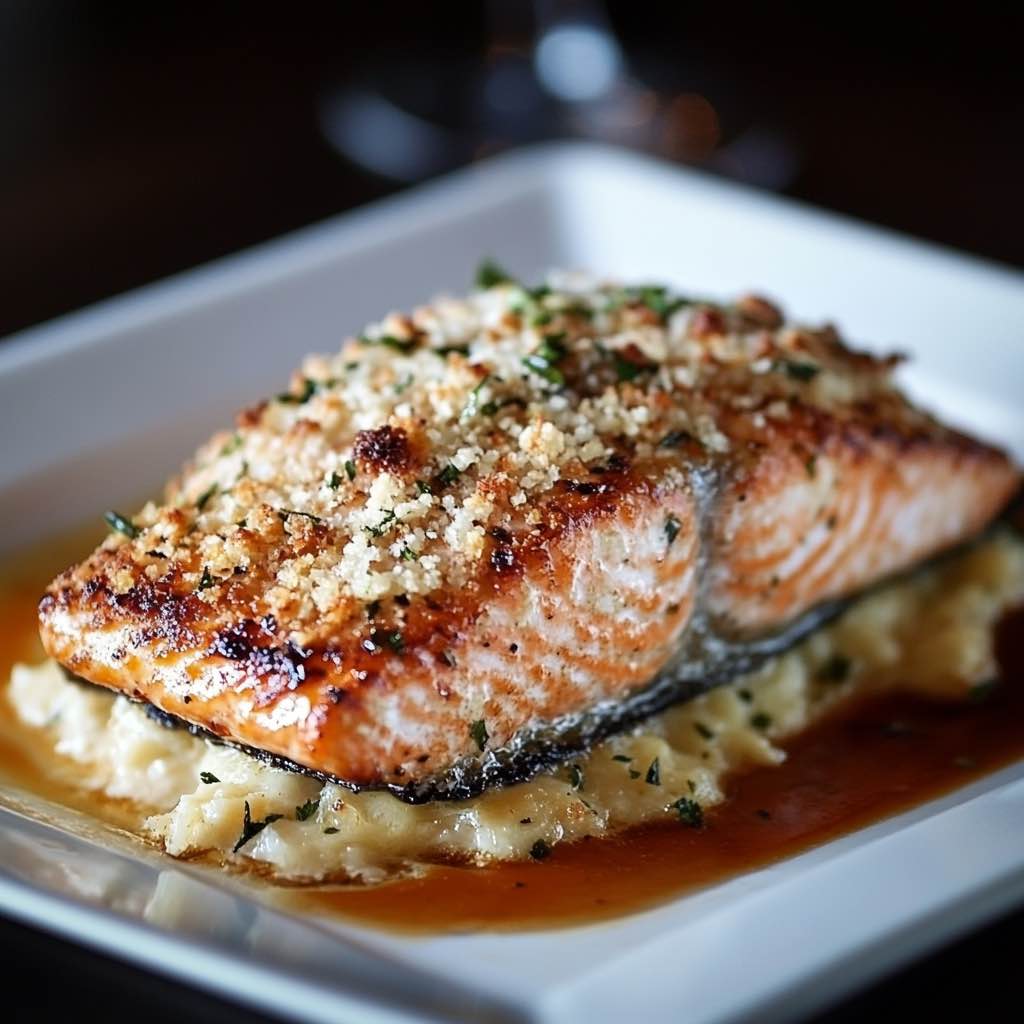
Garlic Parmesan Crusted Salmon transforms ordinary fish into an extraordinary meal. This restaurant-quality dish delivers crispy, golden perfection on the outside while maintaining tender, flaky salmon inside. Moreover, it comes together in less than 20 minutes, making it ideal for busy weeknights.
The combination of savory garlic and nutty Parmesan creates an irresistible flavor profile. Additionally, this recipe requires just a handful of simple ingredients you likely already have. Furthermore, the technique is surprisingly easy, even for beginner cooks.
This comprehensive guide covers everything you need to know. You’ll master the perfect crust, learn optimal cooking temperatures, and discover expert tips. Subsequently, you’ll be able to prepare this impressive dish with confidence every single time.
What Makes Garlic Parmesan Crusted Salmon Special
The Perfect Texture Combination
The magic lies in contrasting textures. First, the crust delivers satisfying crunch with every bite. Meanwhile, the salmon beneath remains incredibly moist and tender. This textural interplay elevates the entire eating experience beyond simple baked fish.
The crispy breadcrumb topping protects the delicate salmon during cooking. Consequently, the fish stays juicy while developing rich, caramelized flavors on top. This dual benefit makes the crusted method superior to plain preparation.
Flavor That Impresses
The garlic and Parmesan combination creates depth without overwhelming the salmon. The cheese adds umami richness and saltiness. Similarly, garlic provides aromatic intensity that complements the fish’s natural flavor. Together, these ingredients create a harmonious blend that tastes restaurant-worthy.
Fresh herbs like dill or parsley brighten the overall taste. They cut through the richness and add a fresh element. Therefore, the final dish feels balanced and sophisticated rather than heavy.
Quick and Practical
Time-pressed home cooks appreciate the efficiency of this recipe. The entire dish, from start to finish, takes under 30 minutes. Even more impressive, the actual hands-on prep requires only 5-10 minutes. The oven does most of the work while you prepare sides.
This convenience doesn’t compromise quality or taste. In fact, the simple technique actually enhances the salmon’s natural excellence. Therefore, you get maximum flavor with minimal effort.
Nutritional Benefits of Salmon
Protein Powerhouse
Salmon provides exceptional high-quality protein essential for body functions. A 3.5-ounce serving delivers approximately 22-25 grams of complete protein. This protein supports muscle maintenance, repair, and overall cellular health.
The protein content makes salmon particularly satisfying and filling. Consequently, it helps control appetite and supports weight management goals. Furthermore, protein is crucial for maintaining bone density as we age.
Heart-Healthy Omega-3 Fatty Acids
Salmon ranks among the best sources of omega-3 fatty acids. These essential fats, particularly EPA and DHA, support cardiovascular health significantly. Research shows omega-3s help reduce inflammation throughout the body.
Regular salmon consumption may lower heart disease risk substantially. The omega-3s help maintain healthy cholesterol levels and blood pressure. Moreover, these beneficial fats support proper heart rhythm and function.
Essential Vitamins and Minerals
This fish provides impressive amounts of vital micronutrients. Salmon contains exceptionally high levels of vitamin B12, crucial for nervous system health. Additionally, it delivers substantial selenium, which supports thyroid function and DNA synthesis.
Other important nutrients include vitamin B6, niacin, and phosphorus. These vitamins and minerals support energy metabolism and bone health. Therefore, salmon contributes to overall wellness beyond just protein and omega-3s.
Brain and Mental Health Support
The omega-3 fatty acids in salmon benefit cognitive function remarkably. Studies link adequate omega-3 intake to improved memory and learning abilities. Furthermore, these healthy fats may help protect against age-related cognitive decline.
Emerging research suggests omega-3s may support mental health and mood. Regular consumption might help reduce symptoms of depression and anxiety. Thus, salmon nourishes both body and mind effectively.
Essential Ingredients for Perfect Crust
Choosing Quality Salmon
Start with fresh, high-quality salmon for best results. Look for bright, vibrant color without dull or gray areas. The flesh should feel firm and spring back when gently pressed.
Wild-caught salmon offers slightly higher protein and less fat. Conversely, farmed salmon contains more omega-3s and calories. Both varieties work beautifully in this recipe, so choose based on preference.
Center-cut fillets provide the most consistent thickness. This uniformity ensures even cooking throughout the fish. Plan on 5-6 ounces per serving for a satisfying portion.
The Crust Components
Panko breadcrumbs create the ideal crispy texture. Their larger, flakier structure produces superior crunch compared to regular breadcrumbs. Additionally, panko browns beautifully without becoming greasy.
Parmesan cheese must be freshly grated for optimal flavor. Pre-shredded varieties lack the intense, nutty taste necessary here. Furthermore, fresh Parmesan melts and browns better during baking.
Fresh garlic provides aromatic intensity that powdered versions can’t match. Finely minced or grated garlic distributes evenly throughout the crust. Use 3-4 cloves for pronounced flavor without overwhelming the dish.
Binding and Flavoring Agents
Olive oil binds the dry crust ingredients together. It also promotes even browning and adds richness. Use about 2-3 tablespoons for proper consistency.
Fresh herbs like dill, parsley, or chives contribute brightness. They balance the richness of cheese and fat beautifully. Lemon zest adds citrus notes that complement salmon perfectly.
Basic seasonings include salt and black pepper. However, the Parmesan provides substantial saltiness already. Therefore, taste the mixture before adding extra salt.
Step-by-Step Cooking Instructions
Preparation Phase
Begin by preheating your oven to 400-425°F. This temperature range ensures proper crust development and even cooking. Meanwhile, line a baking sheet with parchment paper to prevent sticking.
Pat the salmon fillets completely dry with paper towels. Removing excess moisture is crucial for achieving crispy crust. Subsequently, season both sides lightly with salt and pepper.
Arrange the seasoned fillets on the prepared baking sheet. Place them skin-side down if your salmon still has skin. Leave space between fillets to allow heat circulation.
Creating the Crust Mixture
In a mixing bowl, combine the panko breadcrumbs and freshly grated Parmesan. Add the finely minced garlic, chopped fresh herbs, and lemon zest. Mix these dry ingredients thoroughly to distribute flavors evenly.
Drizzle olive oil over the breadcrumb mixture gradually. Stir continuously until the mixture resembles wet sand. The oil should coat all crumbs without creating a paste.
For enhanced flavor, some recipes include Dijon mustard or melted butter. These additions create extra richness and help the crust adhere. However, they’re optional depending on your preference.
Applying and Baking
Divide the crust mixture evenly among the salmon fillets. Gently press the mixture onto the top surface firmly. Create an even layer that covers the entire fillet completely.
Transfer the baking sheet to the preheated oven immediately. Bake for 12-18 minutes depending on thickness. The exact time varies based on your fillet size.
The salmon is done when it flakes easily with a fork. Additionally, the crust should be golden brown and crispy. Remove from oven and let rest for 2-3 minutes before serving.
Expert Tips for Success
Achieving Maximum Crispiness
Room temperature salmon cooks more evenly than cold fish. Remove fillets from the refrigerator 15-20 minutes before cooking. This simple step prevents the exterior from overcooking while the center stays cold.
Avoid covering the fish with foil during baking. Foil traps steam, which makes the crust soggy instead of crispy. Therefore, bake uncovered for optimal texture results.
For extra crunch, briefly broil the salmon during the last 1-2 minutes. Watch carefully to prevent burning the delicate crust. This finishing touch creates restaurant-quality golden color.
Preventing Dry, Overcooked Fish
Invest in an instant-read thermometer for perfect results. The internal temperature should reach 120-125°F for medium doneness. Most people find this the ideal balance of moistness and safety.
Remember that carryover cooking continues after removing from heat. Therefore, pull the salmon slightly before reaching your target temperature. It will continue cooking during the resting period.
Thicker fillets require longer cooking time than thin pieces. Check the thickest part for doneness rather than timing alone. Consequently, you’ll avoid undercooking thick portions or overcooking thin ones.
Flavor Enhancement Techniques
Marinating the salmon briefly adds extra depth. A simple lemon juice and olive oil mixture works wonderfully. However, limit marinating to 15-30 minutes to avoid “cooking” the fish.
Consider brushing salmon with Dijon mustard before adding crust. The mustard acts as a flavorful adhesive for the breadcrumb mixture. Additionally, it adds subtle tanginess that complements the cheese.
Experiment with different cheese combinations for variety. Asiago, Romano, or Pecorino can partially replace Parmesan. Each brings unique flavor nuances to the finished dish.
Temperature and Doneness Guide
Understanding Optimal Cooking Temperatures
The USDA recommends cooking salmon to 145°F for food safety. However, many chefs prefer lower temperatures for better texture. Understanding different doneness levels helps you customize to personal preference.
Medium-rare (115-120°F) results in very moist, soft salmon. The center remains slightly translucent with a silky texture. This doneness level requires high-quality, sushi-grade fish.
Medium (120-125°F) is considered ideal by most home cooks. The flesh turns fully opaque while staying moist and tender. Additionally, this temperature provides excellent food safety while maintaining quality.
Medium-well (125-140°F) produces firmer texture with lighter pink center. The salmon remains reasonably moist at these temperatures. Therefore, it suits those who prefer fully cooked fish.
Oven Temperature Selection
Baking at 400°F creates balanced cooking and browning. This moderate temperature cooks salmon gently while developing crust color. Most recipes recommend this temperature for reliable results.
Higher temperatures (425°F) work well for quick cooking. The increased heat creates faster crust development and caramelization. However, watch timing carefully to prevent overcooking the fish.
Lower temperatures (350-375°F) suit thicker fillets or whole sides. The gentler heat penetrates slowly, ensuring even cooking throughout. Conversely, the crust may require brief broiling for color.
Visual Doneness Indicators
Properly cooked salmon exhibits several visual cues. The flesh turns from translucent to opaque pink throughout. Furthermore, the fish should flake easily when tested with a fork.
White albumin appearing on the surface indicates overcooking. These white proteins emerge when salmon gets too hot. Therefore, pulling the fish slightly early prevents this common issue.
The crust should be deeply golden brown and crispy. Pale crusts indicate insufficient browning or oven temperature. Conversely, very dark crusts suggest too much heat or time.
Delicious Side Dish Pairings
Vegetable Accompaniments
Roasted asparagus makes a classic pairing with salmon. The tender-crisp spears complement the fish’s richness perfectly. Simply toss with olive oil, lemon, and garlic, then roast until lightly browned.
Brussels sprouts offer nutty flavor and satisfying texture. Roast them until crispy and caramelized for best results. The slight bitterness balances the salmon’s richness beautifully.
Sautéed spinach with garlic provides quick, healthy contrast. This simple preparation takes just minutes and adds vibrant color. Moreover, spinach delivers additional iron and nutrients to the meal.
Starch and Grain Options
Roasted potatoes create a hearty, satisfying accompaniment. Try baby potatoes tossed with herbs and olive oil. The crispy exteriors and fluffy interiors complement salmon wonderfully.
Quinoa salad adds protein and fiber to the plate. Mix cooked quinoa with vegetables, herbs, and lemon dressing. This nutritious grain provides substance without heaviness.
Rice pilaf offers a light, fluffy option. Simple herbs and butter enhance without competing with salmon. Furthermore, rice absorbs any delicious juices from the fish.
Fresh Salad Ideas
A crisp green salad provides refreshing contrast. Choose mixed greens with cucumber, tomatoes, and light vinaigrette. The acidity cuts through the salmon’s richness effectively.
Mediterranean salad brings bold flavors to the table. Combine tomatoes, cucumbers, olives, and feta with lemon dressing. These bright flavors complement the garlic and Parmesan beautifully.
Popular Variations to Try
Herb and Spice Variations
Italian seasoning transforms the classic recipe beautifully. Add oregano, basil, and thyme to the crust mixture. These Mediterranean herbs complement both garlic and Parmesan perfectly.
Cajun-spiced version delivers exciting heat and complexity. Mix Cajun seasoning into the breadcrumb mixture generously. The bold spices create striking contrast with creamy Parmesan.
Lemon-herb variation emphasizes bright, fresh flavors. Increase lemon zest and add extra parsley or dill. This lighter version works wonderfully for spring and summer meals.
Alternative Cooking Methods
Air fryer preparation produces exceptionally crispy crust. Cook at 400°F for 7-12 minutes depending on thickness. The circulating air creates restaurant-quality crispiness efficiently.
Pan-searing followed by oven finishing offers excellent results. Sear the crusted side first, then finish in the oven. This method provides extra crust development and color.
Foil packet cooking creates self-contained, easy cleanup. Place crusted salmon in foil with vegetables and seal. The packet steams the fish while protecting the crust.
Dietary Modifications
Gluten-free version uses almond flour or gluten-free breadcrumbs. These alternatives create similar texture without wheat products. Additionally, they add subtle nutty flavor to the crust.
Dairy-free adaptation substitutes nutritional yeast for Parmesan. This creates similar umami flavor without actual cheese. Alternatively, use dairy-free Parmesan alternatives now widely available.
Low-carb version minimizes or eliminates breadcrumbs entirely. Focus on Parmesan, herbs, and garlic for the crust. This modification reduces carbohydrates while maintaining delicious flavor.
Storage and Reheating Methods
Proper Storage Techniques
Allow cooked salmon to cool completely before storing. Hot fish creates condensation that promotes bacterial growth. Therefore, let it sit at room temperature for about 30 minutes.
Wrap the cooled salmon tightly in plastic wrap. Alternatively, place it in an airtight container to prevent odors. Store in the coldest part of your refrigerator immediately.
Properly stored cooked salmon lasts 3-4 days in the refrigerator. Always store at or below 40°F for food safety. Place on a plate to catch potential drips and prevent cross-contamination.
Freezing for Longer Storage
Cooked salmon can be frozen for extended storage. Wrap portions individually in plastic wrap, then in aluminum foil. This double wrapping prevents freezer burn effectively.
Label packages with date and contents before freezing. Frozen cooked salmon maintains quality for 2-3 months. However, the crispy crust texture won’t survive freezing perfectly.
Thaw frozen salmon in the refrigerator overnight safely. Never thaw at room temperature, which encourages bacterial growth. Plan ahead for best texture and food safety results.
Reheating for Best Results
Oven reheating preserves texture better than microwaving. Preheat oven to 275-300°F for gentle warming. Place salmon on a baking sheet and heat for 10-15 minutes.
Cover loosely with foil to prevent drying during reheating. However, remove foil for the last few minutes if you want crispy crust. This technique balances moisture retention with texture preservation.
Many people enjoy leftover salmon cold directly from the refrigerator. The flavors actually develop and intensify overnight. Therefore, cold salmon works beautifully in salads or with fresh vegetables.
Common Mistakes to Avoid
Preparation Errors
Using wet salmon prevents proper crust adhesion. Always pat fillets thoroughly dry with paper towels first. This simple step dramatically improves final texture results.
Applying crust mixture too thickly creates uneven cooking. The thick crust may remain soft while the fish overcooks. Therefore, aim for an even, moderate layer across the surface.
Skipping the oil in the breadcrumb mixture causes problems. Without oil, the crust won’t brown properly or develop crispiness. Additionally, dry crumbs may fall off during cooking.
Cooking Mistakes
Opening the oven repeatedly releases heat and extends cooking. Resist the temptation to check constantly during baking. Instead, trust your timer and check once near the end.
Overcrowding the baking sheet prevents proper heat circulation. Leave space between fillets for air to flow freely. Consequently, overcrowded fish may steam rather than bake properly.
Forgetting to preheat the oven thoroughly causes timing issues. A cold oven leads to extended cooking and potential dryness. Always ensure the oven reaches full temperature before inserting fish.
Serving and Storage Issues
Cutting into salmon immediately releases valuable juices. Allow the fish to rest for 2-3 minutes after baking. This resting period lets juices redistribute throughout the flesh.
Storing salmon while still warm creates moisture condensation. This excess moisture makes the crust soggy and promotes bacteria. Therefore, always cool completely before refrigerating leftovers.
Reheating in the microwave ruins the carefully created crust. The microwave steams food, making crispy coatings soft. Use oven or enjoy cold for better leftover experience.
Frequently Asked Questions
How do I know when Garlic Parmesan Crusted Salmon is done?
The salmon is perfectly cooked when it reaches 120-125°F internally. Additionally, the flesh should flake easily with a fork. The crust will be golden brown and crispy on top. Visual cues include opaque flesh throughout and firm texture.
Can I use frozen salmon for this recipe?
Yes, but thaw it completely first for best results. Place frozen salmon in the refrigerator overnight to thaw safely. Pat the thawed fish very dry before applying the crust. Excess moisture from frozen fish can prevent proper crust adhesion.
What can I substitute for panko breadcrumbs?
Regular breadcrumbs work, though they create less crunch. Alternatively, crushed crackers or cornflakes provide interesting texture. For gluten-free options, try almond flour or gluten-free breadcrumbs. Each alternative brings slightly different flavor and texture characteristics.
How do I prevent the crust from falling off?
First, ensure the salmon is completely dry before applying crust. Press the mixture firmly onto the fish to help it adhere. Additionally, some recipes brush fish with Dijon mustard first as an adhesive. Avoid moving the fish once the crust is applied.
Can I make this recipe ahead of time?
You can prepare the crust mixture several hours in advance. However, apply it to the salmon just before baking for best results. Pre-crusted salmon may become soggy if it sits too long. For meal prep, store components separately and assemble before cooking.
Is Garlic Parmesan Crusted Salmon healthy?
Yes, this dish provides excellent nutrition benefits. Salmon delivers high-quality protein and heart-healthy omega-3 fatty acids. The moderate amount of Parmesan and breadcrumbs adds minimal calories. Overall, it’s a nutritious choice when paired with vegetables.
Conclusion
Garlic Parmesan Crusted Salmon combines simplicity with impressive results. This restaurant-quality dish delivers crispy, flavorful crust over tender, perfectly cooked fish. Moreover, the straightforward technique makes it accessible to cooks of all skill levels.
The nutritional benefits make this recipe an excellent regular meal choice. Rich in protein, omega-3 fatty acids, and essential vitamins, salmon supports overall health. Additionally, the quick preparation fits easily into busy weeknight schedules.
Experimentation with different herbs, spices, and cooking methods keeps the recipe interesting. Try various side dish pairings to create complete, balanced meals. Furthermore, proper storage techniques let you enjoy delicious leftovers throughout the week.
Print
Garlic Parmesan Crusted Salmon
Description
Garlic Parmesan Crusted Salmon
Ingredients
-
4 salmon fillets (about 6 oz each), skin-on or skinless
-
3 tbsp melted butter
-
3 cloves garlic, minced
-
½ cup grated Parmesan cheese
-
½ cup panko breadcrumbs
-
2 tbsp fresh parsley, finely chopped
-
1 tbsp lemon juice
-
½ tsp paprika
-
Salt and freshly ground black pepper, to taste
-
Lemon wedges, for serving
Instructions
-
Preheat Oven
Preheat your oven to 400°F (200°C). Line a baking sheet with parchment paper or lightly grease with olive oil. -
Prepare the Garlic Butter
In a small bowl, mix melted butter, minced garlic, and lemon juice. Brush the mixture generously over the top of each salmon fillet. -
Make the Parmesan Crust
In another bowl, combine Parmesan, panko breadcrumbs, parsley, paprika, salt, and pepper. Stir well. -
Coat the Salmon
Spoon the Parmesan mixture over the salmon fillets, pressing gently so it sticks and forms a crust. -
Bake
Bake for 12–15 minutes, or until the salmon flakes easily with a fork and the topping is golden and crisp.
(For extra crispiness, broil the top for 1–2 minutes at the end.) -
Serve
Garnish with extra parsley and serve with lemon wedges.