
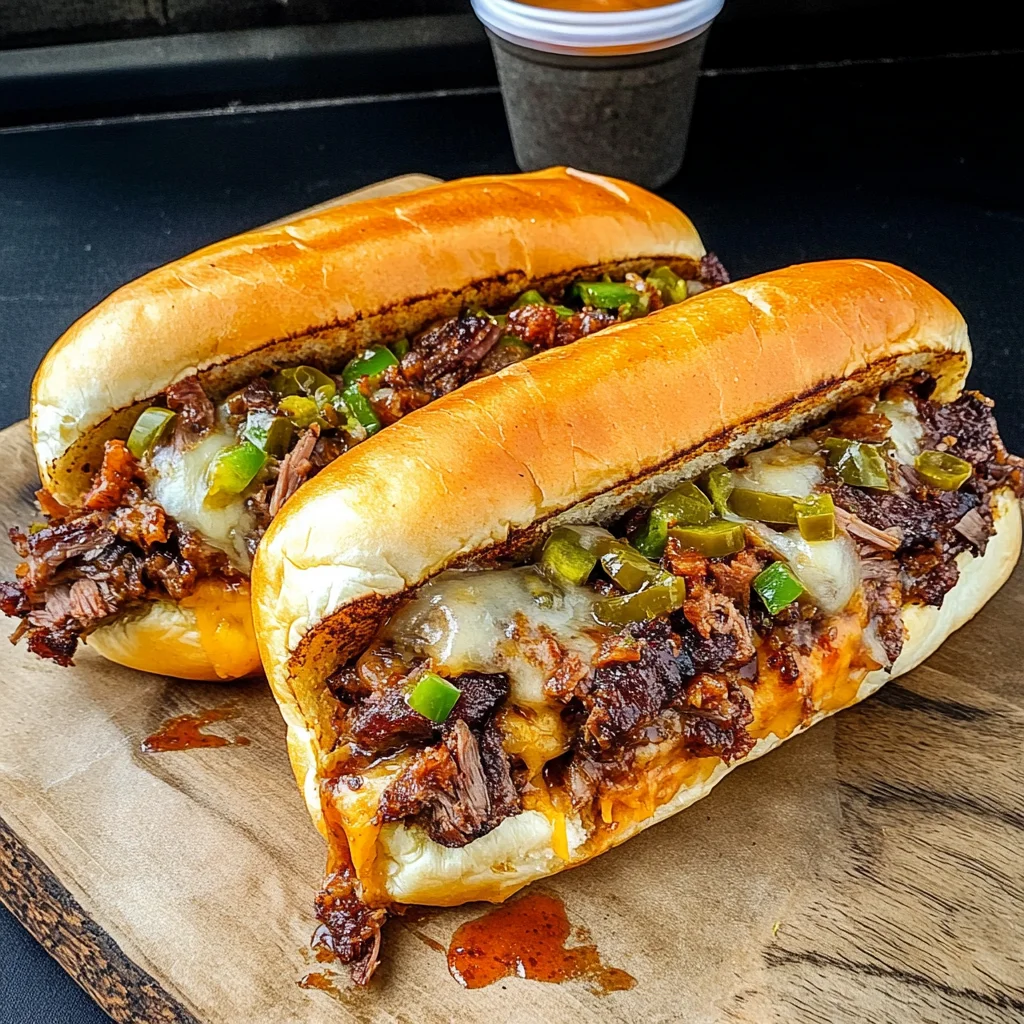
BBQ Brisket Cheesesteaks: The Ultimate Guide to This Smoky, Melty Sandwich
Introduction
Imagine biting into a toasted hoagie roll packed with tender, smoky BBQ brisket, melted cheese cascading down the sides, and sweet caramelized onions adding the perfect balance. That’s the magic of BBQ Brisket Cheesesteaks. This incredible sandwich combines the best of Texas barbecue with Philadelphia’s iconic sandwich, creating a fusion that’s absolutely irresistible.
Whether you’re using leftover brisket or making it fresh, BBQ Brisket Cheesesteaks transform simple ingredients into something extraordinary. The key is quality beef, proper seasoning, and the right assembly technique. This guide walks you through everything you need to create this mouthwatering sandwich at home.
Let’s dive into making the perfect BBQ Brisket Cheesesteak that rivals any restaurant version.
What Makes BBQ Brisket Cheesesteaks Special
BBQ Brisket Cheesesteaks stand out from traditional cheesesteaks in several important ways. First, the meat itself brings deeper, more complex flavors. Brisket offers rich, beefy taste enhanced by smoking and barbecue techniques.
The texture difference is noticeable too. While classic cheesesteaks use thinly sliced ribeye, brisket provides a tender, slightly stringy texture that melts in your mouth. This texture comes from the slow cooking process that breaks down tough connective tissue.
Additionally, the smoky notes from barbecue preparation add another flavor dimension. This smokiness complements the cheese and creates a more sophisticated sandwich. The combination works beautifully with various toppings and condiments.
Finally, BBQ Brisket Cheesesteaks offer excellent versatility. You can adjust heat levels, cheese types, and toppings to match personal preferences. This adaptability makes the sandwich perfect for different occasions and tastes.
Essential Ingredients for Perfect BBQ Brisket Cheesesteaks
The Brisket
Quality brisket forms the foundation of this sandwich. You’ll need about 2-3 pounds for four generous sandwiches. Choose either the flat or point cut, depending on your preference. The point cut contains more marbling and delivers richer flavor. The flat cut offers leaner meat with uniform thickness.
Look for well-marbled brisket with good fat distribution. The fat renders during cooking and keeps the meat moist. Fresh or properly frozen brisket works equally well.
The Bread
Hoagie rolls provide the classic vessel for these sandwiches. Choose rolls that measure 8-10 inches long with a soft interior and slightly crispy crust. The bread should be sturdy enough to hold ingredients without falling apart.
Avoid overly crusty bread that’s difficult to bite through. Similarly, skip bread that’s too soft and becomes soggy. Quality bakery rolls make a noticeable difference in the final result.
Cheese Options
Several cheese varieties work wonderfully in BBQ Brisket Cheesesteaks. Provolone offers mild, creamy flavor that doesn’t overpower the brisket. American cheese melts smoothly and creates that classic cheesesteak experience. Pepper jack adds pleasant heat for those who enjoy spicier sandwiches.
You can also combine cheeses for more complex flavor profiles. For example, mix provolone and cheddar for sharpness with creaminess.
Vegetables and Aromatics
Caramelized onions are traditional and highly recommended. They add sweetness that balances the savory brisket. Bell peppers work well too, providing crunch and fresh flavor. Mushrooms offer earthy notes that complement the smoky meat.
Fresh garlic enhances overall taste when sautéed with vegetables. Choose firm, unblemished produce for best results.
Seasonings and Sauces
A dry rub typically includes paprika, garlic powder, onion powder, black pepper, and brown sugar. These spices create the signature barbecue crust. For moisture and additional flavor, consider BBQ sauce. Choose your favorite style, whether tangy, sweet, or spicy.
Mayonnaise-based spreads work excellently as condiments. They add creaminess and help bind ingredients together.
Choosing and Preparing the Brisket
Selecting the Right Cut
The brisket comes from the breast section of the cow. Two main cuts are available: the flat and the point. The flat cut, also called the “first cut,” contains less fat and slices more uniformly. It’s ideal when presentation matters.
The point cut, sometimes called the “second cut,” has more intramuscular fat. This marbling creates incredibly tender, flavorful meat. However, it’s less uniform in shape and thickness.
For BBQ Brisket Cheesesteaks, either cut works well. The point cut often delivers more flavor, while the flat cut provides consistent slices.
Trimming the Brisket
Proper trimming improves both cooking and eating quality. Remove excess fat cap, leaving about 1/4 inch. This fat renders during cooking and bastes the meat. Too much fat becomes unpleasant to eat and doesn’t render fully.
Trim away any silver skin, which doesn’t break down during cooking. Use a sharp knife and work carefully to preserve as much meat as possible. Save trimmings for making stock or grinding.
Applying the Dry Rub
A well-balanced dry rub enhances natural beef flavor without overwhelming it. Mix the following ingredients:
-
2 tablespoons paprika
-
1 tablespoon garlic powder
-
1 tablespoon onion powder
-
1 tablespoon black pepper
-
2 teaspoons kosher salt
-
1 tablespoon brown sugar
-
1 teaspoon cumin
-
1 teaspoon chili powder
Apply the rub generously to all surfaces of the brisket. Press it into the meat to ensure adhesion. Let the seasoned brisket rest at room temperature for 30-60 minutes before cooking. This allows flavors to penetrate and brings the meat to a more even temperature.
Cooking Methods
Smoking
Smoking delivers authentic barbecue flavor and tender texture. Preheat your smoker to 225-250°F. Place the brisket fat-side up on the grate. Smoke until the internal temperature reaches 195-203°F. This typically takes 1-1.5 hours per pound.
Maintain consistent temperature throughout cooking. Add wood chips or chunks as needed for smoke production. Hickory, oak, and mesquite all work well with beef.
Oven Roasting
When a smoker isn’t available, oven roasting produces excellent results. Preheat the oven to 275°F. Place the seasoned brisket in a roasting pan. Cover tightly with foil to retain moisture.
Roast for about 1 hour per pound, or until fork-tender. Add a small amount of beef broth or stock to the pan for extra moisture. This liquid also makes excellent jus for serving.
Slow Cooker Method
Slow cookers offer convenience and consistent results. Season the brisket as directed. Place it in the slow cooker with sliced onions and 1/2 cup beef broth. Cook on low for 8-10 hours or high for 5-6 hours.
The meat should be tender enough to shred easily with a fork. This method produces very moist brisket perfect for sandwiches.
The Best Cheeses for Brisket Cheesesteaks
Provolone
Provolone ranks as a top choice for BBQ Brisket Cheesesteaks. This Italian cheese melts beautifully and offers mild, slightly tangy flavor. Sharp provolone provides more pronounced taste, while regular provolone stays subtle.
Use 2-3 slices per sandwich. Layer the cheese directly on the hot meat for optimal melting. Provolone pairs exceptionally well with caramelized onions and peppers.
American Cheese
Classic American cheese creates that iconic cheesesteak experience. It melts smoothly into a creamy consistency. The mild flavor lets the brisket shine through.
White American cheese offers the same melting properties with slightly less visual coloring. Use 2-3 slices per sandwich for proper coverage. Many restaurants consider American cheese the gold standard.
Pepper Jack
For those who enjoy heat, pepper jack adds pleasant spiciness. The jalapeño pieces distributed throughout provide pops of flavor. This cheese melts well and complements smoky brisket beautifully.
Use pepper jack when you want extra dimension in your sandwich. It pairs especially well with BBQ sauce and pickled jalapeños.
Cheese Whiz
Though controversial, cheese whiz represents an authentic Philadelphia option. This processed cheese sauce provides ultra-smooth texture. It coats every piece of meat and vegetable evenly.
Warm the cheese whiz before application. Drizzle it over the assembled ingredients. The result is indulgent and nostalgic.
Combination Approach
Many sandwich shops combine cheeses for enhanced flavor. Try provolone and American together for the best of both worlds. Or mix cheddar and pepper jack for sharpness with heat.
Experiment with different combinations to find your favorite. The key is ensuring all cheeses melt at similar temperatures.
Step-by-Step Recipe Instructions
Ingredients
For the Brisket:
-
3 pounds beef brisket
-
2 tablespoons paprika
-
1 tablespoon garlic powder
-
1 tablespoon onion powder
-
1 tablespoon black pepper
-
2 teaspoons kosher salt
-
1 tablespoon brown sugar
-
1 teaspoon cumin
-
1 teaspoon chili powder
For Assembly:
-
4 hoagie rolls (8-10 inches)
-
8-12 slices provolone or American cheese
-
2 large onions, thinly sliced
-
2 bell peppers, thinly sliced (optional)
-
2 tablespoons butter
-
1/4 cup BBQ sauce (optional)
-
Mayonnaise or aioli for spreading
Instructions
Preparing the Brisket
Step 1: Trim excess fat from the brisket, leaving about 1/4 inch. Remove any silver skin.
Step 2: Combine all dry rub ingredients in a small bowl. Mix thoroughly to ensure even distribution.
Step 3: Apply the rub generously to all surfaces of the brisket. Press it in firmly. Let rest at room temperature for 30-60 minutes.
Step 4: Preheat your cooking device. For smoking, aim for 225-250°F. For oven roasting, set to 275°F.
Step 5: Cook the brisket until tender and the internal temperature reaches 195-203°F. This takes approximately 1-1.5 hours per pound.
Step 6: Once done, remove from heat and let rest for 30 minutes. This allows juices to redistribute throughout the meat.
Step 7: Slice the brisket against the grain into thin strips. Aim for 1/8 to 1/4 inch thickness. Keep the meat warm until assembly.
Preparing the Vegetables
Step 1: Heat butter in a large skillet over medium heat. Add sliced onions once the butter melts.
Step 2: Cook onions slowly, stirring occasionally. They should soften and turn golden brown. This takes 20-30 minutes. Patience creates the best flavor.
Step 3: If using peppers, add them during the last 10 minutes of cooking. They should soften but retain some texture.
Step 4: Season vegetables with salt and pepper to taste. Keep warm until assembly.
Assembling the Sandwiches
Step 1: Split hoagie rolls lengthwise, but don’t cut all the way through. Leave them hinged on one side.
Step 2: Lightly toast the rolls. You can butter them first for extra richness. Toast until just golden on the cut surfaces.
Step 3: Spread mayonnaise or aioli on both sides of each roll. This adds moisture and flavor.
Step 4: Layer sliced brisket onto the bottom half of each roll. Use about 6-8 ounces per sandwich.
Step 5: If desired, brush BBQ sauce over the meat. Use it sparingly to avoid overwhelming other flavors.
Step 6: Top the meat with caramelized onions and peppers. Distribute evenly across the sandwich.
Step 7: Place 2-3 cheese slices over the hot ingredients. The residual heat begins melting the cheese immediately.
Step 8: For extra melty cheese, place assembled sandwiches under the broiler for 1-2 minutes. Watch carefully to prevent burning.
Step 9: Close the sandwiches and serve immediately while hot.
Pro Tips for Restaurant-Quality Results
Meat Preparation
Slice brisket as thinly as possible for best texture. Use a sharp knife and cut against the grain. This shortens muscle fibers and makes the meat more tender.
Keep sliced brisket warm in its cooking liquid or beef broth. This prevents drying and adds extra moisture. Never let the meat sit at room temperature for extended periods.
Caramelizing Onions
True caramelization requires time and patience. Cook onions slowly over medium to medium-low heat. Rushing the process with high heat causes burning rather than caramelization.
Add a pinch of salt early in cooking. This draws out moisture and speeds up the process slightly. Stir occasionally but not constantly.
If onions start sticking, add a splash of water or broth. Scrape up the browned bits, which add depth of flavor.
Bread Selection and Preparation
Fresh bread makes a significant difference. Day-old bread becomes tough and dry. Choose soft rolls with enough structure to hold ingredients.
Toast the bread just before assembly. Over-toasting creates hard, difficult-to-bite sandwiches. Light toasting adds texture without sacrificing softness.
Some chefs recommend steaming rolls briefly before toasting. This creates an ideal balance of soft interior and crispy exterior.
Cheese Melting Techniques
For perfect melted cheese, place it directly on hot meat. The heat from the brisket begins the melting process. This creates better integration of flavors.
Alternatively, broil assembled sandwiches for 1-2 minutes. Position the oven rack in the upper third. Watch carefully to prevent burning.
Cover the skillet when melting cheese on the stovetop. The trapped steam accelerates melting. This technique works especially well with American cheese.
Temperature Management
Serve BBQ Brisket Cheesesteaks immediately after assembly. The contrast between hot ingredients and slightly cool bread creates an ideal eating experience.
Keep all components warm but separate until final assembly. This prevents soggy bread while maintaining proper temperatures.
Common Mistakes to Avoid
Overcooking the Brisket
Dry, tough brisket ruins the sandwich experience. Always cook to proper internal temperature (195-203°F). Use a meat thermometer for accuracy.
Don’t rush the cooking process. Low and slow wins the race with brisket. Higher temperatures cause the meat to seize up and become chewy.
Slicing with the Grain
Cutting with the grain instead of against it creates long, tough fibers. Always identify grain direction before slicing. Cut perpendicular to those lines.
This simple step dramatically improves tenderness. Each bite should pull apart easily rather than requiring excessive chewing.
Using Too Much Sauce
BBQ sauce should enhance, not dominate. Heavy-handed application masks the brisket’s natural flavor. Use sauce sparingly or serve it on the side.
Quality brisket needs minimal sauce. The meat’s own flavor and the dry rub provide plenty of taste.
Soggy Bread
Excess moisture creates unpleasant, messy sandwiches. Toast the bread to create a moisture barrier. Avoid adding too many wet ingredients.
If using BBQ sauce, apply it to the meat rather than directly on the bread. This helps prevent sogginess while still delivering flavor.
Wrong Cheese Temperature
Cold cheese doesn’t melt properly. Bring cheese to room temperature before use. Or ensure the meat is hot enough to melt it on contact.
Placing cheese on cold ingredients results in unmelted, unpleasant texture. Temperature management matters for optimal results.
Serving Suggestions and Side Dishes
Classic Sides
French fries remain the traditional cheesesteak accompaniment. Choose thick-cut or shoestring based on preference. Season them well with salt and pepper.
Coleslaw provides cooling contrast to rich, hot sandwiches. The crunch and acidity balance the heavy flavors. Choose vinegar-based slaw for lighter options.
Potato salad works wonderfully, especially at barbecues and picnics. Make it ahead for convenience. The creamy texture complements smoky brisket.
Lighter Options
Green salad with vinaigrette offers refreshing counterpoint. Include crisp lettuce, tomatoes, and cucumbers. Light dressing prevents overwhelming the palate.
Grilled vegetables like zucchini, squash, and asparagus add color and nutrition. Season simply with olive oil, salt, and pepper. The char marks complement the sandwich’s smokiness.
Cucumber salad with dill provides cooling freshness. The bright, clean flavors cleanse the palate between bites.
Pickled Accompaniments
Pickles of any variety enhance BBQ Brisket Cheesesteaks. Dill pickles offer classic flavor. Bread and butter pickles add sweetness. Spicy pickles provide heat.
Pickled jalapeños amp up the heat for those who enjoy it. The acidity cuts through rich cheese and meat.
Consider pickled onions for tangy bite. They add visual appeal with their bright color.
Beverage Pairings
Iced tea complements barbecue flavors beautifully. Sweet or unsweetened both work well. Add lemon for extra brightness.
Lemonade provides refreshing sweetness and acidity. The citrus cuts through rich flavors effectively.
For a more sophisticated option, try sparkling water with fruit. The bubbles cleanse the palate while fruit adds subtle flavor.
Storage and Reheating Instructions
Storing Cooked Brisket
Properly stored brisket lasts 3-4 days in the refrigerator. Wrap it tightly in plastic wrap or aluminum foil. Store in an airtight container for extra protection.
Include some cooking liquid or beef broth with the meat. This prevents drying during storage. The liquid also helps when reheating.
For longer storage, freeze cooked brisket for up to 3 months. Wrap portions in plastic wrap, then aluminum foil. Label with the date for tracking.
Thaw frozen brisket in the refrigerator overnight. Never thaw at room temperature, which promotes bacterial growth.
Reheating Methods
Stovetop: Place sliced brisket in a skillet with a splash of broth. Heat over medium-low heat until warmed through. Stir occasionally to prevent sticking.
Oven: Wrap brisket in foil with a bit of liquid. Heat at 300°F for 20-30 minutes. This method preserves moisture effectively.
Microwave: While not ideal, microwaving works in a pinch. Place meat in a microwave-safe dish. Cover with a damp paper towel. Heat in 30-second intervals, stirring between.
Storing Assembled Sandwiches
Assembled sandwiches don’t store well due to bread sogginess. If necessary, wrap tightly in foil and refrigerate for up to 4 hours.
Reheat wrapped sandwiches in a 350°F oven for 15-20 minutes. The foil traps steam and prevents drying.
For best results, store components separately and assemble fresh when ready to eat.
Variations and Creative Twists
Spicy BBQ Brisket Cheesesteak
Amp up the heat with additional ingredients. Add pickled jalapeños or banana peppers. Use pepper jack cheese instead of provolone. Include a spicy aioli or chipotle mayo.
Sprinkle red pepper flakes over the assembled sandwich. The combination creates multiple layers of heat.
Philly-Texas Fusion
Combine authentic Philadelphia techniques with Texas barbecue. Use traditional Amoroso rolls if available. Apply cheese whiz for genuine Philly style. But keep the smoked, seasoned brisket for Texas influence.
This fusion respects both regional traditions while creating something unique.
Loaded BBQ Brisket Cheesesteak
Add bacon for extra richness and smokiness. Include sautéed mushrooms for earthy flavor. Top with crispy fried onions for textural contrast.
Drizzle ranch or blue cheese dressing for cooling creaminess. This version becomes a complete meal in itself.
BBQ Brisket Quesadilla
Transform the concept into a quesadilla. Use flour tortillas instead of bread. Layer cheese, brisket, and onions between two tortillas. Grill until cheese melts and tortillas crisp.
Cut into wedges and serve with salsa and sour cream. This variation offers a different textural experience.
Open-Faced Version
For a knife-and-fork approach, make open-faced sandwiches. Toast thick bread slices. Top with brisket, vegetables, and cheese. Broil until cheese bubbles.
This presentation showcases ingredients beautifully. It also allows easier customization for individual preferences.
Nutritional Information
A typical BBQ Brisket Cheesesteak contains approximately:
-
Calories: 650-800 per sandwich
-
Protein: 45-55 grams
-
Carbohydrates: 45-55 grams
-
Fat: 30-40 grams
-
Sodium: 1200-1500mg
These values vary based on specific ingredients and portions used.
Making Healthier Choices
Several modifications can reduce calorie content. Use leaner brisket cuts and trim more fat. Choose reduced-fat cheese or use less cheese overall.
Select whole grain rolls for added fiber. Load up on vegetables like peppers and onions. These add volume without many calories.
Skip or reduce mayonnaise-based spreads. Use mustard or hot sauce instead for flavor without fat.
Portion Control
Restaurant portions often exceed reasonable serving sizes. Make smaller sandwiches at home for better portion control. Use 4-6 ounces of meat instead of 8-10 ounces.
Share a sandwich with someone. This immediately cuts calories in half while still enjoying the flavors.
Balance the meal with lighter sides. Choose salad or grilled vegetables instead of fries.
Frequently Asked Questions
Can I use store-bought brisket for BBQ Brisket Cheesesteaks?
Absolutely! Leftover or pre-cooked brisket works perfectly. Simply slice it thin and reheat gently. This makes the recipe much faster and more convenient. Many people specifically cook extra brisket for future sandwiches.
What’s the best bread for BBQ Brisket Cheesesteaks?
Hoagie rolls or sub rolls provide ideal texture and structure. Look for soft interior with slightly firm crust. The roll should measure 8-10 inches long. Avoid artisan breads that are too crusty or dense. Fresh rolls make a noticeable difference in the final result.
How do I keep the sandwich from falling apart?
Several techniques help. First, don’t overfill the sandwich. Use reasonable portions of each ingredient. Second, toast the bread lightly for structure. Third, press the sandwich gently after assembly. Finally, wrap it in foil or parchment for easier handling.
Can I make BBQ Brisket Cheesesteaks ahead of time?
The components can be prepared in advance. Cook and slice the brisket up to 3 days ahead. Caramelize onions and store separately. However, assemble sandwiches just before serving. Pre-assembled sandwiches become soggy and unappetizing.
What temperature should the brisket reach?
Cook brisket to an internal temperature of 195-203°F for optimal tenderness. This range ensures collagen breaks down completely. Use an instant-read thermometer for accuracy. Remember that carryover cooking continues raising temperature after removal from heat.
How thin should I slice the brisket?
Slice brisket between 1/8 and 1/4 inch thick. Thinner slices integrate better into the sandwich. They also become more tender. Use a sharp slicing knife and cut against the grain. Partially freezing the brisket makes slicing easier.
Can I freeze assembled sandwiches?
Freezing assembled sandwiches isn’t recommended. The bread becomes soggy and texture suffers. Instead, freeze cooked brisket separately. Thaw and assemble fresh sandwiches when ready. This approach maintains quality much better.
Conclusion
BBQ Brisket Cheesesteaks represent the perfect marriage of two American classics. Tender, smoky brisket meets melted cheese and caramelized onions in a soft hoagie roll. The result is a sandwich that’s greater than the sum of its parts.
Success comes down to quality ingredients and proper technique. Take time to cook the brisket properly until it reaches fork-tender perfection. Slice it thin against the grain. Caramelize onions slowly for maximum sweetness. Choose cheese that melts beautifully. Toast the bread just right.
These sandwiches work equally well for casual weeknight dinners or special occasions. They’re perfect for using leftover brisket or making a new batch specifically for sandwiches. Either way, the incredible flavors and satisfying textures make the effort worthwhile.
The beauty of BBQ Brisket Cheesesteaks lies in their versatility. Adjust heat levels, cheese types, and toppings to match your preferences. Try different variations to discover your favorite combination. Share them with friends and family who appreciate bold, satisfying flavors.
Now that you have all the knowledge and techniques, it’s time to fire up your smoker or oven. Gather your ingredients and start creating these amazing sandwiches. Your taste buds will thank you for it.
Print
BBQ Brisket Cheesesteaks
Description
BBQ Brisket Cheesesteaks
Ingredients:
-
1 lb cooked beef brisket, sliced thin or shredded
-
1 tbsp olive oil or butter
-
1 small onion, thinly sliced
-
1 green bell pepper, thinly sliced
-
½ cup BBQ sauce (use your favorite)
-
4 hoagie rolls or sandwich buns
-
8 slices provolone or mozzarella cheese
-
2 tbsp butter (for toasting rolls)
-
Optional: pickled jalapeños or crispy onions for topping
Instructions:
-
Sauté veggies: In a large skillet, heat olive oil over medium heat. Add sliced onions and bell peppers. Cook until softened and slightly caramelized, about 6–8 minutes. Remove and set aside.
-
Heat brisket: In the same skillet, add brisket and BBQ sauce. Stir and cook for 3–4 minutes until heated through and coated in sauce.
-
Combine: Add the cooked onions and peppers back into the skillet and mix well with the brisket.
-
Prepare rolls: Butter the hoagie rolls and toast them in a skillet or under the broiler until golden.
-
Assemble: Spoon the brisket mixture onto each roll, top with slices of cheese, and place under the broiler for 1–2 minutes until the cheese is melted and bubbly.
-
Serve: Serve warm with extra BBQ sauce on the side and optional jalapeños or crispy onions for a kick.