
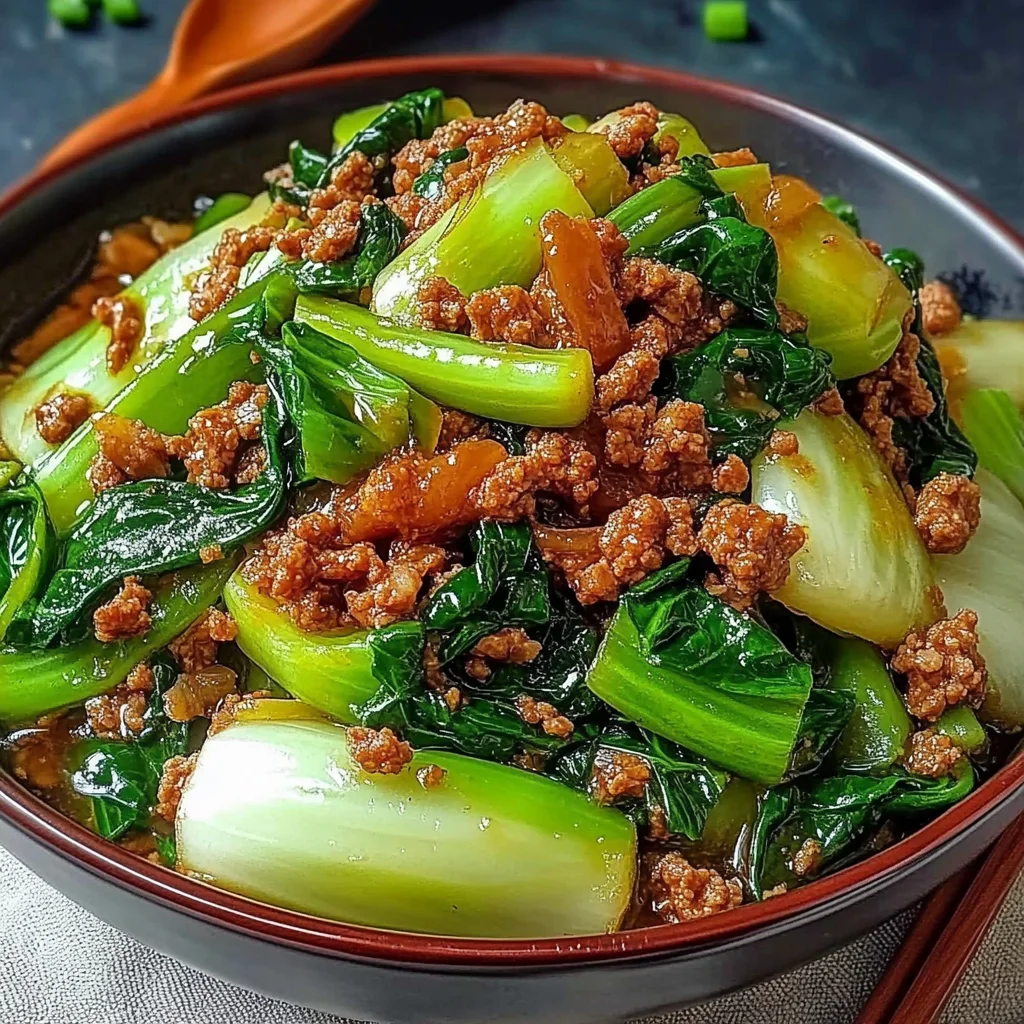
Stir-fried Bok Choy with Ground Meat: A Quick, Healthy, and Flavorful One-Pan Dinner
Craving a wholesome, veggie-packed dinner that’s ready in under 20 minutes? Stir-fried bok choy with ground meat delivers bold Asian-inspired flavors, crisp-tender greens, and savory protein in one satisfying skillet. This recipe combines the delicate crunch of fresh bok choy with your choice of ground pork, beef, chicken, or turkey, all brought together with aromatic garlic, ginger, and a savory sauce. Whether you’re looking for a weeknight meal solution or a nutritious way to incorporate more leafy greens into your diet, this stir-fry checks all the boxes. Best of all, it’s versatile, budget-friendly, and beginner-friendly.
What Makes Stir-fried Bok Choy with Ground Meat Special
This dish stands out for several compelling reasons. First, it showcases bok choy’s unique texture—crisp stems and tender leaves—which provides an interesting contrast in every bite. Additionally, the quick cooking method preserves nutrients and vibrant color.
Moreover, ground meat adds substantial protein without requiring lengthy marination or complex prep work. The combination creates a balanced meal that’s both satisfying and light. Furthermore, the sauce penetrates the meat while lightly coating the vegetables, ensuring every element carries maximum flavor.
This stir-fry also exemplifies healthy home cooking. You control the sodium levels, fat content, and ingredient quality. Consequently, you can tailor it to meet specific dietary needs or preferences while maintaining authentic Asian-inspired taste.
Understanding Bok Choy
What Is Bok Choy
Bok choy (also spelled pak choi) belongs to the cruciferous vegetable family. This Chinese cabbage features thick white stems and dark green leaves. Interestingly, it’s been cultivated in China for over 5,000 years.
The vegetable comes in several varieties. Baby bok choy measures 4-6 inches long with tender stems. Regular bok choy grows larger, reaching 10-12 inches. Shanghai bok choy displays a lighter green color throughout.
Nutritional Profile
Bok choy delivers impressive nutritional value with minimal calories. One cup of cooked bok choy contains:
-
Only 20 calories
-
3 grams of carbohydrates
-
2 grams of protein
-
158 milligrams of calcium (16% DV)
-
631 milligrams of potassium (13% DV)
-
5,822 IU of vitamin A (117% DV)
-
44 milligrams of vitamin C (73% DV)
Additionally, it provides vitamin K, folate, and vitamin B6. The high water content aids hydration while dietary fiber supports digestive health.
Selecting and Storing Fresh Bok Choy
Choose bok choy with firm, crisp stems and vibrant green leaves. Avoid bunches with yellowing, wilting, or brown spots. The stems should feel heavy for their size, indicating freshness.
Store unwashed bok choy in a plastic bag in the refrigerator crisper drawer. It typically stays fresh for 3-5 days. Before cooking, rinse thoroughly as dirt often hides between the stems. Subsequently, shake off excess water and pat dry.
According to the USDA FoodData Central, bok choy ranks among the most nutrient-dense vegetables available, making it an excellent choice for health-conscious home cooks.
Choosing Your Ground Meat
Ground Pork
Ground pork offers rich, savory flavor that complements bok choy beautifully. It contains slightly more fat than other options, which enhances taste and moisture. Choose 80/20 or 85/15 lean-to-fat ratios for optimal results.
This traditional choice appears frequently in Chinese stir-fries. The meat’s natural sweetness balances the slight bitterness of bok choy. Furthermore, pork pairs exceptionally well with ginger and garlic.
Ground Beef
Ground beef provides robust, hearty flavor. Select 85/15 or 90/10 ground beef to balance flavor with health considerations. The meat browns nicely, developing a savory crust that adds depth.
Beef works particularly well when you want a more substantial, filling meal. It also holds up to bolder seasonings like black pepper and chili flakes.
Ground Chicken or Turkey
These leaner options suit those watching calorie or fat intake. Ground chicken offers mild flavor that absorbs seasonings readily. Ground turkey provides slightly more pronounced taste while remaining lean.
Because these meats contain less fat, add an extra tablespoon of oil during cooking. This prevents drying and ensures proper browning. Additionally, season more generously to compensate for their subtle flavor.
Plant-Based Alternatives
Plant-based ground meat substitutes work excellently in this recipe. Options like Beyond Meat or Impossible Foods provide similar texture and protein content. They brown comparably to traditional ground meat.
Alternatively, crumbled firm tofu creates a lighter, more traditional Asian preparation. Press the tofu first to remove excess moisture, then crumble before stir-frying.
Essential Ingredients Breakdown
For the Protein and Vegetables
-
1 pound ground meat (pork, beef, chicken, or turkey)
-
1 pound bok choy (about 4-5 stalks regular or 8-10 baby bok choy)
-
4 cloves garlic, minced
-
1 tablespoon fresh ginger, minced
-
2 green onions, chopped (white and green parts separated)
-
1 red bell pepper, thinly sliced (optional, for color and sweetness)
For the Sauce
-
3 tablespoons soy sauce (or tamari for gluten-free)
-
1 tablespoon oyster sauce (or vegetarian oyster sauce)
-
1 teaspoon sesame oil
-
1 teaspoon cornstarch
-
2 teaspoons honey or brown sugar
-
¼ cup low-sodium chicken broth or water
-
¼ teaspoon white pepper
-
Red pepper flakes (optional, to taste)
Cooking Essentials
-
2 tablespoons vegetable oil (divided)
-
Sesame seeds for garnish
-
Salt to taste
Step-by-Step Cooking Instructions
Prepare the Ingredients
First, prepare your bok choy properly. Cut off the bottom root end. Separate the stalks and rinse thoroughly under cold water. Dirt often hides between layers, so pay special attention to the base.
Subsequently, cut the bok choy into 2-inch pieces. Keep stems and leaves separated since stems require longer cooking. If using baby bok choy, simply halve them lengthwise.
Next, mince the garlic and ginger finely. Chop the green onions, keeping white and green parts separate. If adding bell pepper, slice it thinly.
Make the Sauce
Combine all sauce ingredients in a small bowl. Mix the soy sauce, oyster sauce, sesame oil, cornstarch, honey, chicken broth, and white pepper. Whisk until the cornstarch dissolves completely.
The cornstarch acts as a thickening agent. It creates a glossy sauce that clings to the meat and vegetables. Set this mixture aside until needed.
Cook the Ground Meat
Heat a large wok or skillet over medium-high heat. Add 1 tablespoon of vegetable oil and swirl to coat the pan. Once the oil shimmers, add the ground meat.
Break up the meat with a spatula or wooden spoon. Spread it across the pan to maximize surface contact. This promotes even browning. Cook for 5-6 minutes without stirring constantly.
Allow the meat to develop a golden-brown crust on one side before breaking it up. This caramelization adds significant flavor depth. The meat should be fully cooked with no pink remaining.
Season with a pinch of salt during cooking. Once browned, transfer the meat to a plate and set aside.
Stir-fry the Aromatics
In the same pan, add the remaining tablespoon of oil. Add the white parts of the green onions, minced garlic, and ginger. Stir-fry for 30-45 seconds until fragrant.
Watch carefully because garlic burns quickly. The aromatics should release their fragrance without turning brown. This step builds the flavor foundation for the entire dish.
Cook the Bok Choy
Add the bok choy stems first since they’re thicker and need more cooking time. Stir-fry for 2-3 minutes until they begin softening but remain crisp.
Then add the bok choy leaves and bell pepper if using. Toss everything together and cook for another 2 minutes. The leaves will wilt significantly.
Maintain high heat throughout this process. High heat creates that characteristic “wok hei” or breath of the wok—a slightly smoky, charred flavor that defines great stir-fries.
Combine and Finish
Return the cooked ground meat to the pan. Pour the prepared sauce over everything. Toss continuously for 1-2 minutes.
The sauce will thicken quickly because of the cornstarch. It should coat the meat and vegetables evenly, creating a glossy finish. If the sauce seems too thick, add a tablespoon of water.
Taste and adjust seasoning as needed. Add more soy sauce for saltiness or a pinch of sugar for sweetness. Remove from heat immediately once everything is well combined.
Garnish and Serve
Transfer the stir-fried bok choy with ground meat to a serving platter. Sprinkle with the green parts of the green onions and sesame seeds.
Serve immediately while hot. The contrast between the warm dish and crisp vegetables tastes best fresh from the wok.
Flavor Variations and Customizations
Spicy Szechuan Style
Transform this dish into a fiery Szechuan-inspired creation. Add 1-2 teaspoons of Szechuan peppercorns during the cooking process. Include 2-3 dried red chilies and double the red pepper flakes.
Additionally, mix in 1 tablespoon of chili oil with the sauce. This variation delivers numbing heat characteristic of Szechuan cuisine. The bold spices complement the ground meat beautifully.
Ginger-Forward Version
For ginger lovers, triple the amount of fresh ginger. Add it in two stages—half with the initial aromatics and half near the end. This creates layers of ginger flavor.
Consider adding pickled ginger as a garnish. The tangy, sweet notes provide interesting contrast. This version particularly suits ground chicken or turkey.
Mushroom-Enhanced Recipe
Add umami depth with mushrooms. Slice 8 ounces of shiitake or cremini mushrooms. Stir-fry them after cooking the meat but before adding bok choy.
Mushrooms contribute earthy, meaty flavor while increasing the vegetable content. They also absorb the sauce beautifully. This variation creates a more substantial, hearty meal.
Thai-Inspired Twist
Swap the oyster sauce for 1 tablespoon of fish sauce. Add 2 teaspoons of lime juice to the sauce mixture. Include fresh Thai basil leaves at the end.
Garnish with crushed peanuts and cilantro instead of sesame seeds. This version delivers bright, fresh Southeast Asian flavors. The lime juice adds necessary acidity.
Korean-Style Preparation
Create a Korean-inspired version by adding 2 tablespoons of gochujang (Korean chili paste) to the sauce. Increase the garlic and add 1 teaspoon of toasted sesame seeds to the sauce.
Serve over rice with kimchi on the side. The fermented cabbage complements the stir-fried bok choy perfectly. This variation offers complex, layered spice.
Serving Suggestions
Over Rice
Steamed jasmine rice makes the classic accompaniment. The fluffy, slightly sticky texture soaks up the savory sauce perfectly. Brown rice provides a nuttier, healthier alternative.
Fried rice works well too, especially if you’re using leftover rice. The combination creates a complete one-dish meal. Simply serve the stir-fry alongside or over the rice.
With Noodles
This stir-fried bok choy with ground meat pairs excellently with various noodles. Rice noodles, lo mein, or even ramen noodles complement the dish.
Toss the noodles directly into the pan during the final minute. They’ll absorb the sauce and integrate seamlessly. Add a splash of broth if needed to prevent sticking.
As Part of a Meal
Serve this stir-fry as one component of a larger Asian-inspired spread. Pair it with egg drop soup, spring rolls, and steamed dumplings.
This approach works particularly well for family-style dining. Guests can sample multiple dishes and create their own combinations. The variety ensures everyone finds something they enjoy.
Low-Carb Option
For those avoiding carbs, serve over cauliflower rice. The mild flavor of cauliflower rice won’t compete with the stir-fry’s bold taste. Alternatively, simply enjoy it on its own.
The dish contains enough vegetables and protein to stand alone. This option highlights the bok choy and ground meat without dilution.
With Simple Sides
Sometimes simplicity works best. Serve with steamed edamame, a cucumber salad, or pickled vegetables. These light sides balance the richness of the ground meat.
Miso soup makes an excellent starter before the main course. The warm, salty broth prepares the palate perfectly.
Nutritional Benefits
Vitamins and Minerals
This dish provides exceptional nutritional value. As mentioned, bok choy delivers massive amounts of vitamins A, C, and K. These vitamins support immune function, skin health, and bone strength.
The ground meat contributes B vitamins, particularly B12, B6, and niacin. These support energy metabolism and nervous system function. Additionally, meat provides essential minerals like iron, zinc, and selenium.
Garlic and ginger offer anti-inflammatory compounds. Research published in the National Institutes of Health suggests these aromatics may support cardiovascular health and immune function.
Protein Content
A typical serving (one-quarter of the recipe) provides approximately 25-30 grams of protein. This amount supports muscle maintenance and keeps you feeling full longer.
Protein promotes satiety more effectively than carbohydrates alone. Therefore, this meal helps prevent overeating and supports weight management goals. The lean protein options further enhance these benefits.
Fiber and Digestive Health
Bok choy provides about 2 grams of fiber per cup. While not extremely high, the fiber content supports digestive regularity. The vegetable’s water content also aids hydration and digestive function.
Fiber slows digestion, preventing blood sugar spikes. This makes the dish suitable for those managing diabetes or blood sugar concerns. The balanced macronutrients create steady energy release.
Low-Calorie Density
Despite being filling, this stir-fried bok choy with ground meat remains relatively low in calories. A generous serving contains approximately 250-350 calories depending on the meat choice.
The high vegetable content increases volume without adding excessive calories. This property makes it excellent for weight management while ensuring nutritional adequacy.
Storage and Meal Prep Tips
Refrigerator Storage
Store leftovers in an airtight container in the refrigerator. The stir-fry stays fresh for 3-4 days. Ensure it cools to room temperature before sealing to prevent condensation.
The bok choy will soften further during storage. While the texture changes slightly, the flavor remains excellent. Reheat gently to avoid overcooking the vegetables.
Reheating Instructions
Reheat in a skillet over medium heat for best results. Add a tablespoon of water or broth to refresh the sauce. Stir frequently until heated through, about 3-4 minutes.
Alternatively, microwave in 1-minute intervals, stirring between each. Avoid high power settings which can make the meat rubbery. The stovetop method preserves texture better than microwaving.
Freezing Guidelines
While possible, freezing isn’t ideal for this dish. The bok choy releases water upon thawing, becoming mushy. However, you can freeze the cooked ground meat and sauce separately.
Freeze the meat mixture in portions for quick future meals. Then stir-fry fresh bok choy and combine with thawed meat. This approach maintains vegetable quality while saving prep time.
Meal Prep Strategy
For efficient meal prep, cook a double batch of ground meat with seasonings. Portion into containers and refrigerate. Prepare fresh bok choy each night—it only takes 5 minutes to stir-fry.
This semi-prepped approach balances convenience with quality. The meat reheats well while fresh vegetables maintain their crisp texture. Mix and match with different sauces throughout the week.
Make-Ahead Components
Prepare the sauce mixture up to 3 days ahead. Store in a sealed jar in the refrigerator. Similarly, mince garlic and ginger in advance.
Wash and cut bok choy the night before. Store in damp paper towels inside a plastic bag. These small preparations significantly speed up cooking time on busy weeknights.
Troubleshooting Common Issues
Bok Choy Turning Mushy
Overcooking causes mushiness. Remember, bok choy cooks quickly—usually 4-5 minutes total. Maintain high heat and keep the vegetables moving.
Additionally, ensure your pan is hot before adding vegetables. Adding them to a cold pan creates steam rather than stir-frying. This excess moisture leads to mushy texture.
If your bok choy seems watery, don’t add extra sauce. The vegetable releases water naturally. Cook uncovered to allow evaporation.
Ground Meat Becomes Greasy
Excess fat creates greasiness. If your meat releases substantial fat during cooking, drain it before adding vegetables. Tilt the pan and carefully spoon out excess oil.
Alternatively, choose leaner ground meat (90/10 or higher). Leaner options produce less rendered fat. You can also blot the cooked meat with paper towels before proceeding.
Sauce Too Thin or Thick
If your sauce seems thin, it likely needs more cooking time. The cornstarch requires heat to activate and thicken. Cook for an additional 1-2 minutes while stirring.
Conversely, if the sauce becomes too thick, add liquid gradually. Start with 1 tablespoon of water or broth. Stir well and assess consistency before adding more.
Remember that the sauce continues thickening slightly as it cools. Aim for slightly thinner consistency than your target.
Burnt Garlic
Garlic burns easily at high heat. Always add aromatics after the meat is cooked and removed. The lowered pan temperature from removing meat prevents burning.
Stir the garlic constantly during its brief cooking time. If it starts browning too quickly, reduce heat immediately. Burnt garlic tastes bitter and ruins the dish.
Bland Flavor
Underseasoning is common in stir-fries. Taste the dish before serving and adjust as needed. Add salt, soy sauce, or a splash of sesame oil.
Sometimes the sauce needs balancing. Add a pinch of sugar to counter excessive saltiness. Conversely, add more soy sauce if it tastes flat.
Remember that served over plain rice, the stir-fry should taste slightly overseasoned. The rice dilutes the intensity.
Frequently Asked Questions
Can I use frozen bok choy for this recipe?
Fresh bok choy works significantly better than frozen. Frozen bok choy becomes very soft and watery upon thawing. However, if you must use frozen, thaw it completely and squeeze out excess water before cooking. Reduce the cooking time since it’s partially cooked during the freezing process.
What’s the best substitute for oyster sauce?
Hoisin sauce makes an excellent substitute, though it’s sweeter. Use the same amount and reduce the honey slightly. For a vegetarian option, mushroom-based vegetarian oyster sauce provides similar umami depth. Alternatively, mix soy sauce with a small amount of sugar and a dash of fish sauce (if not vegetarian).
How do I prevent the bok choy from becoming too salty?
Control saltiness by using low-sodium soy sauce and broth. Remember that oyster sauce also contains salt. Taste your sauce mixture before adding it to the pan. You can always add more salt, but you can’t remove it. Additionally, serving over rice helps balance any excess saltiness.
Can I make this stir-fried bok choy with ground meat ahead of time?
While best served fresh, you can prepare components ahead. Cook the ground meat mixture up to 2 days in advance. Store refrigerated and reheat gently. For optimal texture, stir-fry the bok choy fresh just before serving. This approach maintains the vegetable’s crisp-tender quality while saving time.
Is this recipe suitable for meal prep?
Partially. The cooked meat reheats excellently, making it meal-prep friendly. However, the bok choy softens considerably when reheated. For best results, prep the sauce and cooked meat, then quickly stir-fry fresh bok choy each day. This takes only 5 minutes and ensures quality.
What other vegetables work well in this recipe?
Many vegetables complement this dish. Try baby spinach, napa cabbage, or Chinese broccoli (gai lan). Snow peas, snap peas, and bell peppers add crunch and color. Mushrooms contribute earthiness. Mix and match based on availability and preference while maintaining similar cooking times.
Conclusion
Stir-fried bok choy with ground meat represents the perfect weeknight dinner solution—quick, nutritious, and endlessly adaptable. This recipe delivers restaurant-quality results in your home kitchen without requiring special equipment or hard-to-find ingredients. The combination of crisp-tender bok choy and savory ground meat creates a satisfying meal that the whole family will enjoy.
Moreover, this dish showcases how simple ingredients transform into something exceptional with proper technique. The quick cooking method preserves nutrients while developing complex flavors through caramelization and aromatic infusion. Whether you choose ground pork for traditional richness, lean turkey for health consciousness, or plant-based alternatives for dietary preferences, the result consistently impresses.
The versatility of this stir-fry makes it valuable in any home cook’s repertoire. Adjust spice levels, swap proteins, or add seasonal vegetables based on what’s available. Serve it over rice for a complete meal or alongside noodles for variety. The possibilities extend far beyond the basic recipe.
Furthermore, the nutritional benefits make this dish more than just delicious—it’s genuinely good for you. The vitamin-rich bok choy paired with protein-packed ground meat creates a balanced, wholesome meal that supports overall health. Low in calories yet high in satisfaction, it proves that healthy eating doesn’t require sacrifice.
Print
Stir-fried Bok Choy with Ground Meat
Description
Stir-Fried Bok Choy with Ground Meat
Ingredients:
-
1 lb (450g) ground beef or ground pork
-
1 tbsp vegetable oil
-
4–5 cups bok choy, chopped
-
2 cloves garlic, minced
-
1 tbsp soy sauce
-
1 tbsp oyster sauce
-
1 tsp sesame oil
-
Salt & black pepper to taste
-
Optional: red pepper flakes for heat
Instructions:
-
Heat oil in a skillet over medium-high heat.
-
Add ground meat and cook until browned. Season lightly with salt & pepper.
-
Stir in garlic and cook 1 minute more.
-
Add bok choy and stir-fry until tender, mixing well with the meat.
-
Pour in soy sauce, oyster sauce, and sesame oil; toss to coat evenly.
-
Cook 2–3 more minutes until everything is glossy and flavorful.
-
Serve hot over rice or noodles.