
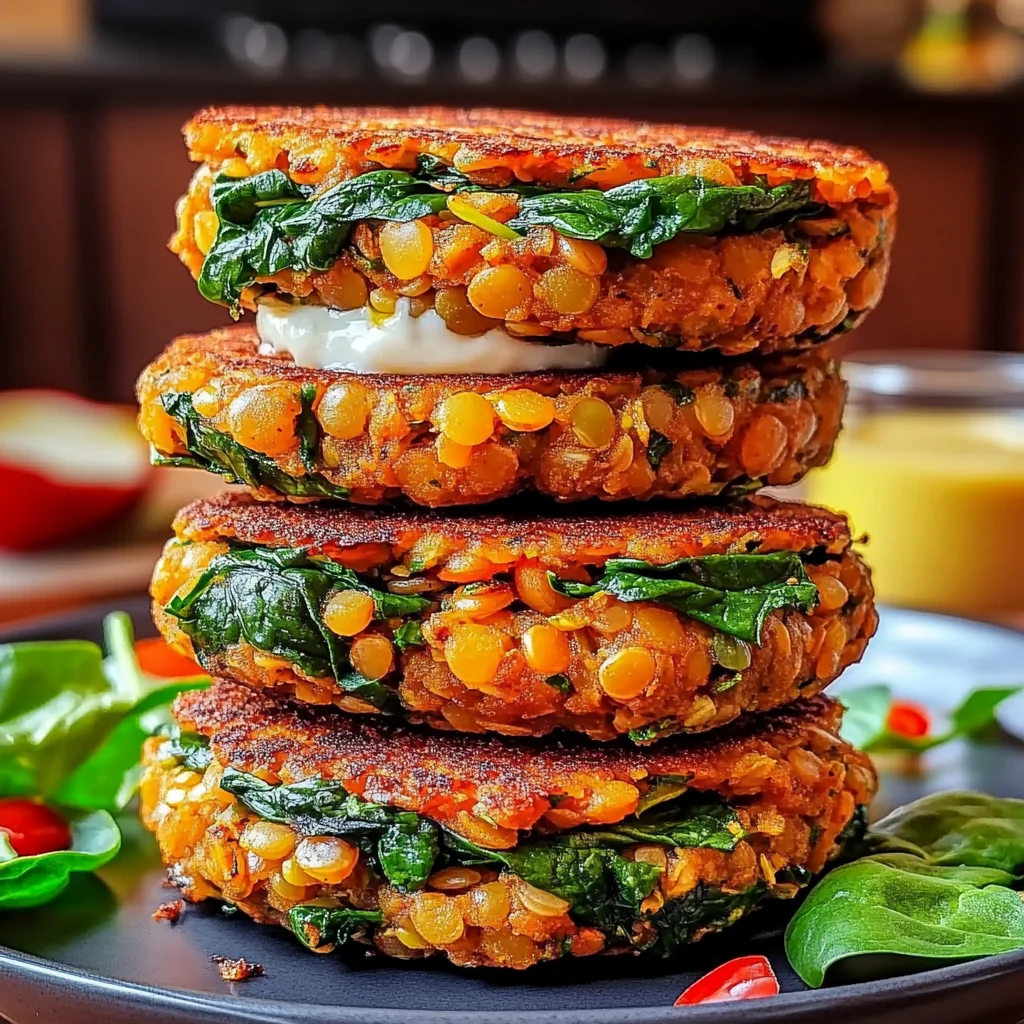
Spinach and Lentil Burgers: A Nutritious Plant-Based Meal
Are you searching for a satisfying meatless burger that’s packed with protein and bursting with flavor? Spinach and lentil burgers offer the perfect solution for plant-based eating without sacrificing taste or texture. These wholesome patties combine nutrient-dense lentils with iron-rich spinach, creating a hearty alternative to traditional burgers. Whether you’re a committed vegetarian, exploring flexitarian eating, or simply looking to add more plant-based meals to your week, these burgers deliver on nutrition, flavor, and satisfaction.
Why Spinach and Lentil Burgers Are a Nutritional Powerhouse
Plant-Based Protein Benefits
Lentils stand out as one of nature’s most impressive protein sources. A single cup of cooked lentils provides approximately 18 grams of protein, making them ideal for vegetarian and vegan diets. Combined with spinach, these burgers deliver complete nutrition in every bite.
The protein in lentils supports muscle maintenance and growth. Additionally, it helps with satiety, keeping you fuller longer than many other plant-based foods. This makes spinach and lentil burgers an excellent choice for those managing their weight.
Fiber and Digestive Health
Both main ingredients contribute significant dietary fiber. Lentils contain both soluble and insoluble fiber, which supports digestive health and promotes regular bowel movements. One serving of these burgers can provide up to 8 grams of fiber.
Fiber also plays a crucial role in blood sugar regulation. The slow-release carbohydrates in lentils prevent blood sugar spikes. Therefore, these burgers work well for individuals managing diabetes or insulin sensitivity.
Vitamin and Mineral Content
Spinach delivers an impressive array of vitamins and minerals. It’s particularly rich in vitamin K, vitamin A, folate, and iron. Meanwhile, lentils contribute B vitamins, iron, magnesium, and potassium.
The iron from both ingredients supports healthy blood cell production. However, pairing these burgers with vitamin C-rich toppings enhances iron absorption. Consider adding tomatoes, red peppers, or a squeeze of lemon.
Heart Health Advantages
The combination of fiber, potassium, and folate in spinach and lentil burgers supports cardiovascular health. Studies from the American Heart Association show that plant-based diets can reduce heart disease risk by up to 32%.
Lentils contain virtually no saturated fat and zero cholesterol. Consequently, they help maintain healthy cholesterol levels. The potassium content also supports healthy blood pressure regulation.
Essential Ingredients for Perfect Lentil Burgers
Choosing Your Lentils
Green and brown lentils work best for burger patties. They hold their shape better than red or yellow varieties. Green lentils offer a slightly peppery flavor, while brown lentils taste more earthy and mild.
Cook lentils until tender but not mushy. Overcooked lentils create a paste-like texture that’s difficult to work with. Aim for a firm yet tender consistency that mashes easily but retains some structure.
Fresh Versus Frozen Spinach
Both fresh and frozen spinach work excellently in these burgers. Fresh spinach provides a brighter color and slightly better texture. However, frozen spinach offers convenience and year-round availability.
When using frozen spinach, thaw it completely and squeeze out excess moisture. Too much liquid will make your patties soggy and difficult to bind. Fresh spinach should be wilted and cooled before incorporation.
Binding Agents
Several ingredients help hold your burgers together:
-
Ground flaxseed creates a “flax egg” when mixed with water
-
Chickpea flour adds protein while binding ingredients
-
Breadcrumbs or oat flour absorb excess moisture
-
Mashed sweet potato provides natural starch
Most recipes require a combination of binders for optimal results. Experiment to find your preferred texture and binding strength.
Aromatics and Seasonings
Build flavor depth with these essential aromatics:
-
Minced garlic adds pungent, savory notes
-
Diced onions provide sweetness when sautéed
-
Fresh herbs like parsley or cilantro brighten the flavor
-
Ground cumin offers earthy warmth
-
Smoked paprika contributes depth without heat
-
Black pepper and sea salt enhance all other flavors
Toast whole spices before grinding them for maximum flavor impact. This simple step elevates your burgers significantly.
Optional Add-Ins
Customize your spinach and lentil burgers with these additions:
-
Grated carrots add sweetness and moisture
-
Diced bell peppers contribute crunch and color
-
Sun-dried tomatoes provide umami richness
-
Nutritional yeast adds a cheesy, savory note
-
Ground walnuts or sunflower seeds increase texture
Keep add-ins minimal to maintain structural integrity. Too many mix-ins can compromise the patty’s ability to hold together.
Step-by-Step Guide to Making Spinach and Lentil Burgers
Preparing the Lentils
Start with 1 cup of dried lentils. Rinse them thoroughly under cold water, removing any debris or stones. Place lentils in a pot with 3 cups of water or vegetable broth.
Bring to a boil, then reduce heat to low. Simmer uncovered for 20-25 minutes until tender but not falling apart. Drain excess liquid and spread lentils on a baking sheet to cool quickly.
Cooking the Spinach
Heat 1 tablespoon of olive oil in a large skillet over medium heat. Add 4 cups of fresh spinach and sauté until completely wilted, about 3-4 minutes. Alternatively, thaw frozen spinach completely.
Transfer cooked spinach to a clean kitchen towel. Squeeze firmly to remove all excess moisture. This step is critical for preventing soggy burgers. Chop the spinach finely before adding it to your mixture.
Sautéing Aromatics
In the same skillet, add another tablespoon of oil. Sauté 1 diced onion until translucent and slightly caramelized, approximately 5-7 minutes. Add 3 minced garlic cloves and cook for another minute.
Season with 1 teaspoon cumin, ½ teaspoon smoked paprika, and salt to taste. Remove from heat and let cool slightly. These aromatic vegetables form the flavor foundation of your burgers.
Mashing and Mixing
Transfer cooled lentils to a large mixing bowl. Use a potato masher or fork to break down about two-thirds of the lentils. Leave some whole for textural interest.
Add the spinach, sautéed aromatics, and binding ingredients. Mix thoroughly but gently. Overmixing can result in dense, tough burgers. The mixture should hold together when pressed but remain slightly chunky.
Taste and adjust seasonings as needed. Remember that flavors will concentrate slightly during cooking. Add chopped fresh herbs at this stage if desired.
Forming the Patties
Divide the mixture into 6-8 equal portions depending on desired burger size. Use slightly damp hands to prevent sticking. Form each portion into a patty about ¾-inch thick.
Make a slight indentation in the center of each patty. This prevents the burgers from puffing up during cooking. Place formed patties on a parchment-lined baking sheet.
Refrigerate patties for at least 30 minutes before cooking. Chilling helps them firm up and hold together better. You can prepare them up to 24 hours in advance for meal prep convenience.
Binding Techniques for Sturdy Patties
Understanding Protein Binding
Protein molecules in lentils and binding agents create networks when mixed and heated. These networks trap moisture and hold ingredients together. Proper binding ensures your burgers don’t fall apart during cooking.
The mashing process releases starches from lentils, which act as natural binders. However, additional binding agents strengthen the structure significantly. Each binder works through different mechanisms.
Flax Egg Method
Mix 2 tablespoons of ground flaxseed with 5 tablespoons of warm water. Stir well and let sit for 5 minutes until gel-like. This “flax egg” mimics the binding properties of chicken eggs.
Flax eggs also add omega-3 fatty acids and additional fiber. They work particularly well in vegan recipes. One flax egg typically binds enough mixture for 4-6 patties.
Chickpea Flour Technique
Chickpea flour (also called besan or garbanzo bean flour) absorbs moisture while adding protein. Use 3-4 tablespoons per batch of 6 burgers. Mix it thoroughly into your lentil mixture.
This flour has a slightly nutty flavor that complements lentils beautifully. It also helps achieve a crispy exterior when pan-fried. However, too much can make burgers dense and heavy.
Breadcrumb or Oat Options
Panko breadcrumbs create a lighter texture than regular breadcrumbs. Use ½ cup for standard recipes. For gluten-free versions, substitute with certified gluten-free oats ground into flour.
These ingredients absorb excess moisture that might otherwise make patties soggy. They also add a pleasant textural element. Toast breadcrumbs lightly before adding them for extra flavor.
Starch-Based Binders
Mashed sweet potato or regular potato adds natural binding starch. Use about ¼ cup per batch. The slight sweetness of sweet potato pairs exceptionally well with cumin and smoked paprika.
Alternatively, cornstarch or arrowroot powder works in small amounts (1-2 tablespoons). These create a firmer texture but don’t add nutritional value. Use them as a last resort if your mixture seems too loose.
Cooking Methods: Pan-Frying, Baking, and Grilling
Pan-Frying for Crispy Texture
Heat 2 tablespoons of oil in a large skillet over medium heat. Olive oil, avocado oil, or coconut oil all work well. Wait until the oil shimmers before adding patties.
Place patties in the pan without crowding them. Cook for 4-5 minutes per side without moving them. This allows a golden-brown crust to form. Flip carefully using a wide spatula.
The interior should reach 165°F for food safety, though lentils are already cooked. Look for a crispy exterior and heated-through center. Pan-frying creates the most traditional burger texture.
Baking for Hands-Off Convenience
Preheat your oven to 375°F. Line a baking sheet with parchment paper or a silicone mat. Brush patties lightly with oil on both sides for better browning.
Bake for 25-30 minutes, flipping halfway through. The bottoms should be golden brown and slightly crispy. Baking requires less attention than pan-frying and produces consistent results.
For extra crispiness, broil for 1-2 minutes at the end. Watch carefully to prevent burning. This method works excellently for meal prep since you can bake multiple patties simultaneously.
Grilling for Smoky Flavor
Preheat your grill to medium-high heat, around 375-400°F. Clean and oil the grates thoroughly to prevent sticking. Consider using a grill basket or mat for extra insurance.
Brush patties generously with oil before placing them on the grill. Cook for 4-5 minutes per side with the lid closed. Avoid pressing down on the patties, which squeezes out moisture.
Grilled spinach and lentil burgers develop a wonderful smoky flavor. However, they’re more delicate than meat burgers, so handle them carefully. The outdoor cooking method works perfectly for summer entertaining.
Air Fryer Method
Preheat your air fryer to 375°F. Spray the basket with cooking oil to prevent sticking. Arrange patties in a single layer without touching.
Cook for 12-15 minutes, flipping halfway through. The circulating hot air creates a crispy exterior similar to deep-frying. This method uses minimal oil while still achieving excellent texture.
Air frying is ideal for smaller batches. It also keeps your kitchen cooler than oven baking. Monitor closely since air fryer temperatures vary by model.
Flavor Variations and Customization Ideas
Mediterranean-Inspired Version
Transform your burgers with Mediterranean flavors. Add 2 tablespoons of tahini to the mixture for creaminess. Include ½ cup of crumbled feta cheese if not following a vegan diet.
Incorporate chopped kalamata olives and sun-dried tomatoes. Season with dried oregano, lemon zest, and a pinch of red pepper flakes. Serve with tzatziki sauce and cucumber slices.
Southwest Spice Blend
Create a Tex-Mex variation with bold spices. Add 1 teaspoon each of chili powder and ground coriander. Mix in ½ cup of corn kernels and diced jalapeños for heat.
Include a handful of chopped cilantro and a squeeze of lime juice. Top finished burgers with avocado slices, salsa, and cashew-based chipotle sauce. Serve on whole wheat buns or in lettuce wraps.
Indian-Spiced Patties
Embrace Indian flavors with garam masala and turmeric. Add ½ teaspoon of turmeric and 1 teaspoon of garam masala to your mixture. Include minced fresh ginger alongside the garlic.
Incorporate finely chopped cilantro and a pinch of cayenne pepper for heat. Serve with mint-cilantro chutney and pickled onions. This variation pairs beautifully with naan bread or rice.
Italian Herb Variation
Create an Italian-inspired burger with classic herbs. Add 2 tablespoons each of fresh basil and parsley. Include ½ teaspoon of dried oregano and Italian seasoning.
Mix in finely diced roasted red peppers for sweetness. Top with marinara sauce, fresh mozzarella, and arugula. Serve on ciabatta rolls for an authentic Italian experience.
Asian Fusion Style
Develop an Asian-inspired flavor profile with ginger and sesame. Add 1 tablespoon of grated fresh ginger and 2 teaspoons of sesame oil. Include 2 tablespoons of low-sodium tamari or soy sauce.
Mix in sliced green onions and sesame seeds. Serve with pickled vegetables, sriracha mayo, and crispy fried onions. This variation works excellently in lettuce wraps or rice bowls.
Serving Suggestions and Toppings
Classic Burger Build
Start with a toasted whole grain bun. Spread the bottom half with hummus, tahini sauce, or vegan mayo. Place your spinach and lentil burger on top.
Layer with classic toppings like lettuce, tomato slices, and red onion. Add pickles for tanginess and crunch. Finish with your choice of condiments like mustard, ketchup, or barbecue sauce.
Bowl-Style Presentation
Skip the bun for a nutrient-dense bowl. Start with a base of mixed greens or quinoa. Place the burger on top and break it into quarters for easier eating.
Surround with roasted vegetables like bell peppers, zucchini, and sweet potato. Add chickpeas for extra protein. Drizzle with lemon-tahini dressing or balsamic vinaigrette.
Lettuce Wrap Option
Use large butter lettuce or romaine leaves as wraps. This low-carb option highlights the burger’s flavors. Spread avocado or guacamole on the lettuce before adding the patty.
Top with shredded carrots, cucumber ribbons, and microgreens. This presentation works beautifully for gluten-free diets. It’s also lighter for warmer weather dining.
Open-Faced Style
Place your burger on a thick slice of toasted sourdough or multigrain bread. Top with sautéed mushrooms and caramelized onions. Add a fried egg if you’re including eggs in your diet.
Drizzle with balsamic reduction or hot sauce. This hearty presentation works well for breakfast or brunch. It’s also excellent served with a side salad.
Slider Version for Parties
Form smaller patties for appetizer-sized sliders. Use dinner rolls or mini buns. These work perfectly for entertaining and parties.
Set up a topping bar with various sauces and vegetables. Guests can customize their own sliders. This interactive approach makes serving large groups easier.
Storage and Meal Prep Tips
Refrigerating Uncooked Patties
Store formed, uncooked patties in an airtight container. Place parchment paper between layers to prevent sticking. They’ll keep in the refrigerator for up to 3 days.
Chilled patties often hold together better during cooking. The binding ingredients have more time to hydrate and strengthen. This makes refrigeration beneficial even if you’re cooking the same day.
Freezing for Long-Term Storage
Freeze uncooked patties for up to 3 months. Flash-freeze them on a baking sheet first, then transfer to freezer bags. This prevents them from sticking together.
Label bags with the date and cooking instructions. Thaw overnight in the refrigerator before cooking. Never thaw at room temperature to ensure food safety.
Storing Cooked Burgers
Cooked spinach and lentil burgers keep for 4-5 days refrigerated. Let them cool completely before storing. Place in airtight containers with parchment paper between layers.
Reheat in a skillet over medium heat for 2-3 minutes per side. Alternatively, use a toaster oven at 350°F for 10 minutes. Microwaving works but may sacrifice some crispiness.
Meal Prep Strategies
Dedicate one day weekly to preparing burgers for quick meals. Cook a double batch and freeze half. This provides convenient protein options throughout busy weeks.
Prepare all ingredients separately and assemble burgers as needed. Store cooked lentils, wilted spinach, and sautéed aromatics in separate containers. This approach maintains maximum freshness.
Portioning for Different Needs
Form various sizes to suit different meals. Make standard burger-sized patties for dinners. Create smaller versions for kids’ lunches or appetizers.
Consider making some into meatball-sized portions. These work excellently in pasta dishes or grain bowls. Check out our guide on [versatile lentil preparations] for more ideas.
Common Mistakes to Avoid
Overcooking the Lentils
Mushy lentils create a paste-like texture that’s difficult to work with. They won’t hold their shape in the burger mixture. Cook lentils until just tender with a slight bite remaining.
Test them frequently during the last few minutes of cooking. Drain immediately when they reach the right texture. Spread them out to cool quickly and stop the cooking process.
Not Removing Excess Moisture
Wet ingredients are the primary cause of burgers that fall apart. Always squeeze spinach thoroughly in a kitchen towel. Even a small amount of excess water compromises structural integrity.
Pat cooked lentils dry if they seem moist. Consider reducing liquid ingredients slightly if your mixture seems too wet. The consistency should be moldable but not sticky.
Skipping the Chilling Step
Room-temperature patties are more likely to fall apart during cooking. Chilling allows binding agents to set properly. It also firms up fats and starches.
Always refrigerate formed patties for at least 30 minutes. Longer is even better. This simple step dramatically improves your success rate.
Using High Heat
Excessive heat causes the exterior to burn before the interior heats through. It also increases the likelihood of sticking and breaking. Medium heat provides better control and more even cooking.
Be patient and resist the urge to increase temperature. Proper browning takes time. The result is worth the wait.
Making Patties Too Thick
Thick patties have difficulty cooking evenly. The interior may remain cold while the exterior burns. Aim for ¾-inch thickness for optimal results.
Create a slight depression in the center of each patty. This compensates for puffing during cooking. Uniformly shaped patties cook more consistently.
Flipping Too Early or Too Often
Moving patties before they develop a crust causes them to stick and break apart. Wait until a golden-brown crust forms before attempting to flip. This takes 4-5 minutes over medium heat.
Flip only once during cooking. Excessive flipping prevents proper browning and increases breakage risk. Exercise patience for best results.
Adding Too Many Mix-Ins
While customization is wonderful, too many additions overwhelm the base ingredients. They also make binding more difficult. Keep add-ins to about ¼ of your total mixture.
Focus on 2-3 complementary additions rather than everything at once. This maintains structural integrity while still providing variety.
Frequently Asked Questions
Can I make spinach and lentil burgers ahead of time?
Absolutely! These burgers are excellent for meal prep. Form patties and refrigerate for up to 3 days or freeze for up to 3 months. Cook from chilled or thawed as needed.
What can I use instead of eggs as a binder?
Several egg-free options work wonderfully. Try flax eggs (ground flaxseed mixed with water), chia eggs, or chickpea flour. Mashed sweet potato also provides excellent binding.
How do I prevent my burgers from falling apart?
Ensure proper binding by using adequate binders, removing all excess moisture, and chilling patties before cooking. Don’t flip too early, and use a wide spatula for support.
Are spinach and lentil burgers gluten-free?
They can be! Use gluten-free breadcrumbs, oat flour, or chickpea flour as your binding agent. Verify that all ingredients are certified gluten-free if necessary.
Can I grill these burgers without them falling apart?
Yes, with proper preparation. Chill patties thoroughly, oil the grill grates well, and handle gently. Using a grill basket or mat provides extra security.
How much protein is in each burger?
A typical spinach and lentil burger contains 12-15 grams of protein, depending on size and specific ingredients. This makes them comparable to many meat burgers.
Can kids enjoy these burgers?
Definitely! Kids often love the mild flavor and familiar burger format. Consider making smaller slider-sized versions for little hands. Adjust spices based on their preferences.
What’s the best way to reheat these burgers?
Pan-frying or toaster oven reheating preserves the crispy texture best. Heat over medium for 2-3 minutes per side. Microwaving works but may soften the exterior.
Do I need to soak lentils before cooking?
Lentils don’t require soaking, unlike many other legumes. Simply rinse and cook them directly. This makes them convenient for weeknight cooking.
Can I substitute other greens for spinach?
Yes! Kale, Swiss chard, or collard greens work well. Wilt them thoroughly and remove excess moisture just like spinach. Each provides slightly different flavor profiles.
Conclusion
Spinach and lentil burgers represent the perfect intersection of nutrition, flavor, and sustainability. These versatile patties deliver substantial protein, fiber, and essential nutrients while accommodating various dietary preferences. The combination of earthy lentils and nutrient-rich spinach creates a satisfying meal that rivals any traditional burger.
Success lies in proper technique: adequately cooked lentils, thoroughly dried spinach, appropriate binding agents, and patient cooking. Master these fundamentals, then explore endless flavor variations from Mediterranean to Southwest styles. Whether pan-fried, baked, or grilled, these burgers adapt beautifully to your preferred cooking method.
The meal prep-friendly nature makes spinach and lentil burgers ideal for busy lifestyles. Prepare batches ahead, freeze for convenience, and enjoy wholesome plant-based meals whenever you need them. Serve them traditionally on buns, in bowls, or as lettuce wraps for lighter options.
Ready to transform your plant-based cooking? Start making these nutritious spinach and lentil burgers today. Your body and taste buds will thank you for choosing this wholesome, satisfying, and delicious option. Share your favorite variations and toppings with family and friends to spread the plant-based eating inspiration.
Print
Spinach and Lentil Burgers
Description
Spinach and Lentil Burgers
Ingredients:
-
1 cup cooked lentils (green or brown), drained well
-
1 cup fresh spinach, finely chopped
-
1/2 small onion, finely chopped
-
1 clove garlic, minced
-
1/4 cup breadcrumbs
-
1 egg (or flax egg for vegan)
-
1/2 tsp cumin
-
1/2 tsp paprika
-
Salt & black pepper to taste
-
1 tbsp olive oil (for cooking)
-
Buns + toppings of choice (optional)
Instructions:
-
In a bowl, mash cooked lentils lightly with a fork — leave some texture.
-
Add spinach, onion, garlic, breadcrumbs, egg, cumin, paprika, salt & pepper. Mix until it holds together.
-
Form into 4 burger patties.
-
Heat olive oil in a skillet over medium heat.
-
Cook patties 4–5 minutes per side until golden and firm.
-
Serve on buns with your favorite toppings or enjoy as a protein-packed snack.