
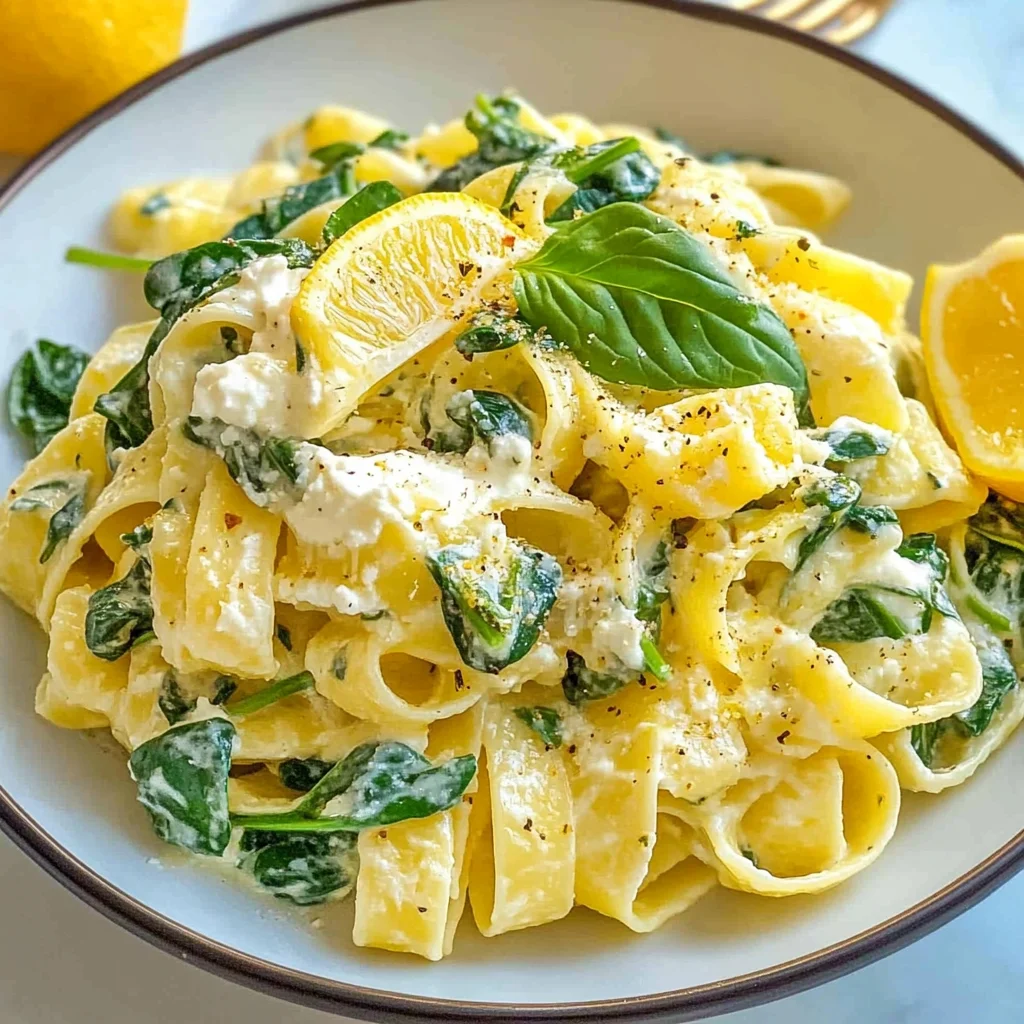
Lemon Ricotta Spinach Pasta: A Creamy, Bright, and Wholesome Weeknight Meal
If you’re craving a restaurant-quality pasta dish that comes together in under 30 minutes, Lemon Ricotta Spinach Pasta is your answer. This vibrant, creamy recipe combines tender pasta with rich ricotta cheese, fresh spinach, and zesty lemon—creating a perfectly balanced meal that’s both comforting and refreshing. This entirely dish proves that simple ingredients can create extraordinary flavors when combined thoughtfully.
What Makes Lemon Ricotta Spinach Pasta Special
Lemon ricotta spinach pasta stands out among pasta dishes for several compelling reasons. First, it masterfully balances rich creaminess with bright, acidic notes. The ricotta provides a luxurious texture without the heaviness of cream-based sauces. Meanwhile, fresh lemon juice and zest add a refreshing citrus element that prevents the dish from feeling too heavy.
Moreover, this pasta recipe offers impressive nutritional value. Spinach contributes vitamins A, C, and K, plus iron and folate. Ricotta cheese provides protein and calcium. As a result, you’re getting a well-rounded meal that satisfies both taste buds and nutritional needs.
Additionally, the simplicity of this dish makes it accessible to cooks of all skill levels. You don’t need advanced culinary techniques or hard-to-find ingredients. Instead, you’re working with pantry staples and fresh produce that’s available year-round. This combination of ease and elegance makes lemon ricotta spinach pasta a reliable weeknight dinner option.
Furthermore, the dish offers remarkable versatility. You can easily adapt it to accommodate dietary preferences or whatever ingredients you have on hand. This flexibility ensures the recipe remains practical for various situations and households.
Key Ingredients and Their Benefits
Pasta Selection
Choosing the right pasta shape significantly impacts your final dish. Long pasta varieties work exceptionally well with this creamy sauce. Consider these options:
-
Spaghetti: Classic and readily available
-
Linguine: Slightly wider, holds sauce beautifully
-
Fettuccine: Broad ribbons perfect for creamy preparations
-
Penne: Tubular shape captures sauce inside
-
Rigatoni: Large tubes ideal for chunky ingredients
Each pasta shape brings unique textural qualities. Long noodles allow the sauce to coat every strand. Meanwhile, tube-shaped pastas catch ingredients in their hollows. Choose based on personal preference and what’s available in your pantry.
Ricotta Cheese
Ricotta forms the creamy foundation of this sauce. This Italian cheese offers several advantages:
-
Mild flavor: Won’t overpower delicate ingredients
-
Smooth texture: Creates silky sauce consistency
-
High protein content: Adds nutritional value
-
Lower fat option: Lighter than heavy cream alternatives
Quality matters when selecting ricotta. Full-fat ricotta provides the richest flavor and creamiest texture. However, part-skim ricotta works well if you’re watching calories. Fresh ricotta from specialty cheese shops offers superior taste compared to mass-produced versions.
Fresh Spinach
Spinach contributes color, nutrition, and earthy flavor to this pasta dish. Here’s why fresh spinach works best:
-
Tender leaves: Cook quickly without becoming mushy
-
Vibrant color: Maintains bright green appearance
-
Nutritional powerhouse: Packed with vitamins and minerals
-
Mild taste: Complements rather than dominates
Baby spinach proves most convenient because the leaves are already tender. You can also use mature spinach, though you’ll want to remove thick stems. Frozen spinach works in a pinch, but be sure to thaw and thoroughly squeeze out excess moisture.
Lemon Components
Lemon provides the signature brightness in this pasta recipe. Both juice and zest play important roles:
Lemon Juice:
-
Adds tanginess and acidity
-
Balances rich ricotta cheese
-
Enhances overall flavor complexity
-
Prevents sauce from tasting flat
Lemon Zest:
-
Contributes concentrated citrus oils
-
Provides aromatic quality
-
Adds visual appeal with yellow flecks
-
Delivers more intense lemon flavor than juice alone
Always use fresh lemons rather than bottled juice. Fresh citrus makes a noticeable difference in taste and aroma. Plan on using 1-2 lemons for optimal flavor balance.
Garlic
Garlic adds savory depth that complements the creamy and citrus elements. Fresh garlic cloves offer the best flavor. Minced garlic creates small pieces that distribute throughout the sauce. For milder garlic flavor, you can use whole cloves that you remove before serving.
Olive Oil
Extra virgin olive oil serves multiple purposes in this recipe:
-
Prevents pasta from sticking
-
Sautés garlic and spinach
-
Adds fruity, peppery notes
-
Contributes healthy monounsaturated fats
Quality olive oil enhances the final dish. Choose extra virgin varieties for the best flavor profile.
Pasta Water
Don’t underestimate the importance of reserved pasta water. This starchy liquid helps create a cohesive sauce. The starch acts as an emulsifier, binding the ricotta with other ingredients. Consequently, you achieve a smooth, clinging sauce rather than a broken, greasy mixture.
Equipment You’ll Need
Gathering the right tools beforehand streamlines the cooking process. Here’s what you’ll need:
Essential Equipment
-
Large pot (6-8 quarts): For boiling pasta
-
Colander: To drain cooked pasta
-
Large skillet or sauté pan (12-inch): For combining ingredients
-
Wooden spoon or spatula: For stirring
-
Measuring cups and spoons: For accurate portions
-
Microplane or fine grater: For lemon zest
-
Citrus juicer: To extract lemon juice efficiently
-
Chef’s knife: For mincing garlic
-
Cutting board: Food prep surface
-
Ladle or measuring cup: To reserve pasta water
Optional But Helpful
-
Garlic press: Speeds up garlic preparation
-
Pasta tongs: Makes serving easier
-
Cheese grater: If adding Parmesan garnish
Having these tools ready ensures smooth, efficient cooking from start to finish.
Step-by-Step Recipe Instructions
Ingredients List
For 4 servings:
-
1 pound pasta (your choice of shape)
-
15 ounces whole milk ricotta cheese
-
5 ounces fresh baby spinach
-
3 cloves garlic, minced
-
2 lemons (zest and juice)
-
3 tablespoons extra virgin olive oil
-
1 teaspoon salt (plus more for pasta water)
-
½ teaspoon black pepper
-
¼ teaspoon red pepper flakes (optional)
-
½ cup reserved pasta water
-
Fresh basil for garnish (optional)
-
Grated Parmesan cheese (optional)
Preparation Steps
Step 1: Prepare Your Ingredients
Begin by gathering and preparing all ingredients. This French culinary technique called “mise en place” ensures smooth cooking. Zest both lemons before juicing them. Mince the garlic cloves. Rinse the fresh spinach and pat dry if needed. Measure out your ricotta cheese and set aside.
Step 2: Boil the Pasta
Fill your large pot with water and add generous salt. The water should taste like the sea. Bring to a rolling boil over high heat. Add your pasta and stir immediately to prevent sticking. Cook according to package directions until al dente. Al dente means “to the tooth” in Italian—the pasta should have a slight firmness when bitten.
Before draining, use a ladle or measuring cup to reserve at least one cup of pasta water. This starchy liquid is crucial for creating a silky sauce. Set aside for later use.
Step 3: Sauté Garlic
While the pasta cooks, heat your large skillet over medium heat. Add the olive oil and allow it to warm for about 30 seconds. Add the minced garlic and cook for 1-2 minutes until fragrant. Stir constantly to prevent burning. Garlic should turn golden but not brown, which would make it bitter.
Step 4: Wilt the Spinach
Add the fresh spinach to the skillet with the garlic. Toss frequently with tongs or a wooden spoon. The spinach will initially seem like too much for the pan. However, it quickly wilts down to a fraction of its original volume. This process takes about 2-3 minutes. The spinach should be tender and bright green.
Step 5: Create the Ricotta Sauce
Reduce heat to low. Add the ricotta cheese to the skillet with the spinach. Stir gently to combine. The ricotta will begin to soften from the residual heat. Add the lemon zest and juice. Season with salt, black pepper, and red pepper flakes if using. Mix thoroughly until all ingredients are well incorporated.
Step 6: Combine Pasta and Sauce
Drain your cooked pasta and immediately add it to the skillet. Working quickly prevents the pasta from cooling and drying out. Toss everything together using tongs or two wooden spoons. Add reserved pasta water gradually, a few tablespoons at a time. The pasta water helps loosen the sauce and creates a glossy, cohesive coating.
Continue adding pasta water and tossing until you achieve your desired consistency. The sauce should cling to the pasta without pooling at the bottom of the pan. Taste and adjust seasonings as needed.
Step 7: Final Touches and Serving
Remove from heat and let rest for one minute. This allows the flavors to meld together. Transfer to serving plates or a large serving bowl. Garnish with fresh basil leaves and grated Parmesan cheese if desired. Serve immediately while hot.
Tips for Perfect Results Every Time
Pasta Cooking Tips
Achieving perfectly cooked pasta makes a significant difference in the final dish. Keep these guidelines in mind:
Salt Your Water Generously: The water should taste salty like the ocean. This is your only opportunity to season the pasta itself. Undersalted pasta water results in bland noodles.
Don’t Overcook: Check pasta 1-2 minutes before the package suggests. Al dente pasta continues cooking slightly when combined with hot sauce. Overcooked pasta becomes mushy and won’t hold sauce properly.
Reserve Extra Pasta Water: Always save more than you think you’ll need. You can’t retrieve it once drained. Extra pasta water allows adjustments if your sauce becomes too thick.
Don’t Rinse Pasta: Rinsing removes the starch that helps sauce adhere. Only rinse pasta when making cold salads.
Sauce Consistency Tips
Creating the perfect sauce consistency requires attention to several factors:
Room Temperature Ricotta: Remove ricotta from the refrigerator 30 minutes before cooking. Cold ricotta doesn’t incorporate as smoothly and can cool down your pasta.
Low Heat When Adding Ricotta: High temperatures can cause ricotta to separate and become grainy. Keep the heat low once you add the cheese.
Gradual Pasta Water Addition: Add pasta water slowly. You can always add more, but you can’t remove excess liquid easily.
Proper Tossing Technique: Vigorous tossing emulsifies the sauce ingredients. Don’t just stir—lift and turn the pasta to coat every piece.
Flavor Enhancement Tips
Take your lemon ricotta spinach pasta from good to exceptional with these suggestions:
Fresh Lemon Is Essential: Bottled lemon juice lacks the bright, fresh flavor of real lemons. The zest contains aromatic oils you can’t get from juice alone.
Quality Ricotta Matters: Seek out fresh ricotta from Italian markets or specialty cheese shops when possible. The flavor difference is noticeable.
Toast Your Garlic Properly: Golden garlic adds nutty sweetness. Burnt garlic tastes bitter and ruins the dish. Watch carefully and remove from heat if browning too quickly.
Season in Layers: Add salt when cooking pasta, when sautéing garlic, and when mixing the sauce. This builds complex, well-rounded flavor.
Nutritional Benefits
Lemon ricotta spinach pasta offers more than just delicious taste. This dish provides substantial nutritional value:
Protein Content
Ricotta cheese serves as an excellent protein source. One cup of whole milk ricotta contains approximately 28 grams of protein. This macronutrient supports muscle maintenance and keeps you feeling satisfied longer. Additionally, if you add Parmesan cheese as a garnish, you increase the protein content further.
Vitamins and Minerals
The fresh spinach contributes impressive amounts of essential nutrients:
Vitamin A: Supports eye health and immune function
Vitamin C: Acts as an antioxidant and aids iron absorption
Vitamin K: Essential for blood clotting and bone health
Iron: Necessary for oxygen transport throughout the body
Folate: Particularly important during pregnancy
Magnesium: Supports nerve and muscle function
Healthy Fats
Olive oil provides heart-healthy monounsaturated fats. These fats help reduce inflammation and support cardiovascular health. Additionally, ricotta contains beneficial fatty acids that contribute to satiety and nutrient absorption.
Carbohydrates for Energy
Pasta serves as the primary carbohydrate source in this meal. Complex carbohydrates provide sustained energy throughout the day. Moreover, if you choose whole wheat pasta, you’ll add additional fiber that supports digestive health.
Calorie Considerations
A typical serving of lemon ricotta spinach pasta contains approximately 450-550 calories. This makes it a satisfying main course that fits within most dietary guidelines. The exact calorie count depends on portion sizes and specific ingredient choices.
You can reduce calories by using part-skim ricotta and measuring oil carefully. Alternatively, increase the spinach portion for more volume without significantly adding calories.
Variations and Customizations
The basic lemon ricotta spinach pasta recipe serves as an excellent foundation for creativity. Consider these variations:
Protein Additions
Transform this vegetarian pasta into a heartier meal by adding protein:
Grilled Chicken: Slice grilled chicken breast and arrange on top
Shrimp: Sauté shrimp separately and fold into the finished dish
Chickpeas: Add roasted chickpeas for plant-based protein
White Beans: Cannellini beans complement Italian flavors perfectly
Turkey Sausage: Crumbled and browned, adds savory depth
Vegetable Variations
Expand the vegetable content with these additions:
-
Cherry tomatoes (halved and added raw)
-
Roasted red peppers (sliced)
-
Artichoke hearts (quartered)
-
Zucchini (diced and sautéed)
-
Asparagus (cut into 1-inch pieces)
-
Broccoli florets (blanched)
-
Sun-dried tomatoes (chopped)
Herb and Seasoning Changes
Modify the flavor profile with different herbs and seasonings:
Fresh Herbs:
-
Basil for sweet, peppery notes
-
Parsley for fresh, clean flavor
-
Mint for unexpected brightness
-
Dill for unique, aromatic quality
Spices and Seasonings:
-
Italian seasoning blend
-
Nutmeg (just a pinch) in the ricotta
-
Extra red pepper flakes for heat
-
Everything bagel seasoning for garnish
Cheese Alternatives
While ricotta is traditional, you can experiment with other cheeses:
Goat Cheese: Adds tangy complexity
Mascarpone: Creates even richer sauce
Cottage Cheese: Budget-friendly ricotta substitute
Feta: Provides salty, briny flavor
Burrata: Ultra-creamy, luxurious option
Pasta Shape Variations
Different pasta shapes create distinct eating experiences:
Filled Pastas: Use cheese ravioli or tortellini instead of plain pasta
Whole Wheat: Adds nutty flavor and extra fiber
Gluten-Free: Accommodates dietary restrictions
Fresh Pasta: Provides superior texture and taste
Orzo: Creates more of a risotto-like consistency
Serving Suggestions
Main Course Presentation
Serve lemon ricotta spinach pasta as the star of your meal. Here’s how to present it beautifully:
Individual Portions: Twirl long pasta using tongs and create neat nests on plates. This presentation looks elegant and restaurant-quality.
Family-Style: Transfer the entire batch to a large, shallow serving bowl. This encourages sharing and creates a warm, communal atmosphere.
Garnishing: Top with fresh basil leaves, a drizzle of olive oil, and freshly cracked black pepper. A sprinkle of Parmesan adds visual appeal and extra flavor.
Side Dish Pairings
Complement your pasta with these accompaniments:
Crusty Bread: Essential for soaking up extra sauce. Consider garlic bread, focaccia, or a simple baguette.
Simple Green Salad: Balance the richness with crisp lettuce, cucumber, and a light vinaigrette. [Check out our guide on creating the perfect salad]
Roasted Vegetables: Brussels sprouts, carrots, or cauliflower add variety to your plate.
Bruschetta: Fresh tomato bruschetta provides a refreshing contrast.
Beverage Pairings
Select beverages that complement this creamy, lemony pasta:
Sparkling Water: Add lemon slices for extra citrus notes
Iced Tea: Unsweetened or lightly sweetened varieties work well
Lemonade: Echoes the lemon flavors in the dish
Sparkling Apple Juice: Provides a festive, slightly sweet option
Herbal Tea: Chamomile or mint tea offer soothing accompaniment
Storage and Reheating Guidelines
Proper Storage Methods
Store leftover lemon ricotta spinach pasta correctly to maintain quality and safety:
Refrigerator Storage:
-
Allow pasta to cool to room temperature (within 2 hours of cooking)
-
Transfer to airtight containers
-
Refrigerate for up to 3-4 days
-
Store separate portions for easier reheating
Freezer Storage:
Freezing isn’t ideal for ricotta-based sauces, as the cheese can separate and become grainy. However, if you must freeze:
-
Undercook pasta slightly
-
Cool completely before freezing
-
Use freezer-safe containers or bags
-
Label with date and contents
-
Freeze for up to 2 months
-
Thaw overnight in refrigerator before reheating
Reheating Techniques
Proper reheating preserves texture and flavor:
Stovetop Method (Best Results):
-
Place pasta in a skillet over medium-low heat
-
Add a splash of water, broth, or milk
-
Stir gently and frequently
-
Heat until warmed through (about 5-7 minutes)
-
Add fresh lemon juice to brighten flavors
Microwave Method (Fastest):
-
Place portion in a microwave-safe bowl
-
Add 1-2 tablespoons of water or milk
-
Cover with a damp paper towel
-
Heat in 1-minute intervals, stirring between
-
Continue until heated through
Oven Method (Large Portions):
-
Preheat oven to 350°F
-
Transfer pasta to an oven-safe dish
-
Add liquid and cover with foil
-
Bake for 15-20 minutes
-
Stir halfway through heating
Refreshing Leftovers
Transform leftover lemon ricotta spinach pasta into new meals:
Pasta Frittata: Mix with beaten eggs and bake
Pasta Salad: Chill and add fresh vegetables
Baked Pasta: Top with cheese and breadcrumbs, then bake
Soup Addition: Add to vegetable broth for quick soup
Common Mistakes to Avoid
Pasta Preparation Errors
Using Too Little Water: Pasta needs space to move freely. Crowded pasta sticks together and cooks unevenly. Use at least 4 quarts of water per pound of pasta.
Not Salting Water Enough: Undersalted water produces bland pasta. Add at least 1-2 tablespoons of salt to your cooking water.
Overcooking Pasta: Mushy pasta can’t be fixed. Set a timer for 1-2 minutes less than package directions suggest. Test for doneness early.
Rinsing After Draining: This removes the starch that helps sauce cling to pasta. Never rinse pasta for hot dishes.
Sauce-Related Mistakes
Adding Cold Ricotta: Cold cheese doesn’t incorporate smoothly and can cool your pasta too much. Let ricotta sit at room temperature first.
Using High Heat: Excessive heat causes ricotta to separate and become grainy. Keep temperatures moderate once you add cheese.
Not Using Pasta Water: This starchy water is essential for creating a cohesive sauce. The starch acts as a natural emulsifier.
Adding Too Much Lemon: While lemon provides signature brightness, too much creates an overwhelmingly sour dish. Start conservatively and add more to taste.
Timing Issues
Not Working Quickly Enough: Pasta begins drying out and sticking together as soon as it’s drained. Have your sauce ready and combine immediately.
Letting Garlic Burn: Burnt garlic tastes bitter and acrid. Watch carefully and reduce heat if browning too quickly.
Not Tasting as You Cook: Season in layers and taste frequently. This ensures balanced flavor in the final dish.
Frequently Asked Questions
Can I make lemon ricotta spinach pasta ahead of time?
While best enjoyed fresh, you can prepare components in advance. Cook the pasta al dente, toss with a small amount of olive oil, and refrigerate. Prepare the ricotta mixture separately and store covered. When ready to serve, reheat pasta in boiling water for 30 seconds, drain, then combine with the ricotta sauce. This method preserves better texture than making the complete dish ahead.
What can I substitute for ricotta cheese?
Several alternatives work well in this recipe. Cottage cheese (blended until smooth) provides similar texture and protein content at a lower price point. Mascarpone creates an even richer sauce. Goat cheese adds tangy complexity. Cream cheese thinned with milk offers another option, though the flavor profile differs slightly.
How do I prevent the sauce from becoming too thick?
Pasta water is your best tool for adjusting consistency. Add it gradually while tossing the pasta until you achieve your desired thickness. The sauce should coat the pasta without pooling at the bottom of the bowl. Remember that the sauce continues to thicken as it cools, so err on the side of slightly thinner when hot.
Can I use frozen spinach instead of fresh?
Yes, frozen spinach works in a pinch. Thaw completely and squeeze out as much water as possible—excess moisture dilutes the sauce. You’ll need about 10 ounces of frozen spinach to replace 5 ounces of fresh. Keep in mind that frozen spinach has a softer texture and darker color compared to fresh.
Is lemon ricotta spinach pasta suitable for meal prep?
This pasta works reasonably well for meal prep, though the texture is best when fresh. Slightly undercook the pasta if preparing in advance. Store in individual portions for convenient reheating. Add a squeeze of fresh lemon juice when reheating to revive the bright flavors.
How can I make this dish dairy-free?
Creating a dairy-free version requires substituting the ricotta. Try cashew cream (soaked cashews blended with water) for similar richness. Tofu ricotta (crumbled firm tofu with lemon juice and nutritional yeast) provides protein and creamy texture. Coconut milk creates a rich sauce, though it adds tropical flavor notes.
What pasta shapes work best with this sauce?
Long, thin pasta like spaghetti, linguine, or fettuccine allows the creamy sauce to coat every strand beautifully. Short pasta shapes like penne, rigatoni, or fusilli catch ingredients in their grooves and hollows. Angel hair cooks quickly but can become mushy easily. Avoid very small pasta shapes like orzo or ditalini, which don’t showcase this sauce effectively.
Can I add vegetables besides spinach?
Absolutely! Many vegetables complement this dish wonderfully. Try cherry tomatoes (added fresh at the end), roasted red peppers, sautéed zucchini, or blanched asparagus. Artichoke hearts add Mediterranean flair. Just ensure vegetables are cut into bite-sized pieces and cooked appropriately before adding.
Conclusion
Lemon ricotta spinach pasta delivers a perfect combination of creamy indulgence and bright, refreshing flavors. This versatile recipe accommodates various dietary needs and personal preferences while remaining simple enough for busy weeknight cooking. The key to success lies in using quality ingredients, proper technique, and the magic of pasta water for creating that restaurant-quality sauce.
Whether you’re cooking for family dinner, meal prepping for the week, or entertaining guests, this dish impresses consistently. The nutritional benefits from spinach and ricotta make it a wholesome choice that doesn’t sacrifice flavor. Plus, preparation ensures everyone can enjoy this delicious pasta.
Start with the basic recipe, then experiment with variations to make it your own. Add your favorite proteins, swap in different vegetables, or play with herb combinations. Each variation offers new possibilities while maintaining the signature creamy, lemony goodness that makes this dish so special.
Print
Lemon Ricotta Spinach Pasta
Description
Lemon Ricotta Spinach Pasta
Ingredients:
-
12 oz (340g) pasta (fettuccine, linguine, or penne)
-
2 cups fresh spinach, chopped
-
1 cup ricotta cheese
-
1/2 cup grated Parmesan
-
2 cloves garlic, minced
-
1 tbsp olive oil
-
Zest of 1 lemon
-
2 tbsp lemon juice
-
Salt & black pepper to taste
-
Optional: red pepper flakes for a little heat
Instructions:
-
Cook pasta according to package directions; drain and set aside, reserving 1/2 cup pasta water.
-
In a large skillet, heat olive oil over medium heat. Add garlic and sauté 1 minute until fragrant.
-
Add spinach and cook until wilted.
-
Lower heat and stir in ricotta, Parmesan, lemon zest, and lemon juice. Add reserved pasta water as needed to create a creamy sauce.
-
Toss in cooked pasta until evenly coated.
-
Season with salt, pepper, and optional red pepper flakes.
-
Serve immediately, garnished with extra Parmesan or lemon zest if desired.