
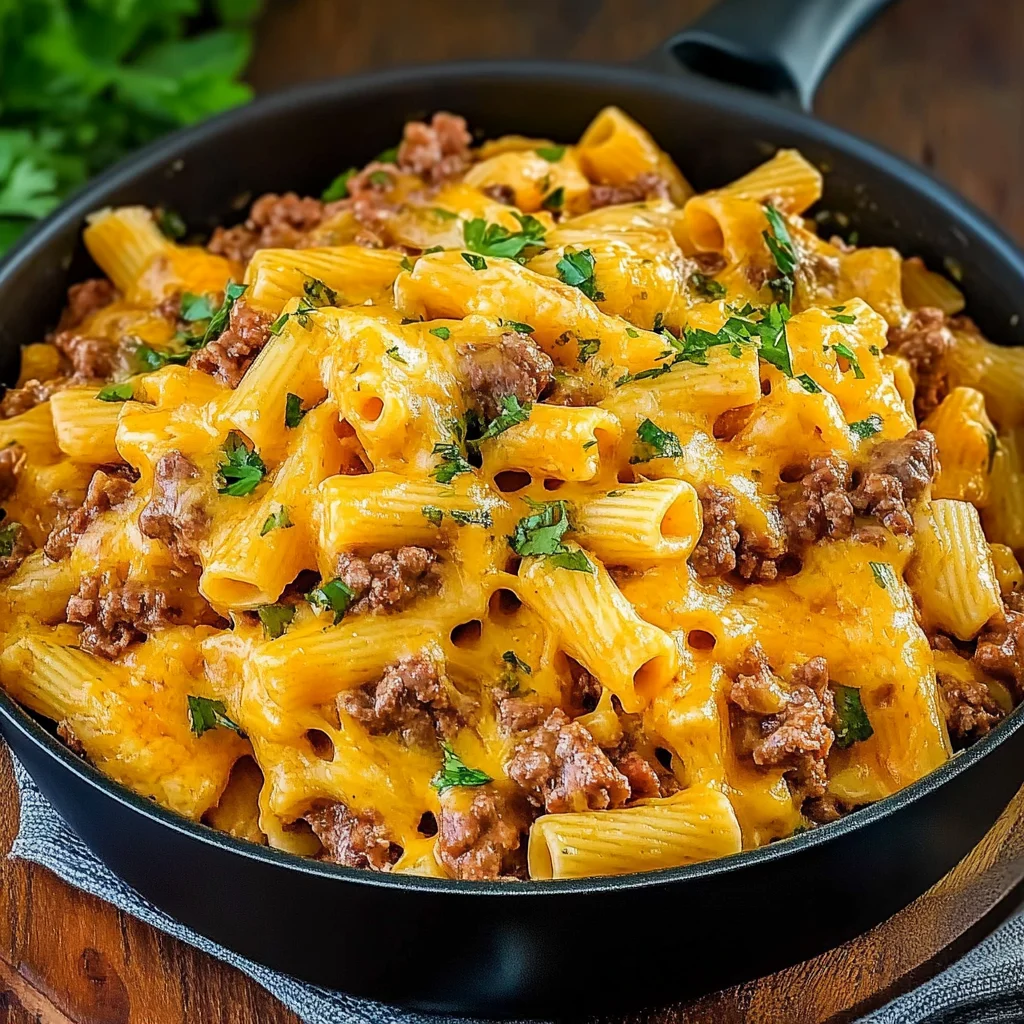
One-Pot Beef and Cheddar Ranch Pasta
Introduction
Weeknight dinners don’t have to be complicated to be delicious. One-pot beef and cheddar ranch pasta transforms simple pantry staples into a creamy, satisfying meal that the whole family will love. This recipe eliminates the need for draining pasta separately and creates its own flavorful sauce as it cooks. Best of all, you’ll have just one pot to clean when dinner is done.
The magic happens when ground beef browns alongside aromatic vegetables, then simmers with pasta in a savory broth enhanced by ranch seasoning. Sharp cheddar cheese melts into the mixture, creating a velvety coating that clings to every piece of pasta. Moreover, this dish comes together in about 30 minutes from start to finish.
This recipe is family-friendly. Whether you’re feeding picky eaters or looking for comfort food that doesn’t require hours in the kitchen, this one-pot wonder delivers every time.
Why One-Pot Beef and Cheddar Ranch Pasta Works
Time-Saving Benefits
One-pot meals revolutionize weeknight cooking. Instead of juggling multiple pans and timing different components, everything cooks together in harmony. The pasta absorbs flavor directly from the beef and seasonings as it simmers. Consequently, you save both cooking time and cleanup effort.
Traditional pasta dishes require boiling water in one pot and preparing sauce in another. This method eliminates that extra step entirely. The starchy pasta water that usually gets drained away actually helps create a naturally thick, creamy sauce.
Flavor Development
Cooking everything in one vessel allows flavors to meld beautifully. The ground beef releases savory juices that season the pasta as it cooks. Ranch seasoning infuses every bite with its signature blend of herbs and spices. Additionally, the cheddar cheese melts into the hot pasta, creating pockets of gooey goodness throughout the dish.
The beef provides essential proteins and minerals, making this a balanced meal. The pasta offers energy-boosting carbohydrates, while the cheese adds calcium and additional protein.
Budget-Friendly Appeal
This recipe relies on affordable, everyday ingredients. Ground beef costs less than premium cuts while still delivering rich, meaty flavor. A box of pasta feeds multiple people for minimal expense. Ranch seasoning packets or homemade blends add big flavor for pennies. Therefore, you can serve a satisfying dinner without breaking the budget.
Essential Ingredients and Substitutions
Main Components
Ground Beef (1 pound)
Choose 80/20 ground beef for optimal flavor and moisture. The fat content keeps the meat tender and adds richness. Alternatively, use 85/15 for a leaner option. Drain excess fat after browning if desired.
Pasta (12 ounces)
Medium pasta shapes work best for this recipe. Rotini, penne, shells, or cavatappi all trap the creamy sauce effectively. Short pasta cooks evenly and is easy to stir. Meanwhile, avoid long pasta like spaghetti or fettuccine, which doesn’t work well in one-pot preparations.
Cheddar Cheese (2 cups, shredded)
Sharp cheddar delivers the most pronounced flavor. Extra-sharp works beautifully if you prefer bolder taste. Shred cheese from a block rather than buying pre-shredded. Freshly shredded cheese melts more smoothly because it lacks anti-caking additives.
Ranch Seasoning (2 tablespoons)
Store-bought ranch seasoning packets contain the perfect blend of dried herbs and spices. You can also make homemade ranch seasoning with dried dill, parsley, garlic powder, onion powder, salt, and pepper. Check out our guide on [homemade seasoning blends] for more details.
Beef Broth (3 cups)
Low-sodium broth gives you better control over seasoning. Regular broth works too, but reduce added salt accordingly.
Aromatics
One diced onion and three minced garlic cloves build the flavor foundation. Yellow or white onions work equally well. Fresh garlic is strongly preferred over pre-minced varieties.
Smart Substitutions
Meat Alternatives
-
Ground turkey creates a lighter version
-
Ground chicken offers a mild flavor
-
Plant-based ground meat accommodates vegetarian preferences
-
Ground pork adds extra richness
Cheese Options
-
Monterey Jack provides mild, creamy texture
-
Colby cheese melts beautifully
-
Mexican blend offers southwestern flair
-
White cheddar gives sophisticated appearance
Broth Variations
-
Vegetable broth works for lighter taste
-
Bone broth adds extra nutrients
-
Low-sodium options reduce sodium content
Kitchen Tools You’ll Need
Essential Equipment
Large Pot or Dutch Oven
A 5-6 quart pot provides adequate space. The wide surface area allows beef to brown properly. Cast iron Dutch ovens retain heat excellently. Stainless steel pots work well too.
Wooden Spoon or Spatula
These tools won’t scratch your pot’s surface. They’re ideal for stirring and breaking up ground beef. Silicone spatulas withstand high heat safely.
Sharp Knife and Cutting Board
Prep work requires proper tools. A chef’s knife makes quick work of onions. Keep your cutting board stable while chopping.
Measuring Cups and Spoons
Accurate measurements ensure consistent results. Liquid measuring cups have spouts for easy pouring. Dry measuring cups work for pasta and cheese.
Cheese Grater
Freshly grated cheese melts better than pre-shredded. Box graters offer multiple grating options. Microplane graters work for hard cheeses.
Optional but Helpful
-
Garlic press for easier mincing
-
Kitchen timer to track cooking stages
-
Ladle for serving
-
Pot holders for safe handling
Step-by-Step Cooking Instructions
Preparation Phase (5 minutes)
First, gather all ingredients and tools. This mise en place approach streamlines cooking. Dice the onion into small, uniform pieces. Mince garlic cloves finely. Shred cheddar cheese if not already prepared. Measure pasta, broth, and seasonings.
Cooking Process
Step 1: Brown the Beef (5-7 minutes)
Heat your pot over medium-high heat. Add ground beef and break it into small pieces with your wooden spoon. Season lightly with salt and pepper. Cook until no pink remains, stirring occasionally. The beef should develop brown bits on the bottom of the pot. These fond pieces add deep, savory flavor.
Once browned, use a slotted spoon to remove excess fat if desired. Leave about 1-2 tablespoons in the pot for flavor. However, if your beef is very lean, you may not need to drain anything.
Step 2: Sauté Aromatics (3-4 minutes)
Add diced onion to the pot with the beef. The moisture from the onions will help release those flavorful brown bits. Cook until the onion becomes translucent and softens. Stir frequently to prevent burning.
Next, add minced garlic. Cook for just 30-60 seconds until fragrant. Garlic burns quickly, so watch it carefully. The aroma will fill your kitchen immediately.
Step 3: Add Liquids and Pasta (1 minute)
Pour in the beef broth gradually. Use a wooden spoon to scrape up any remaining fond from the pot bottom. These caramelized bits dissolve into the liquid, enriching the sauce. Add the ranch seasoning and stir well to distribute evenly.
Add the uncooked pasta to the pot. Stir to ensure all pieces are submerged in liquid. The pasta will absorb the seasoned broth as it cooks. Therefore, every piece becomes infused with flavor.
Step 4: Simmer Until Tender (12-15 minutes)
Bring the mixture to a boil, then reduce heat to medium-low. Cover the pot with a lid, leaving it slightly ajar. This allows steam to escape while maintaining enough heat for cooking. Stir every 3-4 minutes to prevent sticking.
Check the pasta at the 12-minute mark. It should be almost al dente. The texture will firm up slightly as it cools. Most of the liquid should be absorbed, but some should remain for the creamy sauce.
Step 5: Add Cheese and Finish (2-3 minutes)
Turn off the heat completely. Add the shredded cheddar cheese gradually, stirring constantly. The residual heat melts the cheese perfectly. As you stir, the cheese creates a smooth, creamy coating. Add cheese in three batches for best results.
If the mixture seems too thick, add a splash of broth or milk. Conversely, if it’s too thin, let it sit uncovered for a few minutes. The pasta will continue absorbing liquid as it cools.
Taste and adjust seasoning. Add more salt, pepper, or ranch seasoning as needed. Remember that cheese adds saltiness, so taste before adding extra salt.
Pro Tips for Perfect Results
Texture Optimization
Choose the right pasta-to-liquid ratio. Too much liquid creates soup, while too little causes burning. The recipe proportions provided work reliably. However, different pasta brands absorb liquid differently. Keep extra broth nearby for adjustments.
Stir frequently during cooking. This prevents pasta from sticking to the pot bottom. It also ensures even cooking throughout. Each stir redistributes heat and liquid.
Flavor Enhancement
Toast the ranch seasoning briefly before adding liquid. This technique intensifies the herbs’ essential oils. Heat brings out deeper flavor notes. Simply stir the seasoning with the aromatics for 30 seconds.
Use quality beef broth. Low-quality broth can taste artificial or overly salty.
Season in layers. Salt the beef while browning. Season again after adding vegetables. Taste and adjust at the end. This approach builds complex, balanced flavor.
Consistency Control
Leave the pot partially covered during simmering. This prevents excessive evaporation while allowing some steam to escape. Too much evaporation creates thick, gummy texture. Conversely, too little allows the dish to become soupy.
Let the finished dish rest for 3-5 minutes before serving. The sauce thickens as it cools slightly. Pasta continues absorbing liquid during this time. Therefore, what seems too loose initially will firm up perfectly.
Time Management
Prep ingredients before starting. Once cooking begins, everything happens quickly. Having everything ready prevents scrambling and potential burning. Mise en place is key for successful one-pot meals.
Nutritional Information
Per Serving (Based on 6 servings)
-
Calories: 520-580
-
Protein: 32g
-
Carbohydrates: 45g
-
Fat: 24g
-
Saturated Fat: 12g
-
Fiber: 2g
-
Sugar: 3g
-
Sodium: 780mg
-
Calcium: 280mg
-
Iron: 3.5mg
Nutritional Benefits
This one-pot beef and cheddar ranch pasta provides balanced macronutrients. The ground beef delivers high-quality protein essential for muscle maintenance. Protein also promotes satiety, helping you feel satisfied longer.
Cheddar cheese contributes calcium for bone health. It also provides vitamin A and B vitamins. The pasta offers energy-boosting complex carbohydrates. Additionally, onions and garlic provide antioxidants and beneficial plant compounds.
Making It Lighter
For reduced calories, use 93/7 ground beef. This cuts fat significantly while maintaining protein content. Choose reduced-fat cheddar cheese to save additional calories. Use whole wheat pasta for added fiber and nutrients.
Increase the vegetable content by adding spinach, bell peppers, or broccoli. These additions boost vitamins and minerals while adding bulk without many calories. Consequently, you can eat a larger portion for fewer calories.
Storage and Reheating Guide
Proper Storage
Cool the beef and cheddar ranch pasta to room temperature before refrigerating. However, don’t leave it out longer than 2 hours. Transfer to airtight containers for optimal freshness. Properly stored, this dish keeps for 3-4 days in the refrigerator.
Divide into individual portions for convenient reheating. Single servings thaw and reheat more evenly. Label containers with the date to track freshness.
Freezing Instructions
This recipe freezes reasonably well. Cool completely before freezing. Use freezer-safe containers or heavy-duty freezer bags. Remove as much air as possible to prevent freezer burn.
Freeze for up to 2-3 months for best quality. Beyond this timeframe, the texture may deteriorate. The pasta can become slightly mushy after freezing, but flavor remains good.
Thaw overnight in the refrigerator before reheating. Never thaw at room temperature, as this promotes bacterial growth.
Reheating Methods
Microwave Method
Transfer a portion to a microwave-safe bowl. Add a splash of broth or milk to restore creaminess. Cover loosely with a damp paper towel. Microwave on 50% power in 1-minute intervals, stirring between each. This prevents hot spots and ensures even heating.
Stovetop Method
Place leftovers in a pot over medium-low heat. Add 2-3 tablespoons of broth or milk. Stir frequently until heated through. This method best preserves the original texture. The gentle heat prevents the cheese from separating.
Oven Method
Preheat oven to 350°F. Transfer pasta to an oven-safe dish. Add a bit of liquid and cover with foil. Bake for 15-20 minutes until hot. This works well for larger portions.
Creative Variations to Try
Flavor Twists
Buffalo Ranch Version
Replace half the cheddar with crumbled blue cheese. Add 2-3 tablespoons of hot sauce. Stir in diced celery for authentic buffalo flavor. Top with ranch dressing drizzle before serving.
Bacon Ranch Upgrade
Cook 6-8 strips of bacon until crispy. Crumble and stir into the finished dish. Reserve some for garnish. The smoky bacon complements the ranch seasoning beautifully.
Southwest Style
Use Mexican cheese blend instead of cheddar. Add a can of diced green chiles. Stir in corn kernels and black beans. Top with fresh cilantro and diced tomatoes.
Italian-Inspired
Replace ranch seasoning with Italian seasoning. Use mozzarella and Parmesan instead of cheddar. Add diced tomatoes and fresh basil. This creates a completely different flavor profile.
Vegetable Additions
Enhance nutrition by incorporating vegetables. Add them during the last 5 minutes of cooking. This keeps them tender-crisp rather than mushy.
Recommended vegetables:
-
Frozen peas (no thawing needed)
-
Diced bell peppers (any color)
-
Chopped broccoli florets
-
Sliced mushrooms
-
Fresh spinach leaves
-
Diced zucchini
-
Cherry tomatoes (halved)
Vegetables boost fiber content and add vitamins. They also increase the serving size without adding many calories. Therefore, veggie-packed versions satisfy hunger better.
Protein Variations
Ground Turkey Ranch Pasta
Substitute ground turkey for beef. Season more generously, as turkey is milder. Add extra herbs for brightness. Consider mixing in some Italian sausage for added flavor.
Chicken and Ranch Pasta
Use diced chicken breast or thighs. Brown the chicken first, then remove it. Add it back during the last few minutes of cooking. This ensures tender, juicy chicken pieces.
Plant-Based Option
Use plant-based ground meat alternatives. These work surprisingly well in this recipe. Choose brands that brown nicely. Add extra seasonings to compensate for milder flavor.
Common Mistakes to Avoid
Overcrowding the Pot
Using a pot that’s too small causes problems. The pasta won’t cook evenly. Liquid may overflow during boiling. Choose a pot with at least 5-quart capacity. More space allows better heat circulation.
Adding Cheese Too Early
Never add cheese while the pot is still on heat. High temperatures cause cheese to seize and become grainy. The proteins tighten, creating an unappetizing texture. Always turn off the heat first, then stir in cheese gradually.
Skipping the Stirring
Pasta sticks to the pot bottom without regular stirring. Stirring redistributes heat and prevents burning. Set a timer to remind yourself. Stir every 3-4 minutes during the simmering phase.
Using Pre-Shredded Cheese
Pre-shredded cheese contains anti-caking agents. These additives prevent smooth melting. The sauce may become grainy or separated. Invest a few extra minutes to shred cheese from a block. The improvement in texture is significant.
Cooking Pasta Too Long
Overcooked pasta becomes mushy and unpleasant. Start checking for doneness at the 12-minute mark. Remember that pasta continues cooking off heat. Aim for slightly firmer than al dente. The residual heat will finish the cooking process.
Not Tasting Before Serving
Always taste and adjust seasoning before serving. Ranch seasoning varies between brands in saltiness. Some may need additional herbs or pepper. A quick taste allows you to perfect the dish.
Serving Suggestions
Side Dish Pairings
This hearty beef and cheddar ranch pasta serves well as a complete meal. However, certain sides complement it beautifully. Choose lighter options to balance the richness.
Simple Green Salad
Crisp lettuce with a light vinaigrette cuts through the creamy pasta. Add cucumbers, tomatoes, and red onion. A tangy dressing provides pleasant contrast.
Garlic Bread
Crusty bread soaks up any extra sauce. Toast bread slices with butter and garlic powder. Serve warm alongside the pasta.
Roasted Vegetables
Brussels sprouts, carrots, or green beans add color and nutrition. Roast at 425°F with olive oil and seasonings. The caramelized edges provide textural variety.
Coleslaw
Cool, crunchy slaw offers refreshing contrast. Choose vinegar-based versions over creamy ones. The acidity balances the rich, cheesy pasta.
Garnishing Ideas
Presentation elevates even simple weeknight dinners. Try these easy garnishes:
-
Chopped fresh parsley or chives
-
Extra shredded cheddar cheese
-
Cracked black pepper
-
Red pepper flakes for heat
-
Crispy fried onions for crunch
-
Sliced green onions
-
Crumbled bacon bits
Serving Temperature
Serve this dish hot or warm. The cheese maintains its creamy texture when freshly made. If the pasta cools too much, the sauce may thicken considerably. Reheat gently if needed. Add a splash of broth to restore the original consistency.
Portion Sizes
This recipe yields 6 generous servings. Each portion provides substantial protein and carbohydrates. Serve in shallow bowls for best presentation. The wide surface area showcases the creamy sauce and melted cheese.
For lighter appetites, the recipe stretches to 8 servings. Pair with substantial side dishes. Alternatively, serve smaller portions as a side dish alongside grilled chicken or steak.
Frequently Asked Questions
Can I make one-pot beef and cheddar ranch pasta ahead of time?
Yes, this dish works well for meal prep. Cook according to directions, then cool completely. Store in airtight containers in the refrigerator. Reheat individual portions as needed throughout the week. The flavors actually develop more overnight. Add extra liquid when reheating to restore creaminess.
What’s the best pasta shape for this recipe?
Short, tubular pasta shapes work best. Rotini, penne, shells, and cavatappi are ideal. These shapes trap the creamy sauce in their grooves and hollows. They also cook evenly in the one-pot method. Avoid long pasta like spaghetti, which becomes tangled and difficult to serve.
Can I use homemade ranch seasoning?
Absolutely. Combine 2 tablespoons dried parsley, 1 tablespoon dried dill, 1 tablespoon garlic powder, 1 tablespoon onion powder, 1 teaspoon black pepper, and 1 teaspoon salt. Mix thoroughly and store in an airtight container. This yields enough for multiple recipes.
Why is my pasta sticking to the pot?
Sticking occurs when pasta isn’t stirred frequently enough. Make sure to stir every 3-4 minutes during cooking. Also ensure there’s adequate liquid in the pot. If the mixture looks too dry, add more broth. Finally, use a pot with a heavy bottom to distribute heat evenly.
Can I double this recipe?
Yes, but use a larger pot. An 8-quart pot accommodates double batches comfortably. Keep cooking times the same, but stir more frequently. Larger quantities retain heat longer, so watch for overcooking. You may need slightly less liquid per serving in larger batches.
How do I prevent the cheese from becoming grainy?
Remove the pot from heat before adding cheese. High temperatures cause cheese proteins to seize. Stir constantly while adding cheese gradually. Use freshly shredded cheese rather than pre-shredded. The anti-caking agents in pre-shredded cheese affect texture negatively.
Is this recipe gluten-free?
Not as written, but you can adapt it. Use gluten-free pasta and ensure your broth is certified gluten-free. Some ranch seasoning packets contain gluten, so check labels carefully. Gluten-free pasta may require slightly different cooking times, so monitor closely.
Can I add vegetables to this dish?
Definitely. Frozen peas, diced bell peppers, or chopped broccoli work wonderfully. Add hardy vegetables like broccoli with the pasta. Add delicate vegetables like spinach during the last 2-3 minutes. This prevents overcooking while still incorporating nutritious vegetables.
What can I do if the sauce is too thick?
Thin the sauce by stirring in additional beef broth or milk. Add liquid gradually, a few tablespoons at a time. Stir well after each addition. The pasta continues absorbing liquid as it sits. Therefore, slightly looser sauce at finish time becomes perfect serving consistency.
How long does this keep in the refrigerator?
Store properly in airtight containers for 3-4 days. Cool to room temperature before refrigerating. Don’t leave at room temperature longer than 2 hours. Reheat only the portion you’ll eat to maintain quality. Repeatedly reheating the entire batch degrades texture and flavor.
Conclusion
One-pot beef and cheddar ranch pasta delivers comfort, convenience, and incredible flavor in a single dish. This recipe simplifies weeknight cooking without sacrificing taste. The combination of seasoned ground beef, tender pasta, and melted cheddar creates a meal that satisfies even the pickiest eaters.
The one-pot method means less time cleaning and more time enjoying dinner with family. Moreover, the customizable nature of this recipe allows endless variations. Add vegetables for nutrition, swap proteins for variety, or adjust seasonings to match your preferences.
This recipe works perfectly for family dinners, potlucks, or meal prep. The simple ingredients and straightforward technique make it accessible for cooks of all skill levels. Additionally, the affordable components keep your grocery budget in check.

One-Pot Beef and Cheddar Ranch Pasta
Description
One-Pot Beef and Cheddar Ranch Pasta
Ingredients:
-
1 lb (450g) ground beef
-
12 oz (340g) pasta (penne or rotini)
-
2 cups shredded cheddar cheese
-
1 packet ranch seasoning mix (or 2 tbsp homemade)
-
4 cups beef broth
-
1/2 cup milk
-
1 small onion, chopped
-
2 cloves garlic, minced
-
Salt & pepper to taste
-
Optional: chopped parsley for garnish
Instructions:
-
In a large pot or deep skillet, brown ground beef over medium heat. Drain excess fat.
-
Add onion and garlic; sauté 2–3 minutes until fragrant.
-
Stir in pasta, ranch seasoning, beef broth, and milk. Bring to a boil.
-
Reduce heat, cover, and simmer 12–15 minutes, stirring occasionally, until pasta is tender and most liquid is absorbed.
-
Remove from heat and stir in shredded cheddar until melted and creamy.
-
Season with salt & pepper.
-
Garnish with parsley and serve hot.