
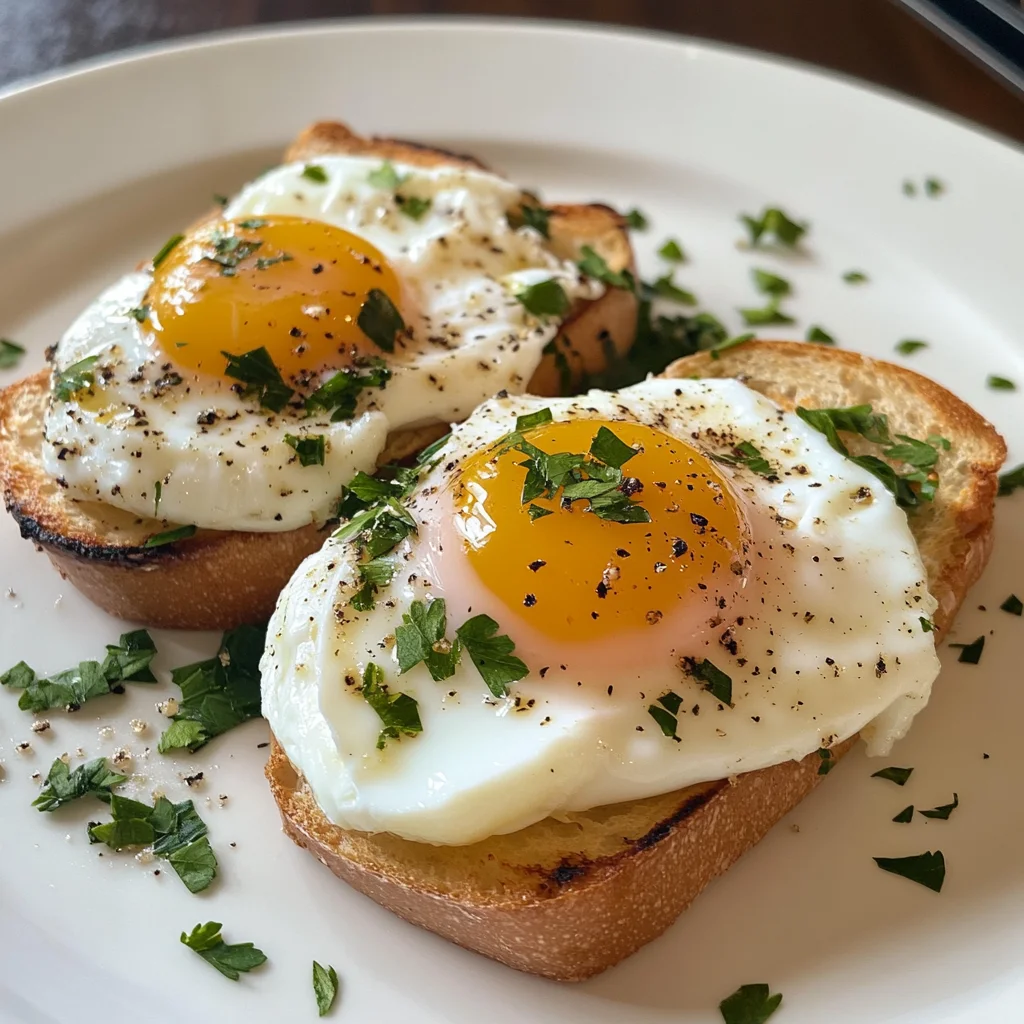
Air Fryer Poached Eggs: The Ultimate Guide to Perfectly Cooked Eggs Every Time
Introduction to Air Fryer Poached Eggs
Making air fryer poached eggs has revolutionized breakfast preparation for home cooks everywhere. This innovative cooking method combines the health benefits of traditional poaching with the convenience of modern air frying technology. Unlike conventional poaching that requires careful water temperature control and timing, air fryer poached eggs offer a foolproof approach to achieving perfectly cooked eggs with runny yolks and firm whites every single time.
The process is surprisingly simple. You crack eggs into greased ramekins filled with water, place them in your air fryer, and let the circulating hot air work its magic. Within just 5 to 7 minutes, you’ll have restaurant-quality poached eggs ready to serve. This method eliminates the guesswork and mess associated with traditional poaching techniques.
Why Choose Air Fryer Poached Eggs
Time Efficiency and Convenience
Air fryers cook food significantly faster than traditional ovens. When making air fryer poached eggs, you can have perfectly cooked eggs ready in under 10 minutes from start to finish. Moreover, there’s no need to monitor a pot of simmering water or worry about eggs dispersing throughout the cooking vessel.
The convenience extends beyond speed. Air fryers allow for unsupervised cooking, which means you can prepare other breakfast items while your eggs cook. Additionally, you can cook multiple eggs simultaneously without any extra effort, making this method perfect for feeding families or meal prepping.
Health Benefits
Poached eggs are one of the healthiest ways to prepare eggs. Because no extra fat is needed to cook air fryer poached eggs, no additional calories are added to your meal. A large poached egg typically contains just under 80 calories, compared to 90-120 calories for fried eggs.
Furthermore, poached eggs are easier to digest than their fried counterparts. The gentle cooking method in water preserves the protein structure, making them lighter on your digestive system. This cooking style also helps maintain the nutritional content of the eggs, as prolonged high-heat cooking can destroy essential vitamins and minerals.
Nutritional Profile
Each large poached egg provides approximately 7.5 grams of protein, making it an excellent choice for those seeking high-protein meals. The eggs also contain essential vitamins like B12 and D, along with minerals such as selenium and choline. Best of all, air fryer poached eggs are keto-friendly, low-carb, and nutrient-dense.
Equipment You Need
Essential Tools
To make air fryer poached eggs successfully, you need specific equipment. First and foremost, you’ll need an air fryer with temperature control capabilities. Most recipes work best with models that can reach temperatures between 350°F and 400°F.
Additionally, you’ll need small ramekins or oven-safe dishes. Four-ounce ramekins work perfectly for individual servings. Make sure your ramekins fit comfortably in your air fryer basket with adequate space for air circulation.
Helpful Accessories
Several accessories make the process easier. Mini oven mitts or heat-resistant tongs help safely remove hot ramekins from the air fryer. A small silicone spatula or teaspoon assists in releasing eggs from the ramekins. Finally, a small strainer helps drain excess water before serving.
Ingredients for Perfect Poached Eggs
The beauty of air fryer poached eggs lies in their simplicity. You only need a handful of basic ingredients to create this delicious breakfast dish.
Core Ingredients
-
Fresh eggs: Use large eggs for best results
-
Water: Room temperature water works perfectly
-
Cooking spray: Olive oil or avocado oil spray prevents sticking
-
Salt and pepper: For seasoning to taste
Some recipes suggest adding a small amount of vinegar to the water, though it’s not necessary when using the ramekin method. The ramekins naturally help maintain the egg’s shape, eliminating the need for vinegar.
Step-by-Step Instructions
Preparation Phase
Begin by preheating your air fryer to 350-400°F for approximately 5 minutes. While the air fryer heats, prepare your ramekins by spraying them generously with cooking oil. The oil coating prevents the eggs from sticking and makes removal much easier.
Next, add about 1/4 cup of room temperature water to each ramekin. Some cooks prefer hot water, though room temperature water produces excellent results without the extra step. Carefully crack one egg into each prepared ramekin, ensuring the yolk remains intact.
Cooking Process
Place the filled ramekins carefully into the preheated air fryer basket. Make sure they sit level to prevent the eggs from cooking unevenly. Close the air fryer and set the temperature to 350-360°F.
Cook for 5 minutes initially. After this first cooking phase, open the air fryer and gently run a small teaspoon or silicone spatula around the edges of each egg. This “release” technique helps separate the egg from the ramekin sides. Continue cooking for an additional 1-2 minutes until the whites are set but the yolks remain runny.
Final Steps
Using oven mitts or tongs, carefully remove the hot ramekins from the air fryer. Work quickly but cautiously, as the eggs continue cooking in the residual heat. Gently slide each egg out of its ramekin into a small strainer to drain excess water.
Transfer the drained eggs to your serving plates or prepared toast. Season with salt and pepper to taste and serve immediately for the best texture and flavor.
Cooking Times and Temperatures
Standard Timing Guidelines
The ideal cooking time for air fryer poached eggs varies based on desired yolk consistency. For soft, runny yolks, cook at 350-360°F for 5-6 minutes total. If you prefer slightly firmer yolks, extend the cooking time to 7-8 minutes.
Temperature settings also play a crucial role. Most successful recipes use temperatures between 350°F and 400°F. Starting with a higher preheat temperature (400°F) then reducing to 360°F for cooking produces consistently good results.
Adjusting for Your Air Fryer
Different air fryer models vary in their heating efficiency. Therefore, conducting a test run with one or two eggs helps determine the exact timing for your specific appliance. Keep detailed notes about temperature settings and cooking times that work best for your preferences.
Several factors affect cooking times, including egg size, whether eggs are room temperature or refrigerated, ramekin material, and air fryer brand. Expect some trial and error initially until you master your particular setup.
Tips for Success
Preparation Tips
Always use fresh eggs for the best results. Fresh eggs have firmer whites that hold together better during cooking. Additionally, spray your ramekins generously with oil to ensure easy egg removal.
Make sure the eggs are fully submerged in water to prevent the egg whites from getting crispy. The water creates steam that gently cooks the eggs, mimicking traditional poaching. Room temperature water works just as well as hot water and saves preparation time.
During Cooking
Don’t overcrowd your air fryer basket. Leave adequate space between ramekins to allow proper air circulation. This spacing ensures even cooking and prevents temperature drops that could affect results.
Remember to release the eggs partway through cooking. Running a teaspoon along the ramekin edges helps the eggs cook more evenly and makes removal significantly easier.
Post-Cooking Advice
Remove eggs slightly earlier than you think necessary. They continue cooking in the hot water and hot ramekins even after you remove them from the air fryer. Acting quickly prevents overcooking and maintains that perfect runny yolk.
Use a strainer to drain excess water before plating. This step prevents soggy toast and creates a cleaner presentation. Season immediately while the eggs are still hot for the best flavor absorption.
Common Mistakes to Avoid
Temperature and Timing Errors
One frequent mistake is using too high a temperature. While it seems logical that higher heat would cook faster, excessively high temperatures can overcook the whites while leaving the yolks underdone. Stick to the recommended 350-360°F range for best results.
Another error involves leaving eggs in the ramekins too long after cooking. The residual heat continues cooking the eggs, potentially turning your perfectly runny yolk into a firm one. Remove and serve promptly for optimal texture.
Preparation Mistakes
Failing to oil the ramekins adequately causes the most frustration. Without sufficient oil, eggs stick stubbornly to the sides, making removal difficult and messy. Be generous with your cooking spray application.
Not preheating the air fryer leads to inconsistent results. The preheat step ensures your cooking environment reaches the proper temperature before you add the eggs. Skipping this step extends cooking time and affects texture.
Handling Issues
Trying to cook too many eggs at once reduces cooking efficiency. Overcrowding restricts air circulation, leading to unevenly cooked eggs. Start with just one or two eggs until you understand your air fryer’s capacity.
Serving Suggestions
Classic Presentations
Air fryer poached eggs shine when served on toasted wholemeal or rye bread. The crispy toast provides the perfect base for the soft, delicate eggs. Add a sprinkle of black pepper and a pinch of flaky sea salt for simple elegance.
For a more substantial meal, place your poached eggs atop fresh wilted spinach with grated mature cheddar cheese. This combination adds fiber, nutrients, and rich flavors to your breakfast. Alternatively, serve alongside grilled tomatoes or baked beans for a complete morning meal.
Creative Serving Ideas
Poached eggs work beautifully in grain bowls. Layer quinoa or brown rice with roasted vegetables, add your perfectly poached egg, and drizzle with your favorite sauce. The runny yolk acts as a natural sauce that coats the grains and vegetables.
Consider creating a minimalist avocado toast by mashing ripe avocado on sourdough, topping it with your air fryer poached egg, and finishing with red pepper flakes and microgreens. This presentation looks elegant and tastes incredible. Check out our guide on [insert link] for more breakfast bowl inspiration.
International Variations
Transform your poached eggs into a breakfast sandwich by placing them between English muffin halves with crispy bacon and arugula. For a lighter option, serve over a crunchy mixed green salad with a simple vinaigrette.
Nutritional Benefits
Calorie and Macronutrient Content
One large poached egg contains approximately 72-78 calories, making it an excellent choice for calorie-conscious eating. This stands in stark contrast to fried eggs, which can contain 90-120 calories depending on the amount of oil used.
The protein content remains impressive at 6.3-7.5 grams per egg. This high-quality protein helps build and repair tissues, supports immune function, and keeps you feeling satisfied longer. Total fat content is around 5-5.4 grams, with only 1.5 grams coming from saturated fat.
Vitamin and Mineral Profile
Air fryer poached eggs provide essential B vitamins, particularly B12, which supports nervous system health and energy production. They also contain vitamin D, crucial for bone health and immune function.
The mineral content includes selenium, an important antioxidant, and choline, which supports brain health and metabolism. Because poaching requires no added fat, all these nutrients come without extra calories or unhealthy fats.
Digestibility Advantages
Health experts confirm that poached eggs are easier to digest than fried eggs. The gentle cooking method in water preserves the protein structure, making the eggs lighter on your digestive system. This makes them an excellent choice for people prone to bloating, acidity, or sluggish digestion.
High-heat cooking methods like frying can oxidize cholesterol in the yolk, potentially triggering inflammation or discomfort in sensitive individuals. Poaching avoids this issue entirely by cooking at lower temperatures in water.
Troubleshooting Guide
Egg White Issues
If your egg whites turn out rubbery or overcooked, you’re likely cooking at too high a temperature or for too long. Reduce the temperature to 350°F and decrease cooking time by one minute. Remember that different air fryer models cook at varying speeds.
When egg whites appear crispy around the edges, this indicates insufficient water coverage. Make sure the entire egg is submerged in water before cooking. The water creates the steaming environment essential for proper poaching.
Yolk Consistency Problems
If yolks consistently cook too firm, reduce your cooking time by 1-2 minutes. Additionally, remember to remove eggs from the ramekins immediately after cooking, as residual heat continues the cooking process.
Conversely, if yolks remain too runny for your preference, simply add 1-2 minutes to the cooking time. Keep notes about your adjustments so you can replicate successful results.
Removal Difficulties
When eggs stick to ramekins despite oiling, try using more cooking spray next time. Spray not just the bottom but also the sides of each ramekin thoroughly. Some cooks find that butter-flavored cooking spray works better than plain oil for release purposes.
If eggs still won’t budge, run a thin knife around the ramekin edge before attempting removal. The “release” technique of running a spoon along the edges partway through cooking also significantly helps.
Variations and Flavor Ideas
Seasoning Options
While classic salt and pepper never disappoint, numerous seasonings can elevate your air fryer poached eggs. Try everything bagel seasoning for a savory, crunchy topping. Smoked paprika adds depth and a subtle smoky flavor without overpowering the delicate egg.
Fresh herbs transform simple poached eggs into gourmet fare. Chopped chives, parsley, or dill sprinkled over just before serving add brightness and color. For a Mediterranean twist, add za’atar seasoning and a drizzle of olive oil.
Additions to the Ramekin
Some creative cooks add ingredients directly to the ramekin before cracking in the egg. A teaspoon of pesto at the bottom creates an Italian-inspired variation. Diced tomatoes and fresh basil offer a fresh, summery option.
For heartier preparations, add cooked, crumbled sausage or diced ham to the ramekin. Small cubes of cheese melt beautifully as the egg cooks, creating a rich, indulgent breakfast. Just ensure any additions don’t prevent the egg from cooking evenly.
Garnish Ideas
Finishing touches make all the difference in presentation and flavor. A small dollop of Greek yogurt or sour cream adds creaminess and tang. Hot sauce or sriracha provides a spicy kick for those who enjoy heat.
Microgreens or baby arugula add a peppery bite and restaurant-quality appearance. Crumbled feta or goat cheese offers salty, tangy contrast to the rich yolk. Toasted nuts or seeds provide textural variety and healthy fats.
Storage and Reheating
Short-Term Storage
Poached eggs are best enjoyed immediately after cooking for optimal texture and flavor. However, if you need to store them, place cooled poached eggs in an airtight container covered with cold water. Refrigerate for up to 2 days maximum.
Change the water daily to keep the eggs fresh. This storage method helps maintain the eggs’ delicate texture better than storing them without water. Always refrigerate within 2 hours of cooking to ensure food safety.
Reheating Methods
To reheat refrigerated poached eggs, bring a pot of water to a gentle simmer. Remove from heat and carefully lower the eggs into the hot water using a slotted spoon. Let them sit for 30-60 seconds until warmed through.
Alternatively, you can reheat poached eggs in the microwave, though this requires careful timing. Place the egg in a microwave-safe bowl with a tablespoon of water. Cover and microwave on 50% power for 20-30 seconds. Check and add additional 10-second intervals if needed.
Meal Prep Considerations
While air fryer poached eggs can be made ahead, their texture deteriorates slightly upon reheating. For best results when meal prepping, cook eggs fresh daily using the quick 6-minute method. The minimal time investment makes daily preparation more practical than batch cooking and reheating.
Frequently Asked Questions
Do I need vinegar for air fryer poached eggs?
No, you don’t need vinegar when making air fryer poached eggs. Traditional poaching uses vinegar to help egg whites coagulate and maintain their shape. However, because this method uses ramekins to contain the eggs, vinegar becomes unnecessary. The ramekins naturally keep the eggs together, eliminating the need for any acid.
How long do air fryer poached eggs take to cook?
Air fryer poached eggs typically take 5-7 minutes to cook at 350-360°F. For soft, runny yolks, cook for 5-6 minutes. If you prefer firmer yolks, extend the time to 7-8 minutes. Always start with less time, as you can easily cook longer if needed.
Can I make multiple poached eggs at once?
Yes, you can make multiple air fryer poached eggs simultaneously. Most standard air fryers accommodate 2-4 ramekins comfortably. Just ensure adequate space between ramekins for proper air circulation. Avoid overcrowding, as this leads to uneven cooking.
Why are my egg whites rubbery?
Rubbery egg whites usually result from cooking at too high a temperature or for too long. Try reducing the temperature to 350°F and shortening the cooking time by 1-2 minutes. Also ensure eggs are fully submerged in water, as exposed whites can become tough and crispy.
What size ramekins work best?
Four-ounce ramekins work perfectly for making air fryer poached eggs. This size provides enough water to submerge the egg while fitting comfortably in most air fryer baskets. Six-ounce ramekins also work well, though they require slightly more water.
Can I use silicone molds instead of ramekins?
Yes, silicone molds work well for air fryer poached eggs. They offer the advantage of flexible removal, making it easier to pop out the cooked eggs. However, ensure your silicone molds are rated for the temperatures used in air frying (up to 400°F).
Conclusion
Air fryer poached eggs offer a revolutionary approach to preparing this classic breakfast dish. This method eliminates the challenges of traditional poaching while delivering perfectly cooked eggs with runny yolks and tender whites every time. With just eggs, water, and a few minutes, you can create a nutritious, low-calorie meal that’s both delicious and easy to digest.
The versatility of air fryer poached eggs makes them suitable for any meal, from simple toast toppings to elegant grain bowls. The health benefits are undeniable, with high protein content, essential vitamins and minerals, and minimal added fats. Whether you’re cooking for one or preparing breakfast for the whole family, this foolproof method ensures consistent results.
Start experimenting with air fryer poached eggs today. Begin with the basic recipe, then explore different seasonings and serving options to find your perfect combination. Once you master this technique, you’ll wonder how you ever made breakfast without it. Try making air fryer poached eggs tomorrow morning and experience the difference this innovative cooking method makes in your kitchen routine.
Print
Air Fryer Poached Eggs
Description
Air Fryer Poached Eggs
Soft, silky poached eggs without water baths — ready in minutes with your air fryer!
📝 Ingredients
-
2–4 large eggs
-
2 small ramekins or silicone cups
-
Non-stick cooking spray or a little butter
-
Optional: salt, pepper, or herbs for garnish
👩🍳 Instructions
-
Prep the ramekins — Lightly grease with cooking spray or butter.
-
Add eggs — Crack one egg into each ramekin.
-
Air fry — Preheat the air fryer to 350°F (175°C). Place ramekins in the basket and cook for 6–8 minutes for soft poached eggs (adjust time for desired firmness).
-
Serve — Carefully remove ramekins, use a spoon to gently lift eggs, and season with salt, pepper, or fresh herbs.