
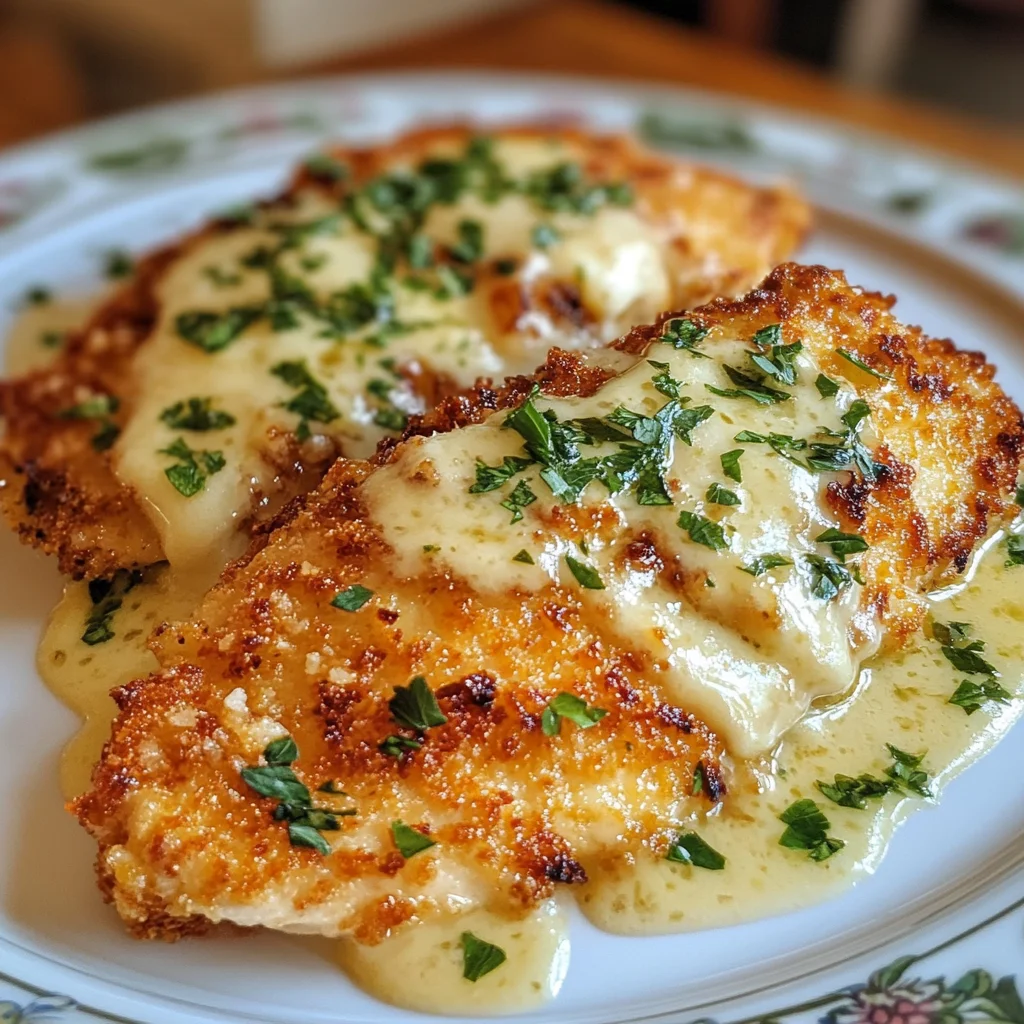
Crispy Parmesan Crusted Chicken: The Ultimate Guide to Perfectly Golden, Juicy Results
Introduction
Crispy Parmesan crusted chicken stands as one of the most beloved dishes in home kitchens across America. This golden, savory masterpiece combines tender chicken with a deliciously crunchy cheese coating that satisfies every craving for comfort food. The beauty of this recipe lies in its simplicity and versatility—it’s elegant enough for weeknight family dinners yet impressive enough for entertaining guests. If you’re searching for a foolproof way to create restaurant-quality crispy Parmesan crusted chicken at home, you’ve found the right guide. This comprehensive article will teach you everything from ingredient selection to plating techniques, ensuring your chicken turns out perfectly crispy and juicy every single time.
What is Crispy Parmesan Crusted Chicken?
Crispy Parmesan crusted chicken is a straightforward yet elegant dish that features chicken breasts coated with a flavorful mixture and pan-fried or baked until golden. The signature coating combines grated Parmesan cheese with breadcrumbs and seasonings to create a savory, crunchy exterior. This dish differs from traditional breaded chicken because the Parmesan cheese becomes the star ingredient, delivering intense umami flavor rather than just acting as a coating ingredient.
The hallmark of excellent crispy Parmesan crusted chicken is achieving optimal texture contrast—a crunchy exterior that gives way to tender, moist chicken inside. Many home cooks struggle with this balance, but understanding the proper techniques makes all the difference. Whether you prefer baked or pan-fried preparations, this guide addresses both methods to help you find your preferred cooking style.
Why This Dish Works
Crispy Parmesan crusted chicken has remained a staple for several compelling reasons. First, it requires minimal preparation time while delivering impressive results. Second, the combination of textures—crispy coating against juicy chicken—appeals to virtually all palates. Third, this dish adapts beautifully to various dietary preferences and culinary traditions.
The chemistry behind this dish is also fascinating. When Parmesan cheese heats, it melts and caramelizes on the chicken’s surface. This creates an addictive golden crust that’s both visually appealing and deeply flavorful. Additionally, the cheese acts as a natural adhesive, binding the coating firmly to the chicken without requiring heavy breading.
Essential Ingredients for Success
Creating perfect crispy Parmesan crusted chicken begins with quality ingredients and proper proportions. Understanding each ingredient’s role ensures consistent, delicious results every time.
Protein Foundation
-
Boneless, skinless chicken breasts (2-3 large breasts, approximately 2 pounds)
-
Select uniform-sized breasts for even cooking and consistent crust development
Coating Components
-
Freshly grated Parmesan cheese (½ to 1¼ cups, depending on method)
-
Always use freshly grated Parmesan rather than pre-grated varieties, which contain anti-caking agents that prevent proper melting
-
Panko breadcrumbs or Italian breadcrumbs (1 cup for the hybrid method)
-
Panko creates a lighter, airier crust than traditional breadcrumbs
Flavor Enhancers
-
Italian seasoning (1½ teaspoons)
-
Garlic powder (1½ teaspoons)
-
Onion powder (1 teaspoon)
-
Salt (½ teaspoon)
-
Black pepper (¼ teaspoon)
Binding Agents
-
Mayonnaise (⅓ cup for the baked method)
-
Egg (1 large egg for pan-frying methods)
-
Minced garlic (1 clove, optional)
Cooking Fats
-
Olive oil (for drizzling or spraying)
-
Butter (2 tablespoons for pan-frying)
Finishing Touches
-
Lemon wedges for serving
-
Fresh herbs for garnish
Step-by-Step Cooking Instructions
Preparation Phase
Step 1: Prepare Your Workspace
Preheat your oven to 400 degrees Fahrenheit if using the baked method. Line a sheet pan with parchment paper and optionally place a wire rack on top for enhanced air circulation and crispier results. Having your workspace organized prevents errors during the coating process.
Step 2: Pound Your Chicken
Place chicken breasts on a clean cutting board. Slice each breast horizontally to create even cutlets approximately ¼-inch thick. If some cutlets remain thicker, place them between plastic wrap and gently pound them to uniform thickness. Uniform thickness ensures even cooking and consistent texture throughout.
Step 3: Create Your Coating Mixture
In a shallow plate or bowl, combine panko breadcrumbs, freshly grated Parmesan cheese, Italian seasoning, garlic powder, onion powder, salt, and black pepper. Mix these ingredients thoroughly to ensure seasonings distribute evenly. This ensures every bite contains balanced, consistent flavor.
Step 4: Prepare Your Binding Agent
For the baked method: Using a pastry brush, evenly spread mayonnaise over both sides of each cutlet. For the pan-fried method: Whisk together 1 egg, minced garlic, salt, and pepper in a shallow bowl.
Coating Process
Step 5: Apply the Coating
Dredge each chicken cutlet in the coating mixture, pressing gently to ensure thorough coverage. Turn the chicken to coat both sides completely, pressing gently so the coating adheres properly. For the pan-fried method, dip chicken in egg first, then press into Parmesan, coating both sides with extra Parmesan and shaking off excess.
Step 6: Arrange on Pan
Place coated chicken in a single layer on your prepared sheet pan, leaving space between each piece. Proper spacing allows heat circulation, which promotes even browning and crisping.
Cooking Methods: Baked vs. Pan-Fried
The Baked Method
Advantages: Hands-off cooking, consistent results, less oil required, easy cleanup.
Instructions: Drizzle or spray olive oil lightly over the coated chicken pieces for extra crispiness. Bake in your preheated 400-degree oven for 18-20 minutes, or until the chicken reaches golden brown and the internal temperature reads 165 degrees Fahrenheit. Remove from oven and let the chicken rest for 5 minutes before serving.
The Pan-Fried Method
Advantages: Develops superior crust color, shorter total cooking time, more control over texture.
Instructions: Heat butter and olive oil in a large skillet over high heat until the butter foams. Place coated chicken in the skillet without moving it—this is critical. Press down lightly with a spatula. After 3 minutes, lift a corner to check for deep golden brown color. Once golden, flip using tongs and cook the other side for 3 minutes until equally golden and crispy. Do not cook longer than 6 minutes total, as extended cooking dries out the chicken. Serve immediately for optimal crispiness.
Achieving the Perfect Crust
The difference between adequate and exceptional crispy Parmesan crusted chicken lies in crust development. Several factors contribute to achieving that desirable golden exterior.
Use Fresh, Quality Parmesan
Pre-grated Parmesan contains cellulose anti-caking agents that prevent proper melting and browning. Block Parmesan melts smoothly and caramelizes beautifully, creating that signature crispy texture. Simply use a microplane or box grater to achieve fine, evenly-sized pieces.
Avoid Overcrowding
Whether baking or pan-frying, never crowd the pan with chicken pieces. Overlapping or touching pieces steam rather than crisp, resulting in soggy coatings instead of the desired crunch. Space pieces at least 2 inches apart for optimal air circulation.
Monitor Internal Temperature Precisely
Insert an instant-read meat thermometer into the thickest part of the chicken without touching bone. When the thermometer reads 165 degrees Fahrenheit, the chicken is fully cooked and safe to eat. Removing chicken at this exact temperature prevents drying while ensuring food safety.
Rest Your Chicken
After cooking, let your chicken rest for 5 minutes before serving or cutting. This brief rest allows juices to redistribute throughout the meat, keeping each bite moist and tender rather than dry.
Choose Your Cooking Oil Wisely
Olive oil adds flavor while supporting crisping due to its higher smoke point compared to other oils. For pan-frying, combining butter and olive oil creates both flavor and consistent heat distribution.
Serving Suggestions and Pairings
Complementary Side Dishes
Crispy Parmesan crusted chicken pairs beautifully with numerous sides that balance its richness. Light, fresh accompaniments work especially well.
Vegetable Sides:
-
Steamed or roasted broccoli
-
Fresh green beans with garlic
-
Roasted cauliflower with herbs
-
Simple arugula salad with lemon vinaigrette
Starch Sides:
-
Creamy mashed potatoes
-
Buttered egg noodles
-
Jasmine rice pilaf
-
Roasted fingerling potatoes
Fresh Accompaniments:
-
Lemon wedges for squeezing
-
Fresh herbs like basil, parsley, or oregano
-
Tomato-based sauces or fresh salsa
-
Garlic aioli for dipping
Plate Presentation
Arrange your crispy Parmesan crusted chicken as the centerpiece on your plate. Place complementary sides around the chicken rather than on top, which protects the crispy coating from moisture. Garnish with fresh herbs and lemon wedges for visual appeal and added freshness.
Storage and Make-Ahead Tips
Refrigerator Storage
Store leftover crispy Parmesan crusted chicken in an airtight container for up to 4 days. The coating will soften over time, so consume within this window for optimal texture. Reheat in a 375-degree oven for 8-10 minutes to help re-crisp the coating.
Freezing for Later
Prepare your chicken through the coating stage, then freeze on a baking sheet. Once frozen solid, transfer to freezer bags for up to 3 months. Cook from frozen, adding 5-8 minutes to your total cooking time.
Make-Ahead Strategy
Pound, slice, and coat your chicken the morning of serving. Refrigerate until cooking time. The coating adheres better when applied several hours in advance, resulting in superior texture when cooked.
Nutritional Benefits
Protein-Rich Nutrition Profile
One serving of crispy Parmesan crusted chicken contains approximately 15-20 grams of protein, making it an excellent choice for muscle maintenance and satiety. Chicken provides complete protein, containing all essential amino acids your body requires.
Parmesan Cheese Benefits
Parmesan cheese, the star ingredient in this dish, delivers significant nutritional advantages. Just one ounce of Parmesan contains approximately 335 milligrams of calcium, representing about 26% of the recommended daily value for adults. This calcium supports strong bones, healthy teeth, and proper muscle function.
Micronutrient Contributions
This dish provides niacin (Vitamin B3), which supports cardiovascular health and cholesterol levels. Selenium, another key nutrient in Parmesan, plays an important role in thyroid health and immune function. Phosphorus, abundant in both chicken and Parmesan, is vital for bone formation and overall skeletal health.
Calorie Information
A typical 3.5-ounce serving contains approximately 196 calories, with about 20 grams of protein. This makes crispy Parmesan crusted chicken an efficient protein source for calorie-conscious diets when paired with lighter side dishes.
Common Mistakes to Avoid
Mistake 1: Using Pre-Grated Parmesan
Pre-grated cheese contains anti-caking agents preventing proper melting. Always select block Parmesan and grate it fresh for superior texture and browning.
Mistake 2: Skipping the Resting Period
Rushing straight from pan to plate dries out the chicken and diminishes juiciness. Allow 5 minutes resting time before serving for optimal results.
Mistake 3: Crowding the Pan
Overlapping chicken creates steam rather than sear, resulting in soggy coatings. Ensure at least 2 inches of space between pieces.
Mistake 4: Inconsistent Thickness
Uneven chicken thickness leads to some pieces drying while others remain undercooked. Pound carefully to achieve ¼-inch uniformity throughout.
Mistake 5: Touching the Chicken While Cooking
For pan-fried versions, do not move chicken until the cheese adheres by turning golden. Moving the chicken too early causes the coating to slide off the surface.
Mistake 6: Overcooking
Cooking beyond 165 degrees Fahrenheit internal temperature results in dry, tough chicken. Use an instant-read thermometer for precision.
Frequently Asked Questions
How do you make crispy Parmesan crusted chicken stay crispy?
The key to maintaining crispiness involves several factors. Use freshly grated Parmesan cheese rather than pre-grated varieties. Avoid crowding your pan, which causes steaming rather than crisping. For pan-fried versions, resist the urge to move the chicken, allowing the coating to fully adhere and brown before flipping. Serve immediately after cooking, and avoid covering the finished dish, which traps steam.
Can you make crispy Parmesan crusted chicken in advance?
Absolutely! Prepare and coat your chicken the morning of serving, then refrigerate until cooking time. The coating adheres better when applied several hours in advance. You can also coat chicken and freeze it for up to 3 months. Cook from frozen, adding 5-8 minutes to your total cooking time.
What’s the difference between Parmesan crusted chicken and chicken Parmesan?
Crispy Parmesan crusted chicken features a Parmesan and breadcrumb coating on the chicken itself. Traditional chicken Parmesan typically involves breaded, pan-fried chicken topped with marinara sauce and melted mozzarella cheese. These are distinct dishes with different flavor profiles and preparations.
Can you use boneless chicken thighs instead of breasts?
Yes, though cooking times may vary slightly. Thighs are more forgiving and remain juicy even with slightly longer cooking times. Pound thighs to consistent thickness before coating and cooking.
What should you serve with crispy Parmesan crusted chicken?
Light, fresh sides balance the richness of this dish beautifully. Consider steamed vegetables, fresh salads, roasted potatoes, or rice pilaf. Lemon wedges provide brightness and acidity that complements the savory coating.
How long does crispy Parmesan crusted chicken keep in the refrigerator?
Store leftovers in an airtight container for up to 4 days. The coating will gradually soften, so consume within this window for best texture. Reheat in a 375-degree oven for 8-10 minutes to help restore crispiness.
Can you reheat crispy Parmesan crusted chicken?
Yes, reheat in a 375-degree oven for 8-10 minutes. This method helps restore some of the original crispiness better than microwaving, which creates steam. Microwaving significantly softens the coating.
Is crispy Parmesan crusted chicken gluten-free?
Traditional recipes using panko breadcrumbs contain gluten. However, you can easily make this dish gluten-free by substituting gluten-free breadcrumbs or using only Parmesan cheese for the coating, creating an ultra-crispy, gluten-free option.
Conclusion
Mastering crispy Parmesan crusted chicken transforms your everyday cooking into restaurant-quality results. This versatile dish combines simplicity with impressive flavor and texture, making it perfect for busy weeknights or special occasions. By following the detailed instructions, avoiding common mistakes, and understanding the science behind the coating, you’ll create perfectly golden, juicy chicken every time.
Whether you prefer the hands-off baked method or the superior crust from pan-frying, both techniques produce exceptional results when executed properly. Remember to use freshly grated Parmesan cheese, maintain proper spacing between pieces, and respect the 165-degree internal temperature for safety and juiciness.
The combination of crispy, golden coating with tender, moist chicken satisfies cravings while providing excellent protein and important nutrients. From the kitchen novice to experienced home cooks, this recipe delivers consistent, delicious success.
Ready to impress your family with restaurant-quality crispy Parmesan crusted chicken? Start your cooking adventure today by gathering quality ingredients and following this comprehensive guide. Your next favorite weeknight dinner—or impressive dinner party centerpiece—awaits. This dish proves that exceptional meals don’t require complicated techniques or expensive ingredients; they simply require understanding the fundamentals. Master crispy Parmesan crusted chicken, and you’ve mastered one of the most beloved comfort foods in modern cuisine.
Print
Crispy Parmesan Crusted Chicken
Description
Crispy Parmesan Crusted Chicken
📝 Ingredients
-
4 boneless, skinless chicken breasts
-
½ cup grated Parmesan cheese
-
½ cup panko breadcrumbs
-
1 tsp garlic powder
-
1 tsp paprika
-
Salt & black pepper, to taste
-
2 large eggs
-
2 tbsp olive oil (for pan-frying) or cooking spray (for oven)
👩🍳 Instructions
-
Prep the coating — In a shallow dish, mix Parmesan, panko, garlic powder, paprika, salt, and pepper.
-
Egg wash — Beat eggs in another shallow dish.
-
Coat the chicken — Dip each chicken breast in the eggs, then press into the Parmesan-panko mixture until well coated.
-
Cook
-
Pan-fry: Heat olive oil in a skillet over medium heat. Cook chicken 5–6 minutes per side until golden and cooked through.
-
Oven-bake: Preheat oven to 400°F (200°C). Place chicken on a greased baking sheet and bake 20–25 minutes until golden and cooked through.
-
-
Serve — Slice and serve with lemon wedges, a salad, or your favorite sides.