
Brown Sugar Balsamic Glazed Pork Chops: A Complete Guide to This Sweet and Tangy Dinner Favorite
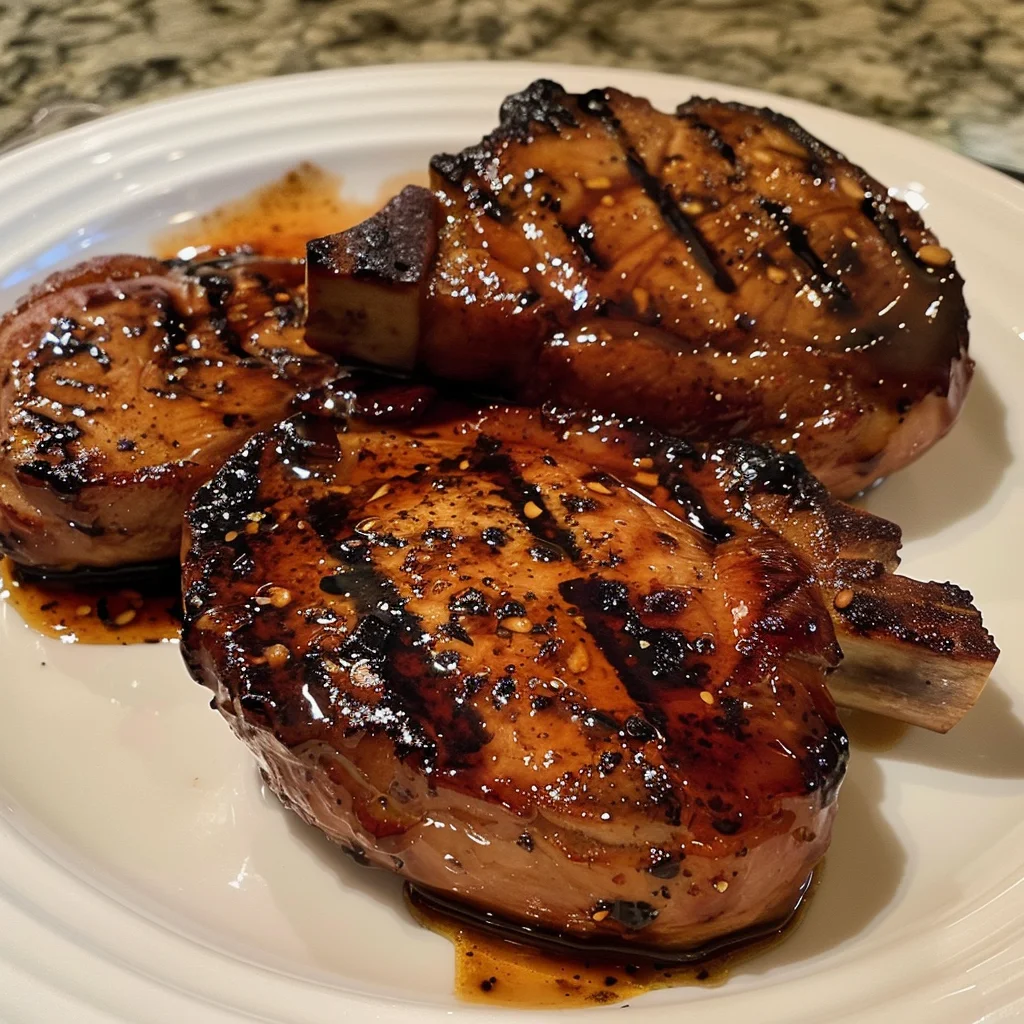
Brown Sugar Balsamic Glazed Pork Chops are a delicious weeknight dinner that brings together the perfect balance of sweet and tangy flavors. This dish features tender, juicy pork chops coated in a rich glaze made from balsamic vinegar and brown sugar, creating an unforgettable meal that’s ready in under 30 minutes. Whether you’re cooking for your family or entertaining guests, these glazed pork chops deliver restaurant-quality flavor with minimal effort and simple ingredients.
What Makes Brown Sugar Balsamic Glazed Pork Chops Special
This dish stands out for its incredible flavor combination. The brown sugar provides natural sweetness while balsamic vinegar adds tanginess. Together, they create a glaze that caramelizes beautifully on the pork chops. Moreover, the recipe requires only one pan, making cleanup effortless.
The cooking method is straightforward. First, you sear the pork chops to develop a golden crust. Then, you prepare the glaze in the same pan, allowing it to thicken. Finally, you coat the pork chops with the glaze, ensuring every bite is flavorful. This technique locks in moisture while creating a caramelized exterior.
Additionally, this recipe is versatile. You can adjust the sweetness or tanginess to suit your preferences. Furthermore, it pairs well with various side dishes, from roasted vegetables to mashed potatoes. The combination of simplicity and flavor makes this dish a family favorite.
Essential Ingredients You’ll Need
To make Brown Sugar Balsamic Glazed Pork Chops, gather these key ingredients:
-
Four boneless pork chops or pork loin center chops
-
Two tablespoons olive oil for searing
-
One quarter cup balsamic vinegar for tanginess
-
Two tablespoons brown sugar for sweetness
-
One tablespoon Dijon mustard for depth
-
Two cloves garlic, minced for aromatic flavor
-
One teaspoon salt for seasoning
-
One teaspoon ground black pepper for spice
-
Two teaspoons Italian seasoning for herbs
Each ingredient plays an important role. The balsamic vinegar provides acidity and complexity. Brown sugar balances the tanginess with natural sweetness. Dijon mustard adds a subtle kick. Garlic brings aromatic depth to the glaze.
For best results, use thick-cut pork chops. They should be at least one inch thick. Thicker chops stay juicier during cooking. Additionally, boneless chops cook faster and more evenly.
Nutritional Benefits of This Dish
Brown Sugar Balsamic Glazed Pork Chops offer several nutritional advantages. Each serving provides approximately 315 calories with 29 grams of protein. This makes it an excellent choice for muscle growth and repair.
Protein Content
Pork chops are a complete protein source. They contain all nine essential amino acids. A typical pork chop delivers 30 to 40 grams of protein, depending on size. This nutrient supports muscle development and overall body function.
Vitamins and Minerals
Pork chops are rich in essential nutrients. They provide vitamin B12, niacin, selenium, and zinc. These minerals support immune function and cell health. Additionally, pork chops contain iron, which is vital for oxygen transport in the blood.
Health Benefits of Balsamic Vinegar
Balsamic vinegar offers numerous health advantages. It contains polyphenols, powerful antioxidants that protect cells from damage. These compounds help reduce inflammation and support heart health. Furthermore, the acetic acid in balsamic vinegar may aid digestion. It can also help regulate blood sugar levels.
Step-by-Step Cooking Instructions
Follow these detailed steps to create perfect Brown Sugar Balsamic Glazed Pork Chops:
Preparation Phase
Start by bringing the pork chops to room temperature. This ensures even cooking. Next, pat them dry with paper towels to remove excess moisture. Then, season both sides generously with salt, pepper, and Italian seasoning.
Searing the Pork Chops
Heat a large skillet over medium-high heat. Once hot, add two tablespoons of olive oil. Place the pork chops in the pan without moving them. Cook for four minutes on each side until golden brown. The internal juices should run clear when pierced. Transfer the cooked chops to a plate and set aside.
Creating the Glaze
Reduce the heat to medium-low. Add minced garlic to the same skillet and cook for 30 seconds. Pour in the balsamic vinegar, brown sugar, and Dijon mustard. Stir constantly to combine all ingredients. Let the mixture simmer for three to four minutes until it thickens.
Finishing Touches
Return the pork chops and any accumulated juices to the skillet. Spoon the glaze over the top of each chop. Heat through for one to two minutes. Remove from heat and drizzle with any remaining glaze. Serve immediately while hot.
Pro Tips for Perfect Pork Chops Every Time
Achieving perfectly cooked pork chops requires attention to several key details:
Choose the Right Cut
Select thick pork chops that are at least one inch thick. Thicker cuts are less likely to dry out. Boneless chops are easier to work with and cook more quickly.
Master the Sear
Don’t move the pork chops while they’re searing. Let them cook undisturbed for three to four minutes per side. This creates a beautiful golden crust. Flip only once to maintain the sear.
Check the Temperature
Cook pork chops to an internal temperature of 140 to 145 degrees Fahrenheit. Use a meat thermometer for accuracy. This ensures the meat is safe to eat while remaining juicy.
Let It Rest
Allow the pork chops to rest for five to seven minutes after cooking. This lets the juices redistribute throughout the meat. Cutting too soon causes the juices to run out.
Don’t Waste the Pan Drippings
The brown bits left in the pan contain concentrated flavor. Use them to create your glaze. They add depth and richness to the sauce.
Common Mistakes to Avoid
Even experienced cooks can make errors when preparing this dish. Here are common pitfalls to watch out for:
Overcooking the Pork
The biggest mistake is overcooking pork chops. They become dry and tough when cooked beyond 145 degrees. Always use a thermometer to check doneness. Remember that pork continues cooking slightly after removing it from heat.
Using Thin Chops
Thin pork chops dry out quickly. They’re difficult to cook properly. Always choose chops that are at least one inch thick.
Skipping the Sear
Properly searing the meat is essential. It develops flavor and creates texture. Don’t rush this step or cook over insufficient heat.
Not Letting the Meat Rest
Cutting into pork chops immediately releases all the juices. This results in dry meat. Patience during resting ensures moist, flavorful results.
Burning the Garlic
Garlic burns quickly over high heat. This creates a bitter taste. Always reduce the heat before adding garlic to the pan.
Serving Suggestions and Side Dishes
Brown Sugar Balsamic Glazed Pork Chops pair wonderfully with various accompaniments. Consider these options to complete your meal:
Vegetable Sides
Roasted vegetables complement the sweet and tangy flavors perfectly. Try roasted Brussels sprouts, carrots, or asparagus. Green beans sautéed with garlic also work well. Additionally, a fresh garden salad with balsamic dressing ties the meal together.
Starch Options
Mashed potatoes are a classic choice. Their creamy texture balances the glaze’s intensity. Rice pilaf offers a lighter alternative. Furthermore, roasted potatoes with herbs provide satisfying heartiness.
Bread and Grains
Crusty bread is perfect for soaking up extra glaze. Dinner rolls or garlic bread also complement this dish. Quinoa or couscous provide nutritious whole grain options.
Presentation Tips
Arrange the pork chops on a serving platter. Drizzle extra glaze over the top for visual appeal. Garnish with fresh herbs like parsley or thyme. Serve immediately while the glaze is still glossy and warm.
Storage and Reheating Instructions
Proper storage ensures your leftovers remain delicious. Follow these guidelines to maintain quality:
Refrigeration
Store leftover pork chops in an airtight container. They will keep in the refrigerator for three to four days. Place wax paper between chops to prevent sticking. Keep any extra glaze in a separate container.
Reheating Methods
The oven method works best for maintaining texture. Preheat your oven to 350 degrees Fahrenheit. Place pork chops in a baking dish with a splash of water. Cover with foil and heat for 10 to 15 minutes. Alternatively, reheat in a skillet over medium heat. Add a tablespoon of water to prevent drying.
Freezing Options
You can freeze cooked pork chops for up to three months. Wrap each chop individually in plastic wrap, then place in a freezer bag. Remove as much air as possible before sealing. Thaw overnight in the refrigerator before reheating.
Food Safety Tips
Never leave cooked pork at room temperature for more than two hours. Refrigerate promptly after the meal. Ensure reheated pork reaches 165 degrees Fahrenheit throughout. Discard any pork that smells off or shows signs of spoilage.
Recipe Variations to Try
Customize Brown Sugar Balsamic Glazed Pork Chops to suit your taste preferences. These variations add exciting new dimensions:
Spicy Version
Add red pepper flakes to the glaze for heat. Start with one quarter teaspoon and adjust to taste. Alternatively, include a pinch of cayenne pepper for warmth. This variation pairs well with cooling sides like cucumber salad.
Herb-Enhanced Glaze
Fresh rosemary or thyme elevates the flavor profile. Add one teaspoon of chopped fresh herbs to the glaze. Dried oregano also complements the balsamic vinegar beautifully. These herbs add aromatic complexity to every bite.
Honey Variation
Replace some brown sugar with honey for different sweetness. Use equal parts honey and brown sugar in the glaze. This creates a smoother, more floral flavor profile. The honey also adds extra shine to the finished dish.
Maple Balsamic Option
Substitute maple syrup for brown sugar entirely. This creates a deeper, more complex sweetness. The maple flavor pairs exceptionally well with pork. Add a pinch of cinnamon for warmth.
Asian-Inspired Twist
Add fresh ginger and a splash of soy sauce to the glaze. Use rice vinegar alongside balsamic vinegar for complexity. This fusion version offers exciting new flavor combinations. Serve with stir-fried vegetables and rice.
Understanding the Key Ingredients
Learning about each ingredient helps you make informed substitutions and adjustments:
Balsamic Vinegar Deep Dive
Balsamic vinegar originated in Italy centuries ago. It’s made from grape must that’s aged in wooden barrels. The aging process concentrates the flavors and creates natural sweetness. Traditional balsamic vinegar contains higher polyphenol levels.
Quality matters when selecting balsamic vinegar. Look for varieties labeled “aged” for richer flavor. The acetic acid content aids digestion and supports gut health. Additionally, balsamic vinegar may help lower cholesterol levels.
Brown Sugar Selection
Brown sugar contains molasses, which adds moisture and depth. Light brown sugar has a milder flavor. Dark brown sugar provides stronger molasses notes. Either works well in this recipe, though dark creates a richer glaze.
The moisture in brown sugar helps prevent the glaze from becoming too thick. It also contributes to the glossy appearance. Store brown sugar in an airtight container to prevent hardening.
Pork Chop Varieties
Different pork chop cuts offer varying characteristics. Rib chops contain more fat and stay especially juicy. Loin chops are leaner and slightly less tender. Center-cut chops balance meat and fat perfectly.
Bone-in chops take longer to cook but offer more flavor. Boneless chops are convenient and cook evenly. Choose based on your preference and available cooking time.
The Science Behind Perfect Glazing
Understanding the chemistry of glazing helps you achieve consistent results:
Caramelization Process
When brown sugar heats, its molecules break down and reform. This creates hundreds of new flavor compounds. The process is called caramelization and begins around 320 degrees Fahrenheit. The resulting flavors are complex, ranging from buttery to nutty.
Acid Balance
Balsamic vinegar’s acidity balances the glaze’s sweetness. The acetic acid also helps tenderize the meat’s surface. This creates a more pleasant texture contrast. Additionally, acid brightens the overall flavor profile.
Reduction Technique
Simmering the glaze reduces its water content. This concentrates the flavors and thickens the consistency. The longer you simmer, the thicker the glaze becomes. Watch carefully to prevent burning or over-reduction.
Emulsification
Dijon mustard helps emulsify the glaze. Its proteins bind the oil and vinegar together. This creates a smooth, cohesive sauce. Without mustard, the glaze might separate into layers.
Meal Planning and Prep Tips
Incorporate Brown Sugar Balsamic Glazed Pork Chops into your weekly meal routine with these strategies:
Make-Ahead Options
Prepare the glaze up to three days in advance. Store it in the refrigerator in an airtight container. Season the pork chops and refrigerate them overnight. This dry-brining technique enhances flavor and moisture retention.
Batch Cooking
Double the recipe to feed a crowd or create leftovers. Use two skillets simultaneously to save time. Alternatively, sear all chops in batches, then finish together in the oven. This ensures even cooking for large quantities.
Time-Saving Shortcuts
Use pre-minced garlic from a jar for convenience. However, fresh garlic provides superior flavor. You can also use garlic powder in a pinch. Mix all glaze ingredients in advance and store in the refrigerator.
Shopping List Organization
Group ingredients by store section for efficient shopping. Check your pantry for staples like olive oil and seasonings. Buy pork chops fresh the day of cooking for best quality. Look for sales on boneless chops to save money.
Pairing Beverages with Your Meal
Complete your dining experience with complementary drinks:
Non-Alcoholic Options
Sparkling water with lemon cleanses the palate between bites. The bubbles refresh without overpowering the flavors. Apple cider offers sweetness that complements the glaze. Its fruit notes enhance the balsamic vinegar’s complexity.
Iced tea, particularly peach or raspberry, pairs beautifully. The tannins balance the dish’s richness. Additionally, cranberry juice provides tartness that cuts through the sweetness. These options work for family dinners and special occasions alike.
Hot Beverage Choices
Herbal teas like chamomile or mint offer soothing accompaniments. They don’t compete with the bold flavors. Hot apple cider creates a cozy pairing for fall meals. Its warming spices complement the glaze’s sweetness perfectly.
Adapting for Different Dietary Needs
Modify this recipe to accommodate various dietary requirements:
Low-Sodium Version
Reduce or eliminate added salt from the recipe. The balsamic vinegar and mustard provide sufficient flavor. Choose low-sodium Dijon mustard if available. This adaptation works well for those monitoring sodium intake.
Lower Sugar Option
Reduce brown sugar to one tablespoon instead of two. The balsamic vinegar still provides sweetness naturally. You can also use a sugar substitute that’s heat-stable. This creates a lighter glaze with fewer calories.
Gluten-Free Considerations
This recipe is naturally gluten-free. However, verify that your Dijon mustard contains no wheat. Check all seasoning blends for hidden gluten ingredients. Most Italian seasoning blends are gluten-free, but always read labels.
Dairy-Free and Allergen-Friendly
This recipe contains no dairy products. It’s suitable for lactose-intolerant individuals. The dish is also nut-free and egg-free. Always verify that packaged ingredients don’t contain allergens.
Frequently Asked Questions
How do I know when pork chops are done?
Use a meat thermometer to check internal temperature. Pork is safe at 145 degrees Fahrenheit. The meat should feel firm but still have slight give. Additionally, juices should run clear when pierced.
Can I use bone-in pork chops instead?
Yes, bone-in chops work perfectly in this recipe. They require slightly longer cooking time, usually an extra two to three minutes per side. The bone adds flavor and helps keep the meat moist.
What if my glaze is too thick?
Add a tablespoon of water or chicken stock to thin it. Stir well over low heat until smooth. Conversely, if the glaze is too thin, simmer longer to reduce further.
Can I make this recipe in the oven?
Absolutely, you can adapt this for oven cooking. Sear the chops on the stovetop first, then transfer to a 375-degree oven. Bake for 15 to 20 minutes until done. Brush with glaze during the last five minutes.
How can I prevent dry pork chops?
Choose thick-cut chops and don’t overcook them. Let them rest before cutting. Additionally, brining the pork beforehand adds moisture. Always use a thermometer to avoid overcooking.
What’s the best pan for this recipe?
A cast-iron skillet works exceptionally well. It retains heat evenly and creates excellent searing. Stainless steel pans also produce great results. Avoid non-stick pans, as they don’t develop the same flavorful browned bits.
Conclusion
Brown Sugar Balsamic Glazed Pork Chops deliver incredible flavor with minimal effort. This recipe combines tender pork with a sweet and tangy glaze that caramelizes beautifully. The simple ingredient list and quick cooking time make it perfect for busy weeknights. Moreover, the dish offers excellent nutritional value with high protein content and beneficial vitamins.
By following the techniques outlined in this guide, you’ll create restaurant-quality results at home. Remember to choose thick pork chops, sear them properly, and let them rest before serving. The versatile glaze pairs well with countless side dishes and can be customized to your preferences. Whether you’re cooking for family dinner or entertaining guests, Brown Sugar Balsamic Glazed Pork Chops are sure to impress.
Print
Brown Sugar Balsamic Glazed Pork Chops
Description
Brown Sugar Balsamic Glazed Pork Chops
Ingredients
-
4 thick-cut pork chops (bone-in or boneless)
-
1 tbsp olive oil
-
Salt and black pepper, to taste
-
2 cloves garlic, minced
-
¼ cup brown sugar (packed)
-
¼ cup balsamic vinegar
-
2 tbsp soy sauce
-
1 tbsp Dijon mustard
-
1 tbsp butter
-
½ tsp dried thyme (optional)
-
Fresh parsley, for garnish
Instructions
-
Prep & Season:
Pat pork chops dry with paper towels. Season both sides generously with salt and black pepper. -
Sear:
Heat olive oil in a large skillet over medium-high heat. Add pork chops and sear 3–4 minutes per side until golden brown. Remove and set aside. -
Make the Glaze:
In the same skillet, reduce heat to medium. Add minced garlic and sauté for 30 seconds until fragrant.
Stir in brown sugar, balsamic vinegar, soy sauce, Dijon mustard, and butter. Let simmer 2–3 minutes until slightly thickened. -
Glaze & Cook:
Return pork chops to the skillet, spooning the glaze over them. Cook another 3–5 minutes, turning occasionally, until internal temperature reaches 145°F (63°C) and the glaze is sticky and glossy. -
Serve:
Spoon extra glaze over pork chops, sprinkle with chopped parsley, and serve with mashed potatoes or roasted veggies.