
Creamy Garlic Butter Tuscan Salmon: A Restaurant-Quality Dish at Home
What Is Creamy Garlic Butter Tuscan Salmon?
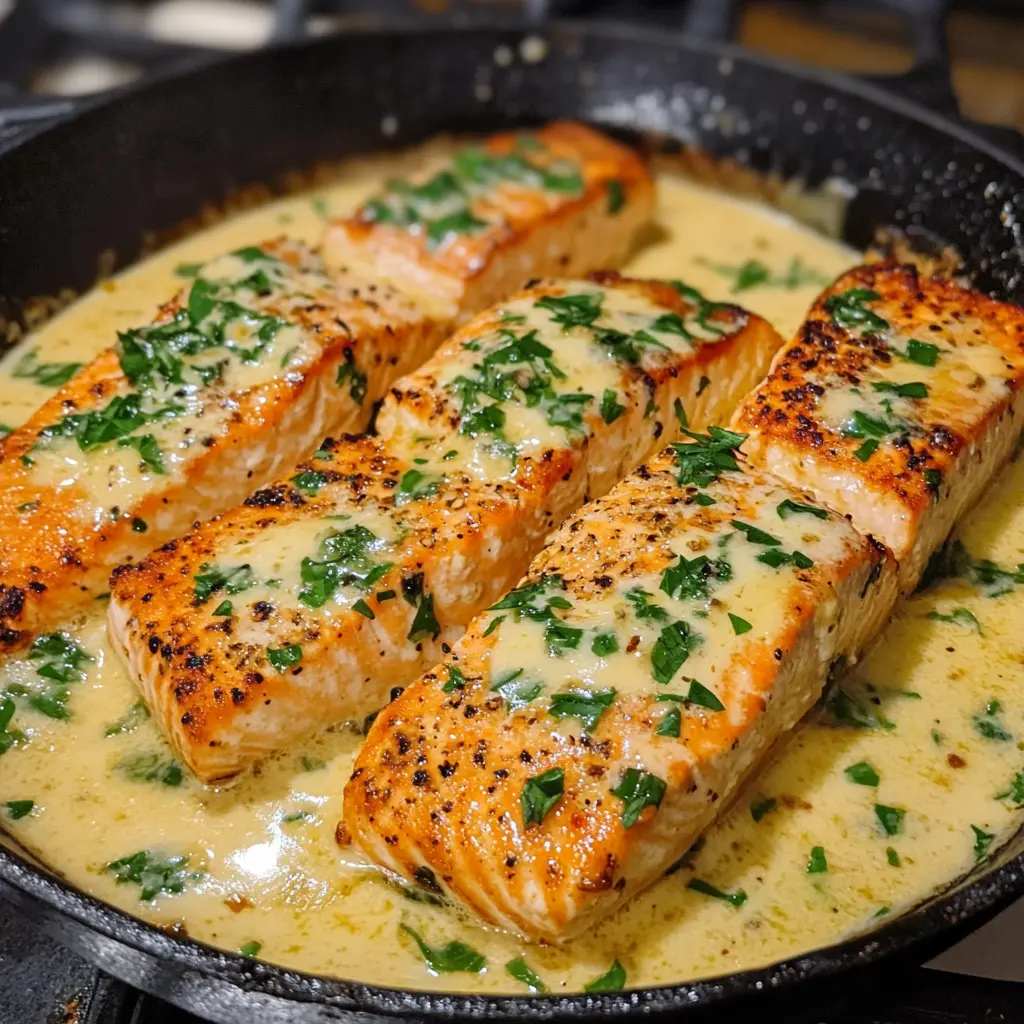
Creamy Garlic Butter Tuscan Salmon is a one-pan dish that brings restaurant quality to your kitchen in under 30 minutes. This impressive recipe features perfectly pan-seared salmon fillets bathed in a rich, velvety sauce made with heavy cream, garlic, butter, Parmesan cheese, sun-dried tomatoes, and fresh spinach. The combination creates a luxurious meal that looks sophisticated but remains surprisingly simple to prepare.
The dish takes inspiration from Tuscan cuisine, known for its bold flavors and quality ingredients. Moreover, the creamy sauce complements the natural richness of salmon without overpowering its delicate taste. Additionally, the sun-dried tomatoes add a sweet, tangy depth while spinach provides color and nutrition.
Why This Recipe Works
This Creamy Garlic Butter Tuscan Salmon recipe succeeds because it balances multiple cooking techniques in one skillet. The salmon gets seared first, creating a crispy exterior that locks in moisture. Furthermore, removing the fish while preparing the sauce prevents overcooking, ensuring tender, flaky results every time.
The cream sauce develops complex flavors through a careful layering process. First, garlic infuses butter with aromatic depth. Then, sun-dried tomatoes release their concentrated flavors into the mixture. Finally, heavy cream binds everything together while Parmesan cheese adds nutty, salty notes that elevate the entire dish.
The one-pan approach means less cleanup and more efficient cooking. Additionally, the technique allows the salmon to absorb sauce flavors when returned to the skillet. This integration creates a cohesive dish rather than separate components on a plate.
Health Benefits of Salmon
Omega-3 Fatty Acids for Heart Health
Salmon provides exceptional nutritional value, particularly through its omega-3 fatty acid content. These essential fats include eicosapentaenoic acid (EPA) and docosahexaenoic acid (DHA), which support cardiovascular function. Research consistently shows that regular salmon consumption may reduce triglyceride levels while increasing HDL cholesterol, the beneficial type that protects your heart.
The American Heart Association recommends eating fatty fish like salmon at least twice weekly. Additionally, omega-3s may help lower blood pressure slightly and reduce the risk of irregular heartbeats. Studies have demonstrated that omega-3 fatty acids can lower major cardiovascular event risk by up to 19% in certain populations.
Protein and Essential Nutrients
A typical serving of Tuscan salmon delivers approximately 71 grams of high-quality protein, making it excellent for muscle maintenance and growth. Furthermore, salmon contains vital minerals including selenium, which fulfills 75-85% of your daily requirement in just 100 grams. This mineral supports thyroid function and provides antioxidant protection against cellular damage.
Salmon also supplies substantial amounts of potassium, phosphorus, magnesium, and B vitamins. Vitamin B12, in particular, reaches 455% of the daily value in one serving. Additionally, these nutrients support brain function, bone health, and energy metabolism throughout your body.
Skin and Immune Support
The nutrient profile in salmon contributes to improved skin texture and appearance. The omega-3 fats help maintain skin elasticity and hydration from within. Moreover, selenium and vitamins in salmon support immune system function. This combination helps protect your body from oxidative stress while maintaining healthy cellular processes.
Essential Ingredients Breakdown
Salmon Fillets
Choose fresh, high-quality salmon fillets weighing 5-6 ounces each for this recipe. Wild-caught or farm-raised options both work well, though each offers slightly different flavor profiles. The fillets should have bright color and firm texture without any fishy smell. Additionally, you can leave the skin on or remove it based on personal preference.
Garlic and Butter
Fresh garlic provides the aromatic foundation for the sauce, with 3-5 cloves delivering optimal flavor without overwhelming the dish. Mincing the garlic finely ensures even distribution throughout the cream sauce. Unsalted butter combines with olive oil for searing, creating a rich base that prevents burning.
Heavy Cream and Parmesan
Heavy cream creates the luscious texture that defines this dish, though half-and-half can substitute for a lighter version. The cream thickens as it simmers, coating the salmon beautifully. Freshly grated Parmesan cheese melts smoothly into the sauce, adding depth and saltiness that complements other ingredients.
Sun-Dried Tomatoes
Sun-dried tomatoes packed in oil deliver concentrated, sweet-tart flavor that brightens the rich cream sauce. Drain them well before chopping to prevent excess oil in your dish. These tomatoes provide a chewy texture contrast and vibrant color against the creamy backdrop.
Fresh Spinach
Baby spinach leaves wilt quickly into the sauce, adding nutrients, color, and mild flavor. Fresh spinach works best; frozen varieties release too much water and can dilute the sauce. The greens also contribute iron, vitamins A and K, and fiber to your meal.
Seasonings
Basic seasonings include salt, black pepper, garlic powder, and paprika for the salmon. These simple spices enhance natural fish flavors without competing with the sauce. Additionally, some recipes incorporate Italian seasoning or crushed red pepper flakes for extra complexity.
Step-by-Step Cooking Instructions
Preparing the Salmon
Start by patting salmon fillets completely dry with paper towels, as moisture prevents proper searing. Season both sides generously with garlic powder, paprika, salt, and black pepper. Let the seasoned salmon rest at room temperature for 10-15 minutes, allowing the spices to adhere and the fish to cook more evenly.
Searing the Salmon
Heat a large skillet over medium-high heat for 2-3 minutes until thoroughly preheated. Add olive oil and swirl to coat the pan surface. Place salmon fillets skin-side down (if skin remains) about one inch apart. Cook without moving for 4 minutes, allowing a golden crust to form.
Carefully flip each fillet using a wide spatula. Reduce heat to medium and cook for another 4-5 minutes until the salmon reaches 145°F internally. The fish should flake easily with a fork when done. Remove salmon to a plate and cover loosely with foil.
Creating the Cream Sauce
Using the same skillet, add butter over medium heat and let it melt completely. Add minced garlic and cook for approximately 1 minute, stirring constantly to prevent burning. The garlic should become fragrant but not brown.
Add chicken broth to deglaze the pan, scraping up any flavorful bits stuck to the bottom. The broth will create steam and sizzle dramatically—this is normal and desirable. Stir in chopped sun-dried tomatoes and cook for 1-2 minutes to release their oils.
Building Flavor Layers
Pour heavy cream into the skillet and stir well to combine all ingredients. Reduce heat to low and bring the mixture to a gentle simmer, stirring occasionally. Season the sauce with salt and pepper to taste.
Add fresh spinach leaves in batches, allowing each handful to wilt before adding more. Stir in freshly grated Parmesan cheese and continue simmering until the cheese melts completely. The sauce should thicken slightly and become glossy.
Finishing the Dish
Return the seared salmon fillets to the skillet, nestling them into the creamy sauce. Spoon sauce over the top of each fillet to coat. Let everything heat through for 2-3 minutes on low heat. Garnish with fresh parsley if desired and serve immediately.
Pro Tips for Perfect Results
Temperature Control
Managing heat throughout cooking determines your success with this dish. Start with high heat for searing, then reduce to medium for finishing the salmon. Additionally, keep the sauce at a gentle simmer rather than a rolling boil to prevent cream from separating.
Avoid Overcooking
Salmon continues cooking from residual heat even after removing it from the pan. Therefore, slightly undercook the fillets before removing them initially. They’ll finish cooking perfectly when returned to the warm sauce.
Sauce Consistency
If your sauce seems too thin, let it simmer a bit longer to reduce and thicken. Conversely, if it becomes too thick, add small amounts of chicken broth or reserved pasta water to loosen it. The ideal consistency should coat the back of a spoon without running off immediately.
Ingredient Quality
Fresh ingredients make a noticeable difference in this recipe. Use real Parmesan cheese rather than pre-grated versions, which contain anti-caking agents that prevent smooth melting. Similarly, fresh garlic provides more robust flavor than pre-minced jarred versions.
Timing Coordination
Prepare all ingredients before you start cooking, as this dish comes together quickly once you begin. Have your cream measured, garlic minced, and spinach washed and ready. This preparation prevents scrambling mid-recipe and ensures smooth execution.
Serving Suggestions
Classic Pairings
Serve Creamy Garlic Butter Tuscan Salmon over pasta, rice, or cauliflower rice for a complete meal. Linguine, fettuccine, or penne work particularly well, absorbing the creamy sauce beautifully. Additionally, the dish pairs excellently with crusty bread for soaking up every drop of sauce.
Vegetable Sides
Steamed vegetables provide a lighter accompaniment that balances the rich sauce. Consider asparagus, green beans, or broccoli. Roasted vegetables like Brussels sprouts or carrots also complement the dish well. Furthermore, a simple arugula or mixed green salad with lemon vinaigrette cuts through the creaminess.
Grain Options
Beyond traditional pasta, consider serving the salmon over quinoa, couscous, or wild rice. These grains add texture and nutritional variety while soaking up the flavorful sauce. Mashed potatoes or polenta also create satisfying bases for this dish.
Storage and Meal Prep
Refrigerator Storage
Store leftover Creamy Garlic Butter Tuscan Salmon in an airtight container in the refrigerator for up to 3 days. Keep the salmon and sauce together to prevent the fish from drying out. Allow the dish to cool to room temperature before sealing and refrigerating.
Reheating Instructions
Reheat gently over low heat in a skillet, adding a splash of cream or broth to refresh the sauce. Alternatively, microwave individual portions at 50% power in 30-second intervals, stirring between each. Avoid high heat, which can overcook the salmon and make it tough.
Make-Ahead Options
You can prepare the sauce components in advance, storing chopped ingredients separately in the refrigerator. However, cook the salmon fresh for best texture and flavor. The sauce can be made ahead and gently reheated while you sear fresh fillets.
Freezing Considerations
Cream-based sauces generally don’t freeze well, as they tend to separate upon thawing. If you must freeze, do so for no longer than 1 month. Thaw overnight in the refrigerator and reheat gently, whisking vigorously to recombine any separated ingredients.
Recipe Variations
Protein Substitutions
While salmon shines in this recipe, you can substitute other proteins successfully. Chicken breast cutlets work beautifully with the Tuscan sauce, as do shrimp or white fish like cod or halibut. Adjust cooking times accordingly based on the protein you choose.
Dairy Modifications
For a lighter version, substitute half-and-half or even whole milk for heavy cream, though the sauce will be thinner. You can also use Greek yogurt or crème fraîche for tanginess. Additionally, nutritional yeast can replace some Parmesan for those avoiding dairy.
Vegetable Additions
Beyond spinach, consider adding mushrooms, artichoke hearts, or roasted red peppers to the sauce. Cherry tomatoes provide fresh bursts of acidity when halved and added with sun-dried tomatoes. Kale or Swiss chard can substitute for spinach if you prefer heartier greens.
Spice Adjustments
Customize heat levels by adding crushed red pepper flakes, cayenne, or fresh chili peppers. Italian seasoning or herbs de Provence add Mediterranean flair. Fresh basil, thyme, or oregano stirred in at the end provide bright, herbaceous notes.
Common Mistakes to Avoid
Overcrowding the Pan
Placing salmon fillets too close together prevents proper browning and creates steam instead of a sear. Leave at least one inch between fillets and cook in batches if necessary. This space allows heat to circulate and creates that desirable crispy exterior.
Moving the Fish Too Soon
Resist the urge to flip or move salmon before the proper time has elapsed. The fish will naturally release from the pan when a proper crust forms. Premature flipping can tear the flesh and prevent even cooking.
Boiling the Cream
High heat causes cream sauces to break or separate, resulting in an unappetizing appearance and grainy texture. Always maintain gentle heat once you add cream. Patience during simmering produces smooth, luxurious results.
Skipping the Resting Period
Letting cooked salmon rest for a few minutes before serving allows juices to redistribute throughout the flesh. Cutting immediately causes those flavorful juices to run out onto the plate. Therefore, cover loosely with foil and wait 2-3 minutes.
Using Cold Ingredients
Adding cold cream directly to a hot pan can cause temperature shock and sauce separation. Let cream sit at room temperature for 15-20 minutes before cooking. Similarly, room-temperature salmon cooks more evenly than refrigerator-cold fillets.
Frequently Asked Questions
What is Creamy Garlic Butter Tuscan Salmon made of?
Creamy Garlic Butter Tuscan Salmon consists of pan-seared salmon fillets served in a rich sauce made from heavy cream, butter, garlic, Parmesan cheese, sun-dried tomatoes, and fresh spinach. The dish combines Italian-inspired flavors with restaurant-quality presentation in a simple one-pan preparation.
Can I use frozen salmon for this recipe?
Yes, but thaw it completely first for best results. Pat thawed fillets thoroughly dry before seasoning and cooking. Excess moisture from frozen fish prevents proper browning and can make the exterior soggy rather than crispy.
How do I know when salmon is fully cooked?
Salmon reaches safe doneness at 145°F internal temperature. The flesh should be opaque throughout and flake easily when tested with a fork. Additionally, the center should appear slightly translucent but not raw.
Can I make this dish dairy-free?
Substituting dairy products significantly changes the dish’s character, but coconut cream can replace heavy cream. Use nutritional yeast instead of Parmesan and olive oil in place of butter. The flavor profile will differ but can still be delicious.
What can I serve with Creamy Garlic Butter Tuscan Salmon?
This dish pairs beautifully with pasta, rice, mashed potatoes, or crusty bread. Light vegetable sides like steamed asparagus or a fresh salad balance the richness. Alternatively, serve over cauliflower rice for a lower-carb option.
How long does leftover salmon last in the refrigerator?
Properly stored in an airtight container, leftover Creamy Garlic Butter Tuscan Salmon keeps for 3 days in the refrigerator. Reheat gently to prevent overcooking the fish. The sauce may thicken, so add a splash of cream or broth when reheating.
Can I use chicken instead of salmon?
Absolutely—chicken breasts or thighs work excellently with this Tuscan-style sauce. Pound chicken breasts to even thickness for uniform cooking. Adjust cooking time as chicken requires longer than salmon to reach safe internal temperature.
Conclusion
Creamy Garlic Butter Tuscan Salmon transforms simple ingredients into an extraordinary meal that rivals any restaurant offering. The combination of perfectly seared salmon with a luxurious cream sauce creates a dish that’s both impressive and accessible. Furthermore, the one-pan method streamlines preparation and cleanup while delivering maximum flavor.
This recipe provides not only delicious taste but also significant nutritional benefits from salmon’s omega-3 fatty acids, high-quality protein, and essential vitamins. The addition of spinach and sun-dried tomatoes contributes extra nutrients and Mediterranean flair. Whether you’re cooking for a special occasion or an elevated weeknight dinner, Creamy Garlic Butter Tuscan Salmon delivers satisfaction every time.
Print
Creamy Garlic Butter Tuscan Salmon
Description
Creamy Garlic Butter Tuscan Salmon
Ingredients
-
4 salmon fillets (about 6 oz each)
-
Salt and black pepper, to taste
-
2 tbsp olive oil
-
2 tbsp butter
-
5 cloves garlic, minced
-
1 cup heavy cream
-
½ cup chicken broth
-
½ cup grated Parmesan cheese
-
1 tsp Italian seasoning
-
1 cup cherry tomatoes, halved
-
2 cups fresh spinach
-
¼ cup chopped sun-dried tomatoes (optional)
-
Fresh parsley, for garnish
Instructions
-
Season salmon on both sides with salt and black pepper.
-
Heat olive oil in a large skillet over medium-high heat. Sear salmon fillets flesh side down for 4–5 minutes, then flip and cook another 3–4 minutes until golden and cooked through. Remove and set aside.
-
In the same skillet, melt butter. Add garlic and sauté for about 30 seconds until fragrant.
-
Pour in heavy cream, chicken broth, and Parmesan cheese. Stir and simmer until the sauce slightly thickens.
-
Add Italian seasoning, sun-dried tomatoes (if using), cherry tomatoes, and spinach. Cook until spinach wilts and tomatoes soften.
-
Return salmon to the skillet, spooning the creamy sauce over the top. Simmer 2–3 minutes to heat through.
-
Garnish with fresh parsley and serve warm over rice, pasta, or mashed potatoes.