
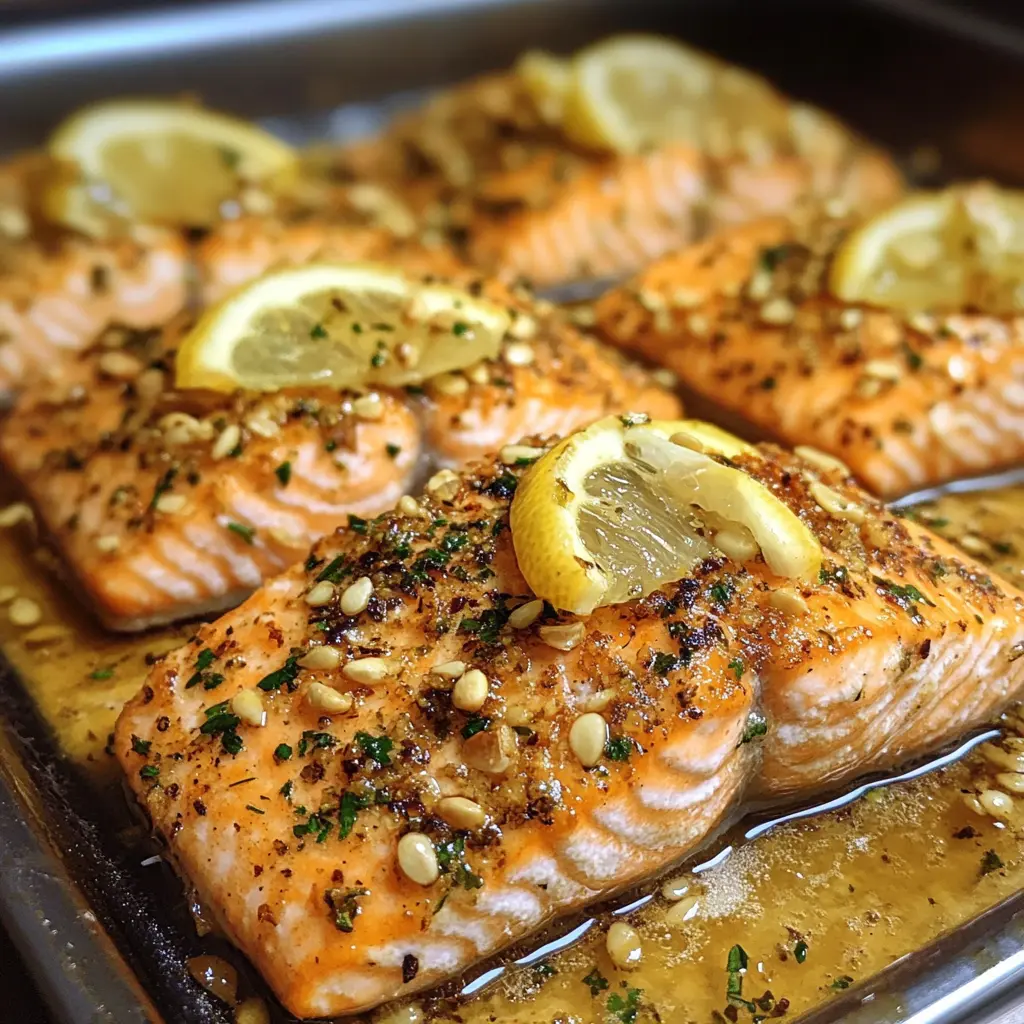
Crispy Lemon Herb Garlic Salmon Fillets: A Complete Guide to Perfect Pan-Seared Fish
Introduction
Preparing crispy lemon herb garlic salmon fillets at home rivals any upscale restaurant experience. This elegant dish delivers restaurant-quality results in under 20 minutes using simple, accessible ingredients. The magic happens when you master the techniques for creating a golden, crunchy exterior while maintaining tender, moist fish inside.
Home cooks often hesitate when preparing salmon. Fear of overcooking or failing to achieve that coveted crispy skin holds many people back. This comprehensive guide reveals professional secrets that transform your kitchen into a culinary destination.
Crispy lemon herb garlic salmon fillets perfectly balance bright citrus, aromatic herbs, and pungent garlic flavors. The combination creates depth without overwhelming the delicate fish taste. These fillets work beautifully for weeknight family dinners or impressive entertaining scenarios.
This recipe suits various dietary approaches including keto, paleo, and Mediterranean diets. The straightforward preparation requires no special culinary skills or expensive equipment. Professional results emerge consistently once you understand the fundamental cooking principles involved.
Why Choose Salmon for Your Dinner
Salmon stands as one of the most versatile and rewarding fish to cook at home. The natural fat content keeps fillets moist even if cooking times aren’t perfectly precise. This forgiving nature makes salmon ideal for both beginners and experienced cooks developing their skills.
Exceptional Flavor Profile
Fresh salmon possesses a naturally rich, satisfying taste requiring minimal enhancement. The fat-to-protein ratio creates impressive depth that simple seasonings like lemon, garlic, and fresh herbs amplify beautifully. When you cook crispy lemon herb garlic salmon fillets, the flavors complement rather than mask the fish’s natural appeal.
Nutritional Powerhouse
Salmon delivers remarkable nutritional benefits that support long-term health. A single serving provides substantial omega-3 fatty acids, heart-healthy unsaturated fats, and complete proteins. These nutrients work synergistically to support cardiovascular function, reduce inflammation, and support brain health throughout life.
Versatility in Cooking Methods
While this guide focuses on pan-searing, salmon adapts beautifully to various cooking techniques. Baking, grilling, poaching, and steaming all produce delicious results with salmon fillets. The resilient texture tolerates temperature variations better than many delicate white fish species.
Accessibility and Availability
Quality salmon appears year-round at most grocery stores in both fresh and frozen forms. Weekend meal planning becomes easier when salmon remains consistently available. Price points vary seasonally, allowing budget-conscious cooks to purchase during sales and freeze for later use.
Understanding Fish Cooking Fundamentals
The Science Behind Crispy Skin
The exterior of fish contains proteins that undergo transformation at specific temperatures. When heat reaches approximately 130°F (54°C), protein molecules unwind and begin bonding with each other in a process called denaturation. This process creates texture changes in fish tissue.
Crispy skin specifically requires direct heat contact with minimal moisture present. Water evaporates completely before the skin can crisp properly. This fundamental principle guides all successful salmon fillet preparation methods.
Moisture Management
Moisture represents the primary barrier to achieving crispy lemon herb garlic salmon fillets. Water on the surface creates steam between the pan and fish skin, preventing browning reactions. Professional chefs understand that thorough drying precedes all successful pan-searing.
The Maillard Reaction
This chemical transformation occurs when proteins and sugars combine under high heat, creating complex flavor compounds and browning. The golden-brown coloring you see on crispy salmon indicates the Maillard reaction occurring successfully. This reaction generates hundreds of new flavor compounds that enhance the overall dish.
Heat Management Principles
Proper temperature control throughout cooking produces consistent, excellent results. An insufficiently hot pan creates steamed rather than seared fish. Excessive heat can burn the outside while leaving the inside undercooked.
Complete Ingredient List for Salmon Fillets
Primary Fish Ingredients
-
4 salmon fillets with skin intact (6 ounces each)
-
High-heat cooking oil (avocado, grapeseed, or refined coconut oil), 2 tablespoons
-
Sea salt to taste
-
Freshly ground black pepper to taste
-
Garlic powder (optional), ½ teaspoon
Lemon Herb Garlic Butter Topping
-
Unsalted butter (grass-fed preferred), 4 tablespoons
-
Fresh garlic cloves minced finely, 6 cloves
-
Fresh lemon zest, 2 lemons’ worth
-
Fresh lemon juice, approximately 4 tablespoons (2 lemons)
-
Fresh parsley chopped, 2 tablespoons
-
Fresh dill chopped, 1 tablespoon
-
Fresh thyme leaves, 1 teaspoon
-
Red pepper flakes (optional), ¼ teaspoon
Optional Finishing Touches
-
Fresh lemon slices for garnish
-
Additional fresh herbs for presentation
-
Fleur de sel (fancy sea salt) for final garnish
Essential Equipment and Tools
Cooking Vessels
A large stainless steel skillet or cast-iron pan works best for pan-searing crispy lemon herb garlic salmon fillets. These materials conduct heat evenly and retain temperature well. Avoid non-stick pans, which don’t develop the same browning capabilities as traditional cookware.
The skillet should measure at least 12 inches in diameter to accommodate four fillets comfortably. Crowding the pan reduces surface contact and prevents proper crisping. Adequate space allows heat circulation around each fillet.
Preparation Tools
Sharp knives make mincing garlic and zesting lemons quick and efficient. A microplane or box grater specifically designed for zesting extracts oils while minimizing bitter white pith. Quality preparation tools enhance the final dish quality significantly.
Cooking Implements
A fish spatula features a thin, wide design perfect for flipping delicate salmon without breaking flesh. Regular spatulas often damage salmon during flipping. Fish spatulas cost only a few dollars and dramatically improve cooking success rates.
Paper towels serve critical roles in moisture removal before cooking. Pat salmon thoroughly multiple times with fresh towels. This single step often determines whether you achieve crispy skin or steam-cooked results.
Temperature Monitoring
A meat thermometer eliminates guesswork about doneness. Insert the thermometer into the thickest part of the fillet. The fish reaches safe consumption temperature at 145°F (63°C) internally.
Measuring and Mixing
Standard measuring spoons and cups ensure consistent ingredient proportions. A small bowl holds herbs and zest before adding to the pan. Proper measurement prevents over-seasoning or under-flavoring your dish.
Detailed Step-by-Step Cooking Instructions
Preparation Phase (5 minutes)
Remove salmon fillets from refrigeration approximately 10 minutes before cooking. Room-temperature fish cooks more evenly than cold-from-the-fridge fillets. Uneven starting temperatures create inconsistent results throughout the cooking process.
Pat each fillet completely dry using fresh paper towels. Moisture prevents crispy skin formation and should be removed thoroughly. Repeat drying multiple times until no water remains visible on the surface.
Season both sides generously with sea salt, black pepper, and garlic powder if using. Allow seasoning to rest for 5 minutes before cooking. This resting period allows salt to penetrate the fish tissue, enhancing flavor throughout the fillet.
Prepare your herb butter topping by mincing garlic into uniform small pieces. Uniform mincing ensures even cooking and consistent flavor distribution. Gather fresh herbs and keep them separate for easy addition during cooking.
Pan Preparation (3-4 minutes)
Place your large skillet on the stovetop over medium-high heat. Allow the pan to preheat for 3-4 minutes until it reaches proper temperature. You’ll notice the pan beginning to shimmer and any residual moisture evaporating completely.
Add your high-heat oil to the hot pan. Avocado oil and grapeseed oil work particularly well for pan-searing crispy lemon herb garlic salmon fillets. These oils have smoke points above 400°F (200°C), supporting the high heat required.
Watch as the oil shimmers and moves easily across the pan surface. When you can see the oil shimmer visibly across the entire pan bottom, your heat is appropriate. This visual cue indicates readiness to add the salmon.
Initial Searing (4-5 minutes)
Place salmon fillets skin-side down in the hot oil using a fish spatula. You should hear an immediate, vigorous sizzle. This sound indicates proper heat and the beginning of the Maillard reaction that creates the crispy exterior.
Resist all urges to move, nudge, or flip the fillets. The skin needs uninterrupted contact with the hot pan to crisp properly. Fiddling with the salmon prevents proper browning and causes the skin to stick.
Allow the salmon to cook undisturbed for 4-5 minutes. You should notice the edges beginning to turn opaque as heat penetrates the fish. The skin begins releasing from the pan naturally as it crisps, signaling readiness to flip.
Test readiness by gently trying to lift one fillet corner with your fish spatula. The skin should release smoothly from the pan surface. If resistance remains, wait another 30-60 seconds before attempting to flip again.
Flipping and Finishing (3-4 minutes)
Flip the fillets carefully using your fish spatula, supporting the fish firmly. Use one smooth, confident motion to prevent the fillet from breaking. The skin should remain intact and beautifully browned after flipping.
Reduce heat to medium after flipping. The flesh side needs gentler heat to cook through without toughening. Cook the flesh side for 2-3 minutes only.
At this point, add unsalted butter to the pan. The butter will foam and gradually brown, creating a rich, nutty aroma. This browning process develops complex flavors that enhance crispy lemon herb garlic salmon fillets significantly.
Building Flavors (1-2 minutes)
Immediately add minced garlic to the browning butter. Stir constantly for approximately 30 seconds to prevent burning. Garlic burns quickly and becomes bitter, so constant movement prevents this disaster.
Pour lemon juice carefully into the pan. The liquid may splatter or steam slightly as it contacts the hot pan. Stir gently to incorporate the lemon juice into the butter mixture.
Add lemon zest and all fresh herbs directly to the pan. The herbs will infuse the butter mixture, creating a fragrant, flavorful topping. Cook for another 30 seconds to warm the herbs through.
Finishing Presentation (30 seconds)
Spoon the garlic herb butter mixture over each salmon fillet multiple times. This basting technique keeps the surface moist while infusing flavors throughout. The butter mixture creates a glossy, appetizing appearance.
Transfer the fillets to serving plates using your fish spatula, supporting them fully. Pour any remaining pan sauce over the crispy lemon herb garlic salmon fillets for added flavor and moisture.
Garnish with fresh lemon slices, additional herbs, and a pinch of fleur de sel if desired. Serve immediately while the fillets remain warm and the butter maintains its rich consistency.
Professional Secrets for Achieving Perfection
The Ultimate Drying Technique
Professional chefs often salt salmon fillets 30 minutes before cooking. This draw-out moisture technique requires placing fillets on a wire rack set over a baking sheet. Salt draws moisture from the fish tissue, which drips onto the sheet below. After 30 minutes, pat the fillets completely dry and proceed with cooking.
This advance technique ensures maximum crispiness. Home cooks with less time can still achieve excellent results using immediate, thorough drying with paper towels. The level of advance preparation determines your crispiness outcome.
Temperature Precision
Investing in a reliable instant-read meat thermometer eliminates all guesswork. Insert the thermometer horizontally into the thickest part of your salmon fillet. The fish reaches optimal doneness at 145°F (63°C) for food safety purposes.
Many cooks remove their fish slightly before reaching this temperature due to carryover cooking. Heat continues spreading through the fish after removal from the pan. Removing at 140°F (60°C) and allowing 5 minutes of rest cooking produces perfectly moist results.
Oil Selection Matters
Choosing the correct cooking oil significantly impacts results. Oils with high smoke points prevent breaking down and smoking excessively at high temperatures. Avocado oil, grapeseed oil, and refined coconut oil all reach appropriate temperatures reliably.
Avoid olive oil, which has a lower smoke point and burns at the temperatures required for crispy lemon herb garlic salmon fillets. Extra virgin olive oil works beautifully for finishing dishes but not for high-heat cooking.
The Flip Technique
The single flip method produces superior results compared to flipping repeatedly. Flipping once allows even cooking without disrupting the developing crust. Each additional flip risks damaging the delicate skin or preventing proper browning.
Use a firm, confident motion when flipping. Hesitation or uncertainty often results in broken fillets. Your fish spatula should slide completely under the fillet before lifting. Support the entire fillet during the flip to prevent breakage.
Butter Basting Benefits
The professional technique of basting salmon with foaming butter creates incomparable moisture and flavor. As butter browns, its flavor deepens considerably. This browning process creates nutty, complex taste notes that elevate the entire dish.
Basting repeatedly ensures even heat distribution and consistent results. The butter coating protects the delicate flesh from drying out during the final cooking minutes. This technique separates home-cooked results from restaurant-quality crispy lemon herb garlic salmon fillets.
Flavor Variations and Creative Adaptations
Asian-Inspired Crispy Salmon Fillets
Replace fresh dill with fresh cilantro for an Asian interpretation. Substitute lime juice for lemon juice throughout the recipe. Add minced fresh ginger (1 tablespoon) to the butter mixture.
Finish with a light drizzle of sesame oil and toasted sesame seeds. Green onions replace parsley as the primary herb garnish. This variation celebrates flavors popular throughout Asian cuisines.
Mediterranean Herb Version
Include sun-dried tomatoes (2 tablespoons chopped) in your herb mixture. Add dried oregano (½ teaspoon) and dried basil (¼ teaspoon) along with fresh herbs. Finish with crumbled feta cheese and Kalamata olives.
This Mediterranean twist incorporates classic Greek and Italian flavors. The combination creates a more complex, sophisticated taste profile. The salty cheese and olives balance the bright lemon notes beautifully.
Cajun-Style Crispy Fillets
Create a Cajun version by replacing delicate fresh herbs with Cajun seasoning blend (1 tablespoon). Add smoked paprika (½ teaspoon) and cayenne pepper (¼ teaspoon) to the initial seasoning. Include minced bell peppers and onions in the butter mixture.
This variation creates bolder, spicier crispy salmon fillets with Deep South character. The smoky notes complement salmon’s natural richness. Serve alongside traditional Southern sides like creamy grits or dirty rice.
Italian Herb Garden Version
Focus on Italian herbs by using fresh basil, oregano, and marjoram in place of dill and thyme. Add sun-dried tomato paste (1 tablespoon) to the butter for depth. Include crushed red pepper (¼ teaspoon) for gentle heat.
Finish with grated Pecorino Romano cheese and toasted pine nuts. This version celebrates Mediterranean flavors while maintaining the signature crispy lemon herb garlic salmon fillet preparation.
Spicy Heat Variation
Increase red pepper flakes to ½ teaspoon or more based on heat preferences. Add cayenne pepper (⅛ teaspoon) to the initial seasoning blend. Include minced fresh jalapeños (1 tablespoon) in the herb butter mixture.
Finish with a drizzle of hot sauce or sriracha for additional heat and complex spice flavors. This variation appeals to those who enjoy significant spice in their dishes while maintaining salmon’s delicate character.
Nutritional Benefits and Health Information
Omega-3 Fatty Acids and Heart Health
Salmon ranks among the richest dietary sources of omega-3 fatty acids, specifically EPA and DHA. These essential nutrients support cardiovascular function by reducing triglycerides and improving cholesterol balance. A single 6-ounce serving of salmon provides approximately 1500 mg of combined EPA and DHA.
Regular consumption of crispy lemon herb garlic salmon fillets contributes meaningfully to heart disease prevention. The American Heart Association recommends eating fatty fish twice weekly. These recommendations specifically highlight salmon as an optimal choice for meeting omega-3 requirements.
High-Quality Protein Content
Each crispy lemon herb garlic salmon fillet provides 35-40 grams of complete protein. Complete proteins contain all nine essential amino acids required for human health. Salmon protein supports muscle maintenance, recovery after exercise, and tissue repair throughout the body.
The protein in salmon digests efficiently, making it particularly useful after workouts. Athletes and active individuals benefit greatly from regular salmon consumption. The amino acid profile supports performance and recovery simultaneously.
Vitamin D and Bone Health
Salmon provides exceptional amounts of vitamin D, a nutrient many people consume inadequately. A 3-ounce serving delivers approximately 450 IU of vitamin D. Vitamin D supports calcium absorption, promoting strong bones and teeth throughout life.
This fat-soluble vitamin also supports immune function and mood regulation. Vitamin D deficiency affects millions of people worldwide. Including crispy lemon herb garlic salmon fillets in regular meal planning helps prevent deficiency-related health problems.
B Vitamins and Energy Metabolism
Salmon contains substantial amounts of B vitamins including B6, B12, and niacin. These vitamins participate in energy metabolism, converting food into usable fuel. B vitamins support nervous system function and mental clarity.
Vitamin B12 appears primarily in animal products, making salmon an important source for those avoiding other animal foods. The combination of B vitamins in salmon supports overall metabolic health and energy production.
Selenium and Antioxidant Protection
This essential mineral appears abundantly in salmon, serving critical roles in thyroid function. Selenium works as an antioxidant, protecting cells from oxidative damage caused by free radicals. A single salmon fillet provides approximately 50% of daily selenium requirements.
The antioxidant properties of selenium may reduce inflammation and support immune function. Combined with other nutrients in salmon, selenium contributes to comprehensive health support.
Storage Methods and Food Safety
Refrigerator Storage Guidelines
Cooked crispy lemon herb garlic salmon fillets keep safely refrigerated for 3-4 days. Store them in an airtight container on the bottom shelf away from other foods. Position raw foods above cooked items to prevent cross-contamination.
Place parchment paper between layers to prevent sticking during storage. This simple step prevents fillets from adhering together, making reheating easier. Label your container with the storage date for easy tracking.
Freezing Cooked Salmon
Cooked salmon freezes successfully for 2-3 months without significant quality loss. Wrap each fillet individually in plastic wrap before freezing. Place wrapped fillets in a freezer bag, removing as much air as possible before sealing.
Label your freezer bag with the dish name and storage date. This practice prevents mystery meals and ensures proper rotation. Frozen salmon maintains better quality when used within the first month.
Raw Salmon Storage
Purchase salmon as close to your cooking date as possible. Store raw fillets on the bottom shelf of your refrigerator in their original packaging. Use raw salmon within 1-2 days of purchase for optimal freshness.
Smell your salmon before cooking. Fresh salmon should have a clean ocean scent. Any strong fishy odors indicate deterioration and mean the salmon should be discarded.
Freezing Raw Salmon
Freeze raw salmon the same day you purchase it for best results. Wrap each fillet individually in plastic wrap, then place in a freezer bag. Frozen raw salmon keeps safely for 2-3 months.
Thaw frozen salmon in the refrigerator overnight before cooking. Never thaw at room temperature due to food safety concerns. Thawed salmon should be cooked within 24 hours of complete thawing.
Reheating Cooked Salmon
Gently reheat cooked crispy lemon herb garlic salmon fillets in a 350°F (175°C) oven for 8-10 minutes. Cover the baking dish with foil to prevent drying. The salmon should reach 165°F (74°C) internally before serving.
Avoid reheating in the microwave, which dries out delicate fish flesh. The oven method preserves the salmon’s texture and prevents overcooking. Low, slow reheating maintains quality better than high-heat methods.
Perfect Side Dish Pairings
Light Vegetable Selections
Roasted asparagus complements crispy lemon herb garlic salmon fillets beautifully. Toss fresh asparagus with olive oil, salt, and pepper, then roast at 400°F (200°C) for 15 minutes. The mild vegetable allows salmon flavors to shine.
Green beans with garlic provide a lighter accompaniment requiring minimal preparation. Simply sauté trimmed green beans in butter with minced garlic. Sautéed spinach or kale offers nutrient density without overwhelming flavors.
Roasted cherry tomatoes add bright color, tartness, and visual appeal to your plate. Toss with olive oil and herbs, then roast at 400°F (200°C) for 15 minutes until slightly blistered. The acidity complements salmon’s richness perfectly.
Starch-Based Sides
Creamy mashed cauliflower provides a low-carb alternative to traditional mashed potatoes. Steam cauliflower until tender, then blend with butter and cream. This adaptation reduces carbohydrate content while maintaining comfort food satisfaction.
Jasmine rice perfectly absorbs the flavorful pan sauce from crispy lemon herb garlic salmon fillets. The delicate rice flavor complements without competing with salmon. A simple preparation with butter and herbs suffices.
Roasted fingerling potatoes provide hearty satisfaction with minimal preparation effort. Toss small potatoes with olive oil and rosemary, then roast until golden. The natural sweetness balances the bright lemon notes beautifully.
Grain-Based Options
Quinoa pilaf with fresh herbs creates an elegant, nutritious accompaniment. Toast quinoa lightly before cooking for enhanced nutty flavor. Include diced vegetables and fresh herbs for color and texture.
Farro risotto creates impressive visual presentation with creamy texture. The chewy grain texture contrasts beautifully with tender salmon. Prepare with vegetable broth and finish with Parmesan cheese.
Wild rice with mushrooms adds earthy undertones that balance bright lemon flavors. Sauté diced mushrooms in butter before combining with cooked wild rice. The umami flavors create satisfying depth.
Salad Accompaniments
Mixed greens with light vinaigrette provide refreshing contrast to rich salmon. The acidity and freshness prepare the palate between bites. Use lemon-based dressings to echo salmon’s primary flavors.
Arugula salad with shaved Parmesan works exceptionally well with crispy lemon herb garlic salmon fillets. The peppery greens and salty cheese create interesting flavor combinations. A simple lemon vinaigrette ties everything together harmoniously.
Mediterranean salads with cucumber, tomato, and red onion complement salmon beautifully. Include Kalamata olives and feta cheese for authentic Mediterranean character. This combination creates a complete, balanced meal.
Frequently Asked Questions
How do I know when salmon is cooked through properly?
Properly cooked salmon reaches an internal temperature of 145°F (63°C) at its thickest point. Insert a meat thermometer horizontally for accurate readings. The flesh should appear opaque and flake easily with a fork. Visual doneness includes a color change from translucent to completely opaque throughout.
Can I prepare crispy lemon herb garlic salmon fillets in the oven instead of pan-searing?
Absolutely, oven preparation works well, though skin won’t crisp as dramatically. Preheat your oven to 400°F (200°C). Place prepared fillets on a lined baking sheet with skin-side down. Bake for 12-15 minutes until the internal temperature reaches 145°F. The flavor remains excellent despite reduced skin crispiness.
What’s the best way to prevent the skin from sticking to my pan?
Ensure your skillet becomes very hot before adding salmon and oil. Use adequate oil and let it shimmer completely across the pan. Pat the salmon skin completely dry before placing it in the pan. Avoid moving the fillets around during the initial 4-5 minutes of cooking. These factors combine to prevent sticking.
Can I prepare crispy lemon herb garlic salmon fillets ahead of time?
Season raw fillets up to 2 hours ahead and store in the refrigerator covered with plastic wrap. Cooked salmon keeps refrigerated for 3-4 days in an airtight container. Reheat gently in a 350°F oven for 8-10 minutes. Prepare fresh herb topping just before serving for maximum flavor impact and freshness.
What fish can I substitute if salmon isn’t available?
Halibut, sea bass, and branzino respond beautifully to this cooking method. Mahi-mahi works wonderfully with lemon and garlic flavors. Cod offers a milder option for less adventurous palates. Adjust cooking times based on fillet thickness, checking that internal temperatures reach 145°F (63°C).
Is this recipe suitable for various dietary restrictions?
This recipe is naturally keto, paleo, and Mediterranean diet-friendly. Gluten-free diets present no issues with this preparation. For dairy-free versions, substitute butter with olive oil or coconut oil. The dish easily adapts to various nutritional preferences and dietary requirements.
How can I make crispy lemon herb garlic salmon fillets less expensive?
Purchase salmon when it goes on sale and freeze for later use. Frozen salmon fillets typically cost significantly less than fresh options. Check your store’s bulk sections for better pricing on premium fillets. Consider smaller fillets that cook just as well as larger ones.
What’s the difference between Atlantic and wild-caught salmon?
Wild-caught salmon has leaner meat and more pronounced flavor profiles. Atlantic salmon is fattier and milder in taste, adapting better to various cooking methods. Both types work excellently for crispy lemon herb garlic salmon fillets. Wild-caught salmon typically costs more but offers environmental sustainability advantages.
Conclusion and Final Thoughts
Crispy lemon herb garlic salmon fillets represent accessible elegance that home cooks can master easily. This recipe transforms simple ingredients into restaurant-quality results requiring under 20 minutes of active cooking time. The combination of zesty lemon, aromatic garlic, and fresh herbs creates unforgettable flavors that impress family and guests consistently.
The fundamental techniques underlying crispy lemon herb garlic salmon fillets success apply universally to fish cooking. Proper drying prevents moisture from interfering with crisping. Appropriate heat maintains the Maillard reaction creating the golden-brown exterior. Accurate timing prevents overcooking that toughens delicate fish flesh.
Master these key principles and prepare crispy lemon herb garlic salmon fillets that rival any restaurant preparation. The difference between mediocre results and exceptional salmon begins with attention to these fundamental details. Professional results emerge when you understand and apply these scientific principles consistently.
The nutritional benefits of salmon make crispy lemon herb garlic salmon fillets an intelligent choice for health-conscious meal planning. Omega-3 fatty acids, complete protein, vitamin D, and numerous minerals combine to support comprehensive wellness. Eating salmon twice weekly contributes meaningfully to cardiovascular health and overall vitality.
Transform your weeknight dinners and special occasion meals with this versatile recipe. Crispy lemon herb garlic salmon fillets adapt beautifully to varied side dishes and flavor profiles. The straightforward preparation requires no special culinary skills while delivering impressive, consistent results.
Start your journey to salmon mastery immediately. Gather your ingredients, follow the detailed step-by-step instructions, and prepare to amaze yourself and your guests. Your kitchen table deserves the satisfaction of perfectly prepared crispy lemon herb garlic salmon fillets prepared with confidence and care.
Try this recipe tonight and discover why crispy lemon herb garlic salmon fillets remain an eternal favorite among home cooks and professional chefs worldwide. Your culinary success awaits with this proven, reliable recipe.
Print
Crispy Lemon Herb Garlic Salmon Fillets
Description
Crispy Lemon Herb Garlic Salmon Fillets
Ingredients
-
4 salmon fillets (about 6 oz each)
-
Salt and black pepper, to taste
-
2 tbsp olive oil
-
2 tbsp butter
-
4 cloves garlic, minced
-
1 tbsp lemon zest
-
3 tbsp lemon juice
-
1 tsp Italian seasoning
-
1 tbsp chopped fresh parsley
-
Lemon slices, for garnish
Instructions
-
Pat salmon dry with paper towels and season both sides with salt and black pepper.
-
Heat olive oil in a large skillet over medium-high heat.
-
Place salmon fillets skin-side up and sear for 4–5 minutes until golden and crispy. Flip and cook another 3–4 minutes, or until cooked through. Remove and set aside.
-
In the same skillet, reduce heat to medium and melt butter. Add garlic and sauté for about 30 seconds until fragrant.
-
Stir in lemon zest, lemon juice, and Italian seasoning. Simmer briefly, scraping up any browned bits from the pan.
-
Return salmon to the skillet and spoon the lemon-garlic butter sauce over the top.
-
Garnish with chopped parsley and lemon slices before serving.