
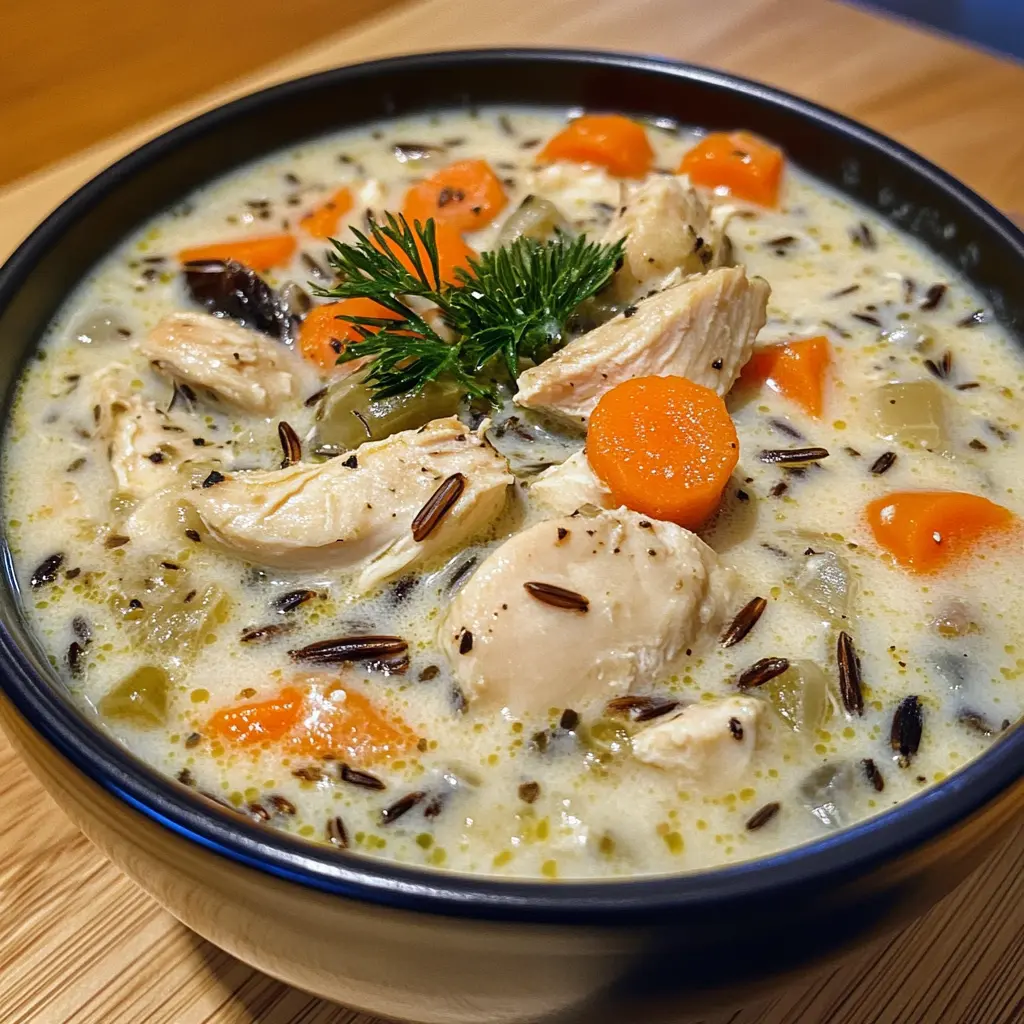
Creamy Chicken and Wild Rice Soup: The Ultimate Comfort Food Guide
Introduction
Nothing warms the soul quite like a steaming bowl of creamy chicken and wild rice soup. This hearty dish combines tender chicken pieces, nutty wild rice, fresh vegetables, and a silky broth that hugs you from the inside out. Moreover, this soup delivers incredible nutritional value while satisfying even the heartiest appetites. Whether you’re battling a cold, feeding a hungry family, or simply craving comfort food, this recipe delivers on every level.
What Makes This Soup So Special
Creamy chicken and wild rice soup stands out from other comfort foods for several compelling reasons. First, it provides a complete meal in one bowl. Additionally, the combination of textures creates an eating experience that delights with every spoonful.
The wild rice adds a distinctive nutty flavor and pleasant chewiness that regular white rice cannot match. Furthermore, chicken provides lean protein that keeps you satisfied for hours. The creamy base brings everything together without overwhelming the natural flavors of the ingredients.
This soup has earned its place as a beloved American classic. Many families pass down their own versions through generations. The dish adapts beautifully to personal preferences and dietary needs.
Nutritional Benefits of Creamy Chicken and Wild Rice Soup
Protein Powerhouse
Each serving of this soup delivers approximately 17-24 grams of protein, depending on the recipe. Chicken breast provides complete protein containing all essential amino acids your body needs. This makes the soup an excellent choice for muscle maintenance and overall health.
Wild Rice: A Nutritional Superstar
Wild rice deserves special recognition for its impressive nutritional profile. This whole grain contains 3 grams of fiber per cooked cup. Additionally, it provides 7 grams of protein and only 0.6 grams of fat.
The grain is rich in several key nutrients:
-
Manganese: Acts as an antioxidant and supports healthy metabolism
-
Phosphorus: Essential for bone health
-
Magnesium: Supports heart and muscle function
-
Zinc and copper: Boost immune function
-
B vitamins: Including thiamine, riboflavin, niacin, and folate
-
Alpha Lipoic Acid: May benefit people with type 2 diabetes
Research shows that wild rice contains powerful antioxidants and may help lower cholesterol levels. Furthermore, wild rice is naturally gluten-free, making it suitable for those with celiac disease or gluten sensitivity.
Immune System Support
Chicken soup has earned its reputation as a healing food for good reason. The combination of chicken broth, vegetables, and herbs provides immune-boosting properties. Homemade broth is rich in minerals that your body easily absorbs.
The gelatin and collagen in chicken broth support gut health, joint function, and even skin health. This makes the soup an excellent choice when you’re feeling under the weather.
Balanced Macronutrients
A typical serving contains approximately 286-430 calories, with a balanced mix of carbohydrates (20-30g), fats (10-34g), and protein (17-24g). The soup also provides 3-7 grams of fiber per serving.
Essential Ingredients for Perfect Results
Core Components
The foundation of excellent creamy chicken and wild rice soup starts with quality ingredients. You’ll need the following essentials:
Protein: Boneless, skinless chicken breasts or chicken thighs work beautifully. Thighs offer more flavor and stay moist during cooking.
Wild Rice: Use authentic wild rice, not a wild rice blend. Real wild rice provides superior flavor and nutrition. Plan for about 1 cup of uncooked wild rice.
Aromatics: Fresh onions, celery, and carrots form the classic mirepoix base. These vegetables add depth and sweetness to the broth.
Mushrooms: Fresh mushrooms contribute an earthy, savory flavor that complements the wild rice perfectly.
Garlic: Fresh minced garlic adds aromatic complexity.
Herbs and Spices: Thyme, rosemary, sage, and bay leaves create layers of flavor. Fresh herbs work best, but dried herbs can substitute in smaller quantities.
Broth: High-quality chicken broth or bone broth forms the soup’s foundation. Homemade broth delivers the best flavor and nutrition.
Cream Base: Heavy cream, half-and-half, or full-fat coconut milk creates the signature creaminess. Non-dairy alternatives work well for those avoiding dairy.
Fresh Vegetables
Beyond the aromatics, consider adding these vegetables for extra nutrition and flavor:
-
Carrots provide natural sweetness and beta-carotene
-
Celery adds crunch and subtle flavor
-
Kale or spinach boost the fiber and vitamin content
-
Additional mushroom varieties create depth
Step-by-Step Cooking Instructions
Preparation Phase
Begin by gathering and preparing all ingredients. This approach, called mise en place, makes cooking smoother.
Rinse the wild rice thoroughly under cold water. Remove any debris or damaged grains. Dice the chicken into bite-sized pieces for even cooking.
Chop all vegetables uniformly so they cook at the same rate. Mince the garlic finely to distribute its flavor throughout the soup.
Building the Base
Heat butter or olive oil in a large, heavy-bottomed pot over medium heat. Add the diced onions and cook until they become translucent, approximately 5 minutes.
Next, add the celery and carrots. Cook these aromatics until they begin to soften, about 5-7 minutes. Stir occasionally to prevent sticking.
Add the mushrooms and cook until they release their moisture and begin to brown. This step intensifies their flavor significantly.
Stir in the minced garlic and cook for 30 seconds until fragrant. Be careful not to burn the garlic, as this creates bitterness.
Cooking the Wild Rice and Chicken
Add the rinsed wild rice to the pot and stir to coat with the vegetable mixture. Pour in the chicken broth and bring the mixture to a boil.
Add your chosen herbs and spices at this stage. Reduce the heat to a simmer and add the raw chicken pieces.
Cover the pot and simmer for 40-45 minutes until the wild rice becomes tender and the chicken cooks through. Wild rice takes longer to cook than regular rice, so patience is essential.
Check the soup occasionally and add more broth if it becomes too thick. The rice will absorb quite a bit of liquid as it cooks.
Creating the Creamy Finish
Once the rice is tender and the chicken is cooked, reduce the heat to low. Remove the chicken pieces temporarily and shred or dice them into smaller pieces if desired.
Stir in the heavy cream, half-and-half, or coconut milk gradually. Heat through but do not boil, as high heat can cause dairy to separate.
Return the chicken to the pot and stir to combine. Taste and adjust the seasoning with salt and pepper.
For an extra smooth texture, some cooks blend a portion of the soup and return it to the pot. However, this soup traditionally maintains a chunky, hearty texture.
Add a squeeze of fresh lemon juice to brighten the flavors. This acidity balances the richness of the cream.
Tips for Achieving the Perfect Creamy Texture
Understanding Creaminess
Creating a velvety, luxurious texture requires attention to several factors. The cream base plays an obvious role, but other elements contribute significantly.
Starch Content: The wild rice releases some starch during cooking, which naturally thickens the soup. Avoid rinsing the rice after it cooks to preserve this starch.
Cream Selection: Heavy cream creates the richest texture, while half-and-half provides a lighter option. For dairy-free versions, full-fat coconut milk works exceptionally well.
Blending Technique: Some recipes call for blending a portion of the soup to create a thicker base. Use an immersion blender for convenience, or transfer a cup or two to a regular blender.
Temperature Control
Never let the soup boil after adding cream. High heat causes dairy to separate and creates an unpleasant grainy texture. Keep the temperature at a gentle simmer.
If the soup becomes too thin, create a slurry with cornstarch and cold water. Stir this mixture into the soup and simmer until it reaches your desired consistency.
Conversely, if the soup becomes too thick, thin it with additional broth. Add broth gradually, stirring between additions, until you achieve the perfect consistency.
Finishing Touches
A tablespoon of butter stirred in at the end adds richness and creates a glossy appearance. This restaurant technique elevates homemade soup to professional levels.
Fresh herbs added just before serving provide bright color and fresh flavor that cooked herbs cannot match. Chopped parsley works beautifully.
A drizzle of good quality olive oil on top of each serving adds depth and visual appeal.
Variations and Substitutions
Dietary Modifications
Dairy-Free: Replace heavy cream with full-fat coconut milk or unsweetened non-dairy creamer. Cashew cream also creates a luxurious texture. Use olive oil instead of butter for sautéing.
Gluten-Free: This soup is naturally gluten-free when made with certified gluten-free wild rice and broth. Always check labels on store-bought broth, as some contain gluten.
Lower Fat: Use chicken breast instead of thighs, and substitute milk for heavy cream. The soup will be lighter but still delicious.
Vegetarian: Omit the chicken and use vegetable broth. Add extra mushrooms and white beans for protein. Cannellini beans work particularly well with wild rice.
Flavor Variations
Mediterranean Style: Add sun-dried tomatoes, artichoke hearts, and fresh basil. Finish with a squeeze of lemon.
Southwestern Flair: Include corn, black beans, diced green chiles, and cumin. Top with fresh cilantro and lime juice.
Asian-Inspired: Add ginger, soy sauce, and sesame oil. Use shiitake mushrooms and finish with green onions.
Hearty Greens: Stir in chopped kale, spinach, or Swiss chard during the last few minutes of cooking. These greens add nutrients and color.
Rice Alternatives
While wild rice creates the traditional version, you can experiment with other grains. Brown rice offers a milder flavor and shorter cooking time. Farro provides a chewy texture and nutty taste. Barley adds heartiness and extra fiber.
Storing and Reheating Your Soup
Proper Storage Techniques
Allow the soup to cool completely before storing. Transfer it to airtight containers and refrigerate within two hours of cooking.
The soup keeps well in the refrigerator for 3-4 days. Store it in portion-sized containers for easy reheating.
For longer storage, freeze the soup in freezer-safe containers or heavy-duty freezer bags. Leave some headspace for expansion during freezing.
Freezing Considerations
Creamy soups can separate slightly when frozen due to the dairy content. However, the soup remains perfectly safe and tasty.
To minimize separation, consider freezing the soup before adding the cream. When reheating, bring the soup to temperature and then stir in fresh cream.
The soup maintains quality in the freezer for up to 3 months. Label containers with the date for easy tracking.
Reheating Methods
Stovetop: This method works best for maintaining texture. Heat the soup over medium-low heat, stirring frequently. Add a splash of broth if it seems too thick.
Microwave: Transfer a portion to a microwave-safe bowl. Heat in 1-minute intervals, stirring between each interval, until thoroughly heated.
Slow Cooker: For large batches, reheat in a slow cooker on low for 2-3 hours. Stir occasionally to ensure even heating.
Always reheat soup to at least 165°F (74°C) for food safety. Avoid reheating soup multiple times, as this degrades quality and increases food safety risks.
Serving Suggestions and Pairings
Bread and Crackers
Crusty bread provides the perfect vehicle for soaking up every drop of creamy broth. Consider sourdough, French bread, or whole grain artisan loaves.
Homemade biscuits add a comforting touch to this already cozy meal. Buttermilk biscuits complement the soup’s richness particularly well.
Oyster crackers offer a traditional soup accompaniment. Their neutral flavor and satisfying crunch enhance the eating experience.
Side Dishes
A simple green salad with vinaigrette cuts through the soup’s richness beautifully. Keep the salad light and fresh with mixed greens, cucumber, and tomatoes.
Roasted vegetables make an excellent side dish. Try roasted Brussels sprouts, carrots, or asparagus.
A cheese plate with mild cheeses, crackers, and fresh fruit creates an elegant meal. This combination works well for entertaining.
Toppings and Garnishes
Customize individual bowls with various toppings. Fresh herbs like parsley, thyme, or chives add color and freshness.
Crispy bacon bits provide a smoky crunch that contrasts nicely with the creamy soup. Cook the bacon until very crispy and crumble it finely.
Grated Parmesan cheese melts into the hot soup and adds savory depth. Aged cheddar also works wonderfully.
A dollop of sour cream or Greek yogurt adds tanginess. This cooling element balances the soup’s warmth.
Crushed crackers or croutons add textural interest. Make homemade croutons with day-old bread for extra flavor.
Common Mistakes to Avoid
Overcooking the Chicken
Chicken breast dries out easily when overcooked. Add the chicken later in the cooking process, or use chicken thighs which tolerate longer cooking times better.
Alternatively, cook the chicken separately and add it at the end. This method gives you more control over the chicken’s texture.
Check the internal temperature with a meat thermometer. Chicken is safe at 165°F (74°C).
Not Rinsing the Wild Rice
Wild rice often contains debris from harvesting. Always rinse it thoroughly under cold water before cooking.
Examine the rice carefully and remove any damaged or discolored grains. This step takes only a moment but improves the final result.
Adding Cream Too Early
Adding cream at the beginning of cooking causes several problems. The soup may curdle, and the cream’s delicate flavor disappears with prolonged cooking.
Always add cream near the end of cooking. Heat it gently and avoid boiling for the best texture.
Underseasoning
Soups require more salt than you might expect. The large volume of liquid dilutes flavors.
Season in layers throughout cooking. Add salt at the beginning, middle, and end, tasting between additions.
Don’t forget acid. A squeeze of lemon juice or splash of vinegar brightens all the flavors.
Rushing the Process
Wild rice takes 40-45 minutes to cook properly. Rushing this process results in crunchy, unpleasant rice.
Plan ahead and allow sufficient time. The wait is worthwhile for perfectly tender rice.
Using Low-Quality Broth
Broth forms the foundation of your soup. Low-quality broth creates a bland, disappointing result.
Invest in good broth or make your own. Homemade bone broth provides superior flavor and nutrition.
Frequently Asked Questions
Can I make creamy chicken and wild rice soup in a slow cooker?
Yes, absolutely. Slow cookers work wonderfully for this soup. Combine the wild rice, chicken, vegetables, broth, and seasonings in the slow cooker. Cook on low for 6-7 hours or high for 3-4 hours. Add the cream during the last 30 minutes of cooking.
What’s the difference between wild rice and regular rice?
Wild rice is not actually rice at all. It’s the seed of an aquatic grass native to North America. It contains more protein and fiber than white rice. Additionally, wild rice provides superior nutritional value with more minerals and antioxidants.
How can I make this soup thicker?
Several methods work well. First, you can blend a portion of the soup and return it to the pot. Second, create a cornstarch slurry and stir it in. Third, add less broth initially and thin as needed. Finally, cook the soup uncovered for the last 10-15 minutes to reduce the liquid naturally.
Can I use a wild rice blend instead of pure wild rice?
Pure wild rice creates the best flavor and texture. However, wild rice blends work in a pinch. Keep in mind that blends cook faster since they contain regular rice. Adjust cooking times accordingly.
Why is my soup separating after I add cream?
Separation occurs when cream gets too hot or when acid is present. Keep the temperature at a gentle simmer after adding cream. Avoid boiling at all costs. If separation occurs, whisk the soup vigorously or blend briefly with an immersion blender.
Can I prepare creamy chicken and wild rice soup ahead of time?
Yes, this soup actually improves after a day in the refrigerator as flavors meld. However, consider adding the cream when reheating rather than during initial cooking. This prevents separation issues and maintains the best texture.
What other proteins can I use instead of chicken?
Turkey works exceptionally well and tastes very similar to chicken. Pork tenderloin creates a heartier version. For seafood lovers, shrimp makes a delicious variation. Vegetarians can substitute white beans or chickpeas for protein.
How do I prevent the rice from absorbing all the liquid?
Wild rice does absorb significant liquid as it cooks and sits. Use more broth than you think you need initially. When storing leftovers, keep extra broth on hand for reheating. The rice continues absorbing liquid even in the refrigerator.
Conclusion
Creamy chicken and wild rice soup delivers comfort, nutrition, and incredible flavor in every spoonful. This versatile dish adapts beautifully to dietary preferences while maintaining its soul-warming appeal. The combination of tender chicken, nutty wild rice, fresh vegetables, and silky broth creates a complete meal that satisfies both body and spirit.
Whether you’re cooking for your family on a busy weeknight or preparing a special meal for guests, this soup consistently impresses. The nutritional benefits make it a smart choice for health-conscious cooks. Meanwhile, the rich flavors and creamy texture satisfy even the most discerning palates.
Try making a batch of creamy chicken and wild rice soup this week. Your kitchen will fill with amazing aromas, and your family will gather around the table eagerly. This recipe is bound to become a cherished tradition in your home, just as it has for countless families throughout America.
Print
Creamy Chicken and Wild Rice Soup
Description
Creamy Chicken and Wild Rice Soup
Ingredients:
-
2 tbsp butter
-
1 tbsp olive oil
-
1 medium onion, finely chopped
-
2 carrots, diced
-
2 celery stalks, diced
-
3 garlic cloves, minced
-
1 cup wild rice blend, uncooked
-
6 cups chicken broth
-
2 cups cooked shredded chicken
-
1 tsp dried thyme
-
1 tsp dried parsley
-
½ tsp paprika
-
Salt and pepper, to taste
-
1 cup heavy cream
-
2 tbsp all-purpose flour
-
1 cup milk
Instructions:
-
In a large pot, melt butter with olive oil over medium heat. Add onion, carrots, and celery; cook until softened.
-
Add garlic and cook for 1 minute. Stir in wild rice, thyme, parsley, paprika, salt, and pepper.
-
Pour in chicken broth and bring to a boil. Reduce heat, cover, and simmer for 35–40 minutes or until rice is tender.
-
Stir in shredded chicken and simmer for 5 minutes.
-
In a small bowl, whisk milk and flour until smooth, then add to the soup along with heavy cream.
-
Simmer for 5–10 minutes, stirring occasionally, until the soup thickens.
-
Taste and adjust seasoning before serving.