
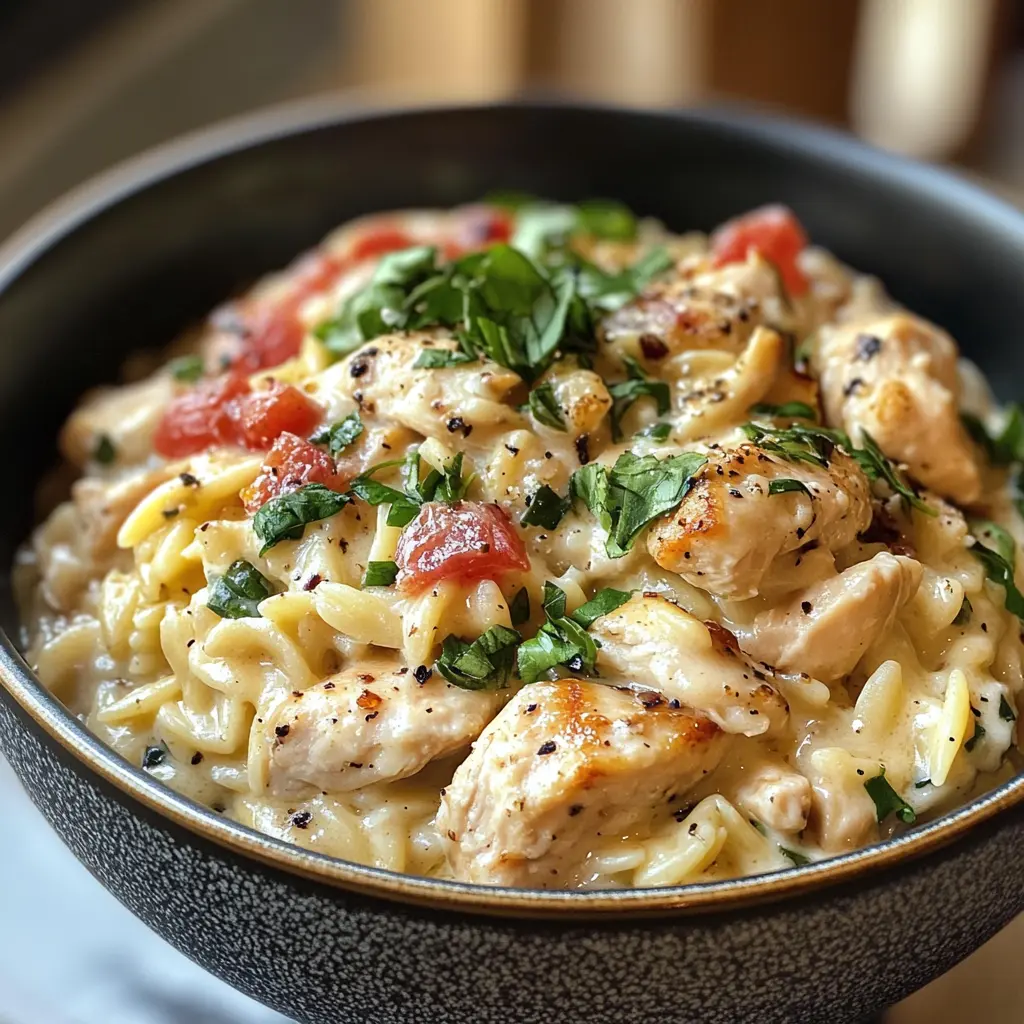
Creamy Tuscan Chicken Orzo: The Ultimate Comfort Food for Your Dinner Table
Creamy Tuscan Chicken Orzo is a luxurious one-pot meal that combines tender chicken, rice-shaped pasta, and vibrant Mediterranean flavors in a velvety sauce. This restaurant-quality dish delivers layers of flavor from sun-dried tomatoes, fresh spinach, and Parmesan cheese while remaining surprisingly simple to prepare at home. Perfect for busy weeknights or special gatherings, this Italian-inspired recipe transforms basic pantry staples into an unforgettable dining experience that your family will request again and again.
What Makes Creamy Tuscan Chicken Orzo Special
This dish stands out among Italian-American favorites for several compelling reasons. The creamy Tuscan chicken orzo recipe brings together the convenience of a one-pot meal with the sophistication of Italian cuisine. Unlike traditional pasta dishes that require multiple pans and complicated timing, this version simplifies the cooking process without sacrificing flavor or texture.
The magic happens when orzo pasta cooks directly in the sauce. This technique allows the rice-shaped pasta to absorb all the flavors while releasing starches that naturally thicken the dish. The result is a creamy, cohesive meal where every element works in harmony.
The Tuscan Flavor Profile
Tuscan cuisine celebrates simple, high-quality ingredients prepared with care. This recipe honors that tradition by featuring sun-dried tomatoes, which provide concentrated umami depth and slight sweetness. Fresh spinach adds earthy notes and vibrant color while Parmesan cheese contributes nutty richness and complexity.
The combination of heavy cream and chicken broth creates the signature velvety texture. These liquids work together to cook the orzo while developing a sauce that clings perfectly to every piece of pasta and chicken.
Essential Ingredients for Success
Protein Foundation
The chicken serves as the hearty base of this dish. Most recipes call for boneless, skinless chicken breasts or thighs. Chicken thighs offer more moisture and flavor due to their higher fat content, while breasts provide a leaner option. Cut the chicken into bite-sized cubes for even cooking and easier eating.
Season the chicken with Italian seasoning, salt, and black pepper before cooking. This initial seasoning builds flavor from the start rather than trying to add it later.
Orzo Pasta Fundamentals
Orzo is a rice-shaped pasta that cooks quickly and absorbs flavors beautifully. You’ll need approximately one and a half cups of dried orzo for a standard recipe serving four to six people. The pasta cooks directly in the sauce, eliminating the need to boil water separately.
Toasting the orzo before adding liquids enhances its nutty flavor. This optional step takes only four minutes but significantly improves the final dish.
Vegetables and Aromatics
Sun-dried tomatoes form the flavor backbone of this recipe. Choose sun-dried tomatoes not packed in oil for better control over the dish’s fat content. You’ll need approximately two-thirds cup chopped. These concentrated tomatoes provide lycopene, an antioxidant that supports heart health and may reduce cancer risk.
Fresh spinach adds nutritional value and beautiful color contrast. Use three cups of fresh spinach or substitute one cup frozen if necessary. Cooking spinach increases the absorption of vitamins A and E, protein, fiber, zinc, thiamin, calcium, and iron.
Garlic and onions provide aromatic depth. Mince four cloves of garlic and dice half an onion for the perfect balance.
Dairy Components
Heavy cream creates the luxurious texture that defines this dish. One cup provides richness without overwhelming the other flavors. If you prefer a lighter version, you can substitute with milk and butter combinations or evaporated milk.
Parmesan cheese adds savory complexity and helps thicken the sauce. Use freshly grated Parmesan for the best melting properties and flavor. Plan for half to one cup depending on your cheese preference.
Liquids and Seasonings
Chicken broth or stock serves as the cooking liquid for the orzo. Use low-sodium versions to control salt levels. You’ll need approximately three cups.
Italian seasoning, red pepper flakes, Dijon mustard, fresh thyme, and fresh basil round out the flavor profile. These seasonings work together to create the characteristic Tuscan taste.
Nutritional Benefits Worth Celebrating
Protein Powerhouse
A serving of creamy Tuscan chicken provides impressive protein content. Chicken breast delivers approximately 30 grams of protein per serving, supporting muscle maintenance and keeping you satisfied longer. This makes the dish particularly appealing for active individuals or anyone prioritizing protein intake.
The protein content represents 120% of the daily recommended value in a single serving. This substantial amount helps with tissue repair, enzyme production, and immune function.
Antioxidant Advantages
Sun-dried tomatoes contain concentrated levels of lycopene, a powerful antioxidant. Research suggests that lycopene-rich foods may lower LDL cholesterol levels and reduce blood pressure. These tomatoes also provide protection against certain cancers, particularly prostate cancer.
Beyond lycopene, sun-dried tomatoes deliver beta-carotene, lutein, and zeaxanthin. These antioxidants support eye health and may protect against age-related macular degeneration. They also offer skin protection from UV radiation damage.
Vitamin and Mineral Content
This dish provides excellent sources of multiple essential nutrients. Sun-dried tomatoes contribute vitamin C for immune support, vitamin K for bone health, and B vitamins for energy metabolism. They also contain potassium, magnesium, and iron.
Spinach enhances the nutritional profile further. When cooked, spinach increases the bioavailability of vitamins A and E, calcium, and iron. The fiber content from both spinach and sun-dried tomatoes supports digestive health.
Balanced Macronutrients
A typical serving contains approximately 635 calories with a macronutrient breakdown of 22% carbohydrates, 35% fat, and 43% protein. This balance provides sustained energy without excessive carbohydrates. The dish also delivers 4 grams of fiber, representing 14% of the daily value.
Step-by-Step Cooking Instructions
Preparing the Chicken
Start by cutting the chicken into uniform bite-sized pieces. This ensures even cooking throughout. Season the chicken with one teaspoon kosher salt, quarter teaspoon black pepper, and one teaspoon Italian seasoning.
Heat two to four tablespoons of olive oil in a large cast iron skillet or heavy-bottomed pan over medium-high heat. Add the seasoned chicken pieces and cook until golden brown on all sides. The chicken doesn’t need to be fully cooked at this stage since it will continue cooking in the sauce.
Remove the cooked chicken from the pan and set aside. This prevents overcooking while you build the sauce.
Building the Flavor Base
Using the same pan with the remaining oil and flavorful browned bits, reduce heat to medium. Add the diced onion and cook until softened and translucent, approximately three to four minutes. The onions should become fragrant and slightly golden.
Add the minced garlic and cook for one additional minute while stirring constantly. Garlic burns easily, so watch it carefully during this step. The aromatics create the foundation for your sauce.
Toasting and Cooking the Orzo
Add the dry orzo to the pan and stir to coat it with the oil and aromatics. Toast the pasta for approximately four minutes, stirring continuously until it turns lightly golden brown. This toasting step adds nutty depth to the finished dish.
Add the chopped sun-dried tomatoes and stir to combine. Pour in the chicken broth and bring the mixture to a low boil. The liquid should just cover the orzo.
Reduce the heat to low and cover the pan. Allow the orzo to simmer until it absorbs most of the liquid, approximately 15 minutes. Stir occasionally to prevent sticking.
Creating the Creamy Sauce
Once the orzo is nearly tender, add the heavy cream, Dijon mustard, and fresh thyme. Stir well to incorporate all ingredients. The cream will blend with the remaining chicken broth and pasta starches to create a silky sauce.
Return the cooked chicken to the pan along with any accumulated juices. Add the fresh spinach and stir until wilted, which takes only two to three minutes. The spinach should be bright green and tender.
Final Touches
Remove the pan from heat and stir in the grated Parmesan cheese. The residual heat will melt the cheese without making it grainy. Add fresh basil and a squeeze of lemon juice for brightness.
Taste and adjust seasonings as needed. Add more salt, pepper, or red pepper flakes according to your preference. The dish should taste rich but balanced.
Expert Tips for Perfect Results
Choosing the Right Pan
Use a large, deep skillet or sauté pan with high sides. Cast iron works exceptionally well because it distributes heat evenly. The pan should be large enough to hold all ingredients comfortably without crowding.
A pan with a heavy bottom prevents hot spots that can cause the orzo to stick or burn. Make sure your pan has a tight-fitting lid for the simmering stage.
Liquid Ratio Matters
The ratio of liquid to orzo determines the final consistency. Use approximately two cups of liquid for every cup of dried orzo. If you prefer a saucier dish, add extra broth or cream.
Monitor the cooking process closely. If the orzo absorbs all liquid before becoming tender, add more broth quarter cup at a time. Conversely, if excess liquid remains after cooking, simmer uncovered to reduce it.
Temperature Control
Maintain consistent medium to medium-low heat during the simmering phase. Too high heat causes the liquid to evaporate too quickly, leaving undercooked pasta. Too low heat extends cooking time unnecessarily.
When adding cream, reduce heat to prevent curdling. Heavy cream is less likely to separate than milk, but gentle heat ensures smooth results.
Preventing Dry Pasta
Orzo continues absorbing liquid even after cooking. If your dish seems perfect when served but becomes dry after sitting, remember this characteristic. Reserve extra chicken broth to add if reheating leftovers.
Stir the pasta occasionally while cooking to prevent it from sticking to the bottom. The stirring also helps release starches that thicken the sauce naturally.
Cheese Integration
Add Parmesan cheese off the heat for the smoothest texture. High heat can cause cheese to become stringy or grainy. Stir vigorously after adding cheese to emulsify it into the sauce.
Freshly grated Parmesan melts better than pre-grated varieties. The anti-caking agents in pre-grated cheese can affect sauce texture.
Serving Suggestions and Pairings
Complementary Side Dishes
This creamy Tuscan chicken orzo is substantial enough to serve as a complete meal. However, simple sides enhance the dining experience. A crisp green salad with lemon vinaigrette provides refreshing contrast to the rich main dish.
Garlic bread or crusty Italian bread works perfectly for soaking up extra sauce. Roasted vegetables like asparagus, green beans, or broccoli add color and nutritional variety.
Presentation Ideas
Serve the dish family-style in the cooking pan for a rustic presentation. Alternatively, plate individual portions and garnish with fresh basil leaves and additional Parmesan cheese. A sprinkle of red pepper flakes adds visual appeal and optional heat.
For special occasions, serve in shallow pasta bowls. The wide shape showcases the beautiful ingredients while making the dish easier to eat.
Beverage Pairings
This rich dish pairs beautifully with sparkling water infused with lemon or cucumber. Iced tea with fresh herbs complements the Italian flavors. For a sophisticated touch, serve Italian sparkling mineral water.
Storage and Meal Prep Guidelines
Refrigerator Storage
Store leftover creamy Tuscan chicken orzo in an airtight container in the refrigerator for three to four days. Cool the dish to room temperature before refrigerating, but don’t leave it at room temperature for more than two hours.
The orzo will continue absorbing liquid as it sits. Add a splash of chicken broth or cream when reheating to restore the original consistency.
Reheating Instructions
Reheat portions in the microwave with a damp paper towel covering the container. This creates steam that prevents drying. Heat in 30-second intervals, stirring between each, until warmed through.
For stovetop reheating, place the desired amount in a skillet over medium-low heat. Add chicken broth or cream and stir frequently until hot. This method produces better texture than microwave reheating.
Freezer Considerations
While this dish can technically be frozen, cream-based sauces may separate upon thawing. If you plan to freeze portions, undercook the orzo slightly and freeze before adding the cream. Add fresh cream when reheating for better results.
Freeze in individual portions for convenient future meals. Use freezer-safe containers and consume within two months for best quality.
Make-Ahead Strategies
Prepare components in advance for easier weeknight cooking. Cut and season the chicken, chop vegetables, and measure ingredients the night before. Store everything in the refrigerator until ready to cook.
You can fully prepare the dish several hours ahead and reheat before serving. Keep in mind that the texture is best when freshly made.
Popular Variations to Try
Protein Alternatives
Substitute shrimp for chicken to create a seafood version. Add the shrimp during the last five minutes of cooking to prevent overcooking. Italian sausage provides a heartier, more robust flavor profile.
For vegetarian options, replace chicken with chickpeas or white beans. These legumes add protein while maintaining the dish’s satisfying nature. Mushrooms contribute meaty texture and umami depth.
Vegetable Additions
Experiment with different vegetables based on seasonal availability. Roasted red peppers add sweetness and color. Artichoke hearts contribute Mediterranean authenticity. Kale substitutes for spinach with a heartier texture.
Zucchini, yellow squash, or cherry tomatoes increase the vegetable content. Add these vegetables after the orzo has cooked halfway through.
Spice Modifications
Adjust the heat level by varying red pepper flakes. For mild versions, omit them entirely. For spicier results, add up to half teaspoon or include fresh chili peppers.
Experiment with fresh herbs beyond basil and thyme. Oregano, parsley, or dill each bring unique character. Add delicate herbs at the end to preserve their fresh flavor.
Dairy Substitutions
Create a lighter version using half-and-half instead of heavy cream. Mix Greek yogurt with milk for a protein-rich, lower-fat alternative. Evaporated milk provides creaminess with less fat than heavy cream.
For dairy-free versions, use coconut cream or cashew cream. These alternatives maintain richness while accommodating dietary restrictions. Replace Parmesan with nutritional yeast for a vegan option.
Common Mistakes to Avoid
Overcrowding the Pan
Cooking too much chicken at once causes steaming instead of browning. Brown chicken in batches if necessary to achieve proper caramelization. Those browned bits add significant flavor to the final dish.
Using a pan that’s too small prevents proper evaporation and can lead to soupy results. Choose a pan with adequate surface area for the amount you’re cooking.
Inadequate Seasoning
Season at multiple stages rather than only at the end. The chicken needs seasoning before cooking. The sauce benefits from adjustments before serving.
Taste throughout the cooking process and adjust as needed. Different brands of broth contain varying salt levels, so your dish may need more or less seasoning.
Incorrect Cooking Times
Overcooked orzo becomes mushy and unappetizing. Follow package directions and check for doneness a minute or two before the recommended time. The pasta should be tender but still have slight resistance when bitten.
Undercooked orzo feels hard and crunchy. If your orzo isn’t tender when the liquid is absorbed, add more liquid and continue cooking.
Breaking the Cream Sauce
Adding cream to a boiling mixture can cause separation. Reduce heat before incorporating cream. Stir constantly as you add the cream to help it integrate smoothly.
Using low-fat cream or milk makes the sauce more prone to breaking. If you must use lower-fat options, stabilize them with cornstarch or flour.
Forgetting to Reserve Pasta Water
While this dish cooks the orzo in sauce rather than water, the starchy cooking liquid remains valuable. If your sauce seems too thick, thin it with reserved broth rather than plain water. The broth maintains flavor while adjusting consistency.
Frequently Asked Questions
Can I use different pasta shapes instead of orzo?
Yes, small pasta shapes work well in this recipe. Try ditalini, small shells, or broken spaghetti. Adjust cooking times based on the pasta you choose. Larger shapes may require additional liquid.
How do I prevent the spinach from making the dish watery?
Add spinach at the very end of cooking and let it wilt in the residual heat. Fresh spinach releases less water than frozen. If using frozen spinach, thaw and squeeze out excess moisture before adding.
What’s the best way to toast orzo without burning it?
Use medium heat and stir constantly during the toasting process. The orzo should turn golden brown evenly. If it starts to darken too quickly, remove the pan from heat temporarily and reduce temperature.
Can I make this dish in a slow cooker?
Yes, this recipe adapts well to slow cooking. Combine all ingredients except cream, spinach, cheese, and fresh herbs in the slow cooker. Cook on low for three to four hours. Add cream, spinach, and cheese during the last 15 minutes.
Why is my sauce not creamy enough?
Several factors affect creaminess. Use full-fat heavy cream rather than milk or half-and-half. Add more Parmesan cheese, which helps thicken the sauce. Ensure you’re using enough liquid for the amount of orzo. The pasta’s released starches contribute to creaminess.
How can I add more protein to this dish?
Increase the chicken quantity or add a second protein like shrimp. White beans or chickpeas boost protein while keeping the dish hearty. Additional Parmesan cheese increases protein content. Greek yogurt substituted for some cream adds protein.
What can I use instead of sun-dried tomatoes?
Fresh cherry tomatoes provide similar sweetness and acidity. Roasted red peppers offer comparable color and depth. Tomato paste mixed with a pinch of sugar approximates the concentrated flavor. For best results, combine fresh tomatoes with a small amount of tomato paste.
Is this dish suitable for meal prep?
Yes, creamy Tuscan chicken orzo works well for meal prep. Portion into individual containers for convenient grab-and-go lunches. The flavors actually improve after a day in the refrigerator. Keep extra broth on hand to refresh the dish when reheating.
Conclusion
Creamy Tuscan chicken orzo delivers restaurant-quality flavor with home-cooking simplicity. This one-pot wonder combines protein-rich chicken, tender rice-shaped pasta, and nutritious vegetables in a luxurious sauce that satisfies every time. The Mediterranean-inspired ingredients like sun-dried tomatoes and fresh spinach provide not just incredible taste but also valuable antioxidants, vitamins, and minerals.
Whether you’re cooking for your family on a busy weeknight or hosting a dinner party, this versatile dish adapts to your needs. The straightforward cooking method requires just one pan and approximately 30 minutes from start to finish. With proper technique and quality ingredients, you’ll create a memorable meal that rivals anything from your favorite Italian restaurant.
Print
Creamy Tuscan Chicken Orzo
Description
Creamy Tuscan Chicken Orzo
Ingredients:
-
2 chicken breasts, cut into bite-sized pieces
-
Salt and pepper, to taste
-
2 tbsp olive oil
-
3 cloves garlic, minced
-
1 cup sun-dried tomatoes, chopped
-
2 cups spinach
-
1/2 tsp Italian seasoning
-
1 cup heavy cream
-
1/2 cup chicken broth
-
1 cup grated Parmesan cheese
-
1 cup uncooked orzo pasta
-
Fresh parsley, chopped (for garnish)
Instructions:
-
In a large skillet, heat olive oil over medium-high heat. Season chicken with salt and pepper, then cook until golden and cooked through, about 5-7 minutes. Remove and set aside.
-
In the same skillet, add garlic and sun-dried tomatoes. Sauté 1-2 minutes until fragrant.
-
Stir in heavy cream, chicken broth, Italian seasoning, and Parmesan cheese. Simmer 2-3 minutes until slightly thickened.
-
Add orzo pasta and cook according to package instructions, stirring occasionally.
-
Once orzo is tender, stir in spinach and cooked chicken. Cook 1-2 minutes until spinach is wilted and chicken is heated through.
-
Garnish with chopped parsley and serve hot.