
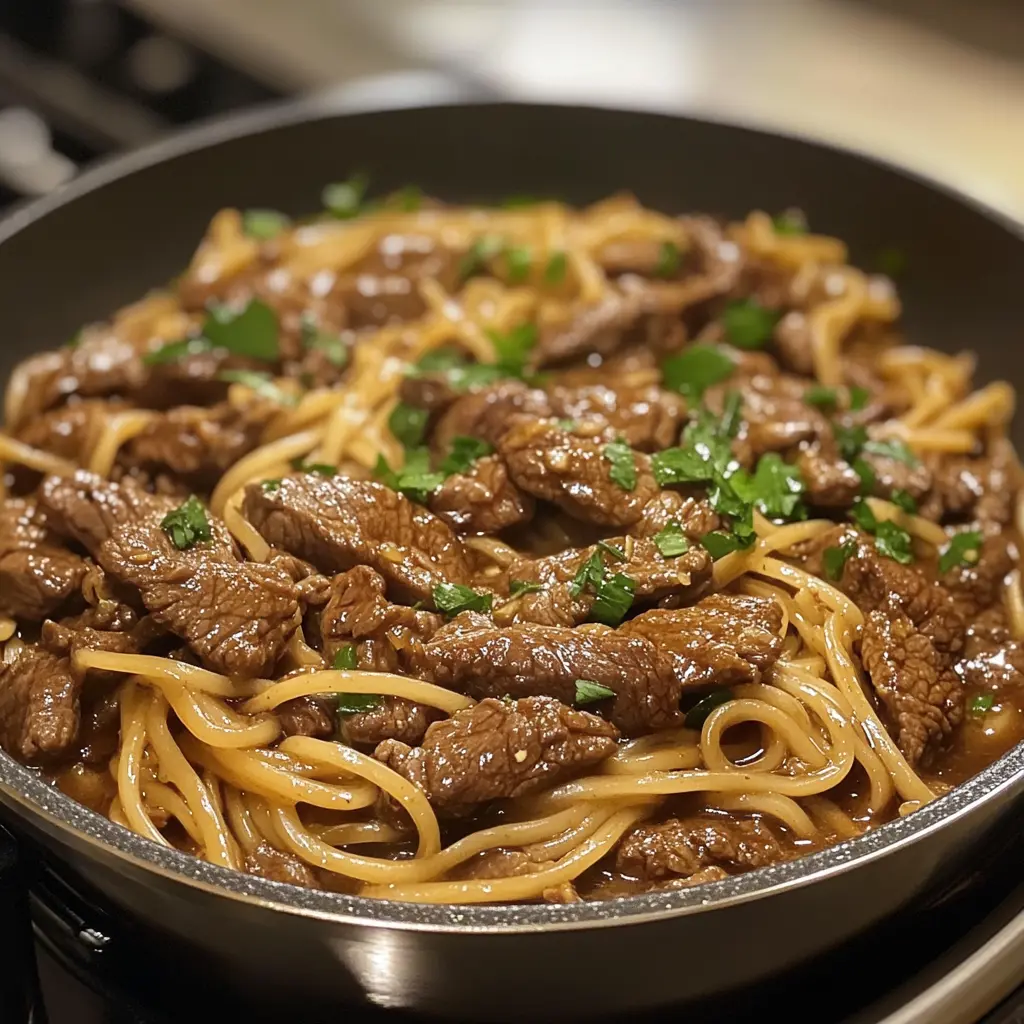
One-Pot Garlic Butter Beef and Noodles: The Ultimate Comfort Food Recipe
Introduction
Imagine coming home after a long day and having a hearty, flavorful dinner ready in just 30 minutes with minimal cleanup. One-pot garlic butter beef and noodles delivers exactly that experience, combining tender beef, silky noodles, and rich garlic butter sauce in a single pot. This comforting dish has become a staple for busy families who refuse to compromise on taste or quality. The beauty of this recipe lies in its simplicity and the way it captures restaurant-quality flavor without requiring professional cooking skills.
One-pot cooking has gained tremendous popularity because it simplifies meal preparation while preserving the integrity of ingredients and creating deeply infused flavors throughout the dish. For this recipe, you’ll brown beef, build layers of aromatic garlic butter, and cook noodles directly in the flavorful broth, allowing every element to meld together perfectly. The result is a satisfying meal that requires just one pot and delivers maximum comfort with minimal effort.
What Makes One-Pot Garlic Butter Beef and Noodles Special
Time-Saving Benefits
One-pot cooking streamlines the entire cooking process by reducing both preparation and cleanup time significantly. Instead of juggling multiple pans and pots, you prepare everything in sequence within a single vessel, which means less time spent over the sink and more time enjoying your meal. The simplified preparation makes this cooking method particularly appealing for teaching beginners or involving children in kitchen activities.
Flavor Development
Cooking all ingredients in one pot creates exceptional flavor development that simply cannot be replicated with multi-pan methods. When you sauté vegetables in the same pan used for browning beef, the fond from the meat caramelizes and infuses the entire dish with deep, savory notes. The cooking liquid absorbs these aromatics and becomes part of the final sauce, creating a wonderfully cohesive taste throughout every bite.
Nutritional Advantages
One-pot meals can be incredibly nutritious when you combine fresh produce with whole grains and quality protein sources. This cooking method helps retain vitamins and minerals better than conventional methods, with some studies showing up to 1.7 times better vitamin C retention. The garlic butter beef and noodles recipe provides a balanced combination of protein, carbohydrates, and essential nutrients in every serving.
Essential Ingredients
Protein Component
The foundation of this dish starts with one pound of ground beef, which serves as the primary protein source. Ground beef contains essential amino acids that facilitate muscle recovery and support overall protein synthesis in the body. Beef naturally provides creatine and glutamine, compounds particularly beneficial for muscle growth and recovery. Additionally, beef serves as an excellent source of iron and zinc, minerals crucial for oxygen transport, immune function, and wound healing.
Butter and Aromatics
Three tablespoons of unsalted butter create the rich, silky base that gives this dish its signature flavor. Butter should be melted over medium heat without allowing it to brown, ensuring a smooth foundation for the sauce. Fresh minced garlic adds aromatic depth, and it should be sautéed for approximately one to two minutes until fragrant but not burnt. Burning garlic creates bitterness that can ruin the entire sauce, so maintaining medium-low heat is essential.
Noodles and Pasta Selection
Eight ounces of pasta forms the carbohydrate base, with egg noodles being the traditional choice for this recipe. Egg noodles offer a softer, more tender texture compared to traditional pasta and feature a richer egg flavor that pairs beautifully with thick, savory sauces. The strong taste of egg noodles makes them perfect for the bold garlic butter sauce, while their soft texture creates a comforting mouthfeel.
Broth and Seasonings
Three cups of chicken or beef broth provides the cooking liquid that transforms into a flavorful sauce. The broth should contain enough liquid to cook the pasta fully while creating a sauce that coats each noodle. Essential seasonings include garlic powder, onion powder, kosher salt, and black pepper, which enhance the overall flavor profile. These dried spices complement the fresh garlic and create layers of savory complexity throughout the dish.
Finishing Touches
Half a cup of grated Parmesan cheese adds umami richness and helps thicken the sauce. Fresh chopped parsley provides a bright, herbaceous note that balances the rich butter and beef flavors. Italian seasoning can be incorporated for additional herbal complexity, typically at a rate of one teaspoon per pound of beef.
Kitchen Equipment You Need
Primary Cooking Vessel
A large pot or deep skillet with a heavy bottom is essential for even heat distribution and preventing hot spots. The pot should be large enough to hold all ingredients comfortably without overcrowding, typically at least 12 inches in diameter. A lid is necessary for the simmering stage to trap steam and cook the noodles evenly.
Basic Utensils
A sturdy spatula helps break up ground beef as it browns and ensures even cooking throughout. Measuring cups and spoons ensure accurate ingredient proportions for consistent results every time. A sharp knife and cutting board are needed for mincing fresh garlic and chopping parsley.
Optional Tools
A garlic press can speed up garlic preparation and create a finer mince for more even distribution. A cheese grater allows you to freshly grate Parmesan, which melts more smoothly than pre-grated varieties. Tongs or a pasta fork help distribute noodles evenly through the sauce when mixing.
Step-by-Step Cooking Instructions
Preparing the Beef
Begin by heating your large pot or skillet over medium heat. Add a small amount of olive oil if your beef is particularly lean to prevent sticking. Add the ground beef to the hot pan, breaking it into smaller pieces with your spatula. Cook for approximately five to seven minutes, continuously breaking up the meat until it browns completely and no pink remains visible.
Building the Flavor Base
Once the beef is fully browned, add the butter directly to the pot with the meat. Allow the butter to melt completely without browning, which should take about one minute. Stir in the minced garlic and cook for one to two minutes until it becomes fragrant and softens. Be vigilant during this step to prevent the garlic from burning, as burnt garlic will impart a bitter taste to the entire dish.
Adding Seasonings
Incorporate the garlic powder, onion powder, mustard powder, salt, and pepper into the beef and butter mixture. Stir the seasonings thoroughly to distribute them evenly throughout the meat. If using Italian seasoning or red pepper flakes, add them at this stage as well. Cook the seasoned mixture for one additional minute to allow the spices to bloom and release their full aromatic potential.
Cooking the Noodles
Pour the broth into the pot, stirring to combine with the seasoned beef mixture. Add the dry pasta directly to the liquid, spreading it out to ensure even coverage. Bring the mixture to a simmer over medium-high heat, then reduce to medium-low. Cover the pot with a lid and cook for 12 to 15 minutes, stirring occasionally to prevent sticking.
Creating the Sauce
Once the pasta reaches tender perfection, reduce the heat to low. Stir in the grated Parmesan cheese gradually, allowing it to melt into the sauce. Add any remaining butter at this stage for extra richness. If the sauce appears too thick, add small amounts of additional broth or milk to reach your desired consistency. The sauce should coat the noodles smoothly without being watery or overly thick.
Final Touches
Remove the pot from heat once the cheese has melted completely and the sauce has thickened to your liking. Taste and adjust seasonings, adding more salt or pepper if needed. Garnish with freshly chopped parsley and additional Parmesan cheese just before serving. The parsley adds visual appeal and a fresh flavor note that brightens the rich dish.
Expert Tips for Perfect Results
Choosing the Right Beef
Select ground beef with an 80/20 meat-to-fat ratio for optimal flavor and moisture. Leaner beef may result in a drier texture, while fattier options can make the dish greasy. Beef’s high biological value ensures you’re getting complete proteins with all essential amino acids needed for muscle function and recovery. The protein in beef has been linked to healthier body weights, improved muscle growth, and greater diet satisfaction.
Pasta Cooking Considerations
Use the amount of liquid specified carefully, as the pasta will absorb broth as it cooks and this absorption is essential for proper texture. Stir the pasta occasionally during cooking to prevent it from sticking together or adhering to the pot bottom. If your pasta isn’t tender after 15 minutes, add a splash more broth and continue cooking.
Garlic Handling
Fresh garlic provides the most robust flavor compared to pre-minced jarred varieties. Mince garlic finely to ensure it distributes evenly throughout the sauce and doesn’t create overpowering pockets of intense garlic flavor. Never add garlic to extremely hot oil or butter, as it will burn almost immediately.
Cheese Selection
Freshly grated Parmesan melts more smoothly than pre-grated cheese, which often contains anti-caking agents. Add cheese gradually while stirring constantly to prevent clumping. Remove the pot from direct heat before adding cheese to prevent the sauce from breaking or becoming grainy.
Temperature Management
Medium heat is your friend for this recipe, preventing burnt garlic while ensuring thorough cooking. Lower the heat during the simmering stage to prevent the liquid from evaporating too quickly. Finishing on low heat allows the cheese to melt smoothly without separating.
Nutritional Benefits
Protein and Muscle Health
A typical serving of beef with noodles contains approximately 20 grams of protein, supporting muscle growth and maintenance. Beef protein is particularly rich in leucine, an essential amino acid that triggers muscle protein synthesis effectively. This amino acid acts as a signal to the body to initiate new muscle tissue construction, making beef an optimal choice for maximizing anabolic response. The natural creatine found in beef plays a key role in energy production during high-intensity activities, potentially enhancing performance and supporting muscle recovery.
Essential Minerals
Beef serves as an excellent source of iron, crucial for oxygen transport in the blood and overall energy metabolism. The zinc content in beef plays a pivotal role in immune function, wound healing, and DNA synthesis. These minerals are particularly bioavailable from beef, meaning your body can absorb and utilize them more efficiently than from plant sources.
Vitamin Content
Beef contributes significantly to Vitamin B12 intake, which is crucial for nerve function, red blood cell formation, and maintaining a healthy brain. This vitamin is particularly important for individuals following vegetarian or vegan diets who may struggle to obtain sufficient B12 from other sources. A serving of beef noodles provides various B vitamins including B1, B2, B3, B5, and B6, all essential for energy metabolism.
Balanced Macronutrients
Each serving contains approximately 350 calories with a balanced distribution of 40 grams of carbohydrates from the noodles, 20 grams of protein from the beef, and 10 grams of fat from the butter and meat. This macronutrient balance provides sustained energy without excessive fat consumption. The dish contains relatively low sodium levels when prepared with low-sodium broth, supporting heart health.
Dietary Considerations
The recipe is naturally low in cholesterol when using lean beef, with dietary cholesterol not being associated with increased coronary heart disease risk in healthy individuals. It contains no trans fats, which is important since trans fat consumption increases cardiovascular disease risk. The moderate calorie content makes this dish suitable for various dietary goals when portion sizes are controlled appropriately.
Popular Variations
Vegetable Additions
Incorporating vegetables transforms this dish into a more complete one-pot meal with enhanced nutritional value. Add sliced mushrooms when browning the beef for an earthy flavor and meaty texture. Spinach or kale can be stirred in during the final minutes of cooking, wilting into the sauce while adding vitamins and fiber. Diced bell peppers, onions, or peas introduce color, crunch, and additional nutrients to the dish.
Noodle Alternatives
While egg noodles are traditional, cavatappi pasta offers a fun spiral shape that holds sauce beautifully. Penne or rigatoni work well for heartier, more substantial portions. For a gluten-free version, substitute rice noodles or gluten-free pasta, adjusting cooking times as package directions indicate.
Protein Substitutions
Ground turkey or chicken provides a leaner alternative while maintaining the comforting texture. Sliced steak or beef tips create a more upscale presentation for special occasions. For a vegetarian version, crumbled tofu or plant-based ground meat can replace the beef entirely.
Sauce Modifications
A splash of cream or half-and-half creates an even richer, more luxurious sauce. Incorporating cream cheese along with the Parmesan adds tanginess and extra creaminess. For a lighter version, reduce the butter and rely more on broth and cheese for flavor.
Spice Level Adjustments
Red pepper flakes add a pleasant heat that complements the rich butter sauce. Cayenne pepper or hot sauce can be incorporated for those who prefer more intense spiciness. Fresh herbs like thyme, rosemary, or basil provide aromatic complexity without adding heat.
Common Mistakes to Avoid
Overcrowding the Pan
Using a pot that’s too small prevents proper browning and can cause ingredients to steam rather than sear. The beef needs space to make contact with the hot surface to develop proper color and flavor. Choose a pot that comfortably holds all ingredients with room for stirring.
Burning the Garlic
Adding garlic to butter that’s too hot causes immediate burning, creating bitterness throughout the dish. Always add garlic to melted butter over medium-low heat and cook only until fragrant. If you notice the garlic browning too quickly, immediately reduce the heat or remove the pot from the burner temporarily.
Insufficient Liquid
Not using enough broth results in undercooked pasta and a dry final dish. The pasta absorbs significant liquid as it cooks, so following the recipe measurements precisely is crucial. If the liquid level drops too low during cooking, add small amounts of additional broth as needed.
Adding Cheese Too Early
Incorporating cheese while the sauce is too hot can cause it to separate and become grainy. Always reduce heat to low before adding cheese and stir continuously. Adding cheese gradually while stirring prevents clumping and ensures smooth incorporation.
Skipping the Rest Period
Serving immediately without allowing the dish to rest briefly prevents the sauce from thickening properly. Let the finished dish sit off heat for two to three minutes before serving. This resting period allows the sauce to set and coat the noodles more effectively.
Storage and Reheating Guide
Refrigeration Guidelines
Transfer leftover one-pot garlic butter beef and noodles to an airtight container once it has cooled to room temperature. Store in the refrigerator for up to four days, ensuring the container is sealed properly to prevent odor absorption. Label the container with the preparation date to track freshness accurately.
Freezing Instructions
This dish freezes reasonably well for up to three months when stored in freezer-safe containers. Divide large batches into individual portions for easier thawing and reheating. Note that the noodles may soften slightly after freezing, but the flavor remains delicious.
Reheating Methods
Reheat refrigerated portions in a skillet over medium-low heat, adding a splash of broth or milk to restore moisture. Microwave reheating works well for individual portions, using 50% power and stirring every minute to ensure even heating. For frozen portions, thaw overnight in the refrigerator before reheating using either method.
Maintaining Quality
The sauce may thicken considerably during storage as the pasta continues absorbing liquid. Add small amounts of broth, milk, or water when reheating to return the sauce to its original consistency. Avoid reheating more than once to maintain food safety and quality.
Serving Suggestions
Complementary Side Dishes
A crisp green salad with vinaigrette provides a refreshing contrast to the rich, buttery noodles. Garlic bread or crusty baguette slices are perfect for soaking up extra sauce. Roasted or steamed vegetables like broccoli, green beans, or asparagus add color and additional nutrients.
Presentation Ideas
Serve the one-pot garlic butter beef and noodles in shallow bowls to showcase the glossy sauce. Garnish each portion generously with fresh parsley and a sprinkle of Parmesan cheese for visual appeal. A light dusting of black pepper or red pepper flakes adds a finishing touch.
Occasion Suitability
This dish works beautifully for weeknight family dinners due to its quick preparation and minimal cleanup. The portable nature of one-pot meals makes this recipe ideal for potlucks and gatherings. Scale the recipe up easily for larger groups by doubling or tripling the ingredients.
Frequently Asked Questions
Can I use a different type of pasta for one-pot garlic butter beef and noodles?
Yes, you can substitute various pasta shapes including penne, rigatoni, or cavatappi. Keep in mind that different pasta shapes may require slight adjustments to cooking time and liquid amounts. Egg noodles are preferred because their soft texture and rich flavor pair exceptionally well with the garlic butter sauce.
How do I prevent the garlic from burning?
Add garlic to melted butter over medium-low heat and cook only for one to two minutes until fragrant. Never add garlic to extremely hot butter, as it will burn almost immediately and create bitterness. If the garlic starts browning too quickly, reduce the heat or temporarily remove the pot from the burner.
Can I make this recipe ahead of time?
While this dish tastes best fresh, you can prepare it up to four days in advance and store it in the refrigerator. The pasta will continue absorbing sauce during storage, so add extra broth when reheating. For meal prep, consider storing the cooked beef mixture and uncooked noodles separately, then combining them when ready to eat.
What’s the best beef-to-noodle ratio for one-pot garlic butter beef and noodles?
The standard ratio is one pound of beef to eight ounces of pasta, creating a balanced dish with substantial protein. Adjust these proportions based on your preferences, adding more pasta for a carbohydrate-focused meal or more beef for additional protein. Maintain the broth ratio accordingly to ensure proper pasta cooking.
How can I make this dish healthier?
Use lean ground beef to reduce fat content while maintaining protein levels. Incorporate more vegetables like spinach, mushrooms, or bell peppers to increase fiber and vitamin content. Reduce the butter amount slightly or substitute part of it with olive oil for heart-healthy fats.
Why is my sauce too watery?
Watery sauce typically results from using too much liquid or not allowing sufficient simmering time. Let the dish simmer uncovered for a few additional minutes to evaporate excess liquid. The cheese should thicken the sauce as it melts, so ensure you’re using the full amount specified.
Can I double this recipe?
This recipe doubles easily for feeding larger groups or creating meal prep portions. Use a larger pot to accommodate the increased volume and ensure even cooking. You may need to extend cooking times slightly to ensure the pasta cooks through completely.
What’s the difference between using fresh versus dried pasta?
Fresh pasta cooks much faster than dried pasta, typically in two to four minutes. If using fresh noodles, reduce the liquid slightly and monitor closely to prevent overcooking. Dried pasta provides more consistent results and has a longer shelf life, making it more practical for this recipe.
Conclusion
One-pot garlic butter beef and noodles stands as the ultimate comfort food solution for busy households seeking restaurant-quality meals without extensive effort or cleanup. This recipe combines tender beef, perfectly cooked noodles, and luxurious garlic butter sauce in a single pot, creating deep flavors while simplifying your cooking routine. The nutritional benefits of quality beef protein, essential minerals, and balanced macronutrients make this dish both satisfying and nourishing.
The versatility of one-pot garlic butter beef and noodles allows endless customization through vegetable additions, protein substitutions, and sauce modifications to suit your family’s preferences. Whether you’re feeding weeknight diners or entertaining guests at a potluck, this portable and convenient dish delivers consistent results every time. The streamlined preparation, minimal cleanup, and exceptional flavor development make this recipe a valuable addition to any home cook’s repertoire.
Print
One-Pot Garlic Butter Beef and Noodles
Description
One-Pot Garlic Butter Beef and Noodles
Ingredients:
-
1 lb ground beef
-
Salt and pepper, to taste
-
3 cloves garlic, minced
-
2 tbsp butter
-
4 cups beef broth
-
8 oz egg noodles
-
1/2 cup grated Parmesan cheese
-
1 tsp Italian seasoning
-
2 tbsp chopped fresh parsley (for garnish)
Instructions:
-
In a large skillet or pot over medium heat, cook ground beef until browned. Season with salt and pepper and drain excess fat.
-
Add butter and garlic to the beef, sauté 1-2 minutes until fragrant.
-
Pour in beef broth and bring to a simmer. Stir in egg noodles and Italian seasoning.
-
Cook 8-10 minutes, stirring occasionally, until noodles are tender and most of the liquid is absorbed.
-
Remove from heat and stir in Parmesan cheese until creamy.
-
Garnish with chopped parsley and serve hot.