
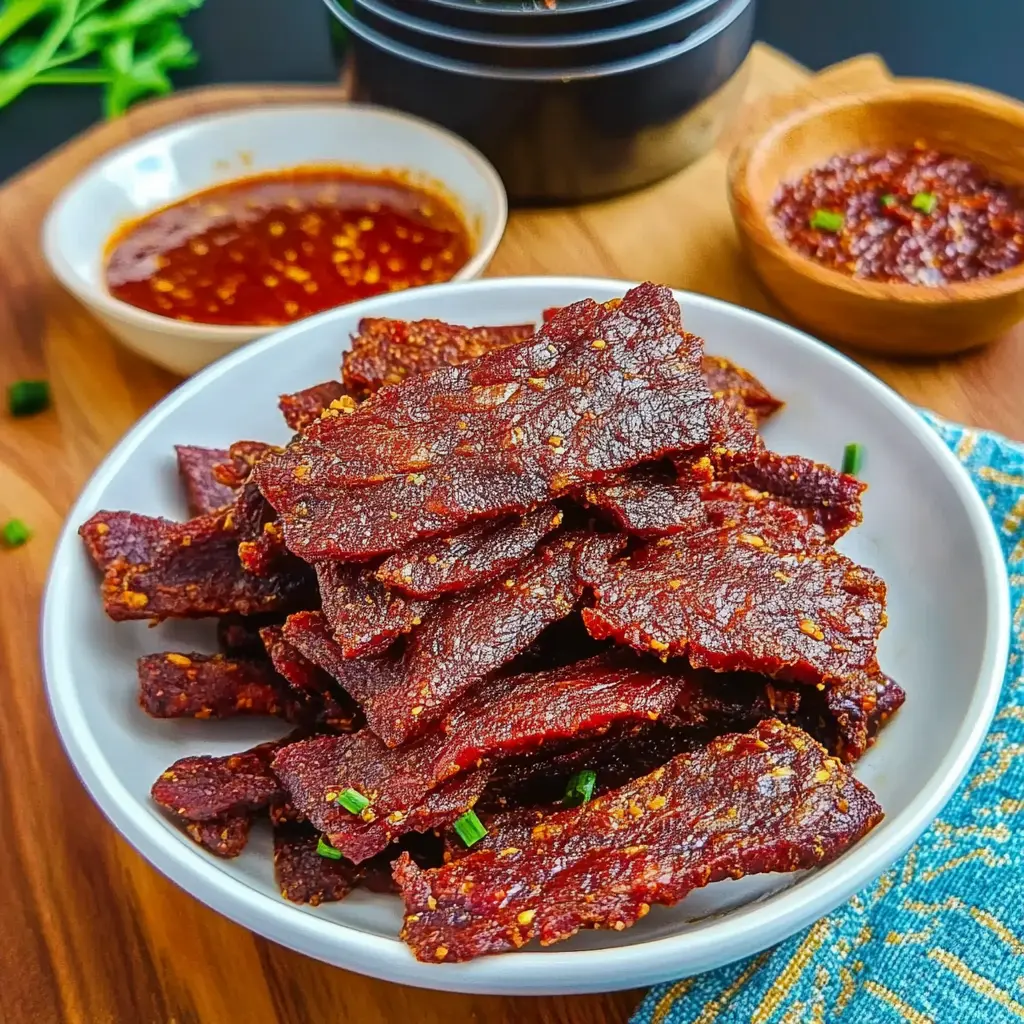
Air Fryer Beef Jerky: The Ultimate Guide to Homemade Protein Snacks
Creating homemade air fryer beef jerky has revolutionized the way we make this beloved protein-packed snack. Furthermore, this method delivers consistent results in a fraction of the time compared to traditional dehydration methods. With the right techniques and ingredients, you can craft restaurant-quality beef jerky in your own kitchen.
What is Air Fryer Beef Jerky?
Air fryer beef jerky represents a modern approach to creating this ancient preserved meat snack. Essentially, this method uses circulating hot air to remove moisture from seasoned beef strips. Moreover, the air fryer’s controlled environment ensures even dehydration throughout the process.
Traditional jerky-making methods often require specialized dehydrators or lengthy oven sessions. However, air fryers offer a more accessible and efficient alternative. Additionally, the compact design makes this method perfect for small-batch preparation.
The science behind air fryer jerky involves removing approximately 80-90% of the meat’s moisture content. Consequently, this creates an environment where harmful bacteria cannot thrive. Meanwhile, the concentrated flavors intensify during the dehydration process.
Benefits of Making Beef Jerky in an Air Fryer
Time Efficiency
Making air fryer beef jerky significantly reduces preparation time compared to conventional methods. Typically, traditional dehydrators require 6-12 hours for complete processing. In contrast, air fryers accomplish the same results in 3-4 hours.
Energy Savings
Air fryers consume considerably less energy than full-sized ovens or dehydrators. Therefore, this method proves more economical for regular jerky production. Additionally, the compact heating chamber requires less power to maintain optimal temperatures.
Consistent Results
The controlled airflow in air fryers ensures uniform drying across all meat pieces. Subsequently, this eliminates the common problem of unevenly dried jerky. Furthermore, digital temperature controls provide precise heat management.
Space Efficiency
Unlike bulky dehydrators, air fryers serve multiple cooking purposes in compact kitchen spaces. Moreover, most households already own this versatile appliance. Consequently, no additional equipment purchases are necessary.
Choosing the Right Cut of Beef
Top Round
Top round represents the gold standard for homemade air fryer beef jerky. This cut offers excellent lean-to-fat ratios while maintaining tender texture. Additionally, its uniform grain structure ensures consistent drying patterns.
The relatively low fat content in top round prevents spoilage during the dehydration process. Furthermore, this cut holds marinades exceptionally well. Therefore, flavors penetrate deeply into the meat fibers.
Bottom Round
Bottom round provides another excellent option for jerky enthusiasts seeking budget-friendly alternatives. Although slightly tougher than top round, proper slicing techniques overcome this limitation. Moreover, the intense beef flavor complements bold seasoning blends.
Eye of Round
Eye of round delivers exceptionally lean meat perfect for long-term storage. However, this cut requires careful attention to prevent over-drying. Additionally, longer marinating times help tenderize the dense muscle fibers.
Flank Steak
Flank steak offers rich, beefy flavors with natural tenderness. Nevertheless, the higher fat content requires careful trimming before processing. Furthermore, the pronounced grain structure creates appealing texture variations.
Essential Equipment and Ingredients
Equipment Checklist
Your air fryer beef jerky arsenal should include several essential tools. First, a sharp chef’s knife ensures clean, uniform cuts. Additionally, a cutting board provides stable surface area for safe food preparation.
Digital kitchen scales guarantee consistent portion sizes and ingredient measurements. Meanwhile, vacuum-sealable bags extend storage life significantly. Furthermore, food-grade gloves protect hands during extended preparation sessions.
Core Ingredients
High-quality beef serves as the foundation for exceptional jerky. Therefore, source meat from reputable butchers or suppliers. Additionally, ensure all cuts maintain proper refrigeration throughout transportation and storage.
Sea salt or kosher salt provides essential preservation properties. Moreover, these varieties lack additives that might interfere with the curing process. Consequently, pure salt delivers optimal dehydration results.
Soy sauce contributes umami depth while accelerating the curing process. Furthermore, its natural sodium content enhances preservation capabilities. Additionally, low-sodium versions offer flexibility for dietary restrictions.
Step-by-Step Air Fryer Beef Jerky Recipe
Preparation Phase
Begin by selecting approximately two pounds of lean beef for this recipe. Subsequently, place the meat in the freezer for 30-45 minutes. This partial freezing firms the texture, enabling precise slicing.
Remove all visible fat and connective tissue using sharp kitchen shears. Meanwhile, prepare your preferred marinade in a large mixing bowl. Additionally, ensure all seasonings dissolve completely before combining with meat.
Slicing Technique
Remove the partially frozen beef and place it on a clean cutting board. Then, slice against the grain into strips measuring 1/4 inch thick. Moreover, maintain consistent thickness throughout all pieces for even drying.
Arrange sliced beef in the marinade, ensuring complete coverage of all surfaces. Furthermore, use clean hands to massage seasonings into the meat. Subsequently, seal the container and refrigerate for 4-24 hours.
Air Fryer Setup
Preheat your air fryer to 160°F (71°C) for optimal dehydration conditions. Meanwhile, remove beef strips from the marinade and pat dry with paper towels. Additionally, discard any remaining marinade to prevent bacterial growth.
Arrange beef strips in the air fryer basket without overlapping pieces. Therefore, cook in multiple batches if necessary to maintain proper air circulation. Furthermore, leave space between strips for uniform heat distribution.
Cooking Process
Set the air fryer timer for 2 hours initially. After this period, check the jerky’s progress and flip each piece carefully. Additionally, remove any pieces that appear fully dried to prevent over-processing.
Continue cooking in 30-minute intervals, checking progress between sessions. Moreover, properly dried jerky should crack slightly when bent but not break completely. Therefore, adjust cooking time based on your desired texture preferences.
Seasoning and Marinade Options
Classic Teriyaki Blend
This traditional combination delivers sweet and savory flavors that appeal to all ages. First, combine 1/2 cup soy sauce with 1/4 cup brown sugar. Then, add 2 tablespoons rice vinegar and 1 teaspoon garlic powder.
Mix in 1 teaspoon ground ginger and 1/2 teaspoon black pepper thoroughly. Furthermore, this marinade works exceptionally well with lean cuts like eye of round. Additionally, the sugar content helps accelerate the browning process during cooking.
Spicy Sriracha Recipe
Heat enthusiasts will appreciate this bold flavor combination. Begin with 1/3 cup soy sauce and 3 tablespoons sriracha sauce. Subsequently, add 2 tablespoons honey and 1 tablespoon lime juice.
Include 1 teaspoon smoked paprika and 1/2 teaspoon cayenne pepper for additional depth. Moreover, this blend pairs exceptionally well with flank steak’s robust flavor. Therefore, adjust spice levels according to personal preferences.
Smoky Barbecue Variation
This marinade captures classic barbecue flavors without requiring outdoor smoking equipment. Combine 1/2 cup soy sauce with 1/4 cup apple cider vinegar. Then, add 3 tablespoons tomato paste and 2 tablespoons liquid smoke.
Mix in 2 tablespoons brown sugar, 1 tablespoon smoked paprika, and 1 teaspoon onion powder. Furthermore, 1/2 teaspoon each of cumin and chili powder completes this complex flavor profile. Additionally, this blend works well with any beef cut.
Tips for Perfect Air Fryer Beef Jerky
Temperature Control
Maintaining consistent temperature proves crucial for successful jerky production. Therefore, avoid opening the air fryer unnecessarily during cooking cycles. Additionally, sudden temperature fluctuations can create uneven drying patterns.
Digital thermometers help monitor internal temperatures accurately. Moreover, properly dried jerky should reach internal temperatures of 160°F (71°C). Furthermore, this ensures food safety while preserving optimal texture.
Moisture Management
Proper moisture removal determines the final product’s shelf stability and texture. Consequently, pat all marinaded beef dry before cooking begins. Additionally, excess surface moisture can prevent proper dehydration.
Check our guide on [food dehydration techniques] for additional moisture control methods. Moreover, proper airflow around each piece ensures uniform drying. Therefore, avoid overcrowding the air fryer basket.
Timing Considerations
Cooking times vary based on meat thickness, cut selection, and desired texture. Furthermore, thicker pieces require extended processing times. Additionally, personal preferences influence optimal cooking duration.
Start checking jerky doneness after 2 hours of initial cooking. Meanwhile, properly dried pieces should feel leathery but remain flexible. Moreover, over-dried jerky becomes brittle and loses appealing texture.
Storage and Shelf Life
Immediate Storage
Allow freshly made air fryer beef jerky to cool completely before storage. Subsequently, this prevents condensation buildup inside storage containers. Additionally, moisture accumulation can lead to spoilage.
Paper towels help absorb residual moisture during the initial cooling period. Furthermore, proper cooling prevents bacterial growth in warm, moist environments. Therefore, never seal warm jerky in airtight containers.
Long-Term Preservation
Vacuum-sealed packages extend shelf life significantly compared to traditional storage methods. Moreover, removing oxygen prevents rancidity and maintains flavor integrity. Additionally, vacuum sealing reduces storage space requirements.
Properly stored homemade jerky maintains quality for 2-3 weeks at room temperature. Furthermore, refrigerated storage extends this period to 2-3 months. Meanwhile, frozen jerky remains safe for up to one year.
Storage Container Options
Food-grade vacuum bags provide optimal protection against moisture and oxygen exposure. Additionally, these containers stack efficiently in pantries or refrigerators. Moreover, clear packaging allows visual quality inspection.
Glass jars with tight-fitting lids offer reusable storage alternatives. Furthermore, these containers work well for short-term storage periods. However, ensure complete moisture removal before sealing.
Nutritional Benefits
Protein Content
Air fryer beef jerky delivers exceptional protein density per serving size. Typically, one ounce provides approximately 10-15 grams of high-quality protein. Moreover, this makes jerky an excellent post-workout recovery snack.
The dehydration process concentrates protein content while removing water weight. Furthermore, lean cuts provide complete amino acid profiles. Additionally, this supports muscle maintenance and development.
Mineral Composition
Beef jerky contains significant amounts of iron, zinc, and B vitamins. Therefore, regular consumption can help prevent nutritional deficiencies. Additionally, these minerals support immune function and energy metabolism.
Iron content in jerky helps prevent anemia and supports oxygen transport. Meanwhile, zinc supports wound healing and immune system function. Furthermore, B vitamins aid in energy conversion and nervous system health.
Low Carbohydrate Profile
Most homemade jerky recipes contain minimal carbohydrates, making them suitable for various dietary plans. Additionally, this low-carb profile supports ketogenic and paleo lifestyle choices. Moreover, natural ingredients avoid hidden sugars and additives.
Troubleshooting Common Issues
Uneven Drying
Inconsistent piece thickness often causes uneven drying patterns. Therefore, maintain uniform 1/4-inch thickness throughout all strips. Additionally, use consistent slicing techniques for predictable results.
Overcrowded air fryer baskets prevent proper air circulation around individual pieces. Furthermore, this creates hot spots and cold zones within the cooking chamber. Consequently, process smaller batches for optimal results.
Tough Texture
Over-dried jerky develops unpleasant leathery textures that resist chewing. Moreover, this occurs when cooking temperatures exceed recommended levels. Therefore, monitor internal temperatures carefully throughout the process.
Inadequate marinating time can result in tough, flavorless jerky. Additionally, acidic marinades help break down tough muscle fibers. Furthermore, extended marinating periods improve both flavor and texture.
Spoilage Prevention
Insufficient drying creates conditions favorable for bacterial growth and spoilage. Meanwhile, properly dried jerky should contain less than 20% moisture content. Additionally, food safety thermometers help verify adequate processing.
Contaminated preparation surfaces introduce harmful bacteria into the final product. Therefore, sanitize all equipment thoroughly before beginning preparation. Furthermore, use separate cutting boards for raw and cooked products.
Variations and Flavor Combinations
International Flavors
Korean-inspired gochujang marinades deliver complex sweet and spicy flavor profiles. Additionally, these fermented chili pastes provide natural umami depth. Moreover, combine with soy sauce and rice vinegar for authentic taste.
Mexican-style jerky incorporates lime juice, cumin, and dried chilies for vibrant flavors. Furthermore, these ingredients complement beef’s natural richness perfectly. Additionally, chipotle peppers add subtle smokiness without overwhelming heat.
Herb and Spice Blends
Mediterranean herb combinations featuring rosemary, thyme, and oregano create sophisticated flavor profiles. Moreover, these herbs provide natural antioxidant properties. Additionally, pair with garlic powder and black pepper for balanced seasoning.
Indian-inspired spice blends incorporating turmeric, coriander, and garam masala offer exotic alternatives. Furthermore, these warm spices complement beef’s richness beautifully. Therefore, experiment with different ratios to find personal preferences.
Sweet and Savory Options
Maple syrup and black pepper combinations deliver intriguing sweet-savory contrasts. Additionally, natural maple flavors complement beef without overwhelming its taste. Moreover, this combination appeals to diverse palate preferences.
Honey mustard variations provide tangy sweetness with subtle heat undertones. Furthermore, Dijon mustard adds sophisticated flavor complexity. Therefore, balance sweet and acidic elements carefully for optimal results.
Safety Considerations
Food Safety Protocols
Maintain beef at proper refrigeration temperatures throughout preparation processes. Additionally, never leave raw meat at room temperature for extended periods. Moreover, bacterial growth accelerates rapidly in warm environments.
Use separate cutting boards and utensils for raw and processed meats. Furthermore, cross-contamination poses serious health risks during preparation. Therefore, sanitize all surfaces thoroughly between uses.
Temperature Guidelines
Internal temperatures must reach 160°F (71°C) to ensure pathogenic bacteria elimination. Additionally, food thermometers provide accurate temperature readings. Moreover, visual inspection alone cannot guarantee food safety.
Maintain consistent air fryer temperatures throughout the entire cooking process. Furthermore, temperature fluctuations can create unsafe conditions. Therefore, calibrate equipment regularly for accurate heat control.
Handling Procedures
Wear food-grade gloves when handling raw meat during preparation phases. Additionally, this prevents direct skin contact with potentially harmful bacteria. Moreover, change gloves frequently to avoid cross-contamination.
Wash hands thoroughly with soap and warm water before and after handling raw meat. Furthermore, proper hygiene practices prevent foodborne illness transmission. Therefore, maintain strict cleanliness standards throughout preparation.
Frequently Asked Questions
How long does air fryer beef jerky take to make?
Most air fryer beef jerky recipes require 3-4 hours of total cooking time. However, this varies based on meat thickness and desired texture preferences. Additionally, check progress every 30 minutes after the initial 2-hour cooking period.
Can I use frozen beef for making jerky?
Fresh beef produces superior results compared to previously frozen alternatives. Nevertheless, thawed meat works acceptably if properly handled. Moreover, partially freezing fresh beef for 30-45 minutes actually improves slicing precision.
What temperature should I use for air fryer beef jerky?
Set your air fryer to 160°F (71°C) for optimal dehydration results. Additionally, this temperature effectively removes moisture while preserving meat integrity. Furthermore, higher temperatures can cause case hardening and uneven drying.
How do I know when my jerky is done?
Properly dried jerky should crack slightly when bent but not break completely. Moreover, it should feel leathery and dry to the touch. Additionally, no moisture should appear when pressed firmly between paper towels.
Can I store homemade jerky at room temperature?
Properly dried and packaged jerky remains safe at room temperature for 2-3 weeks. However, refrigerated storage extends shelf life significantly. Furthermore, vacuum-sealed packages provide optimal protection against spoilage.
Conclusion
Creating delicious air fryer beef jerky at home offers numerous advantages over commercial alternatives. Moreover, this method provides complete control over ingredients, flavors, and sodium content. Additionally, the cost savings and freshness factor make homemade jerky an attractive option.
The versatility of air fryer jerky preparation accommodates various dietary preferences and flavor profiles. Furthermore, this cooking method delivers consistent results with minimal effort required. Therefore, both beginners and experienced cooks can achieve professional-quality results.
Experiment with different cuts, marinades, and seasoning combinations to discover your perfect jerky recipe. Additionally, proper storage techniques ensure your homemade air fryer beef jerky maintains optimal quality and safety. Moreover, this healthy, protein-rich snack supports active lifestyles and busy schedules.
Ready to start making your own air fryer beef jerky? Gather your ingredients and equipment today, and experience the satisfaction of creating this beloved snack in your own kitchen. Your taste buds and wallet will thank you for choosing this healthier, more economical alternative to store-bought options.
Air Fryer Beef Jerky
Description
Air Fryer Beef Jerky
Ingredients
For the Beef:
-
1 lb lean beef (eye of round steak, flank steak, or sirloin), sliced ¼ inch thick
For the Marinade:
-
½ cup soy sauce
-
½ cup Worcestershire sauce
-
2 tablespoons brown sugar
-
1 tablespoon honey
-
1 tablespoon liquid smoke
-
1 teaspoon garlic powder
-
1 teaspoon onion powder
-
½ teaspoon black pepper
-
½ teaspoon chili flakes (optional)
-
¼ teaspoon cayenne pepper (optional)
Instructions
-
Trim beef to remove any excess fat, then slice into strips no thicker than ¼ inch, cutting with the grain for chewier jerky or against the grain for more tender jerky
-
For easier slicing, partially freeze the beef for 30 minutes before cutting
-
In a large bowl, whisk together all marinade ingredients until well combined
-
Add beef strips to the marinade, ensuring all surfaces are covered and strips aren’t sticking together
-
Cover and refrigerate for at least 3 hours, though overnight (18-24 hours) is best for maximum flavor
-
Remove beef from marinade and pat completely dry with paper towels
-
Preheat air fryer to 160-175°F (70-80°C)
-
Arrange beef strips in air fryer basket in a single layer, ensuring they don’t overlap
-
Air fry for 2-3 hours, checking every 15-20 minutes during the final hour
-
Cook until beef reaches an internal temperature of 160°F (71°C) and is completely dehydrated but not charred
-
Allow jerky to cool completely before storing in airtight containers
Store in refrigerator for up to 1-2 weeks for best quality and safety. The jerky should be dry and leathery when properly finished.