
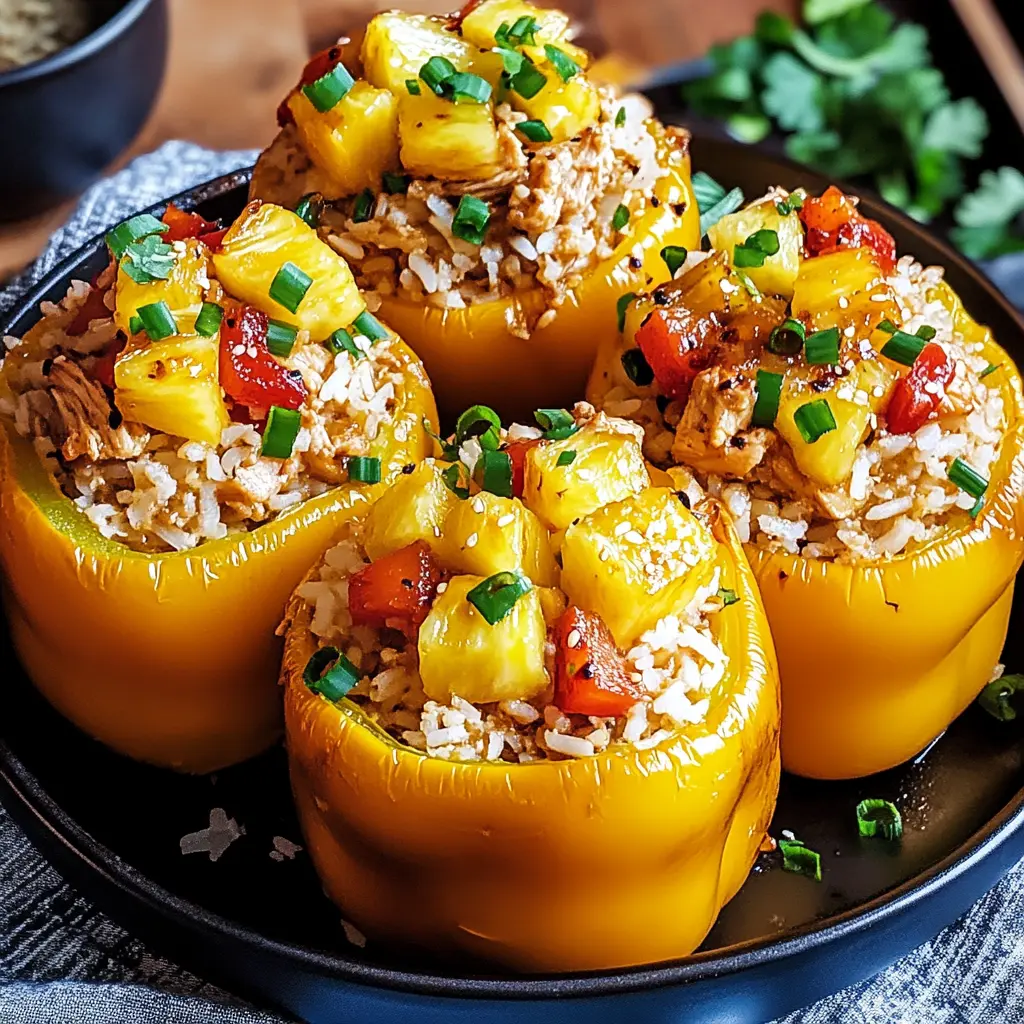
Teriyaki Pineapple Chicken & Rice Stuffed Peppers: The Perfect Sweet and Savory Family Dinner
Teriyaki Pineapple Chicken & Rice Stuffed Peppers combine the best of sweet and savory flavors in one incredible dish. This family-friendly recipe transforms ordinary bell peppers into extraordinary dinner centerpieces. Moreover, these stuffed peppers offer a complete meal with protein, vegetables, and grains all in one colorful package.
The combination of tender chicken, sweet pineapple, and umami-rich teriyaki sauce creates a flavor profile that appeals to both adults and children. Furthermore, this dish provides an excellent way to incorporate more vegetables into your family’s diet while delivering satisfying comfort food vibes.
Why Teriyaki Pineapple Stuffed Peppers Are Perfect for Your Family
Complete Nutrition in Every Bite
These teriyaki chicken stuffed peppers deliver exceptional nutritional value. Each pepper contains lean protein from chicken, complex carbohydrates from rice, and essential vitamins from bell peppers and pineapple. Additionally, the combination creates a well-balanced meal that satisfies hunger and provides sustained energy.
The bell peppers themselves offer remarkable health benefits. They contain high levels of vitamin C, vitamin A, and antioxidants. Meanwhile, the pineapple adds natural sweetness along with vitamin C and manganese. As a result, this dish supports immune system health while delivering incredible flavor.
Budget-Friendly Family Meal
This recipe proves that delicious, restaurant-quality meals don’t require expensive ingredients. Bell peppers are affordable year-round, and chicken provides cost-effective protein. Furthermore, the recipe easily serves four to six people, making it perfect for family dinners or meal prep sessions.
The ingredients are readily available at most grocery stores. Consequently, you won’t need to make special trips or pay premium prices for exotic items. This accessibility makes the recipe practical for regular family meal rotation.
Make-Ahead Convenience
Busy families will appreciate this recipe’s make-ahead potential. You can prepare the filling up to two days in advance and store it in the refrigerator. Similarly, you can fully assemble the stuffed peppers and refrigerate them until ready to bake.
This flexibility allows you to prep during weekend meal preparation sessions. Then, simply pop the prepared peppers in the oven when ready to serve. As a result, you’ll have a homemade meal ready with minimal last-minute effort.
Essential Ingredients for Perfect Teriyaki Pineapple Chicken Stuffed Peppers
Primary Ingredients
Bell Peppers: Choose large, firm bell peppers in various colors for visual appeal. Red, yellow, and orange peppers offer sweeter flavors than green peppers. Additionally, they provide different antioxidant profiles, making your meal more nutritionally diverse.
Ground Chicken: Lean ground chicken serves as the protein foundation. It absorbs flavors beautifully while remaining tender and juicy. Moreover, ground chicken cooks quickly and evenly, ensuring consistent results throughout the filling.
Cooked Rice: Use day-old rice for best texture. Freshly cooked rice can become mushy when mixed with other ingredients. Furthermore, jasmine or basmati rice varieties add subtle aromatic qualities that complement the teriyaki flavors.
Fresh Pineapple: Fresh pineapple provides superior texture and flavor compared to canned alternatives. However, if using canned pineapple, choose varieties packed in juice rather than syrup. This choice maintains the natural sweet-tart balance essential to the dish.
Teriyaki Sauce Components
Soy Sauce: Forms the umami base of the teriyaki sauce. Low-sodium varieties help control salt content while maintaining flavor depth. Additionally, soy sauce contributes to the characteristic glossy appearance of teriyaki-glazed dishes.
Brown Sugar: Adds sweetness and helps create the signature teriyaki caramelization. Brown sugar’s molasses notes complement the pineapple’s natural sweetness. Furthermore, it aids in achieving the perfect balance between sweet and savory elements.
Rice Vinegar: Provides acidity that brightens the overall flavor profile. Rice vinegar offers a gentler acidity than white vinegar, making it ideal for Asian-inspired dishes. Moreover, it helps tenderize the chicken during cooking.
Fresh Ginger: Adds warming spice and aromatic complexity. Fresh ginger provides more vibrant flavor than ground alternatives. Additionally, ginger offers digestive benefits and complements both chicken and pineapple beautifully.
Garlic: Contributes savory depth and aromatic appeal. Fresh garlic cloves deliver more complex flavors than garlic powder. Furthermore, garlic provides immune-supporting properties while enhancing the overall taste experience.
Supporting Ingredients
Green Onions: Add mild onion flavor and colorful garnish appeal. Both white and green portions serve different purposes in the recipe. The white parts cook into the filling, while green tops provide fresh finishing touches.
Sesame Oil: A small amount adds nutty flavor and authentic Asian cuisine character. Toasted sesame oil offers more intense flavor than regular sesame oil. However, use sparingly as its potent flavor can easily overwhelm other ingredients.
Cornstarch: Helps thicken the teriyaki sauce and bind the filling ingredients. This creates better texture and prevents the filling from becoming watery. Additionally, cornstarch contributes to the glossy appearance of the finished sauce.
Step-by-Step Recipe Instructions
Preparation Phase
Step 1: Prepare Your Workspace
Begin by preheating your oven to 375°F (190°C). Meanwhile, gather all ingredients and necessary equipment. This preparation ensures smooth cooking flow and prevents any missing steps during the process.
Step 2: Prepare the Bell Peppers
Cut the tops off each bell pepper and remove seeds and membranes. Consequently, you’ll have clean pepper cups ready for stuffing. If peppers don’t stand upright, trim a small slice from the bottom without creating holes.
Blanch the peppers in boiling water for 3-4 minutes to soften them slightly. This step ensures even cooking and prevents tough, undercooked pepper walls. After blanching, immediately plunge peppers into ice water to stop the cooking process.
Sauce Preparation
Step 3: Create the Teriyaki Sauce
In a small saucepan, combine ¼ cup soy sauce, ¼ cup brown sugar, 2 tablespoons rice vinegar, 1 tablespoon freshly grated ginger, and 3 minced garlic cloves. Whisk ingredients together until smooth and well combined.
Bring the mixture to a gentle simmer over medium heat. Meanwhile, dissolve 1 tablespoon cornstarch in 2 tablespoons cold water to create a slurry. This technique prevents lumps and ensures smooth thickening.
Add the cornstarch slurry to the simmering sauce while whisking continuously. Continue cooking for 2-3 minutes until the sauce thickens and becomes glossy. Remove from heat and set aside to cool slightly.
Filling Preparation
Step 4: Cook the Chicken
Heat 1 tablespoon of oil in a large skillet over medium-high heat. Add 1 pound of ground chicken, breaking it up with a spatula as it cooks. Cook for 5-7 minutes until the chicken is no longer pink and has developed some browning.
Season the chicken with salt and pepper to taste. Additionally, add the white portions of 3 sliced green onions to the pan. Cook for another 2 minutes until the onions become fragrant and slightly softened.
Step 5: Combine Filling Ingredients
Add 2 cups of cooked rice to the skillet with the chicken. Furthermore, add 1 cup of diced fresh pineapple and half of the prepared teriyaki sauce. Stir everything together until evenly distributed and heated through.
Remove the skillet from heat and add 1 teaspoon of sesame oil. Mix gently to combine. Taste and adjust seasoning as needed. The filling should have a balanced sweet-savory flavor with visible pineapple pieces throughout.
Assembly and Cooking
Step 6: Stuff the Peppers
Place the prepared bell peppers in a baking dish with about ¼ inch of water in the bottom. This water creates steam that helps cook the peppers evenly. Divide the chicken and rice mixture evenly among the peppers, packing gently but not too tightly.
Brush the remaining teriyaki sauce over the tops of the stuffed peppers. This creates an attractive glaze and adds extra flavor to the finished dish. Moreover, the sauce will caramelize slightly during baking, creating appealing visual appeal.
Step 7: Bake to Perfection
Cover the baking dish with foil and bake for 25-30 minutes. The peppers should be tender but still hold their shape. Meanwhile, the filling should be heated through and the top should show some caramelization.
Remove the foil during the last 5 minutes of baking if you prefer more browning on top. However, watch carefully to prevent burning. The finished peppers should be tender when pierced with a fork.
Pro Tips for Perfect Teriyaki Pineapple Stuffed Peppers
Selecting the Right Peppers
Choose peppers that are uniform in size for even cooking. Additionally, select peppers with thick walls that can support the filling weight. Avoid peppers with soft spots or wrinkled skin, as these indicate age and may not hold up during cooking.
Different colored peppers offer varying sweetness levels. Red and yellow peppers are sweeter than green peppers, making them ideal for this sweet-savory recipe. However, mixing colors creates beautiful presentation and varied flavor complexity.
Achieving Perfect Rice Texture
Use day-old refrigerated rice for best results. Fresh rice contains too much moisture and can make the filling soggy. Furthermore, cold rice separates more easily and absorbs flavors better than warm rice.
If you only have fresh rice, spread it on a baking sheet and refrigerate for at least 30 minutes before using. This technique removes excess moisture and improves the final texture significantly.
Balancing Sweet and Savory Elements
Taste the filling before stuffing the peppers. The flavor should be balanced between sweet pineapple, savory chicken, and umami-rich teriyaki sauce. Adjust sweetness with additional brown sugar or add more soy sauce for saltiness.
Remember that flavors intensify during baking. Therefore, slightly under-season the filling initially. The teriyaki glaze on top will add final flavor depth to the completed dish.
Preventing Soggy Bottoms
Ensure the baking dish water level doesn’t exceed ¼ inch. Too much water can make the pepper bottoms soggy. Meanwhile, too little water may cause the peppers to burn or cook unevenly.
Consider placing the peppers on a wire rack inside the baking dish. This elevates them slightly above the water level while still providing necessary steam for cooking.
Make-Ahead Strategies
Prepare the filling up to two days in advance and store it refrigerated. This actually improves flavors as ingredients have time to meld together. Additionally, you can fully assemble the stuffed peppers and refrigerate them covered for up to 24 hours before baking.
If freezing assembled peppers, wrap individually in plastic wrap and store for up to three months. Thaw completely in the refrigerator before baking, and add 10-15 additional minutes to the cooking time.
Nutritional Benefits of This Family-Friendly Dish
Complete Protein Source
Ground chicken provides all essential amino acids necessary for muscle maintenance and growth. Each stuffed pepper contains approximately 25-30 grams of high-quality protein. Furthermore, chicken protein is easily digestible and supports satiety, helping family members feel satisfied longer.
Protein also plays crucial roles in immune function and cellular repair. Consequently, this dish supports overall health while delivering satisfying comfort food appeal.
Vitamin and Mineral Powerhouse
Bell peppers rank among the highest vegetables in vitamin C content. One large pepper provides more than 100% of daily vitamin C requirements. Additionally, they contain vitamin A, vitamin K, and folate, supporting various bodily functions.
The colorful pepper varieties offer different antioxidant profiles. Red peppers contain lycopene, while yellow peppers provide beta-carotene. As a result, using multiple pepper colors maximizes nutritional diversity.
Complex Carbohydrates for Sustained Energy
Brown rice provides complex carbohydrates that release energy slowly and steadily. This prevents blood sugar spikes and crashes associated with simple carbohydrates. Moreover, brown rice contains B vitamins and fiber that support digestive health.
The combination of protein and complex carbohydrates creates balanced nutrition that supports stable energy levels throughout the day. This makes the dish particularly suitable for growing children and active adults.
Natural Fruit Benefits
Fresh pineapple contributes vitamin C, manganese, and bromelain enzyme. Bromelain supports protein digestion and may have anti-inflammatory properties. Furthermore, pineapple’s natural sweetness satisfies cravings while providing beneficial nutrients.
The fruit also adds fiber to the dish, supporting digestive health and promoting feelings of fullness. Unlike processed sweeteners, pineapple provides sweetness along with valuable micronutrients.
Creative Recipe Variations
Protein Alternatives
Ground Turkey Variation: Substitute ground turkey for chicken using identical cooking methods. Turkey provides similar protein content with slightly different flavor profiles. Additionally, turkey often costs less than chicken, making this variation budget-friendly.
Tofu Version: For vegetarian families, use extra-firm tofu crumbled and seasoned with soy sauce. Press the tofu first to remove excess water, then crumble and sauté until golden. This creates similar texture to ground meat while providing plant-based protein.
Shrimp Adaptation: Dice cooked shrimp into small pieces and add during the final mixing stage. Shrimp cooks quickly and can become tough if overcooked. Therefore, add it just before stuffing the peppers to maintain optimal texture.
Rice and Grain Substitutions
Cauliflower Rice: For lower-carb versions, substitute riced cauliflower for traditional rice. Sauté the cauliflower rice briefly to remove excess moisture before mixing with other ingredients. This creates a lighter version while maintaining satisfying texture.
Quinoa Alternative: Use cooked quinoa instead of rice for added protein and different texture. Quinoa provides complete protein and creates slightly nuttier flavor profiles. Moreover, it offers more fiber than white rice varieties.
Wild Rice Blend: Combine wild rice with brown rice for enhanced texture and flavor complexity. Wild rice adds chewy texture and earthy flavors that complement the sweet-savory profile beautifully.
Flavor Profile Modifications
Spicy Version: Add diced jalapeños or red pepper flakes to the filling for heat. Start with small amounts and adjust to family preferences. Additionally, sriracha sauce can replace some teriyaki sauce for spicy-sweet flavor combinations.
Mediterranean Twist: Replace teriyaki sauce with herb-infused tomato sauce and add olives, sun-dried tomatoes, and feta cheese. This creates entirely different flavor profiles while maintaining the stuffed pepper concept.
Mexican-Inspired Adaptation: Use taco seasoning instead of teriyaki sauce, and add black beans, corn, and cheese. Top with avocado and cilantro for fresh finishing touches.
Seasonal Variations
Summer Version: Add diced zucchini, corn kernels, and fresh herbs during peak summer season. These ingredients provide seasonal freshness and additional vegetables for enhanced nutrition.
Winter Adaptation: Include diced sweet potatoes, cranberries, and warming spices like cinnamon and nutmeg. These ingredients create heartier, more warming dishes perfect for colder months.
Holiday Special: Add pomegranate seeds and chopped pecans for festive color and texture. These ingredients create elegant presentations suitable for special occasions.
Storage and Reheating Guide
Proper Storage Techniques
Store leftover stuffed peppers in airtight containers in the refrigerator for up to four days. Allow peppers to cool completely before refrigerating to prevent condensation and sogginess. Additionally, store peppers individually wrapped to prevent flavors from transferring.
For longer storage, freeze stuffed peppers for up to three months. Wrap each pepper individually in plastic wrap, then place in freezer bags with dates labeled clearly. This prevents freezer burn and maintains quality.
Reheating Methods
Oven Reheating: Preheat oven to 350°F (175°C) and place peppers in a baking dish with a small amount of water. Cover with foil and heat for 15-20 minutes until warmed through. This method maintains texture best.
Microwave Option: Place individual peppers on microwave-safe plates and cover with damp paper towels. Heat on 50% power for 2-3 minutes, checking frequently. However, this method may soften peppers more than desired.
Stovetop Method: Cut peppers into sections and reheat filling in a skillet over medium heat. Add a small amount of water or broth if needed. This method works well when peppers become too soft for individual presentation.
Food Safety Considerations
Never leave cooked stuffed peppers at room temperature for more than two hours. Bacterial growth occurs rapidly in the temperature danger zone between 40°F and 140°F. Therefore, refrigerate promptly after serving.
When reheating, ensure internal temperature reaches 165°F (74°C) for food safety. Use a food thermometer to verify temperature, especially when reheating from frozen state.
Perfect Serving Suggestions
Complementary Side Dishes
Asian-Inspired Sides: Serve with steamed edamame, cucumber salad with rice vinegar dressing, or miso soup. These sides complement the Asian flavor profile while adding variety to the meal.
Light Salad Options: Pair with mixed greens salad dressed with sesame ginger vinaigrette. The fresh, crisp salad provides textural contrast to the hearty stuffed peppers. Furthermore, the acidic dressing helps cleanse the palate between bites.
Vegetable Additions: Steamed broccoli, snap peas, or bok choy make excellent accompaniments. These vegetables add color and additional nutrition while maintaining the Asian-inspired theme.
Presentation Ideas
Individual Plating: Serve each stuffed pepper on individual plates garnished with sliced green onions and sesame seeds. This creates restaurant-quality presentation suitable for dinner parties or special occasions.
Family Style: Present all peppers on a large platter surrounded by complementary sides. This approach encourages sharing and creates casual, family-friendly dining experiences.
Garnish Options: Top finished peppers with toasted sesame seeds, chopped green onions, or cilantro leaves. These garnishes add color, texture, and fresh flavor finishing touches.
Beverage Pairings
Hot Beverages: Green tea or jasmine tea complement the Asian flavors beautifully. The subtle tea flavors don’t compete with the dish while providing cleansing palate effects.
Cold Options: Iced tea with lemon or sparkling water with cucumber slices offer refreshing contrasts to the rich, savory flavors. These beverages help balance the meal’s overall richness.
Family-Friendly Choices: Fruit-infused water or natural fruit juices provide kid-friendly options that complement the sweet pineapple elements in the dish.
Troubleshooting Common Issues
Preventing Watery Filling
Excess Moisture Problems: If filling seems watery, add breadcrumbs or additional cooked rice to absorb excess liquid. Alternatively, cook the filling uncovered for a few extra minutes to evaporate moisture.
Pineapple Juice Issues: Fresh pineapple releases juice during cooking. Drain diced pineapple before adding to the filling, or reduce other liquid ingredients to compensate for natural fruit juices.
Pepper Cooking Challenges
Uneven Cooking: Ensure all peppers are similar sizes for even cooking. If some peppers are significantly larger, they’ll need additional cooking time. Consider cutting larger peppers in half rather than stuffing them whole.
Collapsing Peppers: Overcooking causes peppers to collapse and lose their shape. Test doneness by gently piercing with a fork. Peppers should be tender but still hold their structure.
Flavor Balance Issues
Too Sweet: If the dish tastes overly sweet, add more soy sauce or a splash of rice vinegar to balance flavors. Additionally, season with black pepper or red pepper flakes for complexity.
Not Enough Flavor: Increase the teriyaki sauce amount or add more garlic and ginger to boost flavor intensity. Remember that flavors meld during baking, so taste and adjust before final assembly.
Texture Problems
Mushy Rice: Use day-old rice and avoid overcooking during the initial sautéing phase. Fresh rice contains too much moisture and breaks down during cooking.
Dry Filling: Add small amounts of chicken broth or additional teriyaki sauce if the filling seems dry. However, add liquids gradually to prevent creating watery consistency.
Frequently Asked Questions
Q: Can I make Teriyaki Pineapple Chicken & Rice Stuffed Peppers ahead of time?
A: Yes, you can assemble the stuffed peppers up to 24 hours in advance. Store them covered in the refrigerator and bake when ready to serve. Additionally, you can prepare the filling up to two days ahead and stuff the peppers just before cooking.
Q: What’s the best way to prevent the peppers from falling over during cooking?
A: Choose peppers with flat bottoms, and trim a small slice from the bottom if needed without creating holes. Additionally, pack the filling firmly but not tightly, and use a appropriately sized baking dish that keeps peppers upright.
Q: Can I freeze these stuffed peppers?
A: Absolutely! Wrap individual stuffed peppers in plastic wrap and freeze for up to three months. Thaw completely in the refrigerator before baking, and add 10-15 extra minutes to the cooking time.
Q: What can I substitute for fresh pineapple?
A: Canned pineapple packed in juice works well as a substitute. Drain thoroughly before using and reduce other liquid ingredients slightly. However, fresh pineapple provides superior texture and flavor.
Q: How do I know when the stuffed peppers are done cooking?
A: The peppers should be tender when pierced with a fork, and the internal temperature should reach 165°F (74°C). The filling should be heated through and the tops should show slight caramelization.
Q: Can I make this recipe with different colored peppers?
A: Yes! Red, yellow, and orange peppers work beautifully and offer sweeter flavors than green peppers. Using multiple colors creates attractive presentation and provides different antioxidant benefits.
Q: What rice works best for this recipe?
A: Day-old jasmine or basmati rice provides the best texture and flavor. Avoid using freshly cooked rice as it contains too much moisture and can make the filling soggy.
Q: How can I make this recipe spicier?
A: Add diced jalapeños to the filling, include red pepper flakes in the teriyaki sauce, or drizzle sriracha over the finished peppers. Start with small amounts and adjust to your family’s heat tolerance.
Teriyaki Pineapple Chicken & Rice Stuffed Peppers represent the perfect fusion of sweet and savory flavors in an attractive, nutritious package. This family-friendly recipe delivers restaurant-quality results using accessible ingredients and straightforward techniques. Moreover, the dish provides complete nutrition while satisfying comfort food cravings.
The recipe’s versatility allows for numerous adaptations to suit different dietary preferences and seasonal availability. Whether you choose to make it exactly as written or customize it with your favorite variations, these stuffed peppers will become a regular feature in your meal rotation.
The combination of lean protein, complex carbohydrates, and fresh vegetables creates a balanced meal that supports healthy eating goals. Furthermore, the make-ahead convenience makes it practical for busy families seeking nutritious homemade meals.
Ready to create this delicious family dinner? Start by gathering your ingredients and preheating your oven. Your family will love the sweet-savory flavors and colorful presentation of these amazing Teriyaki Pineapple Chicken & Rice Stuffed Peppers!
Teriyaki Pineapple Chicken & Rice Stuffed Peppers
Description
Teriyaki Pineapple Chicken & Rice Stuffed Peppers
Ingredients
For the Stuffed Peppers:
-
4 large bell peppers, halved lengthwise and deseeded
-
1 lb ground chicken
-
1 cup cooked white rice
-
1 cup diced pineapple (fresh or canned, drained)
-
½ cup chopped green onions
-
½ red bell pepper, finely chopped
-
2 cloves garlic, minced
-
1 teaspoon fresh ginger, minced
-
½ cup shredded mozzarella cheese
-
2 tablespoons sesame seeds for garnish (optional)
For the Teriyaki Sauce:
-
¼ cup soy sauce
-
2 tablespoons honey
-
1 tablespoon rice vinegar
-
1 teaspoon sesame oil
-
1 teaspoon cornstarch
-
2 tablespoons water
-
1 tablespoon sriracha (optional)
Instructions
-
Preheat oven to 375°F (190°C) and lightly grease a baking dish
-
Prepare bell peppers by cutting them in half lengthwise, removing seeds and membranes, then arrange cut-side up in the prepared baking dish
-
Heat a large skillet over medium heat and cook ground chicken until fully browned and cooked through, about 6-8 minutes
-
Add minced garlic and ginger to the chicken and sauté for 1 minute until fragrant
-
Stir in cooked rice, diced pineapple, chopped green onions, and diced red bell pepper
-
In a small bowl, whisk together soy sauce, honey, rice vinegar, and sesame oil
-
In another small bowl, mix cornstarch with water to create a slurry, then add to the teriyaki sauce mixture
-
Pour the teriyaki sauce over the chicken and rice mixture in the skillet
-
Add sriracha if using and cook for 2-3 minutes until sauce thickens
-
Remove from heat and stir in shredded mozzarella cheese
-
Evenly distribute the filling among the prepared pepper halves
-
Cover with foil and bake for 25-30 minutes, removing foil for the last 5 minutes
-
Remove from oven when peppers are tender and filling is heated through
-
Garnish with sesame seeds and additional green onions if desired
Serve hot as a complete meal. This recipe serves 4 people and combines sweet pineapple with savory teriyaki flavors in tender bell pepper cups.