
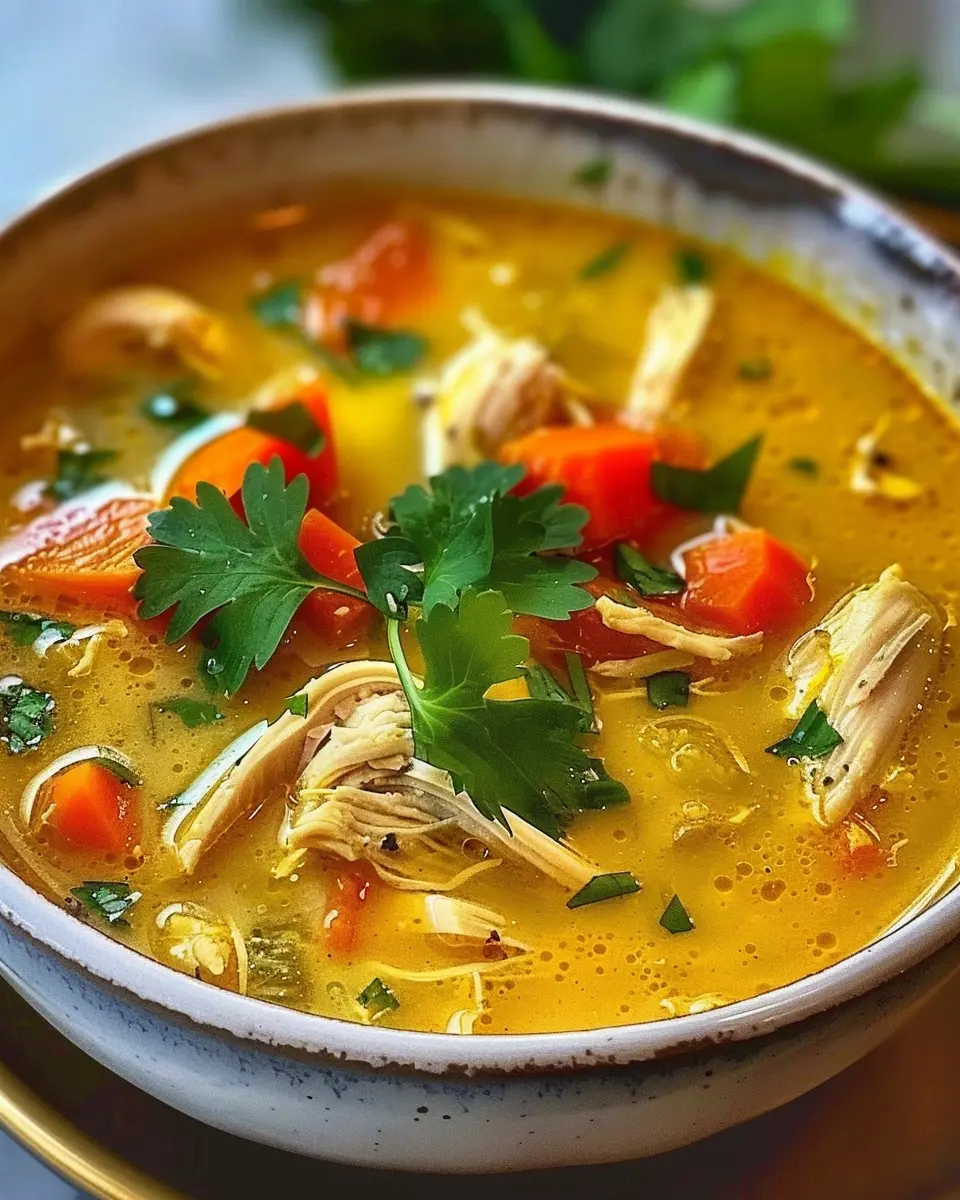
Article Introduction
Ah, chicken soup. For generations, it’s been the go-to remedy whispered about in kitchens and handed down through families—a steaming bowl of comfort for the soul and the body. But what if this classic comfort food could be transformed into a veritable elixir of wellness? What if we could supercharge grandma’s timeless recipe with the very essence of modern nutritional science?
Buckle up, because we’re diving deep into the world of Anti-Inflammatory Turmeric Chicken Soup. This isn’t just another recipe; oh no, it’s a comprehensive guide to understanding the “why” behind the “what.” We’ll unravel the potent science of curcumin, celebrate the humble black pepper’s crucial role, and explore how each vegetable and herb contributes to a symphony of healing. Get ready to craft a pot of soup that doesn’t just warm you up but actively works to soothe inflammation, bolster your immune system, and become your ultimate culinary weapon for vibrant health.
Introduction and The Science of Healing
The Ultimate Anti-Inflammatory Turmeric Chicken Soup: Your Recipe for Healing
Ever had one of those days where you feel utterly run down? You know the feeling—your body aches, your energy is zapped, and a general sense of bleh seems to have taken up residence. Well, you’re certainly not alone! In fact, for centuries, cultures across the globe have turned to a simple, soothing solution: a hearty bowl of chicken soup. Surprisingly, however, this tradition isn’t just an old wives’ tale; remarkably, modern science is now catching up to confirm what our ancestors instinctively knew.
Consequently, by marrying this ancient wisdom with a powerful, golden-hued spice—turmeric—we can create something truly extraordinary. This article, therefore, is your ultimate guide to crafting the most potent, flavorful, and scientifically-backed Anti-Inflammatory Turmeric Chicken Soup imaginable. We’ll journey far beyond a simple list of ingredients, diving into the fascinating health benefits of each component, exploring customizations for every diet, and answering all your burning questions. Ultimately, your path to a healthier, more resilient you begins right here with a single, magical pot of soup.
Why Chicken Soup is More Than Just Comfort Food
A Historical Perspective on Broth-Based Healing
Let’s be honest, who hasn’t been handed a steaming bowl of soup when feeling under the weather? This tradition is deeply embedded in our history. For instance, traditional Chinese medicine has long revered the life-giving properties of bone broth for strengthening the immune system and supporting digestion. Similarly, in Jewish culture, “Jewish Penicillin” isn’t just a cute nickname; it’s a testament to generations of observed healing. Essentially, our forebears recognized that a long-simmered broth, teeming with minerals and gelatin from bones, provided a uniquely restorative form of nourishment that was both gentle and powerful.
The Modern Scientific Backing
Okay, so history is one thing, but what does the cold, hard data say? Well, as it turns out, quite a lot! A famous study from the University of Nebraska Medical Center, led by Dr. Stephen Rennard, actually put chicken soup to the test. Astonishingly, the research found that his wife’s homemade chicken soup recipe could mildly inhibit the movement of neutrophils—the most common type of white blood cell that defends against infection. Why does this matter? Because while these cells are crucial, their rapid migration to sites of infection is a primary driver of inflammation-related symptoms. Furthermore, the warm liquid helps with hydration and loosening mucus, while the easy-to-digest nutrients provide essential fuel when your body needs it most. So, it turns out that comfort and science are deliciously intertwined!
The Power of Turmeric and Curcumin: Nature’s Anti-Inflammatory
What is Curcumin?
Now, let’s meet the rockstar of our recipe: curcumin. If turmeric is the vibrant, golden root, then curcumin is its incredibly potent, active soul. This powerful compound is responsible for turmeric’s stunning color and, more importantly, the vast majority of its renowned therapeutic properties. In fact, most of the exciting research surrounding turmeric’s benefits can be directly attributed to this single bioactive component.
How Curcumin Fights Inflammation
So, how does this wonder compound actually work its magic inside your body? Picture this: at a cellular level, inflammation is often triggered by a molecule called NF-kB, which acts like a master switch, turning on genes that produce inflammatory proteins. Well, here’s where curcumin swoops in like a superhero! Numerous studies have shown that it effectively blocks the activation of this very NF-kB molecule. Consequently, by interrupting this signaling pathway, it helps to dial down the body’s inflammatory response at its very source. It’s not just masking symptoms; it’s genuinely helping to calm the storm from within.
The Bioavailability Challenge
Alright, here’s the catch—and it’s a big one. Despite its incredible potential, curcumin has a notoriously hard time getting into your bloodstream on its own; it’s notoriously poorly absorbed. You could consume a mountain of turmeric, and sadly, most of its benefits would simply pass through you. But don’t despair! Nature, in its infinite wisdom, provides a perfect and simple solution: black pepper. This common kitchen staple contains a compound called piperine, which is a potent bioavailability enhancer. Incredibly, just a small pinch of black pepper can increase the absorption of curcumin by up to a staggering 2,000%! This isn’t just a flavor suggestion; it’s the non-negotiable key that unlocks the soup’s true healing potential.
The Ultimate Recipe and Ingredient Deep Dive
Building Your Healing Elixir: The Ultimate Anti-Inflammatory Turmeric Chicken Soup Recipe
Alright, enough with the science lecture—let’s get to the good part! You’re probably itching to roll up your sleeves and create this liquid gold. This recipe is meticulously crafted for maximum flavor and therapeutic impact; every single ingredient has a purpose. So, grab your favorite stockpot, and let’s transform your kitchen into an apothecary of aroma and wellness.
Prep Time: 20 minutes | Cook Time: 45 minutes | Total Time: 1 hour 5 minutes | Serves: 6
Gathering Your Arsenal: Ingredients and Their Purpose
The Broth Base
First things first, the foundation of any incredible soup is its liquid soul: the broth. Now, you have two fantastic paths here.
-
Option 1: Homemade Bone Broth. If you have the time, this is the undisputed champion. Simmering chicken bones for hours leaches out precious collagen, gelatin, and minerals, creating a broth that’s not only deeply flavorful but also incredibly supportive for gut health and joint lubrication. It’s a true nutrient-dense powerhouse.
-
Option 2: High-Quality Store-Bought. Let’s be real, we don’t always have time for that! Fortunately, you can find excellent options. The key is to read the label meticulously. Look for a low-sodium, organic broth with a short, recognizable ingredients list. Avoid anything with artificial flavors or MSG. The best store-bought broths often come in cardboard cartons, not cans.
The Aromatics (The Flavor Foundation)
Next up, the holy trinity that builds a flavor base in virtually every culture’s cuisine.
-
Onion & Garlic: These aren’t just for taste! They bring a powerful punch of prebiotics (food for your good gut bacteria) and a compound called allicin, which is renowned for its immune-boosting and antimicrobial properties. They form the savory, sweet backbone of the entire dish.
-
Fresh Ginger: This knobby root is turmeric’s brilliant cousin. It adds a warm, zesty kick and brings its own arsenal of anti-inflammatory compounds called gingerols. Furthermore, it’s famously brilliant for settling upset stomachs and aiding digestion, making it a perfect partner in crime for the turmeric.
The Anti-Inflammatory Trio
Here we go—the main event! This is where the magic truly happens.
-
Fresh Turmeric vs. Ground Turmeric: Why not use both? Fresh turmeric root, grated, provides a wonderfully earthy, bright, and slightly peppery flavor. Meanwhile, ground turmeric powder delivers a more intense color and a concentrated dose of our hero, curcumin. Using both gives you the best of both worlds: incredible depth of flavor and potent therapeutic benefits.
-
Black Pepper (Piperine): As we’ve established, this is the non-negotiable key. Don’t you dare skip it! That pinch of freshly ground black pepper isn’t just a seasoning; it’s the catalyst that ensures your body can actually use all the wonderful curcumin you’re consuming.
-
Coconut Oil or Olive Oil: We need fat to sauté our aromatics, right? Well, it turns out that healthy fats like these do double duty. They are essential for properly “blooming” the spices (unlocking their full flavor), and they also act as a vehicle to enhance the absorption of fat-soluble compounds like curcumin. It’s a win-win!
The Vegetables (Fiber and Nutrients)
Now for the color, texture, and a mega-dose of vitamins and antioxidants.
-
Carrots: These sweet, orange wonders are loaded with beta-carotene, which your body converts into Vitamin A—a critical nutrient for a robust immune system and healthy vision.
-
Celery: Often underrated, celery provides a subtle, savory note and important electrolytes, which are crucial for hydration, especially if you’re feeling under the weather.
-
Other fantastic additions: Feel free to get creative! Sweet potatoes would add more beta-carotene and heartiness, while a handful of kale or spinach tossed in at the end would contribute iron and a plethora of phytonutrients.
The Protein
Finally, we need that satisfying, hearty element to make this a complete meal.
-
You can absolutely use a pre-cooked rotisserie chicken for ease—just shred it and stir it in at the very end to warm through. It’s a fantastic time-saver.
-
Alternatively, for even more flavor, you can gently poach raw chicken thighs or breasts right in the simmering broth. Afterwards, you simply remove them, shred them, and return them to the pot. This method infuses the broth with even more chicken essence.
Step-by-Step Cooking Instructions
-
Sauté the Aromatics: In a large stockpot or Dutch oven, heat your coconut or olive oil over medium heat. Add the chopped onion, celery, and carrots. Sprinkle with a pinch of salt to help them release their moisture. Sauté, stirring occasionally, for about 5-7 minutes, until the onions become translucent and fragrant. Then, add the minced garlic and grated ginger, cooking for another minute until wonderfully aromatic.
-
Bloom the Spices: This is the most crucial step for flavor! Add the ground turmeric and a generous amount of freshly cracked black pepper to the pot. Stir constantly for about 60 seconds. You’ll notice the color deepen and the fragrance become warm and toasted. This process wakes up the spices and unlocks their full potential.
-
Add Liquid and Simmer: Carefully pour in your chicken broth, ensuring you scrape up any browned bits from the bottom of the pot—that’s pure flavor! Add the grated fresh turmeric now as well. Bring the soup to a boil, then immediately reduce the heat to a gentle, steady simmer. Let it cook for about 20-25 minutes, allowing the vegetables to become tender and the flavors to meld beautifully.
-
Incorporate the Chicken: Stir in your shredded, cooked chicken. Since it just needs to heat through, let it simmer for another 3-5 minutes. If you used raw chicken, you would add it in step 3 and ensure it’s fully cooked through before proceeding.
-
The All-Important Finish: Right before serving, turn off the heat. Stir in a big squeeze of fresh lemon juice and a handful of chopped fresh cilantro or parsley. The lemon’s bright acidity and vitamin C lift all the flavors and further aid nutrient absorption, while the fresh herbs add a burst of color and freshness that makes the soup truly sing.

Customization, Benefits, and Integration
Chef’s Notes: Tips for the Best Soup
Before we explore the incredible health benefits of your creation, let’s nail down a few pro tips to ensure soup success every single time. First and foremost, a word of caution: turmeric is a powerful natural dye. It can permanently stain wooden spoons and light-colored silicone utensils, so consider using a dark-colored or metal spoon. Likewise, be careful with your favorite kitchen towels!
Now, for storage. This soup is a fantastic make-ahead meal. It will keep beautifully in an airtight container in the refrigerator for up to 4 days. In fact, the flavors often meld and improve overnight! To freeze it, simply allow the soup to cool completely before transferring it to freezer-safe bags or containers; it will last for up to 3 months. When reheating, do so gently over medium-low heat on the stovetop to avoid overcooking the vegetables and chicken.
Making It Your Own: Dietary Modifications and Variations
The true beauty of this recipe is its incredible flexibility. It’s a wonderfully adaptable template that can cater to nearly any dietary need or preference without sacrificing an ounce of flavor.
Vegan/Vegetarian “Turmeric Chicken” Soup
Craving that anti-inflammatory boost but living a plant-based life? No problem! This soup is easily transformed. Simply swap the chicken broth for a robust vegetable broth. For the protein, hearty vegetables like mushrooms (cremini or shiitake are fantastic) provide a wonderful, meaty texture and deep umami flavor. Additionally, a can of rinsed chickpeas or white beans tossed in during the last 10 minutes of simmering will add satisfying plant-based protein and fiber.
Low-Carb and Keto-Friendly Version
For those watching their carbohydrate intake, this soup is already a great candidate with a simple tweak. The primary source of carbs here comes from the carrots. To make it strictly low-carb or keto, you can simply omit them. Instead, load up on other low-starch vegetables like cauliflower florets, chopped zucchini, or bell peppers. They’ll add bulk, texture, color, and nutrients without the extra carbs.
Autoimmune Protocol (AIP) Version
Navigating the restrictive AIP diet requires careful omission of nightshades and seeds. Unfortunately, this means black pepper is off the table. However, you can still make a wonderfully healing version. Omit the black pepper and use a pinch of galangal (a relative of ginger) for a similar pungent kick. Ensure your broth is compliant, and load up on approved vegetables like carrots, celery, and kale.
Extra Boost Ideas
Feel free to get creative and tailor the soup to your immediate needs!
-
For Circulation and Heat: Add a pinch of cayenne pepper along with the other spices. This will give the soup a gentle, warming heat that can stimulate circulation.
-
For Gut-Healthy Probiotics: After you’ve turned off the heat and right before serving, stir in a tablespoon of miso paste. Avoid boiling the soup after adding miso, as high heat will destroy its beneficial probiotics.
Beyond the Bowl: The Holistic Health Benefits
So, you’ve made this gorgeous, golden soup. What exactly is it doing for you? The synergy between the ingredients creates a powerful wellness tonic with far-reaching benefits.
Immune System Support
This soup is essentially a protective shield in a bowl. The combination of zinc from the chicken, a plethora of antioxidants from the vegetables, and the immunomodulating properties of turmeric and ginger creates a formidable defense team. According to resources like the Harvard T.H. Chan School of Public Health, antioxidants play a key role in neutralizing free radicals and supporting overall immune function. This makes the soup a perfect preventative meal during cold and flu season or a restorative one if you’re already feeling under the weather.
Gut Health and Digestion
If your stomach is feeling sensitive or upset, this is the meal you need. The gelatin from a good bone broth can help soothe and repair the intestinal lining, which is crucial for overall health. Meanwhile, the ginger is a classic remedy for reducing bloating, nausea, and indigestion. The easy-to-digest nature of the soup gives your digestive system a much-needed break while still providing essential nourishment.
Joint Pain and Arthritis Relief
This is where the star ingredient, curcumin, truly shines. Numerous studies, including those summarized by authoritative sources like the National Center for Complementary and Integrative Health, have explored curcumin’s effects. The research indicates that its potent anti-inflammatory properties can be remarkably effective in reducing pain and improving function in individuals with osteoarthritis, sometimes rivaling the effects of over-the-counter anti-inflammatory drugs without the same side effects. Consuming it regularly in a bioavailable form, like this soup, can be a delicious part of a pain-management strategy.
Post-Workout Recovery
Forget those processed protein shakes! This soup is the ultimate natural recovery meal. The lean protein from the chicken provides the amino acids necessary to repair and rebuild muscle tissue broken down during exercise. The electrolytes from the broth and celery help with rehydration. Most importantly, the anti-inflammatory compounds help reduce Delayed Onset Muscle Soreness (DOMS)—that familiar ache you feel a day or two after a tough workout—helping you get back to your routine faster and feeling better.
FAQs and Conclusion
Incorporating Soup into a Healthy Lifestyle
Alright, so you have this magnificent pot of liquid gold—now what? Integrating this soup into your routine is where its true power is unlocked. Think of it as more than a meal; it’s a tool for wellness.
Firstly, consider it your ultimate reset button. After a weekend of indulgence or simply feeling off-kilter, a bowl of this soup is the perfect way to nourish your body with clean, anti-inflammatory foods, helping to reduce bloat and bring everything back into balance. Secondly, it’s a meal-prepper’s dream. Making a double batch on a Sunday guarantees you have a healthy, ready-to-go lunch for the entire week, saving you from less healthy last-minute choices. Finally, and most importantly, listen to your body. When you start to feel that first tickle in your throat or a wave of fatigue, don’t wait! Gently simmer a pot; the act of making it is almost as therapeutic as eating it. This proactive approach to nourishment is a cornerstone of holistic health.
Frequently Asked Questions (FAQs)
Can I use ground turmeric instead of fresh?
Absolutely! While they offer slightly different flavor profiles, you can easily substitute one for the other. A good rule of thumb is to use one teaspoon of ground turmeric for every one-inch piece of fresh turmeric called for in a recipe. The ground version will give you a more intense color and a deeper, earthier flavor.
Is this soup good for a cold or flu?
It’s excellent! In fact, it’s a triple threat when you’re sick. The warm steam helps to loosen congestion and ease sinus pressure. The broth keeps you hydrated and provides essential electrolytes. And finally, the powerful anti-inflammatory and immune-boosting ingredients like garlic, ginger, and turmeric work together to support your body’s natural defenses and help reduce overall inflammation and aches.
How can I make the soup more filling?
This is easily customizable based on your needs! To add more heft and complex carbohydrates, simply stir in a serving of cooked rice, quinoa, or noodles directly into your bowl. For extra protein and fiber, a handful of canned (and rinsed) white beans or chickpeas added during the last few minutes of simmering works perfectly. This allows you to keep the base soup versatile for everyone.
Why is black pepper so important in this recipe?
This might be the most crucial question! Black pepper is far from optional; it’s an essential catalyst. It contains a compound called piperine, which is scientifically proven to enhance the absorption of curcumin (the active compound in turmeric) by up to 2,000%. Without it, the majority of the beneficial curcumin would simply pass through your system unused. That small pinch is what transforms the soup from simply flavorful to truly therapeutic.
Does turmeric chicken soup really work for inflammation?
While it’s not a magic bullet or a substitute for medical advice, the evidence is overwhelmingly positive. Each major ingredient—from the curcumin in turmeric and the gingerols in ginger to the allicin in garlic and the nutrients in bone broth—has strong, science-backed anti-inflammatory properties. As outlined by institutions like the Cleveland Clinic, consuming a variety of these foods as part of an overall healthy diet is a powerful strategy for managing systemic inflammation. This soup brilliantly combines them into a single, bioavailable, and delicious format, making it an exceptionally effective dietary tool.
Conclusion: A Pot of Wellness
And there you have it—far more than just a recipe, but a deep dive into a potent bowl of wellness. We’ve journeyed from the historical roots of healing broths to the cutting-edge science behind curcumin and piperine. We’ve explored how each humble vegetable and aromatic spice contributes to a symphony of flavor and function, supporting everything from your immune system and joint health to your digestionand post-workout recovery.
This Anti-Inflammatory Turmeric Chicken Soup is a testament to the power of food as medicine. It’s a reminder that some of the most powerful remedies aren’t found in a pill bottle, but simmered slowly on the stovetop, filled with intention and nourishment. So, embrace this recipe, make it your own, and share it with those you love. Here’s to your health—one delicious, golden, and healing spoonful at a time.

Anti-Inflammatory Turmeric Chicken Soup
Description
Anti-Inflammatory Turmeric Chicken Soup
Ingredients (4–6 servings)
-
1 tbsp olive oil (or coconut oil)
-
1 medium onion, diced
-
3 garlic cloves, minced
-
1 tbsp fresh ginger, grated
-
2 medium carrots, sliced
-
2 celery stalks, sliced
-
1 tsp ground turmeric (or 1 tbsp fresh turmeric, grated)
-
½ tsp ground black pepper (boosts turmeric absorption)
-
1 tsp cumin (optional)
-
6 cups low-sodium chicken broth
-
2 cups cooked shredded chicken (rotisserie works great)
-
1 cup baby spinach or kale
-
½ lemon (juice)
-
Salt, to taste
-
Fresh parsley or cilantro, for garnish
Instructions
-
Sauté Aromatics:
-
In a large pot, heat olive oil over medium heat.
-
Add onion, garlic, and ginger. Cook until fragrant, about 2 minutes.
-
-
Add Veggies & Spices:
-
Stir in carrots, celery, turmeric, cumin, and black pepper. Cook another 3 minutes.
-
-
Simmer:
-
Pour in chicken broth, bring to a boil, then reduce to a simmer. Cook for 15 minutes until veggies are tender.
-
-
Add Chicken & Greens:
-
Stir in shredded chicken and simmer another 5 minutes.
-
Add spinach/kale and let wilt.
-
-
Finish:
-
Squeeze in lemon juice, season with salt, and stir well.
-
-
Serve Hot:
-
Garnish with fresh parsley or cilantro.
-