
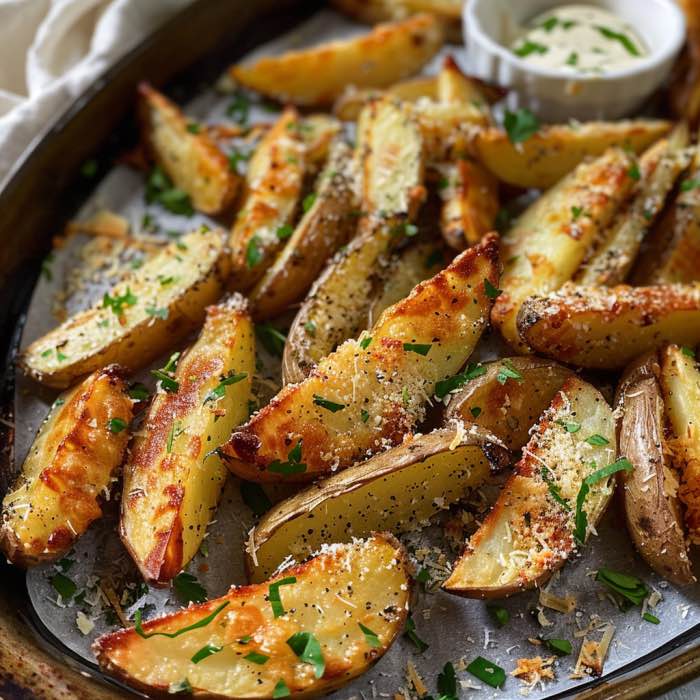
Baked Garlic Parmesan Potato Wedges
Introduction
Baked Garlic Parmesan Potato Wedges transform simple russet potatoes into an irresistible side dish. These golden, crispy wedges feature a savory coating of garlic and Parmesan cheese. Furthermore, they’re healthier than deep-fried alternatives while delivering the same satisfying crunch. Whether you’re serving them alongside grilled chicken or enjoying them as a snack, these potato wedges never disappoint.
This comprehensive guide covers everything from selecting the right potatoes to achieving that perfect crispy exterior. Additionally, you’ll discover expert tips for seasoning, baking techniques, and creative variations. By the end, you’ll master this crowd-pleasing recipe that works for weeknight dinners and special occasions alike.
Why Baked Potato Wedges Are a Perfect Side Dish
Baked potato wedges offer numerous advantages over traditional french fries. First, they require less oil while still achieving a satisfying crunch. Second, the larger cut size preserves more of the potato’s natural flavor and nutrients.
Moreover, these wedges are incredibly versatile. They complement everything from burgers to roasted vegetables. The garlic and Parmesan combination creates a sophisticated flavor profile that appeals to both adults and children. Consequently, they’ve become a staple in many households.
Healthier Than Deep-Fried Options
Baking significantly reduces the amount of oil needed. Traditional deep-fried potatoes absorb substantial amounts of fat. In contrast, baked wedges use just enough oil to promote browning and crispiness. This method cuts calories while maintaining excellent texture.
Additionally, baking preserves more vitamins and minerals. The lower cooking temperature protects heat-sensitive nutrients like vitamin C and B vitamins. Therefore, you can enjoy your favorite potato side dish with fewer health concerns.
Budget-Friendly and Easy to Make
Potatoes are one of the most affordable vegetables available. A five-pound bag of russets costs just a few dollars. Meanwhile, the other ingredients—garlic, Parmesan, and seasonings—are pantry staples. As a result, this recipe delivers maximum flavor for minimal investment.
The preparation process is equally straightforward. You’ll need just 10 minutes for prep work and about 40 minutes of baking time. No special equipment or advanced cooking skills are required. Simply cut, season, and bake for delicious results.
Selecting the Best Potatoes for Wedges
The potato variety you choose directly impacts the final texture. Not all potatoes are created equal when it comes to baking wedges. Understanding the differences helps ensure consistent success.
Russet Potatoes: The Gold Standard
Russet potatoes are ideal for Baked Garlic Parmesan Potato Wedges. Their high starch content creates a fluffy interior. Meanwhile, their thick skin crisps beautifully in the oven. Russets typically weigh between 8 to 12 ounces each, making them perfect for cutting into substantial wedges.
Furthermore, russets have a neutral flavor that absorbs seasonings well. The garlic and Parmesan coating adheres beautifully to their textured surface. This variety is widely available year-round at most grocery stores.
Alternative Potato Options
While russets are preferred, other varieties can work. Yukon Gold potatoes offer a slightly buttery flavor and creamy texture. However, they contain more moisture and less starch. This means they won’t get quite as crispy as russets.
Red potatoes work in a pinch but have thin skins. Their waxy texture results in a different consistency. They’re better suited for boiling or roasting whole. For optimal results, stick with russets for this recipe.
How to Choose Fresh Potatoes
Select firm potatoes without soft spots or green patches. The skin should be smooth and free from excessive eyes. Avoid potatoes with sprouting or wrinkled skin, as these indicators suggest age.
Store potatoes in a cool, dark place away from onions. Proper storage extends their shelf life to several weeks. Never refrigerate raw potatoes, as cold temperatures convert starches to sugars.
Essential Ingredients for Garlic Parmesan Wedges
Quality ingredients make a noticeable difference in the final product. Each component plays a specific role in flavor and texture. Let’s examine what you’ll need for perfect potato wedges.
Core Ingredients
-
Russet Potatoes: 4 large potatoes (about 2 pounds total)
-
Olive Oil: 3 tablespoons for coating
-
Garlic Powder: 2 teaspoons for robust flavor
-
Parmesan Cheese: 1/2 cup freshly grated
-
Salt: 1 teaspoon kosher salt
-
Black Pepper: 1/2 teaspoon freshly ground
-
Paprika: 1 teaspoon for color and mild spice
-
Italian Seasoning: 1 teaspoon for herbal notes
Optional Enhancements
Consider adding these ingredients for extra flavor depth. Onion powder complements the garlic beautifully. Cayenne pepper adds a subtle kick without overwhelming heat. Fresh herbs like rosemary or thyme bring aromatic complexity.
Nutritional yeast can substitute for Parmesan in vegan versions. It provides a similar umami-rich, cheesy flavor. Additionally, smoked paprika replaces regular paprika for a deeper taste profile.
Importance of Fresh Parmesan
Freshly grated Parmesan cheese makes a significant difference. Pre-grated versions often contain anti-caking agents that affect melting. Real Parmigiano-Reggiano offers superior flavor and texture. Grate it yourself using a microplane or box grater.
The aged, nutty flavor of authentic Parmesan elevates the entire dish. It also creates better browning and crisping on the potato surfaces. This investment pays dividends in taste and presentation.

Step-by-Step Recipe Instructions
Follow these detailed instructions for foolproof Baked Garlic Parmesan Potato Wedges. Each step includes important tips for optimal results. Moreover, understanding the “why” behind each action improves your cooking skills.
Preparation Steps
Step 1: Preheat Your Oven
Set your oven to 425°F (220°C). High heat is essential for achieving crispy edges. Additionally, place a large baking sheet in the oven while it preheats. This technique ensures immediate searing when potatoes hit the pan.
Step 2: Wash and Cut the Potatoes
Scrub the potatoes thoroughly under running water. Leave the skins on for added texture and nutrients. Pat them completely dry with paper towels. Excess moisture prevents proper crisping.
Cut each potato in half lengthwise. Then, cut each half into 3-4 wedges depending on size. Aim for uniform thickness to ensure even cooking. Each wedge should be about 3/4 inch at the thickest point.
Step 3: Create the Seasoning Mix
In a large bowl, combine olive oil, garlic powder, paprika, salt, pepper, and Italian seasoning. Whisk these ingredients together until well blended. The oil helps the seasonings adhere to the potato surfaces.
Reserve the Parmesan cheese for later. Adding it too early can cause burning during the initial cooking phase. Instead, you’ll add it during the final minutes of baking.
Cooking Process
Step 4: Coat the Wedges
Add the potato wedges to the seasoning bowl. Toss them thoroughly until every surface is coated. Use your hands for the most even distribution. Make sure the cut sides receive ample seasoning.
Let the coated wedges rest for 2-3 minutes. This brief waiting period allows the seasonings to penetrate slightly. Meanwhile, prepare your hot baking sheet.
Step 5: Arrange on the Baking Sheet
Carefully remove the preheated baking sheet from the oven. Arrange the wedges in a single layer with cut sides down. Leave space between each wedge for proper air circulation. Crowding causes steaming instead of crisping.
The sizzle when wedges hit the hot pan indicates proper temperature. This immediate contact creates the foundation for crispy exteriors. Therefore, don’t skip the pan-preheating step.
Step 6: Bake Until Golden
Bake for 25 minutes without disturbing the wedges. Resist the urge to flip them prematurely. The cut sides need uninterrupted contact to develop a golden crust.
After 25 minutes, flip each wedge carefully using tongs. Return to the oven for another 10 minutes. This second phase crisps the skin sides and ensures even browning.
Step 7: Add the Parmesan
Remove the baking sheet and sprinkle the grated Parmesan evenly over the wedges. Return to the oven for 3-5 minutes. The cheese should melt and become slightly golden. Watch carefully to prevent burning.
Step 8: Final Touches
Remove from the oven and let rest for 2 minutes. Garnish with fresh parsley if desired. Serve immediately while hot and crispy. The contrast between the crispy exterior and fluffy interior is at its peak.
Tips for Achieving Maximum Crispiness
Crispy potato wedges require attention to detail. Small adjustments make a significant difference in texture. Follow these expert tips for restaurant-quality results every time.
The Importance of Drying
Moisture is the enemy of crispiness. After washing, thoroughly pat the potatoes dry with paper towels. Consider letting them air-dry for 10 minutes before cutting. Even surface moisture can cause steaming during baking.
Some cooks pre-bake wedges for 10 minutes before adding oil and seasonings. This extra step evaporates surface moisture. However, the standard method works well when proper drying techniques are followed.
Don’t Overcrowd the Pan
Proper spacing allows hot air to circulate around each wedge. When wedges touch, they steam rather than roast. Use two baking sheets if necessary to maintain adequate spacing.
Additionally, arrange wedges with at least 1/2 inch between them. The larger the gap, the crispier the results. This principle applies to all oven-roasted vegetables.
Use High Heat
Temperature matters significantly for achieving crispy exteriors. Lower temperatures (under 400°F) result in soft, pale wedges. The 425°F setting creates the ideal balance between browning and cooking through.
Convection ovens work even better for this recipe. The circulating air promotes faster, more even crisping. Reduce the temperature by 25°F when using convection mode.
The Role of Oil
While baked wedges use less oil than fried versions, sufficient oil is still necessary. Oil conducts heat effectively and promotes browning. Three tablespoons for two pounds of potatoes is the sweet spot.
Choose oils with high smoke points like olive, avocado, or vegetable oil. These options withstand high heat without breaking down. Avoid butter for the initial cooking, as it burns easily.
Flavor Variations and Customizations
Baked Garlic Parmesan Potato Wedges serve as an excellent base for creativity. Experiment with these variations to keep things interesting. Moreover, customization allows you to cater to different taste preferences.
Spicy Garlic Parmesan Wedges
Add 1/2 teaspoon cayenne pepper to the seasoning mix. Alternatively, use hot paprika instead of sweet. For maximum heat, sprinkle red pepper flakes over the finished wedges.
Serve with cooling ranch or blue cheese dipping sauce. The contrast between spicy wedges and creamy dip is irresistible. This variation appeals to those who enjoy bold flavors.
Herb-Loaded Version
Fresh herbs elevate these wedges to gourmet status. Add 2 tablespoons minced fresh rosemary before baking. Alternatively, use thyme, oregano, or a combination of herbs.
Toss finished wedges with fresh chopped parsley and chives. The bright, fresh flavors complement the savory Parmesan coating. This version pairs beautifully with roasted chicken or fish.
Cajun-Style Wedges
Replace Italian seasoning with Cajun spice blend. Add 1/2 teaspoon smoked paprika for depth. The result is a Southern-inspired side dish with bold, complex flavors.
Serve these alongside grilled shrimp or blackened chicken. The Parmesan cheese balances the heat from Cajun spices. This variation works wonderfully for summer cookouts.
Truffle Parmesan Wedges
Drizzle finished wedges with white truffle oil. Use just 1-2 teaspoons for subtle earthy flavor. Add extra grated Parmesan and fresh thyme leaves.
This upscale variation transforms simple potatoes into an elegant side dish. It’s perfect for dinner parties or special occasions. The truffle aroma adds restaurant-worthy sophistication.
Mediterranean-Inspired
Add 1 teaspoon dried oregano and 1/2 teaspoon dried basil. Use a combination of Parmesan and crumbled feta cheese. Finish with a squeeze of fresh lemon juice.
Serve with tzatziki sauce for dipping. The Greek-inspired flavors complement grilled lamb or chicken. This variation brings bright, tangy notes to the table.
Serving Suggestions and Pairings
Baked Garlic Parmesan Potato Wedges complement numerous main dishes. Their versatility makes them suitable for casual dinners and elegant gatherings. Consider these serving ideas for inspiration.
Classic Main Dish Pairings
These wedges shine alongside grilled or roasted meats. Serve them with juicy steak for a steakhouse-style meal. They also pair wonderfully with roasted chicken thighs or breasts.
Burgers and sandwiches benefit from these elevated wedges. They’re a sophisticated alternative to regular fries. Additionally, they complement meatloaf, pork chops, and glazed salmon.
Vegetarian-Friendly Options
Pair wedges with vegetarian protein sources like grilled portobello mushrooms. They also work well with bean burgers or falafel. The hearty nature of potato wedges makes them satisfying for meatless meals.
Serve alongside roasted vegetable medleys or stuffed bell peppers. The Parmesan flavor complements many vegetable-based dishes. This combination creates a complete, satisfying vegetarian plate.
Dipping Sauce Recommendations
Multiple dipping sauces enhance the potato wedge experience. Ranch dressing is a classic choice that never disappoints. Its cool, creamy texture balances the savory wedges perfectly.
Garlic aioli amplifies the garlic flavors for garlic lovers. Honey mustard provides sweet and tangy contrast. Marinara sauce offers a pizza-inspired pairing that children especially enjoy.
Chipotle mayo adds smoky heat and creaminess. Alternatively, try tzatziki for Mediterranean flair. Ketchup remains popular, though these gourmet wedges deserve more sophisticated accompaniments.
Game Day and Party Settings
These wedges make excellent finger food for gatherings. Arrange them on a large platter with various dipping sauces. They’re perfect for game day spreads alongside wings and nachos.
Consider making double or triple batches for parties. They disappear quickly at social gatherings. Set up a dipping station with 3-4 sauce options for variety.
Storage and Reheating Guidelines
Proper storage maintains quality and food safety. While fresh wedges taste best, leftovers can still be enjoyable. Follow these guidelines for optimal results.
Refrigerator Storage
Allow leftover wedges to cool completely before storing. Place them in an airtight container or resealable bag. Store in the refrigerator for up to 3-4 days maximum.
Avoid stacking warm wedges, as trapped steam creates sogginess. Instead, spread them in a single layer until cool. Then, transfer to your storage container.
Freezing Instructions
Freezing is possible though texture changes slightly upon reheating. Freeze wedges in a single layer on a baking sheet first. Once frozen solid, transfer to freezer bags.
Remove as much air as possible before sealing. Label bags with the date and contents. Frozen wedges keep for up to 2 months.
Reheating Methods
Oven Method (Best Results)
Preheat your oven to 400°F. Arrange wedges on a baking sheet in a single layer. Bake for 10-15 minutes until heated through and crispy.
This method best restores the original texture. The high heat re-crisps the exteriors effectively. Avoid covering with foil, which creates steam.
Air Fryer Method
Set the air fryer to 375°F. Place wedges in the basket without overcrowding. Cook for 5-7 minutes, shaking halfway through.
Air fryers excel at restoring crispiness. They work faster than conventional ovens. This method is ideal for small portions.
Microwave (Quick But Compromise)
Microwaving is fastest but sacrifices texture. Arrange wedges on a microwave-safe plate. Heat in 30-second intervals until warm.
The wedges will be soft rather than crispy. Consider this method only when time is extremely limited. For better results, finish briefly in a hot oven or air fryer.
Nutritional Information and Health Benefits
Understanding the nutritional profile helps with dietary planning. Baked Garlic Parmesan Potato Wedges offer several nutritional benefits. Moreover, they’re more nutritious than many alternative side dishes.
Calorie and Macronutrient Breakdown
A typical serving (about 6-8 wedges) contains approximately 220-250 calories. This includes roughly 8 grams of fat, primarily from olive oil and Parmesan. Carbohydrates account for about 35 grams per serving.
Protein content reaches 6-7 grams per serving, thanks to the Parmesan cheese. Dietary fiber provides 3-4 grams, supporting digestive health. Sodium levels vary depending on salt amounts used.
Vitamins and Minerals
Potatoes are nutrient-dense vegetables rich in several essential nutrients. They provide substantial vitamin C, supporting immune function and skin health. One serving offers about 30% of daily vitamin C requirements.
Potassium is another standout nutrient in potatoes. This mineral supports heart health and blood pressure regulation. Potatoes contain more potassium than bananas, contrary to popular belief.
B vitamins, particularly B6, are abundant in potato wedges. These vitamins support energy metabolism and brain function. Additionally, potatoes provide iron, magnesium, and phosphorus.
Health Benefits of Key Ingredients
Garlic Benefits
Garlic contains powerful compounds like allicin with anti-inflammatory properties. Regular garlic consumption supports cardiovascular health. It may help lower blood pressure and cholesterol levels naturally.
Garlic also exhibits antimicrobial and immune-boosting properties. Though garlic powder is used in this recipe, it retains beneficial compounds. Fresh garlic can be added for even greater health benefits.
Olive Oil Advantages
Olive oil provides heart-healthy monounsaturated fats. These fats support healthy cholesterol levels and reduce inflammation. Extra virgin olive oil contains antioxidants called polyphenols.
The Mediterranean diet, rich in olive oil, associates with numerous health benefits. These include reduced heart disease risk and improved longevity. Using olive oil for baking is a healthier choice than many alternatives.
Parmesan Cheese Nutrition
Parmesan cheese delivers high-quality protein and calcium. Calcium supports bone health and prevents osteoporosis. One ounce provides about 30% of daily calcium needs.
Parmesan is also rich in vitamins A and B12. It’s naturally lactose-free due to the aging process. Therefore, many lactose-intolerant individuals can enjoy it comfortably.
Making the Recipe Healthier
Several modifications can further improve nutritional value. Use sweet potatoes instead of russets for more vitamin A and fiber. Reduce oil to 2 tablespoons if lowering fat intake.
Add nutritional yeast for a vitamin B12 boost in vegan versions. Increase herbs and spices while reducing salt for lower sodium content. These adjustments maintain flavor while enhancing nutritional benefits.
Common Mistakes to Avoid
Even simple recipes have pitfalls that compromise results. Learning from common errors saves time and frustration. Moreover, understanding mistakes helps develop better cooking instincts.
Cutting Wedges Unevenly
Inconsistent sizes lead to uneven cooking. Smaller wedges overcook and burn while larger ones remain undercooked. Take time to cut wedges as uniformly as possible.
Use a sharp knife for clean cuts through dense potato flesh. A dull knife makes precise cutting difficult and dangerous. Consider using a knife guide or ruler for beginners.
Skipping the Preheat Step
Adding wedges to a cold pan results in soggy, pale potatoes. The immediate sizzle from a hot pan starts the crisping process. This step is not optional for optimal texture.
Similarly, don’t add wedges to a cold oven. Always ensure the oven reaches the target temperature first. An oven thermometer confirms accurate temperature readings.
Adding Parmesan Too Early
Cheese added at the beginning burns before potatoes cook through. The high heat causes the Parmesan to brown excessively. This creates bitter flavors and compromised texture.
Wait until the final 5 minutes to add cheese. This timing allows perfect melting without burning. The cheese should be golden and fragrant, not dark brown.
Using Too Much Oil
Excessive oil makes wedges greasy rather than crispy. The wedges should be lightly coated, not swimming in oil. Three tablespoons suffices for two pounds of potatoes.
Measure oil carefully rather than eyeballing it. Remove excess oil from the bowl after tossing. This attention to detail prevents greasy results.
Flipping Too Early or Too Often
Constant flipping prevents proper browning on any surface. The wedges need uninterrupted contact with the hot pan. Flip only once, after the first 25 minutes of baking.
Resist the temptation to check progress repeatedly. Opening the oven door releases heat and extends cooking time. Trust the process and timing provided.
Serving Immediately Without Resting
A brief resting period allows steam to escape and texture to set. Serving immediately can result in softer wedges. Two minutes of resting makes a noticeable difference.
Use this time to prepare plates or finishing touches. The wedges remain hot enough while improving in texture. Patience delivers superior results.
Frequently Asked Questions
Can I make Baked Garlic Parmesan Potato Wedges ahead of time?
You can prepare wedges up to the point of baking several hours ahead. Cut and season them, then refrigerate until ready to bake. However, for best results, bake them fresh before serving. Reheated wedges never quite match freshly baked texture.
What’s the best way to cut potato wedges evenly?
Cut each potato in half lengthwise first. Place the flat side down for stability. Then cut each half into 3-4 wedges depending on potato size. A sharp chef’s knife makes this task easier and safer.
Can I use other types of cheese?
Absolutely! Pecorino Romano offers a sharper, saltier flavor profile. Asiago cheese provides nutty, slightly sweet notes. Gruyere melts beautifully and adds sophistication. However, hard aged cheeses work best for this application.
How do I prevent wedges from sticking to the pan?
Preheat the baking sheet to create immediate searing. Use parchment paper or a silicone baking mat for added insurance. Ensure wedges are well-coated with oil before placing on the pan. These steps prevent sticking effectively.
Can I make this recipe in an air fryer?
Yes, air fryers work wonderfully for potato wedges. Cook at 400°F for 15-20 minutes, shaking the basket halfway through. Add Parmesan during the last 2-3 minutes. Air fryers often produce even crispier results than conventional ovens.
Are potato skins safe to eat?
Potato skins are entirely safe and nutritious when properly washed. They contain significant fiber and nutrients. However, avoid green-tinged skins, which indicate solanine buildup. Remove any eyes or blemishes before cooking.
How can I make this recipe vegan?
Replace Parmesan with nutritional yeast for cheesy flavor without dairy. Use the same quantity as the cheese called for. Alternatively, vegan Parmesan alternatives are available at many stores. The nutritional yeast option provides extra B vitamins.
What if my wedges aren’t getting crispy enough?
Increase oven temperature to 450°F and extend baking time slightly. Ensure wedges aren’t crowded on the pan. Use two baking sheets if necessary. Additionally, verify your oven temperature with an oven thermometer, as many ovens run cool.
Can I use dried garlic instead of garlic powder?
Garlic powder works best for even distribution and avoiding burning. Dried minced garlic can work but may burn at high temperatures. Fresh garlic is too moist for this application. Stick with garlic powder for consistent results.
How many wedges does this recipe make?
Four large russet potatoes yield approximately 24-32 wedges total. This serves 4-6 people as a side dish. Adjust quantities based on your serving needs. The recipe scales easily for larger gatherings.
Final Thoughts
Baked Garlic Parmesan Potato Wedges deliver restaurant-quality results at home with minimal effort. This recipe combines simple ingredients and straightforward techniques for impressive outcomes. The crispy exteriors and fluffy interiors satisfy every time.
Moreover, these versatile wedges complement countless main dishes and occasions. They’re equally at home at casual family dinners and elegant gatherings. The garlic and Parmesan combination creates sophisticated flavor without complexity.
Remember the key principles: dry potatoes thoroughly, use high heat, avoid overcrowding, and add cheese near the end. These fundamentals ensure success with every batch. Additionally, don’t hesitate to experiment with variations and seasonings.
The health benefits of baked over fried preparations make this recipe a smart choice. You can enjoy delicious potato wedges while maintaining nutritional goals. Furthermore, the recipe accommodates various dietary modifications easily.
Start mastering this recipe today, and it will become a regular rotation in your kitchen. Your family and guests will request these Baked Garlic Parmesan Potato Wedges repeatedly. The combination of crispy texture, savory flavor, and simple preparation makes them truly irresistible.

Baked Garlic Parmesan Potato Wedges
Description
Baked Garlic Parmesan Potato Wedges
Ingredients
-
4 large russet potatoes, scrubbed and cut into wedges
-
3 tablespoons olive oil
-
4 cloves garlic, minced
-
½ teaspoon salt
-
½ teaspoon black pepper
-
1 teaspoon Italian seasoning (or dried oregano + basil)
-
½ teaspoon paprika
-
½ cup grated Parmesan cheese
-
2 tablespoons chopped fresh parsley (for garnish)
Instructions
-
Preheat the Oven
Preheat your oven to 425°F (220°C). Line a baking sheet with parchment paper or lightly grease it. -
Prepare the Potatoes
Slice each potato into 8–10 wedges. (Tip: Soak them in cold water for 15 minutes, then pat dry — this makes them extra crispy!) -
Season the Wedges
In a large bowl, toss the wedges with olive oil, minced garlic, salt, pepper, Italian seasoning, and paprika until evenly coated. -
Add Parmesan
Sprinkle half of the Parmesan cheese over the wedges and toss again to coat. -
Bake Until Crispy
Arrange wedges in a single layer on the baking sheet, skin side down.
Bake for 35–40 minutes, flipping halfway through, until golden and crisp. -
Finish and Serve
Sprinkle with the remaining Parmesan cheese and fresh parsley right after baking. Serve warm with ranch, garlic aioli, or marinara sauce for dipping.