
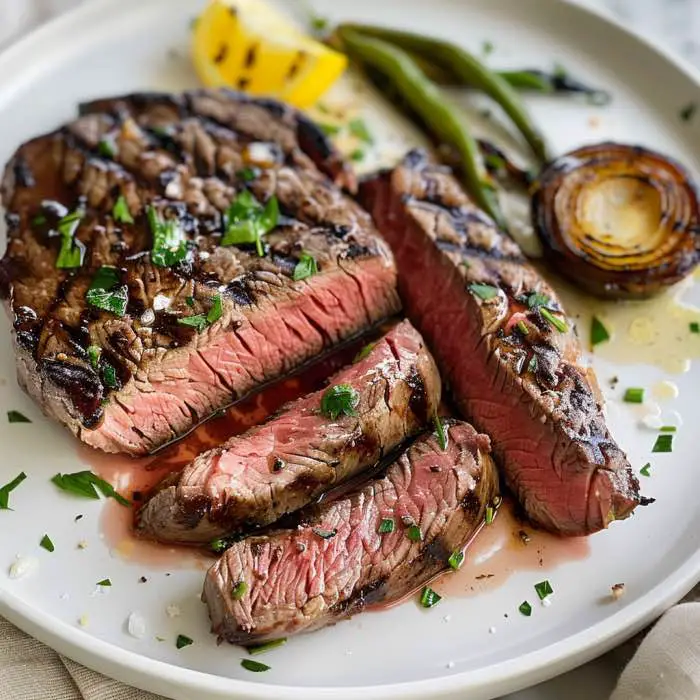
Grilled Steak Recipe: Master the Perfect Steak on Your Grill
Introduction
Grilling the perfect steak transforms a simple meal into an unforgettable dining experience. This comprehensive grilled steak recipe guide will teach you everything you need to know about selecting, preparing, and grilling steaks like a professional chef. Whether you’re a beginner or an experienced griller, you’ll discover proven techniques that deliver juicy, flavorful results every single time.
The art of grilling steak involves more than just throwing meat on hot grates. Indeed, understanding the right cuts, proper temperatures, and essential techniques makes all the difference. Furthermore, mastering these skills will impress your family and friends at every cookout.
Choosing the Right Steak Cut
Selecting the perfect cut is crucial for a successful grilled steak recipe. Different cuts offer varying levels of tenderness, flavor, and marbling. Moreover, understanding these differences helps you choose the best option for your preferences and budget.
Popular Cuts for Grilling
Ribeye: This cut features excellent marbling throughout the meat. As a result, it delivers rich flavor and stays incredibly juicy on the grill. The fat content keeps the steak moist during cooking.
New York Strip: This option provides a perfect balance of tenderness and flavor. Additionally, it has less fat than ribeye but maintains excellent taste. Many grill masters prefer this versatile cut.
Filet Mignon: Known for its butter-like tenderness, this cut melts in your mouth. However, it contains less marbling than other cuts. Therefore, careful cooking prevents it from drying out.
T-Bone and Porterhouse: These cuts combine two steaks in one. On one side, you get tenderloin; on the other, strip steak. Consequently, they offer variety in a single piece.
Sirloin: This budget-friendly option delivers solid flavor and decent tenderness. While it’s leaner than premium cuts, proper cooking yields delicious results.
Selecting Quality Beef
When shopping for steak, look for specific quality indicators. First, choose steaks with bright red color and white marbling. Next, ensure the meat feels firm to the touch. Additionally, check for USDA grading labels.
USDA Prime represents the highest quality with abundant marbling. USDA Choice offers excellent quality at a more accessible price point. Meanwhile, USDA Select contains less marbling but still provides good flavor.
Thickness matters significantly for grilling success. Aim for steaks that are 1 to 1.5 inches thick. Thinner cuts cook too quickly and risk overcooking. Conversely, thicker steaks allow for better crust development.
Essential Grilling Tools and Equipment
Having the right equipment ensures your grilled steak recipe turns out perfectly. Quality tools make the grilling process easier and more enjoyable. Furthermore, proper equipment helps you achieve consistent results.
Must-Have Grilling Tools
-
Instant-read thermometer: This tool eliminates guesswork about doneness
-
Long-handled tongs: Keep your hands safe from heat
-
Grill brush: Clean grates prevent sticking and off-flavors
-
Basting brush: Apply seasonings and oils evenly
-
Timer: Track cooking times accurately
Grill Types and Preparation
Gas Grills: These offer convenience and precise temperature control. Simply turn the knobs to adjust heat levels. Additionally, they heat up quickly for spontaneous grilling sessions.
Charcoal Grills: These provide authentic smoky flavor to your steak. However, they require more time for setup and temperature management. Nevertheless, many enthusiasts prefer the traditional taste.
Before grilling, ensure your equipment is ready. Clean the grates thoroughly with a grill brush. Then, preheat your grill for 10-15 minutes. This step prevents sticking and creates proper searing temperatures.
Preparing Your Steak for the Grill
Proper preparation sets the foundation for an outstanding grilled steak recipe. Taking time to prep correctly significantly improves your final results. Moreover, these simple steps make a noticeable difference in texture and flavor.
Bringing Steak to Room Temperature
Remove steaks from the refrigerator 30-45 minutes before grilling. This step allows for more even cooking throughout the meat. Cold steaks often overcook on the outside while remaining underdone inside.
Place the steaks on a clean plate or cutting board. Cover them loosely with plastic wrap or aluminum foil. Keep them away from direct sunlight or warm areas.
Trimming and Patting Dry
Examine your steaks for excess fat around the edges. Trim large pieces of fat, but leave some for flavor. However, don’t remove all the fat, as it enhances taste.
Pat both sides of the steak completely dry using paper towels. Moisture on the surface prevents proper browning and crust formation. Therefore, this simple step improves searing quality significantly.
Scoring and Tenderizing
For tougher cuts, consider light scoring on both sides. Make shallow diagonal cuts across the grain. This technique helps break down fibers and improves tenderness.
Some cuts benefit from tenderizing with a meat mallet. Gently pound the steak to an even thickness. Consequently, this ensures uniform cooking throughout the meat.
Seasoning and Marinade Options
Seasoning enhances the natural beef flavor in your grilled steak recipe. Simple seasonings often work best, allowing the meat’s taste to shine. However, various options let you customize flavors to your preferences.
Classic Salt and Pepper
The simplest approach uses only coarse salt and freshly ground black pepper. Season generously on both sides about 40 minutes before grilling. Alternatively, season immediately before cooking for a different texture.
This method works exceptionally well for premium cuts like ribeye. The minimal seasoning highlights the meat’s natural richness. Additionally, it creates a beautiful crust during grilling.
Dry Rubs and Spice Blends
Create custom dry rubs by combining various spices and herbs. Mix garlic powder, onion powder, paprika, and dried herbs together. Furthermore, add cayenne pepper for extra heat if desired.
Popular combinations include:
-
Steakhouse blend: Salt, pepper, garlic powder, onion powder
-
Southwestern rub: Chili powder, cumin, paprika, oregano
-
Herb blend: Rosemary, thyme, garlic, black pepper
-
Coffee rub: Ground coffee, brown sugar, paprika, salt
Apply rubs 15-30 minutes before grilling. Press the mixture firmly into the meat’s surface. This ensures the seasonings adhere properly during cooking.
Simple Marinades
Marinades add moisture and flavor to leaner cuts. Combine olive oil, citrus juice, garlic, and herbs for a basic marinade. Place steaks and marinade in a sealed bag.
Refrigerate for 2-4 hours, turning occasionally. However, don’t marinate longer than 8 hours, as acids can affect texture. Remove steaks from marinade and pat dry before grilling.
For quick flavor enhancement, brush steaks with garlic-herb butter. Mix softened butter with minced garlic and chopped fresh herbs. Apply this mixture during the final minutes of grilling.
Grilling Techniques and Methods
Mastering proper grilling techniques elevates your grilled steak recipe from good to exceptional. Different methods suit various cuts and preferences. Moreover, understanding these techniques gives you greater control over results.
Direct Heat Grilling
This method works perfectly for steaks 1.5 inches thick or less. Place steaks directly over the hottest part of your grill. The intense heat creates a flavorful, caramelized crust quickly.
Preheat your grill to high heat (450-500°F). Place seasoned steaks on the grates at a 45-degree angle. Cook for 3-4 minutes without moving them. Then, rotate 90 degrees for crosshatch marks.
Flip the steaks using tongs, never a fork. Cook the second side for another 3-4 minutes. Check internal temperature with a meat thermometer. Remove when it reaches 5 degrees below your target doneness.
Reverse Sear Method
This technique works excellently for thick-cut steaks over 1.5 inches. Start by cooking steaks over indirect heat at lower temperatures. Then, finish with a high-heat sear for the perfect crust.
Set up your grill for two-zone cooking. Place steaks on the cooler side away from direct flames. Cook until internal temperature reaches 10-15 degrees below target. Subsequently, move steaks to the hot zone for searing.
Sear each side for 1-2 minutes until a dark crust forms. This method produces edge-to-edge perfect doneness. Additionally, it minimizes the risk of overcooking.
Grill Marks and Presentation
Position steaks at a 45-degree angle to the grates. After 2-3 minutes, rotate them 90 degrees. This creates attractive diamond-pattern grill marks.
Avoid moving steaks constantly, as this prevents proper searing. Let the grill work its magic undisturbed. Furthermore, patience yields better crust development and flavor.
Temperature Guide and Doneness Levels
Understanding proper temperatures ensures your grilled steak recipe achieves perfect doneness. Using a reliable meat thermometer eliminates guesswork. Moreover, cooking to precise temperatures guarantees consistent results every time.
Internal Temperature Chart
Rare: 120-125°F – Cool red center
Medium-Rare: 130-135°F – Warm red center
Medium: 135-145°F – Warm pink center
Medium-Well: 145-155°F – Slightly pink center
Well-Done: 160°F+ – No pink throughout
Most chefs recommend medium-rare for optimal flavor and tenderness. However, personal preference ultimately determines the right doneness level. Always measure temperature in the thickest part of the steak.
Using a Meat Thermometer
Insert the thermometer horizontally into the side of the steak. Push it toward the center without touching bone or fat. Check multiple spots for thick or unevenly shaped cuts.
Remove steaks from the grill 5 degrees before target temperature. The meat continues cooking during resting, a process called carryover cooking. Therefore, this adjustment prevents overcooking.
For multiple steaks, check each one individually. Cooking times vary based on thickness and position on the grill. Consequently, individual monitoring ensures all steaks reach perfect doneness.
Resting and Serving Your Steak
Resting is a critical step in any grilled steak recipe. This process allows juices to redistribute throughout the meat. Additionally, it ensures every bite is tender and flavorful.
Why Resting Matters
When steaks come off the grill, juices concentrate in the center. Cutting immediately causes these juices to run out onto the plate. Consequently, the steak becomes dry and less flavorful.
Resting allows muscle fibers to relax and reabsorb moisture. The internal temperature also equalizes during this time. Therefore, the entire steak achieves consistent doneness.
Proper Resting Technique
Transfer grilled steaks to a clean cutting board or plate. Tent them loosely with aluminum foil to maintain warmth. However, don’t wrap tightly, as this steams the crust.
Rest steaks for 5-10 minutes depending on thickness. Thicker cuts need longer resting periods. Meanwhile, thin steaks require less time before serving.
Slicing and Serving
After resting, slice steak against the grain for maximum tenderness. Look for the direction of muscle fibers. Then, cut perpendicular to these lines.
For strip steaks and ribeyes, slice into half-inch thick pieces. T-bones require cutting around the bone to separate sections. Arrange slices on a warm serving platter for presentation.
Top with compound butter or fresh herbs if desired. Serve immediately while the steak is still warm. Additionally, provide steak knives for easy cutting at the table.
Perfect Side Dishes for Grilled Steak
Complementary side dishes complete your grilled steak recipe dinner. Choose options that balance the rich, savory flavors of beef. Furthermore, variety in textures and temperatures creates an enjoyable meal.
Classic Vegetable Sides
Grilled Asparagus: Toss spears with olive oil and season lightly. Grill for 5-7 minutes until tender-crisp. The smoky flavor pairs perfectly with steak.
Roasted Brussels Sprouts: Halve sprouts and toss with oil and seasonings. Roast at 400°F for 20-25 minutes until caramelized. The crispy edges add delightful texture.
Garlic Green Beans: Sauté fresh beans with minced garlic and butter. Cook until tender but still bright green. This simple side complements rich steak beautifully.
Potato Preparations
-
Baked potatoes: Classic choice with endless topping options
-
Garlic mashed potatoes: Creamy and comforting
-
Roasted potato wedges: Crispy exterior with fluffy interior
-
Hasselback potatoes: Impressive presentation and delicious taste
Fresh Salads
A crisp salad provides refreshing contrast to grilled steak. Mixed greens with vinaigrette offer lightness to the meal. Alternatively, Caesar salad brings classic steakhouse appeal.
Tomato and mozzarella salad showcases summer vegetables perfectly. Drizzle with balsamic vinegar and olive oil. Additionally, fresh basil adds aromatic notes.
Check out our guide on [perfect side dishes for grilled meats] for more ideas.
Common Grilling Mistakes to Avoid
Even experienced cooks sometimes make errors with their grilled steak recipe. Recognizing these mistakes helps you avoid them. Moreover, understanding solutions improves your grilling success rate.
Overcrowding the Grill
Placing too many steaks on the grill reduces temperature significantly. This prevents proper searing and crust formation. Therefore, leave adequate space between each piece.
Grill in batches if cooking for a large group. This ensures consistent heat and better results. Additionally, it allows you to monitor each steak more carefully.
Flipping Too Frequently
Constant flipping prevents crust development and proper cooking. Flip steaks only once during direct heat grilling. Patience produces better searing and flavor.
Wait until the steak releases easily from the grates. If it sticks, it’s not ready to flip yet. Furthermore, resisting the urge to peek maintains consistent heat.
Skipping the Rest Period
Cutting into steak immediately after grilling releases all the juices. This common mistake significantly affects taste and texture. Always allow proper resting time.
Plan your timing to include rest periods. Factor this into your overall meal preparation schedule. Consequently, everything finishes at the right time.
Using Wrong Heat Levels
Starting with a cold grill produces poor results. Always preheat adequately for proper searing temperatures. Check that your thermometer registers appropriate heat.
Conversely, excessive heat can burn the exterior before cooking the interior. Adjust burners or move steaks to cooler zones as needed. Therefore, temperature management is crucial throughout cooking.
Storage and Reheating Tips
Properly storing leftover grilled steak maintains quality and safety. Following correct procedures extends shelf life. Additionally, proper reheating techniques preserve texture and flavor.
Refrigerator Storage
Allow leftover steak to cool to room temperature first. Then, wrap tightly in aluminum foil or plastic wrap. Place wrapped steak in an airtight container for extra protection.
Refrigerate promptly, within two hours of cooking. Properly stored steak stays fresh for 3-4 days. Label containers with dates to track freshness.
Freezer Storage
For longer storage, freeze cooked steak in freezer-safe bags. Remove as much air as possible before sealing. Frozen steak maintains quality for 2-3 months.
Thaw frozen steak in the refrigerator overnight. Never thaw at room temperature, as this promotes bacterial growth. Plan ahead for safe, gradual thawing.
Reheating Methods
Oven method: Preheat oven to 250°F. Place steak on a wire rack over a baking sheet. Heat for 20-30 minutes until warmed through.
Skillet method: Heat a small amount of oil in a pan. Warm steak over medium-low heat for 2-3 minutes per side. Cover pan to retain moisture.
Avoid microwaving if possible, as it makes steak tough. However, if necessary, use 50% power in short intervals. Add a small amount of liquid to maintain moisture.
Frequently Asked Questions
How do I know when my grilled steak is done?
Use an instant-read meat thermometer inserted into the thickest part. Check the internal temperature against the doneness chart provided earlier. Remove steak 5 degrees before target temperature for carryover cooking.
Should I oil the steak or the grill grates?
Lightly brush oil on the steak rather than the grates. This prevents flare-ups and ensures even coating. Use high-smoke-point oils like avocado or grapeseed oil.
What’s the best way to get perfect grill marks?
Place steaks at a 45-degree angle to the grates. After 2-3 minutes, rotate 90 degrees without flipping. Then flip and repeat on the second side.
Can I grill frozen steak?
While possible, fresh or thawed steak produces better results. Frozen steak cooks unevenly and develops less crust. Always thaw completely in the refrigerator before grilling.
Why is my grilled steak tough?
Several factors cause toughness. Overcooking is the most common culprit. Additionally, cutting with the grain instead of against it affects texture. Finally, choosing lean cuts without proper preparation contributes to toughness.
How long should I marinate steak?
Marinate for 2-4 hours for optimal flavor absorption. Longer marinating times can break down proteins excessively. Never marinate for more than 24 hours.
What temperature should my grill be for steak?
Preheat to 450-500°F for direct heat grilling. For reverse searing, start at 225-250°F for indirect heat. Then increase to high heat for final searing.
Conclusion
Mastering a grilled steak recipe requires understanding proper techniques and quality ingredients. This comprehensive guide covers everything from selecting cuts to achieving perfect doneness. Moreover, following these steps ensures delicious results every time you fire up the grill.
Remember that practice makes perfect with grilling. Each session teaches valuable lessons about heat management and timing. Additionally, experimenting with different cuts and seasonings expands your skills.
The key elements of success include choosing quality beef, proper preparation, and accurate temperature monitoring. Furthermore, allowing adequate resting time preserves juiciness and flavor. These fundamental principles apply regardless of your grill type or experience level.
Start with simple seasonings and basic techniques as you build confidence. Gradually experiment with advanced methods like reverse searing. Consequently, your grilled steak recipe will continue improving over time.
Ready to become a grill master? Gather your ingredients, fire up your grill, and put these techniques into practice. Your next perfectly grilled steak awaits!
Grilled Steak Recipe
Description
Grilled Steak Recipe
Ingredients
-
2 ribeye, sirloin, or New York strip steaks (about 1 inch thick)
-
2 tablespoons olive oil
-
1 tablespoon sea salt
-
1 teaspoon black pepper
-
1 teaspoon garlic powder
-
1 teaspoon onion powder
-
1 teaspoon smoked paprika (optional, for extra flavor)
-
2 tablespoons butter
-
2 cloves garlic, smashed
-
Fresh rosemary or thyme sprigs (optional)
Instructions
-
Prep the Steaks
Remove steaks from the refrigerator and let them sit at room temperature for 30 minutes before grilling. This ensures even cooking. -
Season Generously
Pat steaks dry with paper towels. Rub both sides with olive oil, then season evenly with salt, pepper, garlic powder, onion powder, and paprika. -
Preheat the Grill
Heat your grill to high (450–500°F / 230–260°C). Brush the grates with a little oil to prevent sticking. -
Grill the Steaks
-
Place steaks on the grill and cook for 4–5 minutes per side for medium-rare.
-
Adjust cooking time depending on your preferred doneness:
-
Rare: 120–125°F (49–52°C)
-
Medium-rare: 130–135°F (54–57°C)
-
Medium: 140–145°F (60–63°C)
-
Medium-well: 150–155°F (65–68°C)
-
Well done: 160°F+ (71°C+)
-
-
-
Butter Baste (Optional but Delicious)
In the last minute of grilling, place a pat of butter, smashed garlic, and herbs on top of each steak for rich flavor. -
Rest Before Serving
Transfer steaks to a plate and cover loosely with foil. Let rest for 5–10 minutes before slicing — this helps the juices redistribute.