
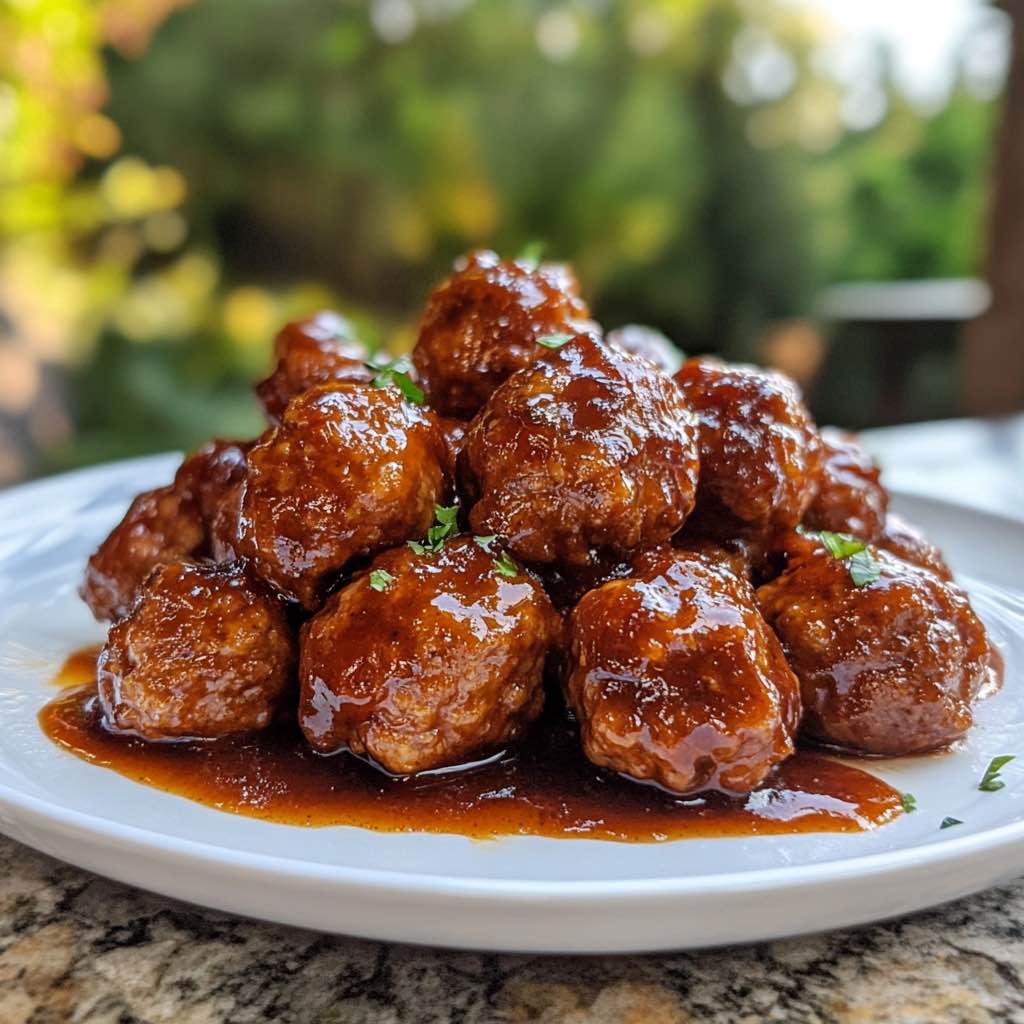
BBQ Meatballs with Sweet Sauce: The Ultimate Guide to Tender, Flavorful Perfection
BBQ meatballs with sweet sauce deliver the perfect balance of savory meat and tangy-sweet glaze that makes every bite irresistible. This crowd-pleasing dish combines juicy, tender meatballs with a homemade barbecue sauce that creates a sticky, caramelized coating everyone loves. Whether serving them at a family dinner or bringing them to a potluck, these BBQ meatballs will become a go-to favorite.
Why BBQ Meatballs with Sweet Sauce Are So Popular
BBQ meatballs have become a staple at gatherings for good reason. The combination of savory ground meat with a sweet and tangy sauce creates flavor harmony that appeals to all ages. Additionally, this dish offers incredible versatility. Meatballs can be served as appetizers, main courses, or even in sandwiches.
The sweet sauce component balances the richness of the meat beautifully. Brown sugar, ketchup, and barbecue sauce create a glaze that caramelizes during cooking. This caramelization adds depth and complexity to each bite. Moreover, BBQ meatballs are budget-friendly and easy to scale for any crowd size.
Another reason for their popularity is convenience. The dish can be prepared ahead of time and kept warm in a slow cooker. This makes them perfect for parties where timing matters. Furthermore, BBQ meatballs freeze exceptionally well, allowing for meal prep and quick weeknight dinners.
Essential Ingredients for Perfect Meatballs
Creating exceptional BBQ meatballs starts with quality ingredients. The meatball base requires ground meat, breadcrumbs, eggs, milk, and seasonings. Each component plays a crucial role in texture and flavor development.
Breadcrumbs act as a binder, absorbing meat juices and fats to keep meatballs tender. Panko breadcrumbs create a lighter texture, while traditional breadcrumbs offer more structure. Additionally, soaking breadcrumbs in milk creates what’s called a panade, which prevents dryness.
Eggs serve as the glue that holds everything together. They provide structure while adding richness to the final product. Meanwhile, aromatics like onions and garlic deliver essential flavor depth. Sautéing onions before adding them to the mixture intensifies their sweetness.
Seasonings make the difference between bland and bold meatballs. Salt, black pepper, garlic powder, and parsley form the foundation. Worcestershire sauce adds umami depth without overpowering other flavors. Furthermore, a touch of parmesan cheese enhances both binding and taste.
Meatball Base Ingredients:
-
Ground meat (1.5 to 2 pounds)
-
Breadcrumbs (¾ to 1 cup)
-
Eggs (1 to 2 large)
-
Milk (¼ cup)
-
Onion (diced, ¼ to ½ cup)
-
Garlic (2-3 cloves, minced)
-
Salt and pepper
-
Worcestershire sauce (1-2 teaspoons)
-
Dried parsley (1 tablespoon)
Choosing the Right Ground Meat
Meat selection dramatically impacts the final texture and flavor of BBQ meatballs. Ground beef remains the most popular choice, but the fat content matters significantly. An 85/15 meat-to-fat ratio delivers juicy results without excessive grease.
Combining different meats creates more complex flavors. A blend of ground beef and ground pork produces exceptionally tender, flavorful meatballs. The pork adds fat content and a subtle sweetness that complements BBQ sauce perfectly. However, using only ground beef works well for those who prefer it.
Leaner meat requires extra attention to prevent dryness. Adding more milk-soaked breadcrumbs compensates for lower fat content. Similarly, an extra egg can improve moisture retention in lean meatball mixtures.
Ground turkey or chicken offers lighter alternatives. These options work best when using dark meat, which contains more fat than white meat. Additionally, adding a tablespoon of olive oil to the mixture helps poultry-based meatballs stay moist.
Secret Ingredients for Extra Juicy Meatballs
Professional chefs use several tricks to ensure meatballs stay tender and juicy. The panade technique remains one of the most effective methods. Mixing breadcrumbs with milk creates a paste that locks in moisture during cooking.
Some recipes call for oats instead of traditional breadcrumbs. Oats absorb liquid excellently while adding a subtle texture. They also provide more fiber and nutrients than standard breadcrumbs.
Cheese serves as both a binder and moisture enhancer. Grated parmesan cheese melts into the meat mixture, creating pockets of richness. Additionally, the salt in cheese seasons the meat from within.
Adding a small amount of tomato paste boosts umami flavor. Just one tablespoon enriches the meat without making it taste like tomatoes. Meanwhile, a splash of water in the meat mixture might seem counterintuitive, but it prevents dryness.
Pro Tips for Moisture:
-
Create a panade with breadcrumbs and milk
-
Mix gently; overmixing toughens meatballs
-
Let the mixture rest for 10 minutes before shaping
-
Don’t pack meatballs too tightly
-
Add a splash of cold water to the mixture
How to Make BBQ Meatballs from Scratch
Making homemade meatballs requires minimal effort with maximum flavor payoff. Start by preheating the oven to 400°F and preparing a baking sheet. Line it with foil and spray lightly with cooking oil for easy cleanup.
In a large mixing bowl, combine all non-meat ingredients first. This includes breadcrumbs, milk, eggs, diced onions, garlic, and seasonings. Mix these ingredients thoroughly before adding the ground meat. This technique ensures even distribution of flavors.
Add the ground meat to the bowl and mix gently. Overmixing activates proteins too much, creating dense, tough meatballs. Use hands or a wooden spoon to combine ingredients just until incorporated. The mixture should hold together but not feel pasty.
Shape the mixture into uniform balls for even cooking. A cookie scoop or ice cream scoop ensures consistency. Aim for 1.5 to 2-inch diameter meatballs, which yields approximately 20-24 pieces. Oiling hands lightly prevents sticking during the rolling process.
Arrange meatballs on the prepared baking sheet in a single layer. Leave space between each one to allow proper browning. Bake for 15-18 minutes until nicely browned. They don’t need to cook completely through yet, as they’ll finish in the sauce.
Step-by-Step Meatball Instructions:
-
Preheat oven to 400°F
-
Mix breadcrumbs with milk and let sit
-
Add eggs, onions, garlic, and seasonings
-
Gently fold in ground meat
-
Shape into uniform 1.5-inch balls
-
Bake for 15-18 minutes
-
Transfer to sauce to finish cooking
Creating the Perfect Sweet BBQ Sauce
The sauce defines BBQ meatballs and brings all flavors together. A homemade sweet BBQ sauce takes minutes to prepare and tastes far better than store-bought versions. The base typically includes barbecue sauce, brown sugar, ketchup, and vinegar.
Brown sugar provides the signature sweetness and helps create a sticky glaze. Use packed brown sugar for accurate measurements. The molasses in brown sugar adds depth that white sugar cannot match. Typically, one cup of brown sugar balances well with other ingredients.
Apple cider vinegar adds tanginess that cuts through the sweetness. The acidity brightens flavors and prevents the sauce from becoming cloying. Start with half a cup and adjust to taste preferences. Some cooks prefer less vinegar for a sweeter profile.
Ketchup serves multiple purposes in BBQ sauce. It provides body, color, and a familiar tomato base. Additionally, ketchup contains natural sweetness and acidity. Half a cup typically works well in most recipes.
Worcestershire sauce adds complexity without dominating. Just one to two teaspoons provides savory depth. Meanwhile, spices like paprika, chili powder, and garlic powder enhance the sauce further. Italian seasoning can add an unexpected but pleasant herbal note.
Sweet BBQ Sauce Ingredients:
-
Barbecue sauce (½ to 1 cup)
-
Brown sugar (1 cup, packed)
-
Apple cider vinegar (½ cup)
-
Ketchup (½ cup)
-
Worcestershire sauce (1-2 teaspoons)
-
Mustard (2 teaspoons)
-
Garlic powder (1 teaspoon)
-
Paprika (optional, 1 teaspoon)
Sauce Preparation Method:
Heat a large saucepan over medium-high heat. Add a drizzle of olive oil if sautéing aromatics first. Some recipes call for cooking diced onions and minced garlic before adding liquids. This step builds another flavor layer.
Whisk together brown sugar, vinegar, ketchup, barbecue sauce, and seasonings. Bring the mixture to a boil while stirring constantly. This prevents burning and ensures sugar dissolves completely. Once boiling, reduce heat and simmer for 10-15 minutes.
The sauce should thicken slightly during simmering. Stir frequently to prevent sticking. If the sauce becomes too thick, add beef broth or water gradually. Conversely, if it’s too thin, simmer longer to reduce.
Taste and adjust seasonings before adding meatballs. The sauce should balance sweet, tangy, and savory notes. Add meatballs to the sauce and simmer together for 3-5 minutes. This allows flavors to meld and the sauce to coat each meatball thoroughly.
Cooking Methods Compared
BBQ meatballs can be prepared using several different cooking methods. Each technique offers unique advantages depending on time, equipment, and desired texture. Understanding these methods helps achieve perfect results every time.
Oven-Baked Method
Baking meatballs remains the most popular approach. Preheat the oven to 400°F and arrange meatballs on a lined baking sheet. Bake for 15-20 minutes until browned. This method requires minimal hands-on time and produces evenly cooked meatballs.
Broiling creates additional caramelization on the exterior. Place meatballs under the broiler for the last 3-4 minutes of cooking. Watch carefully to prevent burning. The high heat creates a delicious crust.
Stovetop Pan-Frying
Pan-frying creates a beautiful sear on meatballs. Heat oil in a large skillet until shimmering. Add meatballs without crowding the pan. Cook for approximately 10 minutes, turning occasionally for even browning.
This method produces the most caramelized exterior. However, it requires more active cooking time. Additionally, meatballs may cook unevenly if not monitored closely. The advantage is incredible flavor from the Maillard reaction.
Slow Cooker Method
Slow cookers offer ultimate convenience for BBQ meatballs. Combine sauce ingredients in the crockpot first. Add pre-cooked or frozen meatballs directly to the sauce. Cook on high for 3.5 hours or low for 6 hours.
This method keeps meatballs warm for extended periods. It’s ideal for parties and potlucks. However, meatballs won’t develop a crispy exterior using this technique. For best results, brown meatballs first, then transfer to the slow cooker.
Combination Method
Many cooks prefer a hybrid approach. Bake meatballs first until browned but not fully cooked. Transfer them to a skillet with the prepared sauce. Simmer together for 3-4 minutes to finish cooking.
This technique delivers the best of both worlds. Meatballs develop a nice crust from baking, then absorb sauce flavors during simmering. Additionally, this method allows sauce to thicken perfectly around the meatballs.
Serving Suggestions and Pairings
BBQ meatballs with sweet sauce pair wonderfully with various side dishes. The sweet and tangy sauce complements both light and hearty accompaniments. Choosing the right sides creates a balanced, satisfying meal.
Classic Pairings
Serving BBQ meatballs over rice remains a traditional favorite. White rice, brown rice, or jasmine rice all work beautifully. The rice absorbs extra sauce and provides a neutral base. Similarly, mashed potatoes create a comforting combination.
Pasta offers another excellent option for serving these meatballs. Choose shapes that hold sauce well, like penne or rigatoni. Toss cooked pasta with some of the BBQ sauce before adding meatballs. This ensures every element carries the sweet and savory flavor.
Vegetable Sides
Fresh, crisp vegetables balance the richness of BBQ meatballs. A simple green salad with vinaigrette provides contrast. Roasted vegetables like Brussels sprouts or green beans add nutritional value. Additionally, coleslaw brings crunch and acidity that complements the sweet sauce.
Corn on the cob fits perfectly with the BBQ theme. Steam or grill corn and brush with butter. The natural sweetness enhances the sauce without overwhelming. Alternatively, sautéed green beans with garlic offer a lighter option.
Appetizer Style
Transform BBQ meatballs into perfect party appetizers. Serve them in a slow cooker set to warm. Provide toothpicks for easy serving. Guests can help themselves throughout the event.
Slider buns turn meatballs into mini sandwiches. Place two to three meatballs on each bun. Top with extra sauce and coleslaw for added flavor and texture. These sliders make excellent game-day food.
Storage and Reheating Tips
Proper storage extends the life of leftover BBQ meatballs. Allow meatballs and sauce to cool completely before refrigerating. This prevents condensation that can dilute the sauce and affect texture.
Refrigerator Storage
Transfer cooled meatballs to an airtight container. Pour sauce over the meatballs to keep them moist. Properly stored, BBQ meatballs last 3-4 days in the refrigerator. Keep the container sealed tightly to prevent odor absorption.
Separate meatballs from sauce if planning to use them differently. This allows more flexibility for repurposing leftovers. Store components in separate containers with tight-fitting lids.
Freezer Storage
Freezing BBQ meatballs works exceptionally well. Place meatballs and sauce in freezer-safe containers or bags. Remove as much air as possible to prevent freezer burn. Frozen BBQ meatballs maintain quality for up to one month.
For easier portioning, freeze meatballs on a baking sheet first. Once solid, transfer to freezer bags. This prevents them from sticking together. Label containers with the date for easy tracking.
Reheating Methods
Thaw frozen meatballs in the refrigerator overnight. This ensures even, safe reheating. Never thaw meatballs at room temperature, as this promotes bacterial growth.
Reheat meatballs on the stovetop for best results. Place them in a saucepan over medium heat. Stir occasionally and add a splash of water if the sauce seems thick. Heat until meatballs reach 165°F internally.
Microwave reheating works for quick meals. Place meatballs in a microwave-safe dish with sauce. Cover with a microwave-safe lid or plastic wrap. Heat in 1-minute intervals, stirring between each.
Common Mistakes to Avoid
Understanding common pitfalls helps create perfect BBQ meatballs every time. Many issues stem from technique rather than ingredients. Awareness of these mistakes prevents disappointing results.
Overmixing the Meat
Overmixing develops gluten and makes meatballs tough. Mix ingredients just until combined. The mixture should look slightly shaggy, not smooth. Vigorous mixing also compresses the meat, creating dense meatballs.
Use a light hand when combining ingredients. Fold ground meat into the breadcrumb mixture gently. Stop mixing as soon as ingredients are incorporated. This preserves tenderness and creates a better texture.
Incorrect Meatball Size
Size inconsistency leads to uneven cooking. Some meatballs overcook while others remain underdone. Use a cookie scoop or measuring spoon for uniformity. This ensures all meatballs finish cooking simultaneously.
Very large meatballs take longer to cook through. The exterior may burn before the center reaches safe temperature. Conversely, tiny meatballs dry out quickly and lack impact. Aim for 1.5 to 2 inches in diameter for optimal results.
Skipping the Panade
Dry, crumbly meatballs often result from skipping the panade step. Soaking breadcrumbs in milk creates essential moisture. This mixture prevents proteins from bonding too tightly. Always let breadcrumbs absorb liquid for at least 5 minutes.
Using dry breadcrumbs without liquid produces disappointing results. The meatballs lack tenderness and can taste mealy. Additionally, they may fall apart during cooking. The panade acts as insurance against dryness.
Crowding the Pan
Placing meatballs too close together prevents proper browning. Steam builds up between them instead of searing. Leave space between each meatball for air circulation. Cook in batches if necessary rather than crowding.
Crowded meatballs also stick together during cooking. This makes them difficult to turn and serve. Additionally, uneven heat distribution affects cooking consistency. Give meatballs room to develop that desirable caramelized exterior.
Not Tasting the Sauce
Seasoning levels vary by ingredient brands and personal preference. Always taste sauce before adding meatballs. Adjust sweetness, acidity, and salt to achieve perfect balance. This simple step prevents bland or overly sweet results.
Start with less sugar and vinegar than recipes suggest. Gradually add more to reach desired flavor. Remember that sauce reduces during simmering, concentrating flavors. Season conservatively and adjust at the end.
Make-Ahead and Meal Prep Options
BBQ meatballs excel as a make-ahead dish. Preparing components in advance saves time on busy days. Several strategies work well for meal planning.
Preparing Meatballs in Advance
Shape raw meatballs and refrigerate for up to 24 hours. Place them on a baking sheet, cover with plastic wrap, and chill. This allows flavors to meld and makes dinner preparation quick. Simply bake when ready to cook.
Alternatively, fully cook meatballs and refrigerate without sauce. Store in an airtight container for up to 3 days. When ready to serve, prepare fresh sauce and simmer meatballs until heated through. This method preserves the best texture.
Batch Cooking Strategy
Double or triple recipes for efficient meal prep. Freeze extra meatballs for future quick dinners. Portion them into meal-sized containers before freezing. This allows thawing only what’s needed.
Cook sauce separately and store in jars. Homemade BBQ sauce keeps for one week refrigerated. Combine with meatballs when ready to serve. This flexibility supports various serving options.
Variations and Customizations
BBQ meatballs with sweet sauce offer endless customization possibilities. Small changes create entirely new flavor profiles. Experimenting keeps the dish interesting.
Spicy BBQ Meatballs
Add heat to sauce with cayenne pepper or red pepper flakes. Start with half a teaspoon and increase gradually. Hot sauce also boosts spice while adding flavor complexity. Balance heat with extra brown sugar if needed.
Incorporate jalapeños or chipotle peppers into the meat mixture. Dice them finely and mix with other ingredients. This creates heat throughout rather than just in the sauce. For more intense spice, leave some seeds in the peppers.
Asian-Inspired Version
Transform BBQ meatballs with Asian flavors. Replace some ketchup with hoisin sauce. Add fresh ginger and increase garlic in the meat mixture. Soy sauce replaces Worcestershire for authentic taste.
Use honey instead of all brown sugar in the sauce. Include rice vinegar rather than apple cider vinegar. Garnish finished meatballs with sesame seeds and green onions. Serve over rice or noodles for a complete meal.
Gluten-Free Option
Substitute gluten-free breadcrumbs or crushed gluten-free crackers. Almond flour also works as a binding agent. Ensure barbecue sauce and Worcestershire sauce are certified gluten-free. Many brands now offer gluten-free versions.
Check all processed ingredients for hidden gluten. Soy sauce often contains wheat unless labeled gluten-free. Use tamari or coconut aminos as alternatives. The recipe adapts easily without compromising flavor.
Nutritional Considerations
Understanding nutritional content helps make informed choices. BBQ meatballs can fit various dietary approaches with modifications. Balance and portion control remain key factors.
Calorie and Macronutrient Breakdown
Traditional BBQ meatballs contain approximately 600 calories per serving. This includes both meatballs and sauce. Fat content ranges from 26 grams, primarily from ground meat. Protein per serving averages 20 grams.
Carbohydrates total around 71 grams per serving, mainly from sugar in the sauce. Reducing brown sugar lowers overall carbohydrate content. Additionally, using leaner meat decreases fat and calories. However, this may affect moisture and flavor.
Healthier Modifications
Lean ground turkey or chicken significantly reduces fat. Add extra milk and breadcrumbs to compensate for lower fat content. Alternatively, use a 90/10 lean-to-fat ratio ground beef. This cuts calories while maintaining beefy flavor.
Reduce sugar in the sauce by half for a less sweet version. The sauce will still caramelize and taste delicious. Increase vinegar slightly to maintain balance. Additionally, using natural sweeteners like honey offers nutritional benefits.
Baking instead of frying saves significant calories. No added oil is needed when using a lined baking sheet. The meatballs brown beautifully in the oven without excess fat. This method also reduces cleanup time.
Scaling for Large Groups
BBQ meatballs scale easily for parties and events. Planning proper quantities prevents running short or excessive waste. A few calculations ensure success.
Serving Size Guidelines
As an appetizer, plan for 3-4 meatballs per person. For main course servings, increase to 5-6 meatballs per person. Consider guest appetites and other food available. It’s better to have slight excess than run out.
A standard recipe yields approximately 20-24 meatballs. This serves 4-6 people as a main course. For parties of 20, multiply the recipe by four. Prepare in batches if kitchen space is limited.
Large-Batch Cooking Tips
Use multiple baking sheets to cook meatballs simultaneously. Rotate sheets halfway through baking for even cooking. Alternatively, bake in two ovens if available. This significantly reduces total cooking time.
A large roasting pan or Dutch oven accommodates more sauce and meatballs. Simmer everything together on the stovetop. Stir gently to prevent breaking meatballs. Transfer to slow cookers for keeping warm during service.
Enlist help for shaping meatballs when making large quantities. Provide cookie scoops to multiple people. Work assembly-line style for efficiency. Refrigerate shaped meatballs until baking time.
Troubleshooting Common Issues
Even experienced cooks encounter occasional problems with meatballs. Knowing solutions helps salvage dishes and improve future attempts. Most issues have simple fixes.
Dry, Tough Meatballs
Overmixing or using too-lean meat causes dryness. Next time, handle the mixture more gently. Add more milk-soaked breadcrumbs for moisture. Consider switching to fattier ground meat.
If meatballs are already cooked, extra sauce helps. Simmer them longer in the BBQ sauce. The sauce penetrates and adds moisture. Alternatively, shred dry meatballs and use in sandwiches with extra sauce.
Falling Apart Meatballs
Insufficient binding agents cause meatballs to crumble. Ensure adequate eggs and breadcrumbs in the mixture. Let the mixture rest before shaping to allow breadcrumbs to absorb liquid. This helps everything hold together.
Avoid turning meatballs too frequently during cooking. Let them set and develop a crust before flipping. Use a gentle touch with spatulas to prevent breaking. Adding more egg or parmesan helps bind future batches.
Too-Sweet Sauce
Excessive sugar creates cloying sauce. Balance sweetness by adding more vinegar gradually. A tablespoon at a time prevents over-correction. Alternatively, add tomato paste to dilute sweetness.
Mustard provides tanginess that cuts sugar. Stir in an extra tablespoon of prepared mustard. Additionally, a splash of soy sauce adds savory depth. These adjustments restore balance without starting over.
Sauce Too Thin
Extended simmering naturally thickens sauce. Continue cooking over low heat until desired consistency. Stir frequently to prevent scorching. The sauce should coat the back of a spoon.
Cornstarch creates instant thickening when needed. Mix two tablespoons cornstarch with equal parts cold water. Stir the slurry into simmering sauce. The sauce thickens within minutes.
Pairing with Other Dishes
Creating a complete meal around BBQ meatballs requires thoughtful planning. Consider flavors, textures, and colors for appealing presentations. Balance rich meatballs with lighter sides.
Complementary Side Dishes
Garlic bread soaks up extra BBQ sauce deliciously. Brush sliced bread with butter and garlic, then toast. The crispy texture contrasts with tender meatballs. Additionally, bread helps clean plates of every drop of sauce.
Macaroni and cheese creates ultimate comfort food combination. The creamy pasta complements sweet and tangy meatballs. Use a sharp cheddar for contrast against sweetness. This pairing satisfies even the heartiest appetites.
Roasted sweet potatoes echo the sauce’s sweetness. Cut into cubes, toss with olive oil, and roast until caramelized. The natural sugars intensify during roasting. This creates flavor harmony across the plate.
Beverage Pairings
Sweet tea provides classic BBQ accompaniment. The beverage’s sweetness matches the sauce profile. Alternatively, unsweetened iced tea offers refreshing contrast. Add lemon for additional brightness.
Lemonade brings acidity that cleanses the palate. The tartness cuts through rich, sweet flavors. Both still and sparkling versions work beautifully. Consider making fresh lemonade for special occasions.
Sparkling water with fruit provides a lighter option. Add slices of citrus or berries to plain sparkling water. This offers refreshment without competing with food flavors. The bubbles cleanse the palate between bites.
Frequently Asked Questions
Can I use frozen meatballs for this recipe?
Absolutely, frozen meatballs work perfectly for BBQ meatballs with sweet sauce. Add them directly to the prepared sauce without thawing. Increase cooking time to ensure they heat through completely. Slow cooker methods work especially well with frozen meatballs.
How do I prevent meatballs from drying out?
Create a panade by soaking breadcrumbs in milk before mixing. Avoid overmixing the meat mixture. Choose ground meat with adequate fat content, around 85/15. Additionally, don’t overcook meatballs; they finish cooking in the sauce.
Can I make BBQ meatballs ahead of time?
Yes, BBQ meatballs are excellent make-ahead dishes. Prepare and cook meatballs up to 2 days in advance. Store them separately from sauce in the refrigerator. Combine and heat when ready to serve. Alternatively, freeze fully cooked meatballs for up to one month.
What’s the best way to reheat BBQ meatballs?
Stovetop reheating produces the best results. Place meatballs and sauce in a saucepan over medium heat. Stir gently and add liquid if sauce seems thick. Heat until internal temperature reaches 165°F. Microwave works for quick reheating in individual portions.
Can I substitute ground turkey for beef?
Ground turkey works well in BBQ meatballs. Use dark meat turkey for better moisture and flavor. Add extra breadcrumbs soaked in milk to compensate for lower fat. Consider mixing turkey with a small amount of ground pork for added richness.
How long do BBQ meatballs last in the refrigerator?
Properly stored BBQ meatballs last 3-4 days refrigerated. Keep them in airtight containers with sauce covering them. Always allow meatballs to cool completely before refrigerating. Reheat thoroughly before serving leftovers.
Conclusion
BBQ meatballs with sweet sauce combine savory meat with tangy-sweet glaze for irresistible flavor. This versatile dish works for family dinners, parties, and meal prep. The homemade approach delivers superior taste compared to store-bought versions. Following proper techniques ensures tender, juicy meatballs every time.
Success starts with quality ingredients and gentle handling. The panade technique, correct meat-to-fat ratio, and avoiding overmixing create perfect texture. Additionally, balancing sweet and tangy elements in the sauce makes each bite memorable. These BBQ meatballs freeze beautifully, making them ideal for batch cooking.
BBQ Meatballs with Sweet Sauce
Description
BBQ Meatballs with Sweet Sauce
Ingredients
For the Meatballs:
-
1 lb (450 g) ground beef (or a mix of beef and pork)
-
½ cup breadcrumbs
-
¼ cup milk
-
1 egg
-
½ small onion, finely chopped
-
2 garlic cloves, minced
-
½ teaspoon salt
-
½ teaspoon black pepper
-
½ teaspoon smoked paprika (optional)
-
1 tablespoon Worcestershire sauce
For the Sweet BBQ Sauce:
-
1 cup barbecue sauce (your favorite brand)
-
½ cup brown sugar
-
2 tablespoons honey
-
1 tablespoon Worcestershire sauce
-
1 tablespoon apple cider vinegar
-
½ teaspoon garlic powder
Instructions
1. Make the Meatballs
-
Preheat oven to 400°F (200°C). Line a baking sheet with parchment paper or lightly grease it.
-
In a large bowl, combine the ground meat, breadcrumbs, milk, egg, onion, garlic, salt, pepper, paprika, and Worcestershire sauce.
-
Mix until just combined — don’t overmix or the meatballs will be tough.
-
Roll into 1-inch balls and place on the baking sheet.
-
Bake for 15–18 minutes, or until browned and cooked through.
2. Make the Sweet BBQ Sauce
-
In a saucepan over medium heat, whisk together the BBQ sauce, brown sugar, honey, Worcestershire sauce, apple cider vinegar, and garlic powder.
-
Bring to a simmer and cook for 5–7 minutes, stirring occasionally, until thick and glossy.
3. Combine and Serve
-
Toss the baked meatballs in the warm sweet BBQ sauce until fully coated.
-
Serve immediately — perfect as an appetizer or main dish!