
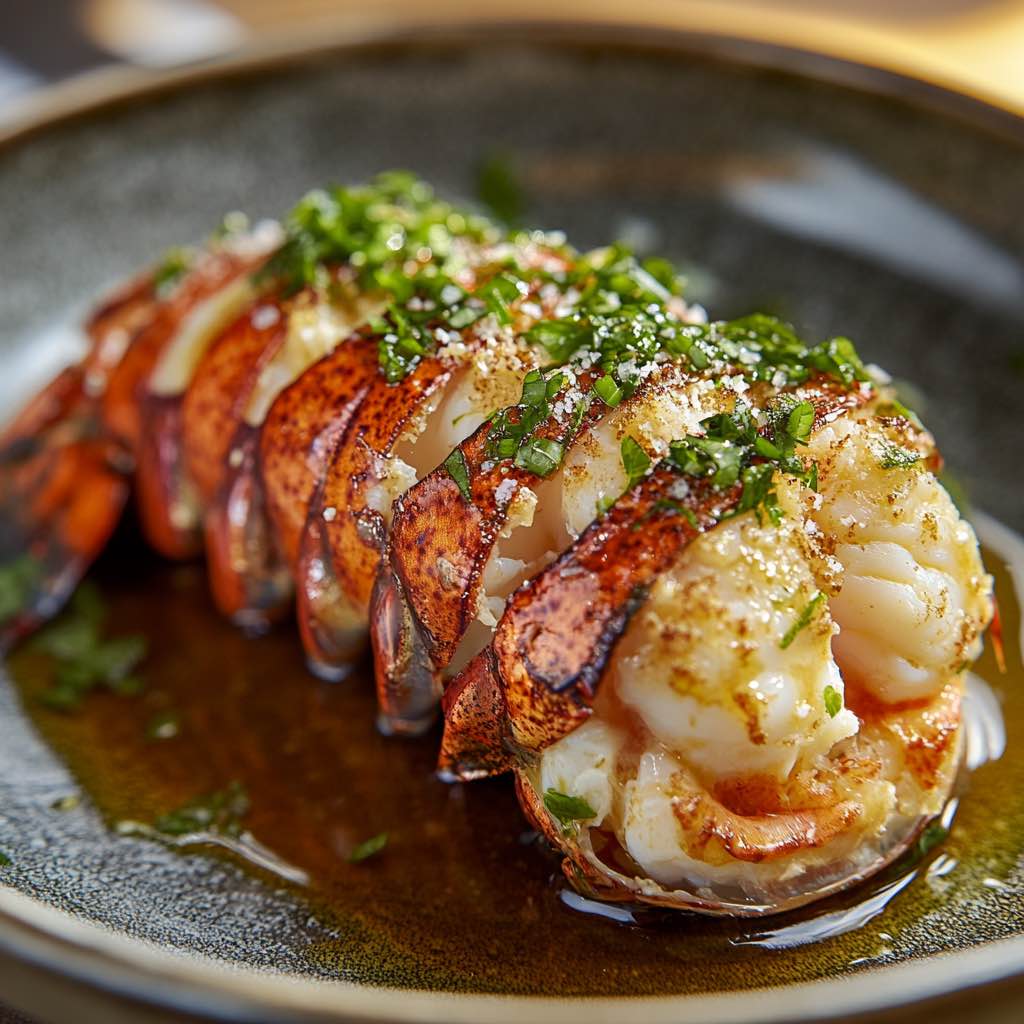
Butter Poached Lobster Tail: The Ultimate Guide to Restaurant-Quality Seafood at Home
What Is Butter Poached Lobster Tail?
Butter poached lobster tail is a classic French cooking technique that produces incredibly tender, succulent seafood. This method involves gently cooking lobster meat in a warm butter bath, resulting in a melt-in-your-mouth texture that’s impossible to achieve through other cooking methods. The process keeps the lobster moist while infusing it with rich, buttery flavor throughout.
Unlike grilling or broiling, butter poaching delivers consistent results every time. Moreover, this technique requires minimal seasoning because the natural sweetness of the lobster shines through. Consequently, home cooks can create restaurant-quality dishes without advanced culinary skills.
The gentle heat of butter poaching prevents the proteins in lobster from toughening. Therefore, even beginners can achieve professional results with proper temperature control. This makes butter poached lobster tail an ideal choice for special occasions and romantic dinners.
Why Butter Poaching Is the Best Cooking Method
Superior Texture and Moisture
Butter poaching creates an unmatched texture that remains tender and juicy. The low-temperature cooking environment prevents overcooking, which commonly occurs with high-heat methods. As a result, the lobster meat stays plump and succulent throughout the cooking process.
Furthermore, the butter acts as a protective layer around the delicate meat. This barrier locks in natural juices while preventing the proteins from seizing up. Additionally, the gentle heat distributes evenly, ensuring consistent doneness from edge to center.
Enhanced Flavor Profile
The butter bath infuses the lobster with rich, luxurious flavor. Unlike steaming or boiling, which can dilute taste, butter poaching amplifies the natural sweetness of the seafood. Moreover, the fat-soluble compounds in butter carry flavors more effectively than water-based cooking methods.
This technique also allows for easy flavor customization. For instance, adding garlic, herbs, or lemon juice to the butter bath creates complex taste profiles. However, many chefs prefer keeping it simple to highlight the lobster’s natural flavor.
Foolproof Results
Temperature control becomes easier with butter poaching compared to other methods. The butter naturally regulates heat, preventing sudden temperature spikes that can ruin lobster. Therefore, even novice cooks can achieve consistent results.
Nutritional Benefits of Lobster Tail
Low-Calorie, High-Protein Powerhouse
Lobster tail offers exceptional nutritional value for health-conscious diners. A three-ounce serving contains only 65 calories while providing 14 grams of protein. This makes butter poached lobster tail an excellent choice for those watching their calorie intake.
The high protein content supports muscle maintenance and promotes satiety. Additionally, lobster contains virtually no carbohydrates, making it suitable for low-carb diets. The lean protein profile helps maintain healthy body composition.
Essential Vitamins and Minerals
Lobster tail provides numerous essential nutrients that support overall health. Each serving delivers substantial amounts of vitamin B-12, which supports nerve function and red blood cell formation. Furthermore, lobster contains selenium, a powerful antioxidant that protects cells from damage.
The seafood also offers significant amounts of zinc, which supports immune function. Meanwhile, the magnesium content helps regulate muscle and nerve function. Calcium present in lobster contributes to bone health and strength.
Omega-3 Fatty Acids
Cold-water lobster tails contain beneficial omega-3 fatty acids. These essential fats support heart health and reduce inflammation throughout the body. Moreover, omega-3s contribute to brain function and cognitive health.
How to Select Quality Lobster Tails
Cold Water vs. Warm Water Varieties
Cold-water lobster tails consistently deliver superior taste and texture. These varieties come from Maine, Canada, and other northern Atlantic regions. Consequently, they contain firmer, sweeter meat compared to warm-water alternatives.
Warm-water lobster tails have a 20 percent chance of becoming mushy during cooking. Therefore, investing in cold-water varieties ensures better results for butter poached lobster tailrecipes. The price difference reflects the quality advantage of cold-water lobster.
Visual Quality Indicators
Healthy lobster tails should display opaque, white meat without discoloration. Avoid tails showing black spots, yellowing, or grayish coloring. These signs indicate poor quality or improper handling before freezing.
The shell should remain intact without cracks or punctures exposing the meat. Furthermore, the flipper should be completely attached and undamaged. Always examine tails carefully before purchasing to ensure optimal quality.
Size and Weight Considerations
Choose lobster tails ranging from five to twelve ounces for best results. These sizes offer the ideal balance of meat quantity and quality texture. Additionally, smaller tails cook more evenly during the butter poaching process.
Verify that frozen tails meet or exceed their declared net weight. Some processors use excessive glaze that inflates the weight artificially. Therefore, purchasing from reputable suppliers ensures accurate sizing.
Freshness and Handling Standards
Only buy frozen lobster tails, never previously thawed products. Tails should remain frozen until just before cooking to maintain quality. Moreover, avoid tails soaked in sodium tripolyphosphate, which affects texture negatively.
Purchase from suppliers who process only live, healthy lobsters. Dead or weak lobsters should never enter the processing stream. Consequently, buying from trusted sources guarantees better quality and food safety.
Essential Equipment and Ingredients
Required Kitchen Tools
A medium saucepan or shallow skillet works perfectly for butter poaching. Choose cookware with a heavy bottom that distributes heat evenly. Additionally, kitchen shears make removing shells from lobster tails simple and safe.
An instant-read thermometer ensures precise temperature control throughout cooking. This tool prevents both undercooking and overcooking your lobster. Furthermore, a whisk helps create the smooth butter bath essential for proper poaching.
Core Ingredients
Quality unsalted butter forms the foundation of this technique. Plan for approximately one cup of butter per four to five lobster tails. Additionally, a few tablespoons of water help create the stable butter emulsion.
Fresh lemon juice adds brightness that complements the rich butter flavor. Moreover, basic seasonings like salt and pepper enhance without overwhelming the delicate seafood. Garlic and fresh herbs remain optional but popular additions.
Step-by-Step Cooking Instructions
Preparing the Lobster Tails
Begin by thawing frozen lobster tails overnight in the refrigerator. Never rush thawing at room temperature, which compromises texture and safety. Subsequently, use kitchen shears to cut along the underside of each tail shell.
Carefully remove the meat from the shell in one complete piece. This step requires patience to avoid tearing the delicate flesh. Afterward, rinse the meat gently under cold water and pat completely dry.
Season the lobster meat lightly with salt, pepper, and optional paprika. However, minimal seasoning allows the natural sweetness to shine through. Then, set the prepared tails aside while creating the butter bath.
Creating the Perfect Butter Bath
Add two to three tablespoons of water to your saucepan over medium heat. Allow the water to reach a gentle simmer before proceeding. Then, reduce heat to low-medium and begin adding butter gradually.
Whisk in one tablespoon of cold butter at a time. Wait until each piece melts completely before adding the next. This slow process creates a stable emulsion called beurre monté that won’t separate.
Continue whisking and adding butter until all pieces have melted smoothly. Maintain the temperature between 160 and 175 degrees Fahrenheit throughout this process. Furthermore, never allow the mixture to boil, which causes separation.
Poaching the Lobster
Gently place prepared lobster tails into the warm butter bath. Ensure the meat becomes fully submerged in the butter mixture. Subsequently, reduce heat to maintain the ideal temperature range.
Cook the lobster for approximately six to eight minutes total. Spoon butter over the top of the tails every 30 seconds for even cooking. Additionally, turn the tails halfway through cooking time.
Monitor the internal temperature closely using your instant-read thermometer. Remove the butter poached lobster tail when it reaches 130 to 140 degrees Fahrenheit. The meat should appear opaque throughout without any translucent areas.
Temperature Guidelines for Perfect Results
Butter Bath Temperature Control
Maintaining proper butter temperature remains crucial for successful poaching. Keep the butter bath between 160 and 175 degrees Fahrenheit consistently. Temperatures above 180 degrees cause the butter emulsion to break apart.
Use an instant-read thermometer to monitor the butter bath continuously. Adjust heat settings immediately if temperatures rise too high. Conversely, slightly increase heat if the temperature drops below 160 degrees.
Internal Doneness Temperature
Perfectly cooked lobster reaches an internal temperature of 130 to 140 degrees Fahrenheit. Temperatures below 130 degrees indicate undercooked meat that requires more time. Meanwhile, exceeding 140 degrees results in tough, rubbery texture.
Insert the thermometer into the thickest part of the tail for accurate readings. Check temperature frequently during the final minutes of cooking. Therefore, removing lobster at exactly 135 degrees produces ideal results.
Common Mistakes to Avoid
Overcooking the Lobster
Overcooking ranks as the most common mistake when preparing butter poached lobster tail. High internal temperatures cause proteins to contract excessively, creating tough texture. Therefore, careful temperature monitoring prevents this disappointing outcome.
Watch for visual cues alongside temperature readings for best results. The meat should turn opaque white without becoming dense or chewy. Remove tails promptly when they reach proper doneness.
Breaking the Butter Emulsion
Allowing butter to boil destroys the stable emulsion necessary for proper poaching. Separated butter pools into oil and water, which cooks unevenly. Consequently, maintain low heat throughout the entire cooking process.
Adding butter too quickly also causes emulsion problems. Instead, add each piece gradually while whisking continuously. This careful approach ensures smooth, stable butter perfect for poaching.
Using Low-Quality Lobster
Starting with inferior lobster tails guarantees disappointing results regardless of technique. Warm-water tails or improperly frozen products never achieve the desired texture. Therefore, invest in high-quality cold-water lobster from reputable suppliers.
Check tails carefully for discoloration or damage before purchasing. Avoid products with additives or excessive glazing. Quality ingredients make the difference between mediocre and exceptional butter poached lobster tail.
Flavor Variations and Add-Ins
Garlic Butter Poached Lobster
Adding minced garlic creates a savory depth that complements lobster beautifully. Sauté two to three cloves in the butter for about one minute before poaching. However, avoid burning the garlic, which creates bitter flavors.
The garlic infuses throughout the butter bath during cooking. This variation adds complexity without overwhelming the delicate seafood. Furthermore, garlic provides antioxidant benefits alongside enhanced taste.
Herb-Infused Variations
Fresh herbs like thyme, tarragon, or parsley elevate the flavor profile elegantly. Add herb sprigs directly to the butter bath during poaching. Alternatively, stir in chopped fresh herbs just before serving.
Thyme offers earthy notes that balance the butter’s richness. Meanwhile, tarragon provides subtle anise flavors perfect for seafood. Parsley adds freshness and bright color to the finished dish.
Citrus-Enhanced Options
Lemon juice brightens the rich butter and highlights lobster’s natural sweetness. Add one to two tablespoons of fresh lemon juice to the butter bath. Similarly, lemon zest provides aromatic oils without additional acidity.
Lime juice offers a slightly different citrus profile for variety. Orange zest adds subtle sweetness and sophisticated flavor complexity. However, use citrus sparingly to avoid overpowering the delicate lobster.
Best Side Dishes to Serve
Vegetable Accompaniments
Steamed asparagus pairs perfectly with butter poached lobster tail for elegant presentations. The fresh, slightly bitter asparagus balances the rich, buttery seafood. Additionally, asparagus provides fiber and vitamins that complement lobster’s protein.
Glazed carrots offer natural sweetness that harmonizes with lobster’s flavor. A touch of brown sugar enhances their inherent sweetness beautifully. Furthermore, the vibrant orange color creates visual appeal on the plate.
Green beans with cherry tomatoes make a light, refreshing side dish. Drizzle with olive oil and fresh herbs for simple preparation. This combination adds color, texture, and nutritional balance to the meal.
Starch Options
Baked potatoes provide a classic steakhouse-style accompaniment. The mild, fluffy potato complements without competing with the lobster’s delicate taste. Moreover, guests can customize toppings according to personal preferences.
Steamed white rice serves as a neutral base that absorbs the butter sauce. This option works particularly well for Asian-inspired preparations. Additionally, rice stretches the meal further when serving multiple guests.
Garlic bread or French baguettes help soak up every drop of butter sauce. Crusty bread adds textural contrast to the tender lobster. Furthermore, bread makes the meal more substantial and satisfying.
Salad Selections
Caesar salad offers a filling option with romaine lettuce and Parmesan cheese. Crunchy croutons add texture that contrasts with tender lobster nicely. However, use dressing sparingly to avoid overwhelming the seafood.
Simple green salads with light vinaigrette provide refreshing balance. Mixed greens, nuts, and seasonal vegetables create colorful presentations. Moreover, salads add fiber and vitamins to round out the nutritional profile.
Tomato and cucumber salad works wonderfully during summer months. The crisp vegetables offer cooling contrast to rich, buttery lobster. Additionally, this combination requires minimal preparation time.
Storage and Reheating Tips
Proper Storage Methods
Store leftover butter poached lobster tail in an airtight container immediately after cooking. Refrigerate within two hours to maintain food safety standards. Properly stored lobster remains fresh for up to two days in the refrigerator.
Pour some of the butter sauce over the lobster before refrigerating. This keeps the meat moist and prevents it from drying out. Additionally, the butter creates a protective barrier against oxidation.
Reheating Guidelines
Gentle reheating preserves the tender texture of butter-poached lobster. Place lobster in a covered dish with a small amount of butter or water. Subsequently, heat in a 300-degree oven for approximately 10 minutes.
Alternatively, reheat gently in a skillet over low heat with additional butter. Monitor closely to prevent overcooking, which toughens the meat. Therefore, reheat just until warmed through without exceeding 140 degrees internally.
Avoid microwaving, which creates hot spots and uneven heating. Microwave radiation can quickly overcook delicate seafood. Consequently, oven or stovetop methods deliver superior results.
Frequently Asked Questions
How long does it take to butter poach lobster tail?
Butter poaching typically requires six to eight minutes depending on tail size. Smaller tails around four ounces cook in approximately five to six minutes. Conversely, larger eight to twelve-ounce tails need eight to ten minutes for proper doneness. Always use an instant-read thermometer to verify internal temperature reaches 130 to 140 degrees Fahrenheit.
Can I reuse the butter after poaching lobster?
Reusing poaching butter remains safe if properly strained and refrigerated. Strain the butter through cheesecloth to remove any solids or debris. Subsequently, store in an airtight container in the refrigerator for up to one week. However, the butter will carry lobster flavor, making it ideal for seafood dishes only.
What’s the difference between butter poaching and boiling lobster?
Butter poaching uses fat instead of water, creating superior texture and flavor. The gentle, even heat prevents overcooking that commonly occurs with boiling. Furthermore, butter poaching infuses rich flavor throughout the meat. Boiling can make lobster rubbery and dilutes its natural sweetness.
Do I need to devein lobster tails before cooking?
Deveining lobster tails remains optional but recommended for best presentation. The digestive tract runs along the top of the tail as a dark line. Remove it by making a shallow cut and pulling out the vein gently. However, the vein poses no safety concerns if left intact.
Can I butter poach frozen lobster tails without thawing?
Thawing lobster tails before poaching produces better results and more even cooking. Frozen tails require significantly longer cooking times and may cook unevenly. Therefore, thaw overnight in the refrigerator for optimal texture and flavor. Never thaw at room temperature, which compromises food safety.
What butter works best for poaching lobster tail?
Unsalted butter provides the best control over seasoning and flavor balance. European-style butter with higher fat content creates richer, smoother results. However, standard unsalted butter works perfectly well for butter poached lobster tail. Avoid salted butter, which can make the dish overly salty.
Conclusion
Butter poached lobster tail delivers restaurant-quality results that impress every time. This French technique produces incredibly tender, flavorful seafood through gentle cooking in warm butter. Moreover, the method requires minimal ingredients and equipment while delivering maximum impact.
Following proper temperature guidelines ensures perfect doneness without tough, rubbery texture. Additionally, selecting high-quality cold-water lobster tails makes a significant difference in final results. The nutritional benefits of lobster make this elegant dish surprisingly healthy.
Whether preparing a romantic dinner or special celebration, butter poached lobster tail never disappoints. The simple elegance of this preparation method highlights the natural sweetness of premium seafood. Furthermore, countless flavor variations allow for personalization according to taste preferences.
Print
Butter Poached Lobster Tail
Description
Butter Poached Lobster Tail
Ingredients
-
4 lobster tails (about 5–6 oz each)
-
1 cup (2 sticks) unsalted butter
-
½ cup water
-
1 tablespoon lemon juice
-
1 small garlic clove, minced (optional)
-
Pinch of salt
-
Fresh chives or parsley, for garnish
-
Lemon wedges, for serving
Instructions
1. Prepare the Lobster Tails
-
Using kitchen shears, cut the top of each lobster shell down the center, stopping at the tail.
-
Gently pull the lobster meat out, keeping it attached at the base of the tail, and rest it on top of the shell.
-
Rinse lightly and pat dry with paper towels.
2. Make the Butter Poaching Base (Beurre Monté)
-
In a saucepan over medium-low heat, add ½ cup water and 1 tablespoon lemon juice.
-
When it begins to steam, start whisking in cold butter, a few cubes at a time, until the sauce becomes creamy and emulsified.
-
Keep the temperature low — it should stay around 160–175°F (70–80°C), never boiling.
-
Once all the butter is melted, season lightly with salt and stir in the minced garlic (if using).
3. Poach the Lobster
-
Add the lobster tails to the warm butter mixture.
-
Cook gently for 5–7 minutes, occasionally spooning the butter over the top, until the meat turns opaque and tender.
-
Avoid overcooking — the lobster should be buttery-soft, not rubbery.
4. Serve
Plate the lobster tails and spoon some of the warm butter over the top.
Garnish with fresh herbs and a squeeze of lemon juice.