
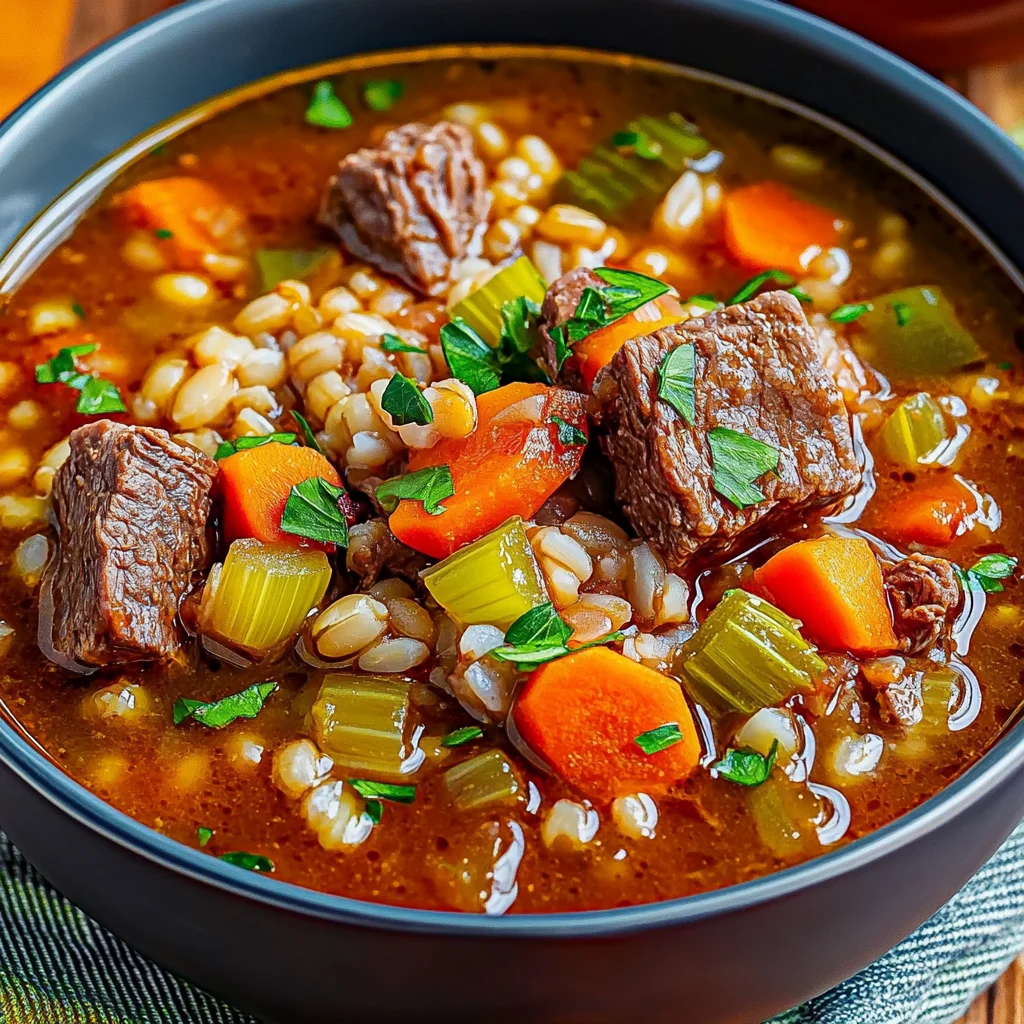
The Ultimate Beef Barley Soup: A Hearty, Soul-Warming Recipe Guide
What Makes Beef Barley Soup Special
Beef barley soup stands as one of the most beloved comfort foods across countless cultures. This hearty, nutritious meal combines tender chunks of beef with chewy pearl barley, creating a satisfying dish that warms both body and soul. Moreover, this classic soup offers incredible versatility, allowing home cooks to customize ingredients based on personal preferences and seasonal availability.
The magic of beef barley soup lies in its perfect balance of protein, grains, and vegetables. Furthermore, the long simmering process allows flavors to meld beautifully, resulting in a rich, complex broth that becomes more delicious with time. Additionally, this one-pot wonder provides an economical way to feed a family while delivering exceptional nutritional value.
Historical Significance and Cultural Impact
Throughout history, barley has been a staple grain in many civilizations. Ancient cultures recognized barley’s ability to provide sustenance and energy during harsh winters. Similarly, beef barley soup evolved as a practical way to combine affordable cuts of meat with nutritious grains and vegetables.
Today, this timeless recipe continues to bring families together around the dinner table. The aroma of slowly simmering beef and barley creates an atmosphere of warmth and hospitality that transcends generations.
Essential Ingredients for Perfect Beef Barley Soup
Creating exceptional beef barley soup requires careful selection of high-quality ingredients. Each component plays a crucial role in developing the soup’s distinctive flavor profile and satisfying texture.
Primary Ingredients
Beef Selection
-
Chuck roast (2-3 pounds): Provides rich flavor and tender texture
-
Beef stew meat: Pre-cut convenience option
-
Short ribs: Adds extra richness and depth
-
Soup bones: Optional for enhanced broth flavor
Barley Options
-
Pearl barley: Most common choice, cooks evenly
-
Hulled barley: More nutritious but requires longer cooking
-
Quick-cooking barley: Reduces preparation time
Essential Vegetables
-
Yellow onions (2 large): Foundation of flavor
-
Carrots (4-5 medium): Natural sweetness and color
-
Celery stalks (3-4): Aromatic base
-
Garlic cloves (4-6): Depth and complexity
Supporting Ingredients
Broth and Liquids
-
Beef broth (8 cups): Primary liquid base
-
Water (additional as needed): Maintains proper consistency
-
Tomato paste (2 tablespoons): Umami enhancement
Seasonings and Herbs
-
Bay leaves (2-3): Essential aromatic element
-
Fresh thyme (2 tablespoons): Earthy complexity
-
Salt and black pepper: Fundamental seasoning
-
Parsley (fresh): Bright finishing touch
Optional Enhancements
-
Mushrooms: Earthy depth
-
Potatoes: Additional heartiness
-
Green beans: Seasonal variation
-
Corn kernels: Sweet contrast
Step-by-Step Beef Barley Soup Recipe
This comprehensive recipe serves 8-10 people and takes approximately 2.5 hours from start to finish. The extended cooking time allows flavors to develop fully while ensuring the beef becomes fork-tender.
Ingredients List
Main Components:
-
2.5 pounds chuck roast, cut into 1-inch cubes
-
1 cup pearl barley
-
2 large yellow onions, diced
-
4 medium carrots, sliced
-
3 celery stalks, chopped
-
6 garlic cloves, minced
-
8 cups beef broth
-
2 tablespoons tomato paste
-
2 bay leaves
-
2 tablespoons fresh thyme
-
Salt and pepper to taste
-
2 tablespoons vegetable oil
-
1/4 cup fresh parsley, chopped
Preparation Steps
Step 1: Prepare the Beef
First, pat the beef cubes dry with paper towels. This crucial step ensures proper browning and prevents steaming. Next, season generously with salt and pepper on all sides. Allow the seasoned beef to rest at room temperature for 15 minutes.
Step 2: Brown the Meat
Heat vegetable oil in a large, heavy-bottomed pot over medium-high heat. Once the oil shimmers, add beef cubes in a single layer, avoiding overcrowding. Brown each side for 3-4 minutes, creating a rich, caramelized crust. Work in batches if necessary to maintain proper browning.
Step 3: Build the Flavor Base
Remove browned beef and set aside. In the same pot, add diced onions to the remaining fat. Cook for 5-6 minutes until softened and translucent. Then, add minced garlic and cook for another minute until fragrant.
Step 4: Add Aromatics
Stir in tomato paste and cook for 2 minutes, allowing it to caramelize slightly. This step develops deep, complex flavors that enhance the overall soup profile. Add thyme and bay leaves, stirring to combine.
Step 5: Combine and Simmer
Return browned beef to the pot along with any accumulated juices. Pour in beef broth, ensuring liquid covers ingredients by at least 2 inches. Bring mixture to a rolling boil, then reduce heat to maintain a gentle simmer.
Step 6: Long Simmer Process
Cover partially and simmer for 1.5 hours, stirring occasionally. The beef should become increasingly tender during this extended cooking period. Additionally, skim any foam or impurities that rise to the surface.
Step 7: Add Barley and Vegetables
After the initial cooking period, add pearl barley, carrots, and celery. Continue simmering for another 45-60 minutes until barley becomes tender and beef easily shreds with a fork.
Step 8: Final Seasoning
Remove bay leaves and taste for seasoning. Adjust salt and pepper as needed. The soup should have a rich, well-balanced flavor with tender beef and perfectly cooked barley.
Step 9: Finishing Touches
Stir in fresh chopped parsley just before serving. This bright herb adds color and freshness that complements the rich, hearty flavors.
Cooking Techniques for Maximum Flavor
Mastering beef barley soup requires understanding several key techniques that elevate the final result. These methods ensure optimal flavor development and perfect texture in every bowl.
Browning for Flavor Development
Proper browning creates the foundation for exceptional beef barley soup. The Maillard reaction that occurs during browning develops complex flavors that cannot be achieved through other cooking methods. Therefore, never skip this crucial step, even when time is limited.
Use a heavy-bottomed pot that retains and distributes heat evenly. Cast iron or enameled Dutch ovens work exceptionally well for this purpose. Additionally, avoid overcrowding the pan, which causes steaming rather than browning.
Temperature Control and Simmering
Maintaining proper temperature throughout the cooking process ensures tender beef and perfectly cooked barley. A gentle simmer, rather than a rolling boil, prevents tough, chewy meat while allowing flavors to meld gradually.
The ideal simmering temperature creates small bubbles that occasionally break the surface. This gentle heat allows collagen in the beef to break down slowly, creating natural gelatin that enriches the broth.
Layering Flavors
Building layers of flavor throughout the cooking process creates depth and complexity. Start with the aromatic vegetables, allowing them to soften and release their essence. Then, add herbs and spices at strategic intervals to maximize their impact.
Consider the cooking time required for each ingredient. Heartier vegetables like carrots can withstand longer cooking, while delicate herbs should be added near the end to preserve their bright flavors.
Nutritional Benefits of Beef Barley Soup
Beef barley soup provides exceptional nutritional value, combining high-quality protein with complex carbohydrates and essential vitamins. This balanced combination makes it an ideal choice for active families seeking nourishing, satisfying meals.
Protein Powerhouse
Beef supplies complete protein containing all essential amino acids required for muscle maintenance and growth. A single serving of beef barley soup provides approximately 25-30 grams of protein, supporting daily nutritional requirements effectively.
Furthermore, the slow cooking process makes the protein more digestible while preserving its nutritional integrity. This gentle cooking method ensures maximum bioavailability of nutrients.
Barley’s Nutritional Contributions
Pearl barley offers impressive nutritional benefits, including high fiber content, B vitamins, and important minerals. The soluble fiber in barley helps regulate blood sugar levels and supports cardiovascular health.
Additionally, barley provides selenium, manganese, and phosphorus, which support various bodily functions including immune system health and bone strength.
Vegetable Nutrients
The vegetables in beef barley soup contribute essential vitamins, minerals, and antioxidants. Carrots provide beta-carotene, while celery offers potassium and folate. Onions contribute quercetin, a powerful antioxidant with anti-inflammatory properties.
These nutrients work synergistically to support overall health while enhancing the soup’s flavor profile naturally.
Creative Variations and Adaptations
Beef barley soup serves as an excellent foundation for countless variations. These adaptations allow cooks to customize the recipe based on seasonal ingredients, dietary preferences, and personal taste preferences.
Seasonal Variations
Spring Adaptation
Incorporate fresh asparagus, peas, and spring onions for a lighter, brighter flavor profile. Add these delicate vegetables during the last 15 minutes of cooking to preserve their vibrant color and crisp texture.
Summer Version
Include fresh corn kernels, zucchini, and summer squash for a seasonal twist. These ingredients add sweetness and additional nutrients while maintaining the soup’s hearty character.
Fall Enhancement
Add roasted butternut squash, turnips, and parsnips for an autumn-inspired variation. These root vegetables contribute natural sweetness and complement the beef’s rich flavor beautifully.
Winter Comfort
Incorporate potatoes, rutabagas, and cabbage for the ultimate cold-weather comfort food. These hardy vegetables provide additional substance and help create a more filling meal.
International Inspirations
Mediterranean Style
Add diced tomatoes, herbs like oregano and basil, and finish with a splash of olive oil. This variation brightens the soup while maintaining its hearty character.
Eastern European Influence
Incorporate paprika, caraway seeds, and sour cream for a Hungarian-inspired version. These ingredients add complexity and richness that transforms the familiar soup.
Asian Fusion
Add ginger, soy sauce (in moderation), and shiitake mushrooms for an unexpected but delicious variation. Finish with green onions and sesame oil for authentic Asian flavors.
Dietary Modifications
Lower Sodium Version
Use low-sodium broth and increase herbs and spices to maintain flavor without excess salt. Fresh herbs, garlic, and onions provide natural flavor enhancement.
Vegetable-Heavy Adaptation
Increase the proportion of vegetables while slightly reducing the beef content. This modification boosts nutritional density while maintaining satisfaction.
Gluten-Free Alternative
Substitute pearl barley with rice, quinoa, or other gluten-free grains. These alternatives provide similar texture and nutritional benefits for those with gluten sensitivities.
Storage and Reheating Guidelines
Proper storage and reheating techniques ensure beef barley soup maintains its quality and safety over time. Understanding these methods allows for convenient meal planning and reduces food waste.
Refrigerator Storage
Cool the soup completely before refrigerating to prevent bacterial growth and maintain food safety. Divide large batches into smaller containers to promote rapid cooling and easier reheating portions.
Store beef barley soup in the refrigerator for up to 4 days in airtight containers. Glass containers work particularly well as they don’t absorb odors and can go directly from refrigerator to microwave.
Freezer Storage
Beef barley soup freezes exceptionally well, making it perfect for meal prep and long-term storage. However, the barley may absorb additional liquid during freezing, so consider adding extra broth when reheating.
Freeze soup in portion-sized containers or freezer bags for up to 3 months. Label containers with contents and date to ensure proper rotation and optimal quality.
Reheating Methods
Stovetop Method
Transfer soup to a heavy-bottomed saucepan and heat over medium-low heat, stirring occasionally. Add additional broth if the soup has thickened during storage. This method provides the most control over temperature and consistency.
Microwave Reheating
Place soup in microwave-safe containers and heat in 90-second intervals, stirring between heating cycles. Cover containers to prevent splattering and ensure even heating throughout.
Slow Cooker Warming
For large quantities, use a slow cooker on low heat to gently warm the soup without overcooking. This method works particularly well for entertaining or family gatherings.
Troubleshooting Common Issues
Even experienced cooks occasionally encounter challenges when preparing beef barley soup. Understanding common issues and their solutions ensures consistently excellent results.
Tough Beef Problems
If the beef remains tough after the recommended cooking time, continue simmering until fork-tender. Some cuts may require additional cooking time due to variations in marbling and age.
Cut beef against the grain to minimize toughness, even after proper cooking. This technique breaks down muscle fibers mechanically, improving texture significantly.
Barley Cooking Issues
Undercooked Barley
Add hot liquid and continue cooking until barley reaches the desired tenderness. Pearl barley typically requires 45-60 minutes of simmering to achieve proper texture.
Overcooked, Mushy Barley
Unfortunately, overcooked barley cannot be reversed. However, the soup remains edible and nutritious, though the texture will be softer than ideal.
Consistency Concerns
Too Thin
Create a slurry with equal parts flour and cold water, then whisk into the simmering soup. Alternatively, mash some of the cooked vegetables to naturally thicken the broth.
Too Thick
Add hot broth or water gradually until achieving the desired consistency. Heat through before serving to ensure proper temperature throughout.
Flavor Adjustments
Bland Soup
Increase seasoning gradually, tasting after each addition. Consider adding umami enhancers like tomato paste, mushrooms, or additional herbs to boost flavor naturally.
Over-Seasoned
Add additional liquid and vegetables to dilute overpowering seasonings. Potatoes work particularly well for absorbing excess salt.
Frequently Asked Questions
Can I make beef barley soup in a slow cooker?
Absolutely! Brown the beef first in a skillet, then transfer everything to a slow cooker. Cook on low for 6-8 hours or high for 3-4 hours. Add barley during the last 2 hours of cooking to prevent overcooking.
What’s the best cut of beef for barley soup?
Chuck roast provides the ideal balance of flavor, tenderness, and affordability. The marbling breaks down during long cooking, creating naturally rich broth while the meat becomes fork-tender.
Can I substitute quick-cooking barley?
Yes, but add it during the last 20-30 minutes of cooking time. Quick-cooking barley processes faster and may become mushy if cooked for the full duration.
How can I make beef barley soup ahead of time?
Prepare the soup completely, then cool and refrigerate. The flavors actually improve after resting overnight. Reheat gently and add fresh herbs before serving for optimal taste.
Is beef barley soup healthy?
Yes! This soup provides complete protein, fiber, vitamins, and minerals while being relatively low in calories. The combination of lean beef, barley, and vegetables creates a nutritionally balanced meal.
Can I freeze leftover beef barley soup?
Definitely! Freeze in portion-sized containers for up to 3 months. The barley may absorb liquid during freezing, so add extra broth when reheating if needed.
What vegetables work best in beef barley soup?
Classic choices include carrots, celery, and onions. However, mushrooms, potatoes, parsnips, and green beans also work excellently. Add delicate vegetables during the final cooking stages.
How do I prevent the barley from getting mushy?
Add barley during the last 45-60 minutes of cooking time. Pearl barley holds its shape better than hulled varieties when properly timed.
Conclusion
Beef barley soup represents the perfect marriage of comfort, nutrition, and flavor in a single, satisfying bowl. This timeless recipe brings families together while providing essential nutrients needed for healthy living. Moreover, its versatility allows for endless customization based on seasonal ingredients and personal preferences.
The key to exceptional beef barley soup lies in patient cooking, quality ingredients, and proper technique. By following the guidelines outlined in this comprehensive guide, home cooks can create restaurant-quality soup that rivals any professional kitchen. Additionally, the make-ahead nature of this dish makes it ideal for busy families seeking convenient, nutritious meal options.
Whether served on a cold winter evening or prepared for weekly meal prep, beef barley soup delivers consistent satisfaction and nourishment. The combination of tender beef, chewy barley, and perfectly seasoned vegetables creates a harmonious blend that satisfies both hunger and soul.
Ready to create your own perfect beef barley soup? Gather your ingredients and start your culinary journey today.
Beef Barley Soup
Description
Ingredients
-
1 tablespoon olive oil
-
1 onion, chopped
-
1 clove garlic, minced
-
2 carrots, sliced
-
1 rib celery, sliced
-
2 cups cooked beef, cubed or shredded (e.g. leftover roast or stew meat)
-
6 cups reduced sodium beef broth
-
1 can (14.5 oz) petite diced tomatoes, with juices
-
½ green bell pepper, diced
-
⅔ cup pearl barley
-
1 bay leaf
-
¼ teaspoon dried thyme leaves
-
1 packet beef gravy mix (optional for richness)
-
2 tablespoons chopped fresh parsley (or 2 teaspoons dried)
-
Salt and black pepper, to taste
Instructions
-
In a large pot over medium heat, cook the onions and garlic in olive oil until softened.
-
Add the carrots, celery, cooked beef, broth, tomatoes, green pepper, barley, bay leaf, thyme, and, if using, gravy mix.
-
Stir well and bring everything to a boil.
-
Reduce heat, cover, and simmer about 40–50 minutes, until the barley is tender.
-
Remove the bay leaf.
-
Stir in the parsley and adjust salt and pepper to taste.
-
Serve hot.