
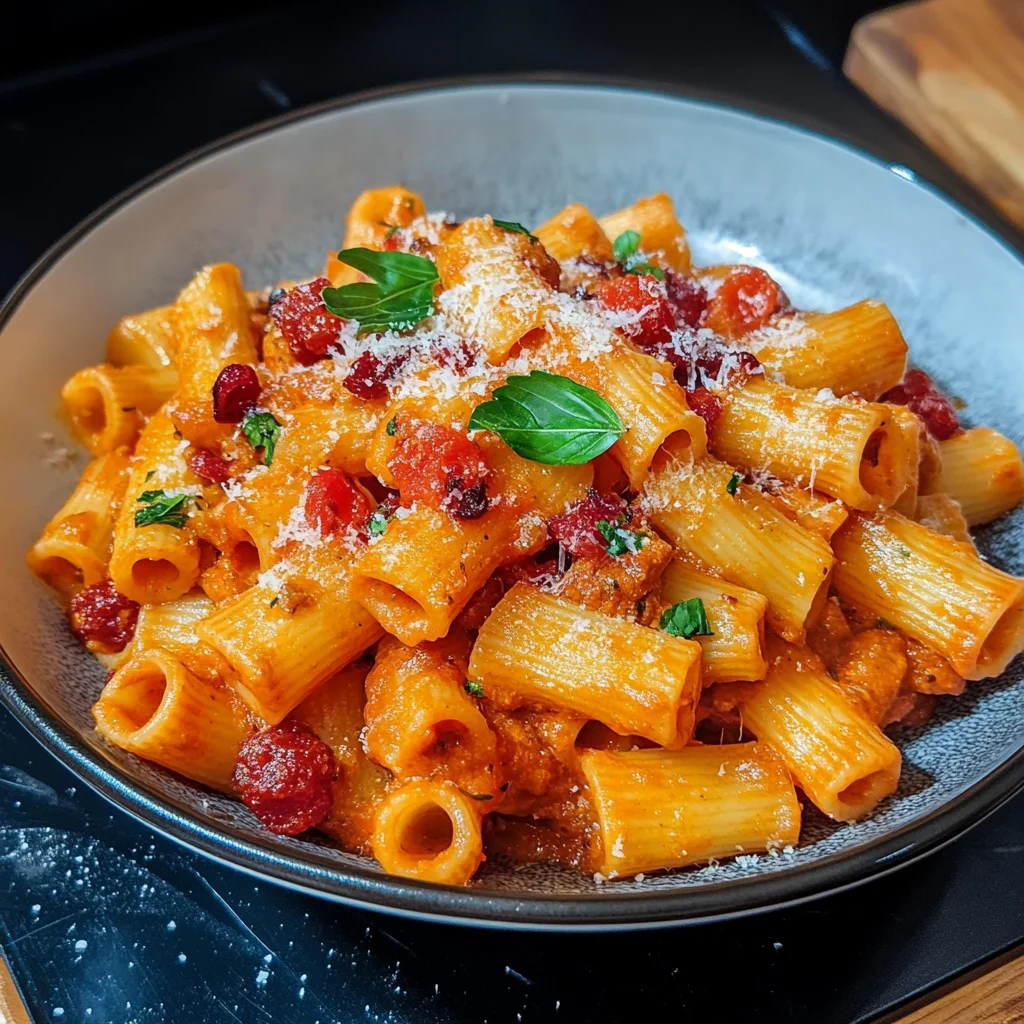
Pasta alla Zozzona: The Ultimate Roman Pasta Recipe
Imagine combining the best elements of Rome’s three most beloved pasta dishes into one incredible creation. That’s exactly what Pasta alla Zozzona delivers. This remarkable Roman specialty brings together the creamy richness of carbonara, the tangy tomato base of amatriciana, and the sharp bite of cacio e pepe.
Furthermore, this distinctive pasta earned its playful nickname because it breaks traditional Italian cooking rules. Instead of keeping classic recipes separate, Pasta alla Zozzona boldly mixes them together. The result is a complex, satisfying dish that has become a modern Roman favorite.
Moreover, making this exceptional pasta requires no special equipment or hard-to-find ingredients. Additionally, the cooking process takes less than 30 minutes from start to finish. Therefore, both novice and experienced cooks can master this impressive dish.
What is Pasta alla Zozzona?
Pasta alla Zozzona represents a revolutionary approach to traditional Roman pasta dishes. Essentially, this creation combines three iconic Roman preparations into one harmonious meal. The dish features crispy guanciale, creamy eggs, sharp pecorino cheese, and bright tomatoes.
The Three Classic Elements
First, the carbonara component provides the creamy egg and cheese base. These ingredients create the signature silky texture that coats each strand of pasta perfectly.
Second, the amatriciana influence comes from the addition of tomatoes. These add acidity and sweetness that balances the rich, fatty elements beautifully.
Third, the cacio e pepe aspect contributes generous amounts of pecorino Romano and black pepper. Consequently, these ingredients provide sharp, pungent flavors that cut through the richness.
Why “Zozzona”?
The name “zozzona” translates to “messy” in Roman dialect. However, this doesn’t refer to cleanliness issues. Instead, it describes how the dish creates a wonderful mix of traditional Italian cooking principles by combining separate classic recipes.
Additionally, the appearance contributes to the nickname. The various ingredients create a beautifully complex, multi-colored sauce that looks wonderfully abundant when tossed with pasta.
The Rich History Behind Rome’s Famous Pasta
Modern Roman Innovation
Unlike many Italian pasta dishes with ancient origins, Pasta alla Zozzona is relatively modern. Food historians trace its creation to late 20th century Rome. Specifically, innovative Roman chefs began experimenting with combining traditional recipes.
Furthermore, this dish emerged during a period when Roman cuisine was evolving rapidly. Chefs wanted to create something new while honoring classic traditions. Therefore, they cleverly merged beloved elements from existing dishes.
Restaurant Culture Origins
Many food experts believe Pasta alla Zozzona first appeared in Roman restaurants during the 1980s. Subsequently, creative chefs began offering this fusion dish to adventurous diners. The combination proved so successful that it quickly spread throughout the city.
Additionally, the dish gained popularity among locals who appreciated its bold flavors. Soon, home cooks began recreating their own versions of this restaurant specialty.
Cultural Significance
Today, Pasta alla Zozzona represents modern Roman creativity in the kitchen. Moreover, it demonstrates how traditional Italian cooking continues to evolve. The dish shows that innovation can honor the past while creating something entirely new.
Furthermore, this pasta has become a symbol of Rome’s vibrant food scene. It represents the city’s willingness to experiment while maintaining deep respect for culinary traditions.
Essential Ingredients for Authentic Zozzona
Primary Ingredients
Creating authentic Pasta alla Zozzona requires specific, high-quality ingredients. Each component plays a crucial role in achieving the perfect balance of flavors and textures.
Pasta Selection
-
Tonnarelli or spaghetti works best
-
Long, thin shapes hold the sauce effectively
-
Fresh pasta provides superior texture
-
Dried pasta offers convenience and longer shelf life
Guanciale or Pancetta
-
Guanciale delivers the most authentic flavor
-
Pancetta serves as an acceptable substitute
-
Both provide essential rendered fat for the sauce
-
Quality makes a significant difference in final results
Cheese Components
Pecorino Romano
-
Aged sheep’s milk cheese provides sharp, salty flavor
-
Freshly grated cheese melts more smoothly
-
Avoid pre-grated versions when possible
-
Quality pecorino makes or breaks the dish
Parmigiano-Reggiano (Optional)
-
Some recipes include small amounts
-
Adds nutty complexity to the cheese blend
-
Use sparingly to avoid overwhelming pecorino
-
Freshly grated provides best results
Egg Requirements
Fresh, High-Quality Eggs
-
Room temperature eggs blend more easily
-
Whole eggs plus extra yolks create richness
-
Farm-fresh eggs offer superior flavor
-
Proper handling prevents curdling
Vegetable Components
San Marzano Tomatoes
-
Canned whole tomatoes work excellently
-
Crush by hand for better texture
-
Avoid tomato sauce or paste
-
Quality tomatoes enhance overall flavor
Fresh Black Pepper
-
Coarsely ground pepper provides best results
-
Freshly cracked releases more essential oils
-
Generous amounts complement the cheese
-
Quality peppercorns make noticeable difference
Step-by-Step Pasta alla Zozzona Recipe
Ingredients List (Serves 4-6)
Pasta and Protein:
-
1 pound tonnarelli or spaghetti
-
6 ounces guanciale or pancetta, diced
-
3 large eggs plus 2 egg yolks
Cheese and Seasonings:
-
1 cup freshly grated Pecorino Romano
-
2 tablespoons freshly cracked black pepper
-
Salt for pasta water
Tomato Component:
-
1 can (14 oz) San Marzano tomatoes, crushed by hand
-
2 cloves garlic, minced
Preparation Steps
Step 1: Prepare Your Workspace
First, gather all ingredients and equipment before starting. Additionally, bring a large pot of water to boil for the pasta. Meanwhile, set up your mixing station with eggs, cheese, and pepper ready.
Furthermore, have a large serving bowl warming near the stove. This prevents the sauce from cooling too quickly when combining ingredients.
Step 2: Cook the Guanciale
Start by placing diced guanciale in a large, cold pan. Then, turn heat to medium-low and cook slowly. This method renders the fat properly and creates crispy pieces.
Moreover, stir occasionally to ensure even browning. The process takes approximately 8-10 minutes. When finished, the guanciale should be golden and crispy.
Step 3: Add Tomatoes
Next, add the crushed tomatoes to the pan with rendered guanciale fat. Subsequently, increase heat to medium and cook for 5-7 minutes. The tomatoes should reduce slightly and concentrate in flavor.
Additionally, season lightly with salt and pepper. However, remember that the cheese will add significant saltiness later.
Step 4: Prepare the Egg Mixture
Meanwhile, whisk together whole eggs, egg yolks, and grated pecorino in a large bowl. Furthermore, add most of the black pepper to this mixture. The consistency should be smooth and well-combined.
Additionally, let this mixture come to room temperature while other components cook. Room temperature eggs blend more easily with hot pasta.
Step 5: Cook the Pasta
When the sauce components are nearly ready, add pasta to the boiling salted water. Cook according to package directions minus 1-2 minutes. The pasta should be slightly firm to the touch.
Moreover, reserve 1 cup of pasta cooking water before draining. This starchy water helps bind the sauce components together.
Step 6: Combine Everything
First, add the drained pasta directly to the pan with tomatoes and guanciale. Then, toss everything together over low heat for 1-2 minutes.
Next, remove the pan from heat completely. Subsequently, add the egg and cheese mixture while tossing continuously. The residual heat will cook the eggs gently without scrambling them.
Finally, add pasta water gradually until the sauce reaches perfect consistency. The sauce should coat each strand of pasta smoothly.
Final Touches
Serve immediately in warmed bowls. Additionally, top each serving with extra pecorino and black pepper. Furthermore, provide additional cheese at the table for individual preferences.
Moreover, this dish is best enjoyed immediately while the sauce maintains its creamy texture. Waiting too long can cause the eggs to separate or overcook.
Professional Tips for Perfect Results
Temperature Control
Temperature management is crucial for successful Pasta alla Zozzona. First, always remove the pan from heat before adding the egg mixture. High heat will scramble the eggs and ruin the creamy texture.
Additionally, warming your serving bowls prevents the sauce from cooling too quickly. Similarly, room temperature eggs blend more smoothly than cold ones.
Furthermore, the pasta’s residual heat should be sufficient to cook the eggs properly. Trust the process and resist the urge to return to heat.
Timing Considerations
Coordination is essential when preparing this dish. Moreover, all components should finish cooking simultaneously for best results. Therefore, start the guanciale first, then add tomatoes, and finally cook the pasta.
Additionally, have your egg mixture prepared and ready before the pasta finishes cooking. This prevents overcooking any component while others wait.
Furthermore, work quickly once combining ingredients. The dish should go from pan to table in under two minutes for optimal texture.
Ingredient Quality Impact
High-quality ingredients make a dramatic difference in final results. First, authentic guanciale provides superior flavor compared to regular bacon. However, good pancetta serves as an acceptable substitute.
Similarly, freshly grated Pecorino Romano melts more smoothly than pre-grated versions. Additionally, the flavor is significantly more pronounced and complex.
Moreover, San Marzano tomatoes offer superior sweetness and acidity balance. Regular canned tomatoes can work, but the flavor will be noticeably different.
Common Mistakes to Avoid
Overheating the Eggs
Never add eggs to a hot pan. Instead, remove from heat completely before combining. Additionally, toss continuously to distribute heat evenly.
Insufficient Pasta Water
Reserve extra pasta water before draining. Furthermore, add it gradually to achieve perfect sauce consistency. The starchy water helps bind all components together.
Rushing the Process
Take time to render the guanciale properly. Moreover, allow tomatoes to cook down and concentrate. Finally, combine ingredients methodically to prevent separation.
Popular Variations and Substitutions
Protein Alternatives
While guanciale provides the most authentic flavor, several substitutions work well. First, pancetta offers similar fat content and flavor profile. Additionally, it’s more widely available in most grocery stores.
Furthermore, thick-cut bacon can substitute in emergency situations. However, the flavor will be smokier and less authentic. Therefore, use high-quality bacon for best results.
Moreover, some recipes include Italian sausage for additional heartiness. Remove the casing and cook crumbled for best distribution throughout the dish.
Cheese Modifications
Pecorino Variations
Different ages of Pecorino Romano provide varying intensity levels. Younger cheese offers milder flavor, while aged versions provide more sharpness.
Additionally, some cooks blend Pecorino with small amounts of Parmigiano-Reggiano. This combination creates more complex flavor profiles.
Dairy-Free Options
Nutritional yeast can partially substitute for cheese in vegan versions. However, the flavor and texture will be significantly different from traditional preparations.
Pasta Shape Alternatives
Long, thin pasta shapes work best for this dish. However, several options provide excellent results:
Traditional Choices:
-
Tonnarelli (square spaghetti)
-
Spaghetti
-
Linguine
-
Fresh tagliatelle
Alternative Shapes:
-
Penne (holds sauce well)
-
Rigatoni (good for chunky variations)
-
Bucatini (thick spaghetti with hole)
Regional Adaptations
Different regions of Italy have created their own interpretations. For instance, some areas add red pepper flakes for heat. Others include fresh herbs like basil or parsley.
Additionally, Northern Italian versions sometimes include cream for extra richness. However, purists argue this changes the dish’s essential character.
Furthermore, some modern interpretations add vegetables like mushrooms or peas. These additions create heartier, more complete meals.
Nutritional Benefits and Information
Caloric Content
A typical serving of Pasta alla Zozzona contains approximately 650-750 calories. However, this varies based on portion size and ingredient proportions. Additionally, the high fat and protein content makes it quite satisfying.
Moreover, the combination of carbohydrates, proteins, and fats provides sustained energy. This makes it an excellent choice for active individuals or hearty appetites.
Protein Profile
This dish provides substantial protein from multiple sources. First, eggs contribute complete proteins with all essential amino acids. Additionally, guanciale or pancetta adds significant protein content.
Furthermore, Pecorino Romano cheese provides additional protein along with calcium. The combination creates a well-rounded amino acid profile that supports muscle maintenance and growth.
Vitamin and Mineral Content
B Vitamins
Eggs provide excellent sources of B12, folate, and choline. These nutrients support brain function and cellular metabolism.
Calcium and Phosphorus
Pecorino Romano delivers substantial amounts of both minerals. These support bone health and proper cellular function.
Lycopene
Tomatoes provide this powerful antioxidant. Additionally, cooking tomatoes increases lycopene availability for absorption.
Dietary Considerations
Gluten Content
Traditional wheat pasta contains gluten. However, gluten-free pasta alternatives work well for those with celiac disease or sensitivity.
Sodium Levels
The combination of cheese and cured meat creates high sodium content. Therefore, individuals monitoring sodium intake should consume smaller portions.
Lactose Content
Aged Pecorino Romano contains minimal lactose. However, those with severe lactose intolerance should exercise caution.
Check out our guide on [Italian pasta cooking techniques] for more tips on achieving perfect results with traditional recipes.
Best Serving Suggestions
Traditional Presentation
Pasta alla Zozzona is best served immediately after preparation. First, warm individual serving bowls to maintain temperature. Then, portion the pasta generously, ensuring each serving gets equal amounts of guanciale and sauce.
Additionally, finish each plate with freshly cracked black pepper. Moreover, provide extra grated Pecorino Romano at the table for individual preferences.
Furthermore, serve with simple crusty bread to soak up any remaining sauce. However, avoid overwhelming the dish with too many accompaniments.
Beverage Pairing Alternatives
Since this recipe excludes alcoholic beverages, consider these flavorful alternatives:
Sparkling Water with Citrus
Lemon or lime sparkling water cleanses the palate between bites. Additionally, the acidity complements the rich, fatty elements beautifully.
Italian Sodas
Blood orange or lemon Italian sodas provide authentic Italian flavor profiles. Moreover, their sweetness balances the dish’s saltiness effectively.
Herbal Teas
Chamomile or mint tea served warm can aid digestion. Furthermore, these options provide soothing contrast to the rich pasta.
Side Dish Recommendations
Simple Green Salad
A light salad with lemon vinaigrette cuts through the richness. Include arugula, spinach, or mixed greens for best results.
Roasted Vegetables
Zucchini, bell peppers, or eggplant provide healthy contrast. Additionally, their sweetness complements the tangy tomato elements.
Antipasto Selection
Olives, marinated vegetables, and fresh mozzarella create authentic Italian meal experience. However, keep portions small to avoid overwhelming the pasta.
Presentation Tips
Plating Techniques
Use tongs to create neat pasta nests in serving bowls. Then, spoon sauce over and around the pasta artfully.
Garnish Options
Fresh basil leaves add color and aroma. Additionally, a sprinkle of extra pecorino creates appealing visual contrast.
Temperature Maintenance
Serve immediately while the cheese remains creamy. Moreover, warmed plates help maintain optimal serving temperature longer.
Storage and Reheating Guidelines
Proper Storage Methods
Pasta alla Zozzona is best enjoyed fresh. However, leftovers can be stored safely with proper techniques. First, cool the pasta completely before refrigerating.
Additionally, store in airtight containers to prevent moisture loss and odor absorption. Moreover, consume within 2-3 days for best quality and safety.
Furthermore, avoid freezing this dish. The egg-based sauce doesn’t freeze well and will separate upon thawing.
Reheating Techniques
Stovetop Method (Preferred)
Add a splash of chicken broth or pasta water to a large pan. Then, heat over medium-low temperature while stirring gently. This method best preserves the sauce’s creamy texture.
Additionally, avoid high heat which can scramble the eggs or make the cheese stringy. Moreover, stir continuously to ensure even heating throughout.
Microwave Method
While less ideal, microwaving works for small portions. Use 50% power and heat in 30-second intervals. Furthermore, stir between each interval to distribute heat evenly.
Additionally, add a tablespoon of water or broth to prevent drying out. However, the texture may not be as creamy as fresh preparation.
Quality Indicators
Signs of Freshness
Fresh pasta should have bright colors and pleasant aroma. Additionally, the sauce should appear smooth and well-integrated.
Warning Signs
Discard pasta that smells sour or appears slimy. Moreover, any off-colors or unusual textures indicate spoilage.
Furthermore, if the sauce has separated significantly, the quality has declined even if still safe to eat.
Frequently Asked Questions
Can I make Pasta alla Zozzona ahead of time?
Unfortunately, this dish is best prepared and served immediately. The egg-based sauce can separate or overcook if held too long. However, you can prepare ingredients in advance and combine them just before serving.
What’s the best pasta shape for Pasta alla Zozzona?
Long, thin pasta shapes work best because they hold the sauce effectively. Tonnarelli is traditional, but spaghetti or linguine work excellently too. Additionally, the sauce coats these shapes more evenly than short pasta.
Can I substitute the guanciale with regular bacon?
While guanciale provides the most authentic flavor, pancetta makes a better substitute than regular bacon. However, if bacon is your only option, choose thick-cut, high-quality varieties. The smokiness will change the flavor profile significantly.
How do I prevent the eggs from scrambling?
Temperature control is crucial for preventing scrambled eggs. Always remove the pan from heat before adding the egg mixture. Additionally, toss the pasta continuously while adding the eggs to distribute heat evenly.
Is there a vegetarian version of this dish?
Traditional Pasta alla Zozzona requires cured meat for authenticity. However, you could create a vegetarian variation using mushrooms or sun-dried tomatoes for umami. The result won’t be traditional, but it can still be delicious.
How much pasta water should I reserve?
Always reserve at least one cup of pasta cooking water before draining. The starchy water helps bind the sauce components together. Additionally, you can always add more gradually to achieve perfect consistency.
Can I use dried herbs instead of fresh black pepper?
Freshly cracked black pepper is essential for authentic flavor. Dried herbs won’t provide the same pungent bite that balances the rich cheese and eggs. However, you can add fresh herbs like basil as garnish.
What makes this dish special?
The name “zozzona” means “messy” in Roman dialect. This refers to how the dish breaks traditional Italian rules by combining elements from three separate classic pasta preparations. Additionally, the mixed appearance of ingredients creates a beautifully abundant look.
Conclusion
Pasta alla Zozzona represents the perfect fusion of Rome’s greatest pasta traditions. This remarkable dish combines the creamy richness of carbonara, the bright acidity of amatriciana, and the sharp bite of cacio e pepe into one extraordinary creation.
Moreover, mastering this recipe opens doors to understanding how traditional Italian cooking continues to evolve. The dish proves that innovation can honor the past while creating something entirely new and delicious.
Furthermore, the combination of simple, high-quality ingredients demonstrates Italian cooking’s core philosophy. With proper technique and attention to detail, home cooks can recreate this restaurant-quality dish in their own kitchens.
Additionally, Pasta alla Zozzona offers versatility for different dietary needs and preferences. While maintaining authenticity requires specific ingredients, thoughtful substitutions can accommodate various requirements.
Finally, this distinctive pasta proves that sometimes the best dishes come from breaking rules creatively. The result is a satisfying, complex meal that celebrates the best of Roman culinary tradition.
Ready to create your own Pasta alla Zozzona masterpiece? Start with the freshest ingredients you can find, take your time with each step, and prepare to enjoy one of Rome’s most innovative pasta creations. Your family and friends will be amazed by this delicious fusion of classic Italian flavors!
Pasta alla Zozzona
Description
Ingredients
-
14 oz (400g) rigatoni or other short pasta
-
5.3 oz (150g) guanciale or pancetta, cut into cubes or strips
-
5.3 oz (150g) Italian sausage, casings removed
-
1 white onion, finely chopped
-
14 oz (400g) tomato passata or crushed tomatoes
-
1.5 oz (40g) Pecorino Romano cheese, finely grated (plus extra for serving)
-
3 egg yolks
-
Salt and freshly ground black pepper, to taste
Instructions
-
Bring a large pot of salted water to a boil.
-
In a large pan over medium heat, cook the guanciale or pancetta until crispy. Remove from pan and set aside, saving the fat.
-
In the same pan, add the Italian sausage and onion. Cook until the sausage is browned and the onion is soft.
-
Return most of the guanciale to the pan (reserve some for topping). Add the tomato passata, bring to a simmer, and cook for about 10 minutes on medium-low heat.
-
Meanwhile, cook the pasta in the boiling water until al dente. Reserve some pasta water before draining.
-
In a bowl, whisk together the egg yolks, grated Pecorino Romano, and a generous grinding of black pepper to make a thick paste.
-
Toss the cooked pasta with the tomato and sausage sauce off the heat, then add the egg yolk and cheese mixture, stirring quickly. Add reserved pasta water as needed to make the sauce creamy and coat the pasta well.
-
Serve immediately, topped with the reserved crispy guanciale and extra Pecorino Romano cheese.