
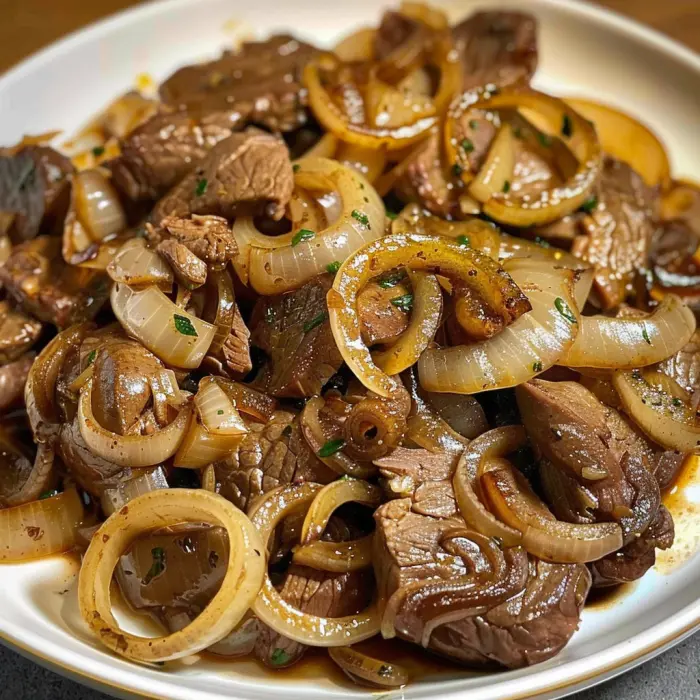
Beef Liver with Onions: The Ultimate Guide to a Nutrient-Dense Superfood Meal
Forget everything you think you know about this old-school classic. Seriously! We’re not talking about a tough, bitter, and forgettable meal from a dusty cookbook. Instead, picture this: a skillet sizzling with sweet, caramelized onions and impossibly tender morsels of beef liver, all wrapped up in a rich, savory sauce. This dish, believe it or not, is one of the most powerful superfood meals you can possibly make in your own kitchen.
Once a humble staple on dinner tables for its frugality, beef liver with onions is now having a spectacular comeback. Fueled by a growing passion for nutrient-dense foods and nose-to-tail eating philosophies like the Carnivore diet and Keto, people are rediscovering its incredible value. This article is your ultimate guide, transforming this misunderstood ingredient into a weekly delicacy you’ll genuinely crave.
Introduction & The Nutritional Powerhouse
Beef Liver with Onions: More Than Just a Old-School Dish
A Brief Introduction
Ah, the unmistakable sound—the fierce sizzle as beef liver hits a hot, buttered pan, followed quickly by the heavenly aroma of softening onions. Now, for some folks, this might trigger… less-than-pleasant memories. But hold on! We’re here to completely change that narrative. This isn’t just your grandmother’s dinner; it’s a timeless, comforting dish that’s exploding back into the modern food scene for one brilliant reason: it’s jaw-droppingly healthy.
Furthermore, this culinary revival isn’t just about nostalgia. In fact, it’s driven by a powerful shift towards understanding what truly fuels our bodies. Consequently, this classic liver and onions recipe has become a proud poster child for the nutrient-dense food movement.
Why This Dish Endures
Interestingly, this dish’s journey is a fascinating tale of two eras. Traditionally, it was the epitome of frugal, smart cooking—a way to use every part of the animal and provide a cheap yet filling meal for the family. Talk about a powerhouse on a budget! Nowadays, however, it’s been crowned a superfoodsuperstar. Moreover, within health circles like Paleo and Keto, it’s practically worshipped for its off-the-charts vitamin and mineral profile. So, from humble beginnings to modern-day glory, this dish has truly stood the test of time.
Why Beef Liver is Nature’s Multivitamin
Let’s cut to the chase: if you’re looking for the most efficient, natural multivitamin on the planet, look no further than your butcher’s counter. Honestly, pound for pound, beef liver is arguably the most nutrient-dense food you can eat. It’s so packed with goodness that it makes kale look lazy! But what exactly makes it so special?
A Nutritional Breakdown
Think of beef liver as nature’s most complete supplement. It’s bursting with highly bioavailable nutrients, meaning your body can absorb and use them far more easily than those from a pill bottle.
Vitamin A Powerhouse
First up, let’s talk about Vitamin A. But we’re not talking about the beta-carotene in carrots; oh no. Beef liver contains the active, pre-formed version called Retinol. Just a small serving provides a whopping amount of your daily needs. This incredible vitamin is absolutely essential for sharp vision, a robust immune system, and glowing, healthy skin. However, because it’s so potent, moderation is key, which we’ll discuss later.
The King of B Vitamins
Feeling run down? Beef liver might be your answer. It is, without a doubt, the undisputed king of Vitamin B12, a crucial nutrient for maintaining energy levels, creating red blood cells, and supporting brain function. Additionally, it’s loaded with other B vitamins like Folate (B9), Riboflavin (B2), and Niacin (B3). Together, this dream team helps your body convert food into usable energy, keeping you energized and focused throughout the day.
Iron You Can Actually Use
Struggling with fatigue or anemia? This is a game-changer. The iron found in beef liver is heme iron, the type most easily absorbed by your body. For comparison, it’s lightyears ahead of the iron found in plant sources. Therefore, incorporating liver into your diet is a fantastic strategy for naturally boosting your iron levels and fighting that constant tiredness.
Trace Minerals and Copper
Finally, don’t overlook the supporting cast. This organ meat is also an excellent source of copper, which works with iron to form red blood cells. It also provides good amounts of zinc for immune support, selenium for antioxidant defense, and choline for brain and liver health. All in all, it’s a complete nutritional package.
Selecting, Preparing, and Cooking Your Ingredients
The Foundation: Choosing the Best Ingredients
Listen, the secret to a mind-blowing beef liver and onions experience starts way before you turn on the stove. Honestly, selecting top-notch ingredients is half the battle won. Skimp here, and you might end up with that strong, metallic flavor that gives liver a bad name. So, let’s get you set up for success!
Sourcing High-Quality Beef Liver
Navigating the meat counter can be confusing, but a few simple tips will lead you to the good stuff.
Grain-Fed vs. Grass-Fed vs. Grass-Finished
This choice really matters for flavor and nutrient profile. Generally, grass-fed or grass-finished beef liveris considered the gold standard. Why? Well, cows raised on their natural diet of grass tend to produce liver with a cleaner, milder taste and a better fat profile, including those beneficial Omega-3s. On the other hand, grain-fed liver can sometimes have a stronger, more pronounced flavor. If you’re a beginner, definitely try to seek out the grass-fed option.
Calf Liver vs. Beef Liver
Here’s a pro tip that will save you: age matters! Calf liver, coming from a younger animal, is noticeably more tender and has a much milder, less iron-rich flavor. It’s the perfect gateway liver for newbies or anyone who’s been skeptical in the past. Beef liver, from an older animal, packs a stronger, more robust punch. It’s for the true organ meat enthusiasts.
Frozen vs. Fresh
You’ll often find liver frozen, and that’s perfectly fine! Actually, freezing doesn’t significantly damage its nutritional value. Just make sure to thaw it slowly and completely in the refrigerator overnight. If you find fresh liver, look for a piece that has a glossy, deep reddish-brown color and a firm texture. Avoid any that looks dry, has brown spots, or has a strong, off-putting smell.
The Aromatic Companion: Selecting Your Onions
Now, for the other star of the show! The humble onion isn’t just a sidekick; it’s the sweet, aromatic balance that makes this dish sing.
Yellow Onions
The classic, all-purpose choice. Yellow onions are fantastic because they offer a strong, pungent flavor that transforms into something deeply sweet and complex when you cook them low and slow. They create that traditional, hearty foundation we all know and love.
Sweet Onions (Vidalia, Walla Walla)
If you have a sweeter tooth or are particularly sensitive to sharp onion flavors, these are your best bet. Sweet onions, like Vidalias, are naturally milder and lower in pyruvic acid (the compound that makes you cry). They caramelize beautifully into a jam-like consistency with a gentle, almost sugary taste.
Red Onions & Shallots
Feeling fancy? Red onions can add a lovely pop of color and a slightly sharper, more vibrant flavor. Shallots, however, are the gourmet’s secret weapon. They fry up into incredibly delicate, crispy bits and offer a subtle, refined garlic-onion flavor that takes the entire dish up a notch.
Essential Preparation: The Key to Tender, Non-Bitter Liver
Alright, here it is—the most critical section in this entire guide. This is the magic trick that separates a tough, bitter disaster from a tender, succulent masterpiece. Pay close attention!
To Soak or Not to Soak? (The Most Important Step)
You must soak it. Seriously, don’t even think about skipping this step! This single act is the ultimate game-changer for how to make liver not bitter.
Why Soak Liver?
So, what’s the deal? Soaking liver in milk (or buttermilk) is an old chef’s secret that works like a charm. The mild acidity in the dairy helps to neutralize any strong flavors and tenderizes the proteins by drawing out impurities. It effectively tames that potent iron-rich taste, leaving you with a much milder and more pleasant final product.
How to Soak Liver Properly
It’s incredibly easy. First, give your liver slices a quick rinse under cold water and pat them dry. Next, place them in a shallow dish and completely submerge them in your chosen liquid—whole milk, buttermilk, or even a lemon juice-water mixture. Then, just pop it in the refrigerator for at least 30 minutes, though 1-2 hours is even better. Finally, and this is crucial, drain the liquid and pat the liver completely dry with paper towels before cooking. A dry surface is essential for a good sear.
The Art of Slicing and Dredging
Almost there! Now for the finishing prep touches.
Slicing for Even Cooking
Grab a sharp knife. Cutting your liver into uniform, thin strips or small pieces (about 1/4 to 1/2 inch thick) ensures that every piece cooks at the same rate. This way, you avoid some pieces being overcooked and rubbery while others are still raw.
The Dredging Station
After patting the liver completely dry, give it a light coat in seasoned flour. This isn’t just for show; that thin layer of flour will create a beautiful, golden-brown crust when it hits the hot pan, adds flavor, and helps thicken the pan sauce later on. Generously season your flour with salt, pepper, and any other spices you like (paprika or garlic powder are great).
Classic and Modern Recipes
The Classic Stovetop: Beef Liver and Onions Recipe
Alright, the moment has arrived! Let’s transform these beautifully prepared ingredients into the iconic dish. This traditional method is foolproof and delivers that authentic, comforting flavor.
Overview
This recipe focuses on simple, high-quality techniques: caramelizing onions to sweet perfection and quickly searing the liver to preserve its tenderness. It’s the bedrock upon which all other variations are built.
Ingredients List
-
1 lb (450g) beef liver or calf liver, sliced and pre-soaked
-
1 cup whole milk or buttermilk (for soaking)
-
2 large yellow onions, thinly sliced
-
1/2 cup all-purpose flour (or almond flour for Keto)
-
3 tbsp butter or ghee, divided
-
2 tbsp avocado oil or light olive oil
-
Salt and black pepper to taste
-
1/2 cup beef broth (for deglazing)
Step-by-Step Instructions
Step 1: Caramelize the Onions.
This is where patience pays off. In a large skillet, melt 1 tablespoon of butter with 1 tablespoon of oil over medium-low heat. Add your thinly sliced onions and a pinch of salt. Now, cook them slowly, stirring occasionally, for a good 20-25 minutes. Don’t rush this! You want them to become deeply golden brown, soft, and sweet. Once done, transfer them to a plate and set aside.
Step 2: Cook the Liver.
This step is all about speed and high heat. Increase your stovetop heat to medium-high. Add the remaining butter and oil to the same skillet. Take your dried, flour-dredged liver pieces and place them in the hot pan. Do not crowd the pan! Cook in batches if necessary. Sear them for just 1-2 minutes per side. You’re aiming for a beautiful brown crust on the outside while the inside remains slightly pink. OVERCOOKING IS THE ENEMY OF TENDER LIVER. Remove the cooked liver to the plate with the onions.
Step 3: Make a Simple Pan Sauce (Optional but Recommended).
This is the flavor bomb. With the skillet still over medium-high heat, pour in your beef broth. As it bubbles, use a wooden spoon to scrape up all those delicious browned bits stuck to the pan (the “fond”). Those bits are pure flavor gold! Let the broth reduce and thicken slightly for a minute or two.
Step 4: Combine and Serve.
Return the caramelized onions and any accumulated juices back to the skillet with the sauce. Give everything a good stir to warm through and coat in the sauce. Finally, gently add the cooked liver back in, tossing to combine. Serve immediately while it’s hot and tender!
Exploring Variations: Beyond the Classic
Once you’ve mastered the basic beef liver recipe, the world is your oyster! Here are a few delicious twists to keep things exciting.
Beef Liver with Bacon and Onions
Let’s be real: everything is better with bacon. Start by cooking 4-6 slices of chopped bacon in your skillet until crispy. Remove the bacon, then cook your onions in the rendered bacon fat instead of butter. You can thank me later. The smoky, salty bacon fat infuses the onions and liver with an incredible depth of flavor. Crumble the cooked bacon and sprinkle it on top before serving.
A Gourmet Twist: Creamy Beef Liver with Onions
Feeling indulgent? After deglazing your pan with broth in Step 3, add a generous splash of heavy cream or crème fraîche. Let it simmer for a minute until it creates a rich, luxurious sauce that clings to the onions and liver. It’s decadent, smooth, and utterly delicious.
Keto-Friendly Version
Following a low-carb diet? No problem! Simply substitute the all-purpose flour for a Keto-friendly option like almond flour or finely crushed pork rinds for dredging. The cooking process remains exactly the same, and you’ll still get a wonderful crust.
Pro Tips, Serving, and Storing
Chef’s Secrets: Tips for Perfect Beef Liver Every Time
You’ve got the recipe, but these little pro tips will elevate your dish from good to absolutely restaurant-quality.
-
Pat the Liver Dry: After soaking, this is the most important step. A bone-dry surface is the only way to achieve a proper sear instead of a steam.
-
Don’t Crowd the Pan: If you put too many pieces in the pan at once, the temperature drops, and the liver will stew in its own juices instead of searing. Cook in batches for the best results.
-
Cook Quickly Over High Heat: I can’t say it enough. Liver is not a steak for slow-cooking. A quick, hot sear is the only path to tenderness.
-
Sharp Knives: Use a sharp knife for slicing to get clean cuts that don’t tear and shred the delicate meat.
-
Acid is Your Friend: A final squeeze of fresh lemon juice over the finished dish just before serving can brighten all the rich, savory flavors and cut through the richness beautifully.
How to Serve and Store Your Dish
Traditional Pairings
What goes well with this powerhouse? The classic pairing is a big heap of creamy mashed potatoes—they are the perfect vehicle for soaking up that delicious pan sauce. For a healthier or Keto option, try cauliflower mash. A side of steamed green beans, broccoli, or a simple arugula salad with a sharp vinaigrette also provides a wonderful fresh contrast.
Storing Leftovers
If you somehow have leftovers, let the dish cool completely to room temperature before transferring it to an airtight container. Store it in the refrigerator; it will keep well for up to 2 days.
Reheating Gently
Reheating is tricky because you risk overcooking the liver. The best method is to reheat it gently in a skillet over low heat with a tiny splash of broth or water to keep it moist. Alternatively, use your microwave at 50% power in short bursts, checking frequently.
Frequently Asked Questions (FAQs)
Frequently Asked Questions About Beef Liver with Onions
How do you make beef liver tender?
The holy trinity for tender beef liver is: 1) Soak it in milk or buttermilk beforehand to draw out impurities. 2) Slice it thinly for quick, even cooking. 3) Do not overcook it! A quick sear of 1-2 minutes per side over relatively high heat is all it needs.
Why do you soak liver in milk before cooking?
Soaking liver in milk is a crucial step to neutralize any strong or bitter flavors. The mild acids in the dairy help to tenderize the meat and result in a much milder, more pleasant final taste that appeals to almost everyone.
What is the best way to cook liver so it’s not tough?
The best way to cook liver is quickly. Sear it for just 1-2 minutes per side in a hot pan. It should still be slightly pink on the inside. Overcooking is the primary and most common cause of tough, rubbery liver.
Is beef liver with onions healthy?
Yes, it is exceptionally healthy. It is one of the most nutrient-dense foods available, packed with highly bioavailable vitamins A and B12, iron, and copper. However, due to its incredibly high Vitamin A content, it should be consumed in moderation, about 1-2 times per week, to avoid potential toxicity. You can read more about the official National Institutes of Health guidelines on Vitamin A for detailed information. For a broader look at its benefits, this comprehensive overview of the health benefits of beef liver is a great resource. When shopping, looking for quality is key, and you can understand more about USDA grading standards for meat liver to make an informed choice.
Beef Liver with Onions
Description
Beef Liver with Onions
Ingredients:
-
1 lb beef liver, thinly sliced
-
2 large onions, thinly sliced
-
1 cup milk (for soaking liver)
-
3 tbsp flour (optional, for dredging)
-
3 tbsp butter or oil
-
Salt & black pepper, to taste
-
1 tsp garlic powder (optional)
-
Fresh parsley, chopped (for garnish)
Instructions:
-
Soak liver: Place liver slices in milk for 30–60 minutes to mellow the strong flavor. Drain and pat dry.
-
Dredge (optional): Lightly coat liver slices in flour mixed with salt, pepper, and garlic powder.
-
Cook onions: In a large skillet, heat 1–2 tbsp butter or oil over medium heat. Sauté onions until golden and soft, about 8–10 minutes. Remove and set aside.
-
Cook liver: In the same skillet, heat remaining butter or oil. Cook liver slices 2–3 minutes per side, depending on thickness. Liver should be slightly pink inside — do not overcook or it becomes tough.
-
Combine: Return onions to the skillet, gently toss with liver, and cook for 1–2 more minutes.
-
Serve: Garnish with chopped parsley and serve immediately. Perfect with mashed potatoes, rice, or steamed vegetables.