
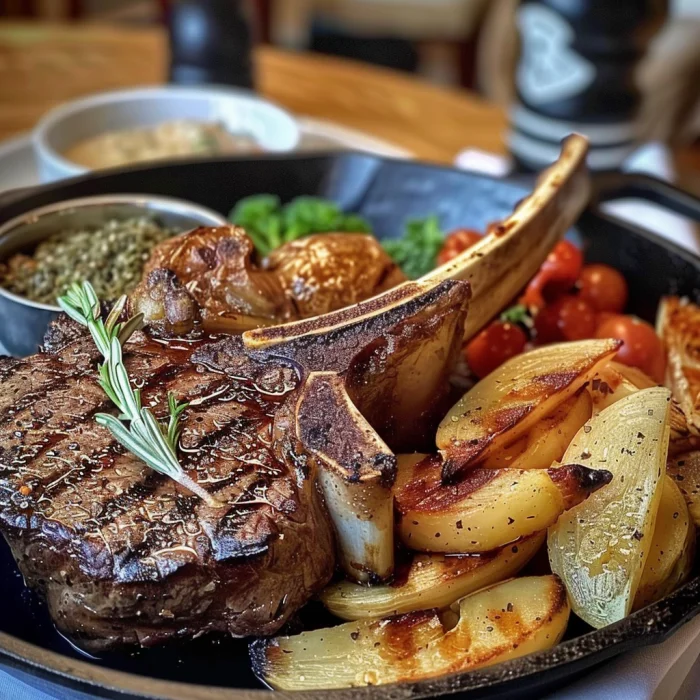
The Tomahawk Steak: Your Ultimate Guide to the King of Ribeyes
Imagine a steak so majestic, so utterly commanding, that it doesn’t just arrive on a plate—it makes an entrance. Picture a long, frenched bone, polished and clean, rising like a handle from a beautifully marbled, massive cut of prime beef. This isn’t just dinner; it’s a centerpiece, a conversation starter, and frankly, a culinary event. Welcome to the world of the Tomahawk steak, the undisputed king of ribeyes that turns any meal into a special occasion.
Cracking the code on this impressive cut, however, can seem daunting. How do you cook something that size without incinerating the outside? Why on earth does it cost so much? And what’s the deal with that gigantic bone anyway? Well, don’t you worry. This ultimate guide is your personal butcher, chef, and grill master all rolled into one. We’re going to dive deep into everything from its unique anatomy to the foolproof cooking methods that guarantee a perfect result every single time. So, grab your apron—you’re about to become the tomahawk expert.
What Exactly is a Tomahawk Steak?
Let’s start by slicing through the mystery. Essentially, a tomahawk steak is a spectacularly presented bone-in ribeye. But, of course, it’s so much more than that! The magic, and indeed the namesake, comes from the meticulous butchery. A skilled butcher doesn’t just simply cut the steak; they carefully leave a significant length of the rib bone—at least five inches or more—attached. Afterwards, they expertly “french” this bone, which is a technique where all the meat and fat is scraped cleanly away, leaving that iconic, dramatic handle.
Consequently, this process transforms a standard, albeit excellent, bone-in ribeye into a show-stopping masterpiece. The long, bare bone inevitably resembles the handle of a tomahawk axe, hence the fierce and memorable name. It’s a cut designed for impact, blending phenomenal flavor with undeniable theater. Furthermore, it’s crucial to understand its family tree. Often, people confuse it with its close relative, the cowboy steak. While both are bone-in ribeyes, the key difference is in the bone length; a tomahawk boasts a much longer, more dramatic frenched bone compared to the cowboy’s shorter handle.
In the end, you’re getting one of the most beloved steak cuts available—the magnificently flavorful and tender ribeye. The incredible marbling within this cut ensures incredible juiciness and rich, beefy flavor. The bone, meanwhile, isn’t just for looks; it acts like a natural insulator during cooking, protecting the meat closest to it and lending an extra depth of savory flavor that boneless cuts simply can’t replicate. So, while it might seem like a novelty at first glance, you’re actually investing in a superior culinary experience that’s built on a foundation of classic steakhouse excellence.
More Than Just a Bone: The Anatomy of a Tomahawk
Alright, let’s get down to the nitty-gritty. To truly appreciate this cut, you need to understand what you’re paying for. First and foremost, that impressive tomahawk steak is a masterclass in butchery, featuring two superstar muscle components.
The Ribeye Cap and Deckle
Now, the main event is the longissimus dorsi muscle—that’s the large, incredibly tender “eye” of the steak that everyone craves. However, the real secret, the hidden gem that steak aficionados dream about, is the spinalis dorsi, or the ribeye cap. This outer section is arguably the most tender, flavorful, and heavily marbled part of the entire animal. Seriously, it’s like butter that tastes like beef! Wrapped around the eye, this cap delivers an unbelievable burst of flavor in every single bite. Meanwhile, the bone itself isn’t just for show; it acts as a natural heat conductor, protecting the meat surrounding it and contributing to an even, juicy cook.
The Frenched Bone
Speaking of the bone, let’s talk about that presentation. The frenching process is pure artistry. A butcher meticulously trims all the meat, fat, and connective tissue away from the end of the rib bone. Consequently, this creates that clean, elegant “handle” which makes the steak so visually striking and easy to pick up. Honestly, it’s this dramatic flair that transforms a simple meal into a memorable feast.
Why is a Tomahawk Steak So Expensive?
So, you’ve seen the price tag, and maybe you’ve done a double-take. It’s a fair reaction! However, several key factors justify the investment in this king of steaks.
Primarily, you’re paying for significant butcher skill and labor. Frenching that bone isn’t a quick task; it requires time, precision, and a sharp knife. Furthermore, you have to remember that the steak is sold by its total weight. That beautiful, long bone might weigh a half-pound or more—and you’re paying for it, even though you won’t be eating it. Ultimately, you are buying a massive amount of high-quality meat from the prized rib primal, which is naturally one of the more expensive sections of the cow. It’s a cut designed for sharing, making the cost per person much more reasonable than it first appears.
How to Buy the Perfect Tomahawk Steak
Ready to bring one home? Fantastic! Here’s how to pick a champion. Don’t be shy about building a relationship with a local butcher; they are your greatest resource for securing a perfect cut.
Grading: USDA Prime, Choice, and Wagyu
First things first, look at the grade. For the ultimate experience, aim for USDA Prime. This grade guarantees abundant marbling—those thin white streaks of fat that melt during cooking, basting your steak from the inside out for incredible juiciness. A high-quality Choice grade can also be excellent. For a truly decadent, once-in-a-lifetime splurge, ask about American Wagyu or Japanese A5 Wagyutomahawks, which offer unparalleled levels of marbling.
Marbling and Color
Next, give the steak a good visual inspection. The meat should be a bright, cherry-red color, not a dull brown. Most importantly, look for that fine, intricate network of white fat within the muscle. More marbling equals more flavor and tenderness. It’s that simple!
Bone Length and Thickness
Finally, mind the specs. A good tomahawk should have a cleanly frenched bone, at least five inches long. Moreover, the steak itself should be thick—ideally between 1.5 and 2.5 inches. This thickness is crucial; it allows for a beautiful, dark crust to develop on the outside without overcooking the center.
Preparing Your Tomahawk for Cooking
You’ve selected a masterpiece; now, treat it right! Proper preparation is the non-negotiable first step to a perfect result.
The Critical Step: Bringing to Room Temperature
This might be the most common mistake people make. Do not throw this cold, fridge-chilled steak onto a hot grill or pan! Instead, you must let it sit on the counter for a good 60 to 90 minutes before cooking. Why? Because a cold center will refuse to cook evenly, leaving you with an overcooked exterior and a raw interior. Allowing it to warm up slightly ensures that gorgeous, even pinkness from edge to edge.
Pat Dry and Season Generously
Right before cooking, grab some paper towels and thoroughly pat the entire surface of the steak bone-dry. This step is absolutely critical for achieving a phenomenal sear; moisture is the enemy of browning. Now, for seasoning. While fancy rubs have their place, sometimes simple is best. A heavy, generous coating of coarse kosher salt and freshly cracked black pepper is all you need to enhance the natural beefy flavor. Drizzle lightly with a high-smoke-point oil like avocado or grapeseed oil, and gently rub the seasoning in.
Master the Reverse Sear: The Best Method for a Perfect Tomahawk
Forget everything you thought you knew about cooking steak. For a thick, magnificent cut like this, the reverse sear method is the undisputed champion. This two-step process guarantees a perfect edge-to-edge doneness with an incredible crust, virtually eliminating the dreaded gray band of overcooked meat.
Step 1: Slow Roast in the Oven
First, preheat your oven to a low 250°F (120°C). Place a wire rack inside a rimmed baking sheet—this allows hot air to circulate all around the steak. Insert a reliable probe thermometer into the very center of the steak, making sure it’s not touching the bone. Now, slow-roast it until the internal temperaturereaches about 10-15°F below your desired final temperature. For example, if you want a perfect medium-rare (130°F), pull the steak from the oven at 115°F. This gentle heat slowly and evenly brings the entire cut up to temperature without rushing the process.
Step 2: The Sizzling Sear
Now, for the fun part! Get your cooking surface screaming hot. Whether you’re using a cast-iron skillet, a carbon steel pan, or a blazing-hot grill, it needs to be smoking. Now, sear the steak for about 60-90 seconds per side, including the edges, using tongs to hold it upright. Don’t forget to sear the fat cap! You’re looking for a deep, dark brown, crispy crust. This quick, fiery blast creates that unforgettable flavor and texture without adding any significant cook to the inside.
Alternative Cooking Methods
While the reverse sear is king, other methods can still yield fantastic results.
Grilling the Tomahawk Steak
Grilling is a fantastic way to add smoky flavor. The key is to set up a two-zone fire. Pile your coals on one side of the grill, or only turn on half your gas burners. First, sear the steak directly over the high heat for 60-90 seconds per side to get those beautiful grill marks. Then, move it to the cool, indirect side, close the lid, and let it cook until it reaches your target internal temperature. Keep a spray bottle handy for taming any major flare-ups from the rendering fat.
Doneness and The Most Important Step: Resting
You’re almost there! But the most common rookie mistake happens right at the finish line.
Why You MUST Rest Your Steak
Do not, I repeat, do NOT cut into that steak immediately after cooking! You’ve worked too hard to let all the juices spill out onto the cutting board. Instead, transfer your cooked tomahawk to a clean plate or a wooden board, tent it loosely with foil, and walk away for a full 10-15 minutes. This allows the muscle fibers, which have tightened during cooking, to relax and reabsorb all those delicious juices. Slicing it too soon will result in a dry, disappointing steak. Patience is a virtue that is deliciously rewarded here.
Carving and Serving Your Masterpiece
The moment of truth has arrived! To carve your tomahawk like a pro, first use a sharp knife to slice the meat completely away from the bone. Then, place the boneless slab of meat on your board and slice it against the grain into beautiful, half-inch thick strips. Fan them out next to that impressive bone for a stunning presentation.
Sauce and Side Dish Recommendations
This steak is so flavorful it doesn’t need a sauce, but a classic Béarnaise or a simple pat of garlic-herb compound butter melting over the top is a divine addition. For sides, think classic steakhouse: creamy mashed potatoes, roasted asparagus, crispy garlic mushrooms, or a fresh arugula salad with a lemon vinaigrette to cut through the richness.
Frequently Asked Questions (FAQs)
What is the difference between a Tomahawk steak and a Cowboy steak?
They are very similar, both being bone-in ribeyes. The key difference is the length of the frenched bone; a tomahawk has a significantly longer bone (5+ inches) than a cowboy steak, which typically has a much shorter handle.
How many people will one Tomahawk steak feed?
Due to its large size and significant bone weight, a standard 2-3 lb tomahawk steak will comfortably serve 2-3 people, and can even be stretched to 4 with ample side dishes.
Why is it so expensive? Am I just paying for the bone?
You are partially paying for the bone and the butcher’s labor to french it. However, you are primarily paying for the high quality and large amount of the prized ribeye muscle itself. For more details, you can read about USDA beef grading standards.
Can I cook a frozen Tomahawk steak?
It is not recommended. For best results, thaw it slowly in the refrigerator for 24-48 hours. Cooking from frozen will result in an extremely overcooked exterior before the interior is done.
What is the best way to reheat leftover Tomahawk steak?
To avoid overcooking, reheat gently. The best method is in a low oven (250°F) until just warm, or for quickness, in a skillet for a very short time over medium heat. Avoid the microwave, as it will ruin the texture. Understanding the science behind the reverse sear method can help you appreciate why gentle reheating is key.
Tomahawk Steak
Description
Tomahawk Steak
Ingredients:
-
1 Tomahawk ribeye steak (about 2–2.5 lbs)
-
2 tbsp olive oil
-
3 cloves garlic, smashed
-
2–3 sprigs fresh rosemary or thyme
-
1 tsp kosher salt
-
1 tsp freshly ground black pepper
-
Optional: 2 tbsp butter for basting
Instructions:
-
Bring to room temperature: Let the steak sit out for 30–60 minutes before cooking.
-
Season: Rub both sides of the steak generously with salt and pepper.
-
Preheat grill or oven:
-
Grill: Preheat to high heat (450–500°F / 230–260°C).
-
Oven: Preheat to 400°F (200°C) if using reverse sear method.
-
-
Sear steak:
-
Grill: Sear steak 3–4 minutes per side over direct heat for a nice crust.
-
Oven method (reverse sear): Roast steak in the oven until internal temp is 10–15°F below desired doneness (about 25–35 minutes), then sear in a hot skillet or grill for 2–3 minutes per side.
-
-
Optional basting: During searing, add butter, garlic, and herbs to the pan. Spoon melted butter over steak for extra flavor.
-
Check doneness: Use a meat thermometer:
-
Rare: 120–125°F
-
Medium-rare: 130–135°F
-
Medium: 140–145°F
-
Medium-well: 150–155°F
-
-
Rest: Let steak rest 10 minutes before slicing against the grain.