
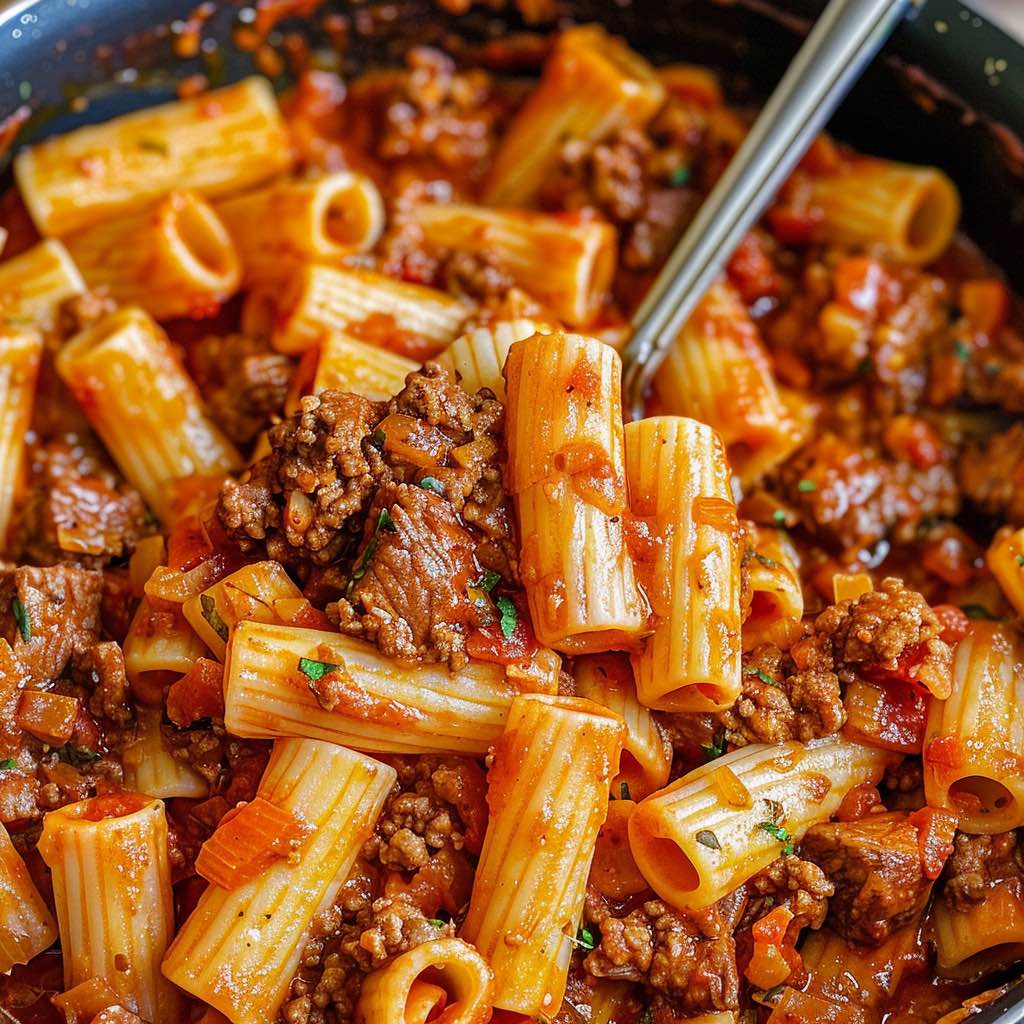
The Ultimate Beef Ragu Pasta: A Deep Dive into the Classic Italian Tomato Sauce Masterpiece
Ah, beef pasta in tomato sauce. It sounds so simple, doesn’t it? Yet, nestled within that humble description lies one of the world’s most beloved culinary treasures: Beef Ragu Pasta. This isn’t just some quick weeknight throw-together; oh no. This is a rich, deeply flavorful, and soul-warming journey into the heart of Italian comfort food. We’re talking about a sauce that simmers for hours, filling your home with an aroma that promises something truly spectacular at the end.
Frankly, what most of us think of as a basic meat sauce is a distant cousin to the authentic, slow-cooked masterpiece that is a true beef ragu. This guide, therefore, is your passport to that deeper understanding. We’ll unravel its history, master its techniques, and unlock the secrets to transforming simple ingredients into an unforgettable Beef Ragu Pasta experience. So, grab your favorite Dutch oven, and let’s get started on this delicious adventure.
Introduction and The Foundation of Ragu
What is Beef Ragu? More Than Just “Beef Pasta in Tomato Sauce”
Let’s clear something up right from the beginning. While we all know and love a good beef pasta in tomato sauce, a true Beef Ragu—specifically the world-renowned Ragù alla Bolognese—is in a completely different league. Think of it as the difference between a quick snap from your phone and a professional portrait taken by a master photographer. Both capture a subject, but the depth, detail, and artistry are simply incomparable.
Essentially, beef ragu is a traditional Italian meat sauce that originates from the Emilia-Romagna region. It’s a slow-cooked symphony of finely minced meat, a fragrant vegetable base, tomatoes, and a careful selection of liquids that meld together over hours of gentle simmering. The goal isn’t just to cook the ingredients; it’s to perform a kind of kitchen alchemy, transforming them into a rich, cohesive, and profoundly savory sauce where no single element overpowers the others. Consequently, this guide aims to be your comprehensive manual for achieving that authentic, restaurant-quality beef ragu pasta in your own kitchen, demystifying the process one step at a time.
A Brief History: From Bologna to Your Bowl
Now, where did this incredible sauce come from? Well, its roots are firmly planted in the culinary-rich soil of Bologna, Italy—a city so famous for its food that its nickname is “Bologna la Grassa” (Bologna the Fat). Interestingly, the earliest versions of ragù in the 18th century were actually more about the meat than the sauce, often featuring larger cuts simmered for extended periods.
However, the version we know and love today, Ragù alla Bolognese, truly evolved in the late 19th and early 20th centuries. In fact, its recipe is taken so seriously that it’s officially documented by the Accademia Italiana della Cucina and even has a protected status. As the recipe traveled across oceans, it was inevitably adapted by home cooks worldwide, who used what was available. This wonderful evolution is why many of us grew up calling a simpler, quicker version beef pasta in tomato sauce. Ultimately, understanding this history isn’t just about trivia; it’s about appreciating the tradition you’re about to partake in. You’re not just making dinner; you’re crafting a piece of culinary heritage.
The Anatomy of a Perfect Beef Ragu
Deconstructing the Sauce: Key Components for Depth of Flavor
Creating an unforgettable beef ragu isn’t about magic; it’s about understanding how each component contributes to the final, glorious product. Imagine building a house—you need a solid foundation, strong walls, and a reliable roof. Similarly, a great ragu relies on a holy trinity of flavors, the right meat, the perfect tomatoes, and a patient simmer. Each step, from the initial chop to the final stir, builds another layer of complexity that will make your beef ragu pasta absolutely sing.
The Holy Trinity: Soffritto (The Flavor Base)
Alright, let’s talk about the undisputed foundation of any great Italian sauce: soffritto. This isn’t just randomly chopped veggies thrown into a pot; oh no. This humble mix of onion, celery, and carrot is the very soul of your sauce. Traditionally, these three are chopped so finely they almost melt away, creating a sweet, aromatic base that supports all the other ingredients.
The technique here is crucial—you’re sweating the vegetables, not frying them. You want to gently coax out their natural sugars and moisture over low heat until they become soft, translucent, and incredibly fragrant. Rushing this step with high heat will cause them to brown and taste fried, which will completely alter the final flavor profile of your beef ragu. So, show your soffritto some love and patience; it will repay you tenfold.
The Beef: Choosing and Preparing Your Meat
Now, for the star of the show: the beef. While most of us reach for a package of ground beef without a second thought (and you absolutely can!), the choice of meat is a game-changer. For a truly exceptional beef ragu, a cut with a bit more fat and connective tissue, like chuck or short rib, is phenomenal. Hand-chopping it gives a wonderfully rustic, textured feel. That said, a good-quality ground beef with an 80/20 lean-to-fat ratio will still yield a delicious result.
Here’s the real secret, though: the browning. This step is non-negotiable! You must resist the urge to dump all the meat in and steam it. Instead, cook it in batches, letting it develop a deep, brown, crispy crust on the bottom of the pot. This crust, called the fond, is pure flavor gold. It’s the difference between a tasty sauce and a transcendent one. Don’t you dare waste it!
The Liquid Elements: Building Layers of Complexity
Liquids in a beef ragu are not just there to make it saucy; they each play a unique role in building flavor and texture. First, we deglaze. After browning the meat, a splash of liquid is used to scrape up all that delicious fond we just worked so hard to create, dissolving it back into the sauce.
Next comes perhaps the most surprising ingredient: milk. Yes, you read that right! Adding whole milk might seem unusual for a tomato sauce beef ragu pasta, but it’s a traditional and vital step. The milk tenderizes the meat, mellows the acidity of the tomatoes, and contributes to a remarkably silky, rich texture. Finally, a good-quality broth (beef or chicken) is used as the primary simmering liquid, adding a final layer of savory depth as the sauce slowly reduces and concentrates over hours.
The Classic Recipe & Cooking Process
Your Step-by-Step Guide to Authentic Beef Ragu Pasta
Alright, enough theory—let’s get cooking! This is where the magic happens. Remember, making a proper beef ragu is a labor of love, not a race. Embrace the process, pour yourself a sparkling water, and enjoy the transformation. You’re about to create something truly special.
Equipment You’ll Need
You don’t need a kitchen full of fancy gadgets, but one piece of equipment is absolutely essential: a heavy-bottomed pot. A Dutch oven is perfect for this job. Its thick walls and heavy base distribute heat evenly, preventing those dreaded hot spots that can cause your masterpiece to scorch during the long cooking time. Beyond that, you just need a sharp knife for your soffritto, a sturdy wooden spoon for stirring, and a bit of patience.
Ingredients List (For a Family-Sized Portion)
Gathering your ingredients beforehand makes the process smooth and enjoyable. Here’s what you’ll need for a hearty beef ragu that will generously sauce about 1.5 pounds of pasta:
-
2 tablespoons olive oil
-
2 tablespoons butter
-
1 large yellow onion, finely diced
-
2 medium carrots, finely diced
-
2 celery stalks, finely diced
-
2 cloves garlic, minced
-
1.5 pounds ground beef (80/20 blend) OR coarsely ground chuck
-
Salt and freshly ground black pepper
-
½ cup tomato paste
-
1 cup whole milk
-
1 (28-ounce) can of high-quality crushed tomatoes
-
2-3 cups beef or chicken stock, kept warm
-
For serving: 1.5 lbs fresh tagliatelle or pappardelle, and freshly grated Parmigiano-Reggiano cheese
The Method: A Labor of Love
Step 1: Building the Soffritto Base. First, heat the olive oil and butter in your Dutch oven over medium-low heat. Then, add the finely diced onion, carrot, and celery. Sprinkle with a pinch of salt, which helps draw out the moisture. Now, cook them gently for about 10-15 minutes, stirring occasionally, until they are completely softened and sweet but not browned. Add the garlic and cook for one more minute until fragrant.
Step 2: Browning the Beef to Perfection. Next, increase the heat to medium-high and add the ground beef. Season it generously with salt and pepper. Importantly, break it up with your spoon but let it sit for a few minutes to develop a proper brown crust before stirring. You may need to do this in two batches to avoid overcrowding the pot. This is the most crucial step for building a deep, meaty flavor.
Step 3: Deglazing and Reducing. Once the meat is beautifully browned, it’s time to add the tomato paste. Stir it in and let it cook for a full two minutes; this cooks out its raw, tinny flavor and toasts it slightly, unlocking a deeper sweetness. Now, pour in the milk. Let it simmer, stirring occasionally, until it is almost completely absorbed and evaporated.
Step 4: Incorporating Tomatoes and Simmering Liquid. Now, add the crushed tomatoes and stir everything together, scraping any browned bits from the bottom of the pot. Pour in enough warm stock to just barely cover the meat mixture. Bring it to a very gentle simmer—just a few lazy bubbles breaking the surface.
Step 5: The Long, Slow Simmer. This is it. Partially cover the pot with the lid slightly ajar. Reduce the heat to the lowest possible setting. Let your beef ragu simmer gently for at least 3 hours, and ideally 4. Stir it every 30 minutes or so, and if it starts to look too dry, add a splash more warm stock or water. You’re waiting for the meat to become incredibly tender and the sauce to thicken to a rich, cohesive consistency.
Step 6: Final Seasoning and Consistency. Once the cooking time is up, the sauce should be thick and the fat might have separated slightly on the surface—this is a sign of a well-cooked ragu! Give it a good stir. Finally, do a taste test and adjust the seasoning with more salt and pepper as needed. Your magnificent beef ragu is now ready!
Mastery, Variations, and Serving
Pro Tips for the Best Ragu of Your Life
You’ve mastered the method, but a few extra insider secrets can elevate your beef ragu from great to legendary. Firstly, low and slow is the only way. There are no shortcuts here. Rushing the process with higher heat will make the meat tough and the flavors harsh. Secondly, make it a day ahead. Seriously! The flavors continue to meld and mellow as it sits in the fridge overnight, making it even more delicious the next day. Finally, don’t skimp on the fat. Fat is the vehicle that carries flavor. Using ultra-lean meat will result in a drier, less flavorful sauce.
Choosing the Right Pasta: A Marriage of Sauce and Shape
Listen, not all pasta is created equal, especially when it comes to a hearty sauce like this. You need a shape that can stand up to and hold onto the chunky, rich beef ragu. The traditional partner is tagliatelle—its wide, flat surface provides the perfect landscape for the sauce to cling to. Pappardelle, with its even broader ribbons, is another magnificent choice. If you prefer short pasta, rigatoni or pappardelle are excellent because their tubes and nooks trap the meat beautifully.
Conversely, avoid long, thin pasta like spaghetti or angel hair. Their delicate structure simply can’t support the weight and texture of the sauce, leading to a disappointing eating experience where the pasta and sauce remain separate entities.
Serving and Presentation: The Grand Finale
You’ve patiently waited for hours; now, don’t ruin it at the final hurdle! The Italian way to sauce pasta is to marry them together. Don’t just plop a pile of noodles on a plate and spoon the sauce over the top. Instead, cook your pasta until al dente in well-salted water. Then, using tongs, transfer the pasta directly into the pot of warm beef ragu. Add a small splash of the starchy pasta water—this magical liquid helps emulsify the sauce, making it cling to every strand of pasta. Toss everything together vigorously over low heat for a minute until perfectly combined. Serve immediately in warm bowls with a mountain of freshly grated authentic Parmigiano-Reggiano cheese on top.
Delicious Variations on the Classic
While the classic recipe is sublime, cooking is all about creativity! Feel free to put your own spin on this beef ragu pasta. For a more traditional take, try a pork and beef blend; many authentic recipes use a mix of the two for a more complex flavor profile. If you like a little heat, a spicy beef ragu is fantastic—just add a teaspoon of chili flakes to the soffritto. For an incredible umami boost, consider a mushroom beef ragu by adding finely chopped rehydrated porcini mushrooms along with their soaking liquid.
Beyond the Recipe: Storage, Pairing, and FAQs
Storing and Reheating Your Beef Ragu
One of the best things about this sauce is that it makes fantastic leftovers and freezes like a dream. To store it, let the ragu cool completely before transferring it to an airtight container. It will keep in the refrigerator for up to 4 days. For longer storage, freeze it for up to 3 months; consider portioning it into freezer bags for easy meals.
When reheating, do it gently. Thaw frozen ragu overnight in the fridge. Then, warm it slowly in a saucepan over low heat, adding a small splash of water or stock to loosen it up to your desired consistency. Microwaving can cause the meat to become rubbery and heat unevenly.
The Perfect Pairing
What to enjoy with your incredible beef ragu pasta? A crisp, green salad with a sharp vinaigrette provides a refreshing contrast to the rich, hearty sauce. A side of crusty bread is also mandatory for mopping up every last bit of sauce from your plate—the scarpetta is the highest Italian compliment!
Frequently Asked Questions (FAQs)
Can I use a slow cooker or Instant Pot for beef ragu?
Absolutely! For a slow cooker, complete the steps of making the soffritto and browning the meat in a skillet first. Then, transfer everything to the slow cooker, add the remaining ingredients, and cook on low for 6-8 hours. For an Instant Pot, use the Sauté function for steps 1-3. Then, add the other ingredients, secure the lid, and cook on high pressure for 45 minutes, allowing for a natural pressure release.
Why did you add milk? Isn’t that unusual?
It’s traditional! The milk isn’t there for a creamy taste. Its primary jobs are to tenderize the meat proteins and neutralize the acidity from the tomatoes. This results in a smoother, richer, and more well-rounded sauce without any sharp tang. Trust the process!
My ragu is too acidic. How can I fix it?
A long simmer should mellow the tomatoes, but if it’s still a bit sharp, a tiny pinch of sugar can help balance the acidity. Another trick is to grate a small carrot into the sauce at the beginning; its natural sweetness will diffuse throughout the cooking time.
What’s the difference between ragu and bolognese?
This is a common point of confusion! “Ragu” is a broad Italian term for any meat-based sauce. “Bolognese” (or Ragù alla Bolognese) is a very specific type of ragu from Bologna with a defined set of ingredients (often including milk and only a small amount of tomato). So, all Bolognese is a ragu, but not all ragus are Bolognese. Understanding this is key to appreciating the the official traditional recipe of Ragù alla Bolognese.

Beef Pasta in Tomato Sauce Beef Ragu Pasta
Description
Ingredients (4–6 servings):
For the Ragu:
-
1 lb (450 g) ground beef or beef chuck, finely chopped
-
2 tbsp olive oil
-
1 medium onion, finely diced
-
2 cloves garlic, minced
-
1 medium carrot, finely diced
-
1 celery stalk, finely diced
-
1 can (14 oz) crushed tomatoes
-
2 tbsp tomato paste
-
½ cup red wine (optional but recommended)
-
1 tsp dried oregano
-
1 tsp dried basil
-
½ tsp red pepper flakes (optional)
-
Salt & black pepper, to taste
-
1 tsp sugar (optional, to balance acidity)
For the Pasta:
-
12 oz (340 g) pasta (tagliatelle, pappardelle, or penne)
-
Grated Parmesan cheese, for serving
-
Fresh basil or parsley, chopped, for garnish
Instructions:
-
Cook Pasta – Boil pasta in salted water until al dente. Reserve ½ cup pasta water, then drain.
-
Make Ragu Base – Heat olive oil in a large skillet or saucepan over medium heat. Sauté onion, carrot, and celery until softened (5–6 minutes). Add garlic and cook 30 seconds more.
-
Brown the Beef – Add beef, season with salt and pepper, and cook until browned.
-
Deglaze & Simmer – Pour in red wine (if using) to deglaze the pan. Stir in tomato paste, crushed tomatoes, oregano, basil, red pepper flakes, and sugar. Bring to a simmer.
-
Slow Cook – Reduce heat to low and let the sauce simmer 25–30 minutes, stirring occasionally, until thick and flavorful. Adjust seasoning as needed.
-
Combine – Toss cooked pasta with ragu, adding a little reserved pasta water if needed to loosen the sauce.
-
Serve – Plate pasta, sprinkle with Parmesan cheese and fresh herbs. Serve hot with garlic bread or a simple green salad.