
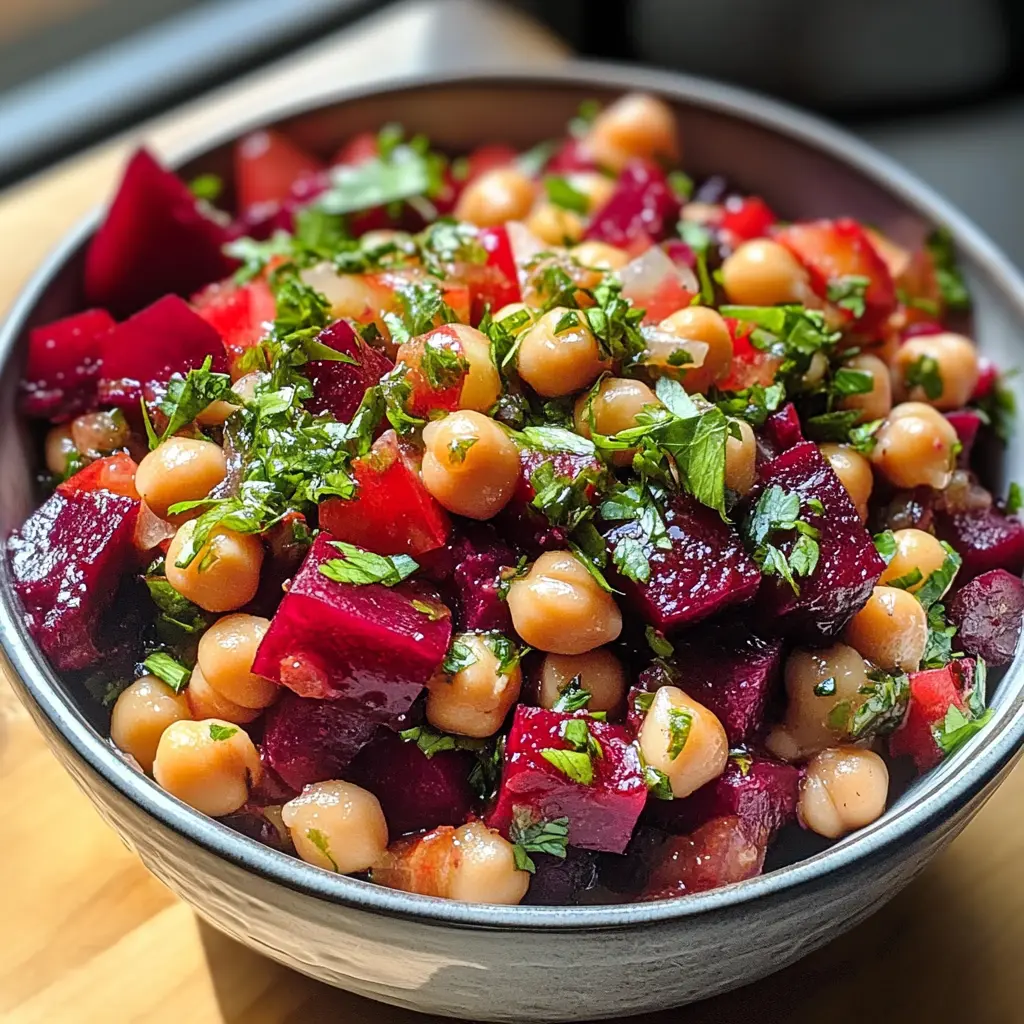
Beet and Chickpea Salad: A Nutritious and Colorful Mediterranean-Inspired Dish
Beet and chickpea salad combines earthy roasted beets with protein-rich chickpeas to create a vibrant, nutrient-dense meal that’s perfect for lunch, dinner, or meal prep. This colorful dish delivers essential vitamins, minerals, and plant-based protein while offering a delightful balance of sweet, tangy, and savory flavors that will transform your approach to healthy eating.
Why Beet and Chickpea Salad Is a Nutritional Powerhouse
Beet and chickpea salad stands out as one of the most nutrient-dense vegetarian dishes you can prepare. Beets provide folate, manganese, and antioxidants called betalains that give them their distinctive red-purple color. Meanwhile, chickpeas deliver approximately 15 grams of protein and 12 grams of fiber per cooked cup, making this combination ideal for plant-based diets.
The vibrant colors in this salad aren’t just visually appealing—they indicate a wealth of phytonutrients. Red beets contain nitrates that may support cardiovascular health, while chickpeas provide complex carbohydrates for sustained energy. Together, these ingredients create a satisfying meal that keeps you full for hours.
This Mediterranean-inspired salad fits seamlessly into various dietary patterns. It’s naturally vegan when prepared without cheese, gluten-free, and budget-friendly since canned chickpeas and seasonal beets are affordable year-round. The versatility of this dish makes it perfect for busy weeknights or elegant dinner parties.
Essential Ingredients for Perfect Results
Core Components
The foundation of any exceptional beet and chickpea salad starts with quality ingredients. You’ll need 2-4 medium-sized red beets, which can be fresh-roasted or store-bought pre-cooked varieties. One 15-ounce can of chickpeas, drained and rinsed, provides the protein base. Fresh vegetables like cucumbers, cherry tomatoes, and red onions add crunch and freshness.
Fresh herbs elevate the flavor profile significantly. Parsley and dill are traditional choices that complement the earthiness of beets beautifully. Roughly chopped fresh dill adds a bright, anise-like note, while flat-leaf parsley contributes a clean, peppery taste. Plan on using 1/4 to 1/2 cup of each herb for optimal flavor.
Optional add-ins can transform this basic salad into something extraordinary. Consider adding:
-
Crumbled feta cheese for tangy creaminess
-
Toasted walnuts or pecans for crunch
-
Avocado chunks for healthy fats
-
Arugula or mixed greens for added volume
-
Sunflower seeds for extra texture
Dressing Ingredients
A simple vinaigrette brings all the flavors together. The most common combination includes 2-3 tablespoons of extra virgin olive oil, 1-2 tablespoons of acidic component (lemon juice or balsamic vinegar), and natural sweetness from honey or maple syrup. Seasonings like salt, pepper, minced garlic, and dried oregano round out the flavor profile.
The acid-to-oil ratio matters considerably. A 1:2 or 1:3 ratio (acid to oil) creates a balanced dressing that coats ingredients without overwhelming them. Dijon mustard can be added as an emulsifier to help the dressing stay blended.
Step-by-Step Preparation Guide
Preparing the Beets
Roasting beets intensifies their natural sweetness and creates a tender, caramelized texture. Preheat your oven to 425°F and wash beets thoroughly, removing greens. Wrap each beet individually in aluminum foil after drizzling with olive oil. Roast for 50-60 minutes until fork-tender.
Once cooled enough to handle, the skins slip off easily with your fingers or a vegetable peeler. This method keeps your hands cleaner than peeling raw beets. Cut the peeled beets into bite-sized cubes or wedges, approximately 1/2 to 3/4 inch pieces for even distribution throughout the salad.
Alternatively, you can save time by using pre-cooked vacuum-sealed beets available at most grocery stores. Simply drain, rinse if needed, and cut to size. This shortcut makes the recipe weeknight-friendly without sacrificing flavor or nutrition.
Preparing the Chickpeas
Open your canned chickpeas and pour them into a colander. Rinse thoroughly under cold running water to remove excess sodium and the viscous liquid. Pat them dry with a clean kitchen towel or paper towels.
For added texture, you can roast the chickpeas before adding them to the salad. Toss dried chickpeas with olive oil and seasonings, then bake at 400°F for 20-25 minutes until crispy. This optional step adds a delightful crunch that contrasts beautifully with tender beets.
Some recipes call for removing the thin skins from chickpeas for a more refined texture. While this step enhances presentation, it’s time-consuming and entirely optional for a rustic, homestyle salad.
Chopping Fresh Vegetables
Dice your cucumber into small, uniform pieces after removing excess seeds from the center. This prevents the salad from becoming watery as it sits. Halve cherry tomatoes or quarter larger varieties for proportional bites.
Slice red onion thinly and consider soaking the slices in cold water for 10 minutes to mellow their sharp bite. Pat dry before adding to the salad. This technique preserves the onion’s texture while reducing its intensity, making it more palatable for those sensitive to raw onions.
Chop fresh herbs just before assembling the salad to maximize their aromatic oils. Roughly chop rather than mince—this creates better texture and visual appeal in the finished dish.
Assembling Your Salad
In a large mixing bowl, combine the chickpeas, chopped beets, cucumber, tomatoes, red onion, and fresh herbs. Add the beets last or on top to minimize the pink color bleeding onto other ingredients. Gently toss to distribute ingredients evenly.
Pour your prepared dressing over the salad just before serving, or serve it on the side for guests to add according to preference. Toss gently to coat all ingredients without mashing the softer components. The goal is even coverage without turning everything beet-pink.
Top with any additional garnishes like crumbled cheese, toasted nuts, or seeds. Serve immediately for the freshest texture, or refrigerate for 30 minutes to allow flavors to meld together beautifully.
Dressing Options and Flavor Variations
Classic Lemon-Garlic Vinaigrette
A simple lemon-garlic dressing enhances the natural flavors without overpowering them. Whisk together 3 tablespoons olive oil, 2 tablespoons fresh lemon juice, 1 minced garlic clove, 1/2 teaspoon dried oregano, and salt and pepper to taste. This bright, herbaceous dressing complements the earthy beets perfectly.
The acidity from lemon juice helps balance the sweetness of roasted beets while the garlic adds savory depth. Fresh lemon juice is significantly better than bottled versions, providing a cleaner, more vibrant flavor. Adjust the garlic quantity based on your preference—start with less and add more if desired.
Balsamic-Maple Combination
For a sweeter profile, combine 2 tablespoons olive oil, 1 tablespoon balsamic vinegar, and 2 tablespoons honey or maple syrup. This dressing creates a beautiful glaze that clings to ingredients and intensifies the beets’ natural sweetness.
Balsamic vinegar adds complexity with its slightly sweet, tangy character. Maple syrup provides clean sweetness without the floral notes of honey, making it ideal for those preferring a more neutral sweet component. This combination works particularly well when serving the salad as a side dish alongside grilled proteins.
Creamy Tahini Version
Transform your beet and chickpea salad with a Middle Eastern-inspired tahini dressing. Whisk together 3 tablespoons tahini, 2 tablespoons lemon juice, 1 minced garlic clove, water to thin, and seasonings. This creamy alternative adds richness and sesame flavor that pairs wonderfully with chickpeas.
Tahini provides healthy fats and creates a luxurious coating. Start with thick consistency and gradually add water until you reach a pourable texture. The nutty flavor profile complements both beets and chickpeas while adding extra protein and calcium.
Health Benefits You Need to Know
Cardiovascular Support
Beets contain dietary nitrates that convert to nitric oxide in your body, potentially supporting healthy blood pressure levels and improving blood flow. Research from reputable health institutions suggests that regular beet consumption may contribute to cardiovascular wellness. Chickpeas add soluble fiber that helps maintain healthy cholesterol levels.
The combination of potassium, magnesium, and folate in this salad supports overall heart health. One serving provides a significant portion of your daily folate needs, which is essential for red blood cell formation and DNA synthesis.
Blood Sugar Management
Despite their natural sweetness, beets have a medium glycemic index and are rich in fiber, which helps moderate blood sugar response. Chickpeas have a low glycemic index and provide steady, sustained energy without blood sugar spikes. This makes beet and chickpea salad an excellent choice for those monitoring their glucose levels.
The protein and fiber combination slows digestion and promotes satiety. This helps prevent overeating and maintains stable energy levels throughout the day. The complex carbohydrates in chickpeas provide long-lasting fuel for both physical and mental activities.
Digestive Health Benefits
This salad delivers impressive amounts of dietary fiber—approximately 10-12 grams per serving. Fiber supports healthy digestion, promotes regular bowel movements, and feeds beneficial gut bacteria. Both beets and chickpeas contain prebiotics that nourish your microbiome.
The combination of soluble and insoluble fiber works synergistically. Soluble fiber from chickpeas forms a gel-like substance that slows digestion, while insoluble fiber from beets adds bulk and promotes regularity. Together, they create optimal digestive function.
Anti-Inflammatory Properties
Betalains in beets possess potent anti-inflammatory and antioxidant properties. These unique compounds give beets their distinctive color and may help reduce oxidative stress in the body. Chickpeas contribute additional antioxidants and anti-inflammatory compounds that work together for enhanced benefits.
Regular consumption of anti-inflammatory foods may support joint health, reduce exercise-related inflammation, and promote overall wellness. The diverse phytonutrients in this colorful salad provide comprehensive antioxidant protection against free radical damage.
Serving Suggestions and Meal Ideas
As a Main Course
Transform beet and chickpea salad into a complete meal by serving it over a bed of mixed greens or quinoa. Add 2-3 cups of arugula, spinach, or spring mix to increase volume and add peppery or mild flavors. Top with additional protein like grilled chicken, tofu, or hard-boiled eggs if desired.
Serve the salad in grain bowls by layering components over cooked grains. Farro, bulgur, or brown rice provide additional fiber and create a heartier meal. This presentation works beautifully for meal prep since components can be stored separately and assembled when ready to eat.
For a Mediterranean-inspired plate, serve alongside hummus, pita bread, olives, and sliced vegetables. This mezze-style approach offers variety and allows diners to customize their plates according to preferences and hunger levels.
As a Side Dish
Beet and chickpea salad pairs exceptionally well with grilled or roasted proteins. The sweet-tangy flavor profile complements savory main dishes without competing for attention. Serve alongside grilled chicken, fish, or plant-based proteins for a balanced, colorful plate.
This salad shines at potlucks and gatherings since it travels well and can be served at room temperature. The vibrant colors make it visually appealing on buffet tables, and most guests appreciate the healthy, flavorful option.
Consider serving smaller portions as an appetizer or first course. Present in individual cups or on small plates with crusty bread for an elegant starter that stimulates the appetite without filling guests before the main course.
Seasonal Variations
Adapt your beet and chickpea salad throughout the year by incorporating seasonal produce. In summer, add fresh berries, peaches, or corn for sweetness and color contrast. Fall versions might include roasted butternut squash, pomegranate seeds, or crisp apple chunks.
Winter salads benefit from hearty additions like roasted Brussels sprouts, kale, or winter citrus segments. Spring variations can incorporate asparagus, snap peas, or fresh strawberries for bright, fresh flavors that celebrate the season.
Storage and Meal Prep Tips
Proper Storage Methods
Store beet and chickpea salad in an airtight container in the refrigerator for up to 3-4 days. The flavors actually improve overnight as ingredients marinate together. However, the vegetables will soften slightly and beets may color other ingredients more intensely over time.
For best results, store the dressing separately and add just before serving. This prevents the salad from becoming soggy and maintains optimal texture. Pack dressing in small containers or jars that are easy to pour or shake.
If you’ve added delicate ingredients like avocado or fresh greens, consume the salad within 1-2 days for best quality. These components don’t hold up as well during extended storage and can become mushy or wilted.
Meal Prep Strategies
Prepare components in advance to streamline weekday meals. Roast beets on Sunday and store them separately from other ingredients. Pre-chop vegetables and store in individual containers with paper towels to absorb excess moisture.
Portion individual servings into meal prep containers for grab-and-go lunches. Layer sturdier ingredients on the bottom with delicate components on top. Add dressing and any crunchy toppings in separate small containers to maintain texture.
Batch cooking chickpeas from dried beans saves money and allows you to control sodium levels. Cook a large batch, portion into freezer bags, and thaw as needed. This approach is more economical and environmentally friendly than using canned varieties.
Freezing Considerations
While you can freeze cooked beets for up to 3 months, the complete assembled salad doesn’t freeze well due to the fresh vegetables and dressing. Cucumber and tomatoes become mushy when frozen and thawed, losing their appealing texture.
If you want to freeze components, store roasted beets and cooked chickpeas separately in freezer-safe containers. Thaw overnight in the refrigerator before assembling your salad with fresh vegetables and dressing.
Common Mistakes to Avoid
Overcooking the Beets
Mushy beets ruin the texture of your salad. Test doneness by inserting a fork—it should slide in with slight resistance. Overcooking leads to beets that fall apart and turn the entire salad an unappetizing muddy pink color.
Different sized beets require different cooking times. Check smaller beets after 45 minutes and larger ones after an hour. Remove each beet from the oven as it becomes tender rather than waiting for all to finish simultaneously.
Adding Dressing Too Early
Tossing the salad with dressing hours before serving creates a soggy, unappetizing dish. The acid in dressings breaks down vegetables, especially cucumbers and tomatoes, releasing their water content. This dilutes flavors and creates an unappealing texture.
Always dress the salad just before serving for optimal crunch and flavor. If meal prepping, pack dressing separately and add at mealtime. This simple step dramatically improves the eating experience.
Using Low-Quality Ingredients
The simplicity of beet and chickpea salad means each ingredient’s quality directly impacts the final result. Fresh herbs make an enormous difference compared to dried versions. Extra virgin olive oil provides better flavor than refined varieties, and fresh lemon juice outshines bottled options significantly.
Invest in good-quality balsamic vinegar if using that dressing option. Inexpensive versions often contain additives and lack the complex, slightly sweet flavor of authentic balsamic. The difference is noticeable in simple preparations like salad dressings.
Skipping the Soaking Step for Onions
Raw red onions can overpower delicate flavors if not properly prepared. Soaking sliced onions in cold water for 10 minutes removes harsh sulfur compounds while maintaining crunch. This simple step makes onions more pleasant and digestible.
Alternatively, quick-pickle your onions in vinegar for 15 minutes. This adds tangy flavor while mellowing the sharpness. The pickled onions also add visual appeal with their bright pink color and extended shelf life.
Frequently Asked Questions
Can I use canned beets for this beet and chickpea salad recipe?
Yes, canned beets work perfectly and save considerable time. Drain and rinse them thoroughly to remove excess sodium and any metallic taste from the can. Canned beets are already cooked and tender, so simply cut them to your desired size and add to the salad. While fresh-roasted beets offer slightly better flavor and texture, canned versions provide a convenient weeknight option that still delivers excellent nutrition and taste.
How long does beet and chickpea salad last in the refrigerator?
Properly stored in an airtight container, this salad keeps for 3-4 days in the refrigerator. The flavors actually intensify and improve after marinating overnight. However, store the dressing separately to prevent sogginess. If you’ve added delicate ingredients like avocado or leafy greens, consume within 1-2 days for best quality. The beets may color other ingredients more deeply over time, but this doesn’t affect taste or safety.
Can I make this salad vegan?
Absolutely—beet and chickpea salad is naturally vegan when you omit cheese and use maple syrup instead of honey in the dressing. All the base ingredients are plant-based, making this an excellent option for vegan meal planning. The combination of chickpeas and nuts provides complete protein, while the variety of vegetables delivers essential nutrients. This makes it a satisfying, nutritionally complete vegan meal option.
What’s the best way to prevent beets from staining everything pink?
Add beets last when assembling the salad and toss gently rather than vigorously mixing. You can also keep components separate until serving time. Roasting beets instead of using canned reduces staining since they’re less watery. If staining occurs on your cutting board or hands, lemon juice helps remove the pigment. Some cooks prefer wearing gloves when handling beets to avoid temporary skin staining.
Can I add protein to make this more filling?
While chickpeas already provide substantial plant-based protein (about 7-8 grams per serving), you can add grilled chicken, salmon, tofu, or hard-boiled eggs to increase protein content. Crumbled feta or goat cheese adds both protein and creamy texture. Toasted nuts like walnuts, pecans, or almonds boost both protein and healthy fats while adding satisfying crunch. These additions transform the side salad into a complete, balanced main course.
Is this salad suitable for meal prep?
Yes, beet and chickpea salad is excellent for meal prep. Store components separately in airtight containers—roasted beets, chickpeas, chopped vegetables, and dressing in individual containers. Assemble portions when ready to eat to maintain optimal texture and freshness. The salad becomes even more flavorful after the ingredients marinate together overnight. Prepare 4-5 servings on Sunday for easy weekday lunches or dinners.
Beet and chickpea salad offers a perfect combination of nutrition, flavor, and convenience that fits seamlessly into healthy eating patterns. This colorful dish delivers essential nutrients while satisfying your taste buds with its balanced sweet, tangy, and savory profile. The versatility of this Mediterranean-inspired salad means you can adapt it to your preferences, dietary needs, and seasonal ingredient availability.
Whether you’re meal prepping for the week, seeking a nutritious lunch option, or planning a dinner party side dish, beet and chickpea salad delivers impressive results with minimal effort. The combination of protein-rich chickpeas and nutrient-dense beets creates a satisfying meal that supports your health goals without sacrificing flavor or enjoyment.
Print
Beet and Chickpea Salad
Description
Beet and Chickpea Salad
Servings: 4
Prep Time: 15 minutes
Cook Time: 30–40 minutes (if roasting beets)
Calories: ~280 kcal per serving
Ingredients:
-
3 medium beets, washed, peeled, and cut into cubes
-
1 can (400g) chickpeas, drained and rinsed
-
2 tablespoons olive oil
-
1 teaspoon smoked paprika
-
Salt and pepper, to taste
-
1 small red onion, thinly sliced
-
50g feta cheese, crumbled (optional)
-
2 tablespoons fresh parsley, chopped
-
1 tablespoon balsamic vinegar or lemon juice
-
1 teaspoon honey or maple syrup (optional)
Instructions:
-
Roast the beets:
Preheat the oven to 200°C (390°F). Toss beet cubes with 1 tablespoon olive oil, salt, pepper, and smoked paprika. Spread on a baking tray and roast for 25–30 minutes until tender, turning halfway. -
Prepare the chickpeas:
While the beets roast, heat 1 tablespoon olive oil in a skillet over medium heat. Add chickpeas, a pinch of salt, and pepper. Sauté for 5–7 minutes until lightly golden and crispy. (Optional: add a pinch of smoked paprika for extra flavor.) -
Assemble the salad:
In a large bowl, combine roasted beets, sautéed chickpeas, sliced red onion, and crumbled feta. Drizzle with balsamic vinegar or lemon juice and honey/maple syrup if using. Toss gently to combine. -
Garnish and serve:
Sprinkle with fresh parsley. Serve warm, at room temperature, or chilled.