
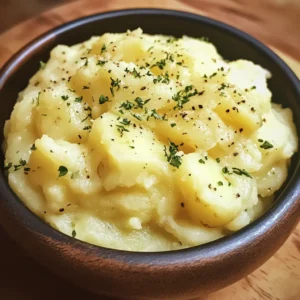
Rutabaga and Potato Mash
Introduction
Rutabaga and potato mash combines the creamy comfort of traditional mashed potatoes with the nutritional powerhouse of rutabaga, creating a side dish that satisfies both your taste buds and health goals. This golden, velvety combination offers fewer carbohydrates and more vitamins than regular mashed potatoes while delivering the same satisfying texture you crave. Whether you’re looking to reduce your carb intake, add more vegetables to your meals, or simply explore new flavors, this nutritious mash deserves a place at your dinner table.
What Is Rutabaga and Potato Mash?
Rutabaga and potato mash is a hybrid side dish that blends boiled rutabaga and potatoes into a smooth, creamy mixture. Rutabagas are root vegetables with a slightly sweet, earthy flavor that complements the mild taste of potatoes perfectly. The combination creates a more complex flavor profile than traditional mashed potatoes while maintaining that beloved comfort food texture.
This dish has roots in various culinary traditions. In Scottish cuisine, mashed rutabaga is known as “neeps” and traditionally served with haggis. By combining rutabaga with potatoes, you get the best of both worlds: the familiar comfort of mashed potatoes with enhanced nutritional value and a subtle, sophisticated flavor.
The golden-yellow color of the finished mash comes primarily from the rutabaga. This makes it visually appealing and distinctive compared to plain white mashed potatoes. The dish works beautifully as an everyday side or an elegant addition to holiday meals.
Health Benefits of Rutabaga and Potato Mash
Antioxidant and Anti-Inflammatory Properties
Rutabagas contain powerful antioxidants, particularly vitamin C, which support immune function and provide anti-inflammatory effects throughout the body. These antioxidants help protect cells from damage and may reduce the risk of chronic diseases. The anti-inflammatory properties can be especially beneficial for those managing inflammatory conditions.
Weight Management Support
The combination of rutabaga and potato creates a lower-calorie alternative to traditional mashed potatoes. Rutabagas provide only 37 calories per 100 grams compared to 97 calories in russet potatoes. Additionally, rutabagas contain high amounts of dietary fiber that keeps you feeling full longer, helping prevent overeating.
Digestive Health Benefits
The fiber content in rutabaga and potato mash promotes healthy digestion. One cup of cooked rutabaga provides 3.1 grams of dietary fiber. This fiber aids in regular bowel movements and supports a healthy gut microbiome. Combined with the resistant starch from potatoes, this dish offers comprehensive digestive support.
Bone Health Support
Rutabagas provide essential nutrients for bone health, including calcium, magnesium, phosphorus, and vitamin K. One cup of cooked rutabaga delivers 69.7 mg of calcium and 26.8 mcg of vitamin K. These nutrients work together to maintain bone density and reduce the risk of conditions like osteoporosis.
Nutritional Comparison: Rutabaga vs. Potato
Understanding the nutritional differences between rutabaga and potato helps you appreciate why this combination dish offers superior health benefits.
Carbohydrate Content
Russet potatoes contain 21.44 grams of carbohydrates per 100 grams, while rutabagas have only 8.62 grams. More specifically, a cup of cooked rutabaga provides 12 net carbs compared to 30 net carbs in cooked potatoes. This significant difference makes rutabaga and potato mash an excellent choice for those monitoring their carbohydrate intake.
Potatoes contain approximately 44 times more starch than rutabagas. By mixing these two vegetables, you reduce the overall glycemic impact while maintaining a satisfying consistency.
Vitamin and Mineral Profile
Rutabagas excel in vitamin content, offering more vitamin C, vitamin A, and B vitamins than potatoes. They also provide vitamin E and carotenoids that potatoes lack. One cup of raw rutabaga delivers 52 calories, 2 grams of protein, 12 grams of carbohydrates, and 3 grams of fiber.
Potatoes contribute their own nutritional benefits, including potassium at 273 mg per cooked cup. The combination ensures you receive a broader spectrum of essential nutrients than either vegetable alone provides.
Calorie Comparison
Rutabagas are significantly lower in calories than potatoes. A cup of cooked rutabaga contains just 66 calories, while a cup of cooked potatoes has 135 calories. This means you can enjoy a generous serving of rutabaga and potato mash with roughly half the caloric density of traditional mashed potatoes, making it ideal for weight management goals.
Essential Ingredients for Perfect Mash
Base Ingredients
The foundation of great rutabaga and potato mash starts with quality vegetables:
-
Rutabaga: Choose firm rutabagas with smooth skin and no soft spots
-
Potatoes: Russet or Yukon Gold potatoes work best for creamy texture
-
Butter: Adds richness and helps create smooth consistency
-
Cream or milk: Half-and-half, heavy cream, or whole milk for creaminess
-
Salt and pepper: Essential for enhancing natural flavors
The typical ratio combines one large rutabaga with two large potatoes. However, you can adjust this ratio based on your preferences for flavor and nutritional goals. More rutabaga lowers carbs, while more potato creates a milder taste.
Optional Flavor Enhancers
Take your mash to the next level with these additions:
-
Fresh or dried herbs (parsley, chives, thyme, rosemary)
-
Roasted garlic for depth and complexity
-
Greek yogurt or sour cream for tangy richness
-
Cream cheese for extra velvety texture
-
Caramelized onions for sweetness
These ingredients allow you to customize the dish for different occasions and flavor profiles. Experiment to find your perfect combination.
Step-by-Step Preparation Guide
Preparing the Vegetables
Start by properly preparing your rutabaga and potatoes. Peel both vegetables using a sharp knife or vegetable peeler, as rutabaga skin can be tough and waxy. Cut the peeled vegetables into uniform 2-inch chunks to ensure even cooking.
For easier preparation, remember that larger chunks are simpler to cut initially, but smaller pieces cook faster. Find the balance that works for your timeline and comfort level with handling these firm root vegetables.
Cooking Process
Two main approaches exist for cooking rutabaga and potato mash:
Method 1: Same Pot (Staggered)
-
Fill a large saucepan with water and add 1 teaspoon of salt
-
Add rutabaga chunks and bring to a boil
-
Cook rutabaga for 10 minutes
-
Add potato chunks to the same pot
-
Continue cooking for another 20 minutes until both vegetables are fork-tender
Method 2: Separate Pots
-
Cook rutabaga in one saucepan for 25-30 minutes
-
Cook potatoes in a second saucepan for 20-25 minutes
-
Drain both vegetables separately when tender
-
Combine for mashing
The staggered method in one pot saves dishes while ensuring both vegetables reach perfect tenderness simultaneously. Rutabagas require longer cooking time due to their denser texture.
Mashing and Finishing
Once vegetables are fully tender, drain them thoroughly and return to the pot. Proper draining prevents watery mash. Add your butter, cream or milk, salt, and pepper while the vegetables are still hot.
Use a potato masher for a rustic texture with some chunks remaining, or a hand mixer for ultra-smooth consistency. Avoid over-mixing, which can make the potatoes gummy. Mash until just combined and your desired texture is achieved.
Taste and adjust seasoning as needed. The mash should be creamy, well-seasoned, and hold its shape on a spoon without being too thick or too runny.
Cooking Methods and Techniques
Boiling Method
Boiling remains the most traditional and reliable method for rutabaga and potato mash. This technique ensures even cooking and produces consistently creamy results. The key is maintaining a steady boil and testing for doneness with a fork. Vegetables should pierce easily but not fall apart completely.
Salt the cooking water generously to season the vegetables from within. This step makes a noticeable difference in the final flavor depth.
Pressure Cooking Method
Modern pressure cookers offer a faster alternative. Add peeled, diced rutabaga to your pressure cooker with 1 cup of water and half a teaspoon of salt. Pressure cook for 5 minutes, then use natural release. This method cuts cooking time significantly while producing tender vegetables ready for mashing.
The pressure cooking method works particularly well when you need to prepare the dish quickly. However, timing is more critical, as overcooking happens rapidly under pressure.
Roasting Before Mashing
For enhanced flavor complexity, try roasting your rutabaga and potato chunks before mashing. Toss peeled, cubed vegetables with olive oil, salt, and pepper. Roast at 400°F until golden and tender, approximately 35-40 minutes. The caramelization adds natural sweetness and depth.
After roasting, transfer the vegetables to a pot and proceed with adding butter, cream, and seasonings before mashing. This technique creates a richer, more complex flavor profile than boiling alone.
Flavor Variations and Add-Ins
Herb-Infused Variations
Fresh herbs transform basic rutabaga and potato mash into restaurant-quality sides:
-
Garlic Herb: Sauté minced garlic in butter with fresh thyme and rosemary, then fold into mashed vegetables
-
Parsley Chive: Mix generous amounts of freshly chopped parsley and chives into finished mash
-
Rosemary Butter: Infuse melted butter with fresh rosemary before adding to vegetables
Herbs add color, aroma, and sophisticated flavor without extra calories. They also provide additional antioxidants and beneficial plant compounds.
Cheese Additions
Cheese creates extra richness and savory depth:
-
Sharp cheddar for bold flavor
-
Parmesan for nutty, umami notes
-
Cream cheese for silky texture
-
Goat cheese for tangy complexity
Add cheese to the hot mashed vegetables and stir until melted. Start with small amounts and adjust to taste, as cheese can quickly overwhelm the subtle rutabaga flavor.
Sweet and Savory Combinations
Experiment with unexpected flavor profiles:
-
Sweet Potato Rutabaga Mash: Replace regular potatoes with sweet potatoes for natural sweetness
-
Caramelized Onion: Fold in deeply browned onions for sweetness and complexity
-
Mixed Root Vegetables: Add parsnips to the mix for earthy sweetness
-
Horseradish Kick: Stir in prepared horseradish for spicy depth
These variations keep the dish interesting and allow you to customize based on the main course you’re serving.
Serving Suggestions and Pairings
Holiday Meal Applications
Rutabaga and potato mash shines as a sophisticated alternative to traditional mashed potatoes at holiday gatherings. Its golden color and unique flavor complement roasted turkey, ham, and prime rib beautifully. The dish pairs especially well with rich gravies and pan sauces.
For Thanksgiving and Christmas dinners, prepare the mash alongside cranberry sauce, green beans, and stuffing. The subtle sweetness of rutabaga balances savory main dishes while offering guests something unexpected and nutritious.
Everyday Dinner Pairings
This versatile mash works perfectly with weeknight meals:
-
Roasted chicken with herb pan drippings
-
Grilled or pan-seared pork chops
-
Meatloaf with tomato glaze
-
Braised short ribs
-
Sausages (bangers and mash style)
The creamy texture and mild flavor make it an ideal vessel for gravies, sauces, and meat juices. Create a well in the center of your mash to pool gravy for maximum flavor.
Presentation Tips
Elevate the visual appeal of your rutabaga and potato mash:
-
Transfer to a warmed serving bowl and create peaks with the back of a spoon
-
Make a well in the center and add a pat of butter to melt dramatically
-
Garnish with fresh chopped herbs for color contrast
-
Drizzle with herb-infused olive oil or melted butter
-
Add freshly cracked black pepper just before serving
These simple touches transform a humble side dish into an impressive centerpiece worthy of any table.
Storage and Reheating Tips
Proper Storage Methods
Store leftover rutabaga and potato mash in an airtight container in the refrigerator for up to 4 days. Allow the mash to cool completely before refrigerating to prevent condensation and bacterial growth. Divide large batches into smaller portions for faster cooling and easier reheating.
For longer storage, freeze the mash in freezer-safe containers or bags for up to 3 months. Flatten freezer bags for space-efficient storage and quicker thawing. Label containers with the date to track freshness.
Reheating Techniques
Several methods work well for reheating:
Stovetop Method: Transfer mash to a saucepan over low heat. Add a splash of milk or cream and stir frequently until heated through. This method preserves the best texture.
Microwave Method: Place mash in a microwave-safe bowl, add a tablespoon of milk, cover loosely, and heat in 1-minute intervals, stirring between each. This offers the quickest option.
Oven Method: Spread mash in a buttered baking dish, dot with butter, cover with foil, and bake at 350°F for 20-25 minutes. This works well for larger quantities.
Add extra butter, cream, or milk during reheating to restore the original creamy consistency, as the mash may thicken when refrigerated.
Troubleshooting Common Issues
Watery Mash
If your rutabaga and potato mash turns out too thin, you didn’t drain the vegetables thoroughly enough. Always drain completely and let vegetables sit in the colander for a minute to release excess steam and moisture. Return drained vegetables to the hot pot for 30 seconds to evaporate remaining water before mashing.
If the mash is already prepared and too watery, return it to low heat and stir constantly until excess moisture evaporates. Alternatively, fold in instant potato flakes a tablespoon at a time until desired consistency is reached.
Lumpy Texture
Lumps occur when vegetables aren’t cooked long enough or when mashing is incomplete. Always test doneness by piercing with a fork; vegetables should break apart with minimal pressure. For ultra-smooth results, use a potato ricer or food mill instead of a standard masher.
If lumps remain after mashing, use a hand mixer on low speed for 30-60 seconds. Be careful not to over-mix potatoes, which activates starch and creates gluey texture.
Bland Flavor
Under-seasoning is the most common cause of bland mash. Salt the cooking water generously and taste the mash before serving, adding more salt and pepper as needed. Remember that mashed vegetables require more seasoning than you might expect.
Enhance flavor by adding roasted garlic, fresh herbs, quality butter, or a pinch of nutmeg. These additions create depth without overwhelming the natural sweetness of the rutabaga.
Frequently Asked Questions
Can I make rutabaga and potato mash ahead of time?
Yes, you can prepare rutabaga and potato mash up to 2 days in advance. Prepare the mash completely, then transfer to a buttered baking dish, cover tightly with plastic wrap and refrigerate. When ready to serve, bring to room temperature for 30 minutes, then reheat covered in a 350°F oven for 25-30 minutes. Stir in additional butter or cream before serving to restore creaminess.
Is rutabaga and potato mash suitable for special diets?
Rutabaga and potato mash can be adapted for various dietary needs. For dairy-free versions, substitute olive oil or dairy-free butter alternatives and use vegetable broth instead of cream. For low-carb diets, increase the rutabaga-to-potato ratio significantly or eliminate potatoes entirely. The dish is naturally gluten-free and vegetarian, making it accessible for many dietary restrictions.
Why does my mash taste bitter?
Bitterness in rutabaga and potato mash usually comes from undercooked rutabaga or old rutabaga that has been stored too long. Always cook rutabaga until completely tender, which can take 25-30 minutes. Choose firm, fresh rutabagas without soft spots or excessive wax coating. Adding a pinch of sugar or honey can balance any remaining bitterness.
What’s the best potato variety for this dish?
Russet potatoes create the fluffiest, most traditional mashed potato texture when combined with rutabaga. Yukon Gold potatoes offer a naturally buttery flavor and creamy texture that works beautifully. Avoid waxy potato varieties like red potatoes or fingerlings, as they produce a gluey, gummy texture when mashed.
How do I prevent my mash from turning gray?
Discoloration happens when vegetables oxidize after cutting. To prevent this, cook rutabaga and potatoes immediately after cutting, or submerge cut pieces in cold water until ready to cook. Adding a splash of lemon juice to the cooking water also helps preserve the bright golden color. Proper storage in airtight containers prevents oxidation of leftovers.
Can I use this mash in other recipes?
Absolutely! Rutabaga and potato mash works wonderfully in shepherd’s pie as the topping layer. You can also form it into patties and pan-fry for crispy potato cakes. The mash serves as a base for soup, adding creaminess and body without excessive cream. It can even be piped through a pastry bag for elegant duchess-style presentations.
Conclusion
Rutabaga and potato mash delivers exceptional flavor, creamy comfort, and impressive nutritional benefits that surpass traditional mashed potatoes. This versatile side dish contains fewer carbohydrates, more fiber, and abundant vitamins while maintaining the satisfying texture you love. Whether preparing a weeknight family dinner or an elegant holiday feast, this nutritious mash deserves a regular spot on your menu.
The combination of earthy rutabaga and familiar potato creates a sophisticated yet approachable dish that pleases diverse palates. With lower calories and higher nutrient density, you can enjoy generous portions without guilt. The cooking process is straightforward, and the flavor possibilities are endless through herbs, cheese, and creative variations.
Print
Rutabaga and Potato Mash
Description
Rutabaga and Potato Mash
Servings: 4
Prep Time: 10 minutes
Cook Time: 25–30 minutes
Calories: ~200 kcal per serving
Ingredients:
-
500g rutabaga, peeled and cut into cubes
-
500g potatoes, peeled and cut into cubes
-
3 tablespoons butter (or olive oil for a vegan option)
-
100ml milk (or plant-based milk)
-
Salt and black pepper, to taste
-
Optional: pinch of nutmeg or garlic powder for extra flavor
-
Fresh chives or parsley, chopped, for garnish
Instructions:
-
Cook the vegetables:
Place the rutabaga and potato cubes in a large pot and cover with cold water. Add a pinch of salt. Bring to a boil, then simmer for 20–25 minutes, until both are tender when pierced with a fork. -
Drain and mash:
Drain the vegetables and return them to the pot. Add butter and milk. Mash using a potato masher or hand mixer until smooth and creamy. -
Season:
Season with salt, pepper, and optional nutmeg or garlic powder. Taste and adjust as needed. -
Serve:
Transfer to a serving dish and garnish with chopped chives or parsley. Serve hot as a comforting side dish.