
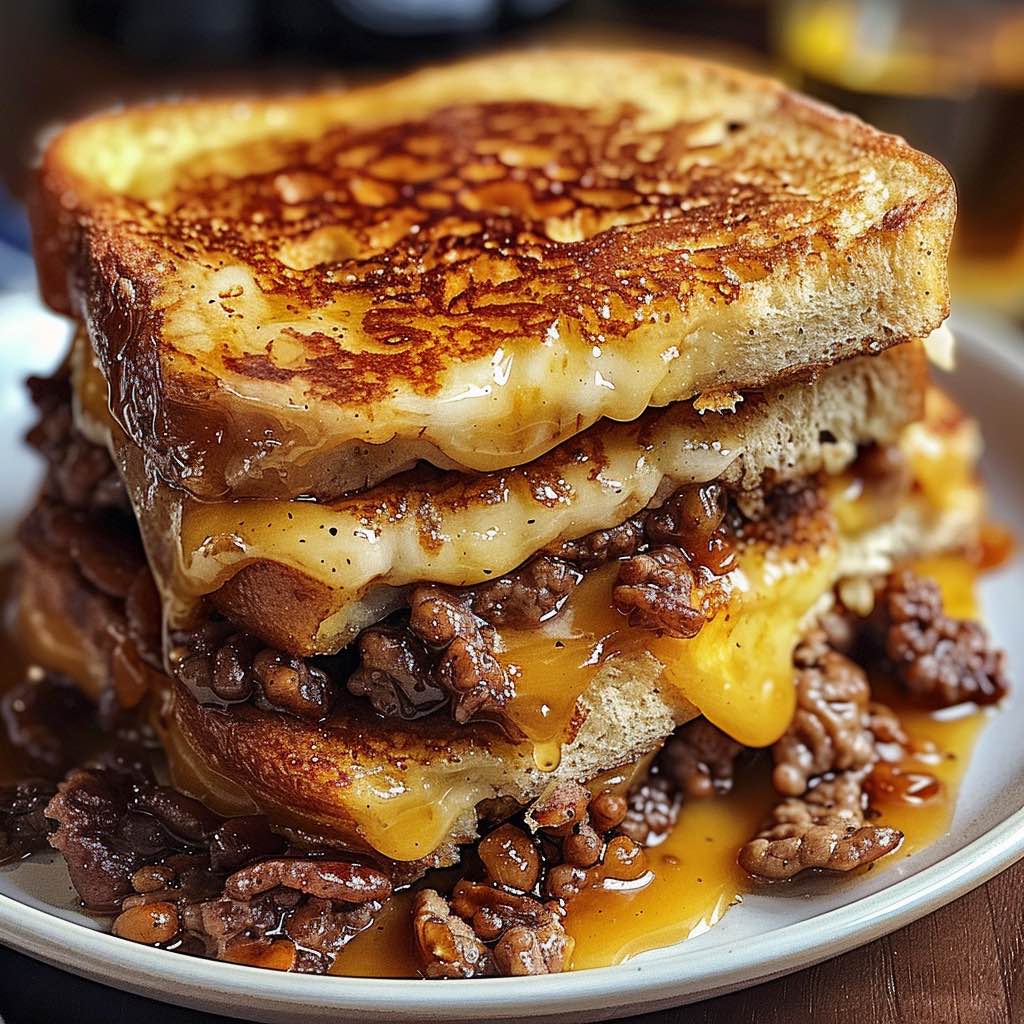
Big Mac French Toast: The Ultimate Breakfast Mashup Recipe
What is Big Mac French Toast?
Big Mac French Toast is a creative breakfast mashup that transforms the iconic fast-food burger into an indulgent morning meal. This recipe combines thick slices of eggy French toast with seasoned beef patties, crispy bacon, American cheese, and tangy Big Mac sauce. The result is a savory breakfast sandwich that delivers familiar burger flavors in an unexpected format.
This dish gained popularity on social media as food enthusiasts began experimenting with fusion recipes. Similar to a Monte Cristo sandwich, Big Mac French Toast uses French toast as the “bun” instead of traditional bread. However, the French toast here is savory rather than sweet, incorporating garlic powder and herbs into the egg mixture.
The genius of this recipe lies in its simplicity. Home cooks can prepare it using common ingredients without specialized equipment. Additionally, the dish works equally well for breakfast, brunch, or even dinner. The combination of textures—crispy French toast exterior, juicy beef patty, melted cheese—creates an irresistible eating experience.
Why This Recipe Works
The Big Mac French Toast succeeds because it balances sweet and savory elements perfectly. The egg-soaked bread develops a golden crust when pan-fried, providing structural integrity that regular bread cannot match. This sturdiness is essential for supporting the heavy burger toppings without becoming soggy.
Moreover, the French toast adds a subtle richness that complements the beef rather than competing with it. The garlic powder in the egg mixture enhances the savory profile. Meanwhile, the cream in the batter creates an ultra-tender interior that contrasts beautifully with the crispy exterior.
Furthermore, this recipe offers complete customization. Cooks can adjust the beef seasoning, cheese selection, and sauce intensity to match personal preferences. The recipe also scales easily for feeding crowds or meal prepping.
Essential Ingredients
For the Beef Patties
The foundation of Big Mac French Toast begins with quality ground beef. Choose 80/20 ground chuck for optimal flavor and juiciness. Each patty requires approximately one-third pound of beef. Season generously with salt and pepper before cooking.
For the French Toast
Thick-cut bread is non-negotiable for this recipe. Texas toast or brioche works exceptionally well because these breads absorb the egg mixture without falling apart. Regular sandwich bread will not provide adequate structure.
The egg mixture requires four large eggs, half a cup of milk, and half a cup of heavy whipping cream. This combination creates a rich, custard-like coating. Add half a teaspoon of garlic powder, one teaspoon of salt, and one teaspoon of black pepper for savory depth.
Additional Components
American cheese slices provide the classic Big Mac flavor profile. Crispy bacon adds smoky richness and textural contrast. Thinly sliced yellow onions, when sautéed until softened, contribute sweetness and complexity.
Finally, Big Mac sauce ties all the flavors together. This tangy, slightly sweet condiment is essential for authentic results. Dill pickle slices on the side add traditional burger shop flair.
Kitchen Tools You’ll Need
Cooking Equipment
A large skillet or griddle is essential for preparing Big Mac French Toast. Cast iron skillets distribute heat evenly and develop excellent crust on both the French toast and beef patties. Alternatively, a non-stick griddle accommodates multiple components simultaneously.
Additionally, keep a shallow bowl for the egg mixture within reach. A whisk helps blend the eggs, milk, and cream smoothly. Tongs or a wide spatula facilitate flipping without breaking the delicate French toast.
Preparation Tools
A sharp knife ensures clean slicing of onions and bread. Measuring cups and spoons maintain ingredient accuracy, especially for the Big Mac sauce. Small mixing bowls organize components efficiently.
Furthermore, paper towels help drain excess grease from bacon and beef patties. A meat thermometer guarantees patties reach safe internal temperatures without overcooking. Finally, serving plates should be warming in the oven to keep components hot during assembly.
Step-by-Step Instructions
Preparing the Beef Patties
Start by dividing two-thirds pound of ground beef into two equal portions. Form each portion into a patty slightly larger than your bread slices, as beef shrinks during cooking. Season both sides generously with salt and pepper.
Heat one teaspoon of olive oil in your skillet over medium-high heat. Once the oil shimmers, add the patties. Cook for three to four minutes per side for medium doneness. Adjust cooking time based on thickness and desired doneness. Remove patties and keep warm on a plate tented with foil.
Cooking the Bacon and Onions
Using the same skillet, add four bacon slices. Cook until crispy, approximately six to eight minutes, turning occasionally. Transfer bacon to paper towels for draining.
Next, add sliced onions to the bacon drippings. Sauté over medium heat until softened and slightly caramelized, about five minutes. Remove and set aside with the other cooked components.
Making the French Toast
In a shallow bowl, whisk together four eggs, half a cup of milk, and half a cup of heavy whipping cream. Add half a teaspoon of garlic powder, one teaspoon of salt, and one teaspoon of black pepper. Mix until fully combined and slightly frothy.
Wipe out the skillet and add fresh oil or butter. Heat over medium heat until the fat begins to shimmer. Dip each bread slice into the egg mixture, allowing it to soak for about ten seconds per side. The bread should be saturated but not falling apart.
Place the soaked bread in the hot skillet. Cook for two to three minutes per side until golden brown and crispy. The interior should be fully cooked with no raw egg remaining. Repeat with remaining slices.
Assembly
Place one slice of Big Mac French Toast on each serving plate. Spread Big Mac sauce generously on the toast surface. Layer one beef patty on top of the sauce.
Add one slice of American cheese over the hot patty so it begins melting. Top with half of the sautéed onions and two bacon slices. Finally, place the second French toast slice on top, pressing gently to compact the sandwich.
Slice the sandwich diagonally for easier handling. Serve immediately with dill pickle slices on the side. Check out our guide on [insert link] for more creative breakfast sandwich ideas.
Making the Perfect Big Mac Sauce
Sauce Ingredients
Authentic Big Mac sauce requires half a cup of mayonnaise as the base. Add two tablespoons of sweet pickle relish for sweetness and texture. Two teaspoons of yellow mustard provide tangy sharpness.
Additionally, include one tablespoon of finely minced onion for pungency. One teaspoon of white vinegar adds brightness. Finally, half a teaspoon of paprika, quarter teaspoon of garlic powder, quarter teaspoon of onion powder, and quarter teaspoon of salt round out the flavor profile.
Mixing and Storing
Combine all sauce ingredients in a small bowl. Whisk until smooth and fully incorporated. The sauce can be used immediately, though flavors develop better after refrigerating for at least two hours.
Store the sauce in an airtight container in the refrigerator. It keeps for up to two weeks, making it perfect for meal prep. Shake or stir before each use as ingredients may separate during storage.
Some recipes include ketchup for extra sweetness and color. This addition is optional but enhances the overall flavor. For a spicier version, add a dash of hot sauce or cayenne pepper.
Pro Tips for Success
Bread Selection
Choose thick-cut bread that can withstand soaking without disintegrating. Texas toast, brioche, or challah work exceptionally well. Stale bread actually performs better than fresh bread because it absorbs egg mixture more efficiently.
Avoid thin sandwich bread entirely as it becomes mushy and tears during cooking. Similarly, bread with large air pockets may not hold together when loaded with toppings. Day-old artisan bread provides excellent structure and flavor.
Temperature Control
Medium heat is crucial for Big Mac French Toast success. Too high, and the exterior burns before the interior cooks through. Too low, and the French toast becomes soggy rather than crispy.
Additionally, allow cooked components to rest before assembly. This prevents carryover cooking and allows juices to redistribute in the beef patties. Resting also makes components easier to handle.
Assembly Strategy
Work quickly during assembly to maintain temperature. Have all components prepared and within reach before starting. Place cheese on the hot patty immediately so residual heat melts it perfectly.
Furthermore, don’t overload the sandwich. While tempting to add extra toppings, too much filling makes the sandwich difficult to eat. Balance is key for the best dining experience.
Common Mistakes to Avoid
Oversaturating the Bread
One frequent error is leaving bread in the egg mixture too long. This causes the bread to fall apart when transferring to the skillet. Dip each slice for only ten seconds per side.
Additionally, resist the urge to press down on French toast while cooking. Pressing squeezes out the custard mixture and results in dry, dense toast. Let heat do the work naturally.
Cooking at Wrong Temperature
High heat seems efficient but produces burnt exteriors and raw interiors. Medium heat ensures even cooking throughout. Patience yields superior results.
Similarly, adding French toast to insufficiently heated oil results in greasy, soggy bread. Wait until oil shimmers before adding battered bread. This creates the signature crispy crust.
Skipping the Resting Period
Immediately cutting into Big Mac French Toast causes juices to run out. Letting the assembled sandwich rest for two minutes allows components to settle. This brief wait dramatically improves texture and presentation.
Moreover, cold ingredients disrupt the eating experience. Keep all cooked components warm until assembly time. Warm plates also help maintain optimal serving temperature.
Variations and Substitutions
Protein Alternatives
While traditional Big Mac French Toast uses beef, other proteins work wonderfully. Ground turkey or chicken provides a leaner option while maintaining the burger profile. Season these alternatives more aggressively as they can be bland.
Breakfast sausage creates an entirely different flavor profile. Form sausage into patties the same size as bread slices. The fennel and sage notes in Italian sausage complement the French toast beautifully.
Vegetarian versions use plant-based burger patties. Many brands now closely mimic beef texture and flavor. Portobello mushroom caps also serve as hearty, satisfying patties.
Bread Options
While thick-cut white bread is standard, whole wheat adds nutty flavor and extra fiber. Sourdough bread contributes pleasant tanginess that complements the Big Mac sauce. Potato bread offers subtle sweetness and extra-soft texture.
For gluten-free versions, choose sturdy gluten-free bread. Not all gluten-free breads withstand soaking equally well, so experimentation may be necessary. Thicker slices generally perform better.
Cheese Choices
American cheese is traditional but not mandatory. Cheddar provides sharper flavor and similar meltability. Pepper jack adds pleasant heat for spice lovers.
Swiss cheese offers nutty notes that pair nicely with sautéed onions. Provolone melts beautifully and has mild flavor that doesn’t overpower other components. Mix multiple cheese types for complex flavor.
Serving Suggestions
Side Dishes
Big Mac French Toast is substantial enough to serve alone, but sides enhance the meal. Hash browns or tater tots echo the fast-food inspiration. Their crispy exteriors and soft interiors complement the sandwich perfectly.
Fresh fruit provides refreshing contrast to the rich sandwich. Berries, melon, or citrus segments cut through the heaviness. A simple green salad with vinaigrette offers similar balance.
For heartier appetites, serve with breakfast potatoes. Season potatoes with paprika and garlic powder to match the sandwich flavors. Roasted vegetables add nutrition and color to the plate.
Beverage Pairings
Coffee is the classic breakfast beverage choice. The bitter notes balance the rich, savory sandwich. Cold brew coffee offers smooth, less acidic flavor.
Fresh-squeezed orange juice provides vitamin C and bright acidity. Tomato juice with hot sauce makes an excellent savory pairing. For non-traditional options, consider iced tea or lemonade.
Milkshakes create a true diner experience. Vanilla or chocolate shakes complement the burger-inspired flavors. The sweet-savory combination is indulgent and satisfying.
Presentation Ideas
Cutting Big Mac French Toast diagonally showcases the beautiful layers. Secure each half with decorative toothpicks to prevent sliding. Arrange pickle spears alongside for authentic burger shop appearance.
Serve on a wooden board for rustic charm. Add small bowls of extra Big Mac sauce for dipping. Garnish plates with fresh herbs for color.
For brunch gatherings, create a build-your-own station. Set out prepared French toast, various proteins, cheese options, and toppings. Guests customize their sandwiches to personal preferences.
Nutritional Information
Calorie Content
One serving of Big Mac French Toast contains approximately 1,000-1,200 calories. This substantial calorie count reflects the rich ingredients and generous portions. The dish provides significant energy for active individuals.
Protein content ranges from 40-70 grams per serving depending on beef portion size. This high protein level supports muscle maintenance and satiety. Fat content is approximately 60-80 grams, largely from beef, bacon, and dairy.
Carbohydrates total around 45-65 grams per serving. Most carbs come from the bread, with smaller amounts from milk and sauce. Fiber content is minimal unless whole grain bread is used.
Nutritional Considerations
The cholesterol content is high due to eggs, beef, and bacon. Individuals monitoring cholesterol should enjoy this recipe occasionally. Sodium levels are also elevated from processed meats and cheese.
However, Big Mac French Toast does provide valuable nutrients. Eggs contribute vitamins D and B12. Beef supplies iron and zinc. Dairy products add calcium.
For lighter versions, use turkey bacon, lean ground beef, and reduced-fat cheese. These swaps significantly decrease calories and fat. Alternatively, serve half portions with salad.
Storage and Reheating
Refrigeration Guidelines
Store leftover Big Mac French Toast components separately for best results. Keep French toast, beef patties, and bacon in airtight containers. Refrigerate promptly within two hours of cooking.
French toast stays fresh for three to four days when properly stored. Beef patties maintain quality for three days. Big Mac sauce keeps for up to two weeks. Assembled sandwiches should be consumed within 24 hours.
Label containers with preparation dates for food safety. Store components on upper refrigerator shelves where temperature remains most consistent. Never leave at room temperature for extended periods.
Reheating Methods
Oven reheating produces the best results for Big Mac French Toast. Preheat oven to 350°F and place components on a baking sheet. Heat French toast for five to seven minutes until warmed through.
Reheat beef patties separately to prevent overcooking. Cover with foil to retain moisture. Heat for eight to ten minutes until internal temperature reaches 165°F.
Microwave reheating is faster but produces less crispy results. Heat components on separate microwave-safe plates. Use 50% power in 30-second intervals to prevent rubbery texture.
Skillet reheating works well for French toast. Add butter to a pan over medium-low heat. Toast each side for two minutes until crispy and warm.
FAQs
Can I make Big Mac French Toast ahead of time?
Yes, components can be prepared in advance for convenient assembly. Cook French toast, beef patties, and bacon up to two days ahead. Store separately in the refrigerator and reheat before serving. Prepare Big Mac sauce up to one week early. However, assemble sandwiches just before eating for optimal texture.
What bread works best for this recipe?
Thick-cut bread is essential for Big Mac French Toast success. Texas toast, brioche, and challah withstand soaking without falling apart. Day-old bread absorbs egg mixture better than fresh bread. Avoid thin sandwich bread as it becomes too soggy.
Can I freeze Big Mac French Toast?
Freezing is possible but affects texture. Freeze cooked French toast slices individually wrapped in plastic, then stored in freezer bags. French toast keeps frozen for up to two months. Beef patties also freeze well for three months. Thaw overnight in the refrigerator before reheating.
How do I prevent soggy French toast?
Control soaking time to prevent soggy Big Mac French Toast. Dip bread for only ten seconds per side. Ensure the skillet is properly heated before adding battered bread. Don’t press down while cooking as this squeezes out the egg mixture.
Can I use ground turkey instead of beef?
Ground turkey works well as a substitute. Season turkey more heavily than beef since it has milder flavor. Add Worcestershire sauce and extra garlic powder for depth. Cook turkey to 165°F internal temperature for food safety.
What makes Big Mac sauce different from Thousand Island dressing?
While similar, Big Mac sauce has distinct characteristics. Some recipes omit ketchup entirely, relying on relish for sweetness. Big Mac sauce typically includes more mustard for tangy kick. The seasoning blend with paprika and garlic powder creates unique flavor.
Conclusion
Big Mac French Toast represents the perfect fusion of breakfast comfort and burger satisfaction. This creative recipe transforms ordinary ingredients into an extraordinary meal that impresses family and guests alike. The combination of crispy French toast, juicy beef patties, melted cheese, and tangy sauce delivers familiar flavors in an innovative format.
Success depends on quality ingredients and proper technique. Choose thick-cut bread that withstands soaking. Control soaking time to achieve crispy exteriors without sogginess. Cook all components to proper temperatures for food safety and optimal flavor.
Whether serving for weekend brunch or special occasions, Big Mac French Toast never disappoints. The recipe accommodates various dietary preferences through simple substitutions. Prepare components ahead for stress-free entertaining.
Print
Big Mac French Toast
Description
Big Mac French Toast
Ingredients
For the French Toast:
-
4 thick slices of brioche or Texas toast
-
3 large eggs
-
½ cup milk
-
1 tbsp mayonnaise (optional for richness)
-
Salt and pepper to taste
-
1 tbsp butter (for cooking)
For the Big Mac Filling:
-
½ lb (225 g) ground beef
-
Salt and black pepper, to taste
-
2 slices American cheese
-
2 tbsp diced onions
-
2 tbsp shredded lettuce
-
2 tbsp diced pickles
For the Big Mac Sauce:
-
2 tbsp mayonnaise
-
1 tbsp ketchup
-
1 tbsp sweet pickle relish
-
½ tsp yellow mustard
-
Pinch of paprika
-
½ tsp vinegar (optional)
Instructions
-
Make the Big Mac Sauce
In a small bowl, whisk together mayonnaise, ketchup, relish, mustard, paprika, and vinegar. Set aside. -
Cook the Beef
In a skillet, season ground beef with salt and pepper. Cook until browned.
Form two thin patties and top each with a slice of cheese. Let melt. Set aside. -
Prepare the French Toast
In a shallow dish, whisk together eggs, milk, mayo (optional), salt, and pepper.
Dip each slice of bread in the mixture, coating both sides. -
Cook the French Toast
Melt butter in a pan over medium heat.
Cook the bread slices until golden brown on both sides, about 2–3 minutes per side. -
Assemble the Big Mac French Toast
-
Lay one slice of French toast on a plate.
-
Spread Big Mac sauce generously.
-
Add one cheesy beef patty, onions, lettuce, and pickles.
-
Top with another slice of French toast.
-
Drizzle more sauce on top (optional).
-
-
Serve
Slice in half, let that cheesy, saucy goodness spill out, and serve warm. 😍